The Advantages of Factory-Direct Supply of Textile Printing Chemicals
Factory-direct sourcing may shorten technical communication when the responsible producer and support route are clear....
Textile printing chemicals influence paste preparation, machine operation, print definition, fixation, washing and final fabric quality. Selecting a supplier is therefore not simply a matter of comparing product names and prices.
Factory-direct purchasing may shorten technical communication when the seller can connect the buyer with the responsible manufacturer and laboratory. Verify that connection for the selected product. An export company, website catalogue or factory address alone does not prove that every listed grade is made at the same site.
This shorter communication route can make it easier to compare an existing product, request a suitable sample, clarify test methods and connect the approved grade with later bulk shipments.
However, factory-direct supply is not automatically the best purchasing model for every buyer. Import volume, technical capability, local inventory, logistics and after-sales requirements must also be considered.
The real advantage comes from selecting a capable manufacturer and using a controlled process from technical inquiry to sample approval and commercial delivery.
What Does Factory-Direct Supply Mean?
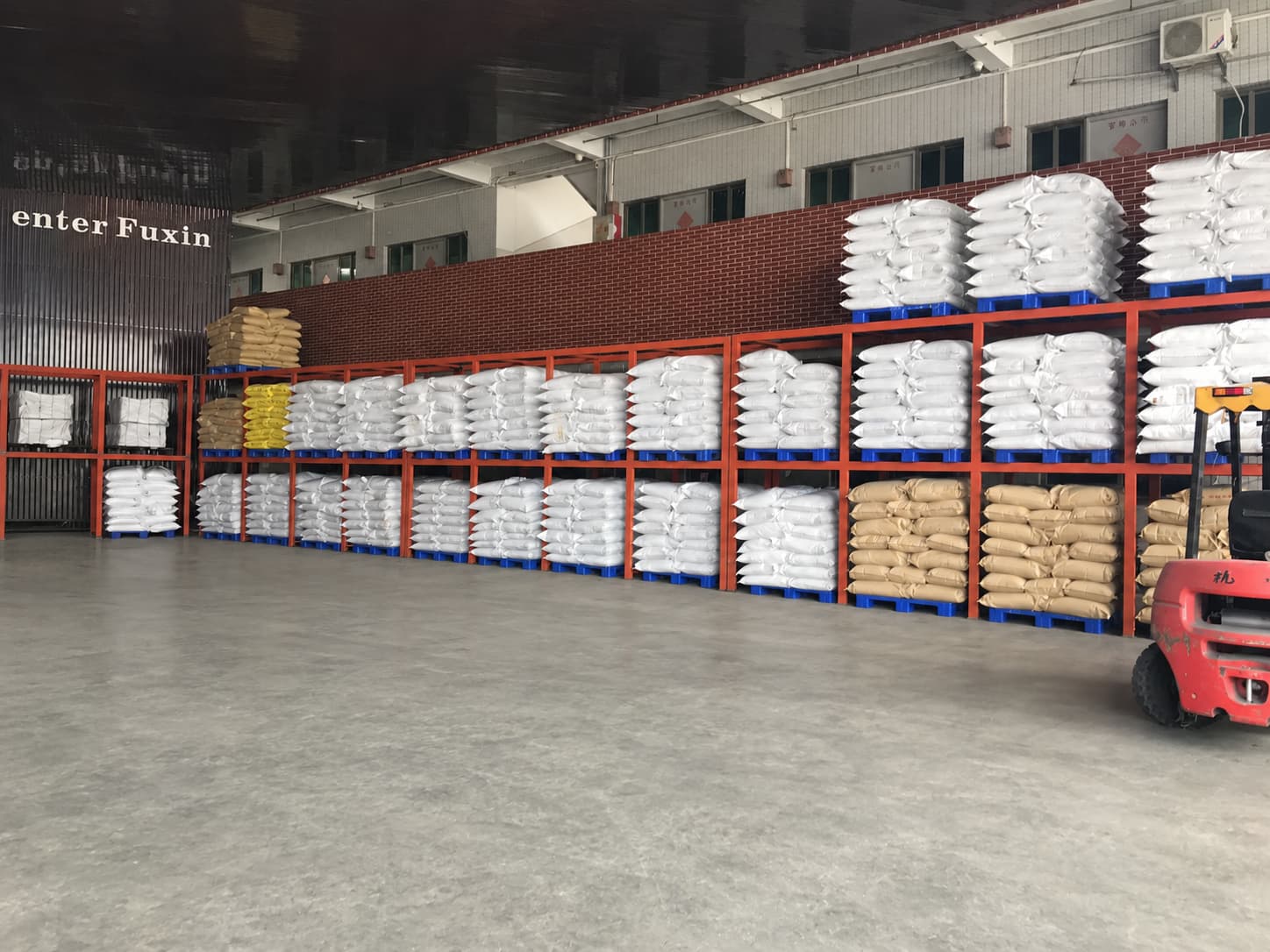
Factory-direct supply means purchasing a product from the manufacturer or its dedicated export operation rather than through several unrelated trading and distribution layers.
Ask the seller to identify its role for the quoted grade: original manufacturer, formulator, authorized distributor or trader. Confirm the responsible manufacturer, document issuer and complaint contact. Evaluate accountability and evidence rather than assuming capability from the sales-channel label.
Factory-direct does not mean communication with only a salesperson
The main value of direct supply is access to the technical and production information behind the quotation. A capable factory supplier should be able to connect the buyer’s inquiry with laboratory, quality and manufacturing review when required.
Direct supply should preserve product identity
The sample, Technical Data Sheet, quotation, purchase order, package label and Certificate of Analysis should refer to the same commercial product and grade.
Direct supply can still include service partners
A manufacturer may use freight forwarders, export agents, warehouses or regional distributors for logistics and local support. The important question is whether the product identity and technical communication remain clear.
Factory-Direct Manufacturer vs Distributor or Trader
Área de evaluación
Factory-Direct Manufacturer
Distributor or Trader
Technical communication
May provide direct access to product, laboratory and manufacturing information
May need to forward technical questions to another organization
Product selection
Can review available grades within the manufacturer’s own range
May compare products from several manufacturers
Sample identity
Can link the sample directly to a commercial production grade
Depends on how clearly the original manufacturer is identified
Price structure
May reduce some intermediary margins for suitable order volumes
Includes local inventory, credit, sales and service costs
Order quantity
May require factory production or export-level quantities
May supply smaller quantities from local stock
Delivery speed
Depends on production, export preparation and international transport
Local inventory may support faster delivery
Customization
May review special grades, specifications or packing when technically and commercially practical
Usually limited to the manufacturer’s existing products
Quality investigation
Can review production, testing and batch information directly
May need to coordinate with the original manufacturer
Local support
May be remote unless a regional team is available
May provide local language, credit and warehouse support
Neither model is universally better. The appropriate choice depends on order volume, technical requirements, local inventory needs, import capability and the quality of the supplier.
1. Direct Technical Communication
Textile chemical inquiries often require more information than a product name and target price. The supplier may need to understand the fabric, dye, pigment or ink system, current product, dosage, test method and production problem.
Fewer communication layers
Direct communication can reduce the number of times technical information is summarized, translated or transferred between organizations.
This is particularly useful when discussing viscosity methods, substitution levels, filtration problems, print defects or preparation procedures.
Clearer explanation of product limitations
A manufacturer should be able to explain which printing systems a grade was developed for and which applications still require testing.
More useful trial feedback
When a sample does not meet the target, direct technical review may help distinguish between an unsuitable grade, incorrect preparation, dosage, chemical incompatibility or equipment conditions.
Better alignment of test methods
Buyer and supplier laboratories can compare concentration, water, hydration time, temperature, instrument, spindle and rotational speed before concluding that the product results are different.
2. More Accurate Grade Matching
CMC, FSX CMS, sodium alginate and digital printing paste are product families rather than single universal grades. Compare only properties relevant to the confirmed product identity: for example, degree of substitution can be a CMC selection parameter, but should not be transferred to alginate or an unspecified FSX CMS formulation. Request the selected grade’s application and test-method information.
Current-product comparison
Direct buyers can provide an existing TDS, COA, label, viscosity report or physical sample to support a more focused recommendation.
Selección basada en las solicitudes
Ask the supplier to identify the relevant application route—reactive screen printing, pigment printing, warp sizing, digital fabric pretreatment or another textile formulation—and who can review the selected grade for that use.
Selection within one product family
A buyer requiring Carboximetilcelulosa may need a particular viscosity, substitution or purity range rather than a general industrial CMC grade.
For FSX CMS, confirm the current commercial grade, product identity and intended printing route. Do not interpret the CMS abbreviation as a composition declaration or apply a starch substitution parameter without grade-specific support.
Reduced risk of selecting by price alone
Direct grade review helps prevent the buyer from ordering a cheaper but technically unrelated grade only because the product family name appears similar.
3. Better Sample-to-Bulk Control
A common concern in international chemical purchasing is whether the commercial shipment will match the product tested during the qualification stage.
Permanent commercial grade code
An approved sample should be linked to a permanent grade or a clearly documented commercial route.
Specification continuity
The quotation and purchase order should identify the same grade and applicable specification used during sample evaluation.
Batch documentation
The first commercial batch can be connected with its batch number and relevant Certificate of Analysis.
First-shipment verification
The buyer should compare the first commercial shipment with the approved reference using the same preparation and application method.
Reduced risk of an unidentified sample
Buyers should avoid approving a product identified only as “special sample,” “similar grade” or “matching powder” without a documented route to routine production.
4. Clearer Quality and Batch Traceability
Direct purchasing can provide a clearer connection between the supplied product and the manufacturer’s quality-control records.
Product and batch identification
Package labels, batch numbers, COA and shipping documents can help the buyer identify the delivered material.
Grade-specific quality parameters
Depending on the product, relevant parameters may include viscosity, moisture, pH, purity, degree of substitution, particle size or appearance.
Manufacturing and testing review
Where a question arises, the manufacturer may review available production and batch-testing information more directly.
Retained information and samples
Retained records or samples can help distinguish between a supplied-batch issue, storage change, laboratory-method difference or customer-process variation.
Buyers can use FSX Chemical’s Manufacturing & Quality page as an introduction, then confirm the manufacturing, blending, testing and release responsibilities for the quoted grade. General company information is not a lot-specific QC record.
5. More Relevant Technical Documentation
Direct access to the manufacturer can simplify requests for current technical and batch documents.
Ficha técnica
The TDS should identify the commercial product, application direction, relevant properties and preparation guidance.
Ficha de datos de seguridad
The SDS supports internal safety, storage, handling and transport review. It should correspond to the exact supplied product.
Certificate of Analysis
The COA provides selected results for a confirmed sample or production batch. The reported parameters depend on the product and agreed specification.
Application and preparation information
Manufacturers may provide more detailed advice about powder addition, hydration, dosage, filtration and testing conditions.
Certification and compliance documents
Buyers should verify that any document applies to the exact supplier, product, scope and validity period.
Review the Certificates & Technical Documents page for an introduction, then request the current documents available for the exact grade, supplier entity and shipment. A document-category page does not establish certification coverage for every product.
6. More Transparent Commercial Discussions
Factory-direct supply may make it easier to understand which commercial factors affect the quotation.
Product-grade effect
Viscosity, purity, substitution, particle size, formulation complexity and quality limits can affect manufacturing cost.
Order-volume effect
Sample, trial, partial-container and full-container quantities may have different production, packaging and export costs.
Packaging effect
Standard bags, customized labels, pallets, moisture protection and other packing requirements may affect the quotation.
Trade-term effect
EXW, FOB, CFR, CIF and other trade terms include different responsibilities and cost components.
Document effect
Special testing, inspection, certification or destination-specific documents may require additional time or cost.
A direct quotation is not automatically the lowest available offer, but it can provide a clearer basis for comparing product, packing and commercial conditions.
7. Better Evaluation of Total Cost in Use
Factory-direct discussions can connect product price with actual application performance. This helps buyers compare total cost rather than price per kilogram alone.
Material dosage
Compare the quantity required to produce an acceptable printing paste or treatment batch.
Preparation cost
Include mixing, hydration, heating, cooling, filtration and labor.
Production reliability
Include screen cleaning, machine interruptions, viscosity correction and rejected paste.
Final-quality cost
Include reprinting, additional washing, fabric rejection and customer complaints.
Supply cost
Include freight, import charges, inventory, storage and emergency purchasing.
A factory-direct product creates value when its delivered cost and process performance provide a suitable total result. A low quotation alone does not demonstrate better value.
8. Greater Flexibility for Specifications and Packaging
Manufacturers may be able to review requirements that are not available through standard distributor stock.
Alternative viscosity grades
A buyer may require a grade above or below the supplier’s most common viscosity range.
Particle-size requirements
Powder flow, hydration and filtration can be influenced by particle profile. Any special requirement should be technically reviewed.
Application-specific formulation
Compound printing thickeners and digital printing pastes may require adjustments for a defined ink, fabric or process.
Packaging and labels
The manufacturer may review bag size, palletization, shipping marks or private-label requirements when volume and production conditions are suitable.
Customization is not always necessary
A standard commercial grade is usually the most efficient starting point. Custom development should be considered only when the requirement is clearly defined and standard products are unsuitable.
9. Improved Supply Planning
Direct communication with the manufacturing side can help buyers plan orders around production, packaging and export schedules.
Forecast discussion
Buyers with regular consumption can share expected volume and required delivery windows.
Production scheduling
The supplier can review whether the requested grade is standard, made-to-order or dependent on particular raw materials.
Packaging preparation
Customized packing or labels may need to be prepared before production or shipment.
Inventory strategy
International buyers should balance direct-factory order quantities with local warehouse capacity and safety-stock requirements.
Long-term consistency
Regular communication can help the supplier understand which parameters are critical to the buyer’s production and commercial planning.
10. Faster Investigation of Technical Problems
An additional organization can lengthen an investigation if responsibilities and evidence transfer are unclear; a capable distributor can also coordinate local sampling and technical support. Confirm the escalation route and response expectations for the chosen supply model before a problem occurs.
Direct batch identification
The buyer can provide the product code, batch number, COA and package photographs directly to the supplier.
Direct test-method comparison
Supplier and buyer laboratories can compare concentration, preparation, temperature and measurement settings.
Direct formulation review
Water, dosage, mixing, dyes, pigments, salts, alkalis, binders and auxiliaries can be reviewed together.
Retained-sample comparison
Where available, supplier and buyer retained samples can be tested using an aligned method.
Evidence-based next action
The review may lead to method alignment, repeat testing, grade adjustment, replacement discussion or another corrective step based on the available evidence.
11. Stronger Long-Term Supplier Development
Direct sourcing can develop beyond one quotation when the buyer and manufacturer exchange structured technical and commercial information.
Building an approved grade history
Laboratory results, production feedback and batch records can support future orders.
Developing a backup-supply route
Buyers can qualify a factory-direct manufacturer as an alternative source before an emergency occurs.
Improving future product matching
Once the supplier understands the buyer’s equipment, test methods and quality requirements, later product inquiries can be reviewed more efficiently.
Managing specification changes
Significant changes to the agreed grade or requirement can be discussed before commercial production.
Supporting regional distribution
Importers and distributors can also work directly with manufacturers to develop local stock, documentation and technical-support programs.
Factory-Direct Supply Across Different Product Families
Reactive, disperse or pigment route, fabric, pretreatment method, filtration and ink compatibility
Print definition, bleeding, fixation or curing, handle and production stability
Compound textile thickener
Complete formulation, intended printing system, dosage, rheology and production conditions
Sample-to-bulk identity, machine trial, final fabric result and batch consistency
Product-family knowledge helps define the starting route, but the final commercial grade should still be selected through technical review and sample testing.
What Factory-Direct Supply Does Not Automatically Guarantee
It does not guarantee the lowest landed cost
Factory price may be competitive, but freight, import duty, local handling, financing and inventory must also be included.
It does not guarantee the smallest order quantity
Manufacturers may require production-efficient quantities, while local distributors can split larger shipments into smaller orders.
It does not guarantee faster delivery
International production and shipping may take longer than purchasing from local inventory.
It does not guarantee application success
Product suitability still depends on the buyer’s formulation, water, fabric, equipment and process.
It does not guarantee stronger quality control
A factory should be evaluated by its product identity, specification, testing, documentation and response process rather than by the word “manufacturer.”
It does not remove the need for incoming inspection
Buyers should still review packaging, documents, batch identity and application performance.
When a Distributor May Still Be the Better Choice
Small and irregular order quantities
Local distributors may provide single bags, drums or partial-pallet quantities that are impractical for direct export.
Urgent local delivery
Warehouse stock can reduce delivery time when production cannot wait for international transport.
Local credit requirements
A distributor may provide local currency, shorter payment procedures or credit terms.
Import and regulatory support
Buyers without import capability may benefit from a distributor that handles customs, warehousing and local documentation.
Multi-brand comparison
A capable distributor may compare several manufacturers and product families rather than representing only one factory.
On-site technical service
Local application specialists may provide faster factory visits and troubleshooting.
Some buyers use a combined model: direct factory communication for technical and commercial development, supported by a regional distributor for local inventory and service.
How to Qualify a Textile Chemical Manufacturer
Confirm company and factory identity
Registered company name
Factory or operating address
Product-manufacturing scope
Exporting entity where different
Bank-account and quotation identity
Review product identity
Permanent product and grade code
Current TDS and SDS
Intended application
Standard or custom grade status
Applicable commercial specification
Review technical capability
Available laboratory testing
Viscosity and preparation methods
Sample-matching process
Application-review capability
Technical complaint procedure
Review quality controls
Raw-material and production controls
Finished-batch sampling
Specification review
Batch identification
COA availability
Review commercial capability
Sample quantity and courier arrangement
Minimum commercial quantity
Packaging options
Trade terms and payment terms
Production and shipment planning
Verify supporting claims
Certifications, test reports and compliance statements should be checked for holder, scope, product coverage, issuing organization and validity.
Recommended Sample-to-Bulk Workflow
Step 1: Define the application
Record the textile, colorant system, equipment, current formulation, dosage and main problem.
Step 2: Share the current reference
Provide the existing TDS, COA, label, test results or representative sample where available.
Step 3: Confirm the candidate grade
Request a permanent product code, current TDS, preparation method and relevant technical information.
Step 4: Standardize sample preparation
First define the purpose of the comparison. A common-SOP trial holds the current plant water, concentration basis, mixing, preparation time, temperature and measurement settings fixed to test whether a candidate fits that process. Separately, qualify an application route after each grade has been prepared by its documented procedure, including dispersion, hydration or activation where applicable. Record every dosage or process adjustment, then compare the complete paste and finished fabric against agreed requirements. An adjusted trial does not prove a drop-in replacement under the original SOP. For CMC specifically, Nouryon’s preparation guidance describes grade- and mixing-dependent dissolution; it is not a universal procedure for FSX grades or other polymer families.
Step 5: Test the complete formulation
Use the actual colorants and auxiliaries required by the selected printing route, with their recorded addition sequence and concentrations. Do not add every listed chemical to every system; test holding time and the production preparation window as part of the agreed trial.
Step 6: Complete an application trial
Use representative fabric, printing equipment, fixation and washing or curing conditions.
Step 7: Review total cost in use
Compare dosage, preparation, filtration, machine reliability and final textile quality.
Step 8: Confirm commercial requirements
Identify quantity, packaging, destination, trade term, documents and shipment timing.
Step 9: Link the order to the approved grade
The quotation and purchase order should identify the same product route approved during testing.
Step 10: Verify the first bulk batch
Review the package labels and COA, repeat the approved laboratory method and conduct a controlled production test.
Information to Include in a Factory RFQ
Application information
Printing, sizing, coating or digital process
Fabric, fibre or yarn composition
Sistema de colorantes, pigmentos o tintas
Current product and dosage
Target viscosity and complete measurement method
Water quality and preparation procedure
Printing or application equipment
Fixation, curing, washing or desizing process
Main quality or production issue
Reference information
TDS actual
Current COA
Product label photograph
Representative powder or paste sample
Viscosity test report
Printed-fabric or defect photographs
Commercial information
Estimated sample and bulk quantity
Expected annual consumption where available
Preferred packaging
Destination country and port
Preferred trade term
Payment-term requirement
Required delivery window
Technical and export documents required
Common Factory-Direct Purchasing Mistakes
Choosing a supplier only by price
A quotation does not show dosage, filtration, machine reliability or final textile quality.
Assuming every manufacturer produces every listed product
Buyers should clarify which products are manufactured directly, formulated internally or sourced from another producer.
Approving an unnamed sample
The sample should be connected to a commercial product code and specification.
Comparing different viscosity methods
Results obtained at different concentrations, temperatures or speeds should not be treated as directly equivalent.
Ordering bulk material before a complete trial
Water-only testing is not sufficient for a printing chemical that will be used with dyes, salts, alkalis or binders.
Ignoring landed cost
International freight, import duty, local transport, storage and financing should be included.
Failing to confirm documents before ordering
Required TDS, SDS, COA, labels and import documents should be identified before production or shipment.
Skipping first-batch verification
Even when the sample performs well, the first commercial shipment should be checked before routine use.
Expecting local-distributor service from a remote factory
Communication times, on-site visits, inventory and technical-response procedures should be discussed realistically.
Clarify the Supply Chain for the Quoted Grade
Función
Question to resolve
Product origin
Who manufactures or formulates this grade, and can the grade remain identifiable if the sales entity changes?
Lot documents
Who issues the COA, and how is the original lot linked to any relabelled package?
Local stock or repacking
Who controls storage, package opening, resealing and traceability after receipt?
Technical investigation
Who receives evidence, arranges comparison samples and communicates the resolution?
These questions apply to both direct and distributor purchases. For a repacked shipment, keep the link between the original manufacturer lot and the seller’s package code. If the original source changes, assess whether requalification is needed rather than treating an unchanged reseller code as proof of continuity.
How FSX Chemical Supports Direct Buyers
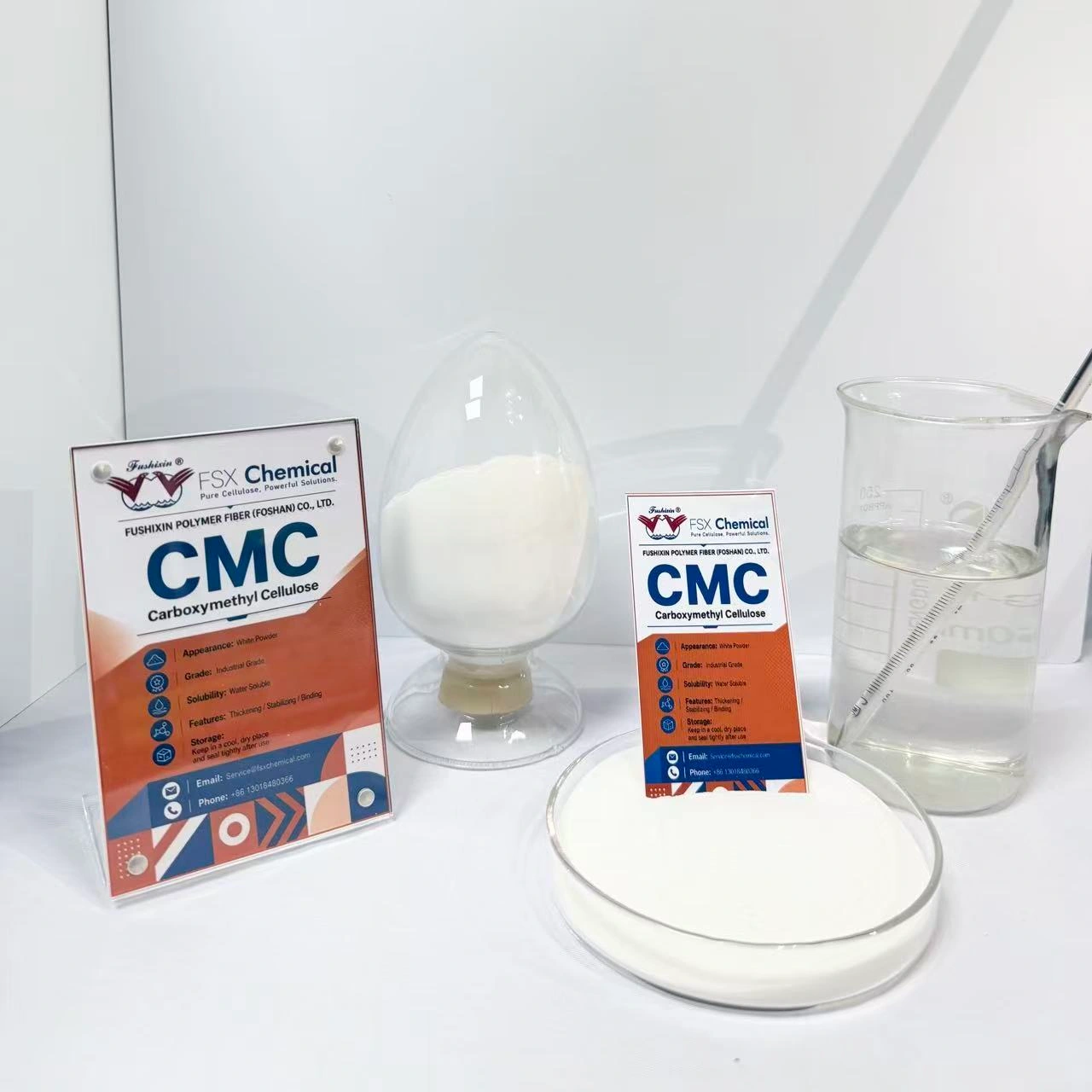
FSX Chemical supplies sodium alginate, CMC, CMS and digital printing paste for different textile and industrial applications. Direct buyers can provide their current product information and application requirements for grade review📧 Correo electrónico: Service@fsxchemical.com
Product-route review
The initial review can identify whether the requirement is best approached through sodium alginate, CMC, CMS, a compound thickener or a dedicated digital printing paste.
Existing-product matching
Buyers can provide a current TDS, physical sample, product label, viscosity method or printing result for comparison.
Representative samples
Candidate samples can be evaluated under the buyer’s laboratory and production conditions before a commercial order is approved.
Technical-document support
Request the current grade-specific TDS and SDS, and confirm which batch documents will be supplied, who issues them and how they link to the ordered grade and lot. Resolve missing or inconsistent records before approval rather than assuming the same document package across product families.
Factory-direct commercial discussion
Quantity, packaging, destination, trade term and document requirements can be reviewed after the technical product route has been identified.
Sample-to-bulk connection
The selected candidate should be linked to an identifiable commercial grade before bulk supply.
It means purchasing from the manufacturer or its dedicated export operation rather than through several unrelated trading layers.
Are factory-direct textile chemicals always cheaper?
No. Factory pricing may reduce some intermediary costs, but landed cost also includes freight, import duty, local handling, inventory and payment conditions.
Is buying directly from a factory always better?
No. Direct supply is most useful when the buyer has sufficient order volume, import capability, technical evaluation and inventory planning.
What are the main technical advantages?
Potential advantages include direct grade matching, clearer test-method communication, better sample-to-bulk control and more direct batch investigation.
Can a factory match my current textile thickener?
A manufacturer may review the current TDS, sample, dosage, viscosity method and application. The proposed candidate still requires controlled testing.
What documents should a direct supplier provide?
Buyers should normally request the current TDS, SDS, permanent grade code, preparation information and batch-specific COA for commercial supply.
Does a factory-direct COA guarantee printing performance?
No. A COA reports selected results for an identified lot under stated methods; check its issuer, lot link and agreed acceptance limits. It does not independently verify the whole manufacturing route or guarantee printing performance. The complete formulation, water, fabric, equipment and post-treatment still need qualification.
What quantity is required for factory-direct purchasing?
Minimum commercial quantity depends on the product, grade, packaging and production arrangement. It should be confirmed during quotation.
When should I buy from a distributor instead?
A distributor may be more suitable for small orders, urgent local delivery, local credit, import support or on-site technical service.
How should I approve a factory-direct supplier?
Confirm company and product identity, review technical documents, test a representative sample, verify the commercial grade and inspect the first bulk batch.
Request a Factory-Direct Textile Chemical Quote
Send FSX Chemical your current TDS or representative sample together with the textile application, fabric, colorant system, dosage, viscosity method, estimated quantity and destination.
Request a candidate route and the current documents available for that grade before seeking a commercial quotation. Confirm the responsible technical contact, sample availability and trial plan; the recommendation remains a starting point for qualification, not a promise of equivalent performance.
Descubre por qué no se pueden comparar los valores de viscosidad de los espesantes para la impresión textil sin tener en cuenta la concentración, la temperatura, el instrumento, el husillo, la velocidad, el método de preparación y el tiempo de prueba.
Aprende a elegir espesantes y métodos de pretratamiento para la impresión textil reactiva, dispersa, con pigmentos y digital, según los requisitos del tejido, el colorante o la tinta, la fijación, la resistencia al lavado y la calidad de impresión.
Compara CMC, CMS, alginato de sodio y pasta para impresión digital en la impresión textil. Descubre cómo cada opción se adapta a los procesos reactivos, dispersos, pigmentados y digitales, y qué deben tener en cuenta los compradores antes de realizar pruebas de muestras, comparar calidades y realizar compras a granel.
El alginato de sodio se utiliza ampliamente en la impresión textil como espesante estable y lavable para las pastas de impresión reactivas. Descubre cómo evaluar el grado de viscosidad, la pureza y la idoneidad para cada aplicación antes de comprar, y cómo FSX Chemical apoya a los compradores de todo el mundo con datos técnicos y muestras.
Choose CMC for textile printing by application, DS, viscosity method and formulation trials. Use a practical checklist to compare grades before bulk purchase.
La carboximetilcelulosa se utiliza como espesante y estabilizador en tintas a base de agua, impresión en huecograbado y pretratamiento para impresión de chorro de tinta. Esta guía aborda los parámetros clave de los grados y las consideraciones de abastecimiento para los equipos de compras.
Tanto el alginato de sodio como la CMC se utilizan como espesantes en la impresión textil, pero se adaptan a diferentes sistemas de tinte y condiciones de proceso. Esta guía explica las diferencias clave y cuándo utilizar cada uno.
La impresión digital por inyección de tinta sobre textiles tiene requisitos distintos en cuanto a pastas y pretratamiento en comparación con la serigrafía. Esta guía explica cómo se utiliza el alginato de sodio en la impresión textil digital y qué parámetros de calidad deben especificar los equipos de compras.
Food-grade and industrial-grade CMC labels do not define one universal DS, viscosity or purity comparison. Textile buyers should verify grade-specific assay and methods, then test the complete formulation; food-contact or pharmaceutical use needs separate, applicable documentation.
Prepare sodium alginate printing paste with a grade-specific concentration and controlled powder dispersion. Validate hydration, viscosity, filtration, air removal and holding time before production.
Assess sodium alginate in reactive-printing wastewater using measured COD load, product-specific biodegradation evidence and controlled process comparisons. Includes a buyer checklist and illustrative load calculation.
Separate reactive dye fixation from retained color and fastness. Review alginate preparation, application, alkali, paste age, steaming and wash-off through defined control comparisons; shade or rinse color alone does not establish fixation percentage.
Comparta el nombre del producto, su aplicación, la cantidad, el destino y cualquier ficha técnica (TDS),
foto de muestra o documento que ya tenga. FSX Chemical revisará la
información y le recomendará el siguiente paso para la cotización, la comparación de muestras
o la selección del producto.
Información del productoNombre del producto, categoría, modelo, foto de la etiqueta o referencia del proveedor.
Documentos disponiblesTDS, SDS, COA, foto de muestra, lista de productos o datos de pruebas.
Detalles del pedidoCantidad estimada, embalaje, país de destino, puerto o término comercial.
Solicitud o problemaProceso de impresión textil, requisitos de formulación, problema actual o objetivo de rendimiento.