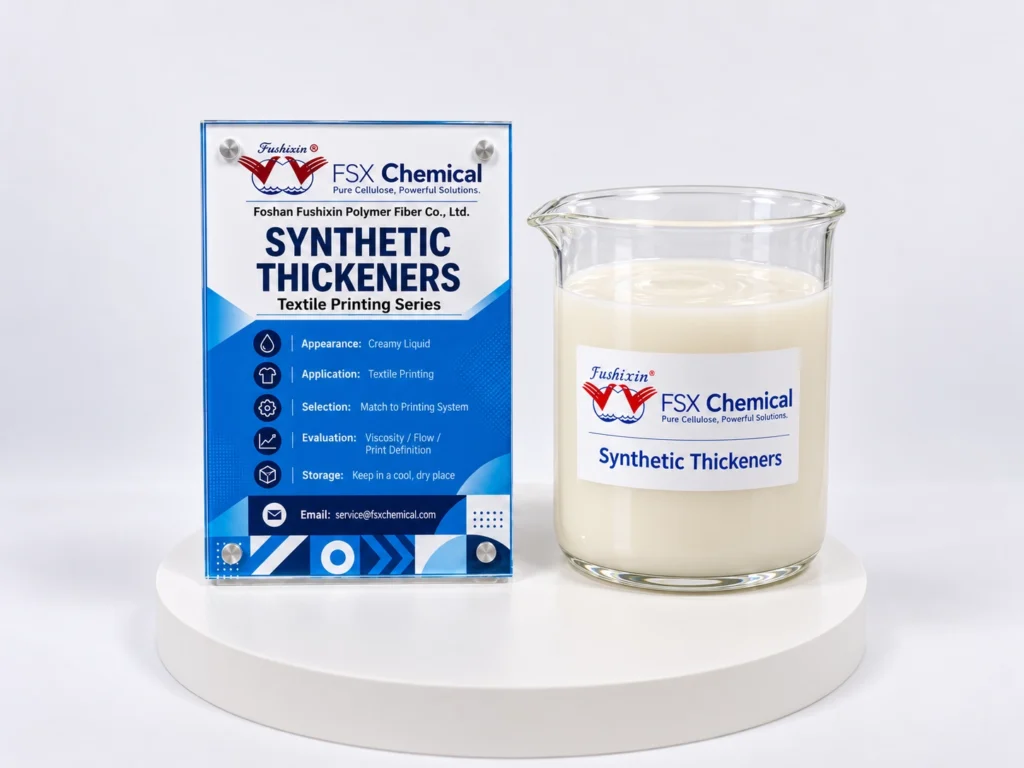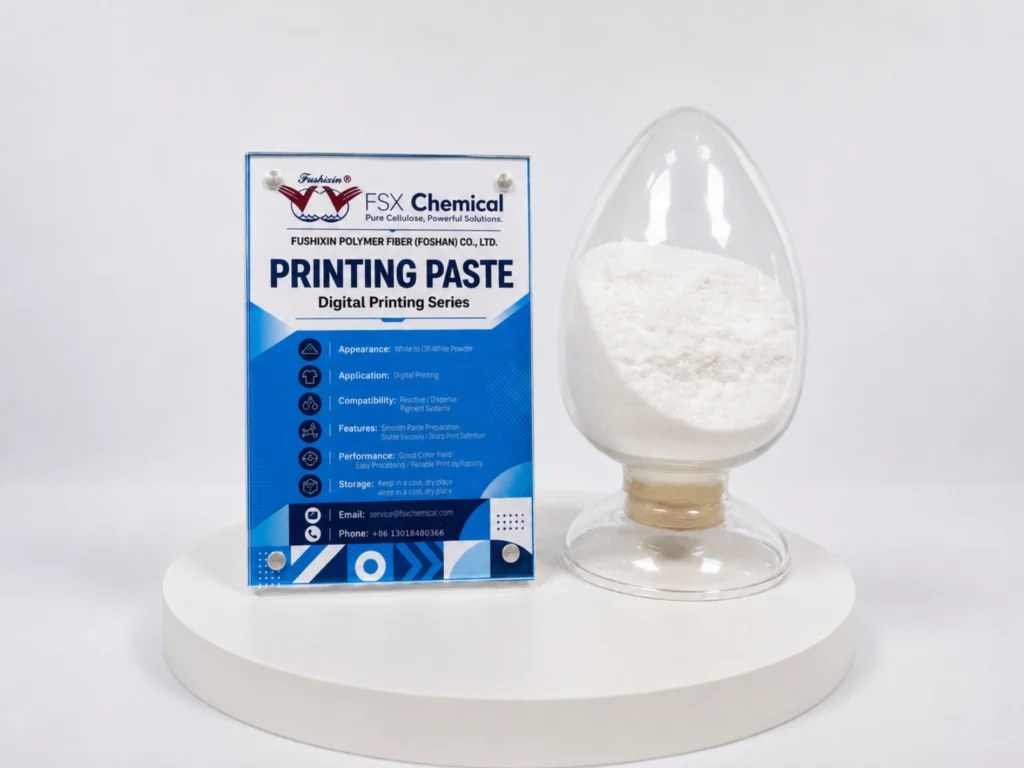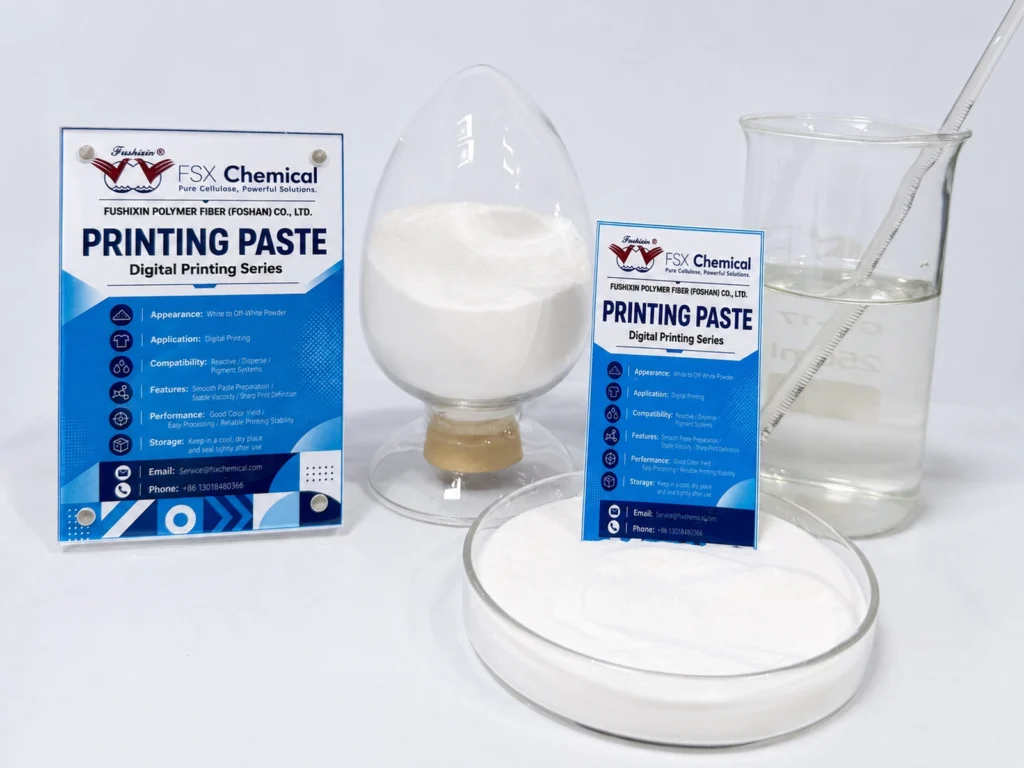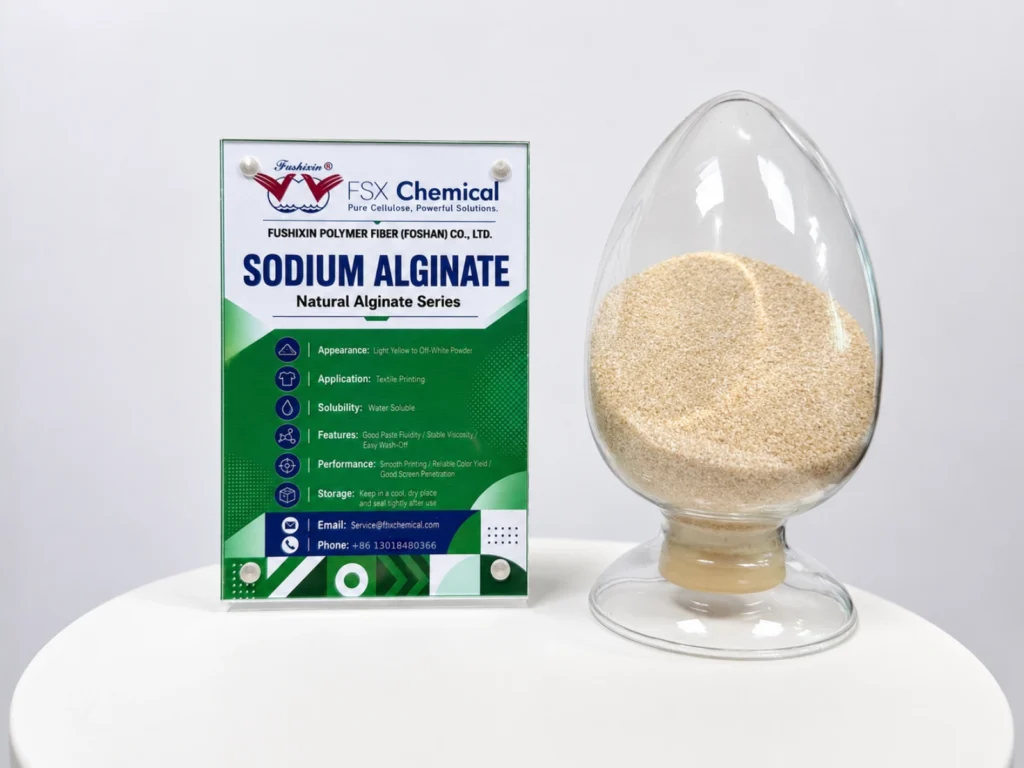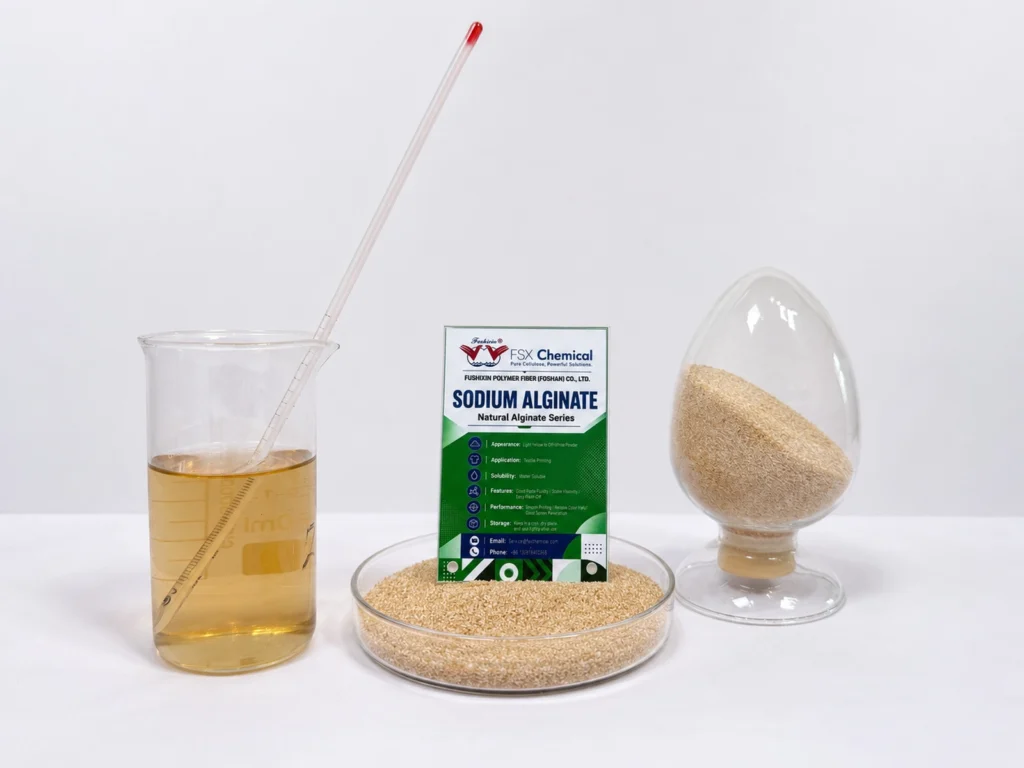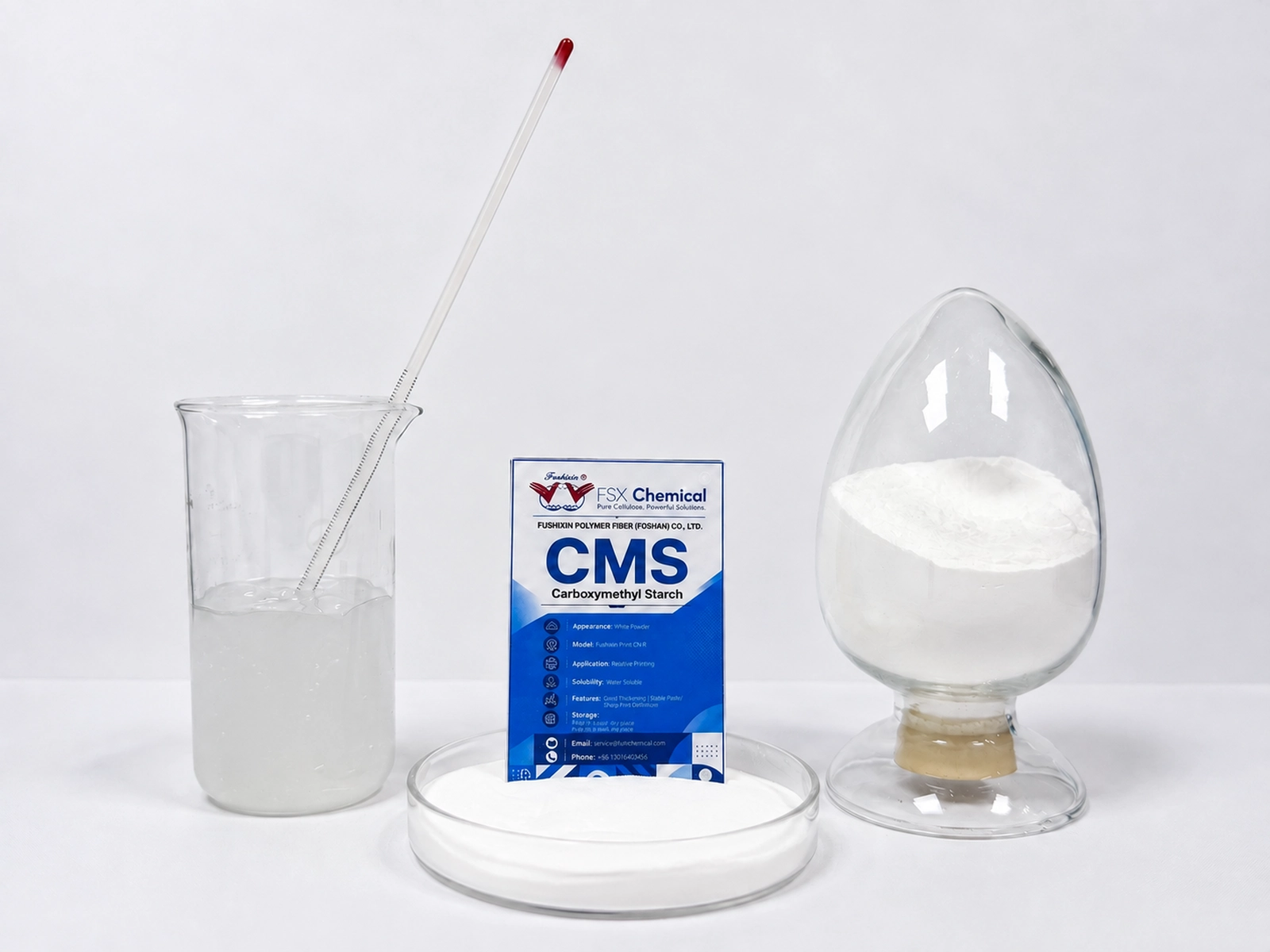
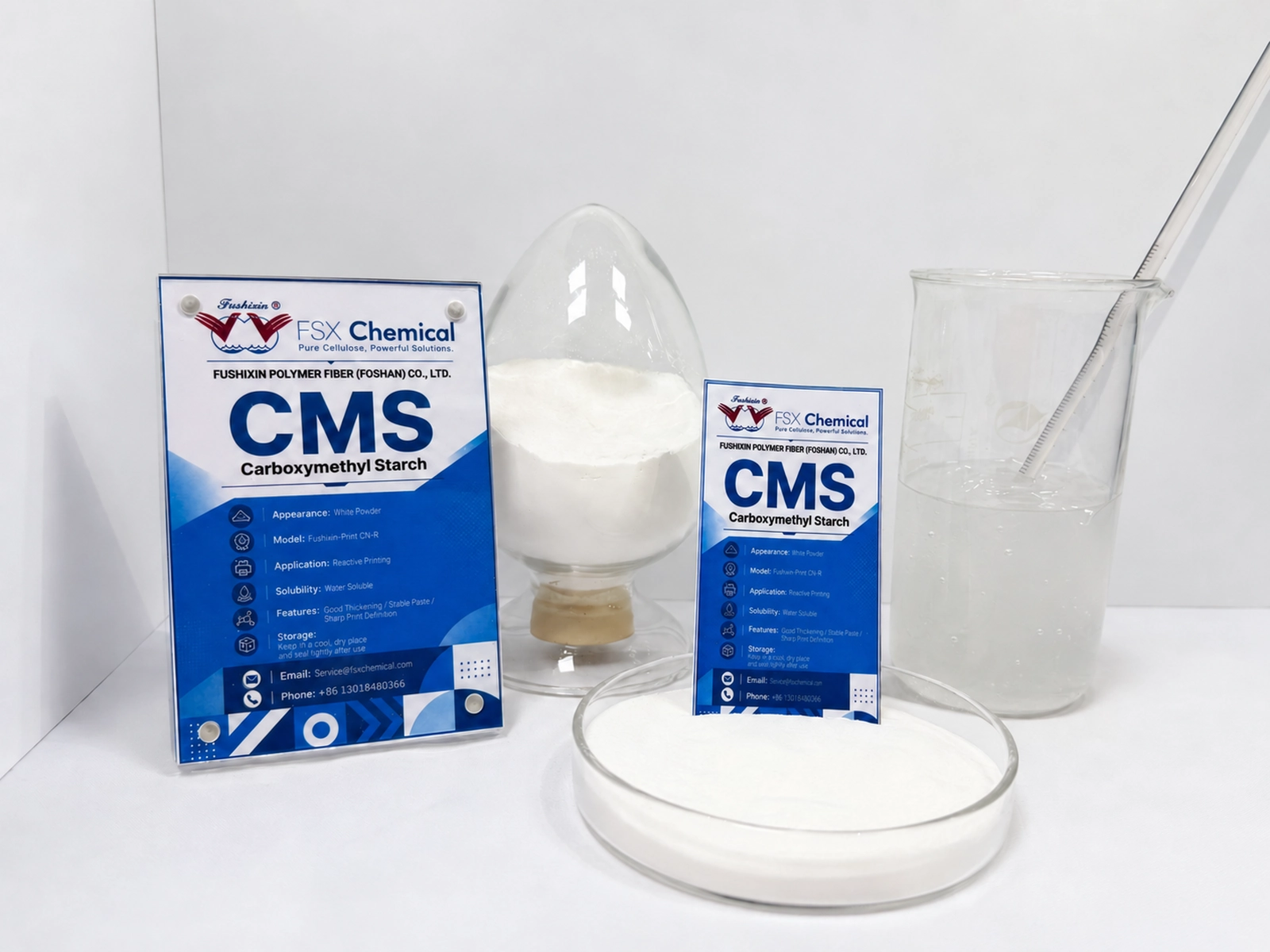
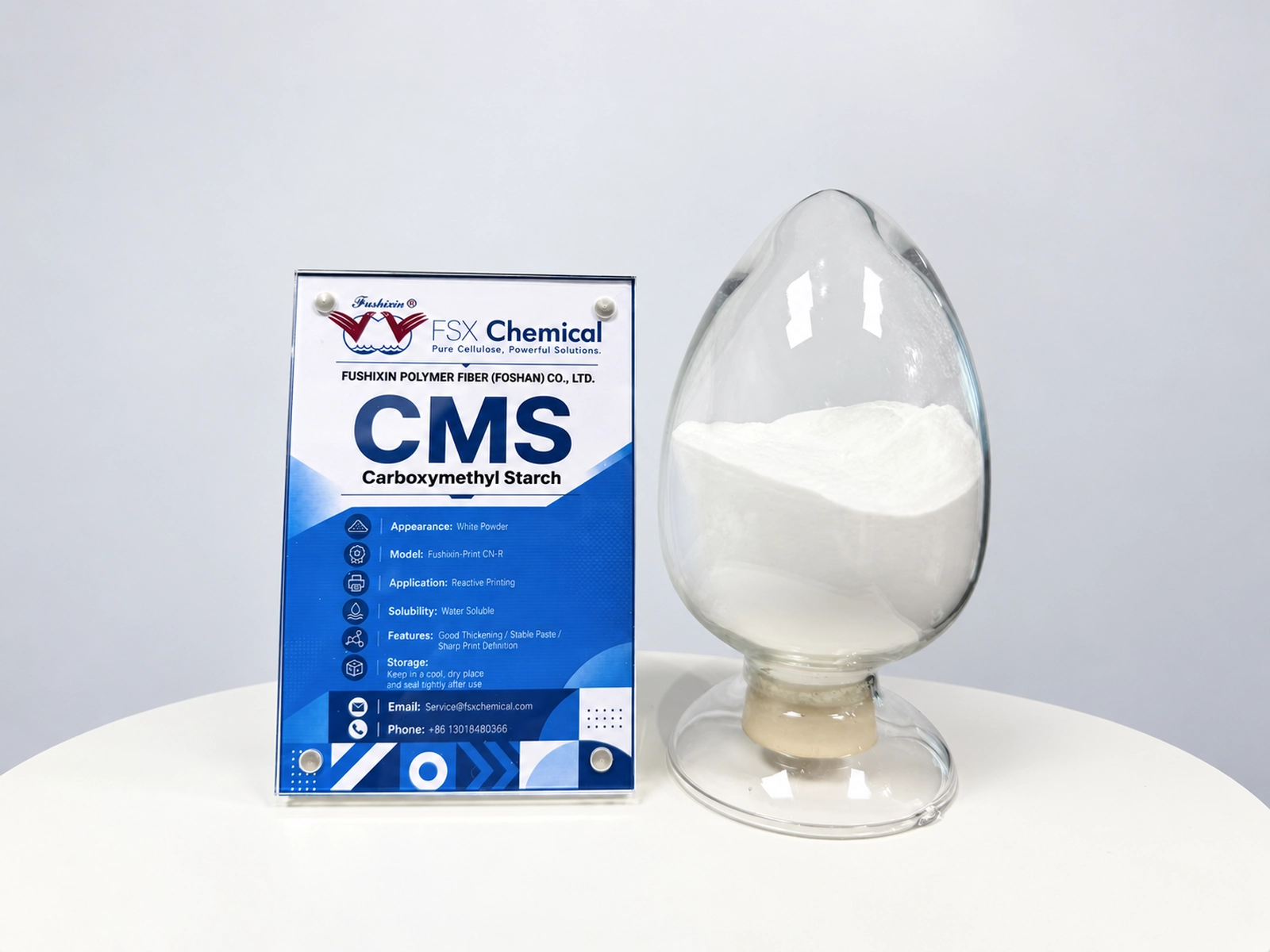
Pengental Cetak Reaktif · Alternatif Sodium Alginat
Evaluasi Pengental Cetak Reaktif sebagai Alternatif Alginat Natrium
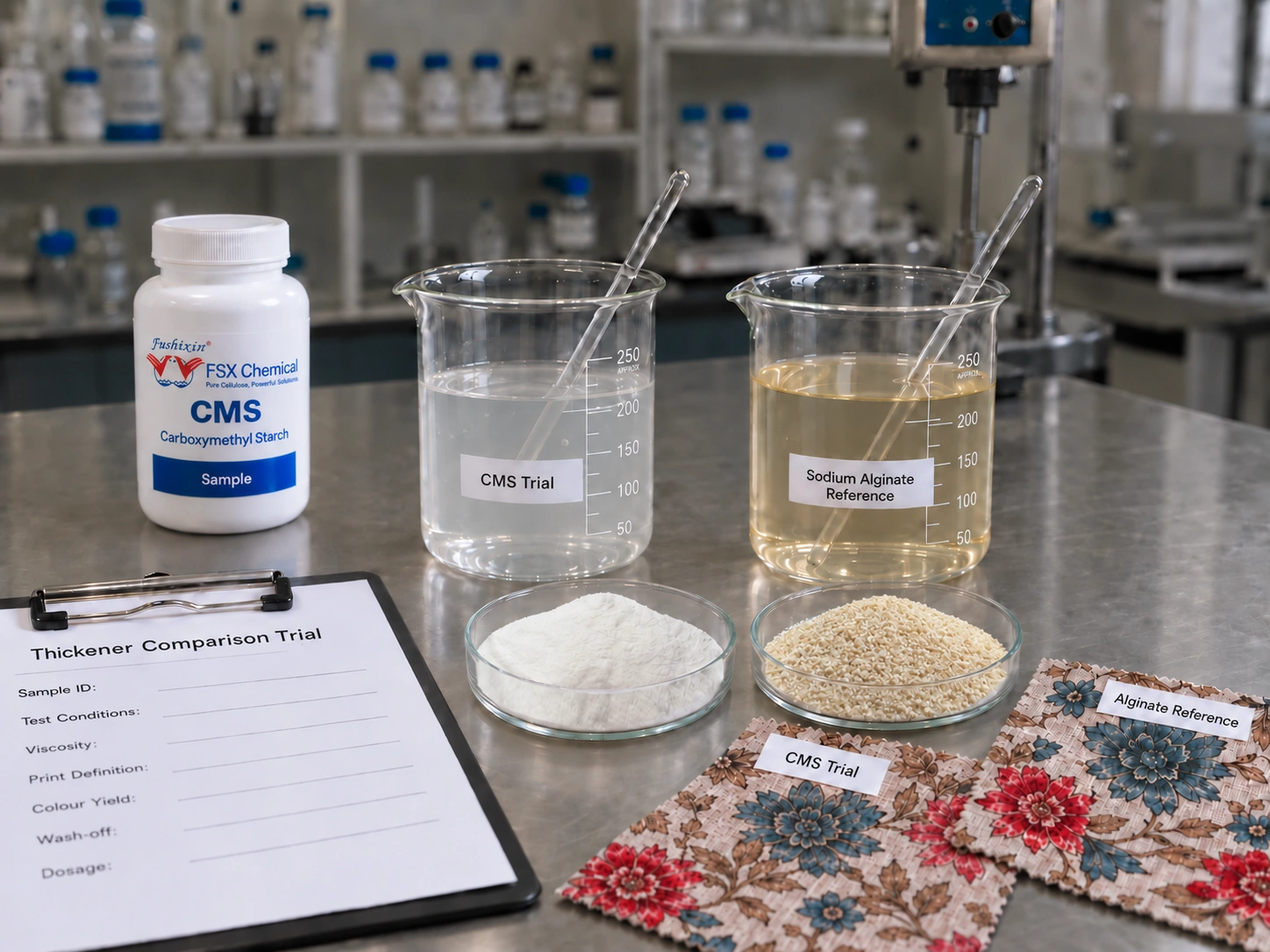
Untuk pencetakan dengan zat warna reaktif pada katun dan viskosa, pengental alternatif dapat dibandingkan dengan natrium alginat berdasarkan viskositas pasta, kinerja sablon, hasil warna, penghilangan pengental saat pencucian, dan dosis aktual dalam kondisi produksi yang sama. Kesesuaiannya sebagai pengganti harus dipastikan melalui uji laboratorium dan uji produksi.
Kinerja Pencetakan dengan Pewarna Reaktif
Bandingkan viskositas pasta, kinerja selama proses sablon, ketajaman hasil cetak, hasil warna, dan penghilangan pengental saat pencucian sesuai kain, sistem zat warna, dan kondisi pencetakan reaktif yang digunakan.
Uji Coba Alternatif Sodium Alginat
Bandingkan pengental cetak reaktif alternatif dengan natrium alginat yang Anda gunakan saat ini dengan formulasi, target viskositas, dan kondisi pencetakan yang sama. Tingkat penggantian yang sesuai harus dipastikan melalui uji laboratorium dan uji produksi yang terkontrol.
Dosis & Biaya Penggunaan
Bandingkan dosis aktual pengental yang diperlukan untuk mencapai target viskositas pasta dan kinerja pencetakan yang sama, bukan hanya harga per kilogram. Biaya pemakaian akhir harus didasarkan pada konsumsi aktual selama uji coba.
Pencetakan Khusus · Pengental Tekstil
Pengental Khusus untuk Pencetakan Vat, Discharge, dan Burn-Out
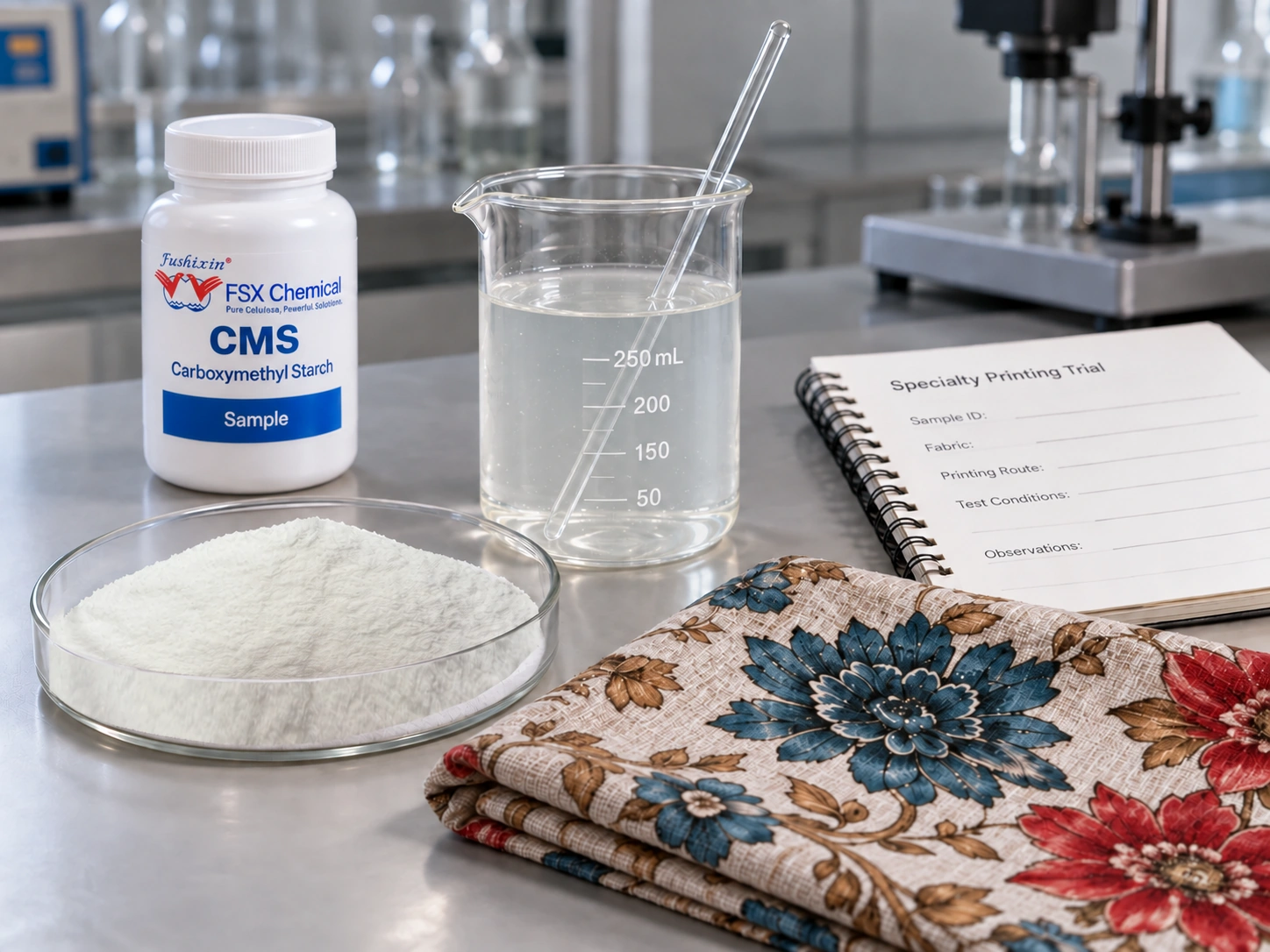
FSX Chemical menyediakan pengental khusus untuk pencetakan tekstil dengan zat warna bejana (vat), cabut warna (discharge), serta proses burn-out atau devoré tertentu. Grade yang sesuai harus dipilih berdasarkan kain, sistem bahan kimia, pembuatan pasta, dan efek cetak yang dibutuhkan. H5 merupakan salah satu grade internal FSX yang dapat dievaluasi untuk proses pencetakan khusus ini.
Jalur Pencetakan Khusus
Pilihan pengental untuk pencetakan tekstil khusus yang memerlukan evaluasi terkontrol terhadap pembuatan pasta, kesesuaian proses, dan efek cetak akhir.
Pencetakan Vat & Discharge
Evaluasi viskositas, perilaku pasta, dan kinerja pencetakan sesuai sistem zat warna, bahan kimia untuk cabut warna, dan kain yang digunakan.
Cetakan Burn-Out / Devoré
Pastikan komposisi serat, formulasi pasta, kondisi kimia, dan efek motif akhir yang dibutuhkan sebelum digunakan.
Pencocokan Grade & Uji Coba
Pilih grade FSX yang sesuai melalui evaluasi sampel, TDS, dan uji pencetakan terkontrol sebelum memastikan penggunaan dalam jumlah besar.
- Persiapan Pasta
- Viskositas
- Kinerja Selama Proses Sablon
- Efek Pola
- Pasca-Perawatan
Grade pengental untuk pencetakan khusus harus dievaluasi berdasarkan proses pencetakan yang digunakan pembeli. Data laboratorium dapat mendukung seleksi awal, tetapi pemilihan akhir harus didasarkan pada perilaku selama pencetakan dan hasil akhir tekstil.
Sampaikan komposisi kain, proses pencetakan, pengental yang digunakan saat ini atau TDS-nya, sistem pasta, dan persyaratan utama produksi.
Bandingkan viskositas, kinerja selama proses sablon, pembentukan motif, dan hasil perlakuan lanjutan dalam kondisi yang sama.
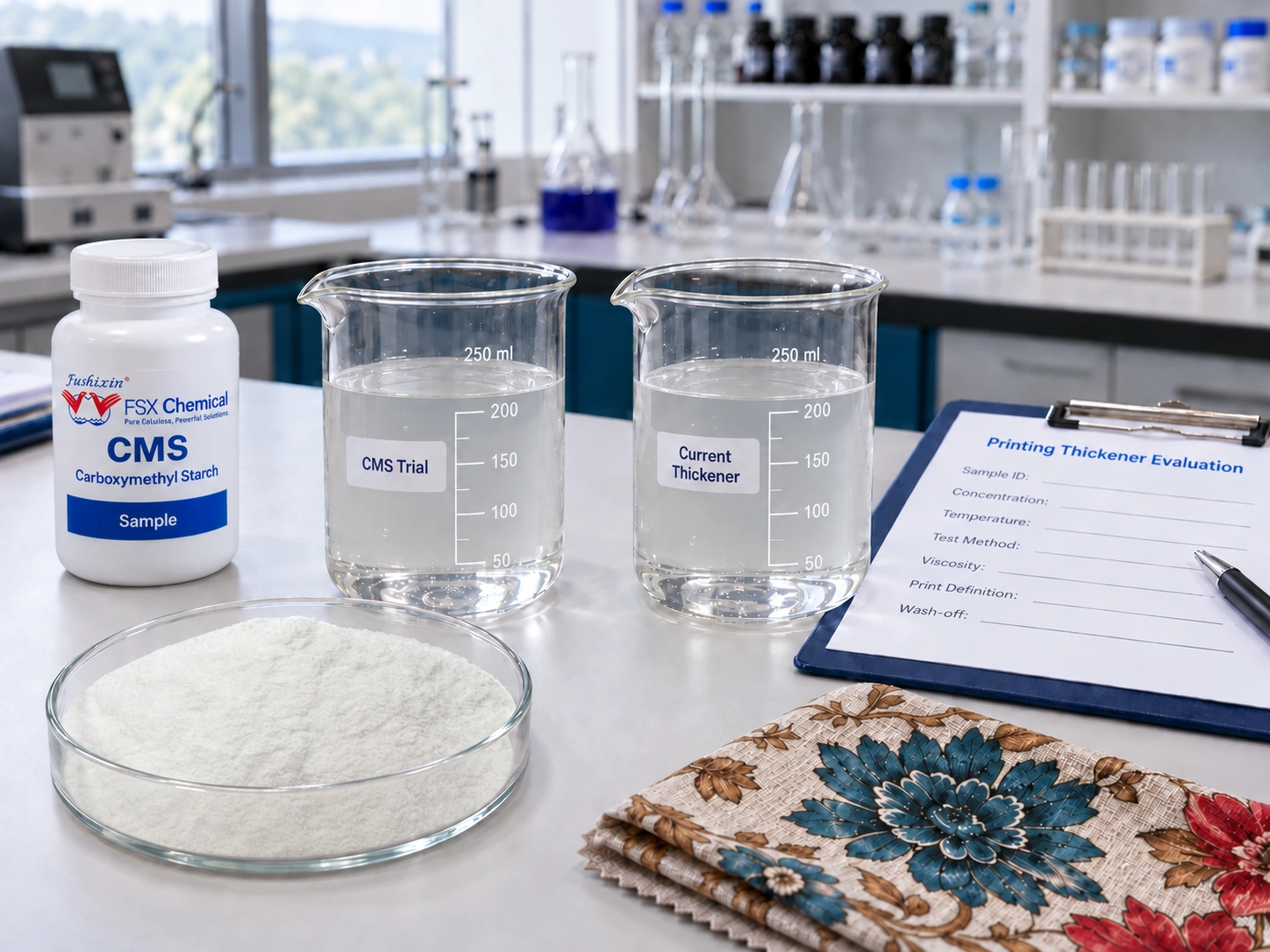
Pemilihan Pengental untuk Pencetakan · Uji Coba Produksi
Cara Mengevaluasi Pengental Cetak Sebelum Digunakan dalam Jumlah Besar
Pengental cetak tekstil harus dipilih berdasarkan kesesuaian proses dan kinerja uji coba aktual, bukan hanya nama grade. Tinjau proses pencetakan, dasar pengujian viskositas, perilaku pasta, dan hasil akhir tekstil dalam kondisi yang sama sebelum memastikan pasokan dalam jumlah besar.
Konfirmasi Proses Pencetakan
Tentukan proses pencetakan reaktif, dispersi, atau khusus, komposisi kain, sistem zat warna, dan formulasi pasta yang digunakan saat ini. Saat mengganti pengental, sediakan sampel atau TDS produk yang digunakan saat ini untuk perbandingan.
Sesuaikan dengan Kondisi Uji Viskositas
Bandingkan viskositas dengan konsentrasi larutan, suhu, instrumen, spindel, dan kecepatan pengujian yang sama. Nilai yang diukur dalam kondisi berbeda tidak boleh dibandingkan secara langsung.
Lakukan Uji Coba Pencetakan Terkendali
Evaluasi pembuatan pasta, kinerja selama proses sablon, ketajaman hasil cetak, hasil warna, penetrasi, dan penghilangan pengental saat pencucian. Untuk proses khusus, pastikan pula pembentukan motif dan hasil perlakuan lanjutan.
Memastikan Kelengkapan Dokumen Pasokan dan Teknis
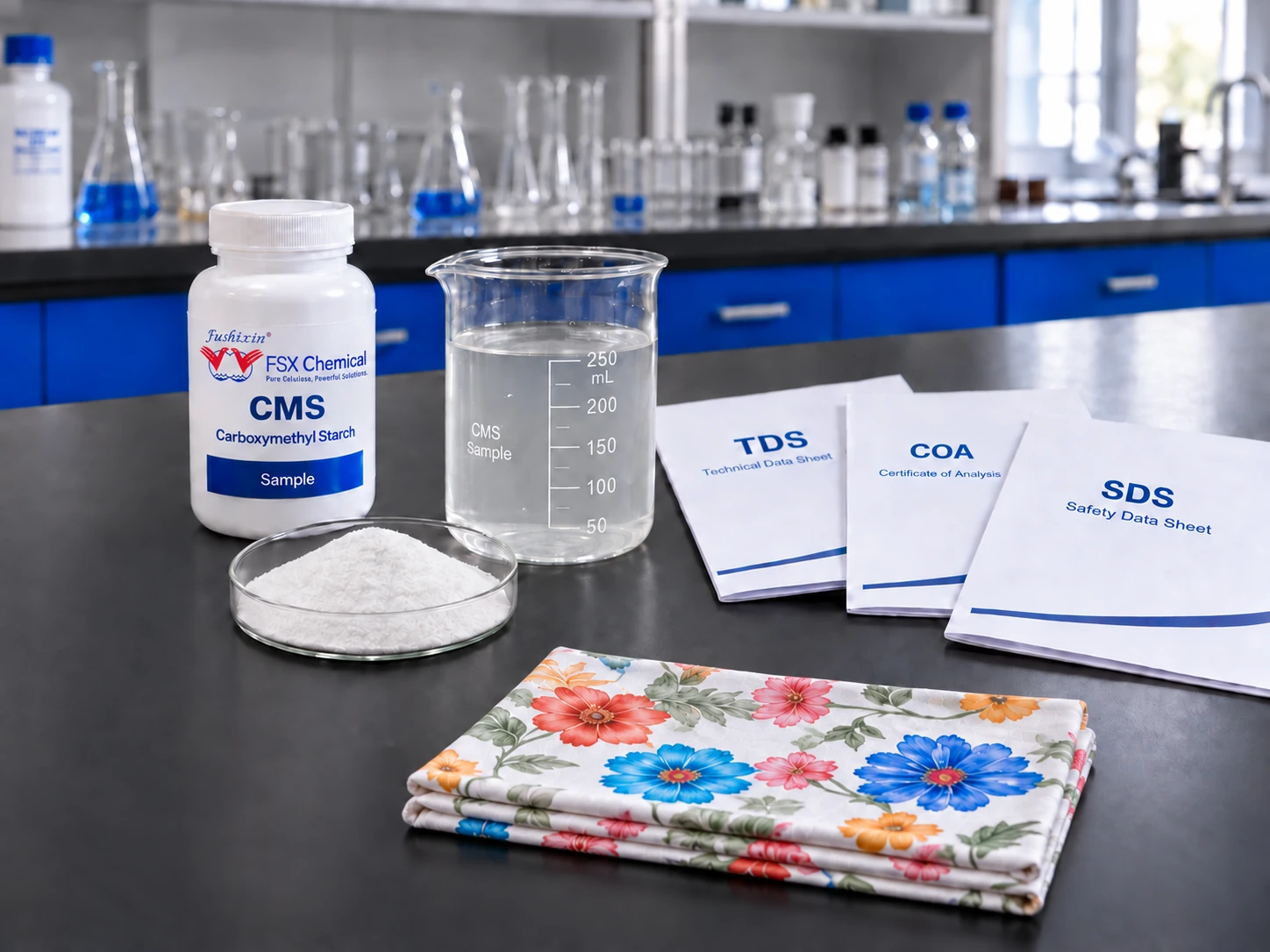
Setelah uji coba disetujui, konfirmasikan grade yang dipilih, jumlah pesanan, waktu produksi, persyaratan kemasan, TDS, dan SDS. COA per batch disiapkan sesuai batch produksi yang telah dikonfirmasi.
Evaluasi Pemasok Bahan Pengental untuk Industri Percetakan
Hal-hal yang Perlu Dibandingkan Saat Mengevaluasi Pemasok Pengental Cetak
Saat mengevaluasi pemasok baru atau cadangan untuk pengental cetak tekstil, bandingkan kinerja produk, kondisi pengujian, konsistensi antarbatch, dukungan teknis, dan ketentuan pasokan sebelum memutuskan untuk melanjutkan ke uji sampel atau uji produksi.
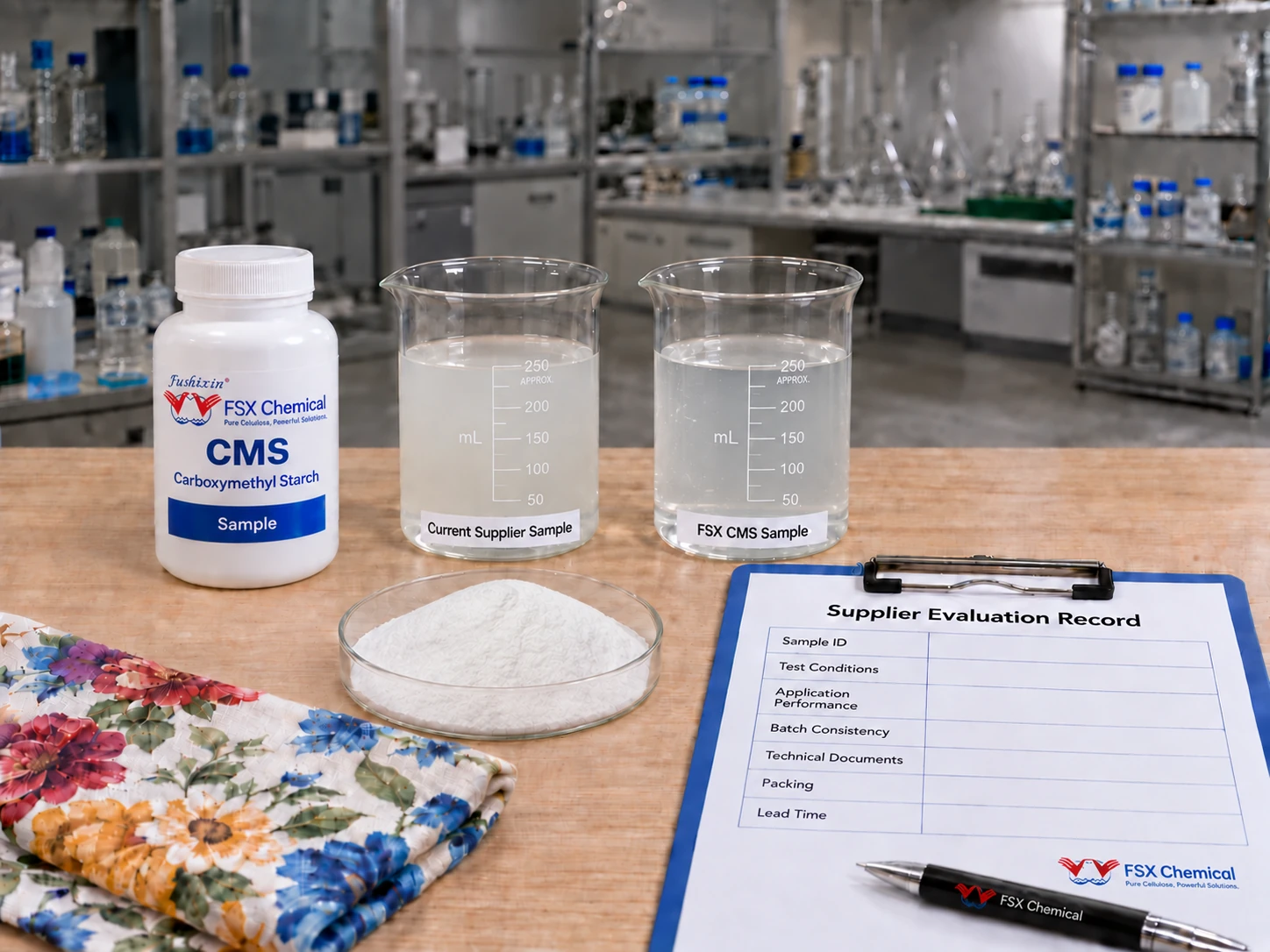
Bandingkan Lebih dari Sekadar Harga atau Nilai Viskositas Tunggal
Calon pemasok pengental cetak harus dievaluasi dengan mempertimbangkan produk yang digunakan saat ini, kondisi pengujian yang sama, proses pencetakan aktual, dan persyaratan pasokan komersial secara bersama-sama.
Bandingkan grade dari pemasok saat ini, sampel produk, spesifikasi, dan kebutuhan pasta yang digunakan.
Samakan konsentrasi, suhu, instrumen, spindel, dan metode pengujian sebelum membandingkan hasil viskositas.
Tinjau pencetakan reaktif, dispersi, atau khusus bersama dengan kain, sistem zat warna, dan kondisi pasta yang sebenarnya.
Tinjau konsistensi antarbatch, jumlah pesanan, kemasan, waktu penyediaan, dokumen teknis, dan koordinasi pasokan.
Pertanyaan Umum (FAQ) tentang Pengental Cetak · Teknis & Pengadaan
Pertanyaan Umum (FAQ) tentang Pengental untuk Pencetakan Tekstil
Jawaban praktis bagi pembeli yang mengevaluasi pengental cetak reaktif, alternatif natrium alginat, kondisi pengujian viskositas, uji sampel, dan dokumen teknis sebelum pembelian komersial.
01
Apa saja yang harus saya perhatikan dalam memilih pengental untuk pencetakan reaktif?
Untuk pencetakan dengan zat warna reaktif, bandingkan viskositas pasta, kinerja selama proses sablon, ketajaman hasil cetak, hasil warna, penghilangan pengental saat pencucian, dan dosis pada katun, viskosa, atau kain selulosa lainnya yang digunakan. Evaluasi harus memakai sistem zat warna, formulasi, dan proses pencetakan aktual pembeli, bukan hanya nilai spesifikasi.
02
Apakah pengental cetak reaktif dapat digunakan sebagai alternatif natrium alginat?
Pengental cetak reaktif alternatif dapat dievaluasi terhadap natrium alginat yang digunakan saat ini dengan formulasi, viskositas, dan kondisi pencetakan yang sama. Tingkat penggantian yang sesuai harus dipastikan melalui uji laboratorium dan uji produksi, bukan diasumsikan sebagai rasio tetap satu banding satu.
03
Apa saja yang harus saya bandingkan saat menguji pengganti natrium alginat?
Bandingkan natrium alginat yang digunakan saat ini dengan pengental alternatif pada target viskositas pasta dan kondisi produksi yang sama. Pemeriksaan penting mencakup dosis, hasil warna, penghilangan pengental saat pencucian, kinerja sablon, ketajaman hasil cetak, stabilitas pasta, dan biaya pemakaian akhir. Harga per kilogram saja tidak cukup untuk menentukan pilihan yang lebih ekonomis.
04
Bagaimana cara membandingkan nilai viskositas pengental cetak?
Nilai viskositas hanya boleh dibandingkan dalam kondisi pengujian yang sama. Gunakan konsentrasi larutan, suhu, instrumen, spindel, kecepatan, dan metode pengukuran yang sama. Nilai acuan FSX CN-R dan FS-05 diukur pada larutan 5%, sedangkan H5 pada 8%, sehingga nilai tersebut tidak boleh dibandingkan langsung tanpa mempertimbangkan dasar pengujiannya.
05
Bagaimana cara memilih pengental untuk pencetakan tekstil sesuai dengan berbagai proses pencetakan?
Mulailah dari proses pencetakan, bukan kode produk internal. Pencetakan reaktif, dispersi, vat, cabut warna (discharge), dan burn-out memiliki kebutuhan pasta dan kinerja yang berbeda. FSX dapat meninjau kain, sistem zat warna atau bahan kimia, pengental yang digunakan saat ini, dan tujuan uji coba sebelum merekomendasikan grade yang sesuai untuk dievaluasi.
06
Informasi apa saja yang diperlukan untuk uji coba atau penawaran harga?
Sampaikan proses pencetakan, jenis kain, sampel produk yang digunakan saat ini atau TDS jika tersedia, kebutuhan viskositas dan metode pengujiannya, kondisi pasta, hasil cetak yang diharapkan, perkiraan jumlah, dan tujuan pengiriman. TDS dan SDS dapat mendukung evaluasi produk, sedangkan COA per batch disiapkan sesuai batch produksi yang telah dikonfirmasi.