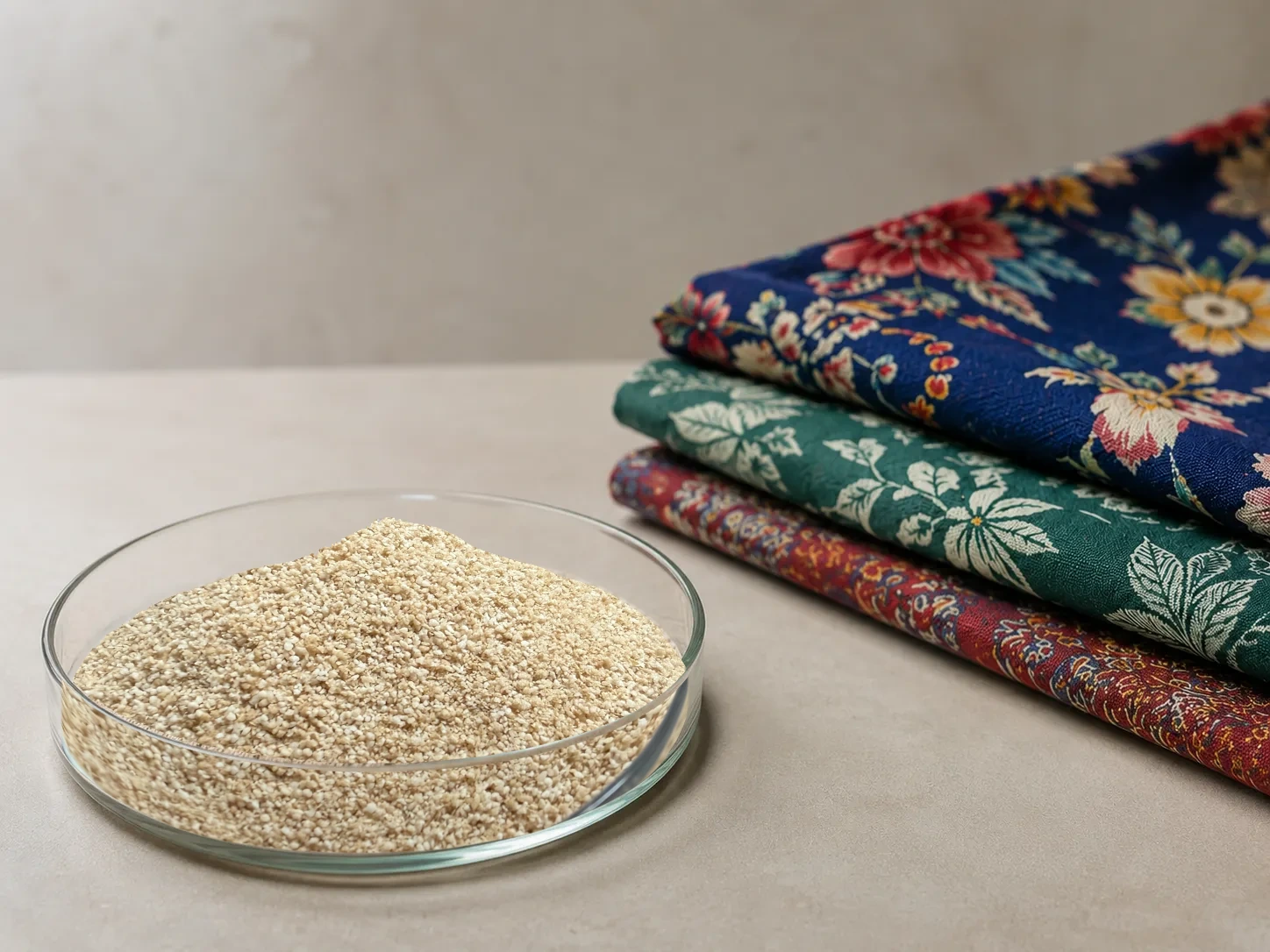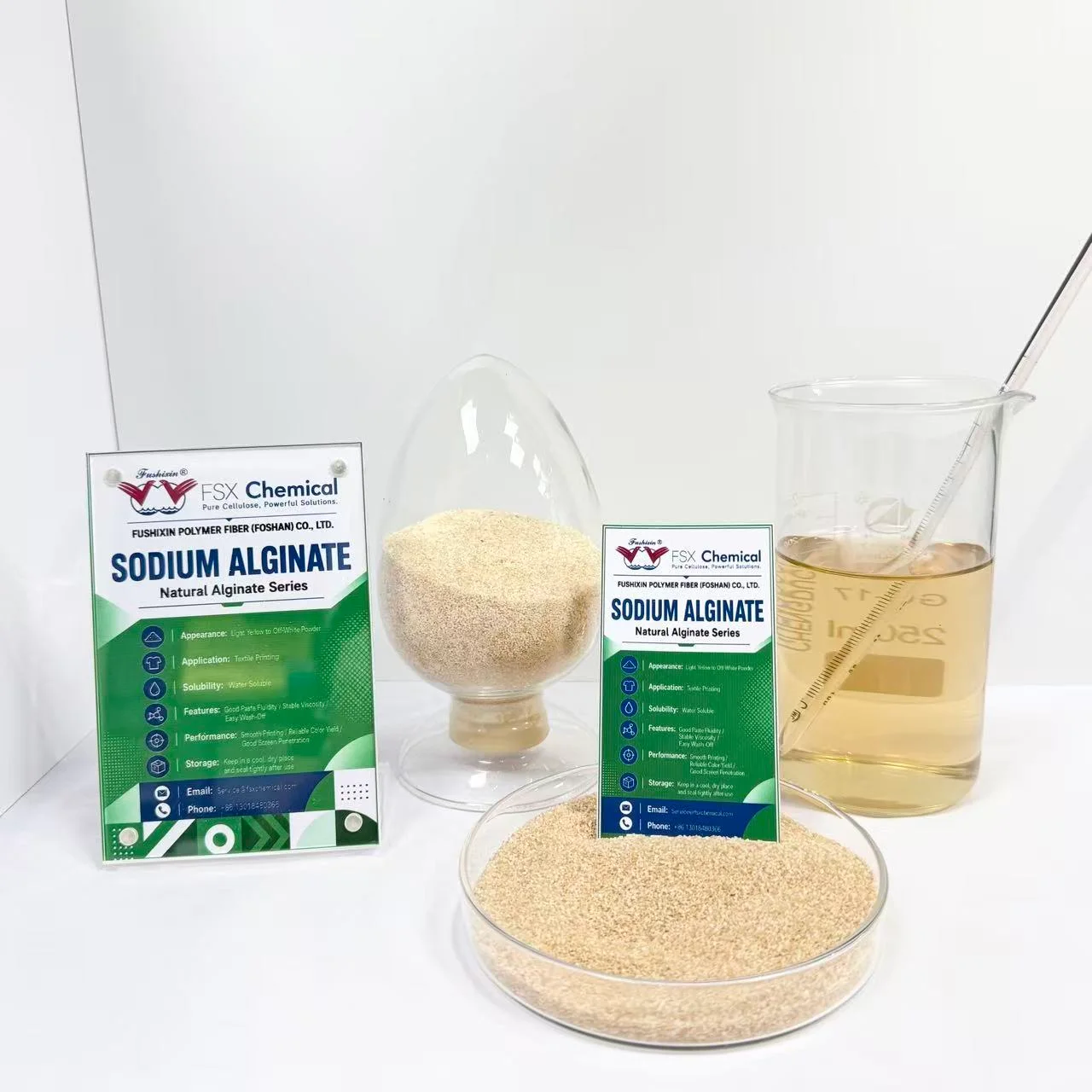
Panduan ini menjelaskan cara pembeli mengevaluasi natrium alginat berviskositas rendah untuk pencetakan tekstil dan aplikasi formulasi terkait, dengan cara meninjau spesifikasi, menguji sampel, dan memastikan konsistensi antar-batch sebelum melakukan pembelian dalam jumlah besar.
Apa Arti Sodium Alginat Viskositas Rendah dalam Penerapan Praktis
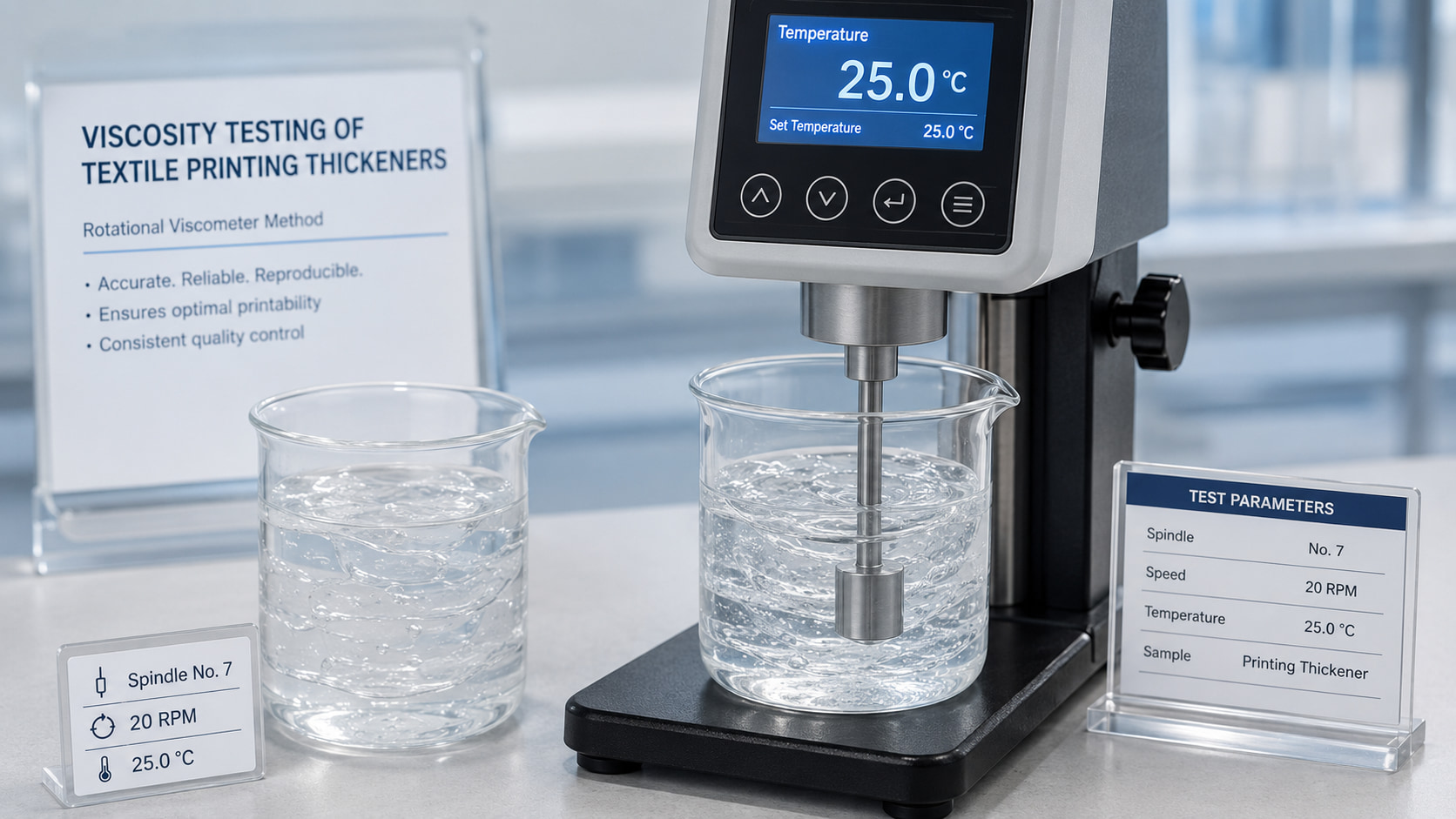
Viskositas Rendah Harus Didefinisikan Berdasarkan Metode Pengujian
Viskositas rendah adalah istilah yang bersifat relatif. Nilai viskositas hanya dapat dibandingkan secara tepat jika konsentrasi uji, suhu, metode pengukuran, satuan, dan proses persiapan telah ditentukan dengan jelas.
Sebelum membandingkan pemasok, pembeli sebaiknya menanyakan bagaimana viskositas tersebut diuji dan apakah metode yang digunakan serupa dengan proses evaluasi internal mereka sendiri.
Tingkat Kelarutan yang Tinggi Bergantung pada Kondisi Persiapan
Kelarutan dan perilaku hidrasi dipengaruhi oleh ukuran saringan, kecepatan pengadukan, kualitas air, metode penambahan, waktu persiapan, dan kondisi formulasi. Sebuah produk yang dapat terdispersi dengan baik dalam satu uji coba mungkin berperilaku berbeda di pabrik lain.
Oleh karena itu, pembeli sebaiknya menguji natrium alginat dalam proses pembuatan mereka sendiri sebelum memesan dalam jumlah besar.
Viskositas Rendah Belum Tentu Merupakan Pilihan Terbaik
Tingkat viskositas yang lebih rendah mungkin berguna untuk kebutuhan persiapan atau formulasi tertentu, tetapi mungkin tidak memberikan efek pengental yang cukup untuk setiap sistem pasta cetak.
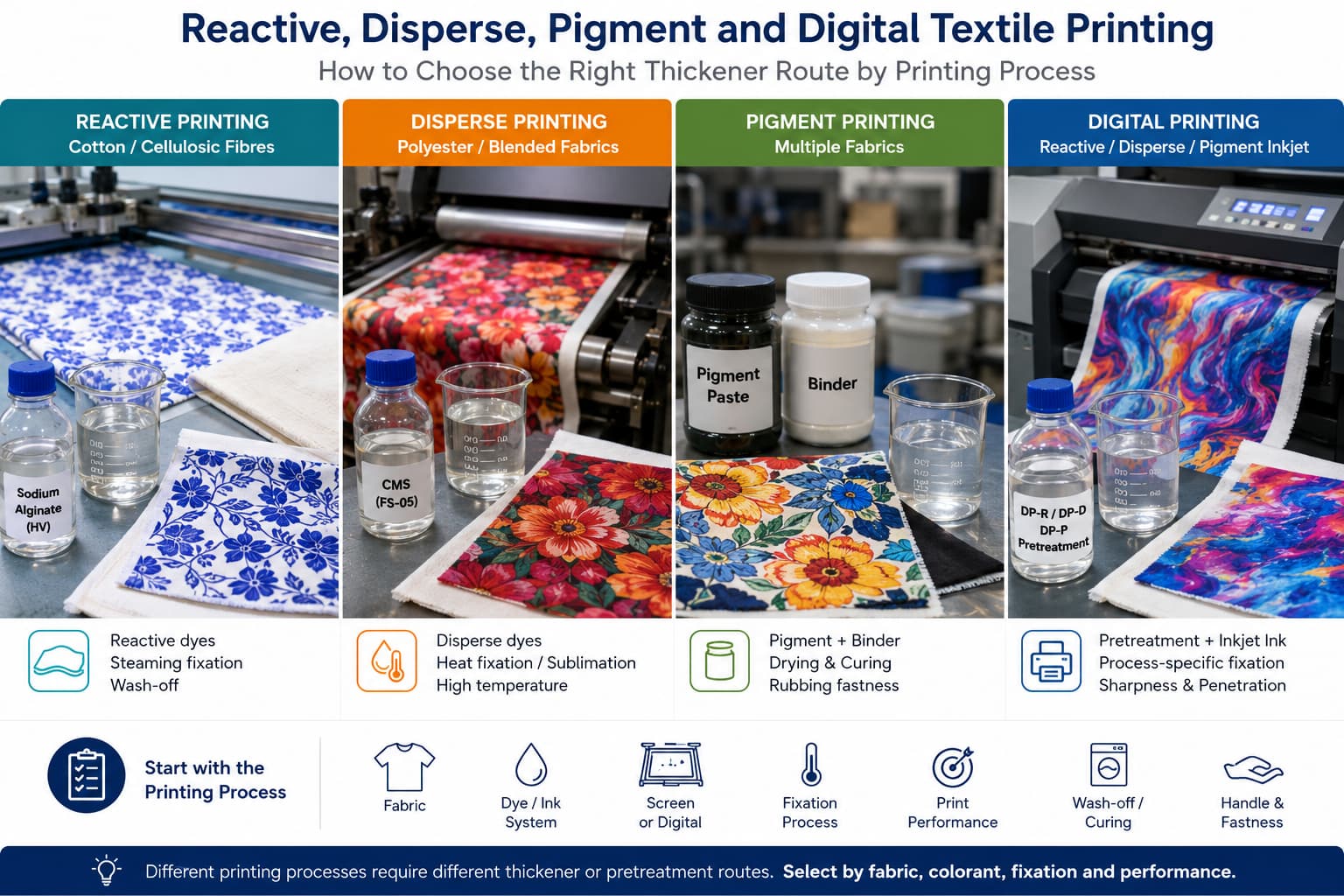
Jenis pasta yang sesuai harus dipilih berdasarkan proses pencetakan, viskositas pasta yang diinginkan, jenis kain, sistem pewarnaan, dan kondisi produksi.
Aplikasi Utama yang Mungkin Dipertimbangkan oleh Pembeli
Pasta Cetak Tekstil Reaktif
Sodium alginat umumnya digunakan sebagai pengental dalam pasta pencetakan tekstil reaktif. Para pembeli biasanya memperhatikan viskositas, pembentukan pasta, perilaku pelarutan, penyaringan, dan penanganan selama proses pencetakan.
Jika sedang mempertimbangkan jenis dengan viskositas rendah, pembeli sebaiknya memastikan apakah produk tersebut masih dapat memenuhi persyaratan struktur pasta dan perilaku aplikasi yang dibutuhkan.
Persiapan Pencetakan Sablon dan Pencetakan Rotari
Dalam persiapan pencetakan saring dan pencetakan rotari, kehalusan pasta, perilaku filtrasi, dan stabilitas viskositas dapat memengaruhi proses produksi.
Kualitas natrium alginat harus diuji dalam kondisi persiapan yang sebenarnya, termasuk kualitas air yang digunakan pembeli, metode pengadukan, dan konsentrasi pasta.
Pengujian Tinta Cetak atau Formulasi Terkait
Beberapa pembeli mungkin mempertimbangkan penggunaan natrium alginat untuk tinta cetak atau aplikasi formulasi terkait. Dalam kasus-kasus tersebut, kompatibilitasnya dengan formulasi secara keseluruhan harus diuji dengan cermat.
Pembeli tidak boleh berasumsi bahwa suatu kelas cetak tekstil akan secara otomatis cocok untuk semua sistem tinta cetak. Rincian formulasi, viskositas target, perilaku dispersi, pH, dan stabilitas harus diperiksa terlebih dahulu sebelum melakukan pemilihan.
Spesifikasi Utama yang Harus Diperhatikan Pembeli
Kisaran Viskositas dan Metode Pengujian
Viskositas merupakan salah satu parameter terpenting dalam memilih natrium alginat berviskositas rendah. Pembeli sebaiknya memeriksa rentang viskositas tersebut bersama dengan konsentrasi uji, suhu, metode pengukuran, dan satuan yang digunakan.
Tanpa rincian tersebut, nilai viskositas dari berbagai pemasok mungkin tidak dapat dibandingkan secara langsung.
Ukuran Jaring dan Perilaku Pelarutan
Ukuran pori dapat memengaruhi cara natrium alginat tersebar dan terhidrasi selama proses pembuatan pasta. Namun, perilaku pelarutan yang sebenarnya juga bergantung pada metode persiapan yang digunakan oleh pembeli.
Pembeli disarankan untuk menguji kecepatan pelarutan, pembentukan gumpalan, kelancaran pasta, dan perilaku filtrasi sesuai dengan kondisi masing-masing.
Kelembapan, pH, dan Penampilan
Kelembapan, pH, dan penampilan merupakan indikator kualitas yang mendasar namun penting. Ketiga hal tersebut memengaruhi penyimpanan, penanganan, pengendalian kualitas, dan keputusan pembelian ulang.
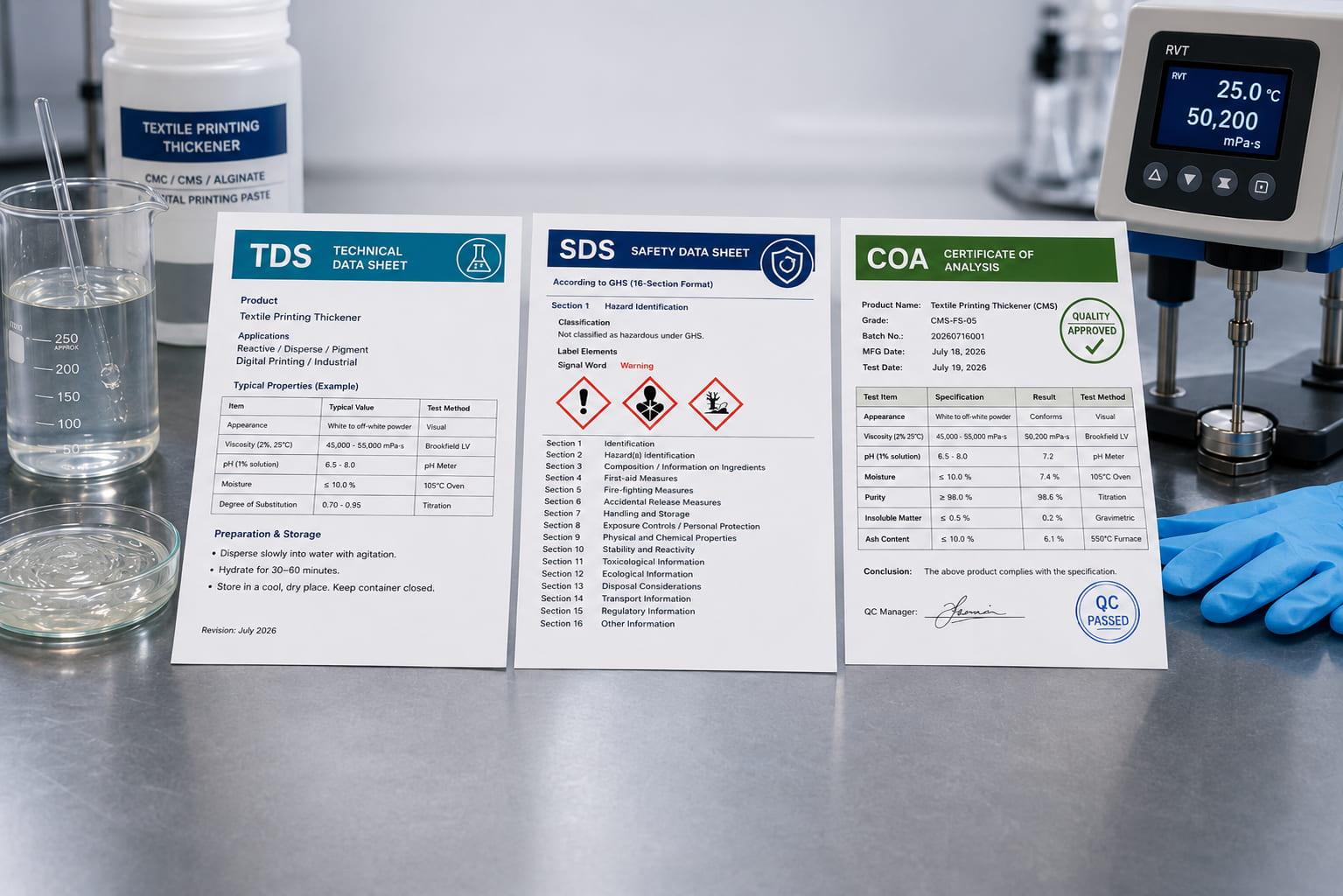
Parameter-parameter ini harus ditinjau dalam TDS dan dikonfirmasi melalui data COA untuk setiap batch produksi.
Konsistensi Batch
Untuk pesanan berulang, konsistensi antar-batch sangat penting. Jika viskositas, kadar air, pH, atau perilaku pelarutan berubah secara signifikan antar-batch, pembeli mungkin perlu menyesuaikan formulasi kembali.
Peninjauan COA membantu pembeli memastikan apakah data batch masih berada dalam rentang spesifikasi yang telah disepakati.
Dokumen yang Harus Diminta oleh Pembeli
TDS untuk Tinjauan Spesifikasi
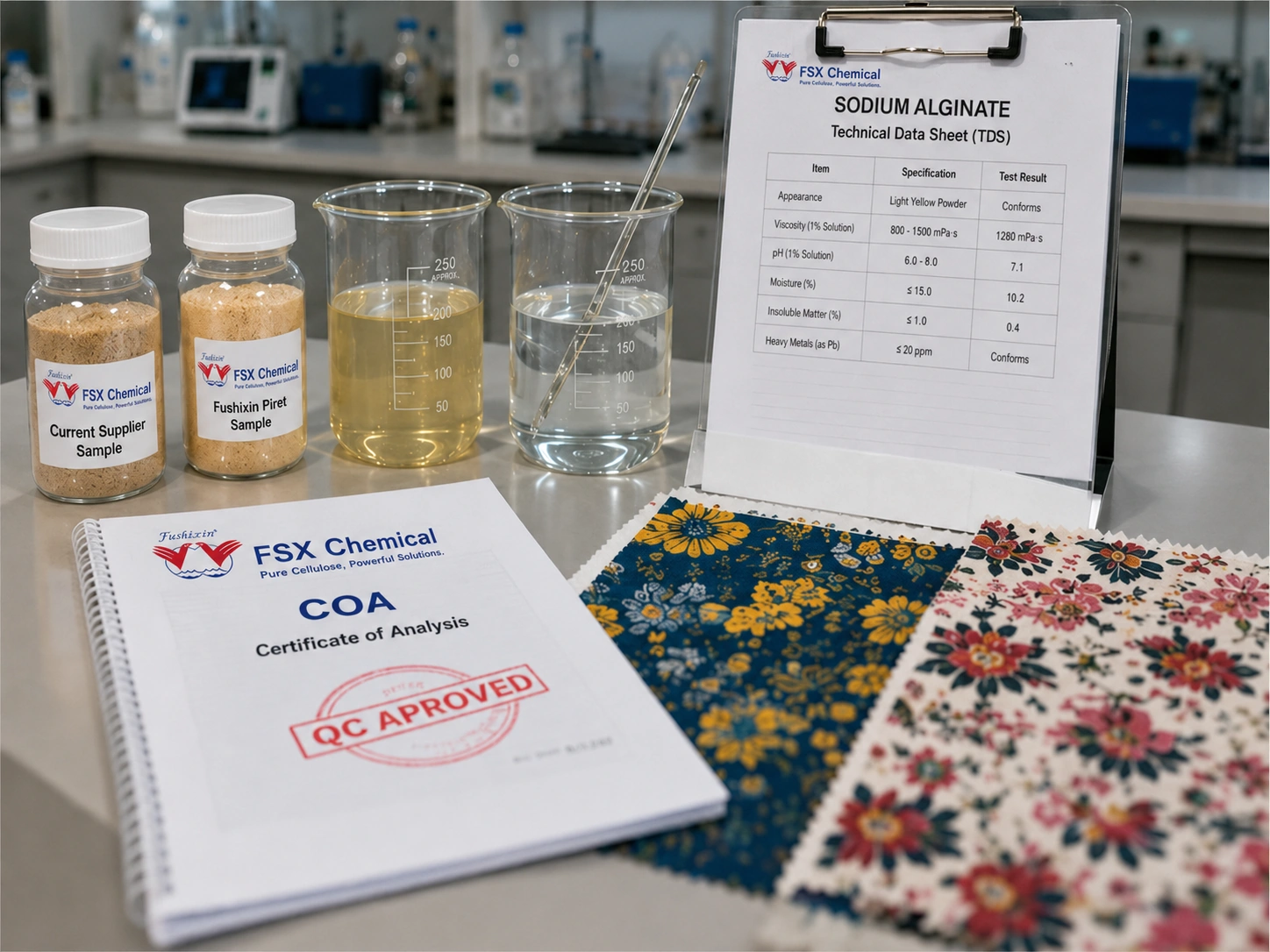
Lembar Data Teknis membantu pembeli meninjau rentang spesifikasi standar. Lembar tersebut harus memuat parameter-parameter utama seperti penampilan, viskositas, ukuran saringan, kadar air, pH, kondisi penyimpanan, dan metode pengujian.
Untuk natrium alginat berviskositas rendah, metode pengujian viskositas harus disebutkan dengan jelas karena hal tersebut secara langsung memengaruhi perbandingan kelas.
COA untuk Konfirmasi Batch
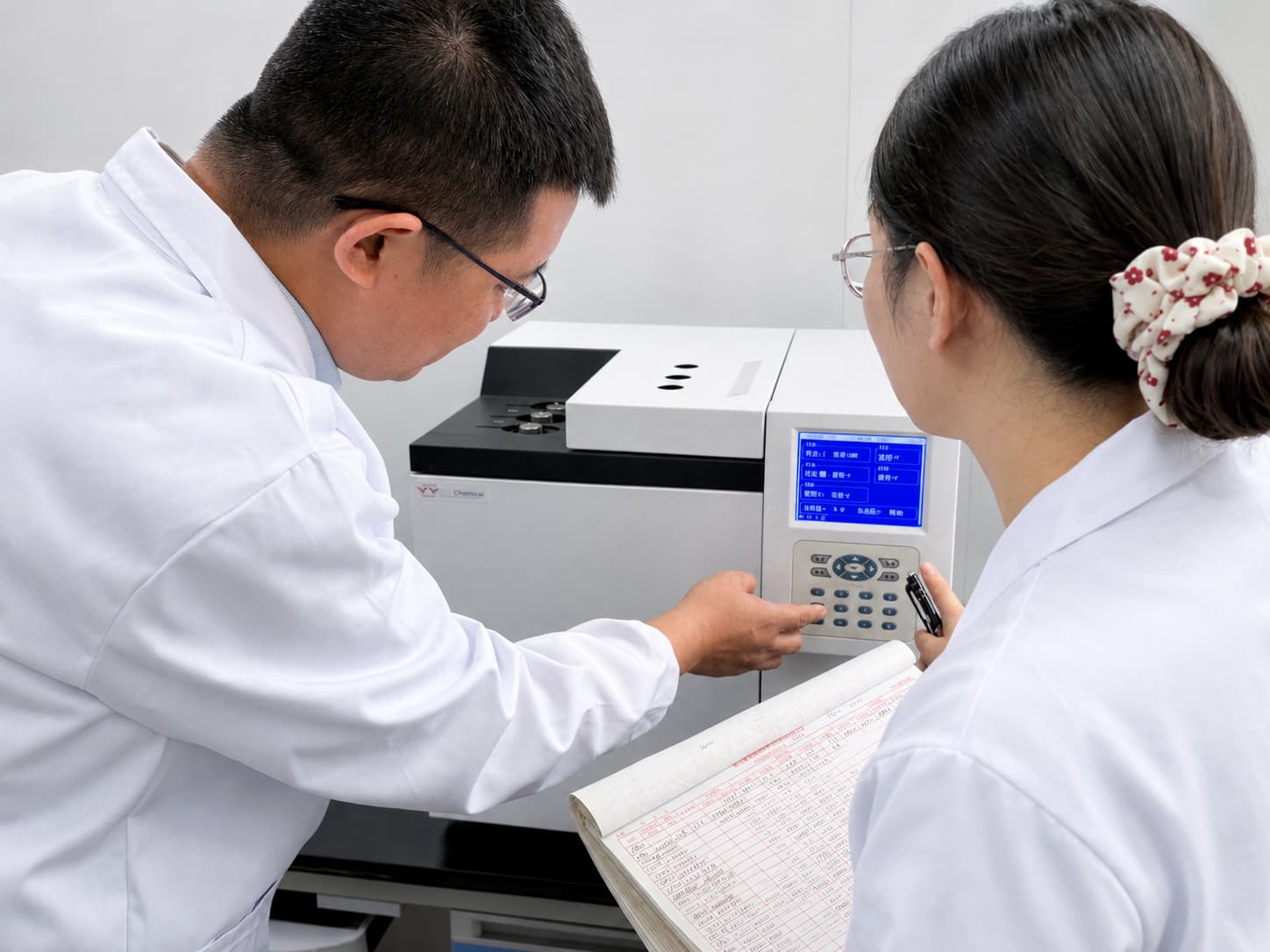
Sertifikat Analisis menegaskan data aktual dari suatu batch produksi tertentu. Hal ini penting untuk pesanan dalam jumlah besar, pembelian berulang, pasokan kepada distributor, dan pengendalian mutu internal.
Pembeli dapat membandingkan catatan COA dari berbagai pengiriman untuk memeriksa apakah parameter utama tetap stabil dari waktu ke waktu.
SDS dan Dokumen Ekspor Jika Diperlukan
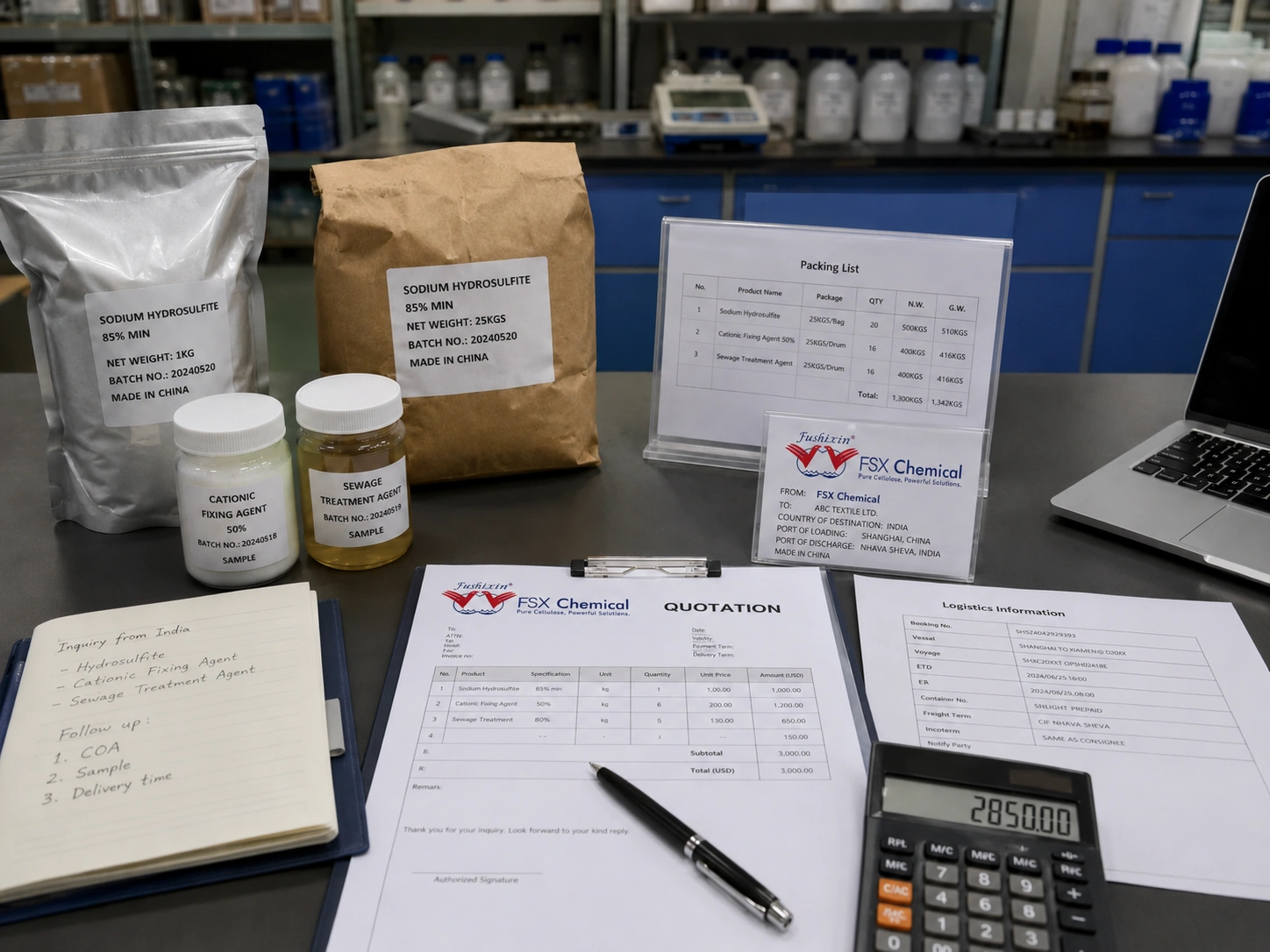
Untuk pembelian internasional, pembeli mungkin juga memerlukan SDS, faktur, daftar kemasan, label, dan dokumen-dokumen lain yang berkaitan dengan ekspor. Daftar dokumen yang diperlukan dapat bervariasi tergantung pada negara tujuan, jenis produk, dan proses pembelian internal.
Persyaratan dokumen harus dipastikan terlebih dahulu sebelum pengiriman untuk menghindari keterlambatan dalam proses peninjauan internal atau komunikasi dengan pihak bea cukai.
Pernyataan Tambahan atau Dokumen Uji
Apabila pembeli memerlukan konfirmasi terkait zat-zat yang dibatasi, klaim lingkungan, persyaratan audit pelanggan, atau persetujuan pemasok internal, persyaratan-persyaratan tersebut harus diminta secara jelas sebelum konfirmasi pesanan.
Pemasok yang profesional seharusnya menjelaskan dokumen-dokumen apa saja yang dapat disediakan dan klaim-klaim mana saja yang memerlukan pengujian oleh pihak ketiga atau sertifikasi resmi.
Cara Menguji Sodium Alginat Viskositas Rendah Sebelum Membeli dalam Jumlah Besar
Pengujian pada Formulasi Sebenarnya
Pengujian sampel sebaiknya dilakukan menggunakan formulasi milik pembeli sendiri jika memungkinkan. Pewarna, bahan pembantu, kualitas air, pH, metode pengadukan, konsentrasi pasta, dan waktu penyimpanan semuanya dapat memengaruhi hasil akhir.
Pengujian hanya di air bersih mungkin tidak cukup untuk memastikan apakah kualitas air tersebut sesuai untuk produksi.
Mengamati Proses Pelarutan dan Penanganan Pasta
Selama pengujian, pembeli sebaiknya mengamati kecepatan pelarutan, kelancaran pasta, adanya gumpalan, perilaku filtrasi, stabilitas viskositas, serta kemudahan pengaplikasian.
Pengamatan praktis ini seringkali sama pentingnya dengan data spesifikasi yang tercantum dalam TDS.
Bandingkan Sampel yang Telah Disetujui dengan Pengiriman Massal
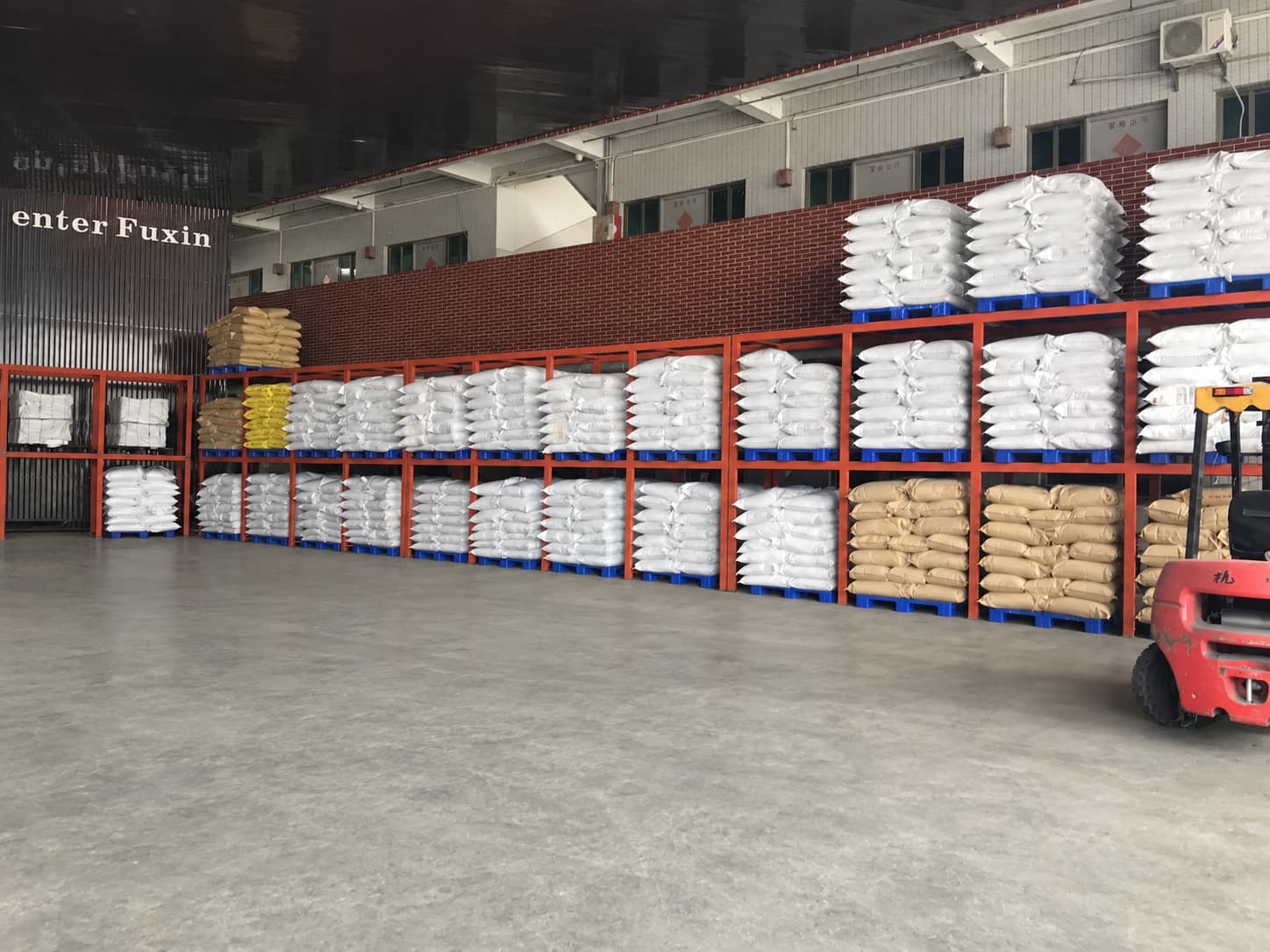
Sebelum mengonfirmasi pesanan dalam jumlah besar, pembeli sebaiknya memeriksa apakah sampel yang telah disetujui dan pengiriman dalam jumlah besar tersebut akan memenuhi persyaratan yang sama terkait kisaran viskositas, ukuran mesh, format kemasan, penelusuran batch, dan COA.
Hal ini membantu mengurangi risiko ketidaksesuaian antara sampel dan populasi.
Kesalahan Umum Saat Memilih Sodium Alginat dengan Viskositas Rendah
Memilih Hanya Berdasarkan Viskositas Terendah
Pilihan dengan viskositas terendah mungkin tidak menghasilkan struktur pasta atau karakteristik aplikasi yang dibutuhkan. Pembeli sebaiknya memilih jenis produk yang sesuai dengan formulasi yang diinginkan, bukan hanya berdasarkan angka viskositas yang lebih rendah.
Mengasumsikan Kelarutan Tinggi Tanpa Melakukan Pengujian
Tingkat kelarutan yang tinggi harus diverifikasi dalam kondisi persiapan yang dilakukan oleh pembeli sendiri. Kualitas air, metode pengadukan, dan urutan penambahan bahan dapat memengaruhi hasilnya.
Mengandalkan Klaim Pemasok yang Luas
Bagaimana FSX Chemical Mendukung Para Pembeli Sodium Alginat
Kami tidak menyarankan untuk menentukan pilihan natrium alginat viskositas rendah hanya berdasarkan nama produk, klaim kelarutan yang umum, atau harga. Tipe produk yang direkomendasikan sebaiknya ditinjau melalui dokumen teknis dan diuji dalam formulasi milik pembeli sendiri sebelum melakukan pembelian dalam jumlah besar.
Langkah Selanjutnya
- Tentukan Viskositas Target Anda — cantumkan rentang viskositas yang diperlukan, konsentrasi uji, suhu, metode pengukuran, dan satuan (jika tersedia).
- Ajukan Permohonan TDS — tinjau kisaran viskositas, ukuran mesh, pH, kadar air, penampilan, kondisi penyimpanan, dan metode pengujian.
- Ajukan Permohonan COA — pastikan apakah data batch sesuai dengan rentang spesifikasi yang telah disepakati sebelum pengiriman.
- Ajukan Permohonan Penyesuaian Nilai — Sampaikan proses pencetakan, jenis kain, kondisi formulasi, serta kelas produk yang ada (jika tersedia).
- Minta Sampel — Uji kualitas natrium alginat yang direkomendasikan dalam persiapan pasta atau kondisi formulasi Anda sendiri sebelum mengonfirmasi pesanan dalam jumlah besar.
- Memastikan Keabsahan Dokumen Pengemasan dan Ekspor — periksa ukuran karung, label, jejak pelacakan batch, SDS, faktur, daftar kemasan, dan dokumen lain yang diperlukan sebelum pengiriman.
- Hubungi Tim Teknis Kami — diskusikan jenis natrium alginat dengan viskositas rendah mana yang cocok untuk pencetakan tekstil Anda atau aplikasi formulasi terkaitpenerbitan📧 Email: Service@fsxchemical.com