Synthetic Thickener for Pigment Printing: How to Choose the Right Grade for Textile Production
Synthetic thickener selection for pigment printing should be based on the complete pigment-binder system. Compare...
Synthetic thickener selection for textile pigment printing should start with the complete pigment-binder system—not with one viscosity number. Acrylic and polyacrylate thickeners can provide high thickening efficiency and useful shear-thinning behavior at relatively low polymer dosage, but their real performance depends on activation or neutralization, pH, electrolyte tolerance, pigment and binder compatibility, machine shear, holding stability, curing conditions and the final fabric hand. The right grade is the one that gives stable paste rheology, clean screen transfer, controlled penetration, acceptable color strength, rubbing fastness and softness at the lowest practical Total Cost in Use.
How Do You Choose a Synthetic Thickener for Pigment Printing?
Choose a synthetic thickener by matching the grade to the complete pigment-printing system.
The most important questions are:
What pigment dispersion is used?
What binder and fixer are used?
Does the thickener require pH activation or neutralization?
What electrolyte load is present?
What viscosity and rheology are needed on the actual machine?
What dosage is required to reach that rheology?
How stable is the paste during the expected holding time?
What happens after curing to color strength, rubbing fastness and fabric hand?
A strong pigment-printing thickener should therefore be evaluated as:
Activation → Complete-Paste Compatibility → Rheology → Screen Transfer → Curing → Fastness → Hand → Cost in Use
Do not select a grade only because its water viscosity is higher.
Why Pigment Printing Needs Both Thickener and Binder
Pigments are insoluble color particles. Unlike reactive dyes, they are not fixed to the fiber through a fiber-specific chemical reaction.
In conventional pigment printing, the binder forms a polymer film that holds pigment particles on the textile surface after drying and curing.
The thickener has a different job.
Thickener Responsibilities
Build the required paste viscosity
Control flow during mixing and pumping
Allow transfer through the screen
Limit unwanted spreading
Control deposit and penetration
Keep pigment and auxiliaries uniformly distributed
Binder Responsibilities
Attach pigment particles to the textile surface
Develop rubbing and washing resistance
Form the required film during curing
Balance durability with softness
This distinction is important.
A thickener cannot compensate for an under-performing binder, and a stronger binder cannot automatically correct poor paste rheology.
What Is a Synthetic Printing Thickener?
“Synthetic thickener” is a broad product family rather than one universal chemical.
Textile pigment-printing systems can use synthetic rheology modifiers based on:
Polyacrylate / polyacrylic-acid chemistry
Acrylic emulsion polymers
Associative or hydrophobically modified synthetic polymers
Therefore, the label “acrylic thickener” is not a complete technical specification.
Acrylic / Polyacrylate Liquid Thickeners
Liquid acrylic and polyacrylate thickeners are widely evaluated for pigment printing because they can develop useful viscosity at relatively low polymer dosage and are easier to disperse than many powdered hydrocolloids.
Potential advantages to evaluate include:
Rapid incorporation
High thickening efficiency
Low-solids formulation potential
Tailored shear-thinning behavior
Consistent industrial product design
But these advantages depend on the specific grade.
Important risks include:
Incorrect pH activation
Electrolyte-induced viscosity loss
Binder incompatibility
Excess foam
Over-thickening after neutralization
The correct question is not “Is acrylic better?” It is “Does this acrylic grade remain stable in this pigment-binder formula?”
Why pH and Neutralization Can Control Viscosity Development
Some acrylic thickeners are supplied as acid-functional emulsions that develop viscosity after neutralization.
Is the product already neutralized or does the mill need to neutralize it?
If the pH is too low, the thickener may appear weak.
If neutralization is excessive, the final paste can move outside the intended viscosity or compatibility window.
Do not copy a pH target from another acrylic grade. Different polymer designs can have different activation windows.
Electrolyte Tolerance: One of the Most Important Grade Differences
Polyacrylate thickeners contain charged groups and can be sensitive to salts and other electrolytes.
Electrolytes can screen electrostatic repulsion along the polymer chain and reduce the expanded structure responsible for thickening.
In a real pigment paste, electrolytes can come from:
Pigment dispersion
Binder
Fixer
Water hardness
Other auxiliaries
Therefore, compare:
Water Viscosity
with:
Complete Pigment-Paste Viscosity
A grade with impressive water viscosity but poor viscosity retention after binder or pigment addition may be less useful than a lower headline-viscosity grade with better electrolyte tolerance.
Binder Compatibility: Do Not Test the Thickener in Water Only
The pigment binder is one of the largest formulation components that can affect the final paste.
Binder compatibility can change:
სიბლანტე
pH
ქაფი
Paste homogeneity
Curing behavior
ქსოვილის ხელი
Use a staged compatibility test:
Water + Thickener → Neutralize if Required → Add Pigment → Add Binder → Add Fixer / Auxiliaries → Hold → Recheck
Record viscosity after each critical step.
If the thickener is anionic and the formula contains strongly cationic components, compatibility should be checked especially carefully.
Do not assume that a paste is compatible because no immediate precipitate is visible. Long holding and curing performance still need validation.
Pigment Dispersion Compatibility
Commercial pigment dispersions can contain pigment particles, dispersants, surfactants, electrolytes, pH-control chemicals and other formulation components.
Two pigments of the same color family can therefore affect viscosity differently.
A useful grade-selection project should test:
At least one representative light shade
One normal production shade
A heavy or dark shade if pigment loading varies widely
If viscosity collapses only at high pigment loading, the correct response may be improved electrolyte resistance or dosage optimization rather than simply choosing the highest-viscosity product.
Rheology: Low-Shear Body, Shear Thinning and Recovery
Screen printing exposes paste to different shear conditions.
At low shear, the paste needs enough structure to resist spreading.
Under the squeegee, the paste should become easier to move through the screen.
After transfer, enough structure should recover to hold the printed pattern.
A useful rheological sequence is:
Low-Shear Body → Shear Thinning During Transfer → Structural Recovery After Printing
If the paste is too elastic or stringy, screen release can become poor.
If it shear-thins too strongly and recovers too slowly, edges can spread.
If it does not shear-thin enough, machine pressure may need to increase.
This is why the same Brookfield viscosity can produce different print quality with two synthetic thickeners.
Flat Screen vs. Rotary Screen Requirements
Flat and rotary screen machines do not expose the paste to the same mechanical history.
Flat-screen printing includes repeated strokes and dwell periods.
Rotary-screen printing adds continuous feed, circulation and repeated shear.
For flat screen, check low-shear hold, pause/restart behavior, screen drying and recovery after the stroke.
For rotary screen, check pumpability, continuous-shear stability, foam, mid-run viscosity and end-run viscosity.
Do not label one grade “rotary” or “flat” based only on viscosity.
Dosage vs. Viscosity: Build a Working Curve
Do not compare candidate grades only at one equal dosage.
Different synthetic thickeners can have very different thickening efficiency.
Build a dosage ladder around the expected working range.
Do not force two grades to use the same dosage if one is significantly more efficient.
Solids Content and Thickening Efficiency
Liquid synthetic thickeners can have different active solids.
Therefore, compare both as-supplied dosage and active solids introduced into the paste.
A low dosage can be attractive because it reduces thickener solids, but only if viscosity remains stable, rheology remains correct, binder and pigment remain compatible and fabric hand remains acceptable.
Low dosage by itself is not proof of low Total Cost in Use.
Holding and Storage Stability
The completed pigment paste should remain within the approved viscosity and appearance window for the expected production period.
Check fresh paste, after 2 hours, after 4 hours and at the end of the expected production window or another realistic time point.
Record viscosity, pH, temperature, separation, foam and gel/floc formation.
A grade that looks excellent immediately after neutralization but drifts during the production shift is not fully qualified.
Foam, Mixing and Paste Preparation
Liquid synthetic thickeners are convenient to dose, but preparation conditions still matter.
Check addition order, mixing speed, neutralization sequence, defoamer compatibility and air incorporation.
Excess high-speed mixing can create foam and temperature rise.
Poor addition order can create local over-neutralization or high electrolyte concentration.
The approved grade should therefore include an approved preparation procedure.
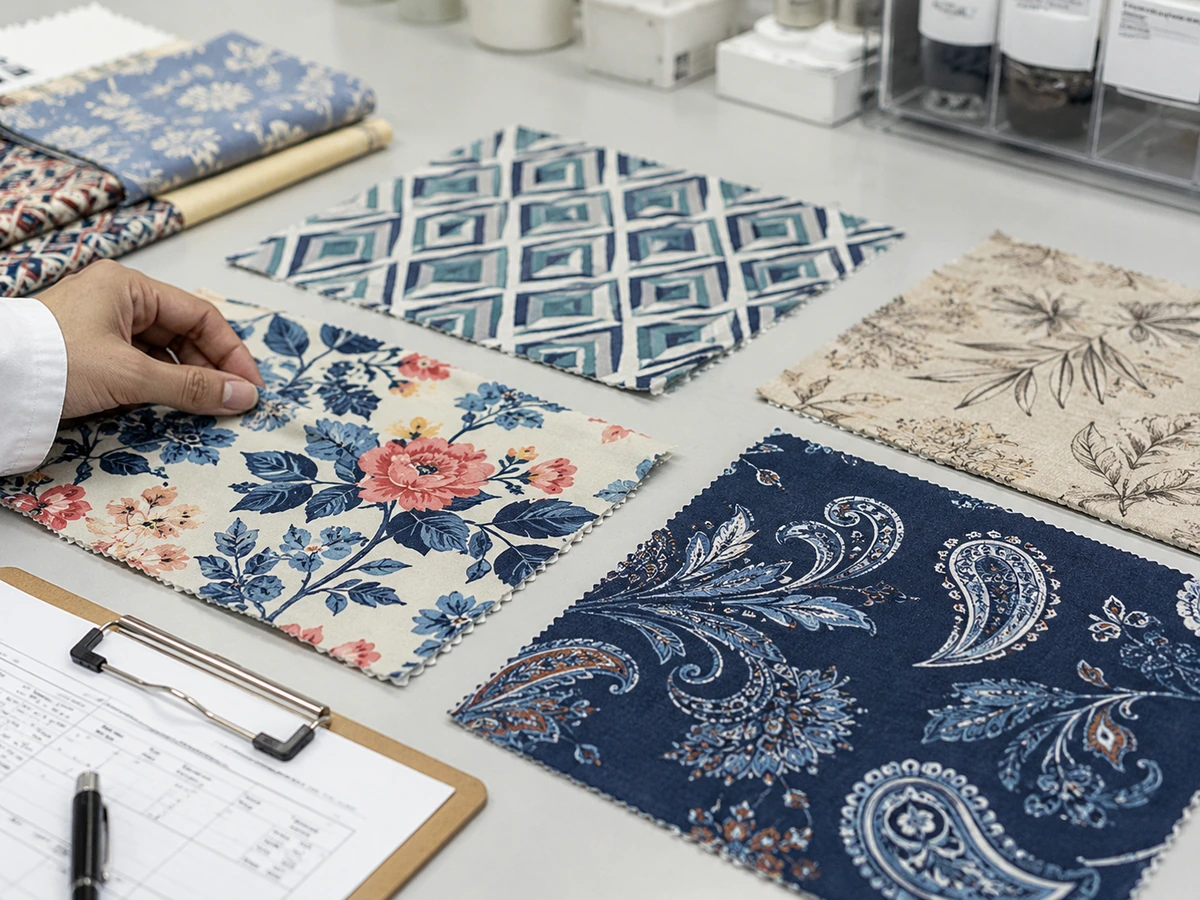
Fabric Type and Print Coverage
Pigment printing can be applied across different fiber types because the binder fixes pigment on the textile surface, but the same paste does not behave identically on every fabric.
Compare cotton, polyester, CVC/PC blends, knitted vs. woven fabrics, and light vs. heavy constructions where relevant.
Fabric absorbency and surface structure affect paste deposit, penetration, surface color and hand.
A synthetic thickener should be approved on representative production fabrics, not only on one laboratory substrate.
Curing: Why Thickener Selection Cannot Stop at the Printing Machine
Pigment printing relies on binder-film formation during curing.
Total Cost in Use = Thickener Cost + Neutralizer / Preparation + Dosage + Machine Efficiency + Curing + Rework + Quality Loss
Important cost drivers include as-supplied price, active solids, working dosage, neutralization requirement, paste stability, machine speed, rejected-print risk and binder/hand optimization.
A higher-priced grade can be cheaper in production if it requires lower dosage and provides better electrolyte stability.
A low-priced grade can become expensive if it needs more product, more adjustments or creates downtime.
What Information Should You Send to a Thickener Supplier?
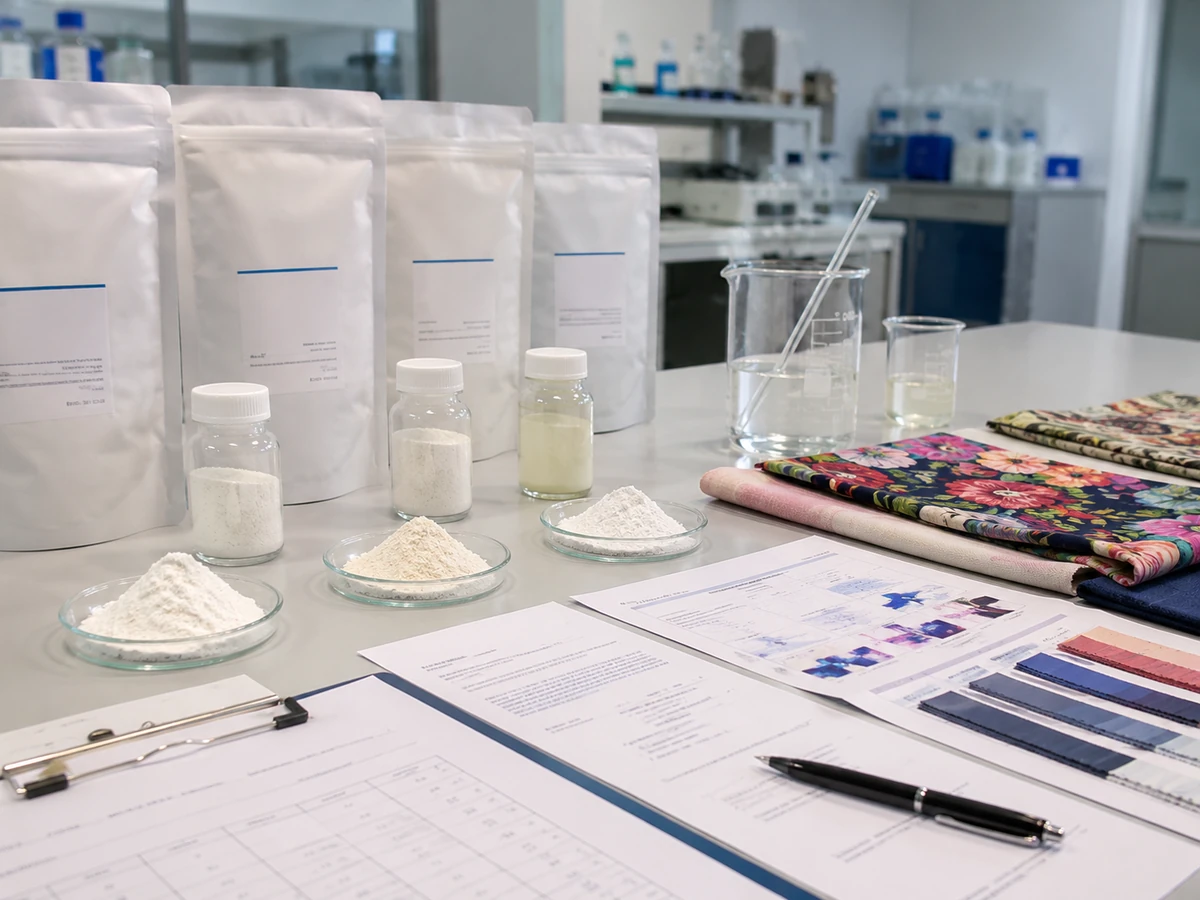
For efficient synthetic-thickener matching, provide:
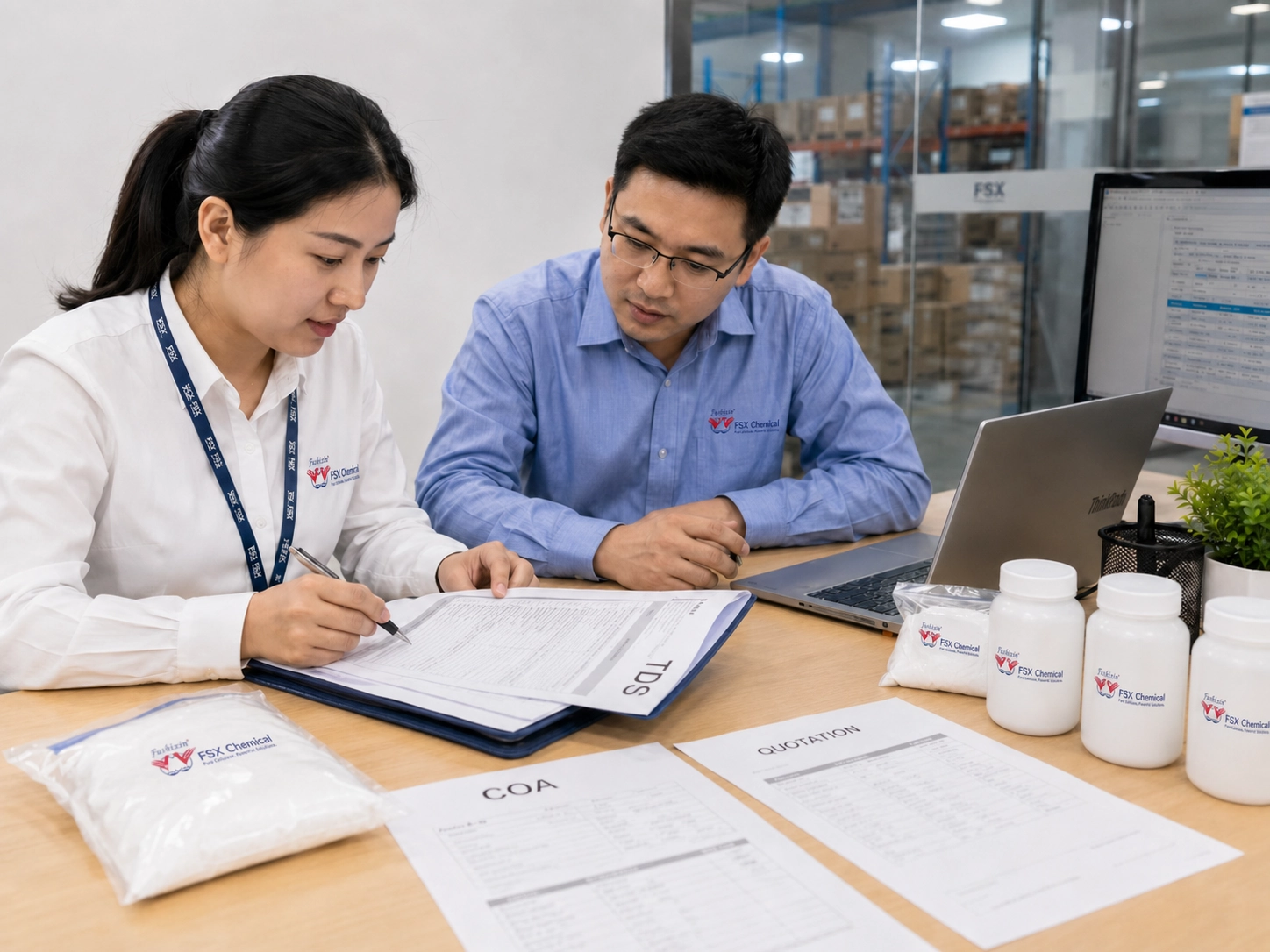
Current thickener name, sample or TDS
მიმდინარე დოზირება
Viscosity and complete test method
Pigment dispersion type / color family
Binder type and dosage
Fixer / auxiliary information
Final paste pH
ქსოვილი
Flat or rotary screen
Machine speed
Current curing condition
Main problem: viscosity loss, transfer, sharpness, rubbing, hand or cost
Estimated monthly usage
A complete confidential formula is not always necessary for the first review. A current TDS or sample, binder route, pigment system and clear problem description are enough to identify a starting trial direction.
How Should a Mill Choose the Right Synthetic Thickener Grade?
A practical selection chain is:
Identify Synthetic Chemistry → Confirm Activation → Build Dosage Curve → Add Pigment → Add Binder / Auxiliaries → Check Electrolyte Tolerance → Measure Rheology → Hold → Print → Cure → Test Fastness & Hand → Calculate Total Cost in Use
Water viscosity alone does not qualify a pigment-printing thickener.
Some acrylic grades need correct pH neutralization before full thickening develops.
Electrolyte and binder compatibility can be more important than headline viscosity.
Rheology should be evaluated under screen shear, not from one low-shear number only.
The grade must pass curing, rubbing-fastness and fabric-hand evaluation.
The best grade is the one that delivers a stable production window at the lowest practical Total Cost in Use.
ხშირად დასმული კითხვები
1. What synthetic thickener is commonly used for pigment printing?
Polyacrylate and acrylic-based synthetic thickeners are common starting routes, but the specific grade must be matched to the pigment, binder, pH, electrolyte level and printing machine.
2. Is acrylic thickener the same as pigment binder?
No. The thickener controls paste rheology and transfer. The binder fixes pigment particles to the textile surface during curing.
3. Why does an acrylic thickener need alkali?
Some acrylic thickeners are alkali-swellable emulsions. Neutralization ionizes acid groups in the polymer and allows the polymer structure to expand and build viscosity.
4. Why does synthetic thickener lose viscosity after binder is added?
Binder and auxiliaries can introduce electrolytes or change pH. The candidate should be evaluated for complete-formula compatibility rather than water viscosity only.
5. Does higher synthetic-thickener viscosity give better print sharpness?
Not automatically. Excess viscosity or elasticity can reduce screen transfer, while insufficient post-shear recovery can allow spreading. The full rheology matters.
6. How should I compare two acrylic thickeners with different solids content?
Compare working dosage, active solids introduced, complete-paste viscosity, print performance and Total Cost in Use.
7. Can the same synthetic thickener be used on flat and rotary screen machines?
Possibly, but it should be validated on each machine because shear history, feed and recovery requirements differ.
8. How important is electrolyte tolerance?
Very important in many pigment systems. Pigment dispersions, binders, fixers and auxiliaries can introduce ions that reduce thickening efficiency.
9. Why does pigment-printed fabric become stiff?
Binder film, paste deposit, thickener solids and curing all contribute. More thickener is not always the correct way to improve printing.
10. What should be tested after curing?
Evaluate K/S or shade, dry and wet rubbing fastness, wash fastness where relevant, surface appearance and fabric hand.
11. Should I choose the lowest-dose synthetic thickener?
Not automatically. Low dosage is useful only if the grade remains stable in the complete formula and delivers the required machine and finished-fabric performance.
12. What should I send FSX Chemical for synthetic thickener matching?
Send your current thickener or TDS, dosage, viscosity method, pigment, binder, fabric, machine route, curing condition and the main performance target or problem.
Match a Synthetic Thickener to Your Pigment Printing Formula
If your mill is evaluating an acrylic or polyacrylate synthetic thickener for pigment printing, FSX Chemical can review the current product or TDS and help define a controlled comparison around activation, complete-paste viscosity, binder compatibility, rheology, curing and finished-fabric performance.
The right synthetic thickener is not simply the product that creates the highest viscosity. It is the grade that remains stable with pigment and binder, flows correctly under printing shear, survives the production holding period, and gives the required fastness and fabric hand after curing.
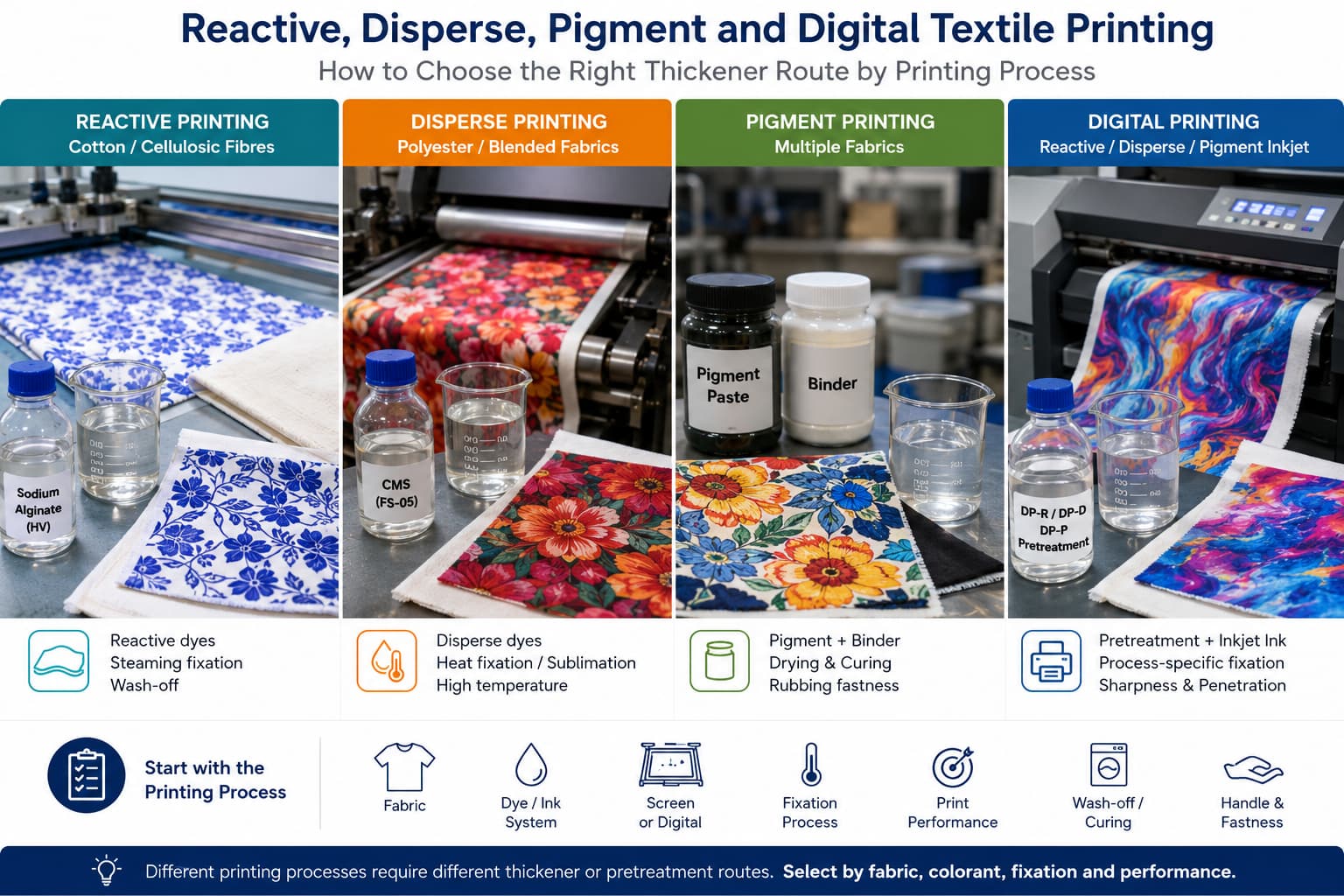
ისწავლეთ, როგორ შეარჩიოთ გამკვრივებელი და წინასწარი დამუშავების მეთოდები რეაქტიული, დისპერსიული, პიგმენტური და ციფრული ტექსტილის ბეჭდვისთვის, ქსოვილის, საღებავის ან მელნის, ფიქსაციის, გარეცხვისა და ბეჭდვის ხარისხის მოთხოვნების გათვალისწინებით.
CMC-ზე დაფუძნებული საბეჭდი პასტა გამოიყენება პიგმენტურ, რეაქტიულ და ციფრულ ტექსტილის ბეჭდვაში. ეს სახელმძღვანელო განმარტავს, რომელი პარამეტრებია მნიშვნელოვანი, როგორ შევადაროთ მომწოდებლები და რა მოვთხოვოთ დიდი მოცულობის შეკვეთის განთავსებამდე.
ნატრიუმის ალგიდანიც და კარბოქსიმეთილცელულოზაც (კმც) გამოიყენება როგორც გასასქელებლები ტექსტილის ბეჭდვაში, მაგრამ ისინი სხვადასხვა საღებავის სისტემასა და დამუშავების პირობებს შეესაბამება. ეს სახელმძღვანელო განმარტავს ძირითად განსხვავებებს და როდის უნდა გამოიყენოთ თითოეული მათგანი.
The right textile printing thickener is determined by more than fabric type. Buyers should match the thickener to the dye or pigment system, printing method, target rheology, wash-off requirements and actual factory trial conditions.
Textile printing performance depends on a coordinated chemical system, not one universal additive. This guide explains ten important chemical groups, their functions, where they fit and what buyers should verify before production trials.
ტექსტილის ბეჭდვისთვის განკუთვნილი გამკვრივებლები განსხვავდება ქიმიური შემადგენლობით, რეოლოგიით, საღებავებთან თავსებადობითა და გარეცხვისადმი მდგრადობით. ეს სახელმძღვანელო ადარებს გამკვრივებლების ძირითად ჯგუფებს, მათი გამოყენების საერთო მიმართულებებსა და იმ პარამეტრებს, რომლებიც მყიდველებმა წარმოებაში გამოცდის დაწყებამდე უნდა შეამოწმონ.
ციფრული ბეჭდვის პასტები უნდა შეირჩეს მელნის ქიმიური შემადგენლობის, ქსოვილის, გამოყენების მეთოდისა და შემდგომი დამუშავების გათვალისწინებით. ეს სახელმძღვანელო ადარებს ნატრიუმის ალგიტს, CMC-ს, CMS-ს, სინთეზურ პოლიმერსა და კომპოზიტურ წინასწარი დამუშავების მეთოდებს ტექსტილის ინჯეტ-ბეჭდვისთვის.
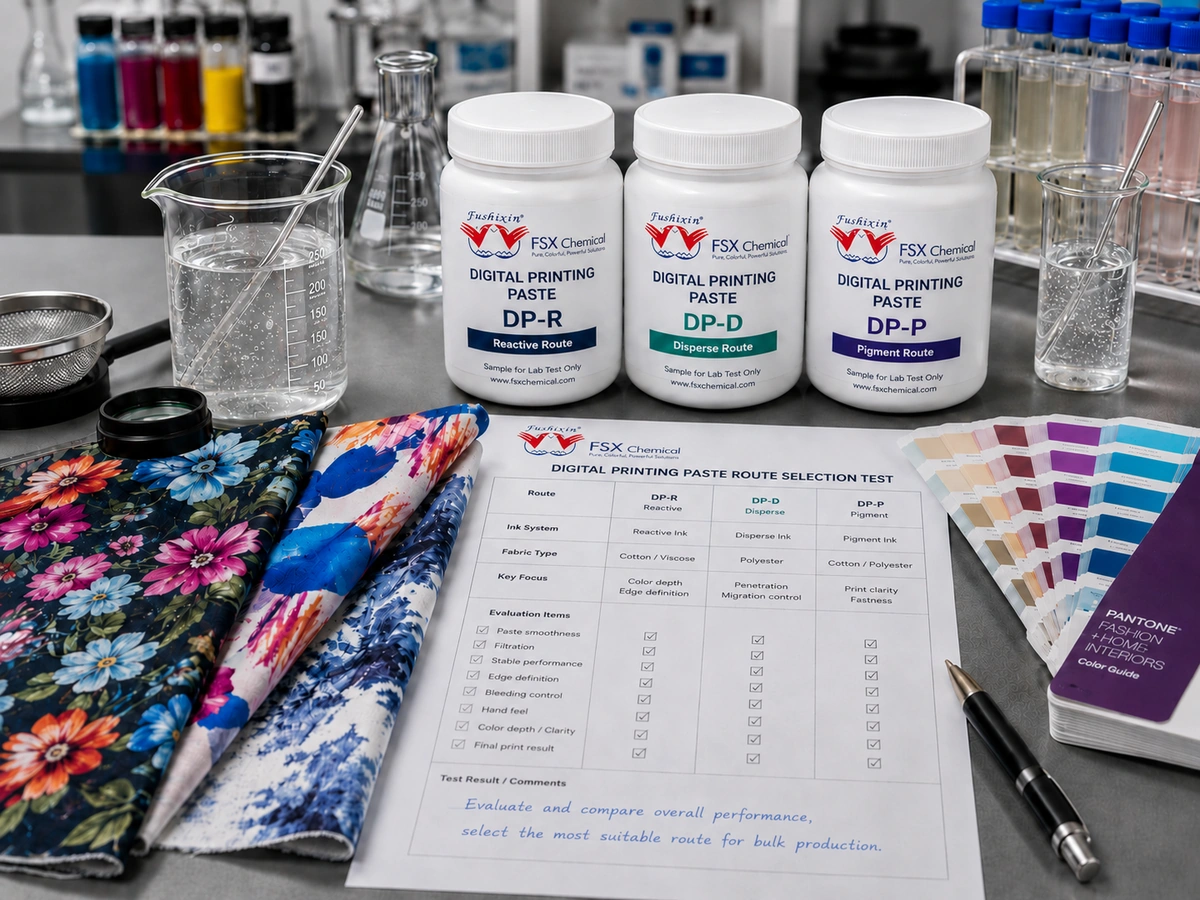
FSX Chemical offers separate digital printing paste routes for reactive, disperse and pigment systems, supported by application review, sample matching and technical documentation. This guide explains how buyers can evaluate the right route before bulk purchasing.
Stable digital printing paste requires more than a target viscosity. This guide explains how product selection, water quality, addition sequence, mixing, pH, temperature, filtration, hygiene, storage and quality records influence pretreatment and production consistency.
This product review examines FSX Digital Printing Paste as a textile inkjet pretreatment and thickening route, focusing on ink-system matching, rheology, filtration, print definition, stability and real production testing.
Digital textile printing requires more than advanced ink and printheads. Explore process-specific chemical solutions for reactive, disperse and pigment inkjet printing, from pretreatment and rheology to filtration, fixation and production validation.
Textile printing chemistry is evolving beyond simple viscosity and price comparisons. Explore five innovation directions shaping 2026, including safer chemical inputs, hybrid biopolymer thickeners, advanced pigment binders, shorter digital processes and multifunctional formulations.
გაგვიზიარეთ პროდუქტის დასახელება, გამოყენების სფერო, რაოდენობა, დანიშნულების ადგილი და ნებისმიერი TDS, ნიმუშის ფოტო ან დოკუმენტი, რომელიც უკვე გაქვთ. FSX Chemical შეისწავლის ინფორმაციას და გირჩევთ შემდეგ ნაბიჯს ფასის შეთავაზების, ნიმუშთან შესაბამისობის ან პროდუქტის შერჩევისთვის.
პროდუქტის ინფორმაციაპროდუქტის დასახელება, მარკა, მოდელი, ეტიკეტის ფოტო ან მომწოდებლის სარეფერენსო.
ხელმისაწვდომი დოკუმენტებიTDS, SDS, COA, ნიმუშის ფოტო, პროდუქციის სია ან სატესტო მონაცემები.
შეკვეთის დეტალებიშეფასებული რაოდენობა, შეფუთვა, დანიშნულების ქვეყანა, პორტი ან სავაჭრო პირობა.
განაცხადი ან საკითხიტექსტილის ბეჭდვის პროცესი, ფორმულირების საჭიროება, მიმდინარე პრობლემა ან სამიზნე მახასიათებელი.