
 TR
TR  EN
EN  BN
BN  ES
ES  FR
FR  ID
ID  RU
RU  AR
AR  UR
UR 
This guide explains how buyers can evaluate high adhesion printing paste more professionally by reviewing application conditions, adhesion testing, technical documents, sample testing, batch consistency, packaging, and export requirements.
What High Adhesion Printing Paste Means in Textile Printing
Adhesion Depends on the Full Printing System
Adhesion is not determined by one raw material alone. Fabric structure, surface treatment, ink or dye system, binder system, thickener type, pH, drying condition, curing condition, and washing process can all affect the final result.
For this reason, buyers should test high adhesion printing paste under their own production conditions before confirming bulk purchase.
CMC Can Support Rheology and Film Behavior
In selected printing paste formulations, CMC can help adjust viscosity, improve paste handling, and support film-forming behavior. The suitable grade depends on viscosity, degree of substitution where applicable, solubility, pH, moisture, and compatibility with the full formulation.
Buyers should not choose a CMC-based paste only by product name. The actual grade and formulation performance should be confirmed through testing.
Performance Claims Should Be Verified
Claims such as “high adhesion,” “wash resistant,” “eco-friendly,” “compliant,” or “vibrant color” should be supported by documents, test data, or the buyer’s own sample evaluation when they are important to the purchasing decision.
For B2B textile printing, practical testing is more reliable than broad marketing claims.
Key Application Factors Buyers Should Confirm
Fabric or Substrate Type
Cotton, polyester, blended fabrics, linen, silk, knitted fabrics, woven fabrics, and technical textiles may respond differently to the same printing paste. Fabric surface, pretreatment, absorbency, and finishing process can affect adhesion and color performance.
Buyers should share fabric type and current production conditions before asking for grade matching.
Baskı Süreci
Screen printing, rotary screen printing, digital printing pretreatment, pigment printing, reactive printing, or coating-related printing systems may require different rheology and adhesion behavior.
The recommended paste should be tested under the same printing process used in production.
Target Viscosity and Rheology
Viscosity affects paste transfer, pattern edge control, screen passing, leveling, penetration, and handling. Buyers should confirm the target viscosity range and testing method.
The viscosity test concentration, temperature, instrument method, and unit should be clearly stated before comparing suppliers.
Drying, Curing and Washing Conditions
A paste that works in one process may need adjustment in another process.

Alıcıların Gözden Geçmesi Gereken Teknik Özellikler
Viskozite Sınıfı ve Test Yöntemi
Viscosity is one of the most important parameters for printing paste selection. Buyers should review the viscosity range together with the test concentration, temperature, instrument method, and unit.
Without a clear test method, viscosity data from different suppliers may not be directly comparable.
Solubility and Preparation Behavior
Preparation behavior affects production efficiency and paste stability. Poor dispersion may create lumps, unstable viscosity, filtration difficulty, or uneven printing.
Buyers should test dissolution or dispersion behavior under their own water quality, stirring speed, addition method, temperature, and preparation time.
pH, Moisture and Appearance
pH, moisture, and appearance are basic but important quality indicators. They affect storage, handling, quality control, and repeat purchasing.
These parameters should be reviewed in the TDS and confirmed through COA data where applicable.
Formülasyon Uyumluluğu
High adhesion printing paste must be compatible with the buyer’s ink or dye system, binder, auxiliaries, pH adjusters, fabric type, and printing equipment.
Compatibility issues may appear as viscosity drift, separation, poor leveling, blocked screens, poor adhesion, or unstable printing behavior.
How to Test High Adhesion Printing Paste
Test in the Actual Printing Formula
Sample testing should be done in the buyer’s own formulation whenever possible. Dyes, pigments, binders, auxiliaries, water quality, pH, stirring method, paste concentration, and storage time can all affect final performance.
Testing only in water may not be enough to confirm whether the paste is suitable for production.
Evaluate Adhesion Under Real Conditions
Adhesion should be tested on the actual fabric or substrate. Buyers may evaluate rubbing, washing, peeling, handling, bending, or customer-specific durability tests depending on the final product requirement.
The test method should be consistent when comparing different suppliers or different paste grades.
Observe Printing and Production Behavior
During testing, buyers should observe paste smoothness, viscosity stability, screen passing, leveling, penetration, drying behavior, surface feel, pattern edge control, and defect risk.
Bu pratik gözlemler, genellikle Teknik Veri Sayfası’nda (TDS) gösterilen teknik özellik verileri kadar önemlidir.
Mevcut Ürünle Karşılaştırın
If the buyer is replacing an existing printing paste, CMC, CMS, sodium alginate, or blended thickener, the new sample should be tested against the current material under the same conditions.
This helps the buyer judge whether the recommended paste is technically suitable before discussing bulk supply.
Alıcıların Talep Etmesi Gereken Belgeler
Teknik Şartname İncelemesi için TDS
The Technical Data Sheet helps buyers review the standard product specification. It should include product description, appearance, viscosity, pH, moisture, storage conditions, and testing method. Other parameters may be included depending on the paste or raw material system.
The TDS supports initial grade screening, but it should not replace sample testing in the buyer’s own printing formulation.
Toplu Onay için COA
Analiz Sertifikası, belirli bir üretim partisine ait gerçek verileri teyit eder. Bu belge, toplu siparişler, tekrar alımlar, distribütör tedarikleri ve kurum içi kalite kontrolü açısından önemlidir.
Alıcılar, sevkiyatlar arasındaki COA kayıtlarını karşılaştırarak temel parametrelerin kararlaştırılan aralıkta kalıp kalmadığını kontrol edebilirler.
Taşıma ve Sevkiyatla İlgili Güvenlik Bilgi Formu (SDS) İncelemesi
Güvenlik Bilgi Formu (SDS), ürünün kullanımı, depolanması, nakliyesi ve şirket içi güvenlik değerlendirmelerine destek sağlar. Uluslararası satın alımlarda ise sevkiyat ve gümrükle ilgili iletişim için SDS’ye ihtiyaç duyulabilir.
Alıcılar, SDS’deki ürün adı ve tedarikçi bilgilerinin sipariş belgelerindeki bilgilerle uyumlu olduğundan emin olmalıdır.
Ek Müşteri veya Uyum Belgeleri
Alıcının kısıtlanmış madde beyanlarına, çevre belgelerine, müşteri denetim anketlerine, sertifika kopyalarına veya üçüncü taraf test desteğine ihtiyacı olması durumunda, bu gereklilikler sipariş onayı öncesinde görüşülmelidir.
Pratik bir tedarikçi, hangi belgelerin temin edilebileceğini ve hangi beyanların resmi bir üçüncü taraf testi veya sertifikasyonu gerektirdiğini açıkça açıklamalıdır.
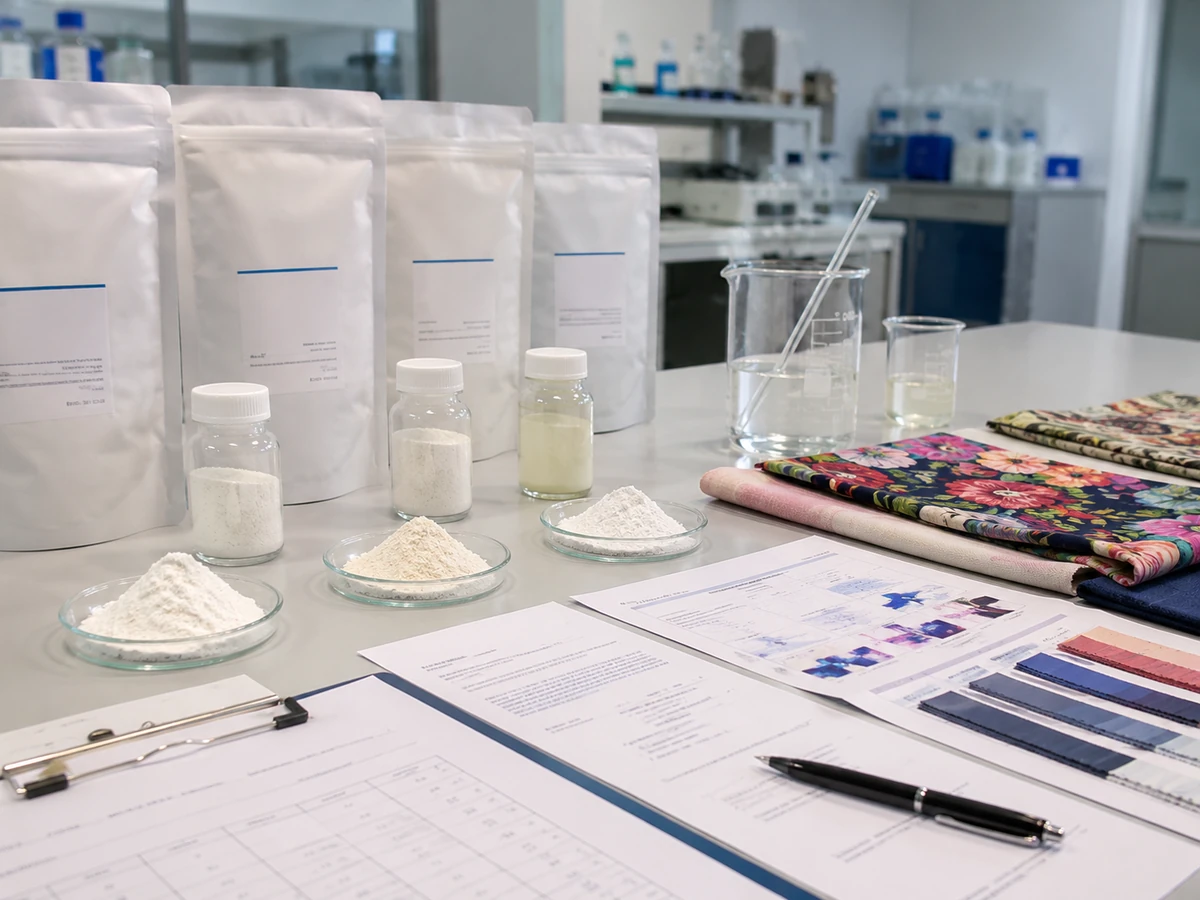
How to Compare High Adhesion Printing Paste Suppliers
Compare Equivalent Applications
A paste designed for one printing process may not be suitable for another. Buyers should compare suppliers based on the same fabric, printing process, ink or dye system, viscosity target, and test method.
Örnek ile Toplu Ürün Arasındaki Tutarlılığı Doğrulama
Before confirming a bulk order, buyers should check whether the approved sample and bulk shipment will follow the same agreed specification range, packaging format, batch traceability, and COA requirements.
Bu, numunenin onaylanmasının ardından daha sonra toplu üretimde istikrarsız performans ortaya çıkma riskini azaltmaya yardımcı olur.
Review Packaging and Export Support
Packaging size, bag or drum type, net weight, label information, batch number, storage conditions, invoice, packing list, COA, SDS, and other export-related documents should be confirmed before shipment.
Document requirements may vary by destination country, product type, and the buyer’s internal purchasing process.
Avoid Broad Claims Without Evidence
Claims such as “solves peeling,” “high color retention,” “fully compliant,” “eco-friendly,” or “best for all fabrics” should be supported by documents, test reports, or the buyer’s own evaluation before they are used for purchasing decisions.
Sık Karşılaşılan Sorunlar ve Çözüm Yolları
Poor Adhesion
Poor adhesion may be related to fabric surface, binder system, drying or curing conditions, pH, paste viscosity, formulation compatibility, or grade mismatch.
The full printing system should be reviewed before changing only one raw material.
Color Fading or Wash Failure
Color fading or wash failure may involve dye or pigment selection, binder performance, fixation conditions, washing process, fabric pretreatment, or paste compatibility.
Buyers should test the complete system under the required customer test conditions.
Screen Blocking or Poor Flow
Screen blocking, poor flow, or uneven printing may be caused by viscosity mismatch, poor dispersion, filtration issues, particle contamination, or unstable formulation.
Preparation method and filtration behavior should be recorded during sample testing.
Viscosity Drift During Production
Viscosity drift may be related to water quality, temperature, pH, standing time, formulation compatibility, or grade mismatch.
Alıcılar, üretim koşullarını tedarikçinin viskozite test yöntemiyle karşılaştırmalıdır.
How FSX Chemical Supports Printing Paste Buyers
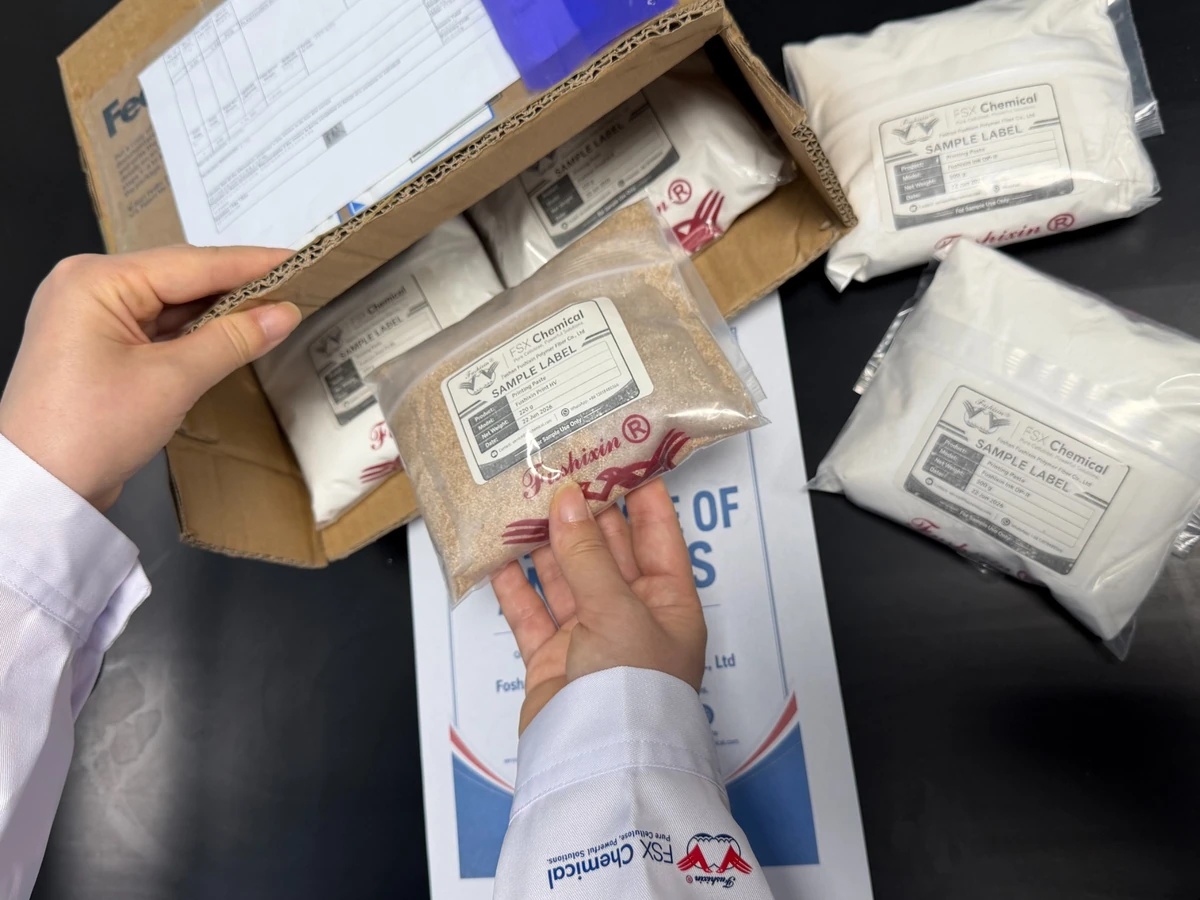
We do not suggest choosing high adhesion printing paste only by product name, broad adhesion claims, compliance claims, or price. The recommended paste or raw material grade should be reviewed through technical documents and tested in the buyer’s own printing system before bulk purchase.
Sonraki Adımlar
- Share Your Printing Process — tell us whether you use screen printing, rotary printing, digital pretreatment, pigment printing, reactive printing, or another process.
- Clarify Your Fabric Type — provide fabric composition, surface treatment, pretreatment status, and final product requirements.
- Hedef Viskozitenizi Belirleyin — Viskozite aralığını, test konsantrasyonunu, sıcaklığı, kullanılan ölçüm yöntemini ve mümkünse mevcut ürün sınıfını belirtiniz.
- Not Eşleştirme Talebi — ask for a suitable printing paste or CMC-based formulation suggestion based on your actual process.
- TDS Talep Et — review viscosity, pH, moisture, appearance, storage conditions, testing method, and other relevant parameters.
- COA Talep Et — sevkiyat öncesinde parti verilerinin kararlaştırılan spesifikasyon aralığına uygun olup olmadığını doğrulayın.
- Bir SDS talep edin — işleme, depolama, nakliye ve ürün bilgilerini kontrol edin.
- Örnek İsteyin — test the recommended paste or raw material grade in your own printing formulation before confirming bulk orders.
- Ambalaj ve İhracat Belgelerini Doğrulama — check packaging size, labels, batch traceability, invoice, packing list, COA, SDS, and other required documents before shipment.
- Teknik Ekibimizle İletişime Geçin — discuss whether a high adhesion printing paste or CMC-based grade is suitable for your textile printing application📧 E-posta: Service@fsxchemical.com