What Makes FSX Chemical the Leading Manufacturer of Textile Thickeners?
A capable textile thickener manufacturer must combine manufacturing control with application knowledge. Learn how FSX...
Textile printing thickeners have a direct influence on paste preparation, rheology, screen passage, print definition, penetration, color uniformity and production stability. For textile mills, choosing the right thickener manufacturer is therefore more complex than simply comparing price, viscosity or a product name.
A professional textile thickener manufacturer should understand both sides of the product: how the material is manufactured and how it behaves after it enters the customer’s printing process.
FSX Chemical focuses on this connection. Its textile printing portfolio includes CMC, CMS, sodium alginate, digital printing paste and application-specific compound thickener routes. Product selection can begin with the printing method, fabric, dye or ink system, target viscosity and current product rather than with one universal thickener recommendation.
The term “leading manufacturer” in this article does not refer to an independent global market ranking. It describes the manufacturing, technical, quality-control and customer-support capabilities that industrial buyers should evaluate when selecting a long-term textile thickener supplier.
What Makes a Textile Thickener Manufacturer “Leading”?
In industrial chemical sourcing, leadership should not be defined only by company size, marketing language or production volume.
For a textile printing mill, a more useful definition is whether the manufacturer can repeatedly connect five areas:
Manufacturing control
Product and formulation knowledge
Uygulama testi
Batch quality management
Reliable commercial supply
A manufacturer may produce a technically acceptable thickener but provide limited application support. Another supplier may understand printing formulations but have limited control over production because it does not manufacture the material itself.
The strongest sourcing model connects factory production with application-oriented technical support.
This is the basis on which FSX Chemical positions its textile thickener manufacturing and supply system.
1. Manufacturing Experience and Production Capability
Manufacturing capability matters because textile thickener consistency begins long before the finished product reaches the laboratory.
Raw-material selection, reaction conditions, purification, drying, particle processing, blending and packing can all influence the characteristics of a finished polymer product.
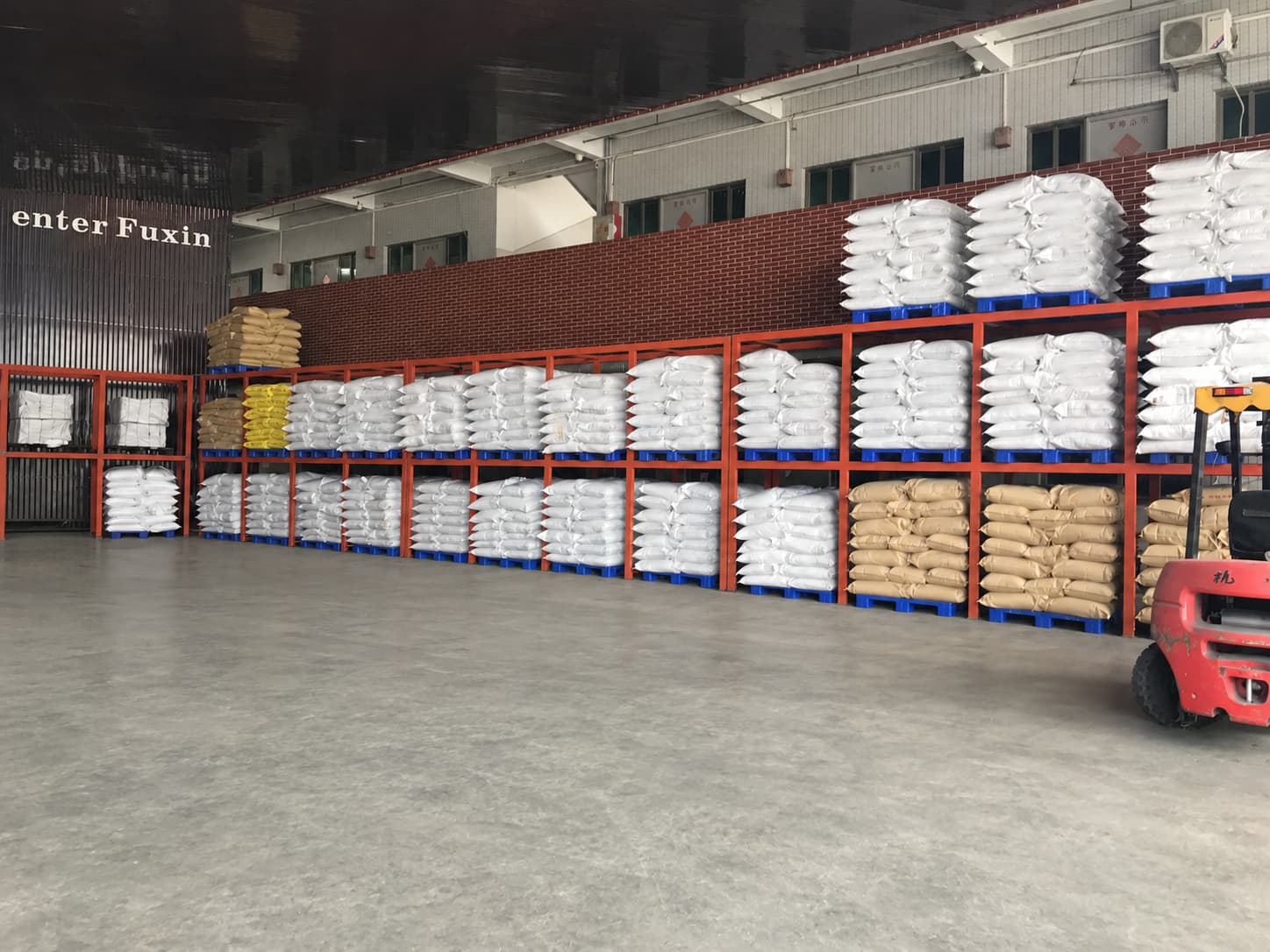
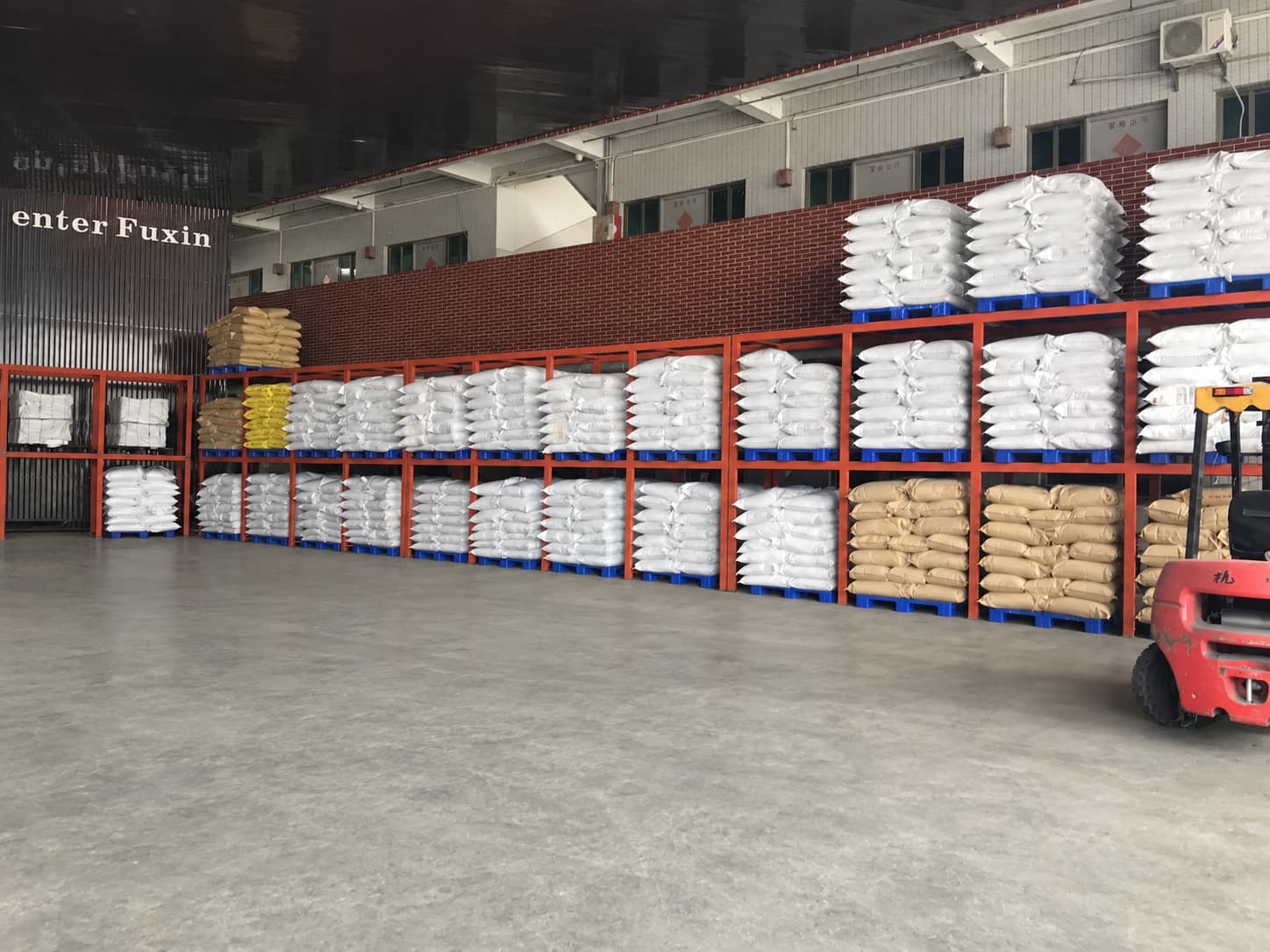
Buyers can review FSX Chemical’s production and quality-control approach through the Üretim ve Kalite page.
Raw-material control is the starting point
Consistent production begins with clear raw-material identity, specifications and incoming control. Changes in a critical raw material can influence the final polymer even when the nominal formulation remains unchanged.
Production conditions must remain controlled
Textile-grade polymers require controlled processing rather than simple blending. Reaction conditions, purification, drying, particle processing and final handling can all influence the commercial grade.
Scale is useful only when combined with control
Production capability alone does not guarantee application performance. Industrial buyers should evaluate whether manufacturing scale is connected with batch identification, laboratory testing and product-specific specifications.
2. Specialized Focus on Textile Printing Thickeners
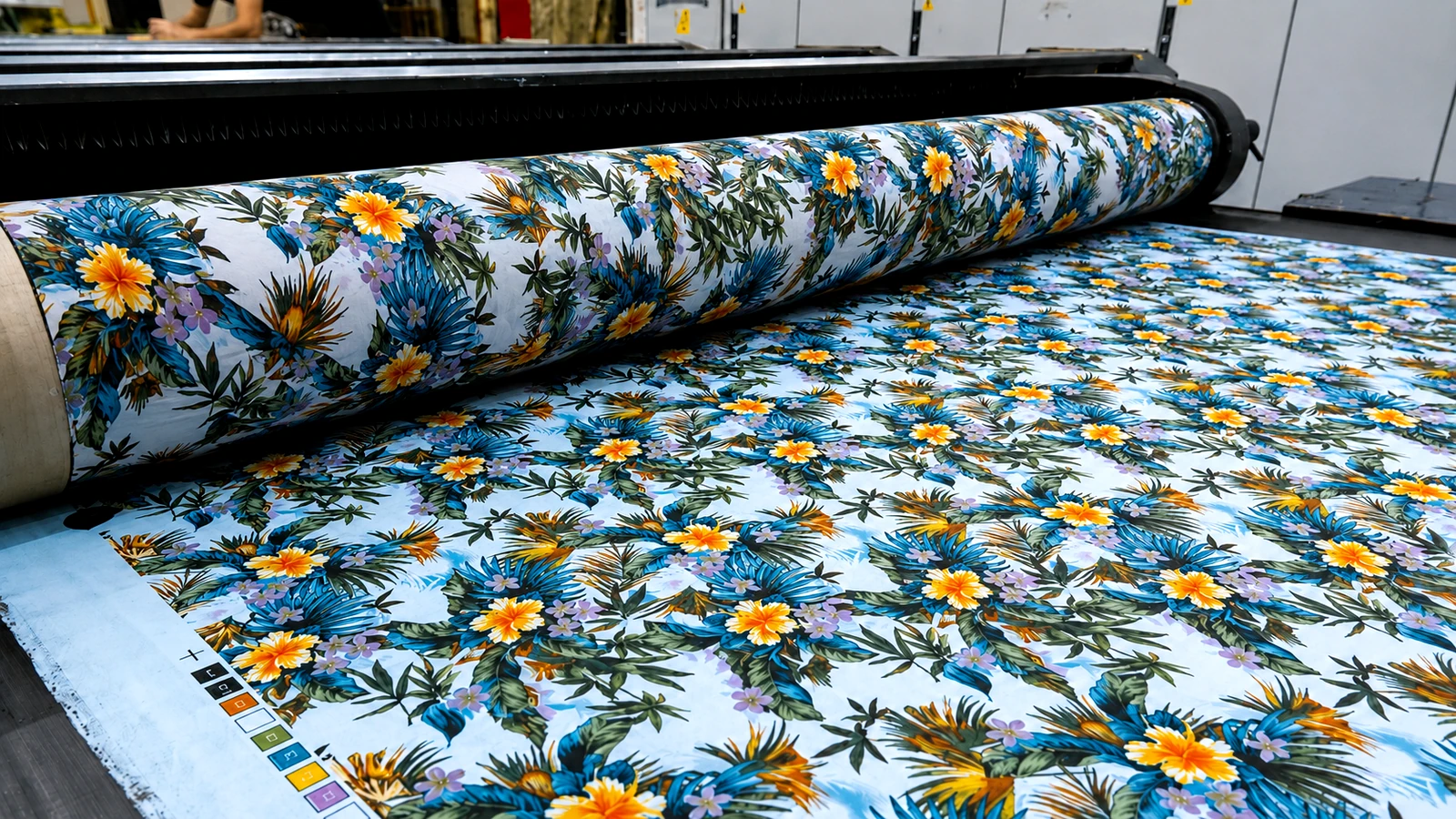
Textile printing is not simply another end use for a generic thickener. The paste experiences several different mechanical and chemical environments before the finished fabric is produced.
During preparation, the polymer must disperse and hydrate. During pumping and printing, the paste experiences shear. After reaching the fabric, it must provide suitable transfer, leveling and structural recovery. It must then remain compatible with fixation, washing or curing.
This structure allows technical evaluation to consider reactive, disperse, pigment, conventional screen and digital printing processes separately.
3. Multiple Thickener Families for Different Printing Systems
One indicator of a specialized textile thickener manufacturer is the ability to work with more than one polymer family.
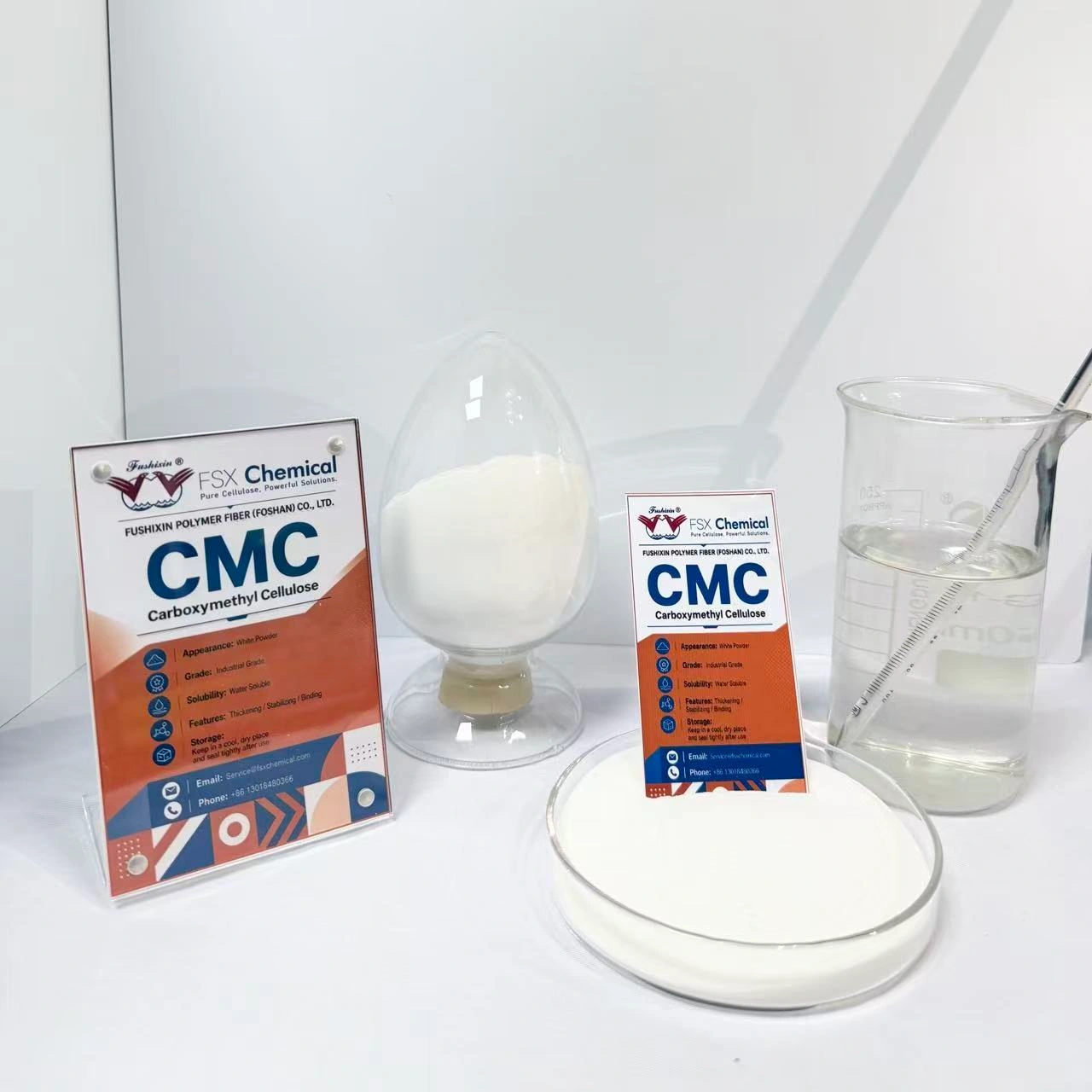
Carboxymethyl Cellulose — CMC
Karboksimetil Selüloz can be evaluated for selected textile printing, viscosity-control and compound-thickener applications. Grade selection can consider viscosity, degree of substitution, dissolution, filtration and formulation compatibility.
Carboxymethyl Starch — CMS
Karboksimetil Nişasta provides a modified starch route that can be evaluated for selected disperse, compound and other textile formulations where rheology and cost in use need to be balanced.
Sodyum Aljinat
Sodyum aljinat is an important benchmark thickener for reactive dye printing on suitable cellulosic fabrics.
Dijital Baskı Macunu
Digital printing paste and pretreatment thickener routes can be selected according to the ink system, fabric, application method and required print performance.
Compound thickener routes
In some printing systems, the most practical solution is not one polymer but a controlled combination of materials designed to balance viscosity, shear response, stability, filtration and cost.
A broader product portfolio allows the manufacturer to consider a different route when the original polymer family is not technically appropriate.
4. Product Selection Starts with the Printing Process
A useful textile thickener recommendation begins by identifying what the customer is actually printing.
The printing chemistry
Reactive, disperse and pigment systems expose thickeners to different dyes, salts, alkalis, binders and fixation conditions.
The fabric
Cotton, viscose, polyester and blended fabrics have different absorbency, surface characteristics and chemical requirements.
The equipment
Flat-screen, rotary-screen, coating and digital pretreatment equipment generate different shear and transfer conditions.
The design
Fine lines, small text, large dark solids and heavy coverage do not always require the same rheological balance.
For these reasons, product selection should begin with the customer’s complete process rather than automatically recommending the highest viscosity grade.
5. Grade Matching Based on the Customer’s Current Product
Many industrial customers are not searching for a completely new formulation. They already have an approved thickener and need an additional supply source, a different cost structure or improved performance.
In this situation, the customer’s existing product can become the technical reference.
Through FSX Chemical Samples & Matching , customers can provide an existing product sample, TDS, COA, viscosity information and application details for review.
Useful comparison information includes
Current manufacturer and commercial grade
TDS or recent COA
Physical product sample
Current dosage
Viscosity and test concentration
Viscometer, spindle and speed
Preparation and hydration procedure
Printing formulation
Fabric and equipment
Main performance target
The objective is not to claim an automatic one-to-one replacement. It is to identify a technically relevant trial grade and compare it under controlled conditions.
6. Application-Oriented Laboratory Evaluation
Product specifications are important, but textile printing performance cannot always be predicted from a TDS alone.
Application-oriented evaluation connects laboratory properties with the way the paste behaves during preparation and printing.
Basic product evaluation can include
Görünüm
Dispersion and hydration
Viskozite
pH
Filtration
Physical stability
Complete-paste evaluation can include
Compatibility with dyes or pigments
Salt or alkali response
Binder compatibility
Viscosity after chemical addition
Holding stability
Filterability after storage
Application testing can include
Ekran bölümü
Paste transfer
Fine-line definition
Large solid-area uniformity
Penetrasyon
Fixation or curing
Yıkanarak çıkarılır
Finished-fabric handle
Final suitability should still be confirmed under the customer’s actual production conditions.
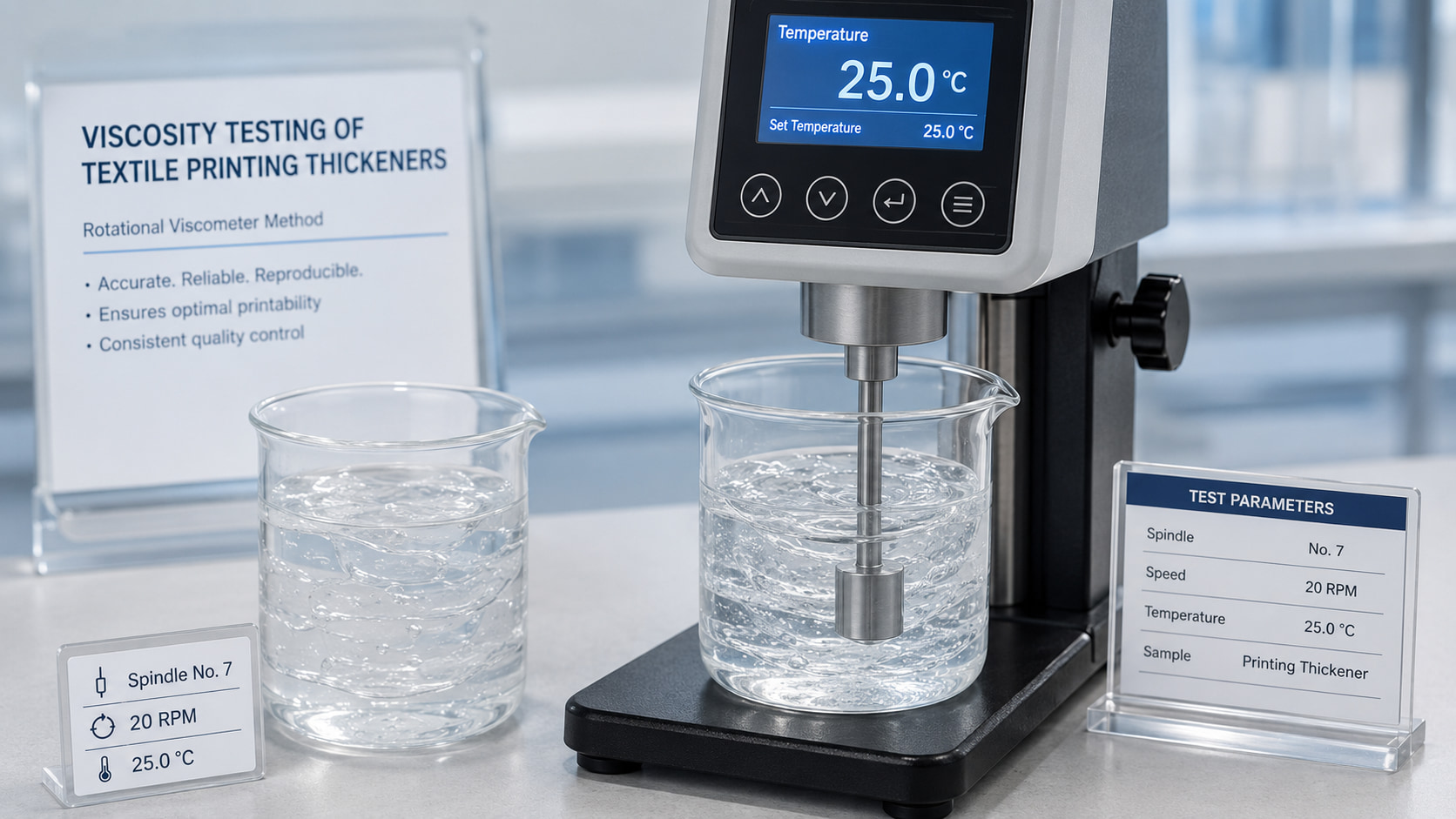
7. Viscosity Is Treated as a Method, Not Just a Number
Viscosity is one of the most frequently discussed specifications in textile thickener purchasing. It is also one of the easiest parameters to compare incorrectly.
A viscosity number becomes meaningful only when the measurement conditions are known.
A useful comparison records
Ürün konsantrasyonu
Concentration calculation basis
Water source
Mixing procedure
Hydration or resting time
Temperature
Instrument
Spindle, rotor or geometry
Rotational speed
Reading time
Reported unit
Two products with similar reported viscosity cannot be treated as equivalent if the test methods are different.
This method-based approach is especially important when a manufacturer is asked to match a customer’s existing thickener.
8. Filtration, Rheology and Paste Stability Matter
Industrial printing performance is not determined by viscosity alone.
Filtration
Gels, incompletely hydrated particles and foreign matter can affect screen passage or application equipment even when the measured viscosity is within target.
Reoloji
A paste experiences changing shear during mixing, pumping and printing. Two thickeners with similar standing viscosity can show different shear-thinning and structural-recovery behavior.
Holding stability
A paste that performs correctly immediately after preparation may change during several hours of storage or circulation.
For this reason, a professional textile thickener manufacturer needs to evaluate complete material behavior rather than one laboratory number.
9. Batch-Level Quality Control
A successful sample is valuable only when the commercial product can be supplied within an appropriate quality-control system.
Batch-level control connects permanent product identity, defined test methods, laboratory evaluation and commercial release.
Product-specific QC can consider
Commercial grade identity
Görünüm
Viscosity under a defined method
Moisture or solids where applicable
pH where relevant
Filtration or physical uniformity where required
Other parameters in the confirmed product specification
Batch quality management should not mean that every numerical result is identical. The objective is to keep meaningful variation within the confirmed specification and application operating window.
10. Sample-to-Bulk Verification
The move from a laboratory sample to a commercial shipment is one of the most important stages in supplier qualification.
A controlled route connects
Customer requirement
Recommended trial grade
Technical documents
Laboratory sample
Customer application trial
Trial feedback
Permanent commercial grade
Commercial quotation
Production batch
Batch documentation
First-shipment verification
This is more reliable than approving an unnamed sample that cannot later be connected with a repeatable commercial product.
The first bulk shipment of a newly approved grade should receive particular attention before the product enters routine production.
11. Standard and Custom Grade Routes
Standard grades are the most efficient starting point when their specifications already fit the customer’s process.
However, some printing mills use an existing thickener with a viscosity, polymer balance or formulation profile that does not match a standard product.
A sample-matching process can provide a practical starting point when a standard trial grade does not fit the target requirement.
A custom evaluation may begin with
Existing product sample
Current formulation
Target viscosity
Current dosage
Printing process
Required application performance
A custom trial remains an evaluation route and should be confirmed through laboratory and production testing before bulk approval.
12. Technical and Commercial Documentation
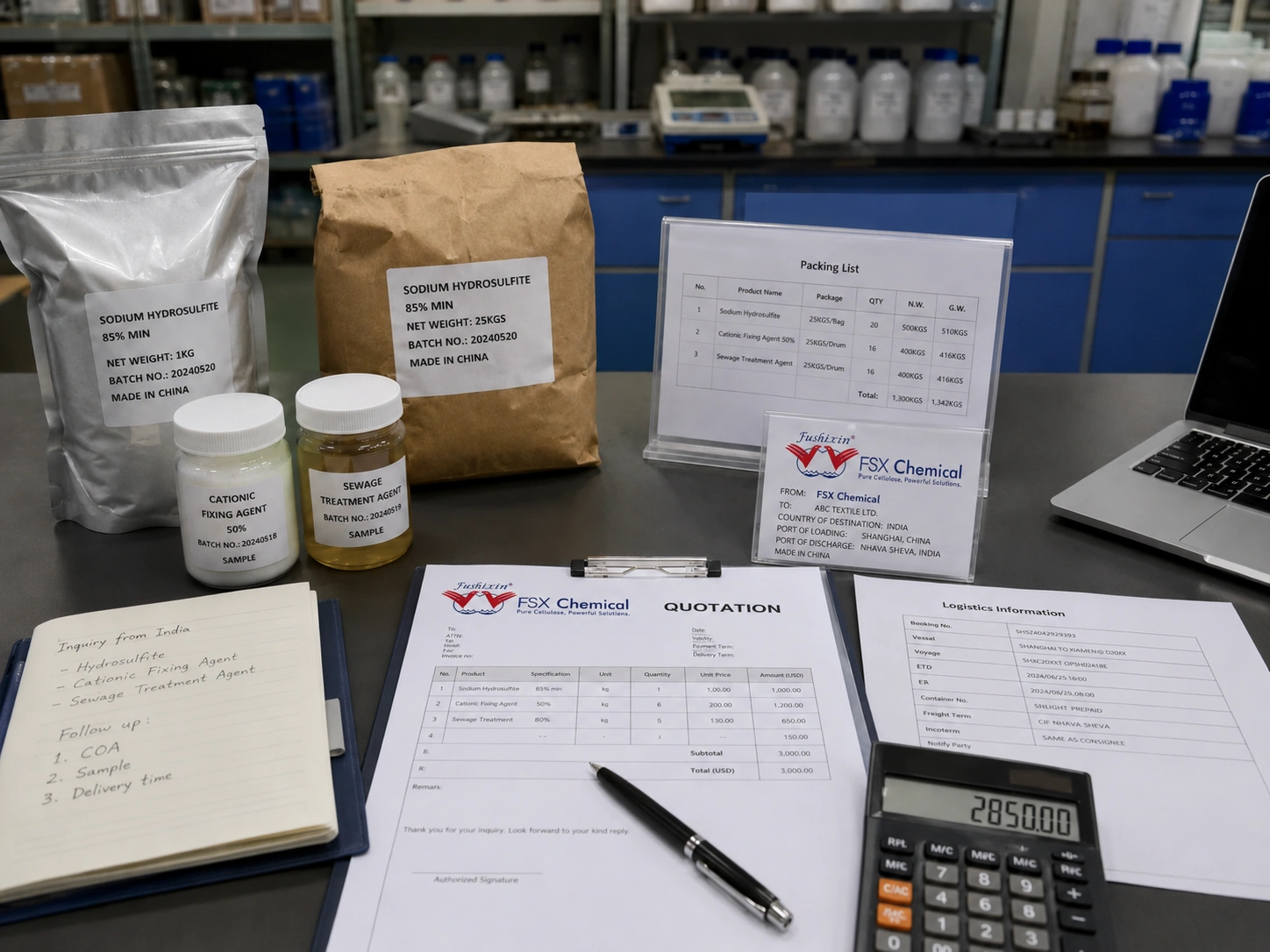
International B2B chemical supply requires more than the physical product. Buyers also need documents that clearly identify what they are testing and purchasing.
TDS
A Technical Data Sheet helps identify the commercial grade, typical or specified technical properties and relevant test conditions.
SDS
A Safety Data Sheet supports product handling, storage, transportation and internal safety review.
COA
A batch-specific Certificate of Analysis connects selected measured results with a particular commercial lot.
Export documentation
Commercial orders can also require packing lists, invoices, labels, shipment details and other destination-specific documentation.
Any certification should be reviewed according to its actual holder, scope, issuer and validity rather than being generalized across unrelated products.
13. Factory-Direct Supply Structure
Factory-direct sourcing can simplify communication between procurement, technical personnel and the production-side supplier.
For textile printing mills and distributors, this can be particularly useful when the inquiry involves grade matching, viscosity adjustment, sample comparison or commercial packaging requirements.
Factory-direct does not mean price alone
Buyers should compare total value rather than assuming that the lowest quotation is automatically the best source.
A technically suitable product can reduce hidden costs associated with formulation correction, screen cleaning, paste waste, rejected fabric and repeated laboratory work.
Commercial evaluation should therefore combine the factory quotation with technical performance.
Reactive Printing Thickener Solutions
Reactive printing on suitable cellulosic textiles requires a thickener system that can provide appropriate paste rheology while supporting the overall dye-fixation and wash-off process.
Sodium alginate is a common benchmark route for conventional reactive dye printing.
Important selection factors include
Viscosity and rheology
Hydration
Filtration
Alkali and electrolyte response
Fine-line definition
Solid-area uniformity
Sabitleme
Yıkanarak çıkarılır
Final fabric handle
Selected compound, CMC or CMS routes may also be evaluated in particular formulations, but they should not be treated as automatic one-to-one replacements for sodium alginate.
Disperse Printing Thickener Solutions
Disperse printing is associated primarily with polyester, and thickener selection should reflect the actual dye, fabric, machine and thermal fixation process.
CMS and selected compound thickener routes can be evaluated when the formulation requires a different balance of viscosity, transfer, stability and commercial cost.
Important evaluation areas include
Macun stabilitesi
Dye-dispersion compatibility
Ekran bölümü
Paste transfer
Solid-area levelness
Thermal fixation behavior
Finished polyester surface quality
Pigment Printing Thickener Solutions
Pigment printing requires a thickener to function inside a system that also contains pigment dispersion, binder and curing chemistry.
Important factors include
Binder compatibility
Electrolyte tolerance
Reoloji
Macun stabilitesi
Yazdırma tanımı
Film development
Curing conditions
Kumaş sap
Required rubbing performance
In these systems, an application-specific compound or synthetic rheology route may be more appropriate than selecting a polysaccharide only from its viscosity.
Digital Textile Printing Solutions
Digital textile printing creates another set of requirements because ink viscosity and fabric-pretreatment viscosity are not the same parameter.
The dijital baskı macunu route should be selected according to the ink system, fibre, pretreatment application method and required final print performance.
Relevant evaluation areas include
Pretreatment viscosity
Reoloji
Filtration
Holding stability
Fabric pickup
Ink spreading
Fine-detail definition
Dark-color performance
Fixation or curing
A conventional screen-printing paste should not automatically be transferred into a digital process without dedicated testing.
Why One Thickener Cannot Serve Every Printing Process
A manufacturer that recommends one polymer for every printing process may be simplifying a much more complex technical decision.
Yazdırma Yolu
Common Starting Direction
Critical Evaluation Areas
Reactive Screen Printing
Sodium alginate or validated compound route
Rheology, dye compatibility, definition, fixation and wash-off
Dağınık Baskı
CMS or application-specific thickener route
Paste stability, transfer, polyester compatibility and fixation
Pigment Baskı
Application-specific rheology system
Binder compatibility, curing, rubbing performance and handle
Digital Reactive Pretreatment
Digital pretreatment paste
Pickup, spreading, definition, fixation and wash-off
Digital Disperse Pretreatment
Digital disperse pretreatment route
Application uniformity, filtration and thermal processing
Compound Formulations
CMC, CMS or blended polymer systems
Viscosity, rheology, compatibility, stability and cost in use
These are technical starting directions rather than universal substitution rules. Final product selection requires application testing.
How Buyers Should Evaluate a Textile Thickener Manufacturer
A purchasing team can use the following framework when comparing FSX Chemical with another textile thickener manufacturer.
Değerlendirme Alanı
Buyer Question
Manufacturing
Does the supplier control the product manufacturing route?
Product Range
Can the supplier offer more than one thickener family?
Technical Selection
Is the recommendation based on my process and fabric?
Örnek Eşleştirme
Can my existing TDS or sample be used as a benchmark?
Test Yöntemi
Are viscosity and other specifications linked to clear methods?
Uygulama Desteği
Can the supplier review actual paste and printing results?
Toplu Kalite Kontrolü
How is the commercial batch tested and released?
Traceability
Can the sample, grade, COA and shipment be connected?
Documentation
Are relevant TDS, SDS and batch documents available?
Commercial Supply
Can the supplier support repeat bulk orders after qualification?
This approach produces a more reliable supplier decision than comparing price or marketing claims alone.
Factory Price vs Total Cost in Use
Factory-direct pricing is commercially important, but a professional buyer should compare the cost of producing acceptable printed fabric, not only the cost per kilogram of thickener.
Material cost
Compare the delivered price together with the optimized dosage.
Preparation cost
Consider hydration time, mixing, filtration, labor and energy.
Machine cost
Include screen cleaning, filter changes, pumping problems, downtime and production speed.
Quality cost
Reprinting, rejected fabric, additional washing and customer claims can outweigh a small difference in raw-material price.
A textile thickener is cost-effective only after it meets the required technical and finished-fabric performance.
How to Qualify FSX Chemical as a New Supplier
Step 1: Define your current benchmark
Record the current product, commercial grade and important specification.
Step 2: Send technical information
Provide the TDS, viscosity method, dosage, printing process and fabric.
Step 3: Provide a current sample when available
A physical sample can provide a stronger reference than a general product description.
Step 4: Review the recommended trial grade
Confirm the product route and available technical documents.
Step 5: Conduct side-by-side laboratory testing
Compare current and candidate products under identical preparation and measurement conditions.
Step 6: Test the complete printing formulation
Add the actual dyes, pigments, salts, alkalis, binders and auxiliaries used in production.
Step 7: Complete a fabric trial
Evaluate definition, transfer, penetration, color and post-treatment.
Step 8: Review the factory quotation
Confirm the selected grade, packing, quantity, destination and commercial terms.
Step 9: Verify the first commercial batch
Review batch identity and relevant quality information against the approved trial.
Step 10: Establish the routine supply baseline
After successful qualification, the permanent commercial grade can become the reference for future repeat orders.
Sık Sorulan Sorular
Is FSX Chemical a textile thickener manufacturer?
FSX Chemical operates as a manufacturing and supply source for textile printing thickeners, including CMC, CMS, sodium alginate, digital printing paste and compound thickener routes.
What textile printing thickeners does FSX Chemical supply?
The main product routes include carboxymethyl cellulose, carboxymethyl starch, sodium alginate, digital printing paste and selected compound thickener systems.
Can FSX Chemical match my current thickener?
Customers can provide an existing sample, TDS, COA, viscosity method, dosage and application information so that an appropriate FSX trial grade can be reviewed for comparison.
Can I test a sample before a bulk order?
Yes. Sample testing allows the proposed product to be evaluated under the customer’s own laboratory and production conditions before a bulk supply decision.
Can FSX Chemical customize thickener specifications?
Standard grades should normally be evaluated first. Where a standard product does not fit the requirement, an application-specific candidate or customized starting specification may be considered for testing.
How should batch quality be evaluated?
Commercial batches should be evaluated against the applicable product specification and defined test methods. The relevant QC panel depends on the specific product grade.
Does FSX Chemical provide TDS, SDS and COA?
Relevant technical and batch documents can be provided according to the selected commercial product and order stage.
Is higher-viscosity thickener always better for textile printing?
No. Excessive viscosity or unsuitable rheology can reduce pumping, screen passage, paste transfer and leveling. The correct grade depends on the complete printing process.
Reaktif, dispers ve pigment baskı için tek bir kıvam arttırıcı kullanılabilir mi?
A universal one-product approach is not recommended. Reactive, disperse, pigment and digital printing systems have different chemical and rheological requirements.
What is the best way to compare FSX Chemical with my current supplier?
Use the current commercial grade as the reference, align the viscosity and preparation methods, conduct side-by-side laboratory testing, test the complete formulation and fabric, and verify the first commercial batch before routine conversion.
Looking for a Textile Thickener Manufacturer?
Send FSX Chemical your current thickener TDS or physical sample together with your printing process, fabric, dye or ink system, target viscosity, current dosage and main performance requirement.
If your objective is to qualify an additional supplier, your existing product can be used as the technical benchmark for controlled grade matching rather than changing your production formula without a reference.
After technical evaluation, the selected trial grade can move through sample testing, customer feedback, factory quotation and commercial-batch verification.
Konsantrasyon, sıcaklık, ölçüm cihazı, mil, hız, hazırlık yöntemi ve test süresi gibi faktörler eşleştirilmeden tekstil baskı kıvam arttırıcılarının viskozite değerlerinin neden karşılaştırılamayacağını öğrenin.
Kumaş, boya veya mürekkep, sabitleme, yıkama ve baskı kalitesi gereksinimlerine göre reaktif, dispers, pigment ve dijital tekstil baskısı için kıvam arttırıcı ve ön işlem yöntemlerini nasıl seçeceğinizi öğrenin.
Tekstil baskısı için CMC, CMS, sodyum aljinat ve dijital baskı macununu karşılaştırın. Her bir yöntemin reaktif, dispers, pigment ve dijital baskı süreçlerine nasıl uyum sağladığını ve alıcıların numune testi, kalite eşleştirme ve toplu satın alma öncesinde nelere dikkat etmeleri gerektiğini öğrenin.
Sodyum aljinat, tekstil baskıcılığında reaktif baskı macunu için kararlı ve yıkanabilir bir kıvam arttırıcı olarak yaygın olarak kullanılmaktadır. Satın almadan önce viskozite derecesini, saflığı ve uygulamaya uygunluğu nasıl değerlendireceğinizi öğrenin; ayrıca FSX Chemical’ın teknik veriler ve numunelerle küresel alıcılara nasıl destek sağladığını keşfedin.
Karboksimetil selüloz (CMC), tekstil ürünlerinin baskı, apre ve boyama işlemlerinde yaygın olarak kullanılmaktadır. Bu kılavuzda, CMC türlerinin nasıl değerlendirileceği, hangi parametrelerin en önemli olduğu ve FSX Chemical’ın satın alma kararlarında nasıl destek olabileceği açıklanacaktır.
Karboksimetil selüloz, su bazlı mürekkeplerde, gravür baskıda ve mürekkep püskürtmeli baskı ön işlemlerinde kıvam arttırıcı ve stabilizatör olarak kullanılır. Bu kılavuz, satın alma ekipleri için temel kalite parametrelerini ve tedarikle ilgili hususları ele almaktadır.
CMC bazlı baskı macunu, pigmentli, reaktif ve dijital tekstil baskı alanlarında kullanılmaktadır. Bu kılavuzda, hangi parametrelerin önemli olduğu, tedarikçilerin nasıl karşılaştırılacağı ve toplu sipariş vermeden önce nelerin talep edilmesi gerektiği açıklanmaktadır.
Hem sodyum aljinat hem de CMC, tekstil baskısında kıvam arttırıcı olarak kullanılır; ancak bunlar farklı boyama sistemlerine ve işlem koşullarına uygundur. Bu kılavuzda, aralarındaki temel farklar ve her birinin ne zaman kullanılması gerektiği açıklanmaktadır.
Tekstillerde dijital mürekkep püskürtmeli baskı, serigrafi baskıya kıyasla farklı macun ve ön işlem gereksinimlerine sahiptir. Bu kılavuz, dijital tekstil baskısında sodyum aljinatın nasıl kullanıldığını ve tedarik ekiplerinin hangi kalite parametrelerini belirtmeleri gerektiğini açıklamaktadır.
Gıda sınıfı ve endüstriyel sınıf CMC, aynı temel kimyasal yapıya sahiptir ancak saflık, DS aralığı ve yasal gereklilikler açısından önemli farklılıklar gösterir. Bu kılavuz, temel farklılıkları ve yanlış sınıfın kullanılmasının neden üretim sorunlarına yol açtığını açıklamaktadır.
Reaktif boya ile tekstil baskısında, macunun doğru şekilde hazırlanması, renk tonu seçimi kadar önemlidir. Bu kılavuzda sodyum aljinatın çözünme yöntemleri, uygulamaya göre konsantrasyon aralıkları, saklama koşulları ve hazırlık aşamasında sık karşılaşılan sorunların nasıl giderileceği ele alınmaktadır.
Sodyum aljinat, doğal ve biyolojik olarak parçalanabilir bir polimerdir; ancak tekstil baskısında kullanılması, yönetilmesi gereken atık su oluşumuna neden olmaktadır. Bu kılavuz, sodyum aljinatın çevresel profilini, yıkama atık sularının özelliklerini ve tedarik ekiplerinin kıvam arttırıcı seçimi ve çevresel etki konusunda bilmesi gerekenleri ele almaktadır.
Ürün adını, kullanım alanını, miktarı, teslimat yerini ve elinizde bulunan TDS,
örnek fotoğraf veya belgeleri bizimle paylaşın. FSX Chemical bu
bilgileri inceleyerek fiyat teklifi, numune eşleştirme
veya ürün seçimi için atılması gereken bir sonraki adımı önerecektir.
Ürün BilgileriÜrün adı, sınıfı, modeli, etiket fotoğrafı veya tedarikçi referansı.
Mevcut BelgelerTDS, SDS, COA, numune fotoğrafı, ürün listesi veya test verileri.
Sipariş DetaylarıTahmini miktar, ambalaj, varış ülkesi, liman veya ticaret şartı.
Başvuru veya SorunTekstil baskı süreci, formülasyon gereksinimi, mevcut sorun veya hedeflenen performans.

 TR
TR  EN
EN  BN
BN  ES
ES  FR
FR  ID
ID  RU
RU  AR
AR  UR
UR