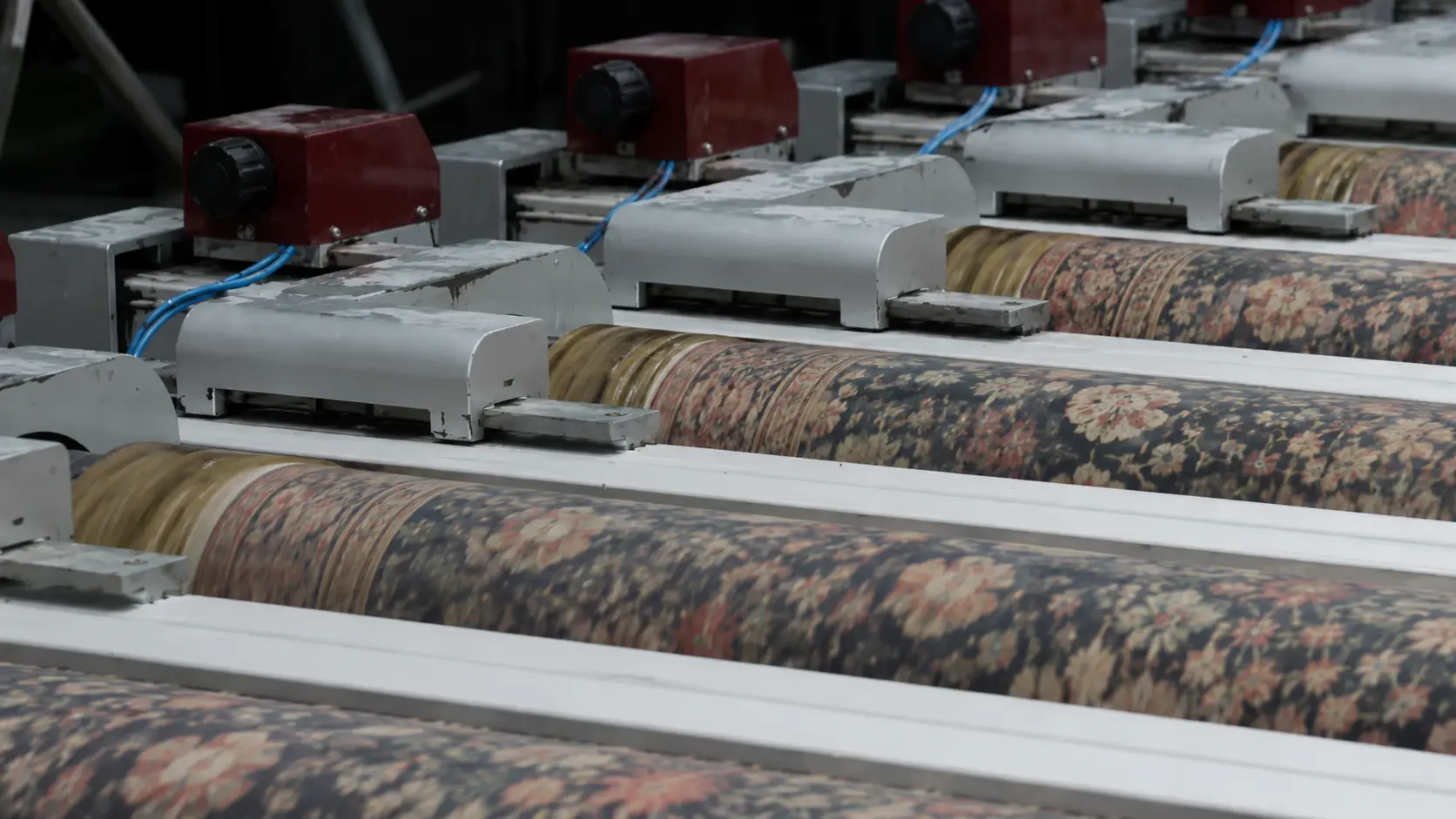
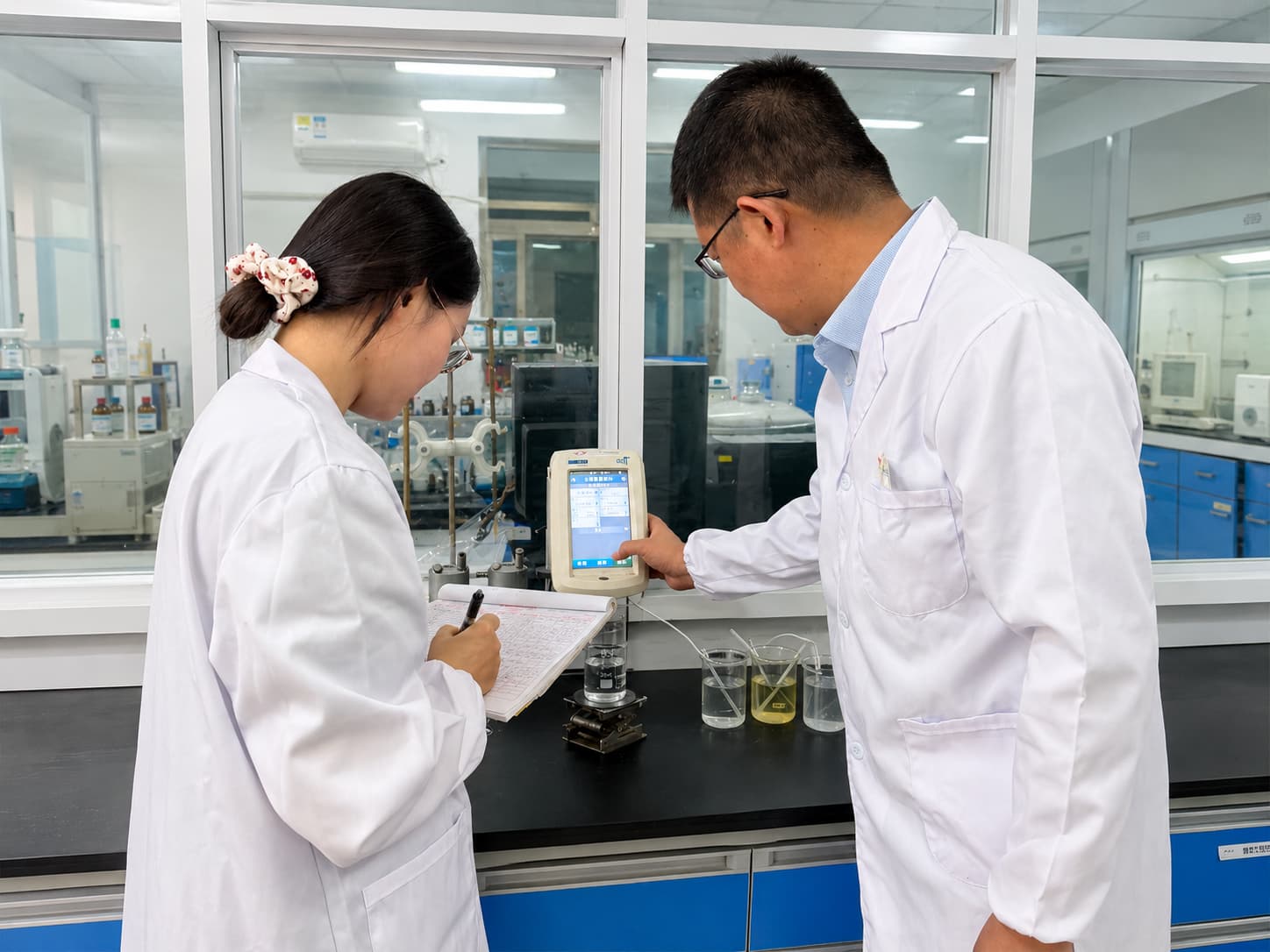
Sodium Alginate Wash-Off Residue: Why Reactive Printed Fabric Can Feel Harsh After Washing
Properly washed sodium alginate should normally leave little permanent thickener film. When reactive printed fabric...
Sodium alginate is widely used in reactive textile printing partly because, after proper fixation and washing, the thickener film can normally be removed cleanly and leave a soft fabric handle. When a reactive printed fabric feels harsh after washing, however, the cause is not automatically “too much alginate” or a poor alginate grade. Residual paste can come from incomplete wash-off, calcium-induced insoluble alginate, high thickener dosage, insufficient rinsing, retained salts and alkali, hydrolyzed reactive dye, or a combination of these factors. This guide explains how textile mills can identify the real residue source, distinguish sodium alginate from calcium alginate problems, and optimize washing without changing the thickener blindly.
Why Sodium Alginate Normally Supports a Soft Handle
Sodium alginate is a water-soluble alginate salt widely used as a benchmark thickener for conventional reactive dye printing on cotton, viscose and other suitable cellulosic fabrics.
One of its practical advantages is that the thickener film can normally be removed effectively after fixation.
That matters because a reactive printing thickener is not intended to remain as a permanent polymer film on the fabric.
After printing, drying and steaming, the washing stage should remove:
Sodium alginate thickener
Unfixed and hydrolyzed reactive dye
Residual alkali
Salts
Urea or other soluble auxiliaries where used
When these materials are removed sufficiently, the fabric should recover a handle close to the underlying textile rather than retain a heavy dried-paste film.
The practical target is removal of the temporary printing thickener and other unwanted residues after the required fixation and washing stages. Assess the conditioned finished fabric against an agreed hand and residue reference; a general wash-out advantage does not establish the cause of one harsh production sample.
Therefore, persistent harshness should trigger a root-cause investigation rather than an assumption that sodium alginate inherently makes the fabric stiff.
Why Harsh Fabric Does Not Automatically Mean “Bad Alginate”
“Harsh hand” is a finished-fabric symptom, not a chemical diagnosis.
The same symptom can be created by several different causes:
Residual sodium alginate
Insoluble calcium alginate
Excess paste deposit
Residual salt or alkali
Hydrolyzed reactive dye left on the surface
Insufficient washing temperature or time
Low water exchange
Inadequate soaping
Fabric construction that traps paste more strongly
Changing the sodium alginate grade before identifying the residue source can hide the real process problem.
Even normal water-soluble sodium alginate can remain on fabric if the washing process does not provide enough:
Вода
Температура
Mechanical exchange
Time
Bath renewal
The dried thickener film must first rehydrate before it can leave the fabric.
Problems are more likely when:
The paste deposit is very heavy.
The fabric is thick or highly absorbent.
The first rinse is overloaded with dissolved paste.
Wash liquor is not renewed sufficiently.
Production speed is increased without adjusting washing capacity.
A useful diagnostic is simple:
If controlled rewash improves hand relative to an unrewash portion of the same already-washed fabric, wash-sensitive residue is one hypothesis to investigate.
This response does not identify alginate, dye, salt or another residue, and extra heat, agitation or chemistry can also change the fabric or its finish. Record residue and shade changes alongside hand. A matched process blank or known well-washed reference can help assess the additional cycle itself; the result alone does not establish that the original washing process was incomplete.
2. Calcium Alginate: A Different Wash-Off Problem
Calcium contamination can create a different alginate-removal problem.
Sodium alginate is water-compatible, while calcium ions can crosslink alginate chains and form much less soluble calcium-alginate structures.
This changes the problem from:
“A soluble thickener was not washed long enough”
to:
“Part of the thickener may have been converted into a difficult-to-dissolve calcium form.”
Possible symptoms include:
Persistent harsh hand after normal washing
Soft or translucent gel residue
Filter or screen gel particles before printing
White or dull surface deposits
Fabric that improves only slightly with simple water rewashing
3. Residual Salts, Alkali and Other Paste Chemicals
Reactive printing paste contains more than thickener.
Depending on the process, the formula can include:
Sodium bicarbonate or other alkali
Сечовина
Anti-reducing salt
Other soluble salts
Wetting or processing auxiliaries
If washing is insufficient, these components can remain temporarily in or on the textile structure.
Residual inorganic material can contribute to:
Dry or boardy handle
Elevated conductivity of a defined aqueous extract relative to a matched reference
Visible deposits after drying
Inconsistent finishing response
This is why harsh hand should not be diagnosed from alginate dosage alone.
Measure the complete washing performance. For extract conductivity, record fabric mass, extraction-liquor volume, water blank, time and temperature. Conductivity indicates ionic material under that method; it does not identify calcium, alginate or a specific salt.
4. Hydrolyzed Reactive Dye and Surface Contamination
Not all reactive dye becomes covalently fixed to cellulose.
Some dye can hydrolyze and lose the ability to form the intended fiber bond.
After fixation, this hydrolyzed or unfixed dye must be removed during rinsing and soaping.
If it remains, possible symptoms include:
Colored wash water for too long
Background staining
Poor wet rubbing or washing fastness
Surface contamination
An old alkaline color paste can increase this problem because reactive dye hydrolysis can occur before printing.
Therefore, if harsh hand appears together with poor wash fastness or heavily colored wash liquor, check:
Material that must later be rehydrated and washed away
However, comparing only concentration can be misleading because two alginate grades with different molecular weights may require different dosages to reach similar printing rheology.
The correct comparison is:
Required Dosage → Screen Rheology → Printed Deposit → Color Yield → Wash-Off → Finished Hand
A lower-dose high-viscosity grade can sometimes reduce the mass of hydrocolloid that must later be removed.
But this benefit should be proven on fabric rather than assumed from viscosity.
6. Drying and Steaming Can Change Wash-Off Difficulty
The printed paste goes through drying and fixation before washing.
These stages affect:
Film structure
Moisture distribution
Dye migration
Alkali activation
Final residue condition
Excessive or uncontrolled drying can create a harder dried paste layer that takes longer to rehydrate.
Inadequate steaming can leave more unfixed dye and increase the washing burden.
Overly aggressive thermal conditions can also alter fabric hand independently from the thickener.
Therefore, if wash-off suddenly becomes difficult, confirm that drying and steaming conditions did not change.
What Should a Reactive Print Washing Sequence Accomplish?
A successful washing process has several jobs:
Rehydrate and remove the printing thickener.
Remove soluble salts, alkali and auxiliaries.
Remove hydrolyzed and unfixed reactive dye.
Prevent removed dye from redepositing on clean areas.
Restore the intended fabric hand.
The exact sequence varies with:
Dye class
Shade depth
Структура тканини
Machine type
Water quality
Production speed
Do not copy one universal wash recipe from another mill.
Instead, validate the minimum washing sequence that consistently delivers:
Clean background
Required fastness
No paste residue
Acceptable hand
Why the First Rinse Matters
The first rinse removes a high concentration of readily soluble material from the fabric.
At this stage the bath can quickly accumulate:
Alginate
Salt
Alkali
Hydrolyzed dye
If the bath becomes overloaded, the concentration gradient driving removal decreases.
Practical control points include:
Fresh-water exchange
Counter-current washing where equipment allows
Fabric speed
Liquor movement
Bath contamination
A weak first rinse pushes more residue burden into later hot-wash and soaping stages.
Why Hot Washing and Soaping Matter
Hot washing helps remove remaining water-soluble paste components and improves the removal of unfixed reactive dye.
Soaping or detergent-assisted washing is particularly important for deeper shades and for removing surface dye that would otherwise reduce wet fastness or stain adjacent areas.
The mill should monitor:
Wash temperature
Residence time
Detergent/soaping chemistry
Water exchange
Fabric loading
The goal is not maximum washing severity.
The goal is complete enough removal at the lowest stable water, energy and chemical cost.
Water Hardness During Washing
Hard water matters not only during paste preparation.
It can also matter during wash-off.
If free calcium contacts residual sodium alginate on the fabric, less-soluble calcium-alginate structures can form or persist.
This can make the thickener harder to remove precisely at the stage where the mill is trying to wash it away.
For unexplained harshness, compare:
Make-up water hardness
First-rinse water hardness
Hot-wash water hardness
Calcium concentration where available
Water-treatment performance
Do not assume that softened color-kitchen water guarantees softened wash water throughout the line.
Fabric Construction, Absorbency and Residue Retention
The same paste and washing sequence can behave differently on different fabrics.
Potentially important variables include:
Cotton vs. viscose
Woven vs. knitted construction
Fabric weight
Yarn twist
Surface hairiness
Absorbency
Printed coverage
A heavy, absorbent or hairy fabric can physically retain more paste than a smooth lightweight fabric.
Large solid printed areas also carry more dried paste than fine-line designs.
When investigating harsh hand, compare equivalent design coverage and fabric construction.
Controlled Rewash as a Screening Test
A controlled rewash is a screening test for wash-sensitive contributions to harshness. Compare portions from the same already-washed production fabric and assess both residue and changes caused by the additional process.
Step 1: Take One Harsh Production Sample
Split the same already-washed harsh production sample into comparable portions with similar print coverage. Retain one portion without additional washing, under the same storage and final conditioning conditions. A separate unprinted or known well-washed fabric reference may help evaluate process effects, but it does not replace this matched unrewash control.
Step 2: Rewash Under Controlled Conditions
Rewash a matched portion using controlled low-hardness water and a documented temperature, time, liquor ratio, agitation and washing/soaping chemistry suitable for the fabric and dye. Start from the mill’s approved process; do not escalate severity without checking fabric, shade and fastness effects.
Step 3: Dry Without Extra Finishing
Do not add softener during diagnosis because it can hide the residue problem.
Step 4: Compare
Evaluate:
Hand feel
Surface residue
Color loss
Background staining
Wash liquor color
If hand improves relative to the matched unrewash control, investigate wash-sensitive residues and effects of the additional cycle. This supports a hypothesis; it does not identify the remaining material or prove that an earlier production wash failed. Compare after equivalent drying and conditioning, without adding softener to only one portion.
If hand changes little, the cause remains unresolved. Check the sensitivity and conditions of the screening test, calcium-related residue, thermal history and fabric finishes. A weak response does not by itself exclude removable residue or identify a non-washable cause.
How to Check Whether Calcium Is the Real Problem
Use several pieces from the same printed fabric.
Compare washing with:
Plant water
Controlled soft/DI water
The mill’s approved sequestering system where technically justified
Keep temperature, time and detergent conditions constant.
Потім порівняйте:
Рука
Residue
Surface appearance
Residue and conductivity under the same defined extraction method and temperature
If low-hardness water produces a much cleaner and softer result, calcium/hardness should be investigated before changing alginate grade.
Also examine the upstream paste for gel particles or elevated filter residue, because calcium problems can begin before printing.
How to Compare Two Sodium Alginate Grades for Wash-Off
To compare grades fairly, use:
Same Fabric → Same Dye → Same Alkali/Auxiliaries → Matched Printing Rheology → Same Screen → Same Drying → Same Steaming → Same Washing
Then evaluate:
Parameter
Why It Matters
Required alginate dosage
Determines hydrocolloid solids applied
Визначення терміна «друк»
Confirms rheology remains suitable
K/S after washing
Confirms color performance
Residual film
Direct wash-off indicator
Тканина ручної роботи
Finished textile acceptance
Water/energy required
Commercial wash-off cost
Do not reduce alginate dosage only to obtain a softer hand if print definition and color yield become unacceptable.
The goal is a balanced operating window.
Troubleshooting Harsh Hand After Washing
Виявлена проблема
Перші змінні, які слід перевірити
Не робіть припущень
Fabric becomes much softer after rewash
Original rinse/hot-wash/soaping efficiency
Alginate grade is automatically wrong
Harshness remains after repeated normal washing
Ca²⁺, insoluble residue, thermal/fabric causes
More water alone will solve it
Gel-like residue is visible
Water hardness, calcium contamination, paste filtration
It is simply undissolved powder
Dark shade feels harsher than light shade
Paste deposit, dye load, wash-off burden
One alginate behaves differently by color without formula effect
White ground stains during washing
Hydrolyzed dye, bath contamination, soaping
Alginate residue is the only cause
Hand worsens after seasonal water change
Hardness, Ca²⁺, wash-line water source
Alginate manufacturing changed
Good lab wash-off, poor production wash-off
Water exchange, fabric speed, load, bath contamination
The lab result proves wash-line capacity
Production QC for Wash-Off Consistency
A useful production record can include:
Sodium alginate batch
Alginate dosage
Paste viscosity and method
Fabric lot
Printed coverage / shade depth
Steaming conditions
Wash-line speed
Wash temperatures
Water hardness
Conductivity where relevant
Soaping/detergent dosage
Final hand reference
When harshness appears, this record helps separate:
Raw Material Variation
from:
Water / Washing / Formula / Process Variation.
Total Cost in Use: Washing Is Part of Thickener Cost
A sodium alginate grade should not be evaluated only from price per kilogram.
Include:
Alginate dosage
Paste preparation
Printing efficiency
Приготування на пару
Water consumption
Hot-wash energy
Soaping chemicals
Rewash
Softener used to mask harshness
Rejected fabric
A useful framework is:
Cost per accepted m² = allocated monetary cost within the agreed preparation, printing, fixation and washing boundary ÷ accepted finished-fabric area (m²). Price actual alginate and wash-chemical consumption, water and energy at defined unit rates; allocate labor and machine time consistently. Record dosage, speed, water use and rewash frequency as operating measurements, not amounts that can be added directly to currency.
Include the cost of an additional wash only once. If the wash-line rate already includes labor or energy, do not add those same charges again. Rejected fabric reduces accepted output; do not add the same consumed material value again as a generic quality loss. Count distinct rework or disposal charges separately. A higher-priced grade may be economical if a controlled complete-process trial demonstrates lower total cost at equivalent print quality.
A lower-priced grade may still be the better choice if its dosage, wash-off and finished handle are equivalent.
The answer should come from the complete production trial.
What Information Should You Send to a Sodium Alginate Supplier?
If reactive printed fabric feels harsh after washing, send:
Current sodium alginate TDS/sample
Alginate concentration and dosage
В'язкість та повна методика випробувань
Reactive dye class and shade depth
Complete or simplified paste formula
Fabric composition and construction
Screen route and printed coverage
Drying and steaming conditions
Wash sequence
Wash temperatures and line speed
Water hardness / Ca²⁺ where available
Soaping chemistry
Whether controlled rewash improves the hand
Visible residue, gel particles or filter observations
FSX Chemical can review this information through Зразки та підбір to help prioritize trials of alginate grade, dosage, water quality and wash-off conditions. Final cause and production approval depend on the mill’s controlled investigation.
How Should a Mill Diagnose Harsh Hand After Reactive Printing?
Properly washed sodium alginate should normally leave little thickener residue and support a soft handle.
Harsh hand is a symptom, not proof of poor sodium alginate quality.
Calcium can convert water-compatible sodium alginate into much less soluble calcium alginate.
Hydrolyzed dye, salt, alkali and other paste chemicals also increase the washing burden.
Thickener dosage and printed deposit determine how much material must later be removed.
The final judge is the washed fabric after the complete production process.
Поширені запитання
1. Does sodium alginate make reactive printed fabric stiff?
Properly washed sodium alginate normally removes effectively and should not create a permanent binder-like film. Persistent stiffness usually requires investigation of wash-off, calcium, dosage and other paste residues.
2. Why does reactive printed fabric still feel harsh after washing?
Possible causes include incomplete alginate removal, calcium alginate, residual salts/alkali, hydrolyzed dye, excessive paste deposit or insufficient washing.
3. What is calcium alginate residue?
Calcium ions can ionically crosslink sodium alginate and form much less water-soluble calcium-alginate structures that are harder to wash from the textile.
4. Can hard water make sodium alginate difficult to wash off?
Yes. Calcium in hard water can promote less-soluble alginate structures, so both paste-preparation water and washing water should be controlled.
5. How can I tell whether the harshness is caused by incomplete washing?
Compare a rewashed portion with an unrewash portion of the same already-washed fabric, using documented low-hardness water and approved washing conditions. A hand improvement supports a wash-sensitive contribution, but extra processing can also alter fabric or finish. Check residue and shade before attributing the result to incomplete original washing.
6. Can hydrolyzed reactive dye affect wash-off?
Yes. Hydrolyzed and unfixed dye must be removed during washing and soaping. Excess hydrolysis increases wash-water color and can worsen staining and fastness.
7. Does using more sodium alginate make wash-off harder?
A higher alginate deposit means more hydrocolloid must be removed, but the correct dosage also depends on rheology and print quality. Optimize total performance rather than minimizing dosage alone.
8. Should I use a softer-water supply only for paste preparation?
Not necessarily. If the washing line uses hard water, calcium can still contact residual alginate during wash-off. Check water quality across the whole process.
9. Can a sequestering agent solve calcium-related wash-off problems?
It can help in selected processes, but compatibility with dyes, alkali, washing chemistry and wastewater requirements should be validated before routine use.
10. Why does a dark shade feel harsher than a light shade?
A darker shade may involve more dye, but it does not necessarily carry more thickener or a greater wet-paste deposit. Compare actual dye and alginate concentrations, transfer mass, printed coverage, fixation and washing on equivalent fabric. Color depth alone cannot explain the harshness.
11. Should I change sodium alginate grade if the fabric feels harsh?
Not before checking rewash response, water hardness, paste dosage, steaming and washing. Change grade only when controlled trials show the alginate route is part of the root cause.
12. What should I send FSX Chemical for wash-off troubleshooting?
Send the current alginate TDS/sample, dosage, viscosity method, reactive dye and formula, fabric, steaming, wash sequence, water hardness and whether additional rewash improves the hand.
Reduce Sodium Alginate Wash-Off Residue with Controlled Testing
If reactive printed fabric feels harsh after washing, FSX Chemical can help plan a comparison of sodium alginate dosage, calcium-related residue, wash-off and other process hypotheses. Confirm the cause with matched fabric samples and documented production conditions.
When reactive printed fabric feels harsh after washing, do not ask only “Which sodium alginate is softer?” Ask instead: what residue remains, why did it remain, and which combination of alginate dosage, calcium control and washing process removes it consistently?
Дізнайтеся, чому показники в’язкості загущувачів для текстильного друку не можна порівнювати без урахування таких параметрів, як концентрація, температура, прилад, шпиндель, швидкість, метод підготовки та тривалість випробування.
Дізнайтеся, як підібрати загущувач та методи попередньої обробки для реактивного, дисперсного, пігментного та цифрового друку на текстилі з урахуванням вимог до тканини, барвника або чорнила, фіксації, змивання та якості друку.
Порівняйте CMC, CMS, альгінат натрію та пасту для цифрового друку на текстилі. Дізнайтеся, як кожен із цих матеріалів підходить для реактивних, дисперсних, пігментних та цифрових технологій друку, а також на що покупцям слід звернути увагу перед тестуванням зразків, підбором сорту та оптовою закупівлею.
Альгінат натрію широко використовується у текстильному друці як стабільний та стійкий до прання загущувач для реактивних друкарських паст. Дізнайтеся, як перед придбанням оцінити клас в’язкості, ступінь чистоти та придатність продукту для конкретного застосування, а також як компанія FSX Chemical надає підтримку покупцям з усього світу, надаючи технічні дані та зразки.
І альгінат натрію, і КМК використовуються як загусники в текстильному друку, але вони підходять для різних систем фарбування та умов виробництва. У цьому посібнику пояснюються основні відмінності та випадки, коли слід застосовувати кожну з цих речовин.
Цифровий струменевий друк на текстилі має інші вимоги до пасти та попередньої обробки, ніж трафаретний друк. У цьому посібнику пояснюється, як альгінат натрію використовується в цифровому текстильному друці та які параметри якості повинні вказувати фахівці з закупівель.
Prepare sodium alginate printing paste with a grade-specific concentration and controlled powder dispersion. Validate hydration, viscosity, filtration, air removal and holding time before production.
Assess sodium alginate in reactive-printing wastewater using measured COD load, product-specific biodegradation evidence and controlled process comparisons. Includes a buyer checklist and illustrative load calculation.
Швидкість фіксації барвника безпосередньо впливає на колірну віддачу, стійкість до прання та навантаження стічних вод під час друку реактивними барвниками. У цьому посібнику пояснюється, як альгінат натрію сприяє фіксації барвника, які параметри пасти впливають на швидкість фіксації та як усунути проблеми, пов’язані з низькою фіксацією, у виробничому процесі.
Mesh size describes sodium alginate powder particle size, not final viscosity or print quality. Compare dispersion, hydration, retained matter and complete-paste performance under a defined method.
Evaluate sodium alginate for warp sizing through grade-specific bath, yarn and desizing trials. Compare dry size add-on, yarn protection and removal using appropriate residue methods and downstream fabric checks.
Sodium alginate purity specifications cover more than a single number. This guide explains what active content, NaCl, insoluble matter, and heavy metal data mean for textile printing paste performance — and when higher purity is worth specifying over a standard industrial grade.
Надайте назву продукту, сферу застосування, кількість, місце призначення, а також будь-які технічні специфікації (TDS),
зразки фотографій або документів, які у вас вже є. Компанія FSX Chemical розгляне цю
інформацію та надасть рекомендації щодо подальших кроків: підготовки комерційної пропозиції, підбору зразків
або вибору продукту.
Інформація про товарНазва товару, сорт, модель, фото етикетки або код постачальника.
Доступні документиTDS, SDS, COA, фото зразка, перелік продукції або дані випробувань.
Деталі замовленняОрієнтовна кількість, упаковка, країна призначення, порт або умови торгівлі.
Заявка чи проблемаПроцес друку на текстилі, вимоги до складу, поточні проблеми або цільові показники ефективності.