This guide explains how buyers can evaluate textile industry chemicals by application requirements, technical documents, sample testing, batch consistency, and supplier support.
Why Product Matching Matters in Textile Industry Chemicals
Product Names Do Not Define Application Suitability
A product name alone is not enough to confirm suitability. Two products with the same general name may have different viscosity ranges, DS values, mesh sizes, moisture levels, pH ranges, or dispersion behavior.
For this reason, buyers should review the actual specification and application conditions before confirming a product. This helps avoid mismatch between the selected grade and the production process.
Formulation Conditions Affect Performance
The same chemical grade may perform differently in different factories. Water quality, stirring method, dye system, auxiliaries, pH, fabric type, and production speed can all influence the final result.
A practical supplier should ask about these conditions before recommending a grade. This makes product matching more reliable and reduces unnecessary sample trials.
Sample Testing Reduces Bulk Order Risk
Sample testing helps buyers check whether the product can meet real production requirements before placing a bulk order. It is especially important when changing suppliers, replacing an existing grade, or developing a new printing paste formulation.
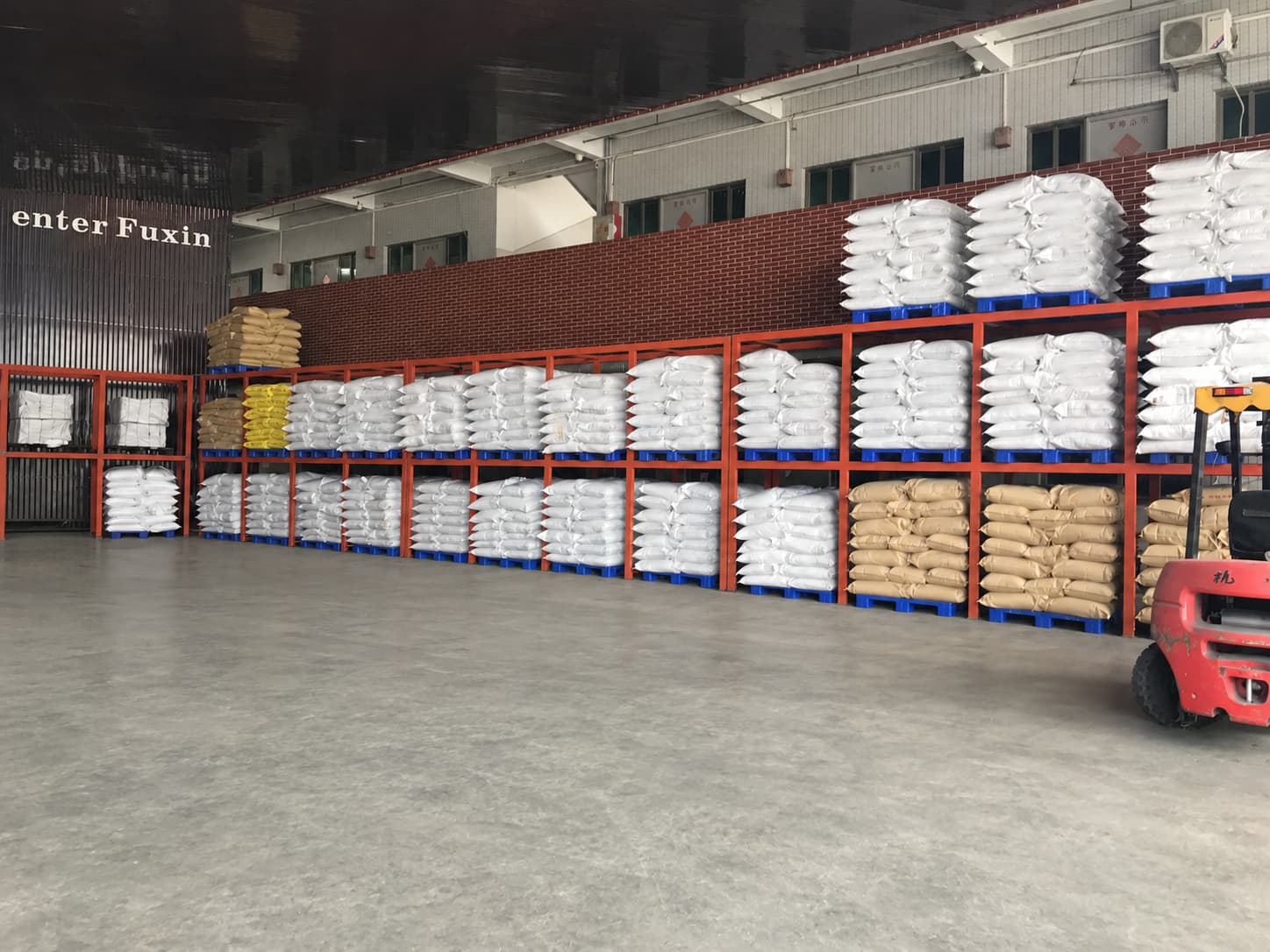
The approved sample should be connected to the final bulk order specification, including viscosity range, COA data, packaging, and batch traceability.
Main Textile Industry Chemicals Buyers May Need
CMC for Viscosity Control and Thickening
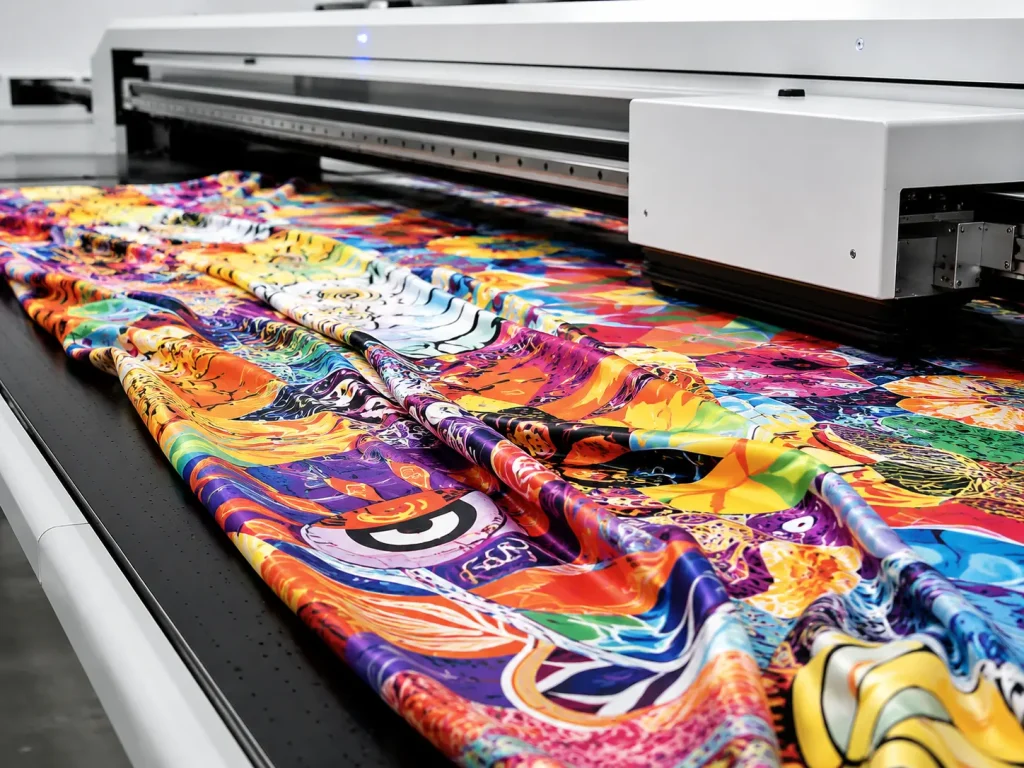
CMC, or Carboxymethyl Cellulose, can be used in selected textile printing and thickening applications where viscosity control, solubility, and paste handling are important.
When sourcing CMC, buyers should review viscosity grade, degree of substitution, pH, moisture, solubility, and batch consistency. If the buyer is replacing an existing grade, sharing the current specification can help the supplier recommend a closer match.
CMS for Printing Paste Formulation Support
CMS (hay còn gọi là tinh bột carboxymethyl) có thể được sử dụng trong một số công thức bột in nhất định để hỗ trợ điều chỉnh độ nhớt và cải thiện khả năng xử lý bột in.
For CMS selection, buyers should check viscosity range, DS, dispersion behavior, pH, moisture, and compatibility with the customer’s formulation. Sample testing is recommended before bulk purchase because CMS performance can vary under different production conditions.
Sodium Alginate for ReactivỨng dụng của natri alginate Printing Paste
Sodium alginate is commonly used as a thickener in reactive textile printing paste. It is often selected where paste formation, dissolution behavior, and printing paste handling are important.
When sourcing sodium alginate, buyers should confirm viscosity grade, mesh size, purity grade, moisture, pH, and dissolution performance. The recommended grade should be tested in the buyer’s own formulation before volume purchase.
Chất làm đặc trong in ấn dệt may và các sản phẩm bột in
Some buyers need a single thickener, while others need a ready-to-test printing paste product or a product recommendation for a specific process.
A suitable recommendation should be based on the printing method, dye system, fabric type, target viscosity, and production requirement rather than broad product categories.
Key Information Buyers Should Provide
Printing Process and Fabric Type
Before requesting a quotation, buyers should share the actual printing process and fabric type. Useful information includes whether the product will be used for reactive printing paste, screen printing, flatbed printing, rotary printing, or another textile printing process.
Fabric type is also important because cotton, blended fabrics, and other textile materials may require different paste behavior.
Target Viscosity and Current Formulation
Target viscosity is one of the most important points for grade matching. Buyers should provide the required viscosity range, testing concentration, temperature, and method if available.
If the buyer already has a current formulation, sharing the existing thickener type, dosage, and preparation method can help the supplier make a more practical recommendation.
Current Production Issue or Replacement Grade
If the buyer is changing suppliers or solving a production issue, it is useful to explain the current problem. Common concerns include unstable viscosity, slow dissolution, poor paste smoothness, filtration difficulty, or inconsistent batch performance.
If the buyer has an existing product grade, sharing its TDS or basic specification can help compare possible replacement options.
Documents to Review Before Purchase
Tài liệu kỹ thuật (TDS) để rà soát thông số kỹ thuật
The Technical Data Sheet helps buyers review the standard product specification. It should include key parameters such as appearance, viscosity, pH, moisture, DS where applicable, mesh size where relevant, storage conditions, and testing method.
For viscosity-related products, buyers should check the test concentration, temperature, unit, and instrument method. Without this information, viscosity values from different suppliers may not be directly comparable.
COA cho việc xác nhận lô hàng
The Certificate of Analysis confirms the actual data of a specific production batch. It is especially important for repeat orders, distributor supply, and customer quality control.
Buyers can compare COA records over time to check whether key parameters remain within the agreed range.
Bảng dữ liệu an toàn (SDS) và các tài liệu xuất khẩu khi cần thiết
For international purchasing, buyers may also need SDS and export-related documents for transport, customs clearance, internal review, or customer requirements.
The required documents may vary by destination country, product type, and purchasing process, so buyers should confirm document needs before shipment.
How to Test Textile Industry Chemicals Before Bulk Orders
Test in the Actual Formulation
Sample testing should be done in the buyer’s own formulation whenever possible. Dyes, auxiliaries, water quality, pH, stirring method, and storage time can all affect final performance.
Testing only in clean water may not be enough to confirm whether the product is suitable for real production.
Check Solubility, Dispersion and Paste Behavior
During testing, buyers should observe dissolution speed, dispersion behavior, paste smoothness, filtration performance, viscosity stability, and application handling.
For printing paste applications, these practical observations are often as important as the specification data.
Compare Approved Sample with Bulk Supply
Before confirming a bulk order, buyers should ask whether the approved sample and the bulk shipment will follow the same specification range.
Important points include viscosity range, DS where applicable, mesh size where relevant, packaging, batch number, COA, and storage requirements.

Cách FSX Chemical hỗ trợ các nhà mua hàng trong lĩnh vực in ấn dệt may
We do not suggest confirming textile industry chemicals only by product name, broad claims, or price. The recommended grade should be reviewed through technical documents and tested in the buyer’s own formulation before bulk purchase.
Các bước tiếp theo
- Yêu cầu danh sách sản phẩm — xem xét các sản phẩm CMC, CMS, alginat natri, chất làm đặc dùng trong in ấn dệt may và bột in hiện có.
- Yêu cầu bản TDS — Kiểm tra độ nhớt, DS (nếu có), kích thước mắt lưới (nếu liên quan), pH, độ ẩm, hình thức, điều kiện bảo quản và phương pháp thử nghiệm.
- Yêu cầu gợi ý sản phẩm phù hợp — Vui lòng cung cấp thông tin về ứng dụng, quy trình in, loại vải, độ nhớt mục tiêu và công thức hiện tại.
- Yêu cầu mẫu thử — Hãy thử nghiệm sản phẩm được đề xuất trong điều kiện chuẩn bị và sản xuất của quý vị trước khi xác nhận các đơn hàng số lượng lớn.
- Kiểm tra COA trước khi giao hàng — xác nhận xem dữ liệu lô có phù hợp với phạm vi thông số kỹ thuật đã thỏa thuận hay không.
- Liên hệ với đội ngũ kỹ thuật của chúng tôi — discuss which textile industry chemical is suitable for your printing or formulation application📧 Email: Service@fsxchemical.com