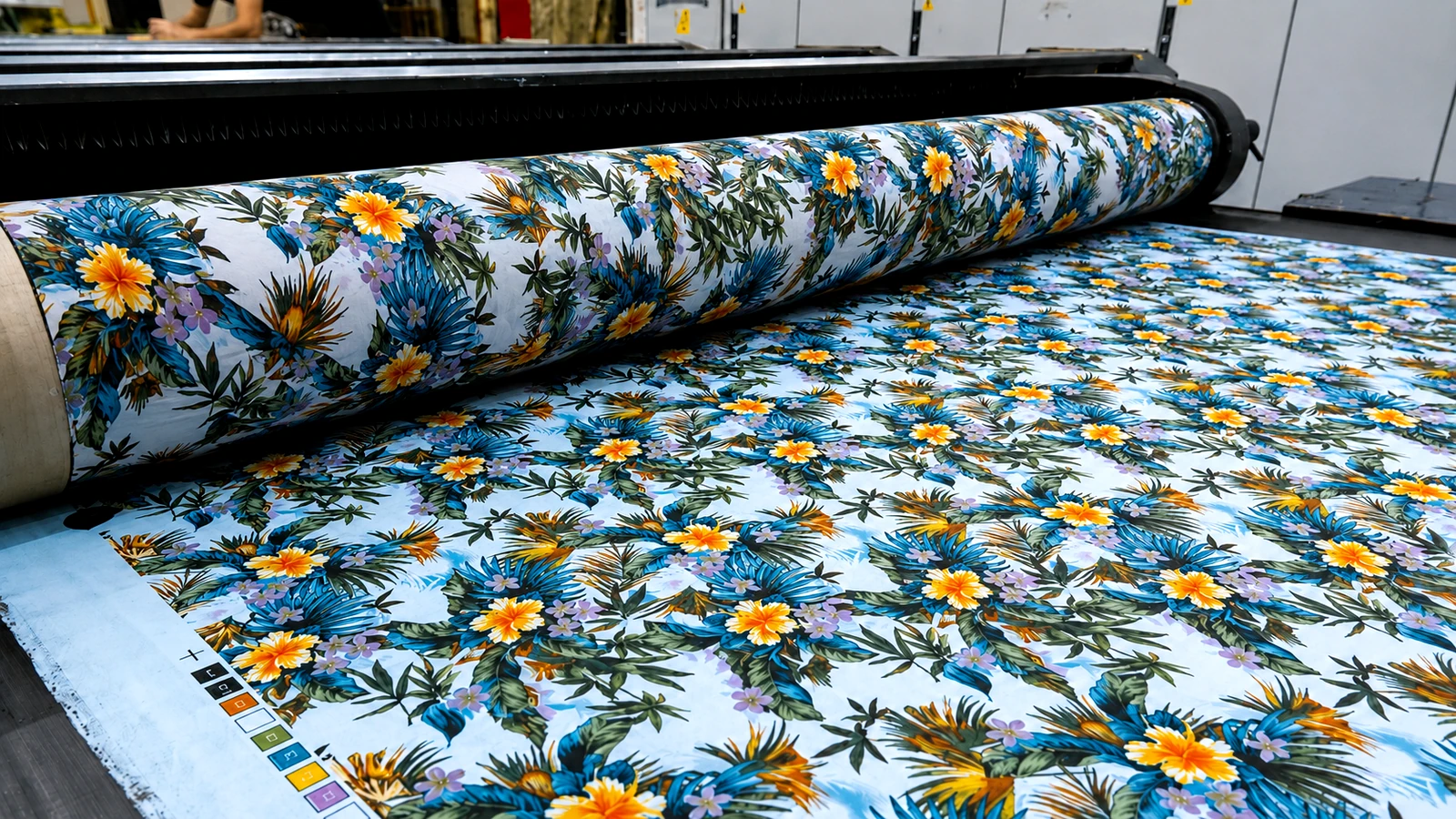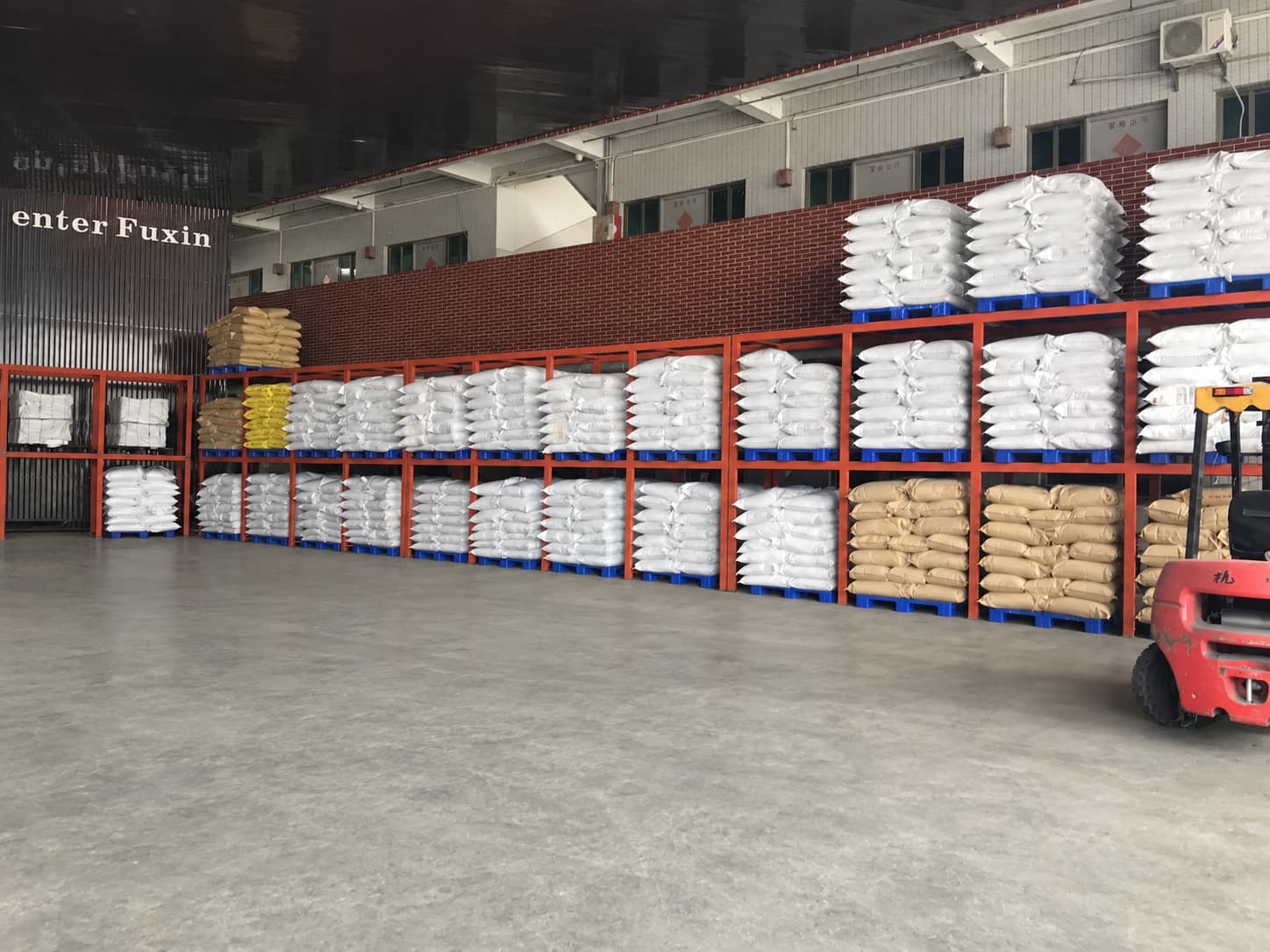
















This guide explains what buyers should confirm when sourcing cellulose raw materials for textile and printing applications.
Why Cellulose-Based Raw Materials Need Careful Selection
Similar Product Names Can Mean Different Grades
Two products may share the same general name, but their viscosity, solubility, degree of substitution, mesh size, pH, moisture, or application behavior may be different.
For example, one CMC grade may be suitable for a certain thickening application, while another grade may not match the required viscosity or solubility. The same logic applies to CMS, sodium alginate, and other textile printing thickeners.
Application Conditions Affect Final Performance
The final performance of a cellulose-based raw material depends on more than the product itself. Water quality, dye system, auxiliaries, pH, stirring method, fabric type, and production process can all affect the final result.
This is why buyers should provide application details before requesting a quotation or confirming a grade.
Sample Approval Should Connect to Bulk Supply
Sample approval is useful, but it should be connected to the final bulk order specification. Buyers should confirm whether the bulk shipment will follow the same viscosity range, quality standard, packaging requirement, and batch traceability as the approved sample.
This helps reduce the risk of mismatch during repeat production.
Main Products Buyers May Need
CMC للتحكم في اللزوجة والتكثيف
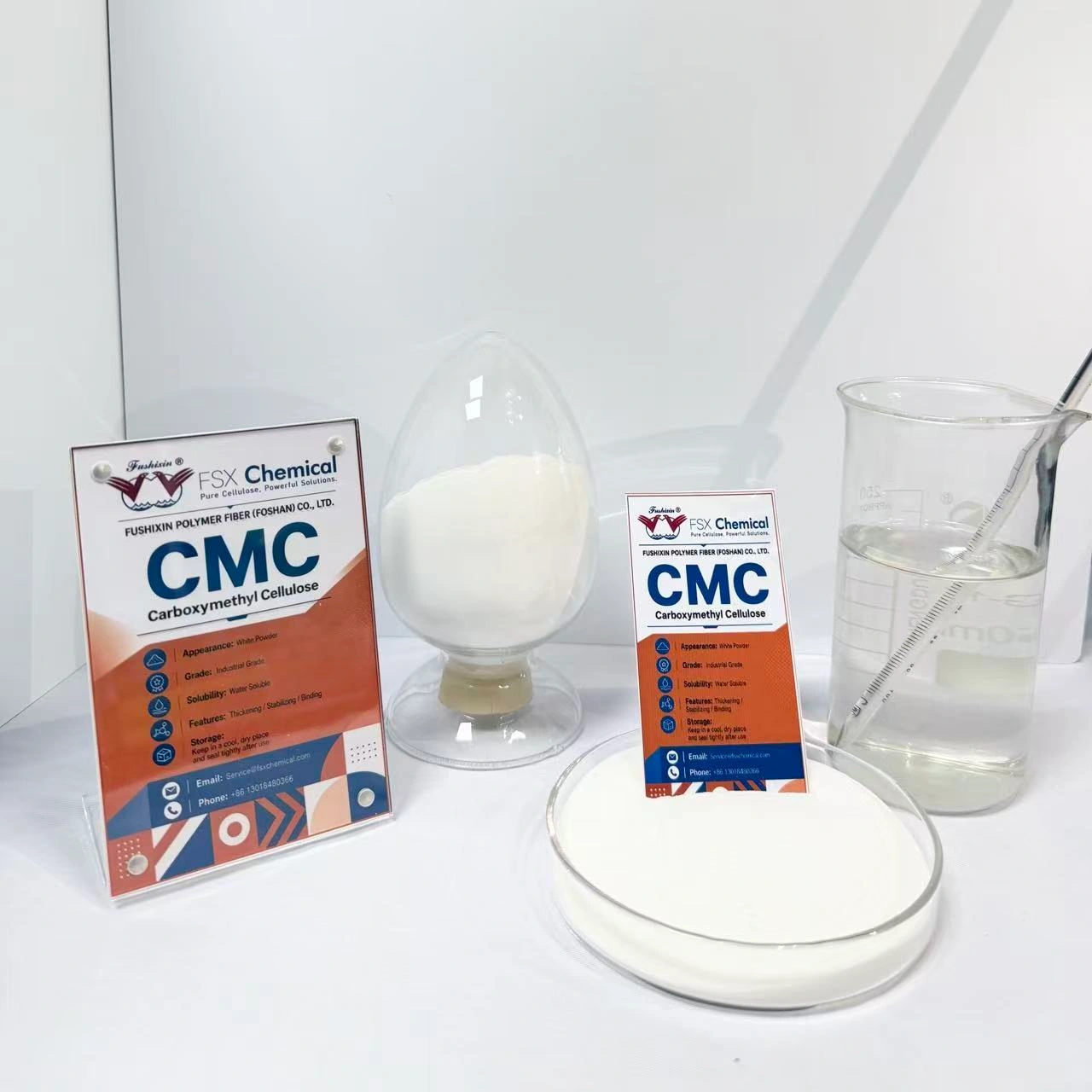
CMC, or Carboxymethyl Cellulose, can be used in selected textile printing and thickening applications where viscosity control, paste handling, and solubility are important.
When reviewing CMC, buyers should check viscosity grade, degree of substitution, pH, moisture, solubility, and batch consistency. If replacing an existing product, sharing the current grade data can help the supplier recommend a closer match.
نظام إدارة المحتوى (CMS) لدعم صياغة تركيبات معجون الطباعة
يمكن استخدام مادة CMS، أو النشا الكربوكسي ميثيلي، في تركيبات معينة من معجون الطباعة للمساعدة في ضبط اللزوجة وتسهيل التعامل مع المعجون.
For CMS selection, buyers should review viscosity range, DS, dispersion behavior, pH, moisture, and formulation compatibility. Sample testing is recommended before bulk purchase because performance can vary depending on the customer’s formulation and process conditions.
ألجينات الصوديوم المستخدمة في معجون الطباعة التفاعلية
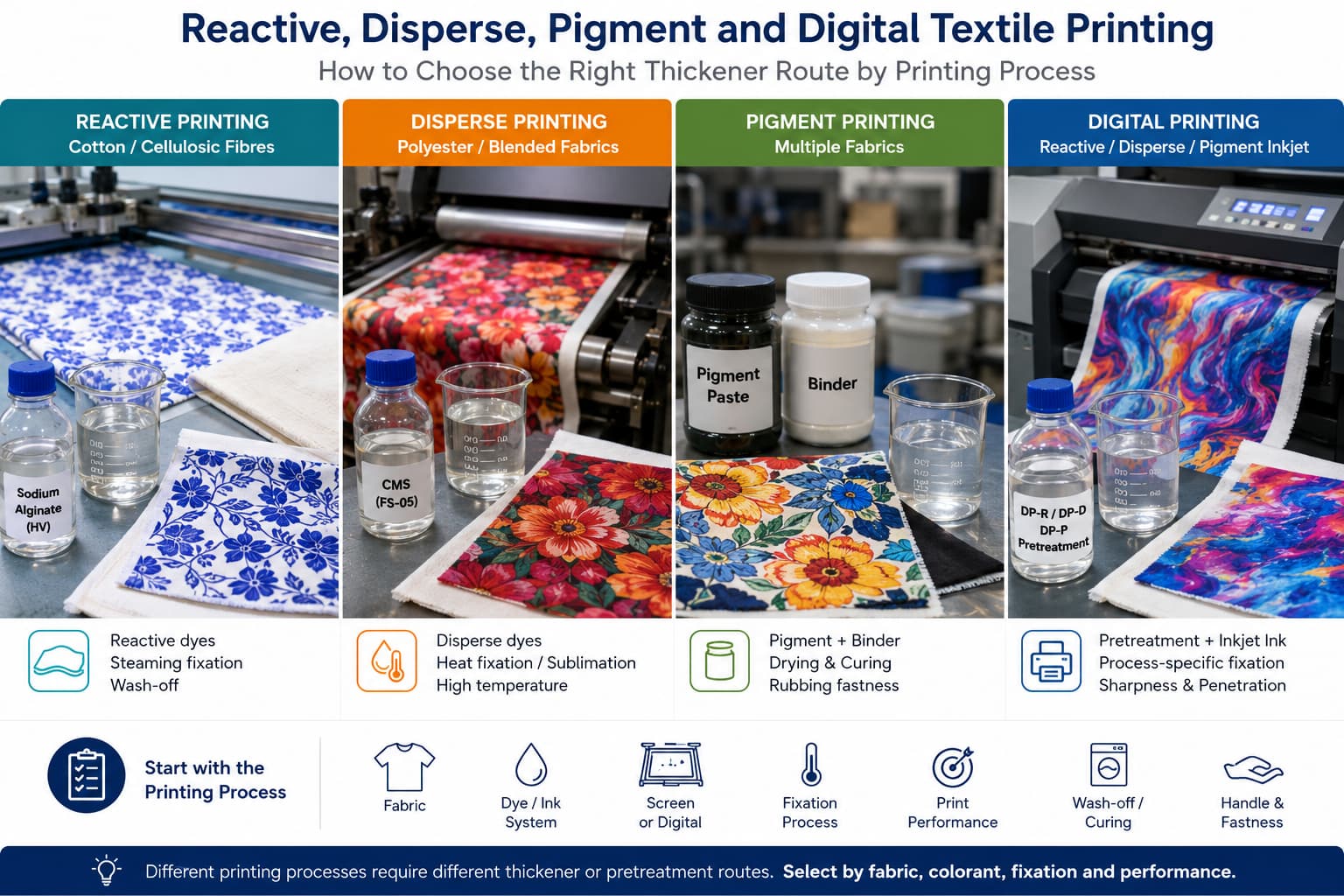
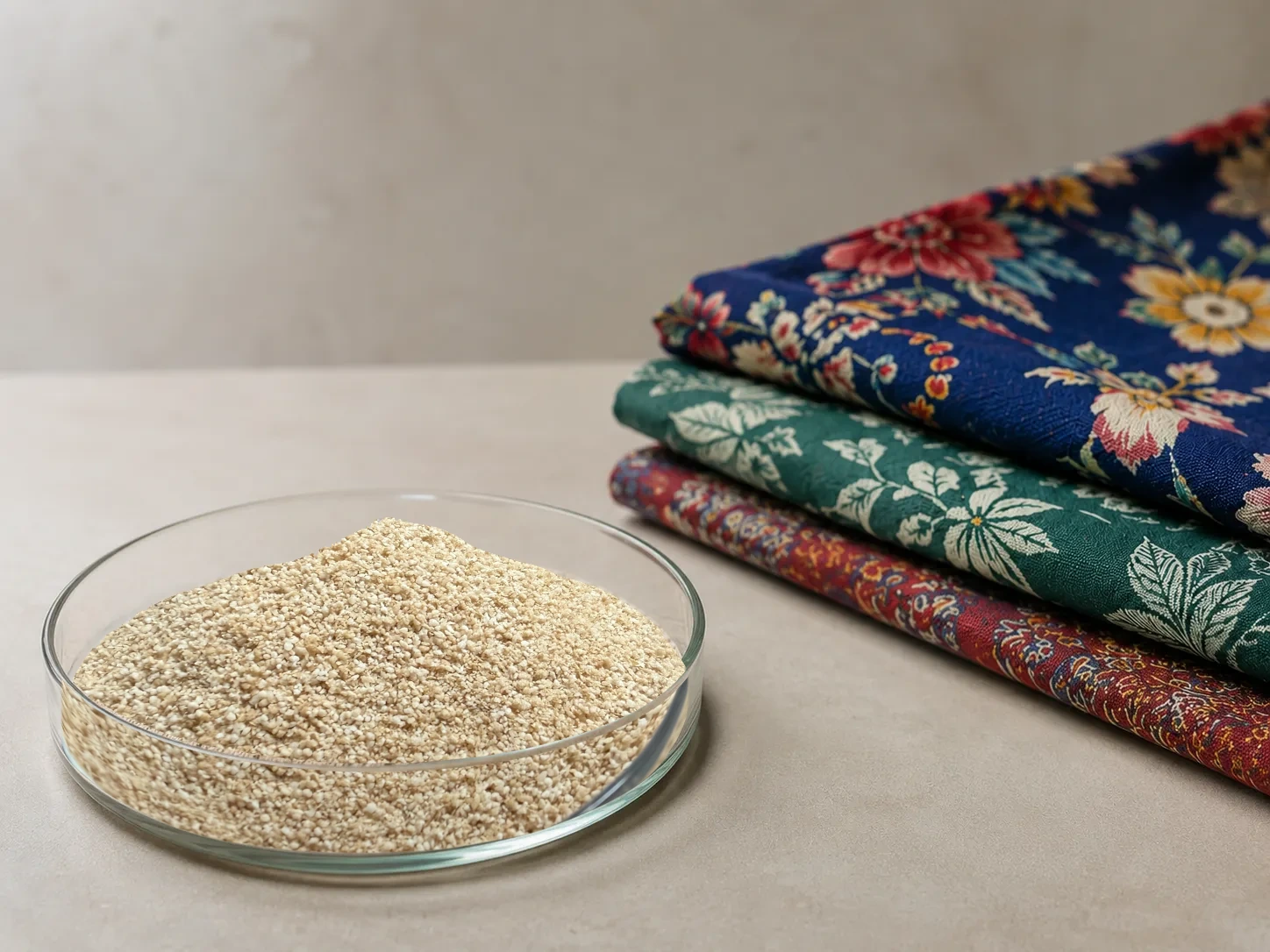
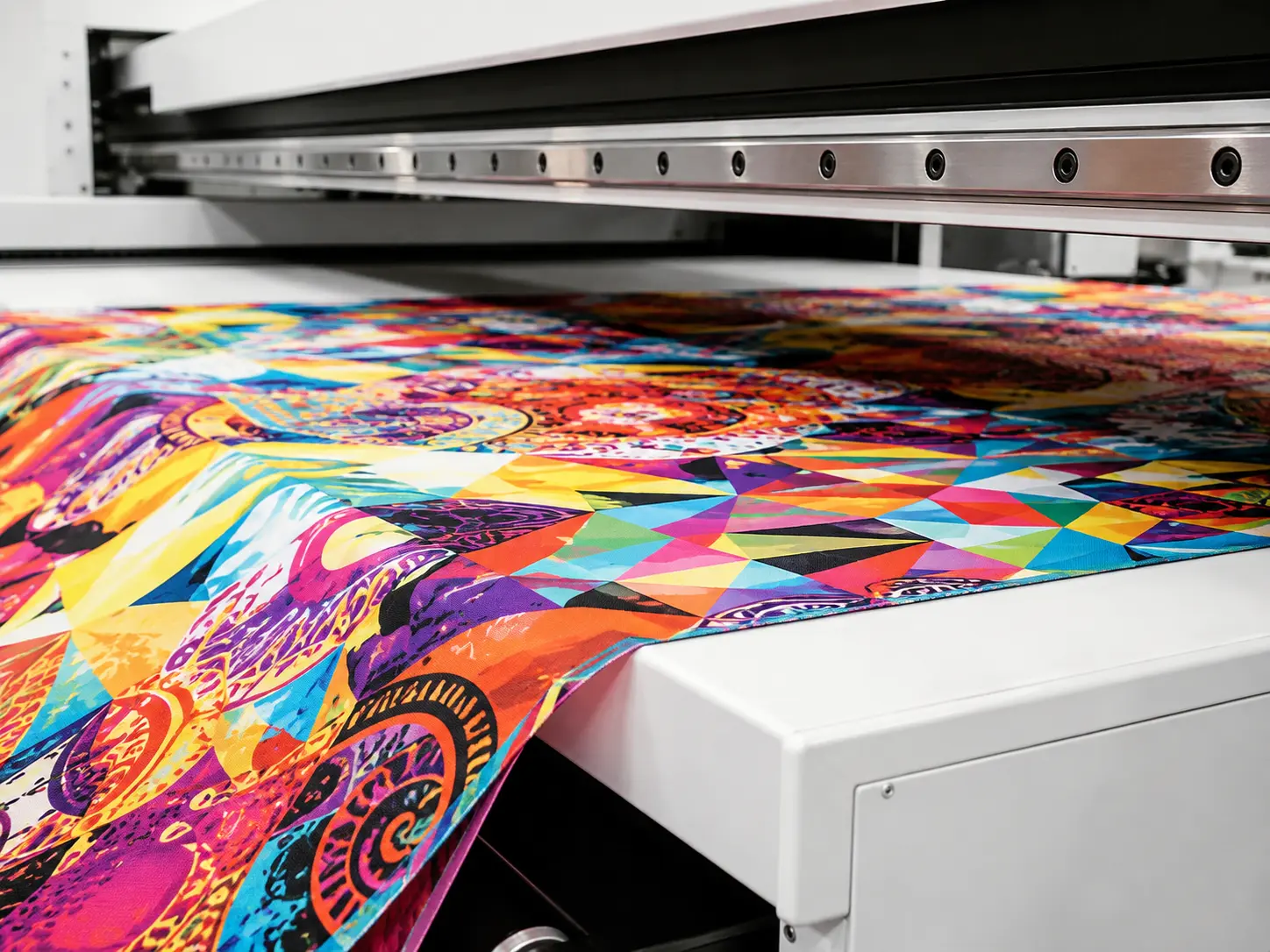
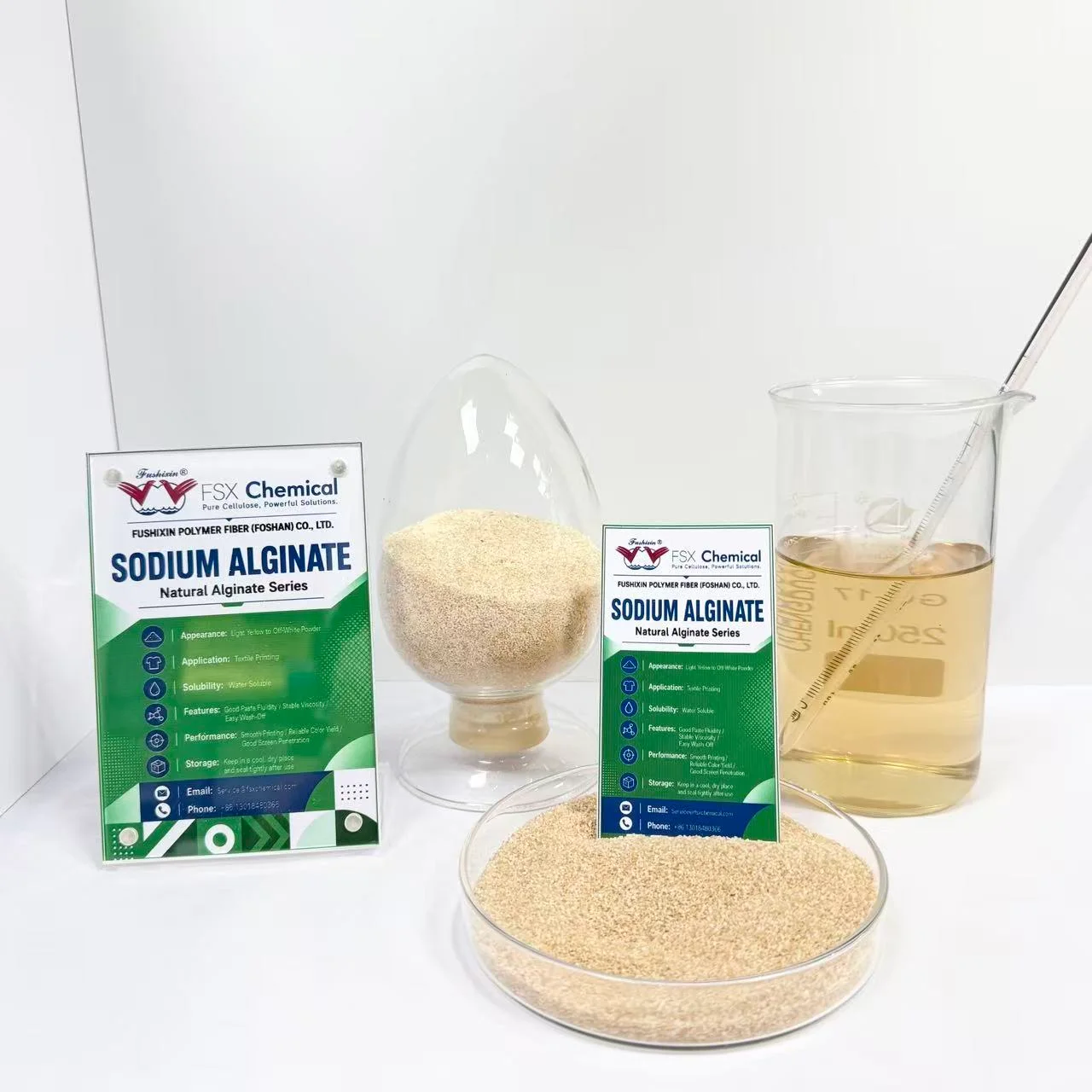
Sodium alginate is commonly used as a thickener in reactive textile printing paste. It is often selected when paste formation, dissolution behavior, and printing paste handling are important.
When sourcing sodium alginate, buyers should confirm viscosity grade, mesh size, purity grade, moisture, pH, and dissolution performance. The recommended grade should be tested in the buyer’s own formulation before volume purchase.

مواد تكثيف لطباعة المنسوجات ومنتجات معجون الطباعة
Some buyers need a single raw material, while others need a ready-to-test printing paste product or a thickener recommendation for a specific application.
A suitable recommendation should be based on printing process, dye system, fabric type, target viscosity, and production requirement rather than broad product categories.
Key Specifications to Review
Viscosity and Testing Method
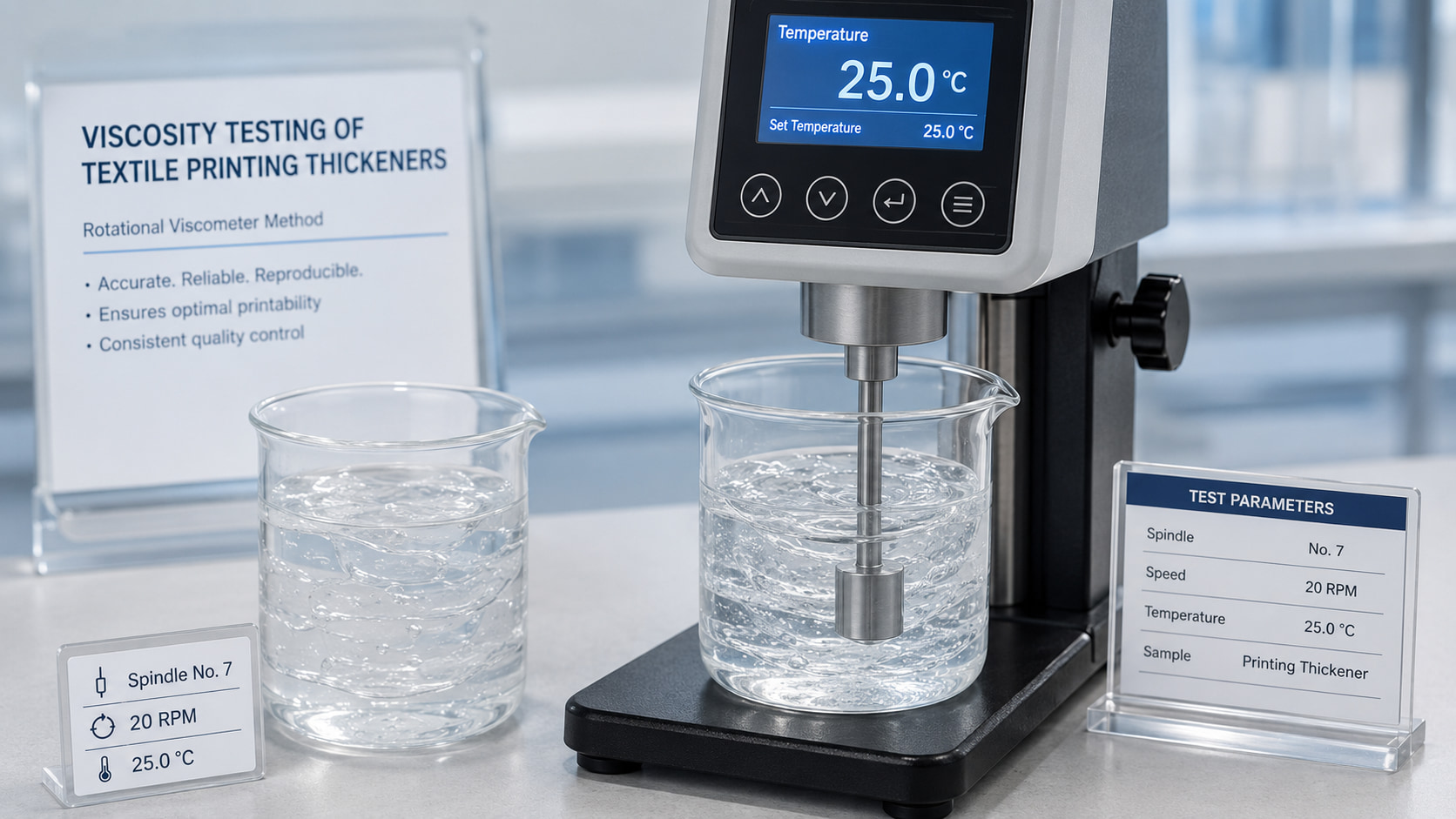
Viscosity is one of the most important parameters for many textile printing chemicals. Buyers should check not only the viscosity value, but also the test concentration, temperature, instrument, unit, and method.
Without the test method, viscosity data from different suppliers may not be directly comparable.
DS, Mesh Size and Solubility
For CMC and CMS, degree of substitution may affect solubility and application behavior. For sodium alginate, mesh size can influence dispersion and hydration during paste preparation.
Solubility should be evaluated under the buyer’s own preparation conditions, especially when local water quality or mixing equipment differs from the supplier’s standard test conditions.
الرقم الهيدروجيني، والرطوبة، والمظهر
يُعد كل من الرقم الهيدروجيني والرطوبة والمظهر مؤشرات أساسية ومهمة للجودة. فهي تؤثر على التخزين والمناولة ومراقبة الجودة وتكرار الشراء.
These parameters should be reviewed in the TDS and confirmed through COA data for specific batches.
Batch Consistency and COA Data
For long-term purchasing, batch consistency matters. If viscosity or dissolution behavior changes significantly between batches, the buyer may need to adjust the formulation again.
COA review helps buyers compare batch data and monitor whether key parameters remain within the agreed range.
How to Test Before Bulk Purchase
Test in the Real Formulation
Sample testing should be done in the buyer’s own formulation whenever possible. Dyes, auxiliaries, water quality, pH, and mixing method can all affect final performance.
Testing only in clean water may not be enough to confirm whether the product is suitable for actual production.
Check Paste Preparation and Handling
During testing, buyers should observe dissolution speed, paste smoothness, filtration behavior, viscosity stability, and application handling.
For printing paste applications, practical handling during preparation and printing is often as important as the specification data.
Compare Sample and Bulk Order Requirements
Before confirming a bulk order, buyers should check whether the approved sample and bulk shipment will follow the same specification range.
Important points include viscosity range, DS where applicable, mesh size where relevant, packaging, batch number, COA, and storage requirements.

What Support Should a Supplier Provide?
TDS and COA Support
For viscosity-related products, the testing method should be clearly stated.
Sample and Grade Matching Support
A practical supplier should support sample testing and grade matching based on the buyer’s real application. Useful information includes fabric type, printing process, dye system, target viscosity, current formulation, and production issue.
This makes the recommendation more accurate and reduces the risk of selecting the wrong grade.
Export Documentation and Shipment Communication
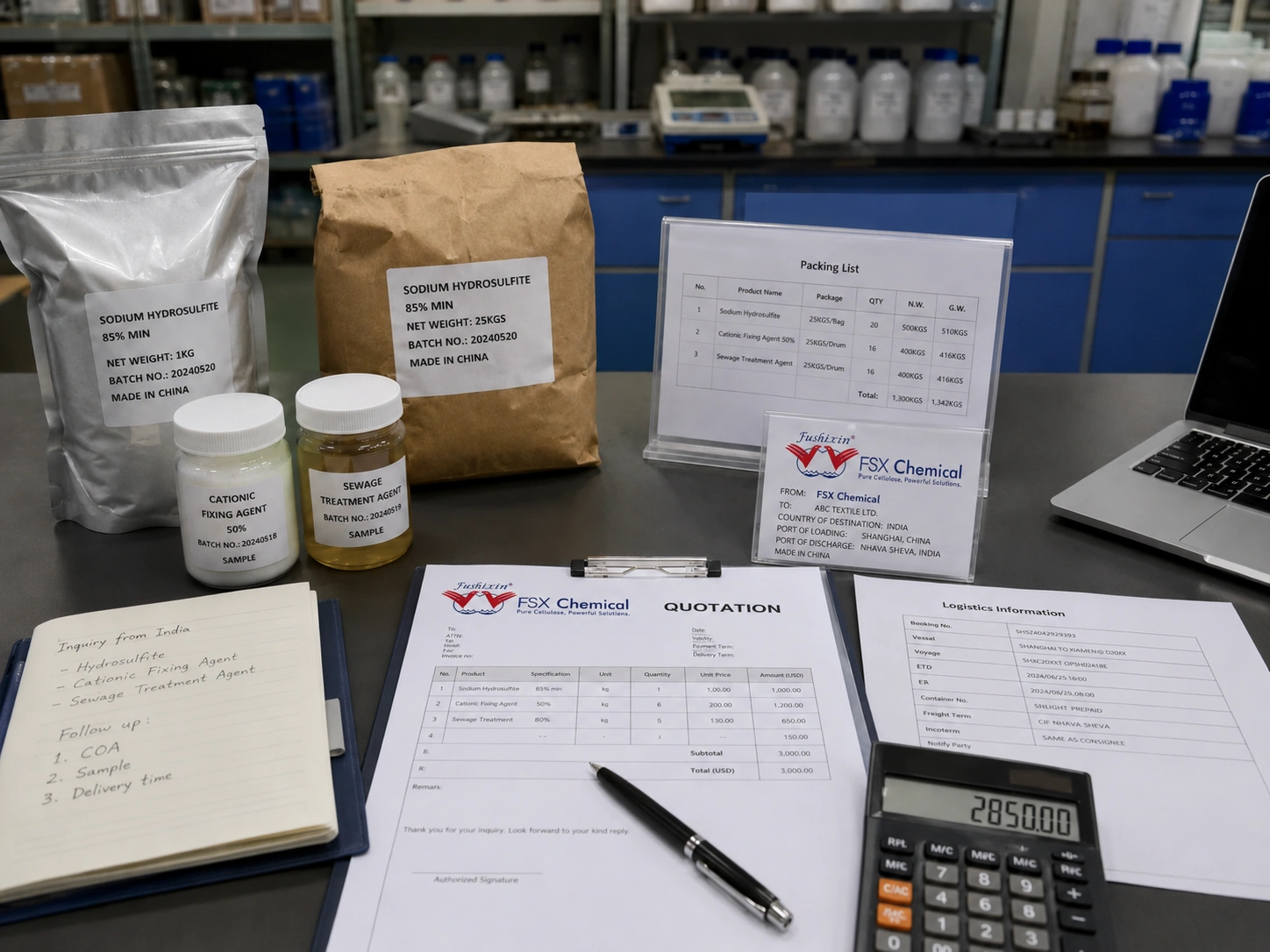
For overseas buyers, export communication is part of the purchasing process. Buyers may need SDS, invoice, packing list, COA, labels, and other documents depending on their destination country and internal purchasing process.
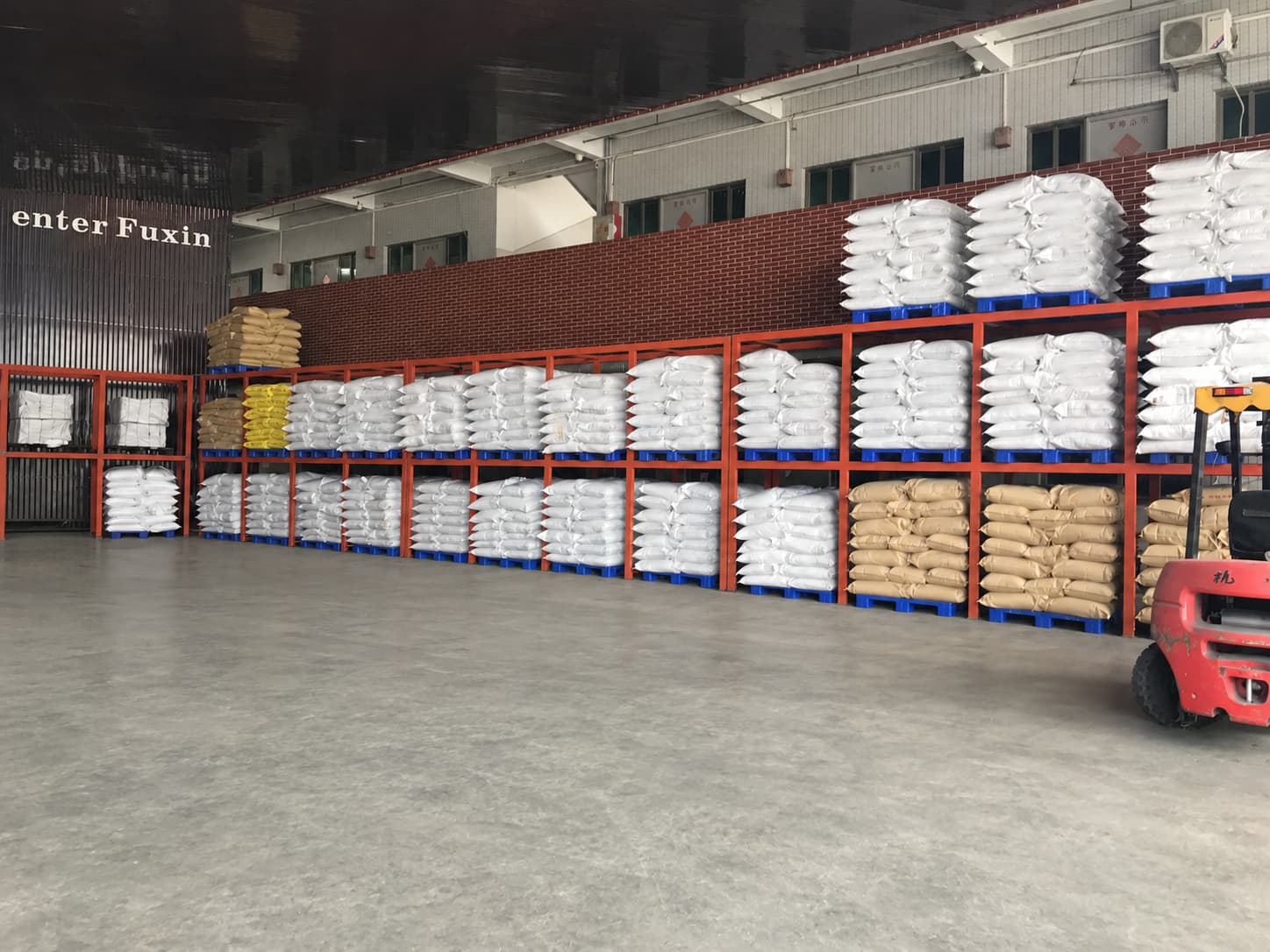
Packaging size, batch traceability, storage conditions, and shipment details should also be confirmed before dispatch.
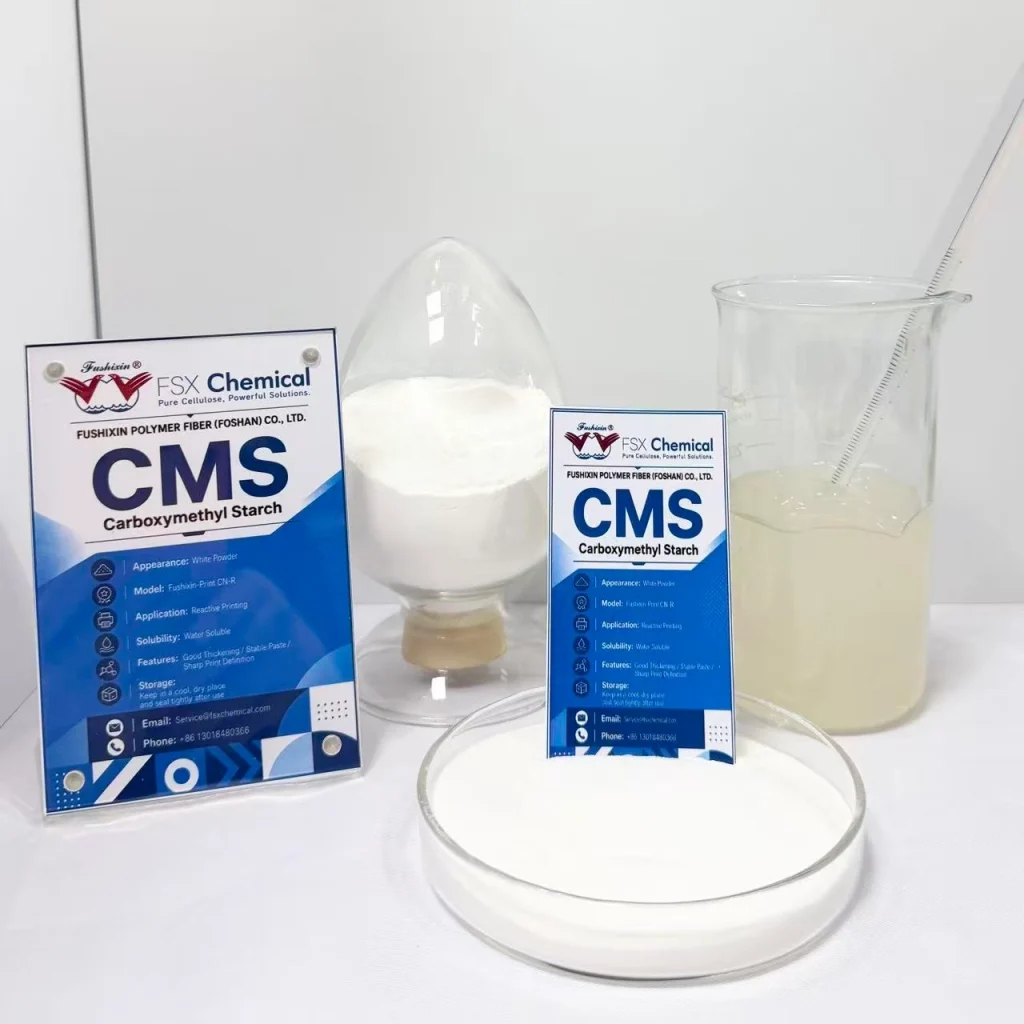
كيف تدعم FSX Chemical المشترين
We do not suggest confirming cellulose raw materials only by product name, general claims, or price. The recommended grade should be reviewed through technical documents and tested in the buyer’s own formulation before bulk purchase.
الخطوات التالية
- Request a Product List — review available CMC, CMS, sodium alginate, textile printing thickener, and printing paste products.
- طلب تقرير TDS — check viscosity, DS where applicable, mesh size where relevant, pH, moisture, appearance, storage conditions, and testing method.
- اطلب مطابقة الدرجات — share your application, printing process, fabric type, target viscosity, and current formulation.
- اطلب عينة — اختبر المنتج الموصى به في ظروف التحضير والإنتاج الخاصة بك قبل تأكيد الطلبات بالجملة.
- Review COA Before Shipment — confirm whether batch data matches the agreed specification range.
- اتصل بفريقنا الفني — discuss which cellulose raw material is suitable for your textile or printing application📧 البريد الإلكتروني: Service@fsxchemical.com