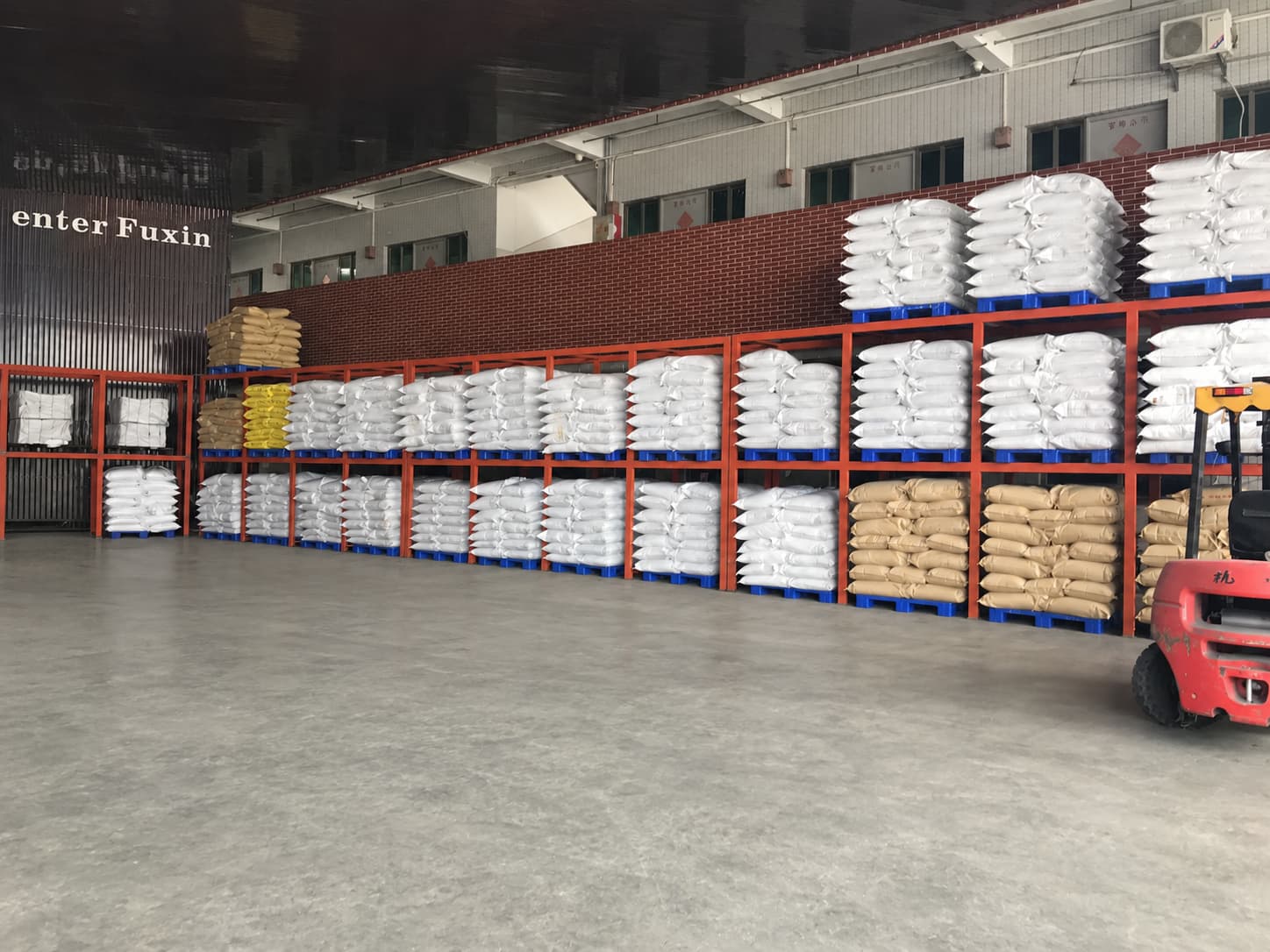
For a cellulose raw material supplier comparison, first confirm whether you need cellulose feedstock for chemical manufacture or a finished cellulose derivative such as CMC for textile use. These are different purchasing specifications. For printing-grade CMC, compare the exact grade, DS, viscosity method, formulation compatibility and traceability from sample to shipment.
CMC is cellulose-derived; sodium alginate is an algal polysaccharide, not a cellulose derivative. Carboxymethyl starch is starch-derived, while an FSX CMS commercial name must be checked against the current grade documents before assigning a chemical identity. These materials may be evaluated as alternative formulation routes, but should not be grouped as identical cellulose raw materials.
This guide explains what buyers should confirm when sourcing cellulose raw materials for textile and printing applications.
Why Cellulose-Based Raw Materials Need Careful Selection
Similar Product Names Can Mean Different Grades
Two products may share the same general name, but their viscosity, solubility, degree of substitution, mesh size, pH, moisture, or application behavior may be different.
For example, one CMC grade may be suitable for a certain thickening application, while another grade may not match the required viscosity or solubility. The same logic applies to CMS, sodium alginate, and other textile printing thickeners.
Application Conditions Affect Final Performance
The final performance of a cellulose-based raw material depends on more than the product itself. Water quality, dye system, auxiliaries, pH, stirring method, fabric type, and production process can all affect the final result.
This is why buyers should provide application details before requesting a quotation or confirming a grade.
Sample Approval Should Connect to Bulk Supply
Sample approval is useful, but it should be connected to the final bulk order specification. Buyers should confirm whether the bulk shipment will follow the same viscosity range, quality standard, packaging requirement, and batch traceability as the approved sample.
This helps reduce the risk of mismatch during repeat production.
Main Products Buyers May Need
CMC for Viscosity Control and Thickening
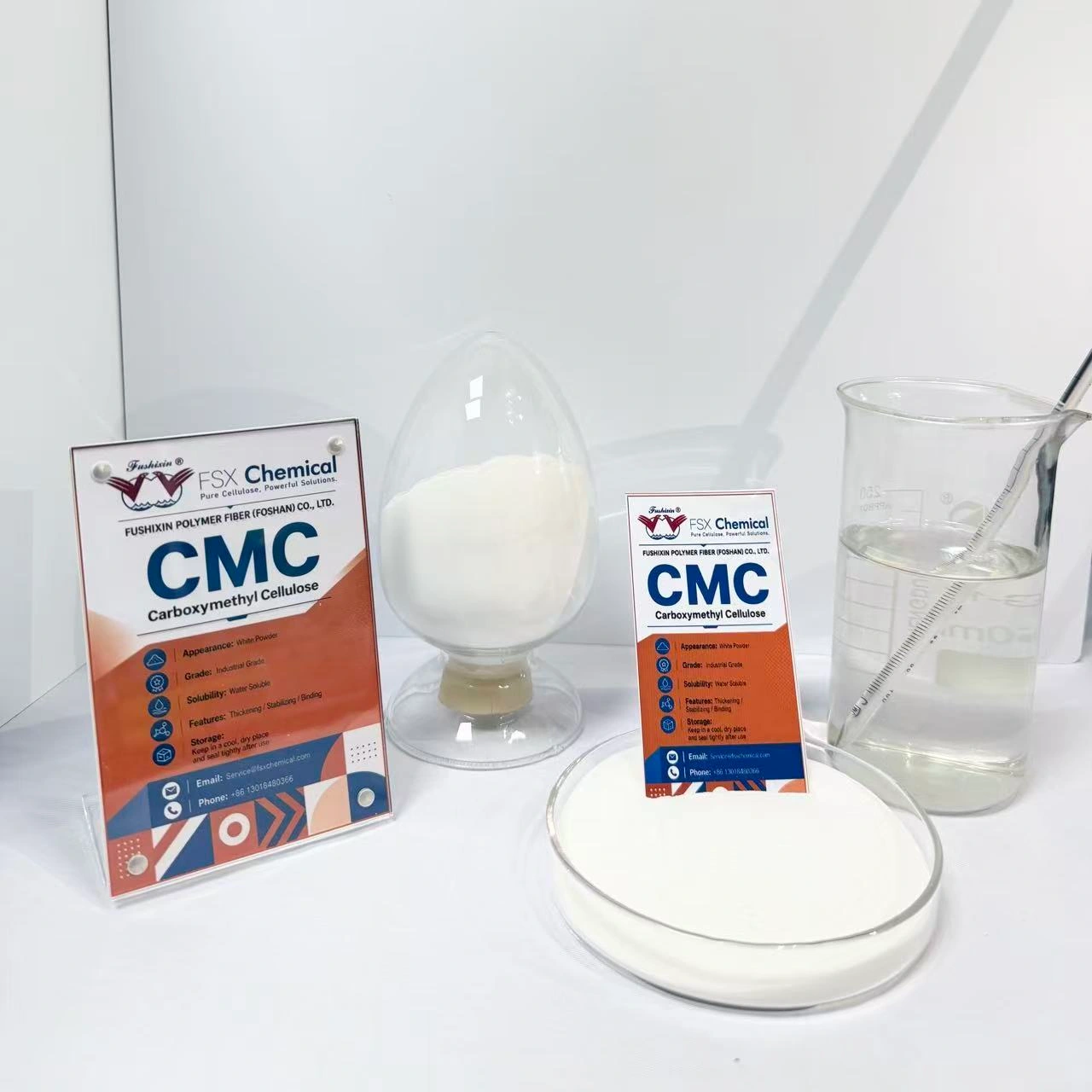
CMC, or Carboxymethyl Cellulose, can be used in selected textile printing and thickening applications where viscosity control, paste handling, and solubility are important.
When reviewing CMC, buyers should check viscosity grade, degree of substitution, pH, moisture, solubility, and batch consistency. If replacing an existing product, sharing the current grade data can help the supplier recommend a closer match.
CMS for Printing Paste Formulation Support
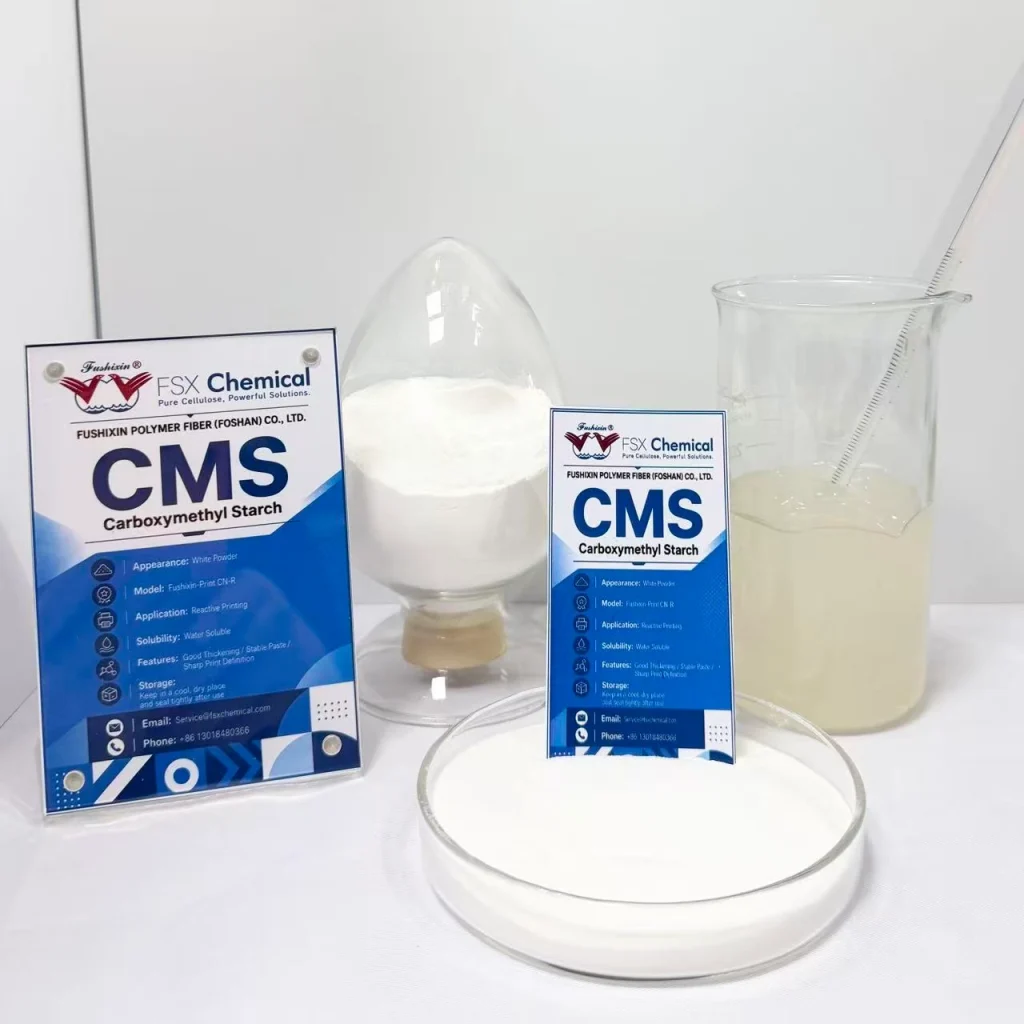
Confirm the exact FSX CMS commercial grade, product form and intended printing route. Do not infer its composition from the CMS abbreviation or transfer a generic carboxymethyl-starch description to the product without documentation.
For an FSX CMS candidate, request the grade-specific viscosity method, preparation instructions and compatibility evidence. Use DS only where the confirmed chemistry and agreed analytical method make it relevant; it is not a universal specification for every commercial thickener.
Sodium Alginate for Reactive Printing Paste
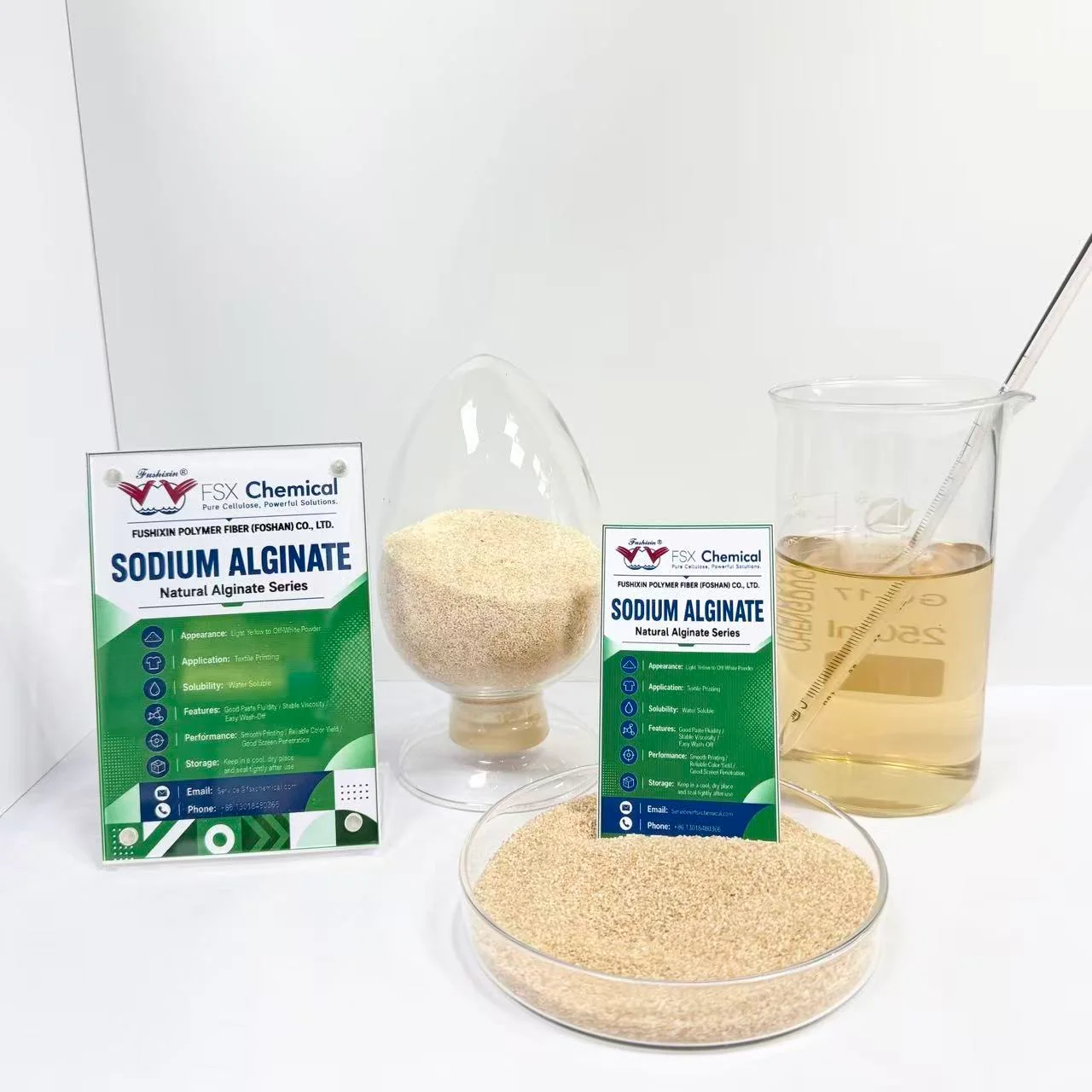
Sodium alginate is commonly used as a thickener in reactive textile printing paste. It is often selected when paste formation, dissolution behavior, and printing paste handling are important.
When sourcing sodium alginate, agree viscosity with its full method, moisture, preparation behavior and relevant residue or filtration limits. If a purity figure is requested, define exactly what is measured and by which method; an undefined purity percentage is not a performance guarantee.

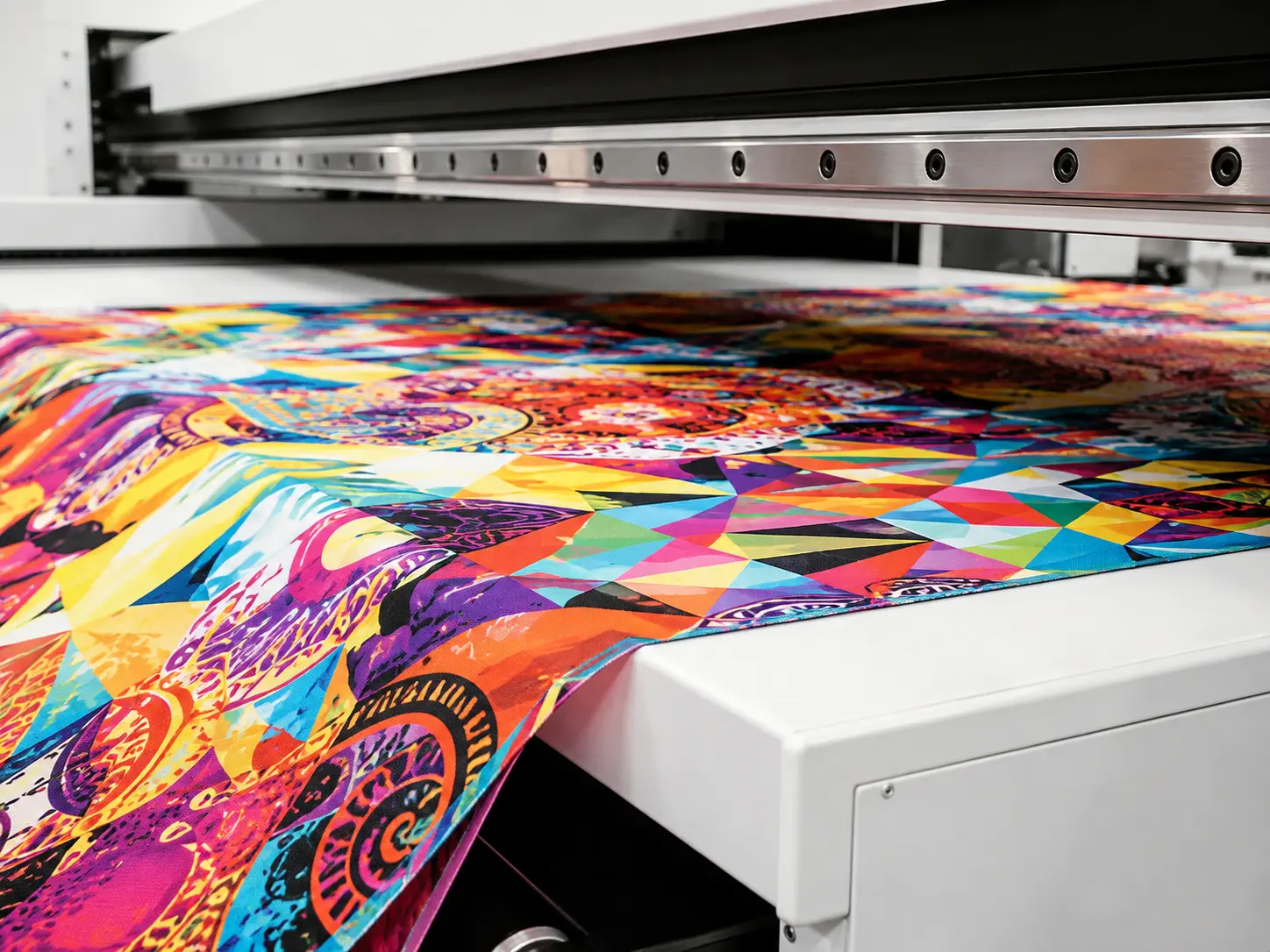
Textile Printing Thickeners and Printing Paste Products
Some buyers need a single raw material, while others need a ready-to-test printing paste product or a thickener recommendation for a specific application.
A suitable recommendation should be based on printing process, dye system, fabric type, target viscosity, and production requirement rather than broad product categories.
Key Specifications to Review
Viscosity and Testing Method
Viscosity is one of the most important parameters for many textile printing chemicals. Buyers should check not only the viscosity value, but also the test concentration, temperature, instrument, unit, and method.
Without the test method, viscosity data from different suppliers may not be directly comparable.
DS, Mesh Size and Solubility
DS is a relevant structural parameter for CMC and confirmed carboxymethyl derivatives, interpreted with its method and grade. It is not the corresponding grade metric for sodium alginate. For alginate, evaluate hydration, filtration and application performance alongside the viscosity specification.
Solubility should be evaluated under the buyer’s own preparation conditions, especially when local water quality or mixing equipment differs from the supplier’s standard test conditions.
pH, Moisture and Appearance
pH, moisture, and appearance are basic but important quality indicators. They affect storage, handling, quality control, and repeat purchasing.
These parameters should be reviewed in the TDS and confirmed through COA data for specific batches.
Batch Consistency and COA Data
For long-term purchasing, batch consistency matters. If viscosity or dissolution behavior changes significantly between batches, the buyer may need to adjust the formulation again.
COA review helps buyers compare batch data and monitor whether key parameters remain within the agreed range.
How to Test Before Bulk Purchase
Test in the Real Formulation
Sample testing should be done in the buyer’s own formulation whenever possible. Dyes, auxiliaries, water quality, pH, and mixing method can all affect final performance.
Testing only in clean water may not be enough to confirm whether the product is suitable for actual production.
Check Paste Preparation and Handling
During testing, buyers should observe dissolution speed, paste smoothness, filtration behavior, viscosity stability, and application handling.
For printing paste applications, practical handling during preparation and printing is often as important as the specification data.
Compare Sample and Bulk Order Requirements
Before confirming a bulk order, buyers should check whether the approved sample and bulk shipment will follow the same specification range.
Important points include viscosity range, DS where applicable, mesh size where relevant, packaging, batch number, COA, and storage requirements.

What Support Should a Supplier Provide?
TDS and COA Support
For viscosity-related products, the testing method should be clearly stated.
Sample and Grade Matching Support
A practical supplier should support sample testing and grade matching based on the buyer’s real application. Useful information includes fabric type, printing process, dye system, target viscosity, current formulation, and production issue.
This makes the recommendation more accurate and reduces the risk of selecting the wrong grade.
Export Documentation and Shipment Communication
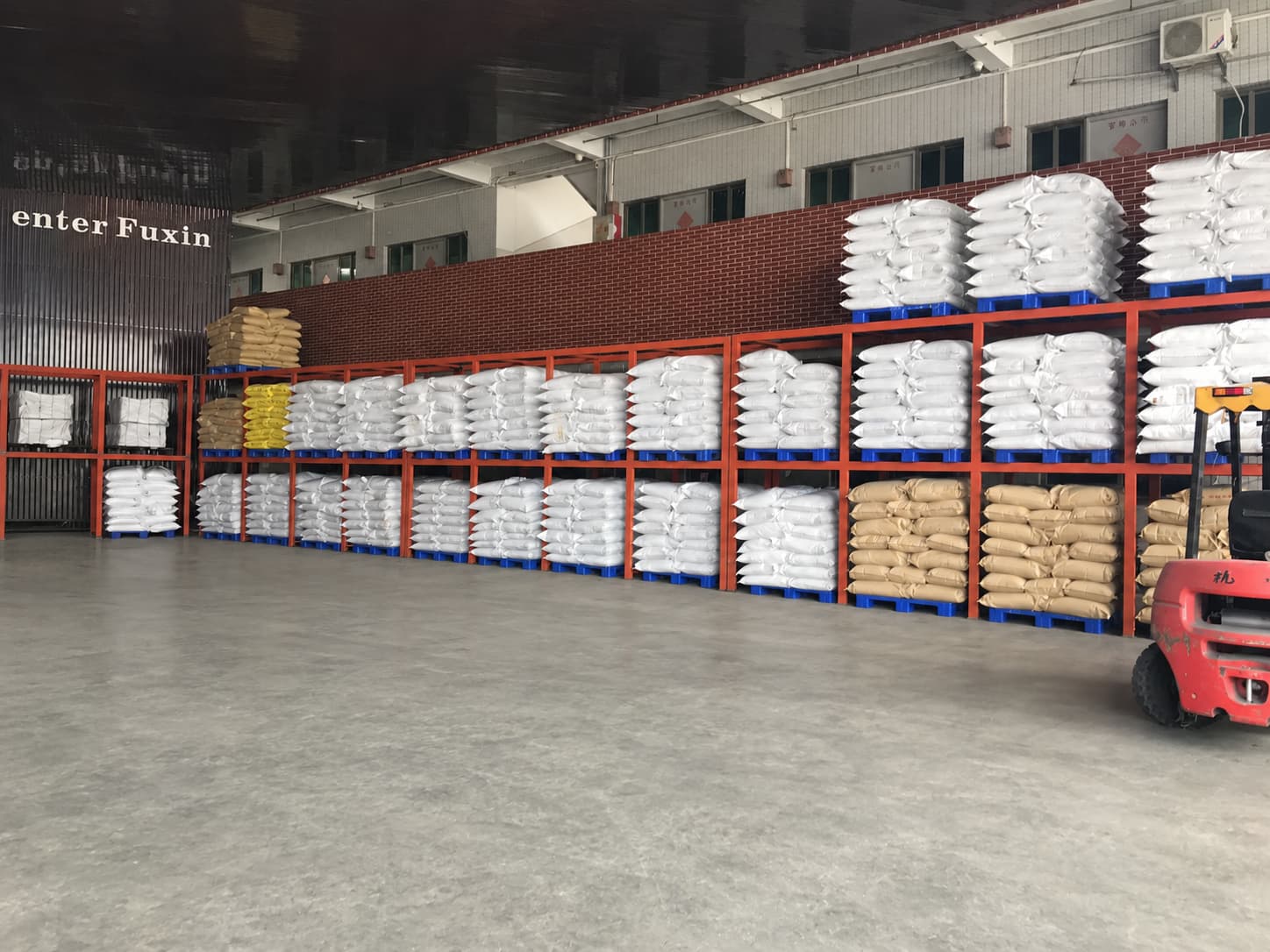
For overseas buyers, export communication is part of the purchasing process. Buyers may need SDS, invoice, packing list, COA, labels, and other documents depending on their destination country and internal purchasing process.
Packaging size, batch traceability, storage conditions, and shipment details should also be confirmed before dispatch.
Separate Feedstock Procurement from Finished-Grade Qualification
| Buying Requirement | Mga ebidensya na hihilingin | Approval Basis |
|---|---|---|
| Cellulose feedstock for derivative manufacture | Feedstock specification and process-specific impurity requirements | The manufacturer’s chemical process, not a printing-paste trial alone |
| CMC for textile printing | Exact grade, DS and viscosity methods, COA and representative sample | Complete-paste and finished-fabric tests |
| Alternative commercial thickener | Confirmed product identity and application documentation | A separately qualified formulation and commercial specification |
For CMC-specific analytical scope, consult ASTM D1439; it is not a blanket test specification for alginate or every CMS product. Begin a grade-matching review with the current product TDS and intended process.
Paano Sinusuportahan ng FSX Chemical ang mga Bumibili
We do not suggest confirming cellulose raw materials only by product name, general claims, or price. The recommended grade should be reviewed through technical documents and tested in the buyer’s own formulation before bulk purchase.
Mga Susunod na Hakbang
- Request a Product List — review available CMC, CMS, sodium alginate, textile printing thickener, and printing paste products.
- Request a TDS — check viscosity, DS where applicable, mesh size where relevant, pH, moisture, appearance, storage conditions, and testing method.
- Ask for Grade Matching — share your application, printing process, fabric type, target viscosity, and current formulation.
- Humiling ng halimbawa — test the recommended product in your own preparation and production conditions before confirming bulk orders.
- Review COA Before Shipment — confirm whether batch data matches the agreed specification range.
- Makipag-ugnayan sa aming teknikal na koponan — discuss which cellulose raw material is suitable for your textile or printing application📧 Email: service@fsxchemical.com