This guide explains what to check before ordering wholesale sodium alginate and how to communicate requirements clearly with a supplier.
Why Wholesale Sodium Alginate Requires More Than Price Comparison
Bulk Orders Need Specification Clarity
In wholesale purchasing, unclear specifications can lead to problems after delivery. Two sodium alginate products may look similar as powder, but their viscosity, mesh size, dissolution behavior, and paste performance may be different.
Before comparing prices, buyers should first confirm the application, target viscosity range, and required product grade. A clear specification helps avoid mismatch between the product and the actual printing process.
Small Sample Results Must Match Bulk Supply
Many buyers test a small sample before placing a bulk order. This is a good practice, but the sample should represent the same grade and specification that will be supplied in bulk.
When confirming a wholesale order, buyers should ask whether the bulk shipment will follow the same viscosity range, mesh size, and quality standard as the approved sample.
Batch Consistency Affects Repeat Production
For textile printing factories and distributors, batch consistency is important. If viscosity or dissolution behavior changes significantly between batches, the customer may need to adjust the paste formulation again.
For repeat purchasing, COA review and clear batch traceability can help buyers monitor product consistency over time.
Key Specifications to Confirm Before Bulk Purchase
Viscosity Grade and Test Method
Viscosity is one of the most important specifications for sodium alginate. A higher viscosity grade is not always better. The right grade depends on the printing paste concentration, fabric type, printing process, and target paste behavior.
Buyers should ask for the viscosity range, testing concentration, temperature, instrument method, and unit shown in the TDS. This makes specification comparison more accurate.
Mesh Size and Dissolution Behavior
Particle-size distribution influences wetting, dust and lump formation, but a finer powder is not automatically faster to prepare. State the sieve standard, aperture and percentage passing rather than a mesh number alone. Compare hydration using the same powder addition rate, mixer, water and temperature.
Buyers should confirm the mesh size and test whether the powder can disperse smoothly under their own mixing method. Dissolution behavior should be evaluated in actual production water and preparation conditions.
Purity Grade and Application Suitability
Purity grade should be selected according to the application requirement. For textile printing, buyers should focus on whether the grade is suitable for printing paste preparation and whether the technical data matches their production needs.
It is not necessary to use unclear claims such as “best purity” or “100% purity.” A more practical approach is to review the TDS, COA, appearance, viscosity, moisture, pH, and other relevant parameters.
Moisture, pH and Appearance
Moisture content, pH range, and appearance are basic but important quality indicators. They affect storage, handling, and quality control during repeat purchasing.
Buyers should review these parameters in the TDS and confirm batch values through the COA when ordering wholesale sodium alginate.
Application Information Buyers Should Provide
Printing Process and Fabric Type
A supplier can recommend a more suitable sodium alginate grade when the buyer provides the actual printing process and fabric type. Useful information includes whether the product will be used for reactive printing paste, screen printing, flatbed printing, or another textile printing process.

Target Paste Viscosity and Concentration
Buyers should share the target paste viscosity and the concentration used in their formulation if available. This helps the supplier understand the real performance requirement instead of recommending a grade based only on product name.
If the buyer already uses another sodium alginate grade, sharing the current viscosity range and dosage can make grade matching more accurate.
Current Production Issue or Existing Grade
If the buyer is changing suppliers or improving a formulation, it is useful to explain the current issue. Common concerns include slow dissolution, unstable viscosity, poor paste smoothness, filtration difficulty, or inconsistent batch performance.
Clear problem description helps the supplier recommend a better starting grade for sample testing.
Documents to Request Before Ordering
TDS for Specification Review
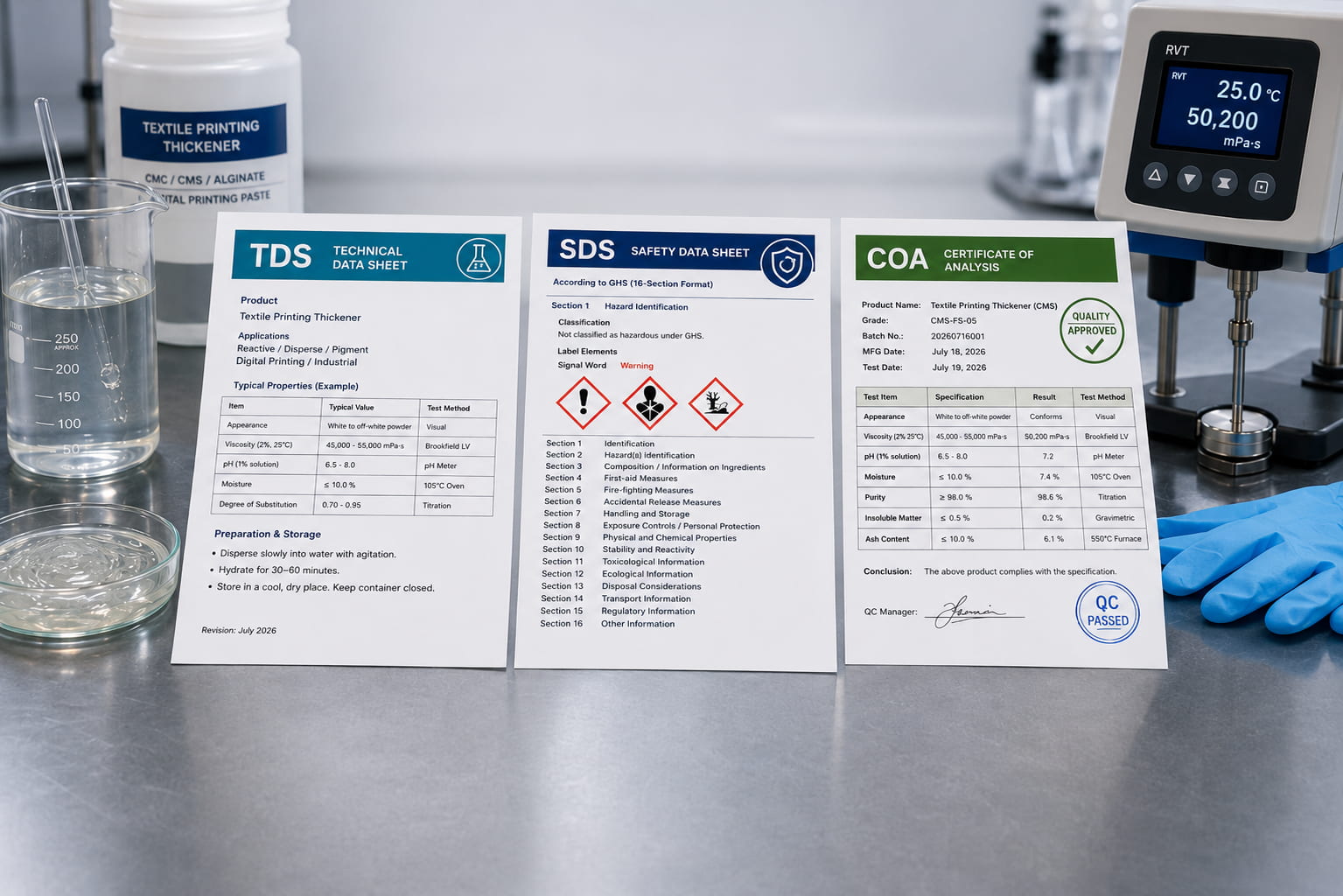
The Technical Data Sheet should include key parameters such as viscosity, mesh size, moisture, pH, appearance, and recommended storage conditions.
For wholesale purchasing, buyers should check whether the viscosity test method is clearly stated. Without the test method, viscosity values from different suppliers may not be directly comparable.
COA for Batch Confirmation
The Certificate of Analysis helps buyers confirm the actual quality data of a specific batch. For repeat orders, COA comparison can help monitor whether viscosity, moisture, pH, and appearance remain within the agreed range.
For distributors, keeping COA records can also support communication with downstream customers.
SDS and Export Documents When Required
For international purchasing, buyers may also need SDS and export-related documents. These documents support transport, customs clearance, and internal compliance review.
Documentation should be checked according to the buyer’s country, application, and internal purchasing requirements.

Sample Testing Before Wholesale Orders
Test in Your Own Formulation
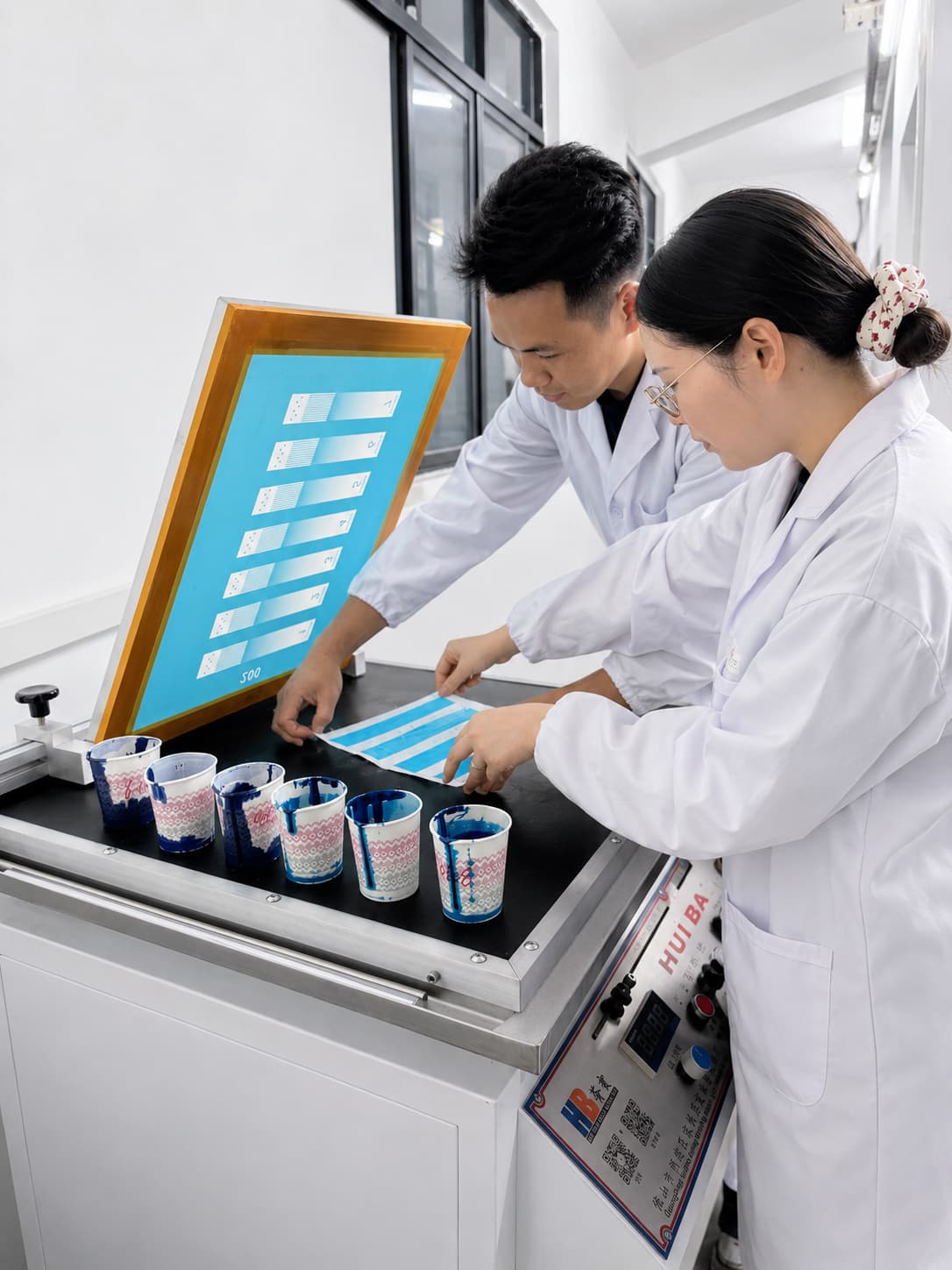
Sample testing should be done in the buyer’s own formulation, not only in clean water. Dyes, auxiliaries, water quality, pH, and mixing conditions can all affect paste behavior.
Testing in the real formulation gives a more reliable result before moving to wholesale purchase.
Compare Dissolution and Paste Smoothness
During sample testing, buyers should observe how the sodium alginate disperses, how long it takes to hydrate, and whether the paste becomes smooth and uniform.
If lumps or filter residue appear, compare the same sample prepared under the supplier method and the mill method. Record water quality, addition sequence, hydration time and filter specification before deciding whether the cause is the grade, handling or preparation.
Confirm Performance Before Volume Purchase
Before confirming a bulk order, compare complete printing performance after fixation and washing, including definition, shade, penetration, handle and required fastness. Define the approval scope: fabric, dye system, dosage range and preparation method. A water-viscosity pass alone is not bulk-production approval.
A confirmed sample result can reduce the risk of specification mismatch when ordering wholesale sodium alginate.
Packaging and Supply Details to Confirm
Bag Size and Pallet Requirements
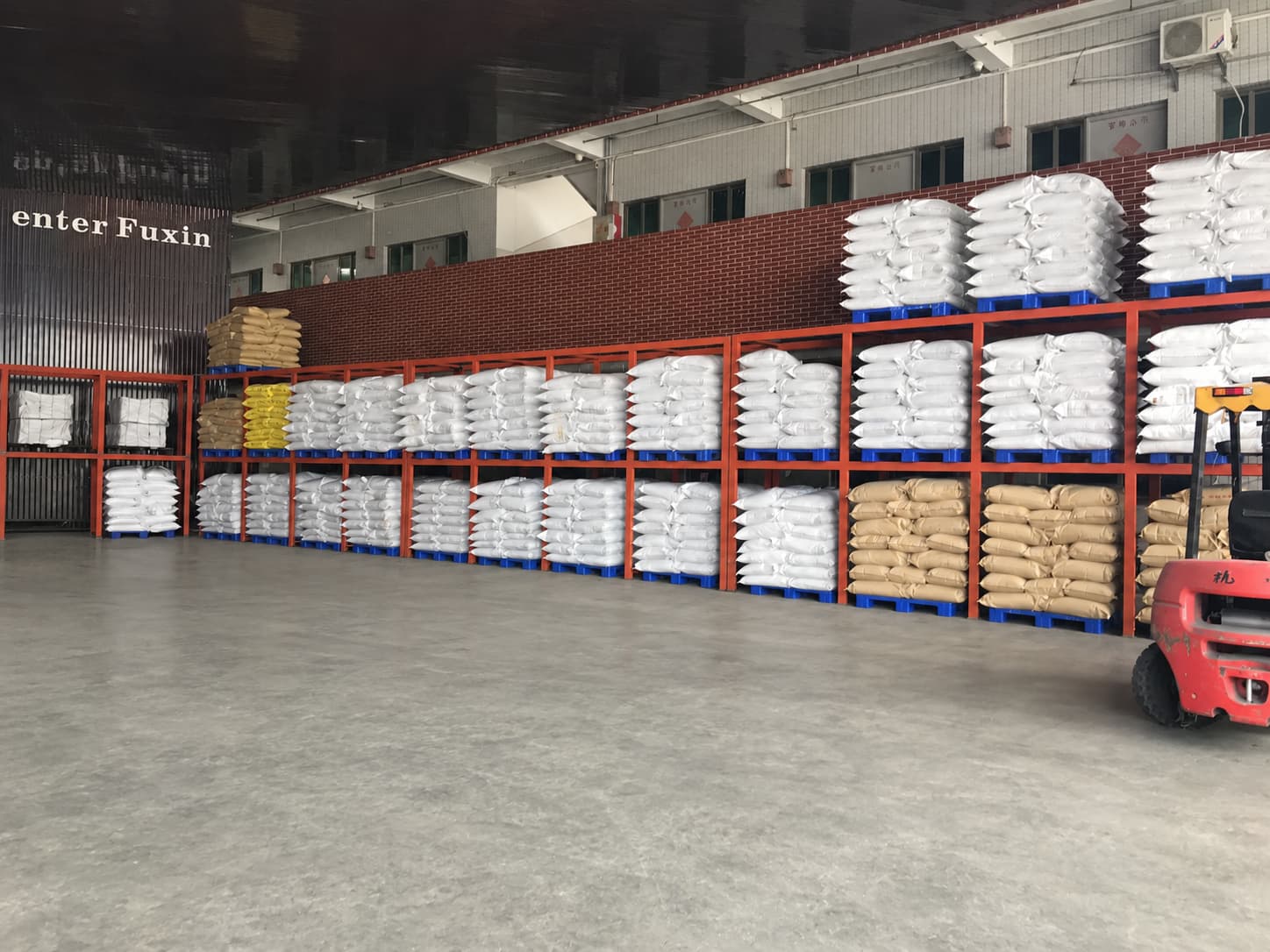
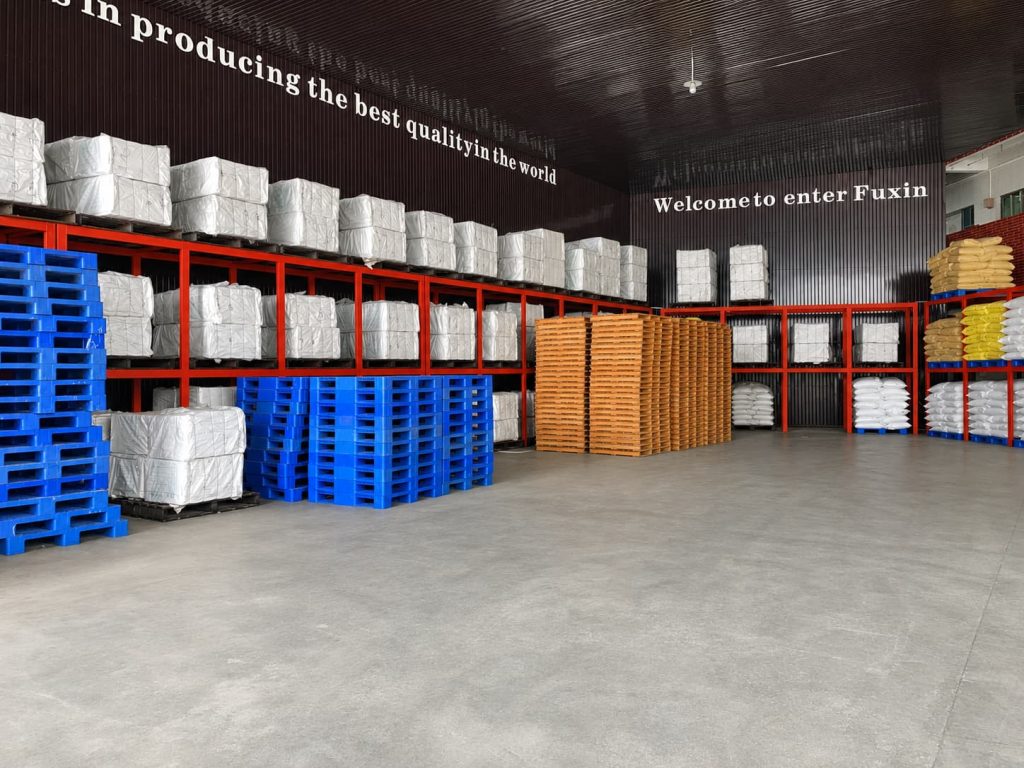
Wholesale buyers should confirm packaging size, bag type, pallet requirements, and container loading arrangement before shipment. This helps avoid warehouse handling problems after delivery.
For distributors, packaging format may also affect resale, storage, and customer delivery.
Labeling and Batch Traceability
Clear labeling is important for warehouse management and batch tracking. Buyers should confirm product name, batch number, net weight, production date, and supplier information before shipment.
Batch traceability is useful when checking COA records or handling customer feedback.
Storage and Shipment Communication
Sodium alginate should be stored in a dry and well-ventilated place, away from moisture and contamination. For wholesale orders, storage and shipment communication should be confirmed before dispatch.
Buyers should also check whether the packaging is suitable for their local storage and transport conditions.
From Approved Sample to Shipment Release
| Entablado | Evidence to retain | Desisyon |
|---|---|---|
| Pag-apruba ng halimbawa | Sample ID, supplier lot, trial recipe, test method and signed acceptance criteria | Approve only the tested application and grade |
| Before dispatch | Shipment lot list, quantities per lot, lot-specific COAs and agreed sampling plan | Resolve discrepancies before release |
| Papapasok na inspeksyon | Labels, bag condition, representative samples and checks against the agreed method | Release, hold or investigate by identified lot |
| Repeat supply | Retained sample, trend data and supplier change notification | Requalify material changes when needed |
A sealed retained sample should identify its source lot and storage conditions. Do not approve a mixed-lot shipment using only one unidentified sample. This is a suggested buyer control plan, not a claim about a completed FSX shipment.
How FSX Chemical Supports Wholesale Sodium Alginate Buyers
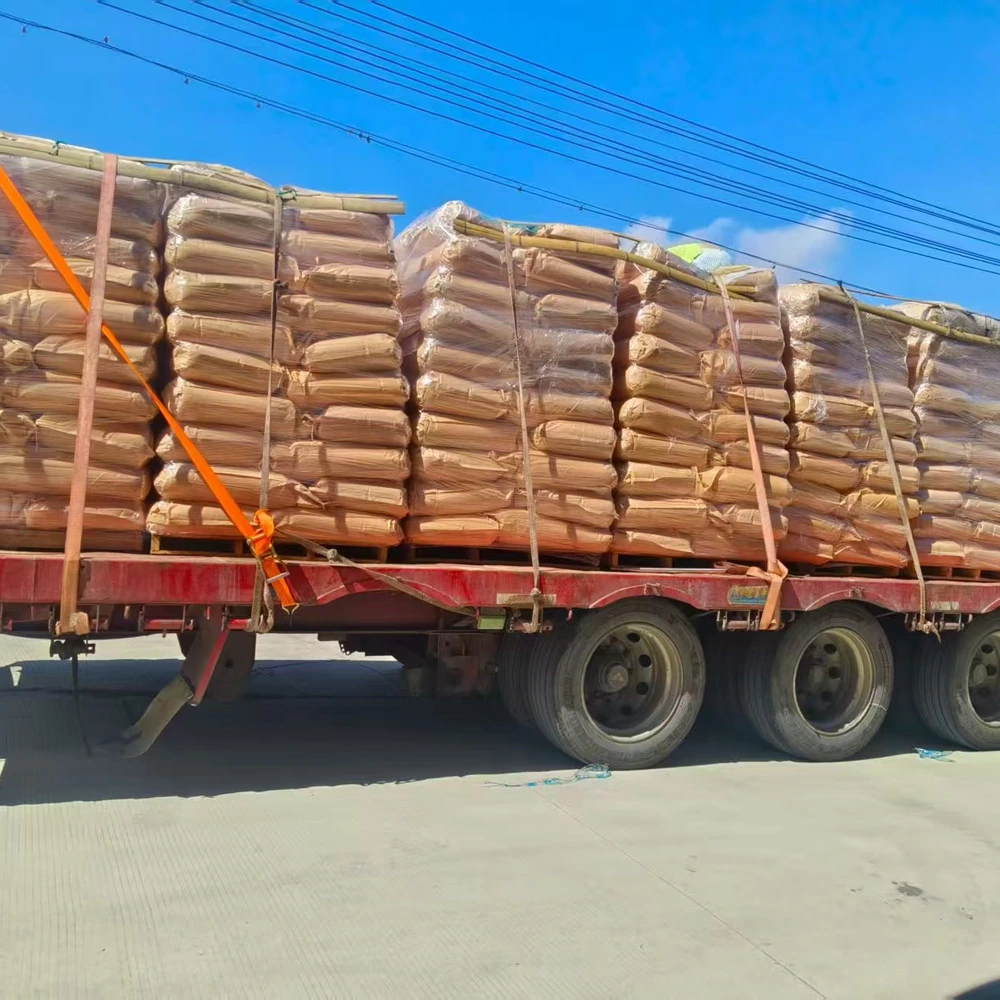
Our support is focused on practical purchasing confirmation rather than broad marketing claims. We can provide TDS, COA, sample support, and grade matching suggestions to help buyers evaluate the product before wholesale orders.
We do not suggest confirming wholesale sodium alginate only by price or product name. The selected grade should be reviewed through technical documents and tested in the buyer’s own formulation before bulk purchase.
Mga Susunod na Hakbang
- Request a TDS — review viscosity range, mesh size, pH, moisture, appearance, storage conditions, and testing method.
- Ask for Grade Matching — share your printing process, target viscosity, fabric type, current formulation, and packaging requirement.
- Humiling ng halimbawa — test the recommended sodium alginate grade in your own paste preparation and printing conditions before committing to volume.
- Confirm Bulk Order Details — check packaging, batch traceability, COA, shipping documents, and storage requirements before shipment.
- Makipag-ugnayan sa aming teknikal na koponan — discuss which wholesale sodium alginate grade is suitable for your application📧 I-email: Service@fsxchemical.com