














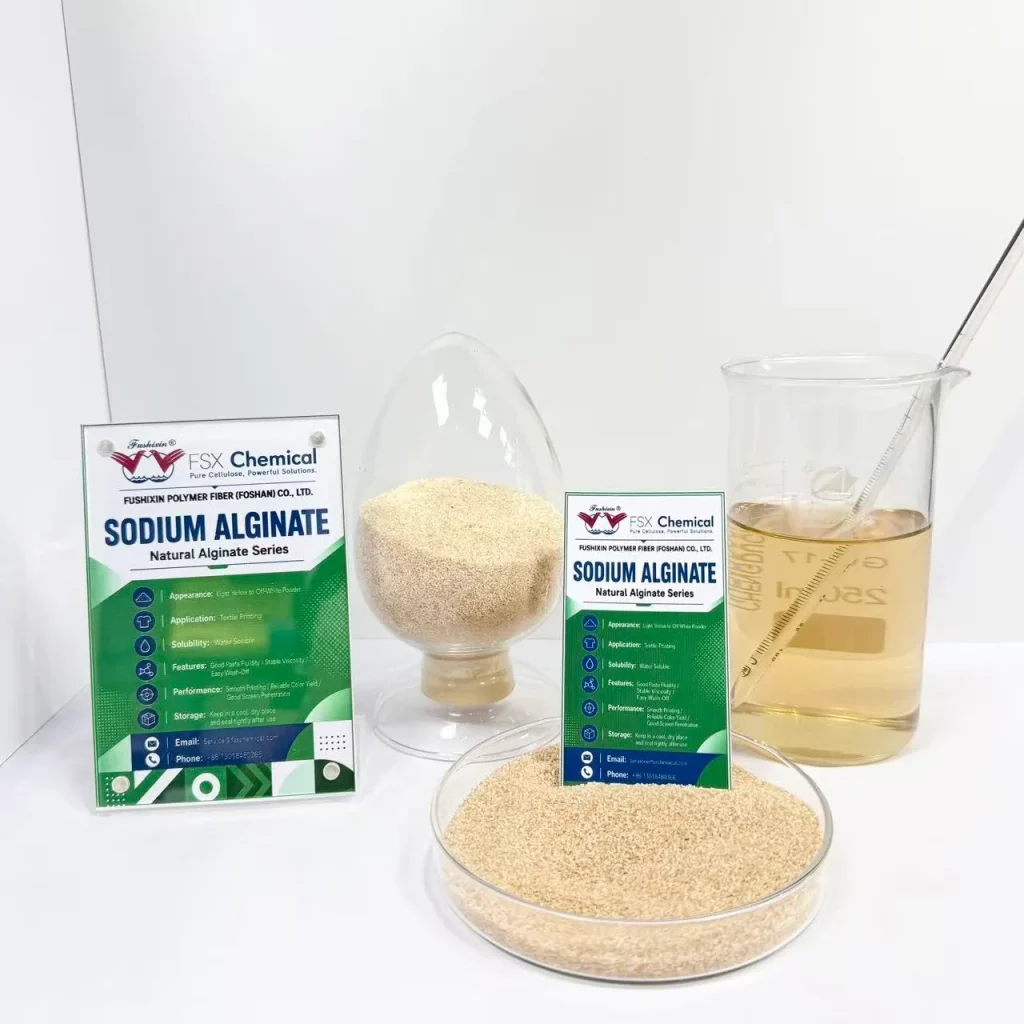
Direct answer: In reactive digital printing on cotton or viscose, sodium alginate may be evaluated in the fabric pretreatment or coating, not in the ink supplied to the printhead. It can help control surface penetration and moisture during printing and fixation, but the suitable grade depends on application method, wet pickup or coating amount, drying, ink set, fabric and steaming-and-washing route.
How Digital Textile Printing Differs from Screen Printing
Ink Delivery and Substrate Interaction
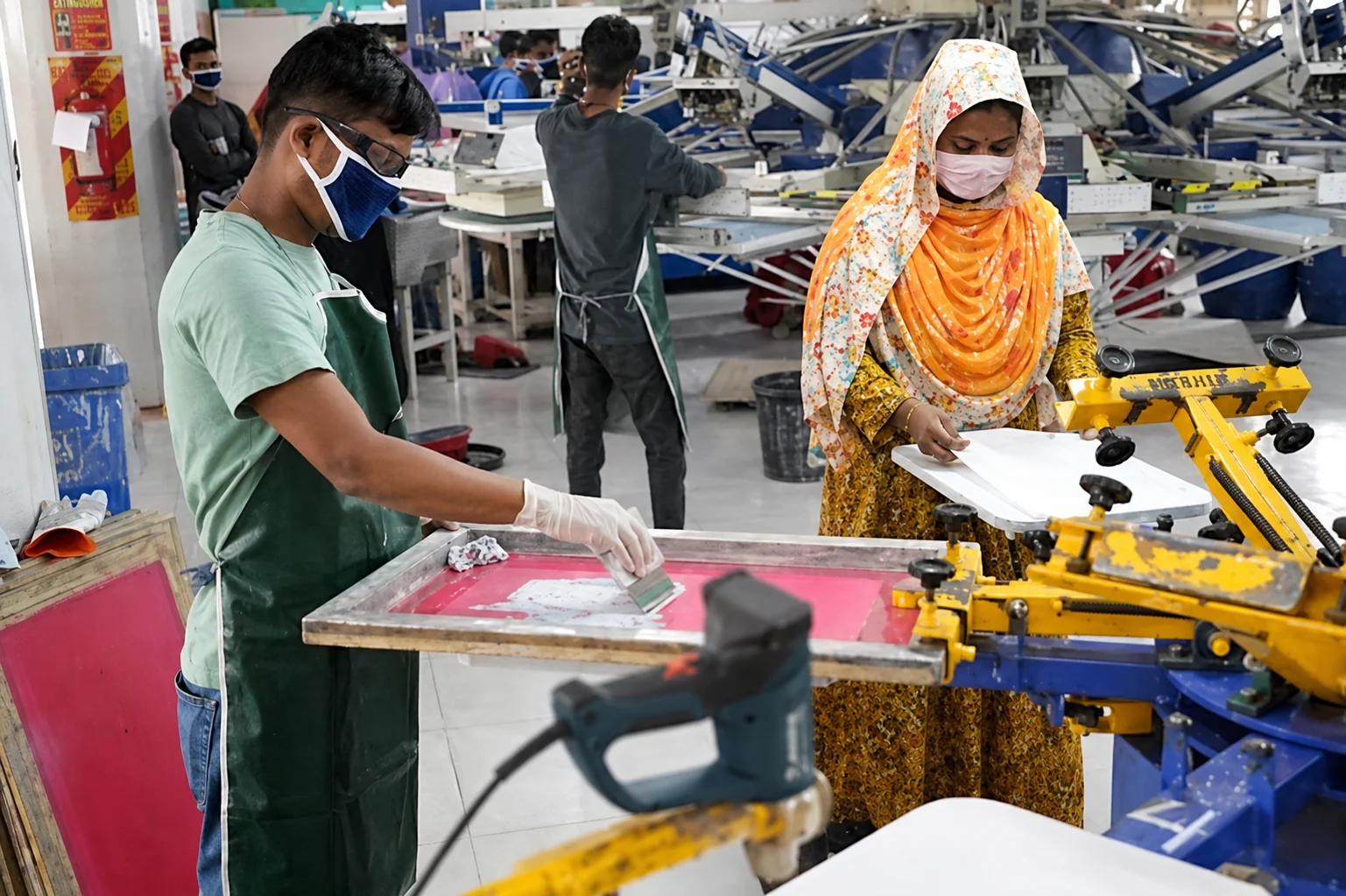
In conventional screen printing, a thick printing paste is pushed through a screen mesh directly onto the fabric surface. The paste carries the dye and controls how it distributes before fixation. In digital inkjet printing, the dye is delivered in a low-viscosity ink through fine print heads — a fundamentally different process that requires a differently prepared substrate.
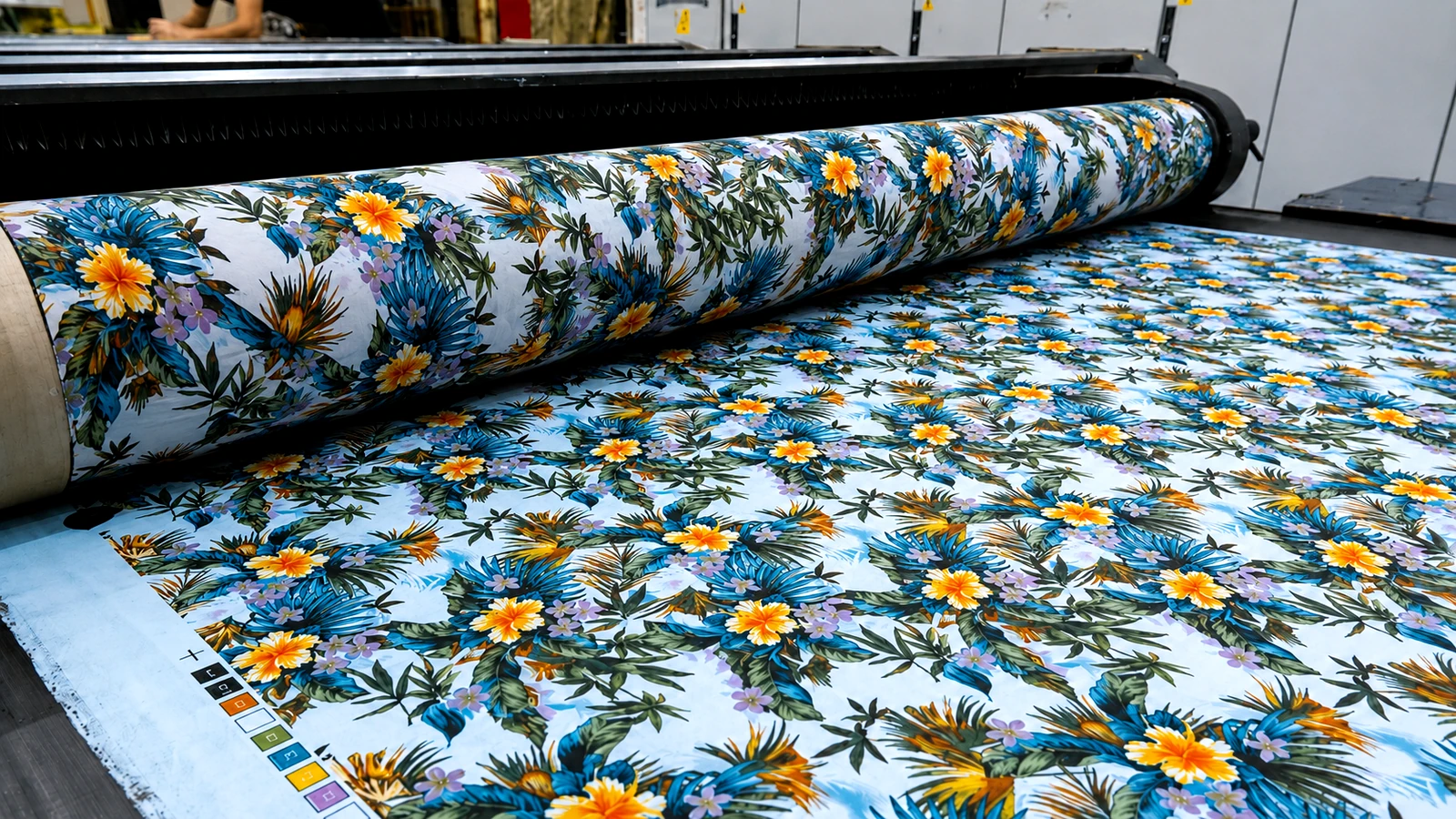
The print head in a digital textile printer applies ink at high speed across very small nozzle openings. Uneven, over-applied or poorly dried pretreatment can cause ink spreading, uneven uptake, fabric distortion or head-strike contamination risk. Nozzle blockage is primarily an ink-formulation and ink-filtration issue, so fabric pretreatment should not be confused with material added directly to the printhead ink.
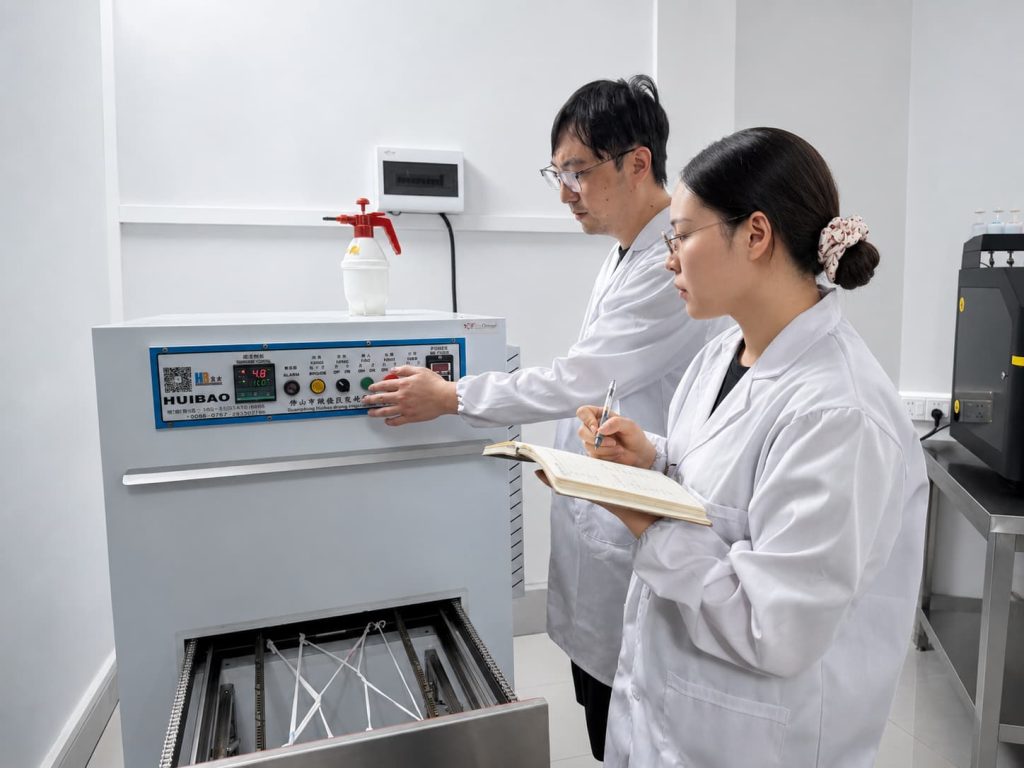
Why Paste and Pre-Treatment Chemistry Matters More in Digital Printing
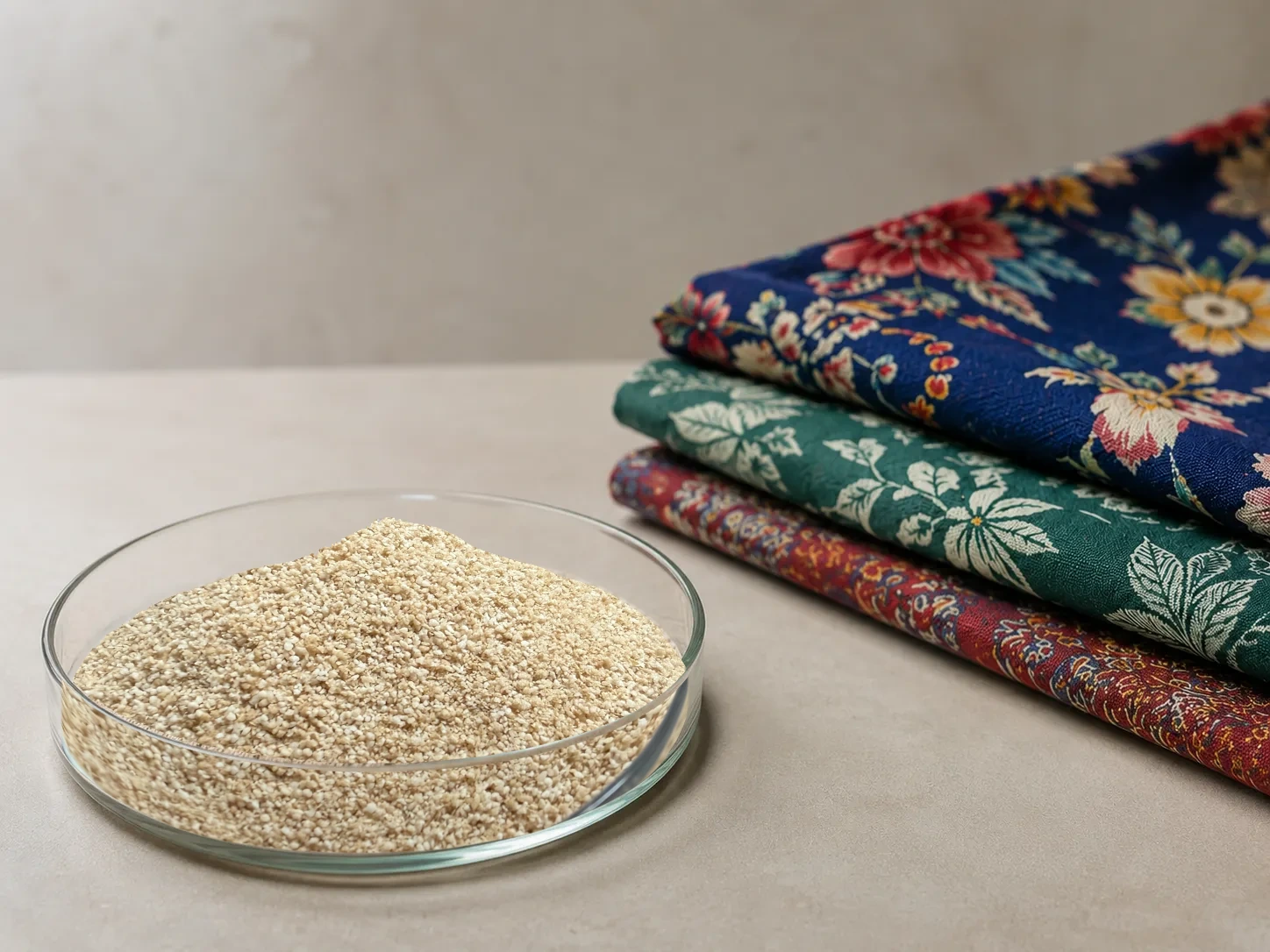
Pre-treatment paste — applied to the fabric before digital printing — controls surface chemistry, moisture content, and dye reactivity. Sodium alginate is one of the components used in reactive dye pre-treatment formulations, where it helps condition the fabric surface and supports even ink uptake. Getting this formulation right has a direct effect on color sharpness, dye fixation rate, and wash fastness.
Role of Sodium Alginate in Digital Textile Printing
Pre-Treatment Paste Formulations
In reactive inkjet printing on cotton and cellulosic fabrics, pre-treatment paste is padded or sprayed onto the fabric before it enters the digital printer. A typical reactive dye pre-treatment formulation contains sodium alginate (or a sodium alginate blend), alkali (to facilitate dye fixation), urea (to assist dye dissolution and moisture retention), and sometimes a wetting agent.
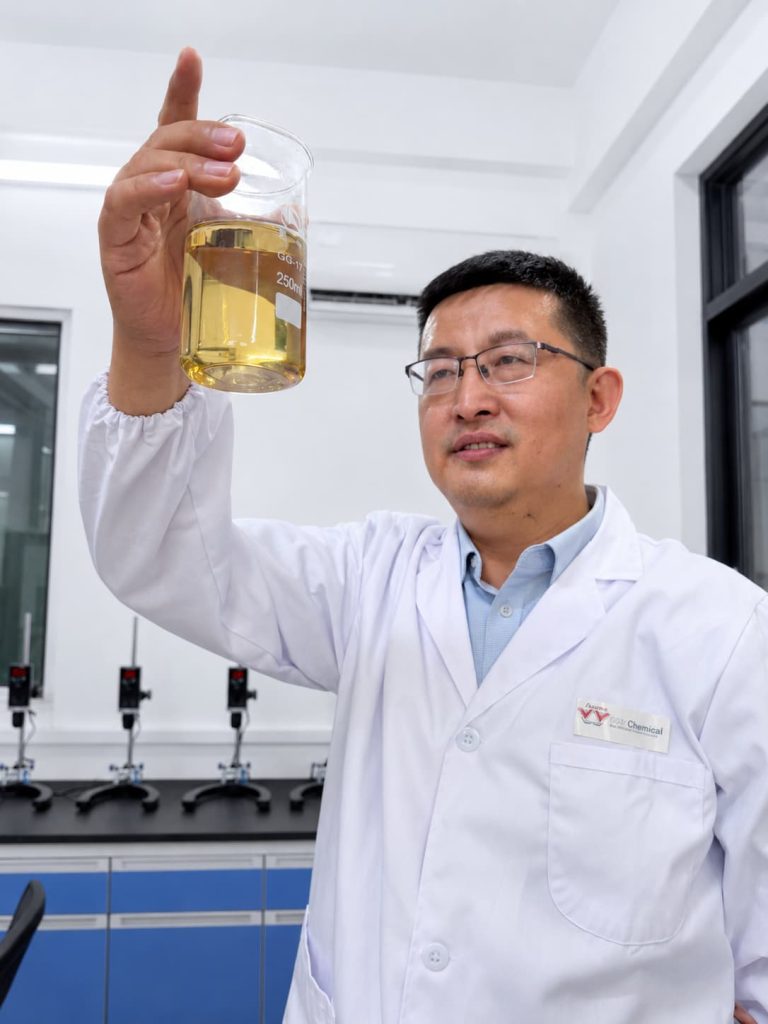
Viscosity Requirements for Digital Pre-Treatment
For padding, the pretreatment must wet the fabric and give controlled pickup; coating and spray systems have different application windows. Compare the complete bath at the intended conditions. Digital application does not require one universal viscosity or necessarily a lower value than every screen-printing paste.
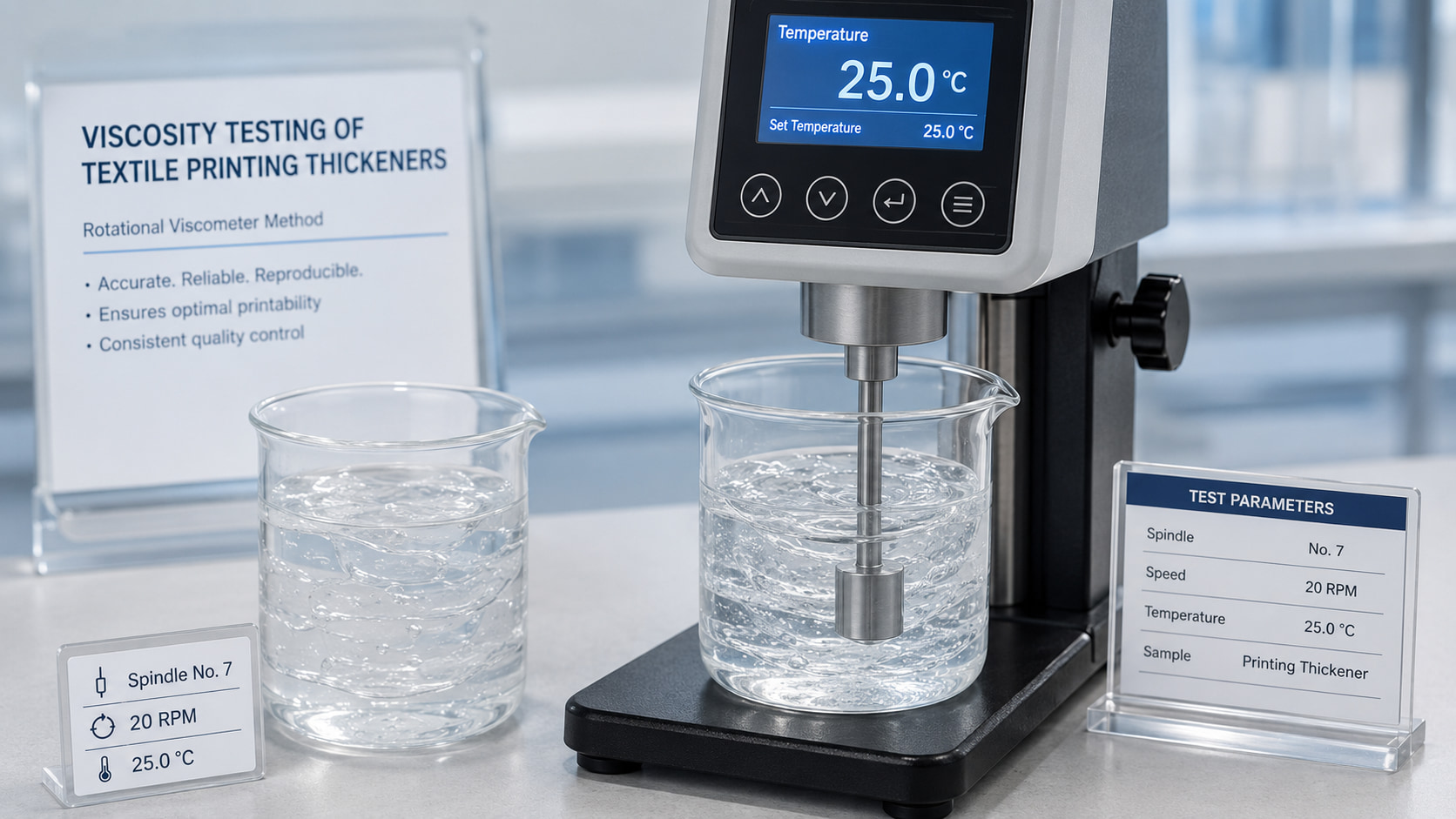
Select the complete-bath viscosity for the actual padding, coating or spray equipment and required fabric add-on. Supplier labels such as LV or MV do not establish that window. Keep concentration basis, temperature, instrument, spindle, speed, hydration and reading time visible; a stock-paste value, a final screen-paste value and a digital application-bath value are different quantities.
Compatibility with Reactive Dye Inkjet Systems
Sodium alginate is an established candidate for selected reactive-dye pretreatments, but compatibility is not universal. Confirm the alginate grade, concentration, alkali, humectant, wetting agent, ink set, fabric, steaming and wash-off through a controlled trial.
Some digital printing systems and ink suppliers provide recommended pre-treatment formulation guidelines. If these are available for your system, use them as a starting point and adjust the sodium alginate grade and concentration based on trial results.
Key Grade Parameters for Digital Printing Applications
Viscosity Grade and Stability
Supplier labels such as LV or MV describe a grade under a particular specification, not a guaranteed digital application window. Choose concentration and grade together, then measure the complete pretreatment at preparation, after hydration and at the intended holding time.
Viscosity that drifts significantly between preparation and use can cause inconsistency in pre-treatment coat weight, leading to variation in color depth and fixation across the fabric. Ask your supplier for viscosity stability data under your expected storage conditions and time frame.
Solubility and Dissolution Behavior
Sodium alginate for digital pre-treatment should dissolve cleanly and completely without forming undissolved gel particles. Any undissolved material can affect the uniformity of the pre-treatment coat and, in spray application systems, can block spray nozzles.
Evaluate dispersion, hydration and residue under a defined water source, temperature, addition rate, mixer and concentration. Establish a stable reading after the agreed hydration period. Do not assume that warm water is required or that more heat will remove hardness-related gels; follow the exact grade’s preparation guidance.
Fluorescence Level
When white-ground appearance or UV response matters, compare untreated fabric, the approved pretreatment and the candidate under controlled illumination. Record wavelength, viewing conditions and the full formulation. Fluorescence may also come from fabric brighteners or auxiliaries, so an observation does not uniquely identify the alginate as its source.
Confirm whether the grade you are considering has been tested for fluorescence and whether the supplier can provide supporting data.
Sodium Alginate in Screen Printing vs. Digital Pretreatment
Direct Paste Use in Screen Printing
In conventional screen printing, sodium alginate is used directly in the printing paste as the primary thickener. The paste is typically prepared at medium to high viscosity and applied through flat or rotary screens. The sodium alginate controls dye distribution on the fabric surface and prevents bleeding before steaming.
For screen printing, approve the grade and concentration from complete-paste rheology, screen passage, deposit and finished-fabric performance. Stock-paste concentration and the amount of stock in the finished recipe are separate quantities.
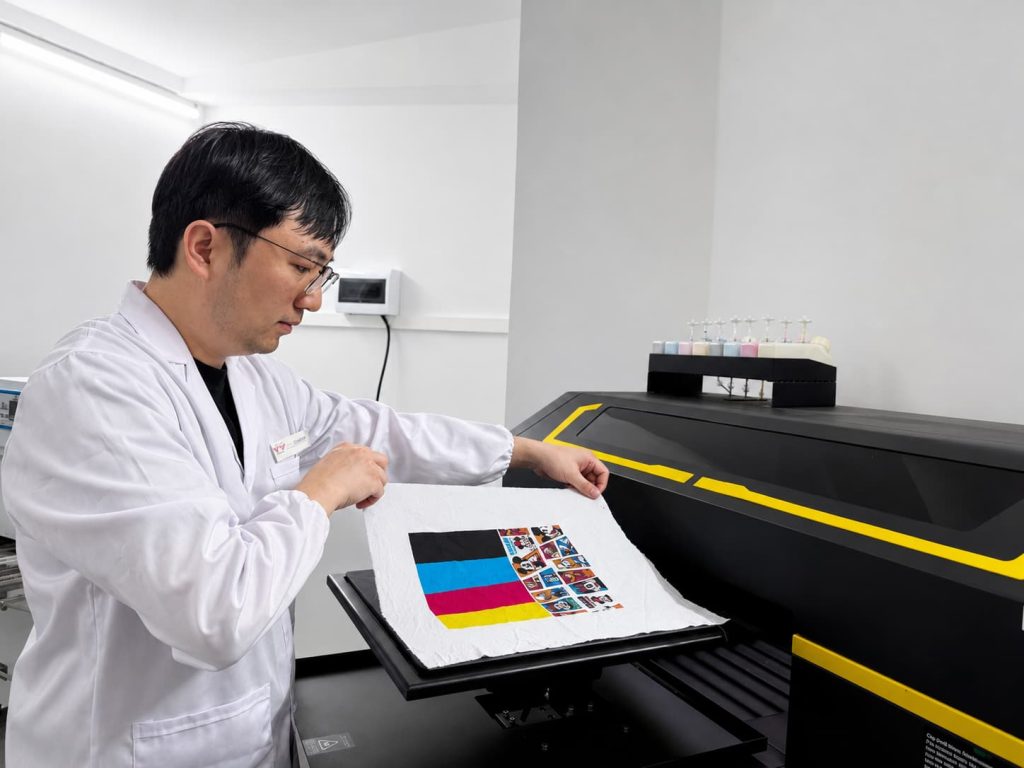
Pre-Treatment Use in Digital Inkjet Printing
In reactive digital printing, alginate may be evaluated in the fabric pretreatment while the colorant is delivered separately in the ink. Its grade and bath concentration must be chosen with the application method, fabric uptake, moisture, ink set, fixation and wash-off. Do not infer a universal concentration or viscosity ordering relative to screen printing, or transfer a screen-paste dosage directly to the digital bath.
Report digital pretreatment concentration on a defined basis: as-supplied product, dry polymer or verified active content, in the final bath. Record wet pickup or coating mass as well. A bath percentage alone does not establish how much polymer reaches the fabric.
Can the Same Grade Be Used for Both?
A grade can be considered for both processes only after separate application trials. Define the stock concentration, the final screen-paste concentration and the digital-bath concentration independently. Compare actual screen deposit or digital fabric add-on, transfer, definition and the fully processed textile; neither equal bath viscosity nor a familiar grade label demonstrates equivalent performance.
If your operation runs both screen and digital printing, it is worth discussing with your supplier whether a single grade can serve both applications, or whether separate grades would give better results. A sample trial in each application is the most reliable way to answer this question.
What to Confirm Before Ordering
Documentation Checklist
- TDS (Technical Datasheet) — viscosity range, solubility specifications, and recommended application concentration
- SDS (Safety Data Sheet) — handling, storage, and shelf life information
- CoA (Certificate of Analysis) — batch-specific test results matching the lot you are ordering
- Fluorescence test data — if UV inspection is part of your quality process
Sample Trial for Digital Pretreatment
A practical trial sequence includes: preparing the pre-treatment at your standard concentration, applying it to your target fabric using your standard application method, printing with your standard ink and profile, steaming and washing, then evaluating color depth, sharpness, and wash fastness. Document the results so you have a reference point when scaling up or comparing grades.
Sodium Alginate for Digital Textile Printing FAQ
Is sodium alginate added to the digital printer ink?
Normally it is evaluated in a fabric pretreatment or coating, not added to ink supplied to the printhead. Direct ink formulation requires specialist control of viscosity, surface tension, filtration and jetting reliability.
Which digital printing route is most relevant to sodium alginate?
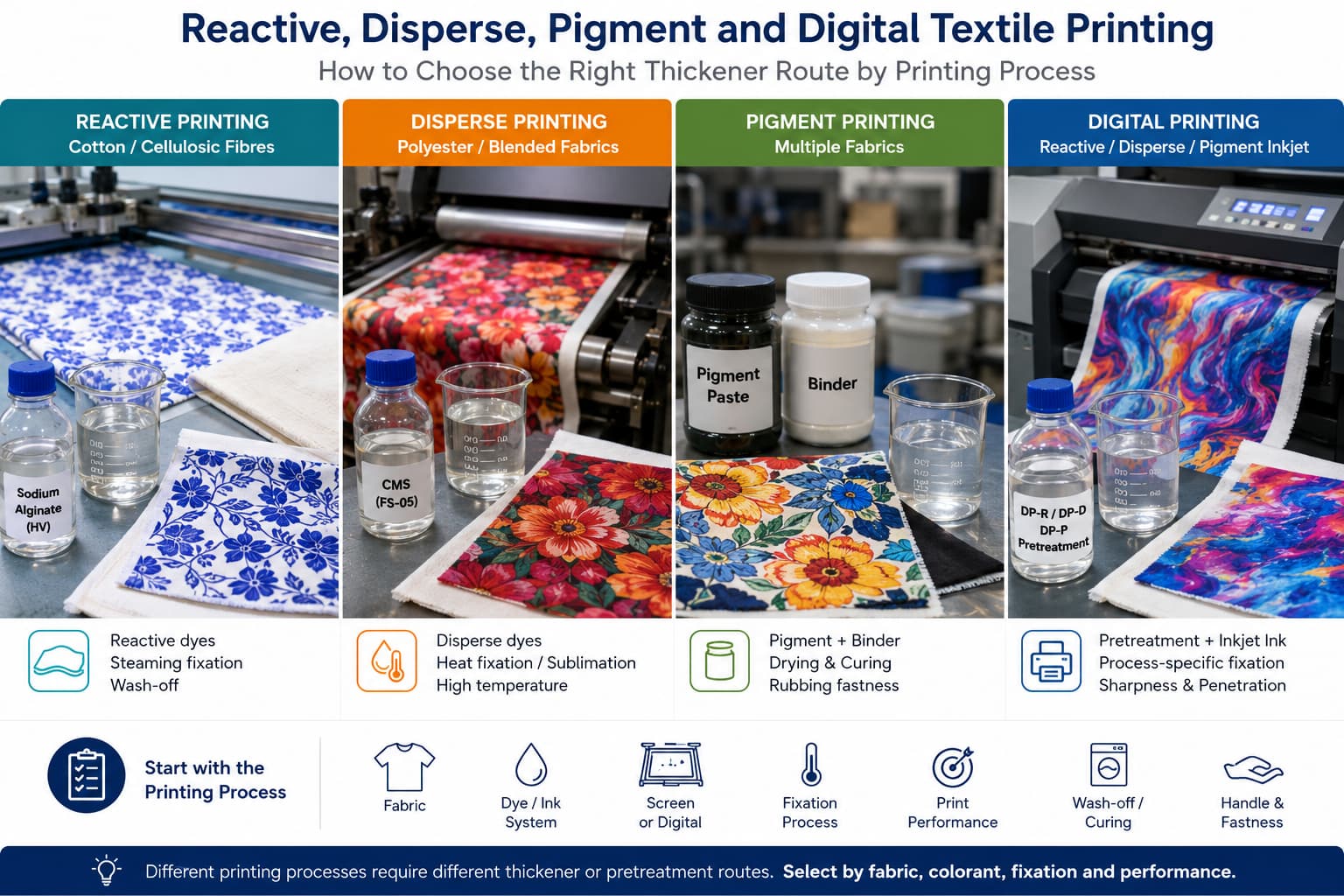
Reactive direct printing on cotton or viscose is the clearest starting route, where alginate may be used in pretreatment. Pigment, disperse-direct and sublimation-transfer systems use different chemistry and should not inherit the same recommendation.
How should a digital pretreatment grade be selected?
Confirm fabric, ink chemistry, printer, padding, coating or spray method, wet pickup or coating amount, drying, steaming or curing and washing. Then compare hydration, filtration, application viscosity, ink holdout, color, definition and hand feel.
Can a screen-printing alginate be used at the same dosage in digital pretreatment?
No universal 1:1 transfer applies. Screen paste and digital pretreatment operate at different viscosity, solids, application and drying conditions. Begin with a controlled lab trial and optimize only after the application route is confirmed.
Measure Pretreatment Add-On Before Comparing Grades
For padding trials, weigh a representative fabric specimen before and immediately after padding using a declared dry reference and a method that accounts for incoming moisture. Bath pickup and dry residue are different measurements. Record bath concentration, nip settings, speed, drying and the resulting print at several positions across the width.
| Observation | Comparison to Make | Desisyon |
|---|---|---|
| Uneven shade across width | Map pickup and dried add-on before printing | Correct application uniformity before changing polymer grade |
| Sharp wet print but poor washed color | Hold ink laydown constant; compare steaming and wash-off | Investigate fixation and removal separately from ink spreading |
| Same bath viscosity, different hand | Compare actual dry deposit and retained residue | Approve on finished fabric, not bath viscosity alone |
This is a proposed comparison workflow, not an FSX production result. For the chemical roles, see the urea, alkali and resist-salt guide.
How FSX Chemical Supports Your Sourcing Process
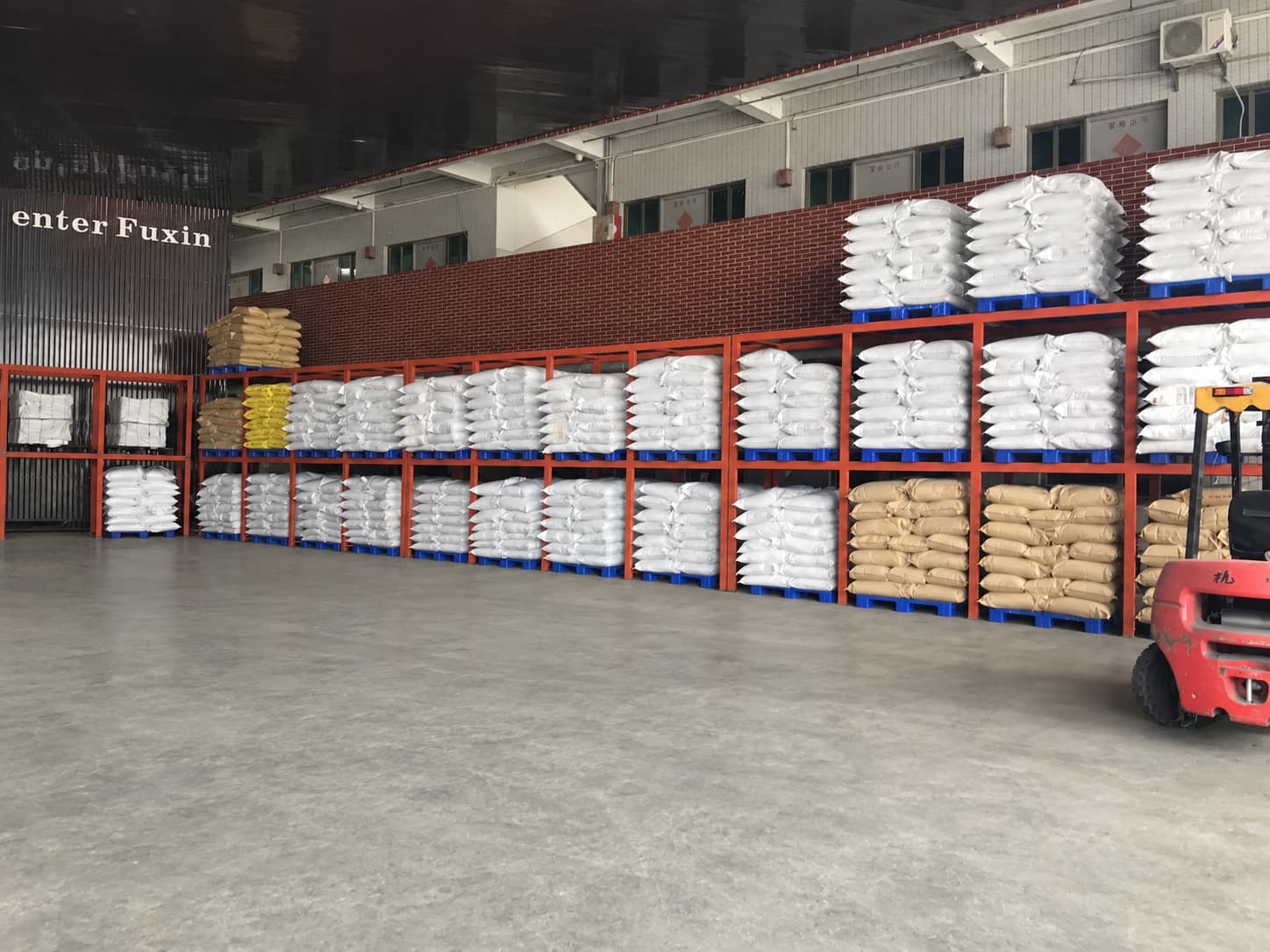
Ask FSX Chemical for the current sodium alginate grade documents and preparation guidance for your reactive digital process. Any special fluorescence requirement should be agreed with its test method and supporting grade-specific evidence before ordering; a general product-family description is not a confirmed specification.
If you are developing or adjusting a digital pre-treatment formulation, our technical team can assist with grade selection based on your fabric type, application method, and inkjet system.
Mga susunod na hakbang:
- Request a TDS — review viscosity and solubility specifications for your target application
- Humiling ng halimbawa — run pre-treatment trials before committing to bulk volume
- Ask for Grade Matching — share your fabric, application method, and ink system for a specific recommendation
- Makipag-ugnayan sa aming teknikal na koponan — for pre-treatment formulation questions or switching from another thickener: Service@fsxchemical.com
Where Sodium Alginate Fits in Digital Textile Printing
| Printing route | Typical sodium alginate position | Key buyer check |
|---|---|---|
| Conventional reactive screen printing | Thickener in the printing paste | Rheology, screen passage, dye compatibility, fixation and wash-off |
| Reactive digital direct printing | Possible component in fabric pretreatment or coating | Application method, pickup, drying, ink holdout, color, steaming and washing |
| Digital na pagpi-print ng pigmento | Not a universal starting route; binder and pretreatment chemistry dominate | Binder compatibility, curing, hand feel, fastness and nozzle-safe ink separation |
| Direct disperse printing on polyester | Process-specific pretreatment; alginate is not automatically the default | Polyester, disperse ink, penetration, drying and fixation route |
| Sublimation transfer printing | Normally not used as a fabric pretreatment for the transfer step | Transfer paper, ink, heat-transfer conditions and final polyester result |