














This guide explains how textile mills can evaluate sodium alginate for warp sizing by reviewing specifications, testing samples, comparing against current sizing materials, and confirming batch consistency before bulk purchase.
Can Sodium Alginate Be Used for Warp Sizing?
It Depends on the Sizing System
Warp sizing is a practical production process, not only a chemical selection question. A material may perform well in one sizing formula but show different results in another system.
Before using sodium alginate for warp sizing, buyers should confirm the yarn type, fiber composition, loom speed, sizing machine conditions, desizing process, and current sizing formulation.
Do Not Select Only by Product Name
A broad product name such as “industrial grade sodium alginate” does not confirm whether the product is suitable for warp sizing. Different grades may vary in viscosity, dissolution behavior, moisture, pH, appearance, and film behavior.
Buyers should review the TDS and test the sample in their own mill conditions before discussing bulk purchase.
Compare Against the Current Sizing Material
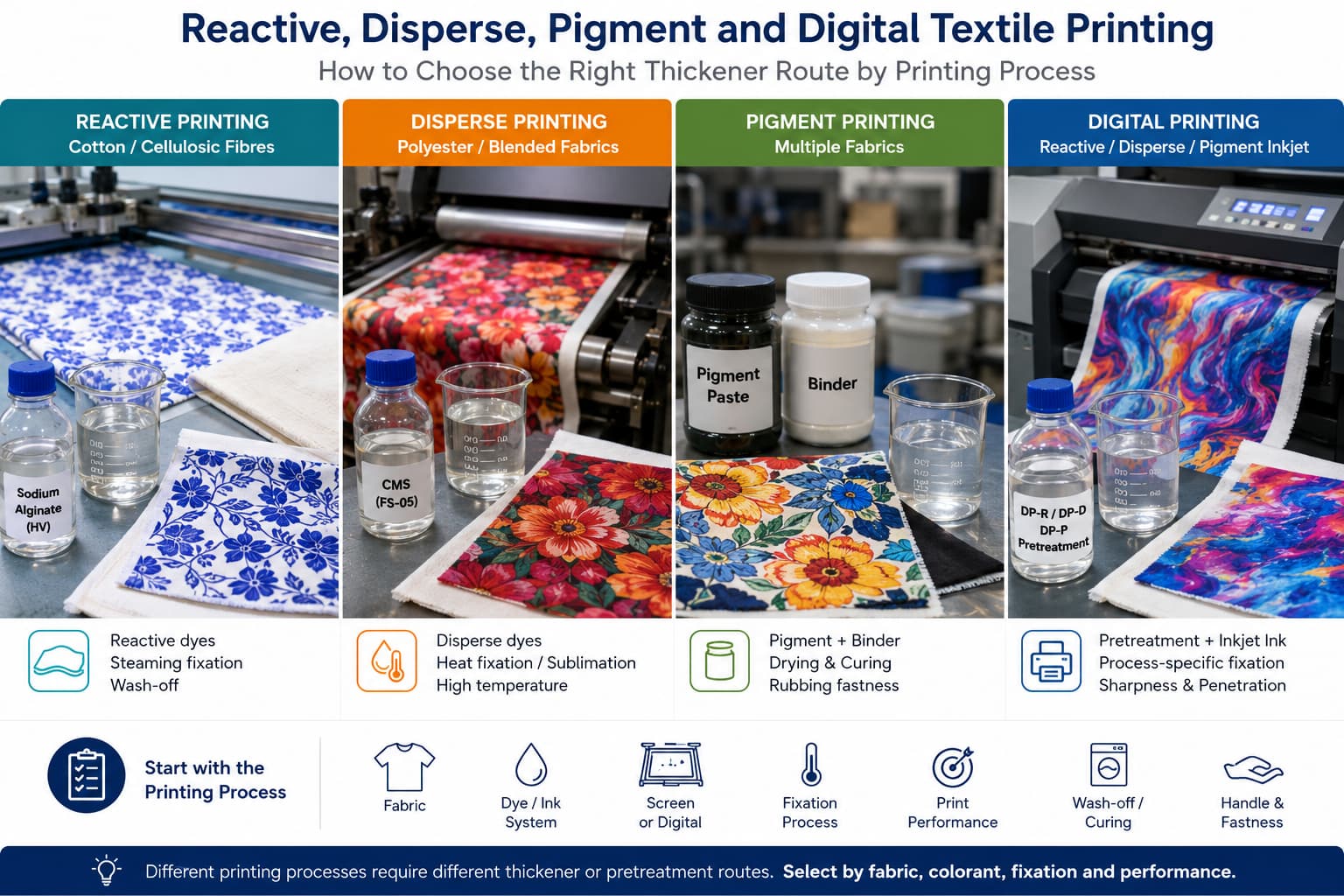
Many mills already use starch, modified starch, CMC, PVA, acrylic sizing agents, or blended systems. When evaluating sodium alginate, it should be compared against the current material under the same sizing and weaving conditions.
The goal is not to prove one material is always better. The goal is to identify which grade and formulation can meet the mill’s production target.
Key Performance Points in Warp Sizing
Viscosity and Paste Preparation
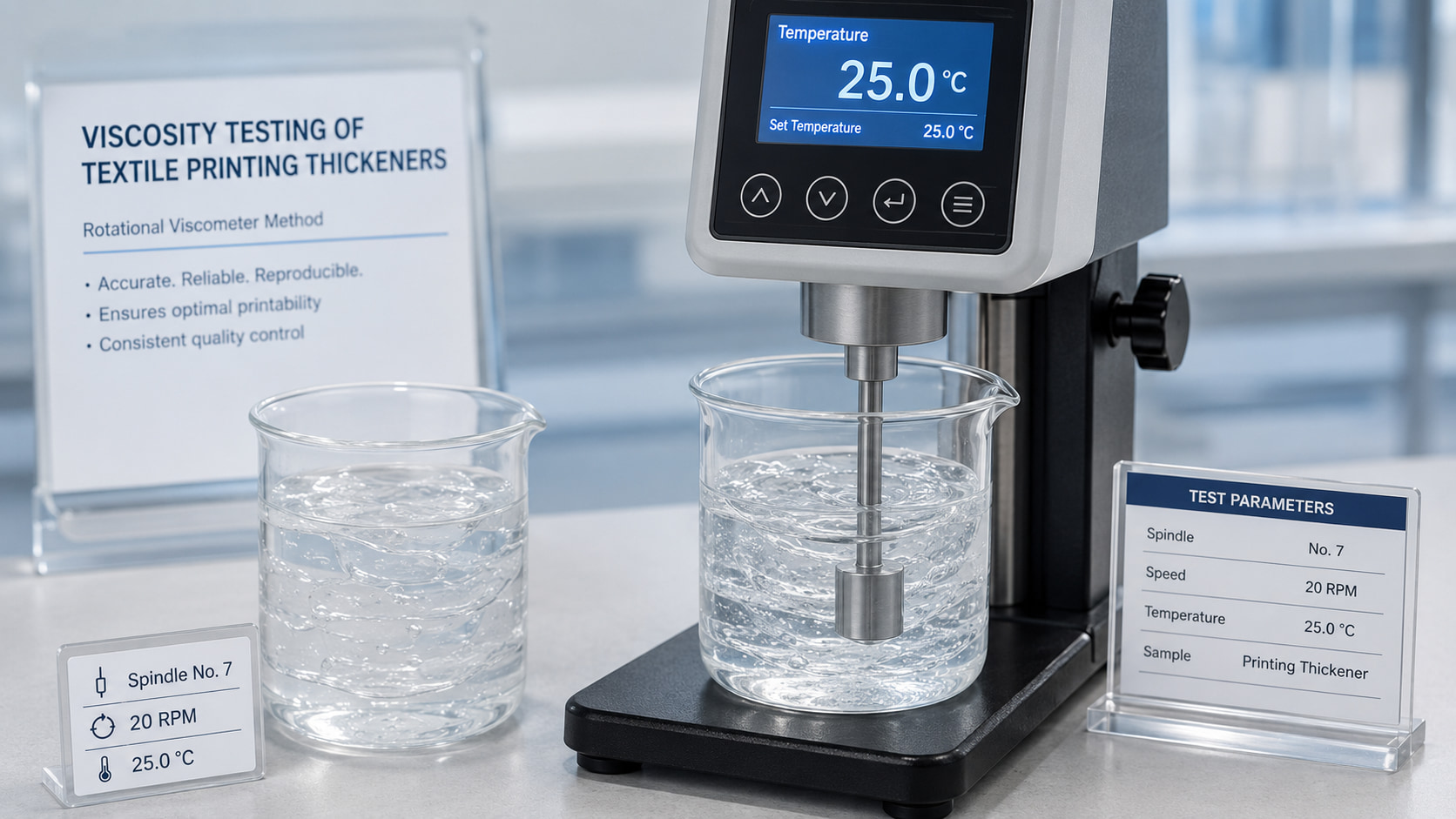
Viscosity affects sizing bath preparation, penetration, coating, pickup, and handling. Buyers should check the viscosity range together with the test concentration, temperature, instrument method, and unit.
Without a clear viscosity test method, data from different suppliers may not be directly comparable.
Film Formation and Flexibility
Warp sizing needs suitable film behavior on yarn. The sizing film should support weaving performance without making the yarn too stiff or causing excessive shedding.
Film behavior should be tested on the buyer’s actual yarn and compared with the current sizing material.
Adhesion and Yarn Protection
The sizing material should help protect warp yarn during weaving. Important observations include yarn hairiness, abrasion resistance, breakage rate, shedding, and loom performance.
These results cannot be confirmed by TDS alone. They require mill-scale or pilot-scale testing.
Desizing and Downstream Process Compatibility
After weaving, the sizing material must be compatible with the mill’s desizing and downstream finishing process. Buyers should check whether the tested grade can be removed under their actual process conditions.
Desizing performance may vary depending on the sizing formula, fabric structure, temperature, washing conditions, and other chemicals used.
Specifications Buyers Should Review
درجة اللزوجة وطريقة الاختبار
Viscosity is one of the first parameters buyers should review. The TDS should clearly state the viscosity range and how it is measured.
Buyers should confirm the concentration, temperature, instrument method, and unit before comparing sodium alginate grades from different suppliers.
سلوك الذوبان والترطيب
Dissolution behavior affects preparation efficiency and sizing bath stability. Poor dispersion may create lumps, uneven viscosity, or filtration problems.
Buyers should test sodium alginate under their actual water quality, stirring speed, addition method, temperature, and preparation time.
الرطوبة، ودرجة الحموضة، والمظهر
تعد الرطوبة ودرجة الحموضة والمظهر مؤشرات أساسية لكنها مهمة للجودة. فهي تؤثر على التخزين والمناولة ومراقبة الجودة وتكرار الشراء.
ينبغي مراجعة هذه المعلمات في تقرير البيانات التقنية (TDS) والتأكد منها من خلال بيانات شهادة التحليل (COA) لكل دفعة إنتاج.
Hard Water Sensitivity
Water quality should be part of the sample testing plan before bulk purchase.
How to Compare Sodium Alginate with CMC, Starch or PVA
Compare Under the Same Mill Conditions
When comparing sodium alginate with CMC, starch, PVA, or another sizing material, the test should be as close as possible to the real production process.
Important comparison points may include viscosity, solids content, bath stability, yarn coating, penetration, film behavior, weaving efficiency, breakage, shedding, desizing, and fabric hand feel.
Avoid Absolute Material Claims
No sizing material is always the best choice for every mill. Sodium alginate, CMC, starch, PVA, and blended systems each have different performance characteristics depending on the formulation and process.
Buyers should avoid making decisions based only on claims such as “more sustainable,” “lower cost,” “higher efficiency,” or “better than PVA” unless these claims are supported by their own testing and documents.
Calculate Total Use Cost, Not Only Unit Price
For warp sizing, total use cost may include dosage, bath stability, weaving performance, desizing, downtime, quality loss, and rework. A lower unit price may not always result in lower total cost.
Buyers should compare sodium alginate with the current product using real production data where possible.
المستندات التي ينبغي على المشترين طلبها
TDS لمراجعة المواصفات
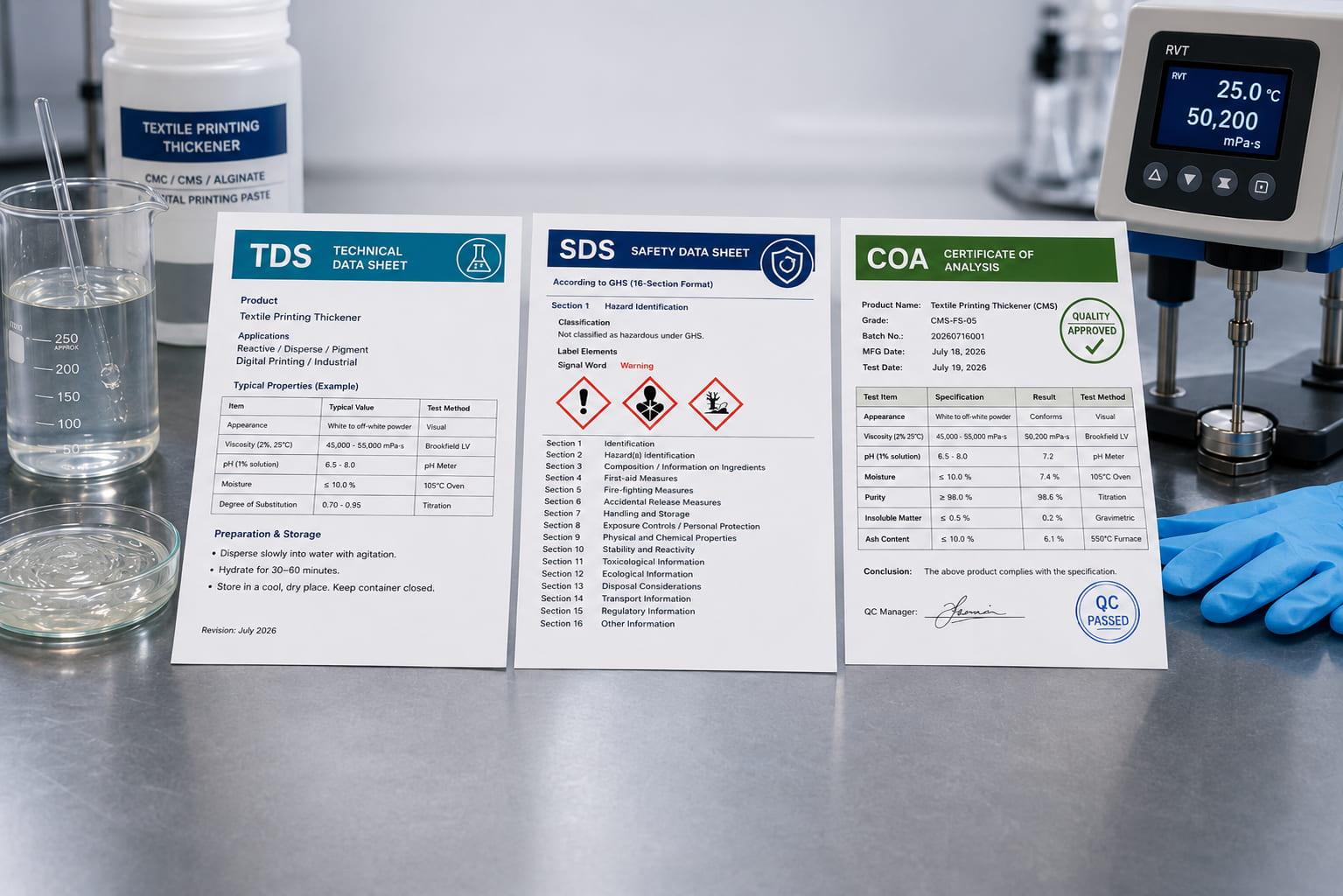
The Technical Data Sheet helps buyers review the standard product specification. It should include appearance, viscosity, moisture, pH, storage conditions, and testing method. Mesh size or other relevant parameters may also be listed depending on the grade.
The TDS supports initial grade screening, but it should not replace sample testing in the mill’s own sizing system.
تقرير التوافق (COA) لتأكيد الدفعة
تؤكد شهادة التحليل البيانات الفعلية لدفعة إنتاج محددة. وهي مهمة للطلبات بالجملة، وعمليات الشراء المتكررة، وتزويد الموزعين، ومراقبة الجودة الداخلية.
يمكن للمشترين مقارنة سجلات شهادات المنشأ (COA) عبر الشحنات للتحقق مما إذا كانت المعلمات الرئيسية لا تزال ضمن النطاق المتفق عليه.
SDS for Handling and Transport Review
تُستخدم صحيفة بيانات السلامة (SDS) في عمليات المناولة والتخزين والنقل، فضلاً عن المراجعة الداخلية للسلامة. وفيما يتعلق بعمليات الشراء الدولية، قد تكون هناك حاجة إلى صحيفة بيانات السلامة (SDS) أيضًا لأغراض الشحن والاتصالات المتعلقة بالجمارك.
يجب على المشترين التأكد من أن اسم المنتج الوارد في صحيفة بيانات السلامة (SDS) ومعلومات المورد تتطابق مع مستندات الطلب.
Additional Compliance or Customer Documents
إذا كان المشتري بحاجة إلى بيانات بشأن المواد المحظورة، أو وثائق بيئية، أو استبيانات تدقيق العملاء، أو دعم في مجال شهادات الاعتماد الصادرة عن جهات خارجية، فيجب مناقشة هذه المتطلبات قبل تأكيد الطلب.
ينبغي على المورد الجاد أن يشرح بوضوح المستندات التي يمكن تقديمها، والمطالبات التي تتطلب إجراء اختبارات أو الحصول على شهادات رسمية من جهة خارجية.
Sample Testing Checklist for Textile Mills
Step 1: Define the Current Process
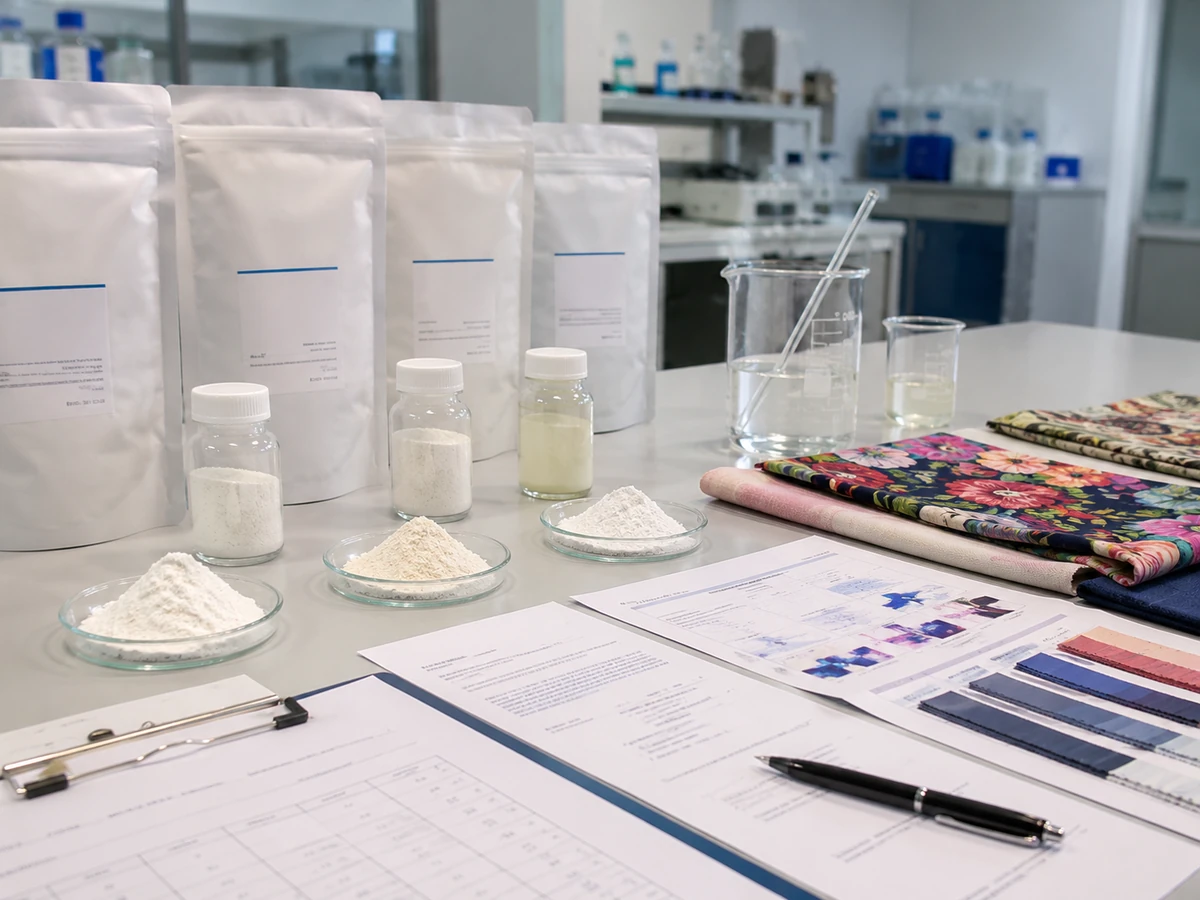
Before requesting a recommendation, buyers should define the current sizing formula, yarn type, fiber composition, loom type, sizing machine conditions, target viscosity, and desizing method.
This information helps the supplier recommend a more suitable starting grade.
Step 2: Prepare the Sample Under Real Conditions
The sample should be prepared using the mill’s actual water quality, mixing equipment, heating conditions, addition sequence, and preparation time.
During preparation, buyers should observe dispersion, lump formation, viscosity development, bath stability, and filtration behavior.
Step 3: Test Sizing and Weaving Performance
After sizing, buyers should evaluate yarn coating, penetration, film flexibility, shedding, abrasion resistance, breakage, loom performance, and fabric quality.
The result should be compared with the current sizing material under similar conditions.
Step 4: Confirm Desizing and Downstream Results
The final evaluation should include desizing and downstream process compatibility. Buyers should check whether the sized fabric can meet their washing, finishing, hand feel, and quality requirements.
Only after these tests should the buyer confirm whether sodium alginate is suitable for bulk use.
Common Troubleshooting Points
Lumps During Preparation
Lumps may be related to fast addition, insufficient dispersion, unsuitable stirring, water quality, or preparation method. Buyers should adjust the addition sequence and mixing conditions during sample testing.
Unstable Viscosity
Viscosity changes may be caused by water quality, temperature, preparation time, pH, formulation compatibility, or grade mismatch. Buyers should record preparation conditions and compare them with the supplier’s test method.
Yarn Feels Too Stiff
Stiffness may be related to formulation ratio, film behavior, drying conditions, or grade selection. Buyers should evaluate flexibility and weaving performance before scaling up.
Desizing Is Not Satisfactory
Desizing issues may come from the full sizing formula, fabric structure, drying conditions, washing process, and other chemicals used. Buyers should evaluate desizing under real downstream conditions.
كيف تدعم شركة FSX Chemical مشتري ألجينات الصوديوم
الخطوات التالية
- Share Your Sizing Process — tell us your yarn type, fiber composition, current sizing formula, machine conditions, target viscosity, and desizing method.
- طلب مطابقة الدرجات — ask for a suitable starting sodium alginate grade based on your actual warp sizing or textile formulation requirements.
- طلب تقرير TDS — review viscosity, pH, moisture, appearance, storage conditions, and testing method.
- طلب شهادة المنشأ — التأكد من مطابقة بيانات الدفعة لنطاق المواصفات المتفق عليه قبل الشحن.
- اطلب عينة — test the recommended grade in your own sizing preparation, weaving, and desizing conditions before confirming bulk orders.
- مقارنة مع المواد الحالية — evaluate sodium alginate against your existing CMC, starch, PVA, or blended sizing system under similar conditions.
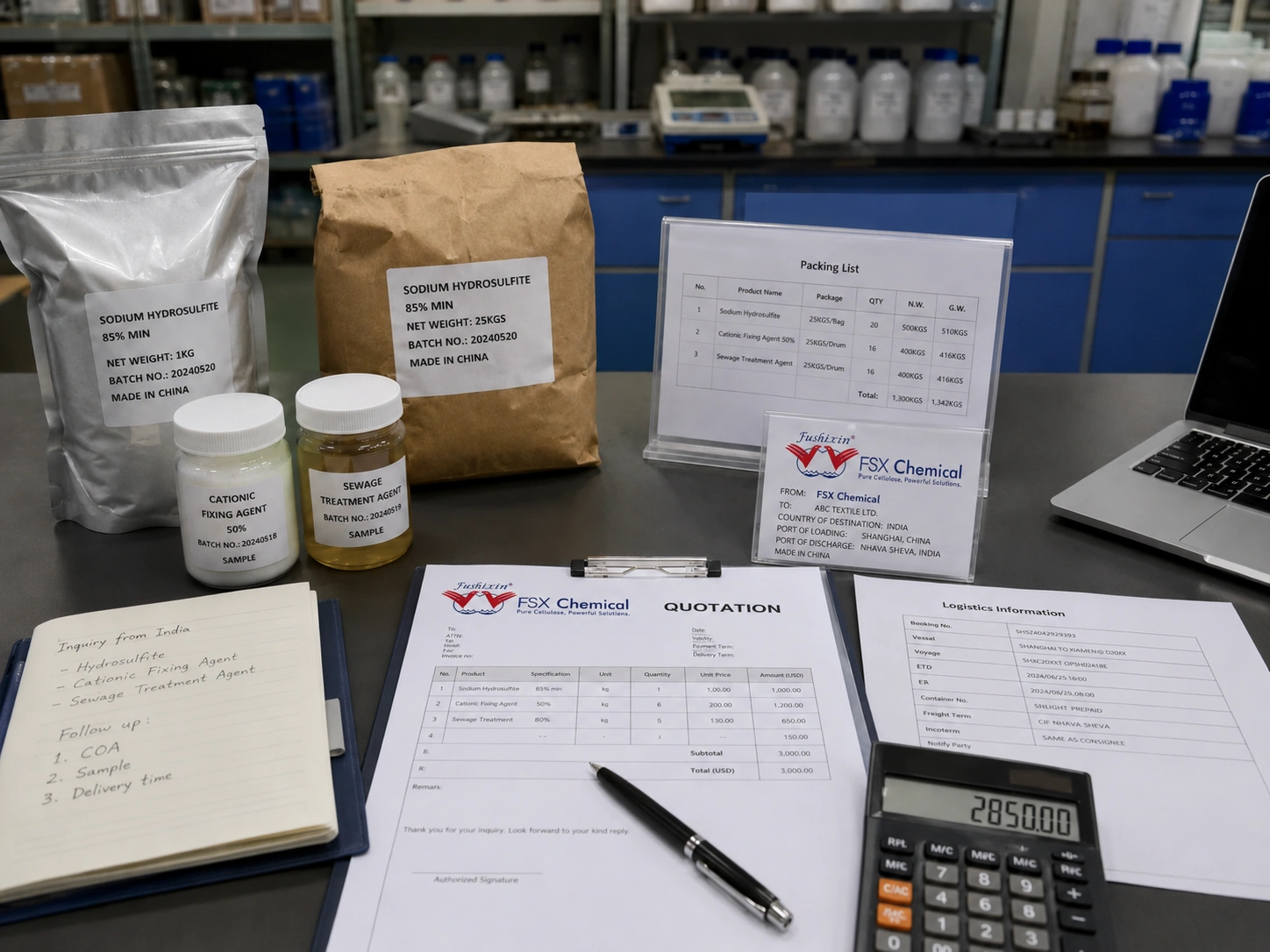
- التحقق من مستندات التعبئة والتغليف والتصدير — التحقق من حجم الحقيبة، والملصقات، وإمكانية تتبع الدفعة، وورقة بيانات السلامة (SDS)، والفاتورة، وقائمة التعبئة، وغيرها من المستندات المطلوبة قبل الشحن.
- اتصل بفريقنا الفني — discuss whether sodium alginate is suitable for your warp sizing or textile formulation application📧 البريد الإلكتروني: Service@fsxchemical.com