
 EN
EN  BN
BN  UR
UR  TR
TR  ID
ID  RU
RU  AR
AR Related posts
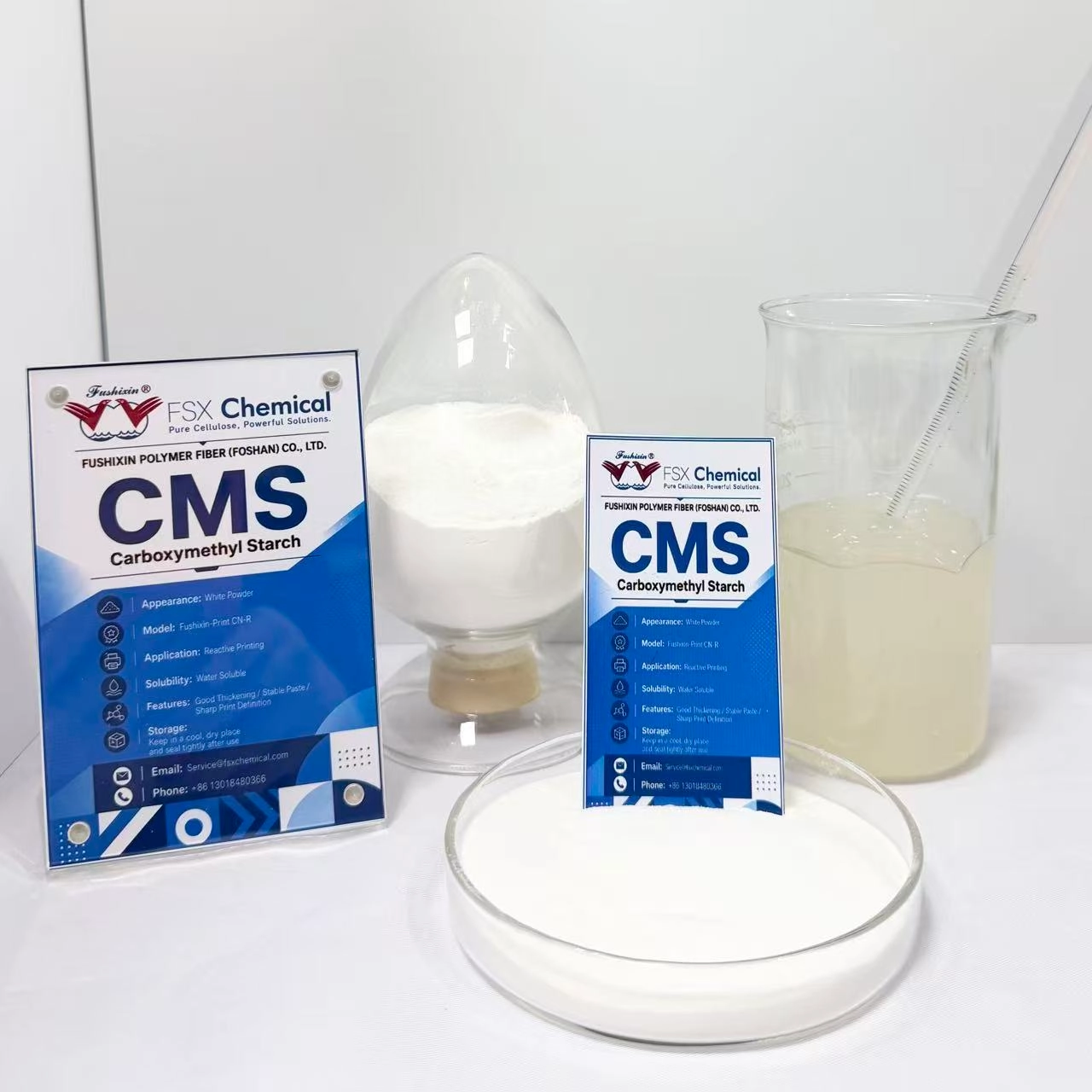
CMS for Textile Printing Paste: Grade Matching and Sample Testing Guide

CMS for textile printing paste can help adjust viscosity, improve paste handling, and support stable formulation performance. This guide explains how buyers can evaluate CMS grades by viscosity, DS, solubility, pH, moisture, and sample testing before bulk purchase.
High Adhesion Printing Paste: How Textile Buyers Should Evaluate Performance
High adhesion printing paste should be evaluated by fabric type, printing process, viscosity and rheology, adhesion testing, wash or handling tests, formulation compatibility, TDS, COA, SDS, sample testing, and batch consistency before bulk purchase.
Sodium Alginate for Textile Dyeing: Global Guide to Advantages, Practical Use & Local Adaptations
This article analyzes the core value of Sodium alginate for textile dyeing, including advantages like compatibility with reactive dyes, eco-friendliness and biodegradability, and preventing dye bleeding on fabrics. It covers regional applications (Asian cotton dyeing, European sustainable polyester dyeing, North American digital textile printing), compares its selection logic with CMC, offers global compliant sourcing advice, and notes fsxchemical provides localized adaptation solutions.
Sodium Alginate for Textile Printing: Must-Read for Global Textile Printers! Core Auxiliary for Enhancing Color Fastness & Compliance
This article explores Sodium alginate for textile printing—a core auxiliary for global textile printers. It solves key pain points like color fastness and pattern precision, adapts to cotton/polyester substrates and digital printing, and meets regional compliance (EU ESPR, North American safety standards). fsxchemical offers tailored grades and global supply, aiding printers worldwide in quality and sustainability.
Global Textile Printing Must-Read: How Does Sodium Alginate Powder Boost Printing Efficiency & Environmental Friendliness? Fsxchemical Solutions
This article explores why sodium alginate powder is a key driver for global textile and printing industries in 2025. It details its roles in enhancing printing clarity, optimizing textile sizing, and meeting eco standards. As a trusted supplier, Fsxchemical offers tailored sodium alginate powder solutions, ensuring compliance, cost-effectiveness, and global delivery to support businesses worldwide.
Where to Buy Sodium Alginate? 2025 Global Textile Printing Sourcing Guide (With OEKO-TEX Certified Suppliers Recommended)
This guide answers "where to buy sodium alginate" for textile printing & dyeing pros globally. It covers sourcing hotspots (Asia, Europe, North America), key factors like OEKO-TEX certification and viscosity, plus 5 tips to vet suppliers. It also highlights fsxchemical’s tailored solutions, helping you find the right sodium alginate for reactive printing, screen printing, or cotton dyeing.
How to Choose a Top Global Sodium Alginate Textile Printing Supplier? 2025 Industry Guide
This summary helps global textile printing firms pick top sodium alginate textile printing supplier. It covers regional needs (Europe’s high-purity, Southeast Asia’s eco-friendly), key criteria (ISO certification, stable supply, tech support), and 2025 tips. fsxchemical, an ISO-certified supplier, offers tailored solutions, fast shipping, fitting diverse market demands.
Sodium Alginate Purchase Without Pitfalls: A Complete Guide for Textile/Printing Industries from Selection to Supplier Comparison
This abstract helps global textile/printing buyers optimize sodium alginate purchase. It covers key points: selecting high-color-fastness/quick-drying variants, choosing eco-friendly/reliable suppliers, bulk procurement tips, and global supplier comparison. Backed by fsxchemical’s expertise, it guides avoiding pitfalls, aligning with regional standards for efficient, quality-focused procurement.
Digging Deep into Sodium Alginate Uses: Suitable for Textile Wrinkle Resistance & Digital Printing, the Preferred Material for Global Manufacturers
This article explores key sodium alginate uses in global textile and printing industries—from boosting warp sizing efficiency and ensuring uniform dyeing to enabling anti-wrinkle fabric finishing, vivid screen printing, and smooth digital printing. It highlights the material’s eco-friendly advantages and adaptability to regional needs, while introducing fsxchemical’s tailored, high-performance solutions for manufacturers worldwide.
Which Stretchable Printing Paste to Choose? fsxchemical Offers Customized Supply
This article explores how fsxchemical’s Stretchable printing paste meets global textile and packaging needs. It covers the paste’s core advantages—elasticity, durability, eco-friendliness—and regional adaptations, like complying with EU REACH and suiting Southeast Asian sportswear production. It also highlights fsxchemical’s customized, cellulose-based solutions for diverse scenarios, guiding global manufacturers in product selection.
CMC Powder: The Unsung Hero for Global Textile & Printing Excellence
This article explores how CMC powder elevates global textile and printing industries, covering its roles in warp sizing, precise color rendering, and eco-friendly desizing. It highlights fsxchemical’s customized, stable, high-performance CMC powder solutions, tailored to regional needs (e.g., Europe’s sustainability, SE Asia’s humidity), aiding manufacturers worldwide in boosting efficiency and quality.
High Performance Sodium Alginate: The Game-Changer for Global Textile & Printing Industries
This article explores how high performance sodium alginate revolutionizes global textile and printing industries—from textile warp sizing and screen printing paste to enhancing ink adhesion and color fastness. It highlights eco-friendly, food-grade variants, and why fsxchemical is the trusted global supplier for manufacturers worldwide.
