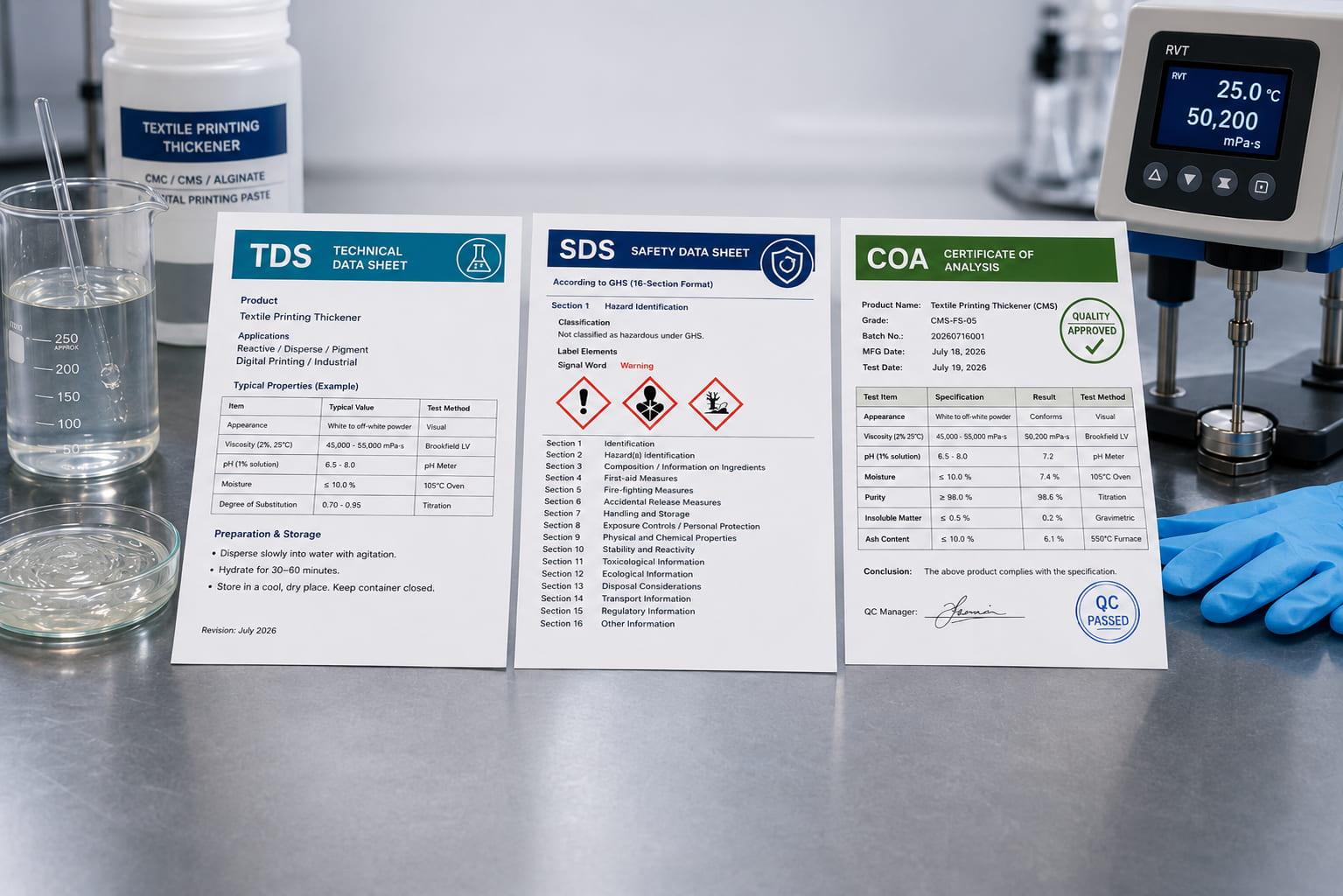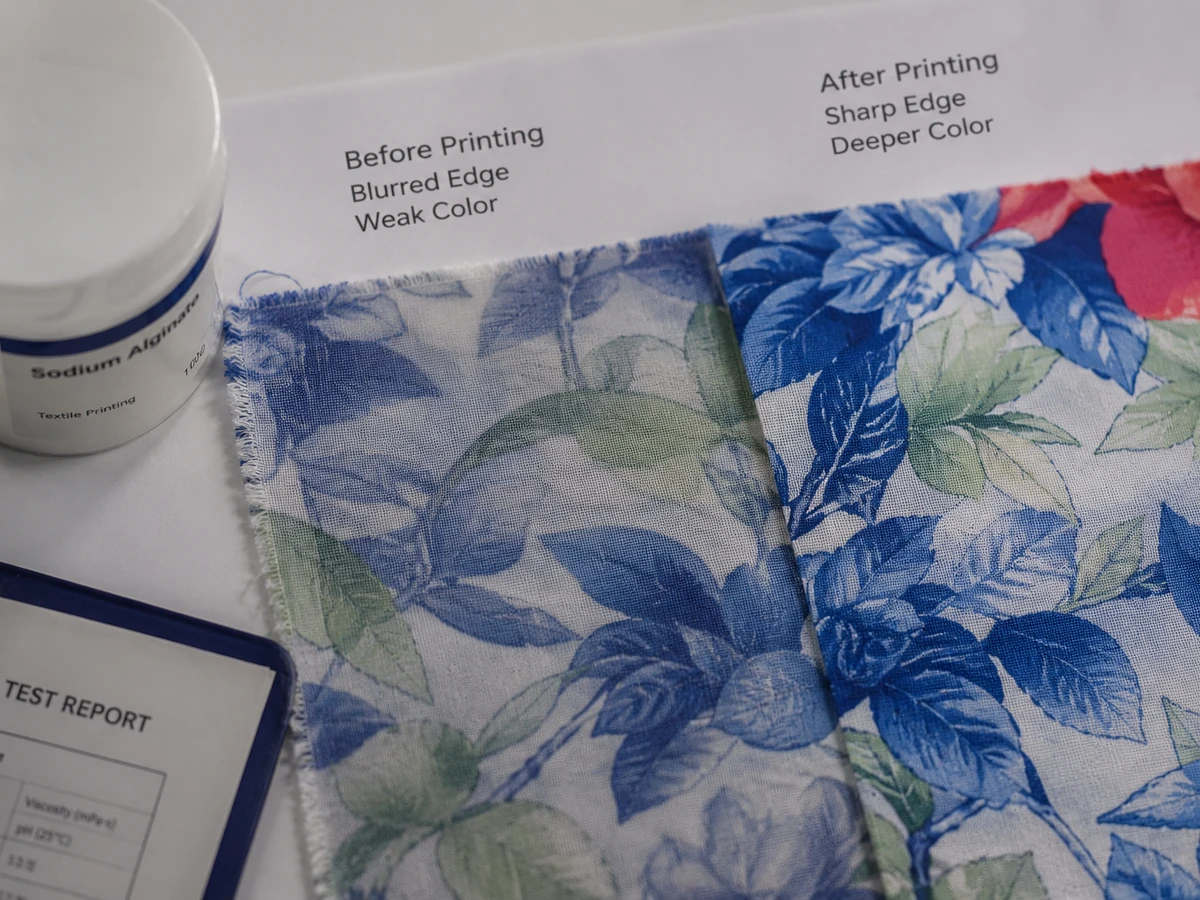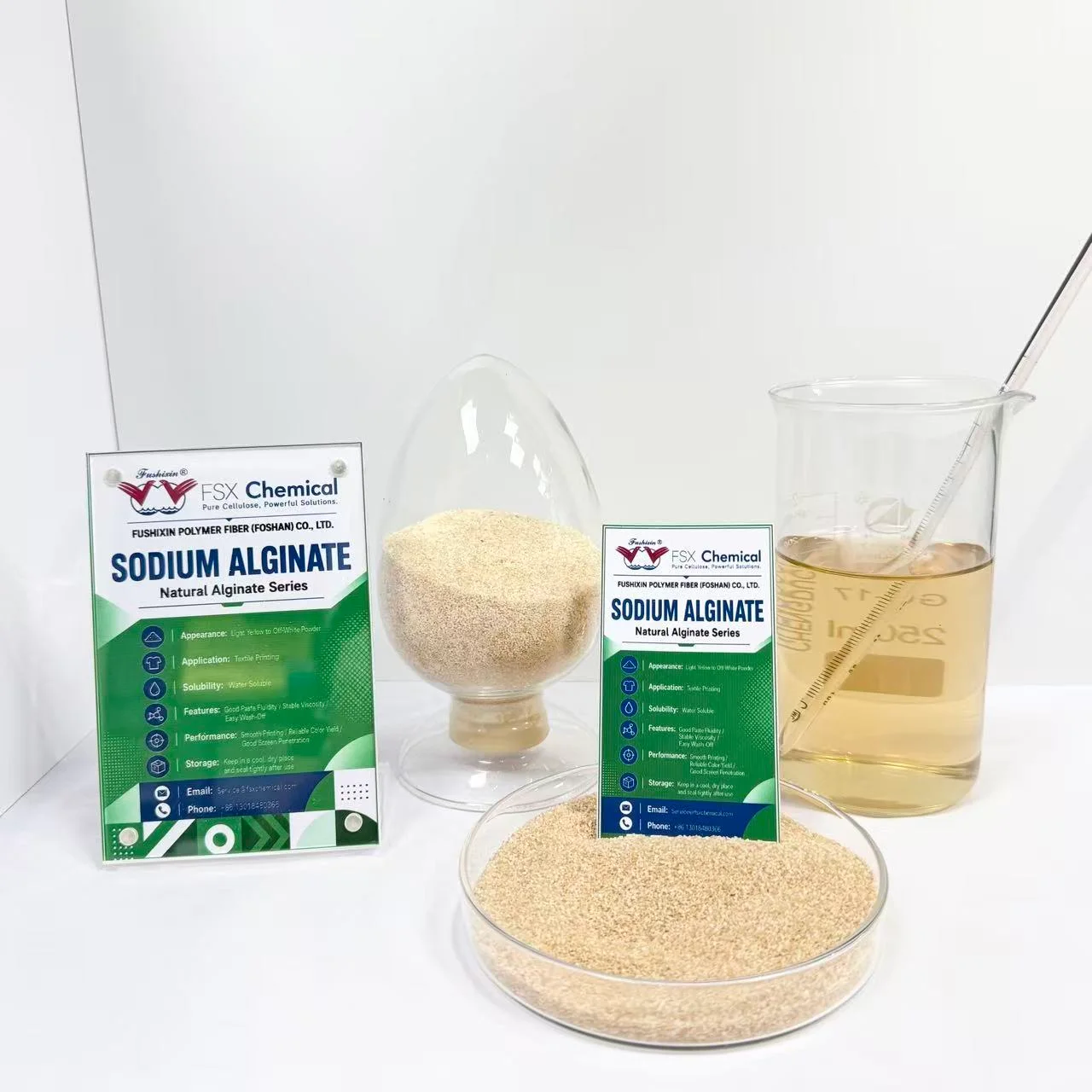
This article takes a different approach from a general “how to choose a supplier” guide. It provides a practical qualification scorecard and onboarding workflow for textile printing buyers who want to move from initial screening to sample approval, trial order, repeat order, and long-term supply evaluation.
Why Supplier Qualification Needs a Structured Scorecard
Price Alone Does Not Show Application Fit
Two suppliers may quote different prices for materials that are not technically equivalent. One grade may use a different viscosity test concentration, another may have a different mesh size, and a third may be intended for a different printing process.
A scorecard helps buyers compare suppliers by the same technical and commercial criteria instead of choosing only by unit price.
One Approved Sample Is Not the Same as Stable Supply
A sample can show whether a grade is a possible match, but it does not by itself prove sample-to-bulk consistency, repeat-order stability, document accuracy, or complaint response capability.
Supplier qualification should therefore continue after the first sample passes.
Certificates Should Be Verified, Not Assumed
If a buyer requires a certificate, restricted-substance statement, customer questionnaire, or third-party report, the buyer should confirm the document name, validity, scope, product coverage, and production-site coverage.
A general company certificate should not automatically be treated as product-specific evidence.
How to Use the Supplier Qualification Scorecard
Use two decisions: first check mandatory approval gates, then score the evidence in the ten areas below. This proposed buyer worksheet is not an accredited certification scheme or an industry-wide pass mark.
Mandatory gates come before the total score
- Identify the proposed grade, approved sample lot and intended fabric, dye system and process.
- Agree test methods and acceptance limits; confirm the sample meets the mill’s finished-print requirements.
- Link the supplied batch to its COA and agreed specification, with a plan to verify sample-to-bulk consistency.
- Resolve required documentation and any critical quality failure before production release.
- Agree who must be notified and who approves changes affecting the qualified product.
A good price, prompt response or high total cannot compensate for a failed critical gate. A missing gate record remains pending; it is not a pass. Limited trial approval authorizes only the defined trial quantity and conditions, not unrestricted production use.
Separate missing evidence from demonstrated failure
| Rating | Meaning | Required record |
|---|---|---|
| Pending | Evidence has not been obtained or reviewed | Required document or test, owner and due date |
| 0 | Reviewed evidence fails the agreed requirement | Failure and corrective action |
| 1 | Reviewed evidence is partial or unresolved | Remaining gap and verification method |
| 2 | Requirement met, with non-critical follow-up | Acceptance basis and follow-up |
| 3 | Requirement met with clear, current evidence | Record reference, revision and reviewer |
| Not applicable | Area genuinely outside the agreed scope | Reason and buyer approval; never use this to waive a critical gate |
Report the score as points achieved out of three times the number of rated applicable areas. Separately report evidence coverage: rated applicable areas divided by all applicable areas. Ten rated areas give a maximum of 30; pending areas must remain visible rather than silently disappearing from the decision. Do not rank suppliers with materially different scopes or evidence coverage as if their totals were directly comparable.
Scorecard Section 1: Application and Grade Matching
Does the Supplier Ask About the Actual Printing Process?
A suitable supplier should ask whether the sodium alginate will be used in reactive printing paste, flat screen printing, rotary screen printing, digital printing pretreatment, laboratory evaluation, or another process.
A recommendation based only on the phrase “textile-grade sodium alginate” may be too broad.
Does the Supplier Review Fabric and Dye Conditions?
Fabric type, dye system, auxiliaries, salts, pH, water quality, paste concentration, and preparation method can affect the final result.
The supplier does not need to know every proprietary formulation detail, but it should request enough information to avoid recommending an unrelated grade.
Can the Supplier Match a Current Product?
If the buyer is replacing an existing material, the supplier should be able to review the current TDS, COA, viscosity method, dosage, and observed production problems.
A replacement recommendation should be presented as a starting point for testing, not as an automatic one-to-one substitute.
Can the Supplier Explain Why a Grade Is Recommended?
A useful recommendation should connect the grade to measurable factors such as viscosity range, dissolution behavior, mesh size, filtration, paste smoothness, and application conditions.
Statements such as “best grade” or “high performance” are not enough without technical reasoning.
Scorecard Section 2: Test Method Alignment
Is the Viscosity Test Method Fully Stated?
The supplier should provide the test concentration, temperature, instrument or method, unit, and standing time before measurement.
Without these details, viscosity values may not be comparable across suppliers.
Can the Buyer Reproduce the Method?
A practical test method should be clear enough for the buyer’s laboratory or third-party laboratory to reproduce.
If the buyer uses a different internal method, both sides should record the difference rather than assume the values are interchangeable.
Are Other Test Methods Defined?
Parameters such as moisture, pH, mesh size, insoluble matter, or filtration should be linked to a stated method where they are used for acceptance.
A specification without a method may create disputes later.
Scorecard Section 3: Sample Approval Quality
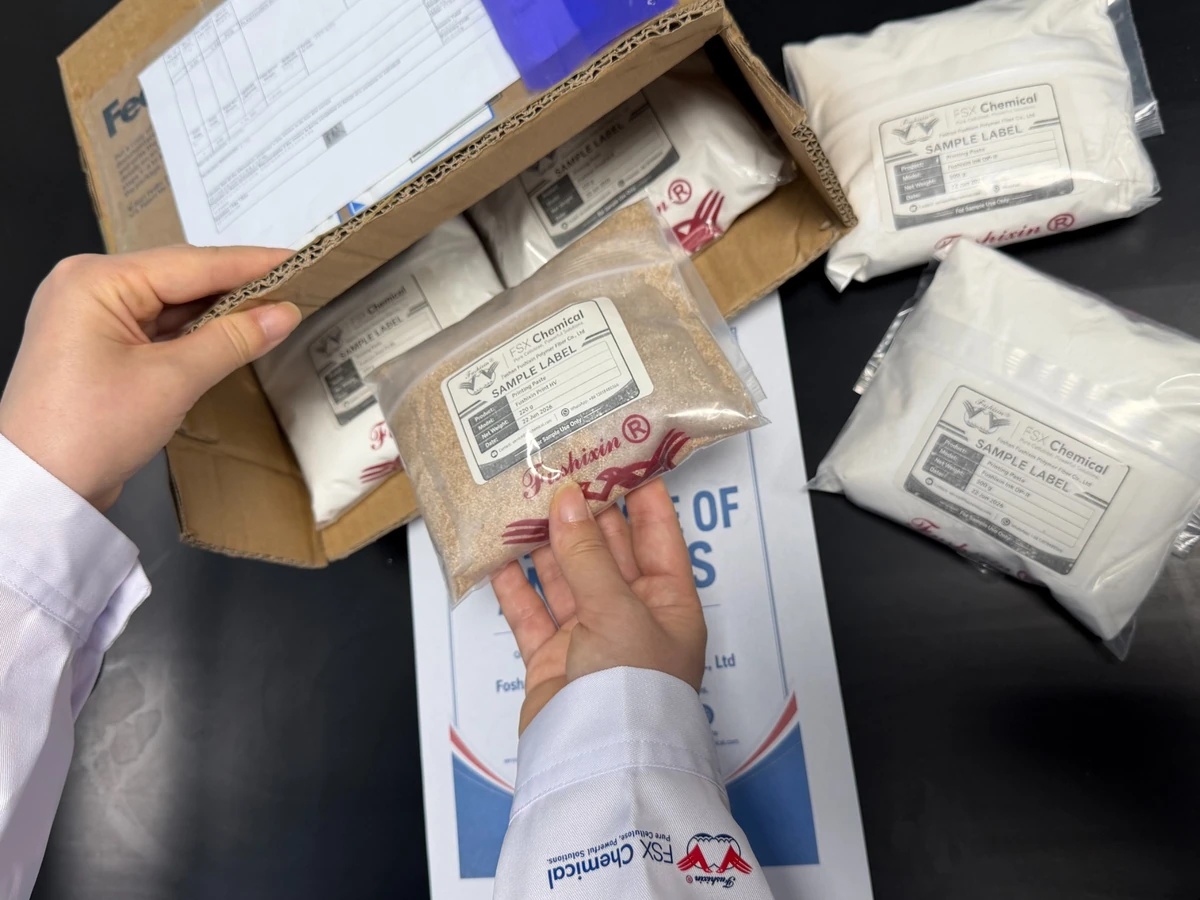
Is the Sample Clearly Identified?
The sample should include the supplier name, grade name, sample date, and batch number where applicable.
The quoted commercial product should match the sample identity.
Is the Sample Tested Under Controlled Conditions?
The buyer should use the same water source, concentration, powder addition method, mixer, mixing time, standing time, filtration method, and viscosity procedure for all compared samples.
This helps distinguish raw material differences from preparation differences.
Is the Sample Compared with the Current Product?
A side-by-side comparison can include dissolution, lump formation, paste smoothness, viscosity development, filtration behavior, screen passing, printing behavior, and final production suitability.
Are the Approval Criteria Written?
The buyer should record which results are required for approval. A sample should not be marked “approved” only because it appears acceptable in one informal test.
Scorecard Section 4: Sample-to-Bulk Consistency
Does the Supplier Link the Sample to a Commercial Grade?
The approved sample should correspond to a defined product grade and specification range.
The purchase order should reference the approved grade, packaging, COA requirements, and any agreed sample reference.
Is the Bulk Specification a Range Rather Than One Point?
Commercial production normally follows an agreed specification range. Buyers should understand the acceptable range and test method rather than expect every batch to match one sample value exactly.
Can the Supplier Provide a Batch-Specific COA?
The COA should relate to the supplied batch and show the actual results of the agreed parameters.
For repeat orders, the buyer can review COA trends to identify large unexplained changes.
Scorecard Section 5: Batch Traceability
Are Batch Numbers Used Consistently?
Batch information should appear consistently on the product label, COA, and shipment records where applicable.
Can the Supplier Trace a Complaint to a Production Batch?
If a problem occurs, the supplier should be able to use the batch number to review production and quality records.
Are Retained Samples Available?
Buyers can ask whether retained samples are kept and how long they are normally stored. Retained samples may support later investigation when a shipment issue is reported.
Scorecard Section 6: Change Control
Does the Supplier Notify Buyers Before Significant Changes?
Buyers should discuss whether the supplier provides notice before changing the product grade, production route, specification, packaging, label, or other agreed supply conditions.
The exact notification scope should be defined by agreement rather than assumed.
Can the Buyer Request Requalification?
If a significant change may affect application performance, the buyer may need a new sample, updated TDS, or additional testing before accepting the changed material.
Are Document Revisions Controlled?
TDS, SDS, specifications, and labels should show a revision date or version where applicable. Buyers should avoid using outdated documents during approval.
Scorecard Section 7: Complaint Handling
Does the Supplier Request Useful Evidence?
Does the Supplier Separate Product and Process Causes?
Problems such as lumps, viscosity drift, filtration residue, or screen blocking may come from raw material variation, water quality, preparation method, formulation compatibility, or scale-up conditions.
A useful investigation should review both product and process factors.
Is the Corrective Action Documented?
If a confirmed issue is found, buyers should ask how the supplier records the cause, correction, preventive action, and follow-up verification.
Scorecard Section 8: Technical Response Capability
Can the Supplier Explain Preparation Variables?
The supplier should be able to discuss powder addition, dispersion, hydration, standing time, filtration, water quality, pH, and viscosity testing.
Does the Supplier Avoid Unsupported Guarantees?
A responsible supplier should not guarantee color fastness, zero clogging, perfect pattern definition, or compliance approval without reviewing the full process and supporting evidence.
Can the Supplier Support a Structured Trial?
Useful support may include a suggested comparison method, sample identification, TDS, COA, SDS where applicable, and follow-up questions based on the buyer’s test results.
Scorecard Section 9: Packaging and Shipment Readiness
Does the Packaging Match the Buyer’s Operation?
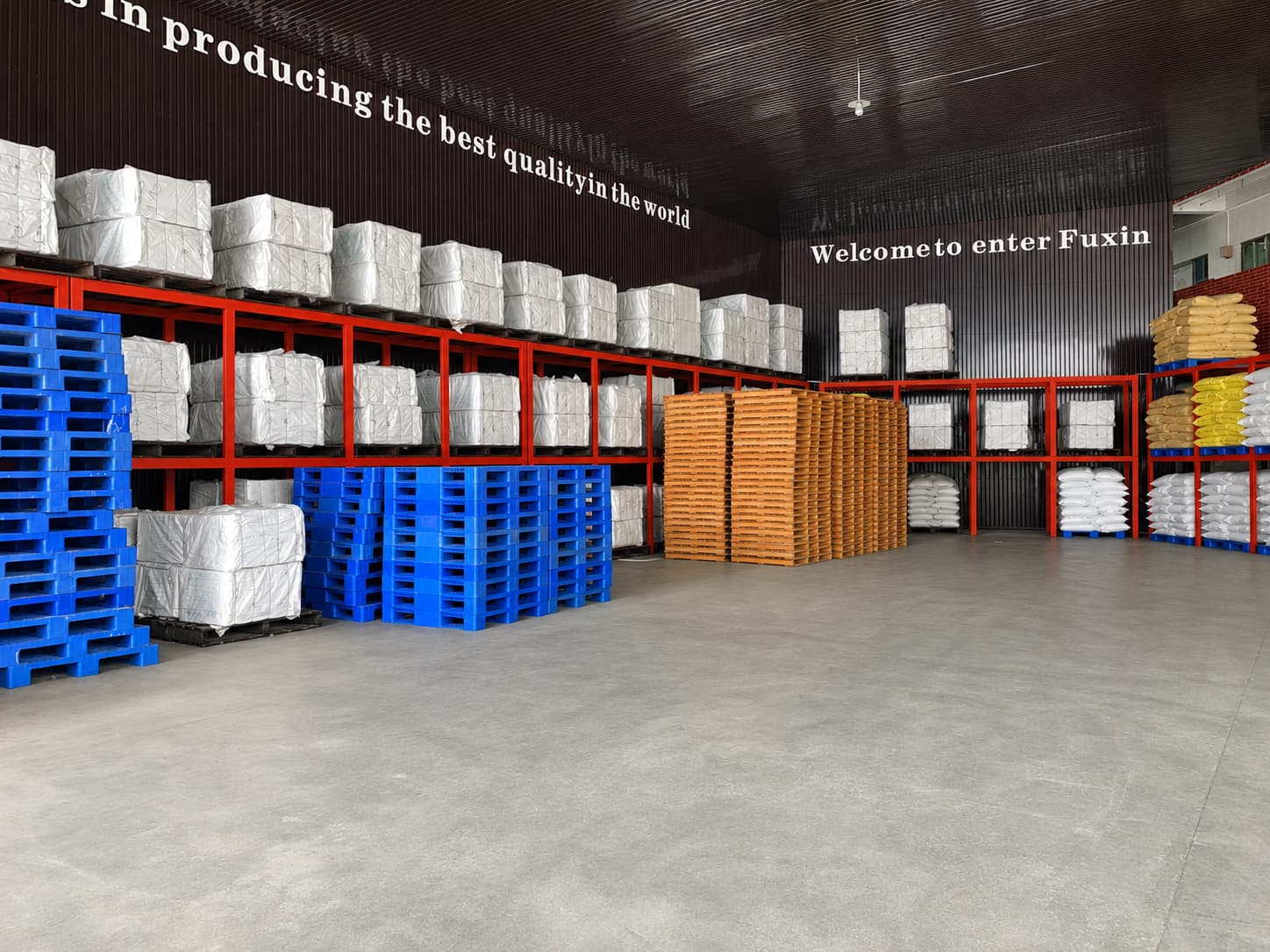
The buyer should confirm net weight, bag type, liner, pallet preference, moisture protection, label language, and warehouse restrictions.
Are Labels Complete and Consistent?
Common label items may include product name, grade, batch number, net weight, production date, storage guidance, supplier details, and country-of-origin information where required.
Can the Supplier Provide the Required Export Documents?
The document list may include commercial invoice, packing list, COA, SDS, origin document, inspection support, or other shipment paperwork depending on the destination and transaction.
These requirements should be confirmed before the order is finalized.
Scorecard Section 10: Commercial and Supply Readiness
Are MOQ and Trial Order Options Clear?
The buyer should separate sample quantity, trial order quantity, and expected repeat order quantity.
Are Incoterms and Named Places Stated?
Quotations should use a clear Incoterm and named place or port so that responsibility and freight scope can be compared correctly.
Are Payment Terms and Quotation Validity Clear?
The quotation should state currency, payment method, validity, and any additional charges or conditions.
Is the Current Production and Shipment Estimate Confirmed?
Buyers should request a current estimate for the quoted quantity and packaging rather than relying on a general promise.
Copyable Supplier Qualification Scorecard
Create one record for each supplier, named grade and intended application. For every row, retain the rating, evidence reference and date, reviewer, unresolved action, action owner and due date.
| Area | Evidence to attach |
|---|---|
| 1. Application and grade matching | Written application scope and candidate grade identity |
| 2. Test method alignment | Viscosity concentration basis, water, preparation, instrument, spindle, speed, temperature and acceptance limits |
| 3. Sample approval | Sample lot, trial recipe, fabric and finished-print evaluation |
| 4. Sample-to-bulk consistency | First-batch comparison and agreed release procedure |
| 5. Batch traceability | COA, label and batch references that identify the same delivered material |
| 6. Change control | Notification scope, document revisions and approval responsibility |
| 7. Complaint handling | Retained-sample procedure, investigation route and response responsibilities |
| 8. Technical response | Relevant test interpretation and documented answers to application questions |
| 9. Packaging and shipment | Agreed packaging, labels, storage instructions and required shipment documents |
| 10. Commercial and supply readiness | Agreed order terms, lead-time assumptions and continuity arrangements |
Decision record: list each mandatory gate as passed, failed or pending; record rated points, evidence coverage and outstanding actions separately. Select a status of not approved, pending evidence, limited trial approved or production approved. Record the approver, date and scope, including any batch or quantity restriction. There is no universal numerical threshold that makes a supplier safe to approve.
After an agreed change or a material complaint, reopen the affected checks rather than reusing an old total. For an initial comparison, send the application requirements and current test method through sample matching.
Suggested Supplier Onboarding Workflow
Stage 1: Document Screening
Review the supplier profile, proposed grade, TDS, test methods, sample identity, SDS where applicable, packaging details, and commercial terms.
Stage 2: Laboratory Sample Testing
Test the sample against the current product under controlled conditions and record the result.
Stage 3: Trial Order
Confirm that the trial shipment matches the approved grade, specification, packaging, COA, and label requirements.
Stage 4: Production Evaluation
Review performance in the actual production process, including paste preparation, filtration, printing behavior, and internal quality control.
Stage 5: Repeat-Order Review
Compare COAs, batch performance, document accuracy, complaint response, and shipment consistency over more than one order.
Stage 6: Long-Term Supplier Approval
Approve the supplier only after the technical, quality, commercial, packaging, and communication requirements have been reviewed together.

How FSX Chemical Supports Supplier Qualification
পরবর্তী পদক্ষেপ
- Define Your Application — provide printing process, fabric, dye system, current product, target viscosity, and main production concern.
- Align the Test Method — confirm concentration, temperature, instrument method, unit, and standing time.
- Request TDS, COA and SDS — verify that the documents match the proposed grade.
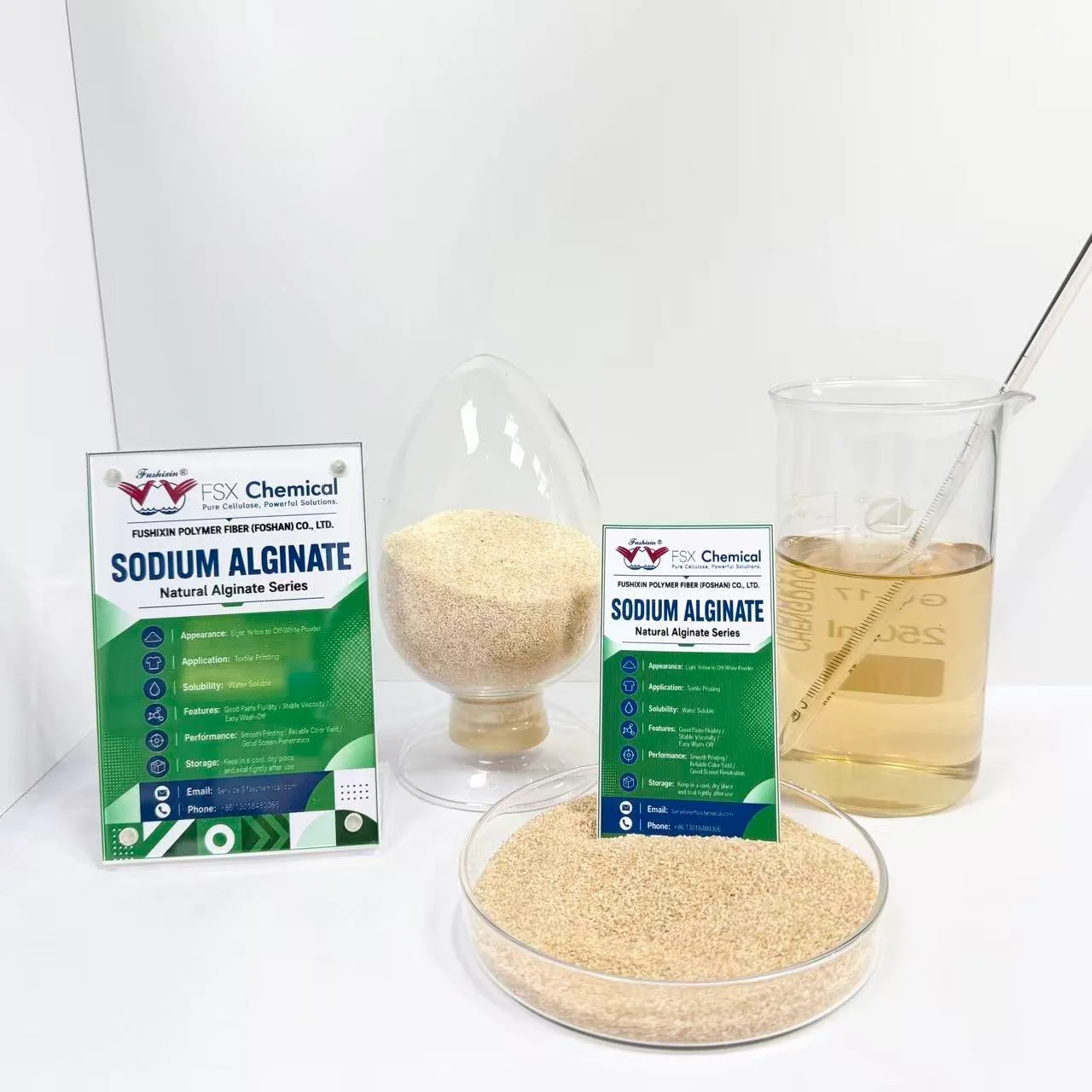
- Request an Identified Sample — confirm grade name, sample reference, and batch information where applicable.
- একটি নিয়ন্ত্রিত তুলনা পরিচালনা করুন — test the sample against the current product under the same conditions.
- Approve the Trial Order — link the approved sample to the specification, packaging, label, COA, and purchase order.
- Review Repeat Orders — compare batch data, application performance, document accuracy, and supplier response.
- Confirm Change Control — define when the supplier should notify you about material, specification, document, or packaging changes.
- আমাদের প্রযুক্তিগত দলের সাথে যোগাযোগ করুন — send your qualification requirements to 📧 ইমেইল: Service@fsxchemical.com