এই গাইডটি ব্যাখ্যা করে কীভাবে টেক্সটাইল প্রিন্টিং ক্রেতারা স্পেসিফিকেশন পর্যালোচনা, নমুনা পরীক্ষা এবং বাল্ক অর্ডারের প্রয়োজনীয়তা নিশ্চিত করার মাধ্যমে টেক্সটাইল প্রিন্টিং অ্যাপ্লিকেশনের জন্য বিশেষ সোডিয়াম অ্যালজিনেট মূল্যায়ন করতে পারেন।.
টেক্সটাইল প্রিন্টিংয়ে বিশেষ সোডিয়াম অ্যালজিনেটের গুরুত্ব
প্রিন্টিং পেস্টের জন্য স্থিতিশীল সান্দ্রতা প্রয়োজন।
টেক্সটাইল প্রিন্টিং পেষ্টে সান্দ্রতা প্রস্তুতি, প্রয়োগের হ্যান্ডলিং, স্ক্রিন পারাপার এবং প্যাটার্ন নিয়ন্ত্রণকে প্রভাবিত করে। যদি প্রক্রিয়ার জন্য সান্দ্রতা খুব কম বা খুব বেশি হয়, তাহলে কারখানাকে ফর্মুলেশন বা পরীক্ষার পদ্ধতি সামঞ্জস্য করতে হতে পারে।.
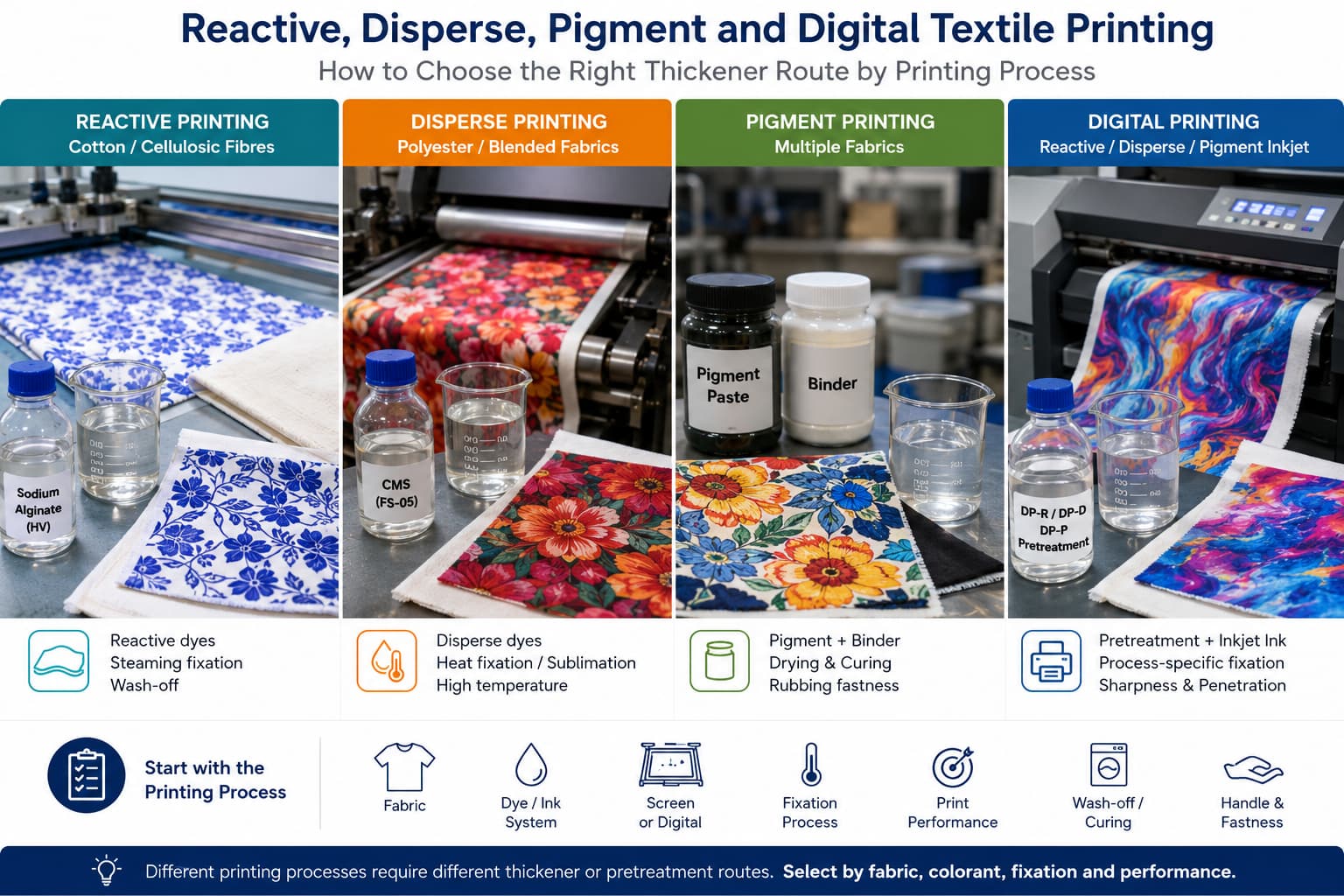
প্রিন্টিং প্রক্রিয়া, লক্ষ্য পেস্টের সান্দ্রতা, কাপড়ের ধরন, রঞ্জক ব্যবস্থা এবং উৎপাদন শর্ত অনুযায়ী উপযুক্ত সোডিয়াম অ্যালজিনেট গ্রেড নির্বাচন করা উচিত।.
দ্রবণ এবং পেস্টের মসৃণতা উৎপাদন হ্যান্ডলিংকে প্রভাবিত করে।
সান্দ্রতার পাশাপাশি দ্রবণীয়তার আচরণও গুরুত্বপূর্ণ। অসমভাবে হাইড্রেট হওয়া সোডিয়াম অ্যালজিনেট গ্রেড গুটি, পেস্টের মসৃণতার অভাব বা ফিল্ট্রেশনে অসুবিধা সৃষ্টি করতে পারে।.
ক্রেতাদের উচিত তাদের নিজস্ব পানির গুণমান, নাড়ানোর পদ্ধতি, প্রস্তুতি সময় এবং ফর্মুলেশন শর্তের অধীনে পণ্যটি কীভাবে দ্রবীভূত হয় তা পরীক্ষা করা।.
বিভিন্ন প্রয়োগের জন্য বিভিন্ন গ্রেড প্রয়োজন হতে পারে।
প্রতিটি মুদ্রণ প্রক্রিয়ার জন্য একক কোনো সোডিয়াম অ্যালজিনেট গ্রেড নেই। কিছু ক্রেতাকে রিঅ্যাক্টিভ প্রিন্টিং পেস্টের জন্য একটি গ্রেড প্রয়োজন হতে পারে, আবার অন্যরা পেস্টের স্থিতিশীলতা, সহজে দ্রবীভূত হওয়া বা উৎপাদনের সময় মসৃণ হ্যান্ডলিংয়ের ওপর গুরুত্ব দিতে পারে।.
এই কারণে, পণ্য নির্বাচন সাধারণ দাবি যেমন “উচ্চ কর্মক্ষমতা” বা “সেরা মান” এর পরিবর্তে প্রয়োগের প্রয়োজনীয়তার উপর ভিত্তি করে হওয়া উচিত।”
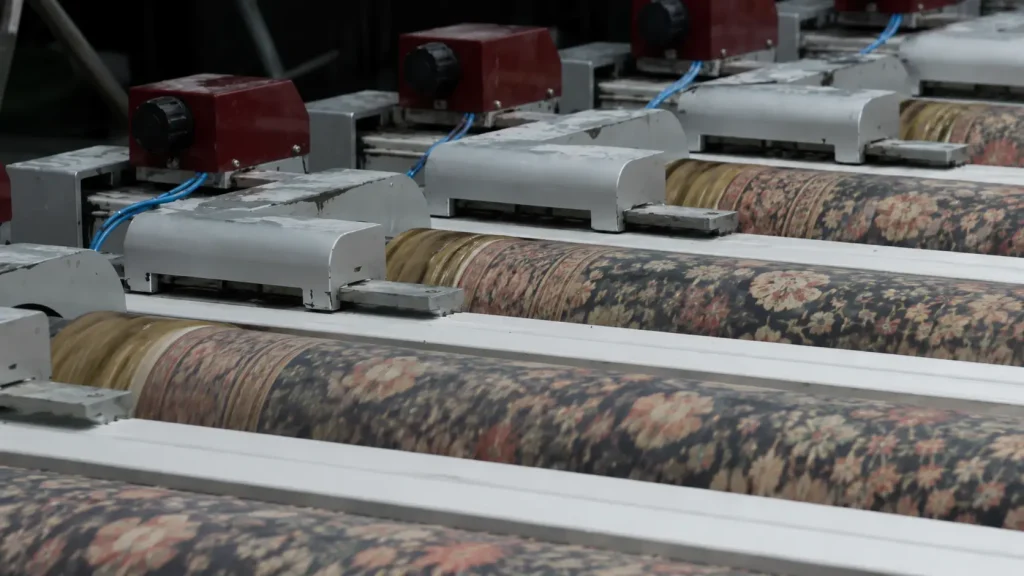
বিশেষ সোডিয়াম অ্যালজিনেটের প্রধান প্রয়োগ ক্ষেত্রসমূহ
প্রতিক্রিয়াশীল বস্ত্র মুদ্রণ পেষ্ট
সুপারিশকৃত গ্রেডটি বাল্ক ক্রয়ের আগে ক্রেতার নিজস্ব ফর্মুলেশনে পরীক্ষা করা উচিত।.
স্ক্রিন প্রিন্টিং এবং রোটারি প্রিন্টিং পেষ্ট প্রস্তুতি
স্ক্রিন প্রিন্টিং এবং রোটারি প্রিন্টিং প্রয়োগের জন্য পেস্টের মসৃণতা, ফিল্ট্রেশন আচরণ এবং সান্দ্রতার স্থিতিশীলতা গুরুত্বপূর্ণ। যদি পেস্ট যথেষ্ট মসৃণ না হয় বা এতে অদ্রবীভূত কণা থাকে, তাহলে এটি উৎপাদনের হ্যান্ডলিংয়ে প্রভাব ফেলতে পারে।.
ক্রেতাদের উচিত বাস্তব প্রস্তুতি ও প্রয়োগের শর্তে সোডিয়াম অ্যালজিনেটের গ্রেড মূল্যায়ন করা।.
নমুনা উন্নয়ন এবং বাল্ক উৎপাদনের সামঞ্জস্য
নমুনা উন্নয়নের সময়, ছোট পরিসরের পরীক্ষায় একটি সোডিয়াম অ্যালজিনেট গ্রেড উপযুক্ত মনে হতে পারে। তবে, বৃহৎ উৎপাদনের শর্তগুলি পরীক্ষাগারের প্রস্তুতির থেকে ভিন্ন হতে পারে।.
ভলিউম অর্ডার নিশ্চিত করার আগে, ক্রেতাদের উচিত অনুমোদিত নমুনা এবং বাল্ক চালান একই স্পেসিফিকেশন পরিসর, প্যাকেজিং মান এবং COA ডেটা প্রয়োজনীয়তা অনুসরণ করবে কিনা তা যাচাই করা।.
ক্রেতাদের পর্যালোচনা করা উচিত মূল স্পেসিফিকেশনসমূহ
সান্দ্রতা গ্রেড এবং পরীক্ষণ পদ্ধতি
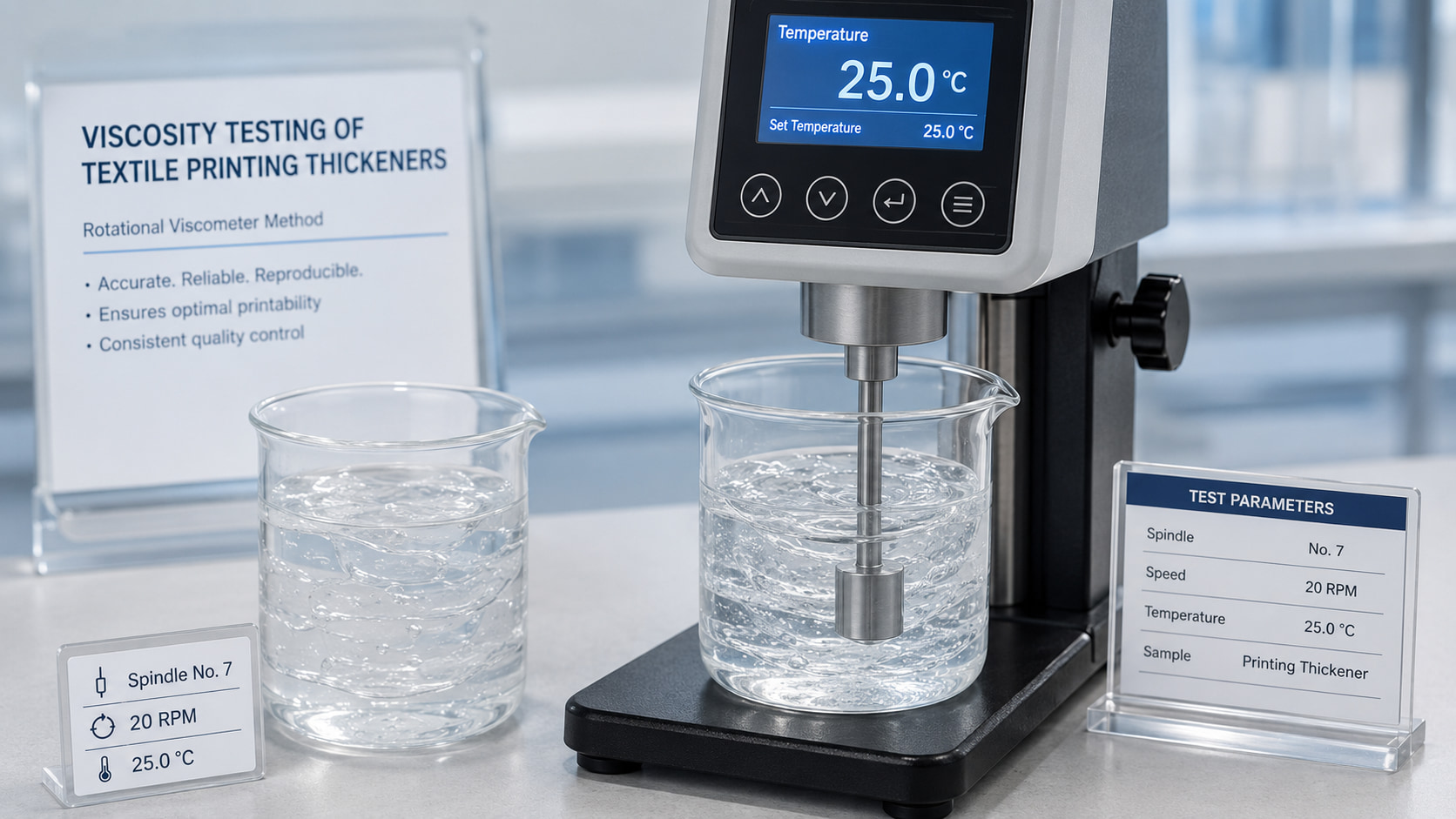
সোডিয়াম অ্যালজিনেটের জন্য সান্দ্রতা অন্যতম গুরুত্বপূর্ণ পরামিতি। তবে সান্দ্রতার তথ্য এককভাবে পর্যালোচনা করা উচিত নয়। ক্রেতাদের পরীক্ষার ঘনত্ব, তাপমাত্রা, যন্ত্রের পদ্ধতি এবং একক যাচাই করা উচিত।.
এই বিবরণগুলি ছাড়া, বিভিন্ন সরবরাহকারীর সান্দ্রতা মানগুলি সরাসরি তুলনীয় নাও হতে পারে।.
জাল আকার এবং দ্রবণীয়তার আচরণ
জালের আকার পেস্ট প্রস্তুতি চলাকালীন ছড়িয়ে যাওয়া এবং জলীয়ীকরণকে প্রভাবিত করতে পারে। সূক্ষ্ম গুঁড়ো কিছু শর্তে দ্রুত দ্রবীভূত হতে পারে, তবে প্রকৃত ফলাফল নাড়ানোর গতি, জলের গুণমান, যোগ করার পদ্ধতি এবং প্রস্তুতির সময়ের ওপরও নির্ভর করে।.
ক্রেতাদের উচিত শুধুমাত্র TDS-এ প্রদর্শিত মেশ সাইজের ওপর নির্ভর না করে তাদের নিজস্ব প্রক্রিয়ায় দ্রবণীয়তার আচরণ পরীক্ষা করা।.
আর্দ্রতা, pH এবং চেহারা
আর্দ্রতা, pH এবং চেহারা মৌলিক কিন্তু গুরুত্বপূর্ণ গুণগত মান নির্দেশক। এগুলো সংরক্ষণ, হ্যান্ডলিং এবং পুনরায় ক্রয়ের সময় গুণগত মান নিয়ন্ত্রণে প্রভাব ফেলতে পারে।.
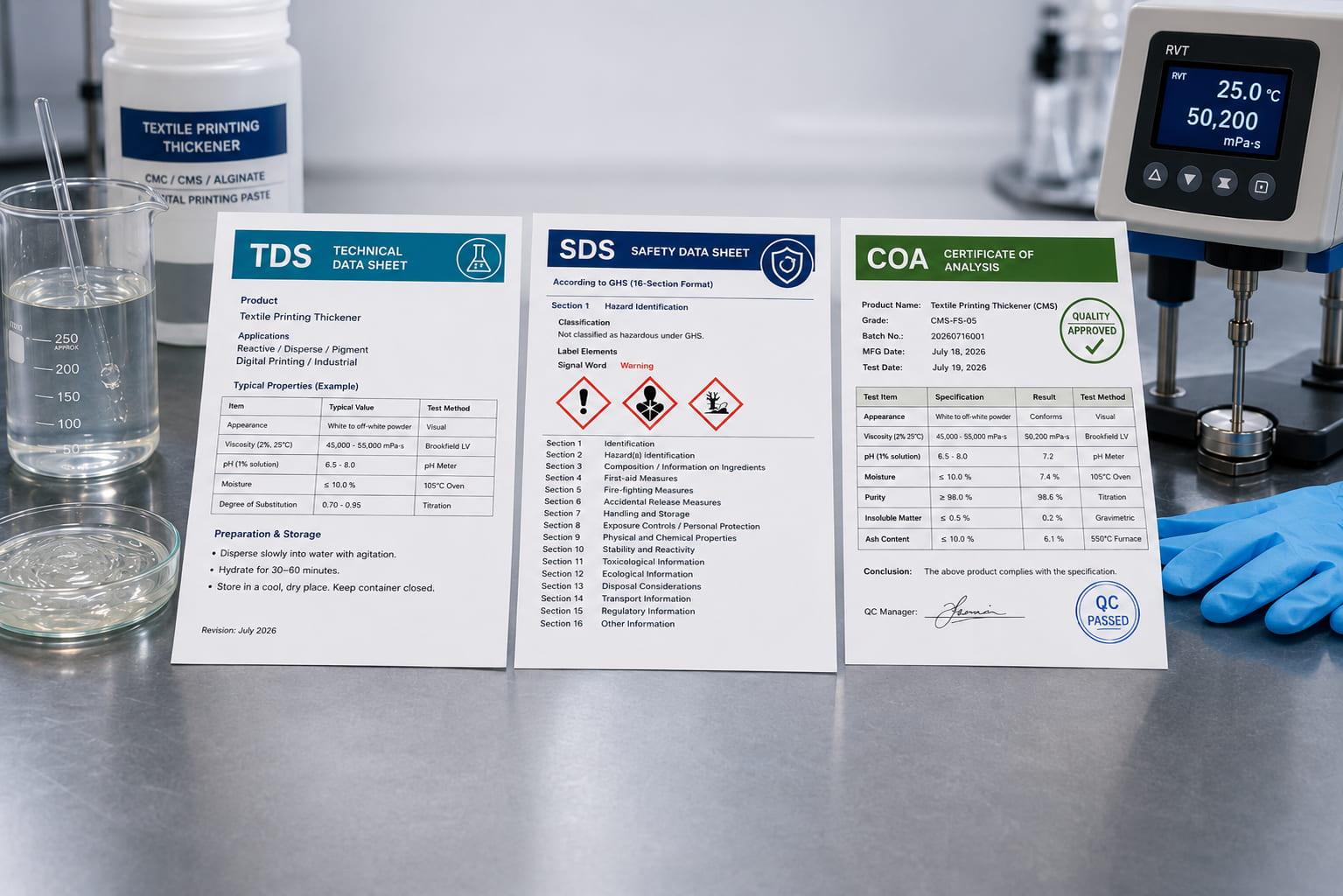
এই পরামিতিগুলো TDS-এ পর্যালোচনা করা উচিত এবং প্রতিটি ব্যাচের জন্য COA ডেটা দ্বারা নিশ্চিত করা উচিত।.
ব্যাচ সামঞ্জস্য এবং COA ডেটা
পুনরায় অর্ডারের ক্ষেত্রে ব্যাচের সামঞ্জস্যতা গুরুত্বপূর্ণ। যদি সান্দ্রতা, আর্দ্রতা বা দ্রবণীয়তার আচরণ ব্যাচগুলোর মধ্যে উল্লেখযোগ্যভাবে পরিবর্তিত হয়, তাহলে ক্রেতাকে আবার ফর্মুলেশন সামঞ্জস্য করতে হতে পারে।.
COA ক্রেতাদের প্রকৃত ব্যাচ তথ্য নিশ্চিত করতে এবং চালানটি সম্মত স্পেসিফিকেশন পরিসরের মধ্যে আছে কিনা তুলনা করতে সাহায্য করে।.
বড় পরিমাণে ক্রয়ের আগে সোডিয়াম অ্যালজিনেট কীভাবে পরীক্ষা করবেন
বাস্তব পেস্ট ফর্মুলেশনে পরীক্ষা
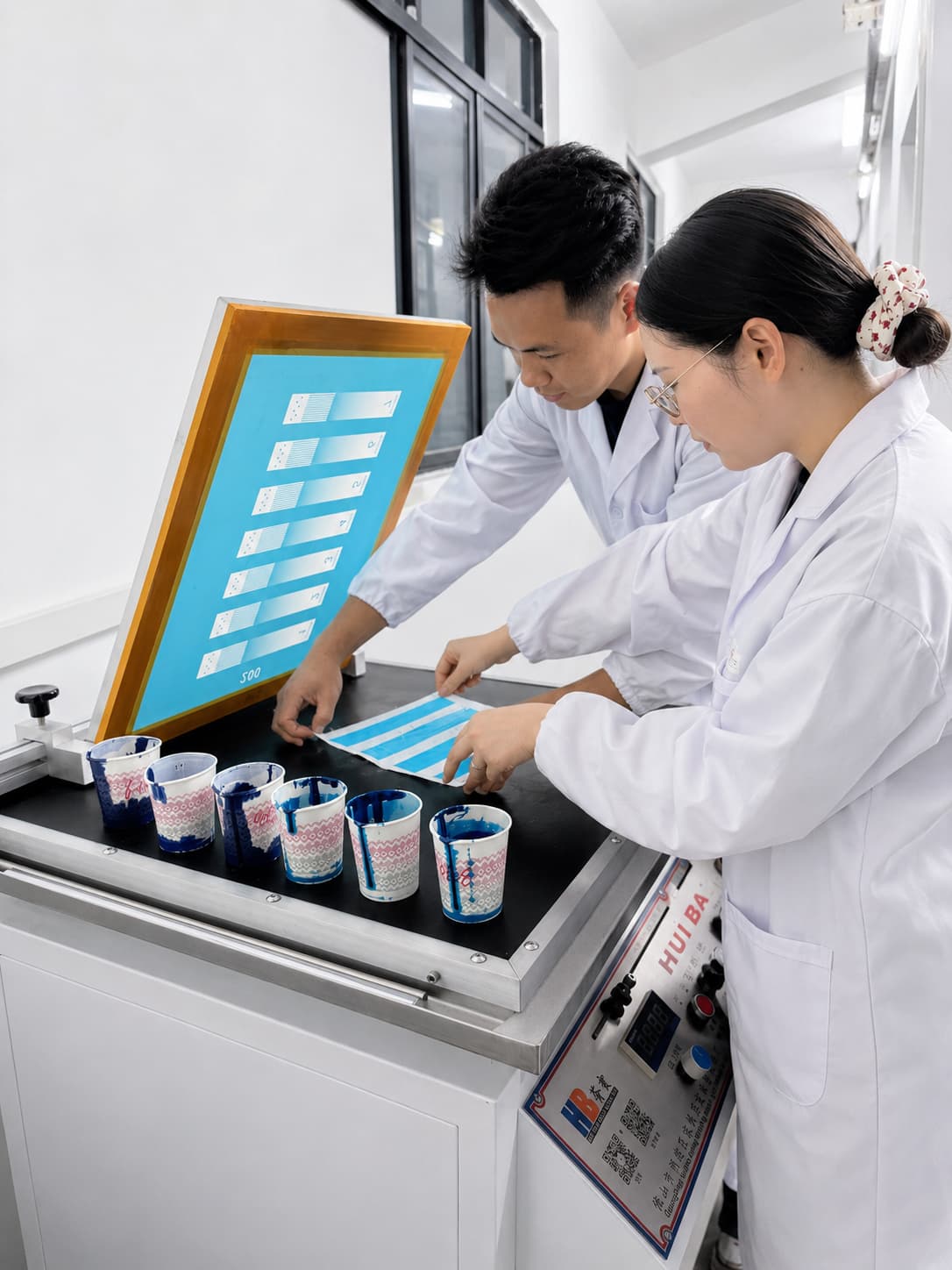
নমুনা পরীক্ষা সম্ভব হলে ক্রেতার নিজস্ব পেষ্ট ফর্মুলেশনেই করা উচিত। রঞ্জক, সহায়ক পদার্থ, পানির গুণমান, pH, নাড়ানোর পদ্ধতি এবং সংরক্ষণকাল—এসবই চূড়ান্ত পেষ্টের আচরণকে প্রভাবিত করতে পারে।.
শুধুমাত্র পরিষ্কার পানিতে পরীক্ষা করলে বাস্তব উৎপাদনের উপযোগিতা নিশ্চিত করার জন্য তা যথেষ্ট নাও হতে পারে।.
ছিকেমন এবং পেস্টের স্থিতিশীলতা পর্যবেক্ষণ করুন
পরীক্ষার সময় ক্রেতাদের দ্রবণীয়তার গতি, পেস্টের মসৃণতা, গাঁট বাঁধা, ফিল্ট্রেশন আচরণ, সান্দ্রতার স্থিতিশীলতা এবং প্রয়োগের সময় হ্যান্ডলিং পর্যবেক্ষণ করা উচিত।.
টেক্সটাইল প্রিন্টিং পেষ্টের ক্ষেত্রে, এই ব্যবহারিক পর্যবেক্ষণগুলো প্রায়ই মৌলিক স্পেসিফিকেশন তথ্যের মতোই গুরুত্বপূর্ণ।.
বাল্ক চালানের সাথে নমুনা অনুমোদন তুলনা করুন
বাল্ক অর্ডার দেওয়ার আগে ক্রেতাদের নিশ্চিত করতে হবে যে অনুমোদিত নমুনা এবং বাল্ক চালান একই সান্দ্রতা পরিসর, মেশ সাইজ, প্যাকেজিং ফরম্যাট, ব্যাচ ট্র্যাকেবিলিটি এবং COA প্রয়োজনীয়তা অনুসরণ করবে।.
এটি নমুনা ও বাল্কের অমিল হওয়ার ঝুঁকি কমাতে সাহায্য করে।.
বিশেষায়িত সোডিয়াম অ্যালজিনেট নির্বাচন করার সময় সাধারণ ভুল
শুধুমাত্র উচ্চ সান্দ্রতার ভিত্তিতে নির্বাচন
উচ্চ সান্দ্রতা গ্রেড সবসময়ই ভালো নয়। উপযুক্ত সান্দ্রতা মুদ্রণ প্রক্রিয়া, ফর্মুলেশনের ঘনত্ব, কাপড়ের ধরন এবং প্রয়োগের চাহিদার ওপর নির্ভর করে।.
ক্রেতাদের উচিত সর্বোচ্চ সান্দ্রতার বিকল্প বেছে নেওয়ার পরিবর্তে প্রকৃত পেষ্ট সিস্টেমের সাথে সামঞ্জস্যপূর্ণ গ্রেড নির্বাচন করা।.
পরীক্ষা পদ্ধতি ছাড়া ডেটা তুলনা
বিভিন্ন ঘনত্ব, তাপমাত্রা বা যন্ত্রের অধীনে পরিমাপকৃত সান্দ্রতা মানগুলো সরাসরি তুলনীয় নাও হতে পারে।.
সরবরাহের তথ্য তুলনা করার আগে ক্রেতাদের জানতে হবে সান্দ্রতা কীভাবে পরীক্ষা করা হয়েছে এবং পরীক্ষার পদ্ধতি তাদের অভ্যন্তরীণ মূল্যায়ন পদ্ধতির সাথে মেলে কিনা।.
নমুনা থেকে বাল্ক সামঞ্জস্য উপেক্ষা করা
এটি বিশেষ করে সেইসব বিতরণকারী ও কারখানার জন্য গুরুত্বপূর্ণ, যেগুলো স্থিতিশীল পুনরাবৃত্তি অর্ডার প্রয়োজন।.
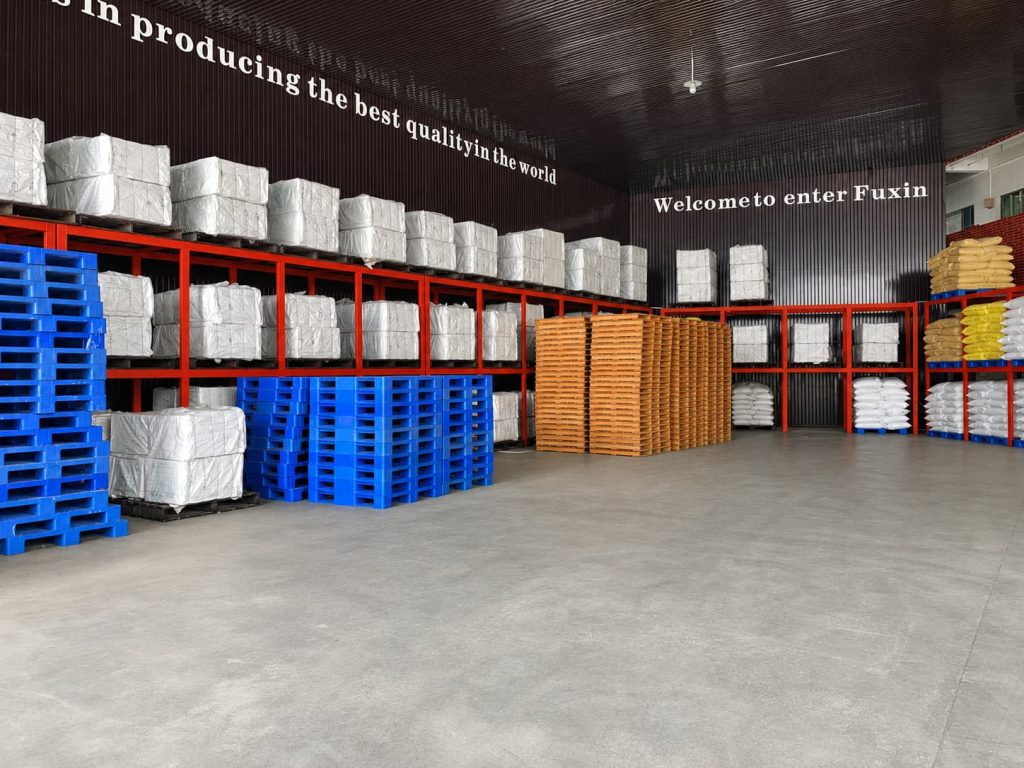
FSX কেমিক্যাল কীভাবে সোডিয়াম অ্যালজিনেট গ্রেড মিলানোর ক্ষেত্রে সহায়তা করে
আমরা শুধুমাত্র সাধারণ দাবি, পণ্যের নাম বা দামের ভিত্তিতে সোডিয়াম অ্যালজিনেট নিশ্চিত করার পরামর্শ দিই না। প্রস্তাবিত গ্রেডটি প্রযুক্তিগত নথিগুলি পর্যালোচনা করে এবং বৃহৎ পরিমাণে ক্রয়ের আগে ক্রেতার নিজস্ব ফর্মুলেশনে পরীক্ষা করে দেখা উচিত।.
পরবর্তী পদক্ষেপ
- টিডিএস অনুরোধ করুন — সান্দ্রতার পরিসর, মেশ সাইজ, pH, আর্দ্রতা, চেহারা, সংরক্ষণ শর্ত এবং পরীক্ষার পদ্ধতি পর্যালোচনা করুন।.
- একটি COA অনুরোধ করুন — চালানের আগে ব্যাচের ডেটা সম্মত স্পেসিফিকেশন পরিসরের সাথে মেলে কিনা তা নিশ্চিত করুন।.
- গ্রেড মিলানোর জন্য অনুরোধ করুন — আপনার মুদ্রণ প্রক্রিয়া, কাপড়ের ধরন, লক্ষ্য সান্দ্রতা, বর্তমান ফর্মুলেশন এবং (যদি থাকে) বিদ্যমান পণ্যের গ্রেড শেয়ার করুন।.
- নমুনা অনুরোধ করুন বড় অর্ডার নিশ্চিত করার আগে আপনার নিজস্ব পেষ্ট প্রস্তুতি এবং মুদ্রণ শর্তে প্রস্তাবিত সোডিয়াম অ্যালজিনেট গ্রেড পরীক্ষা করে দেখুন।.
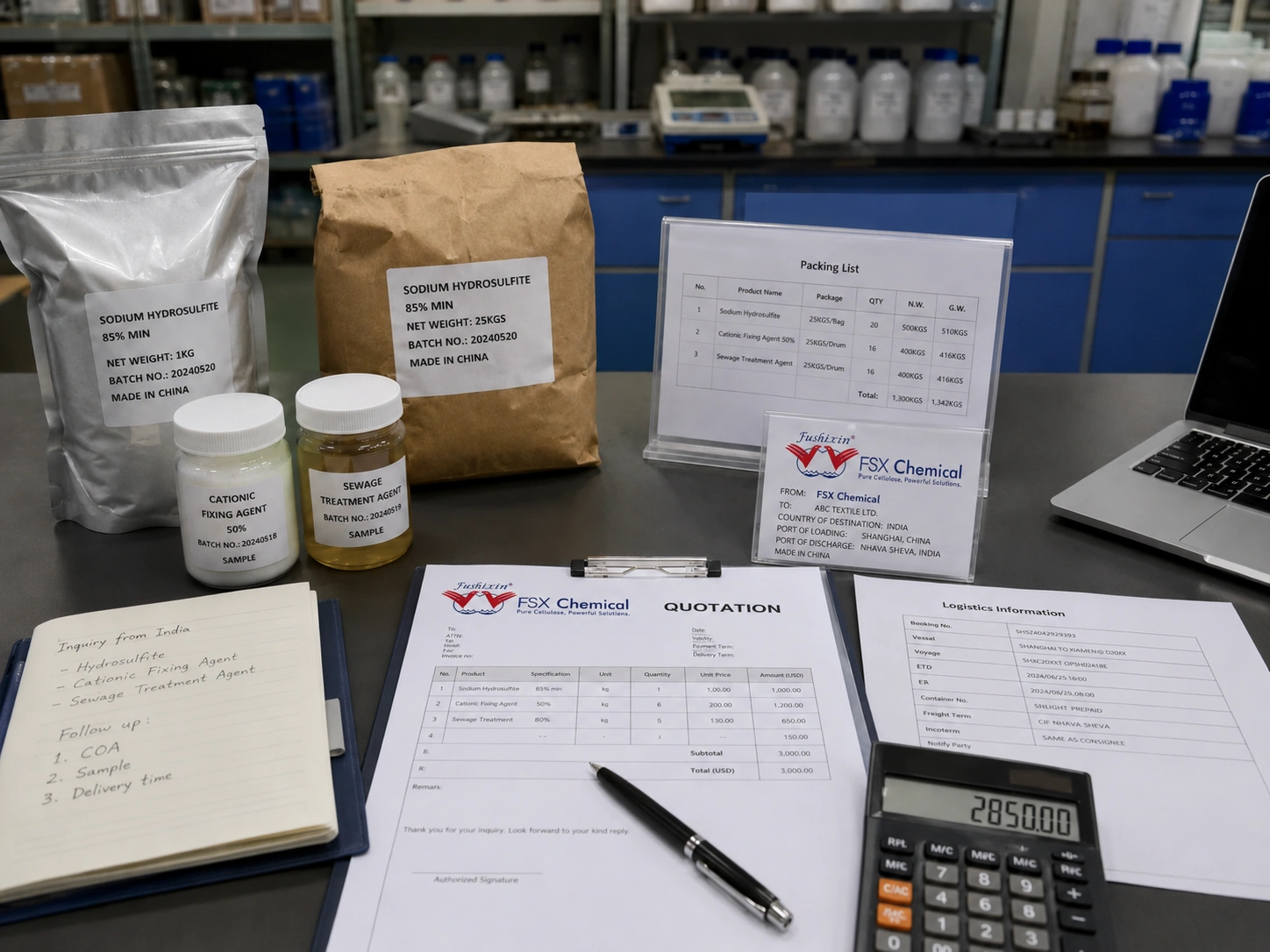
- প্যাকেজিং এবং রপ্তানি নথিগুলি নিশ্চিত করুন — চালানের আগে ব্যাগের আকার, লেবেল, ব্যাচের ট্রেসেবিলিটি, এসডিএস, চালানপত্র, প্যাকিং তালিকা এবং অন্যান্য প্রয়োজনীয় নথি পরীক্ষা করুন।.
- আমাদের প্রযুক্তিগত দলের সাথে যোগাযোগ করুন — আপনার টেক্সটাইল প্রিন্টিং প্রয়োগের জন্য কোন বিশেষ ধরনের সোডিয়াম অ্যালজিনেট গ্রেড উপযুক্ত হবে তা আলোচনা করুন📧 ইমেইল: Service@fsxchemical.com