














Why Textile Printing Buyers Source Cellulose Derivatives Together
Related Products Often Appear in the Same Procurement Plan
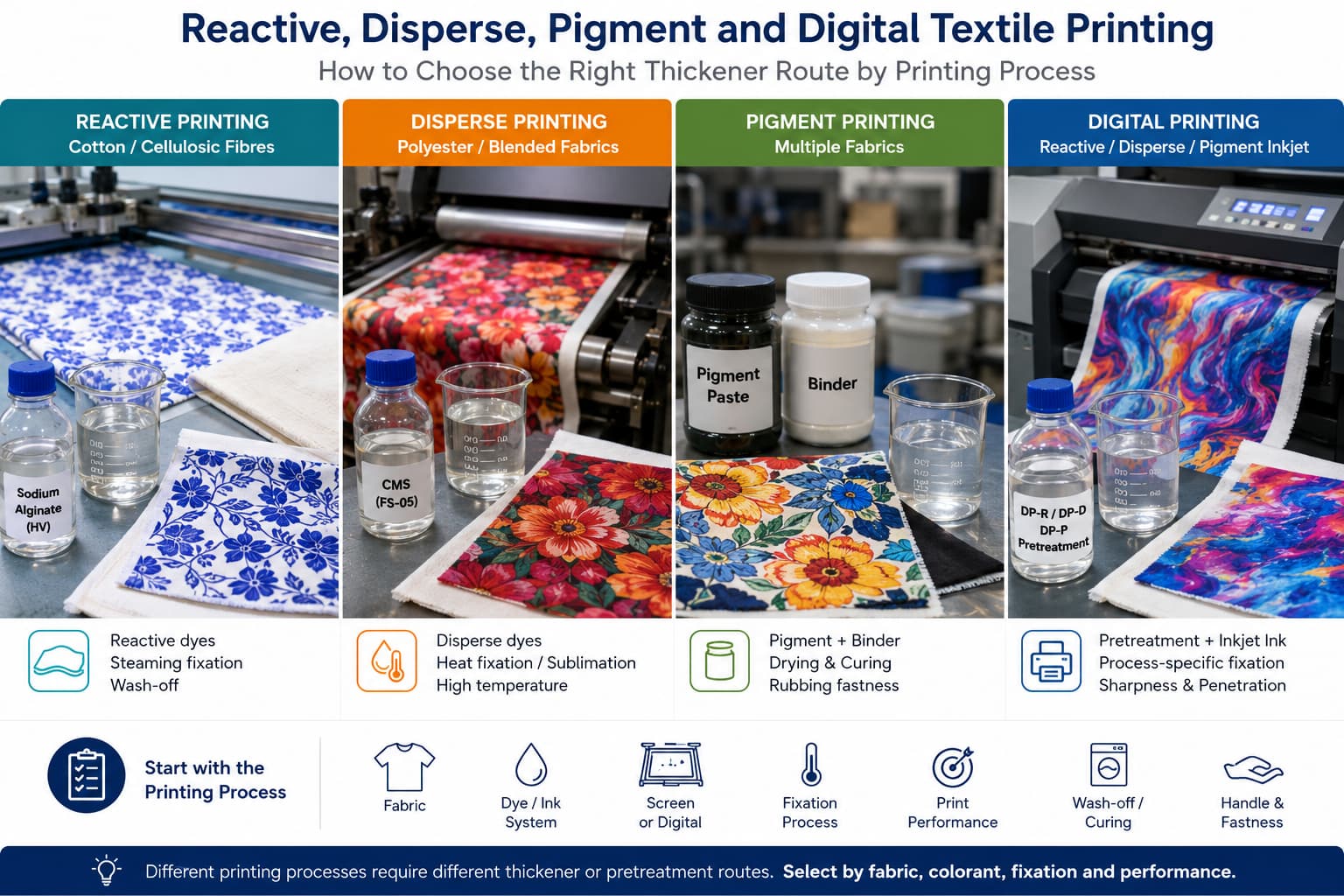
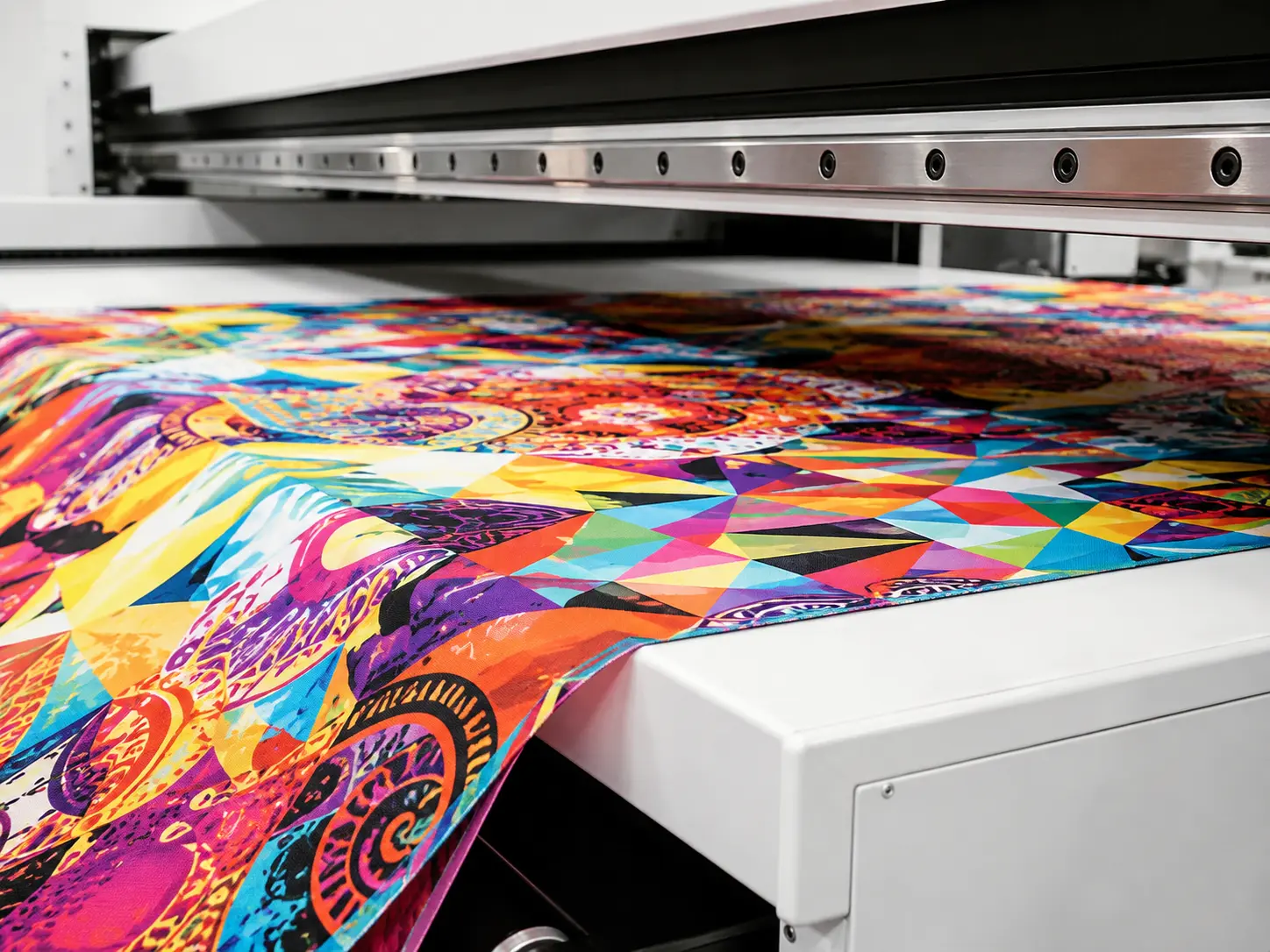
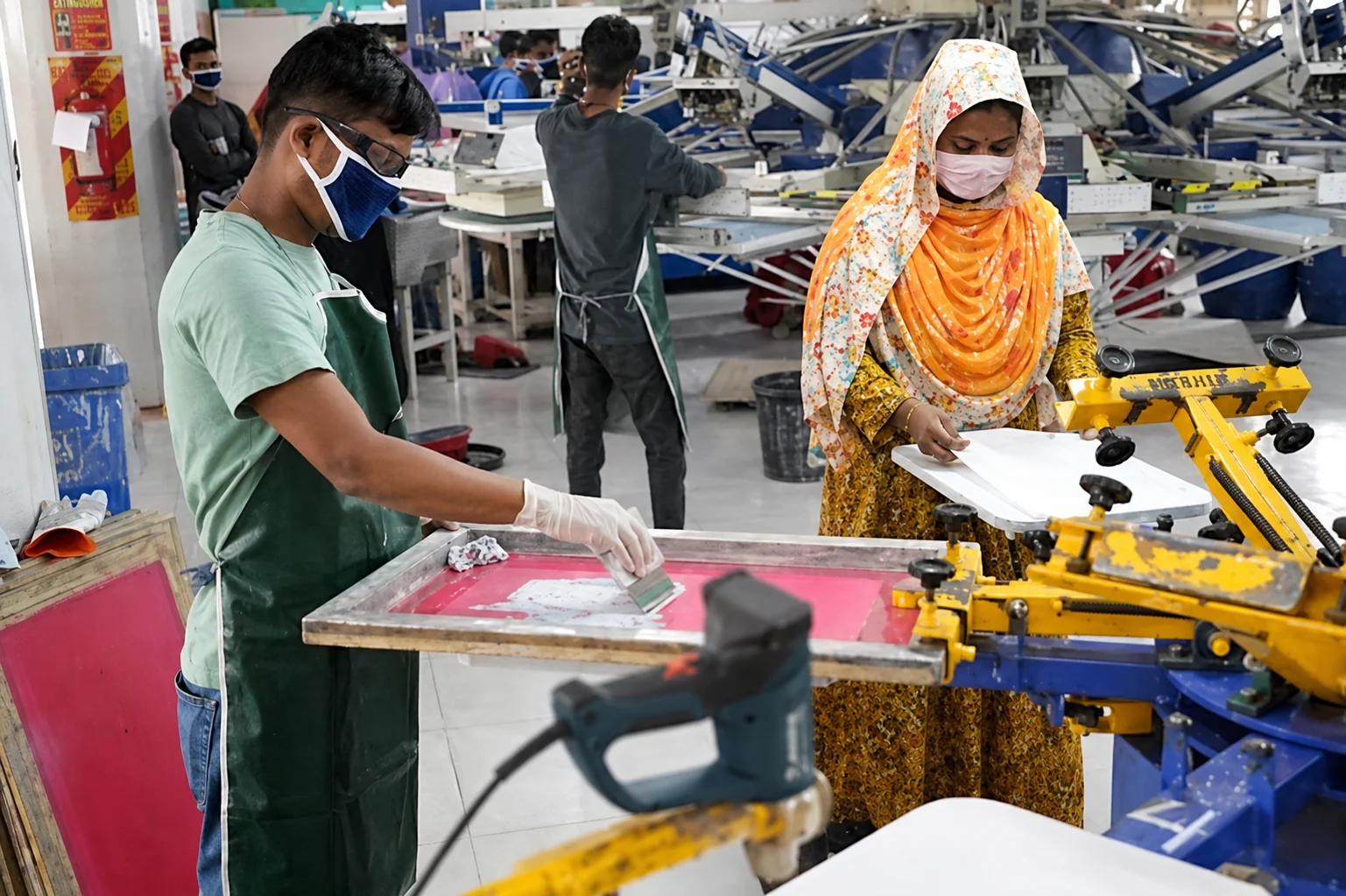
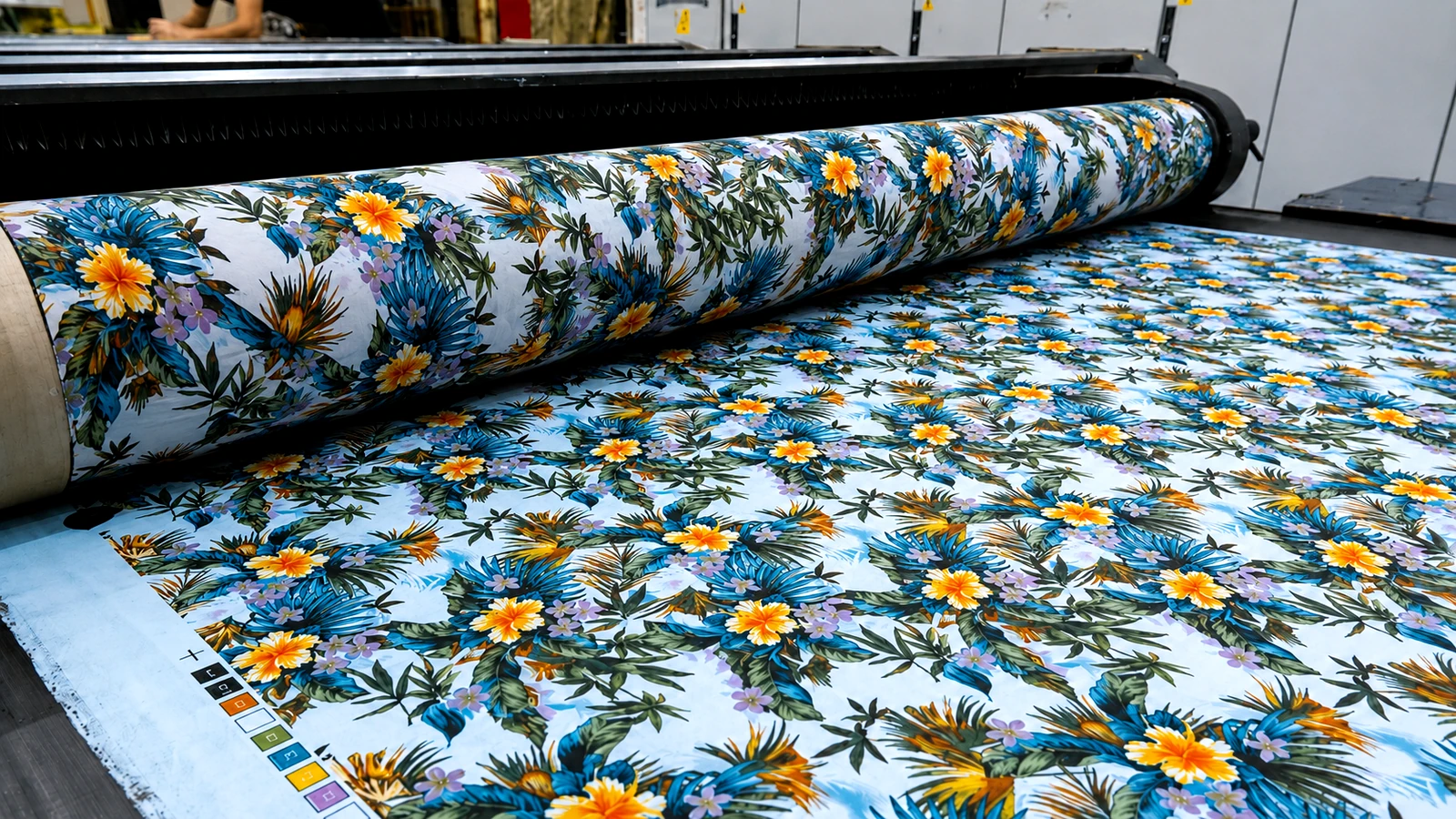
In textile printing and paste preparation, buyers may need different thickening or formulation-support products for different applications. CMC, CMS, sodium alginate, and printing paste products may appear in the same purchasing plan, even though their functions and suitable applications are not identical.
For this reason, buyers should avoid treating all cellulose derivatives as interchangeable products. Each material should be selected according to the actual formulation and process requirement.
One Supplier Can Simplify Technical Communication
Working with one supplier for several related products can make communication easier. The buyer can share one set of application information, such as fabric type, printing process, target viscosity, and current formulation, and then discuss several possible product grades.
This can help reduce repeated communication and make grade matching more practical. However, each product should still be checked through its own TDS, COA, and sample testing result.
Sample-to-Bulk Consistency Still Needs Confirmation
Even when a sample performs well, buyers should confirm whether the bulk order will follow the same specification range. This is important for viscosity-related products, where batch consistency can affect paste preparation and production stability.
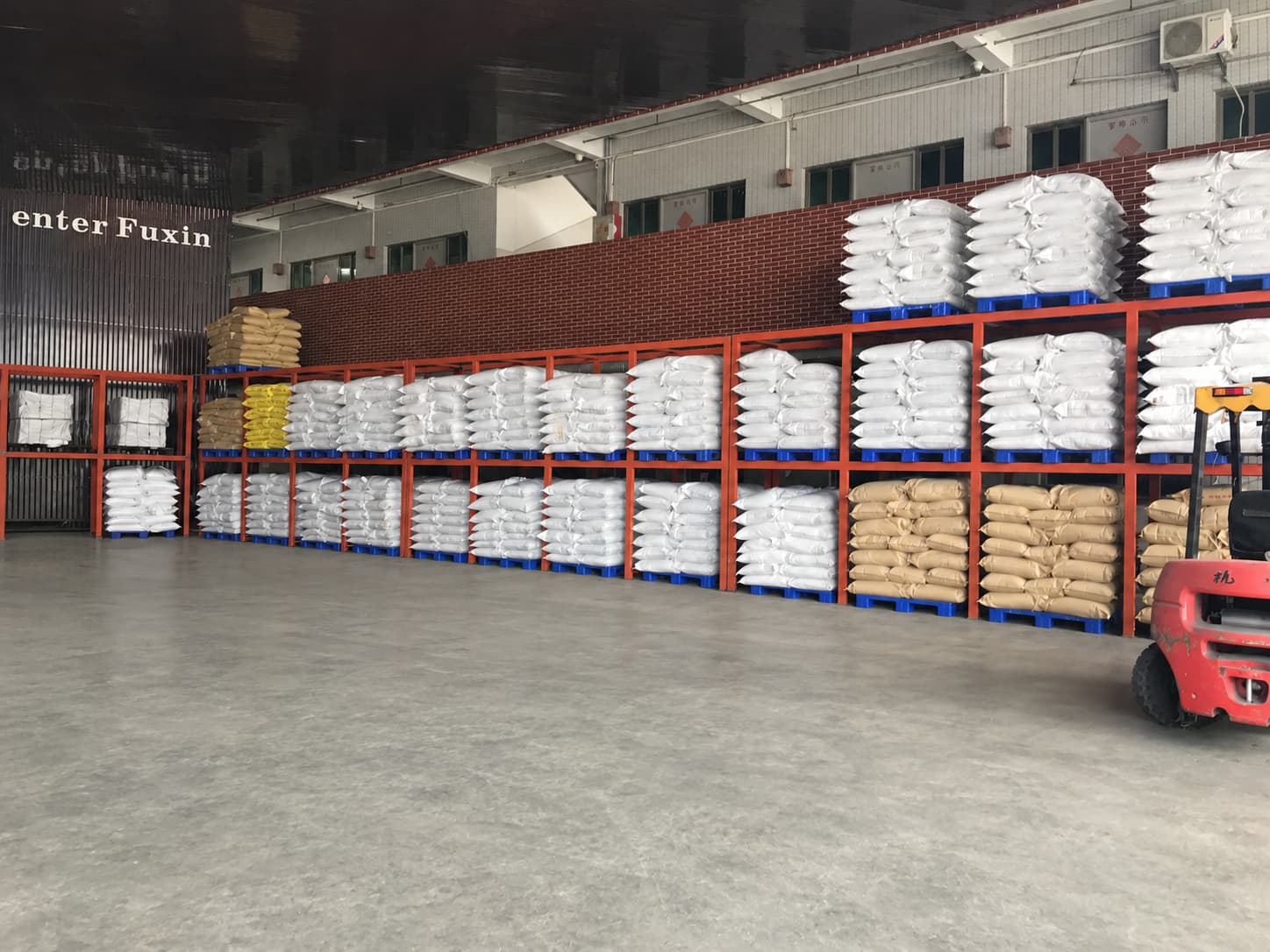
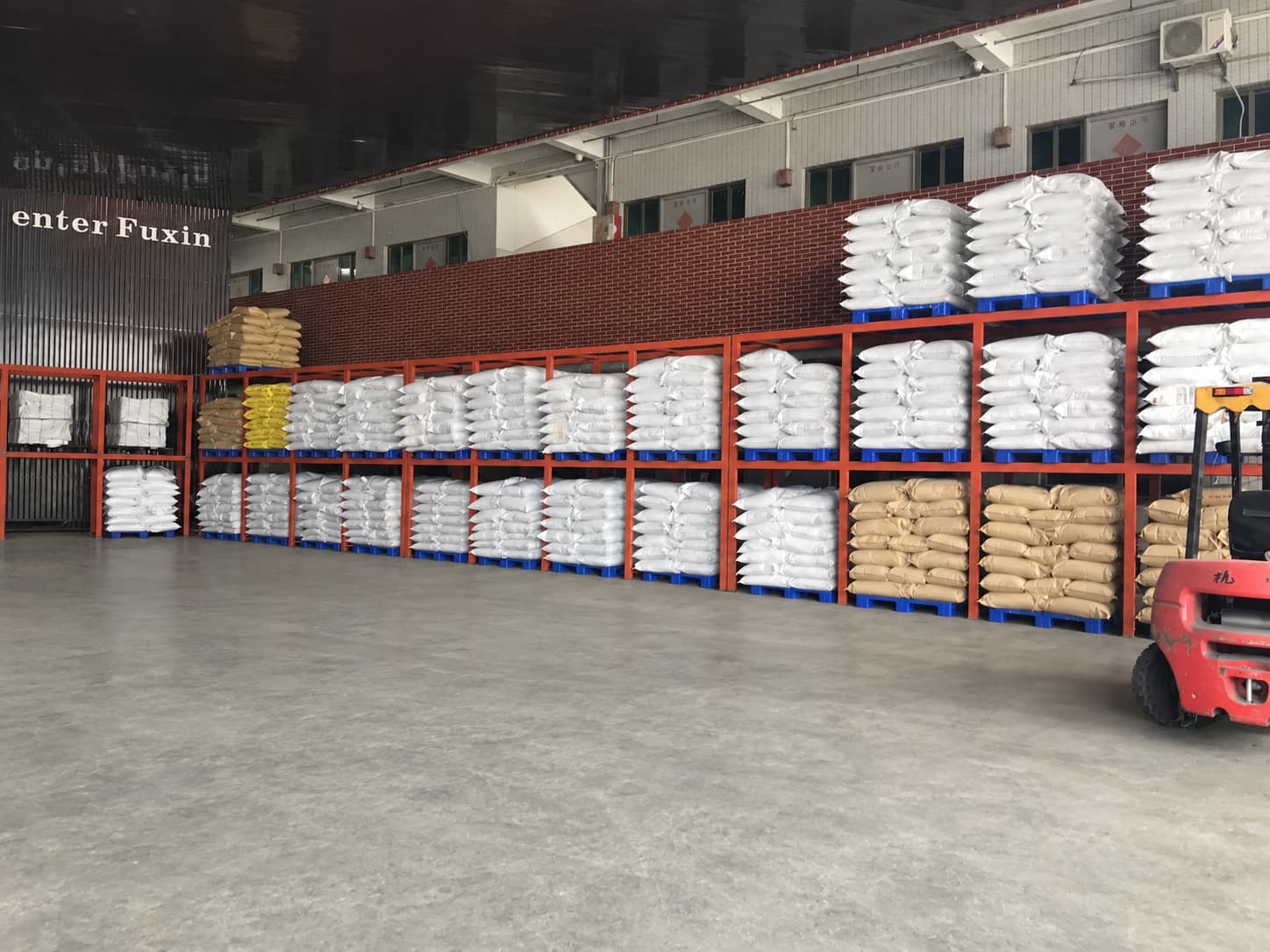
Before confirming a bulk order, buyers should ask for batch information, COA support, and clear packaging details.
Main Cellulose Derivative Products for Textile & Printing
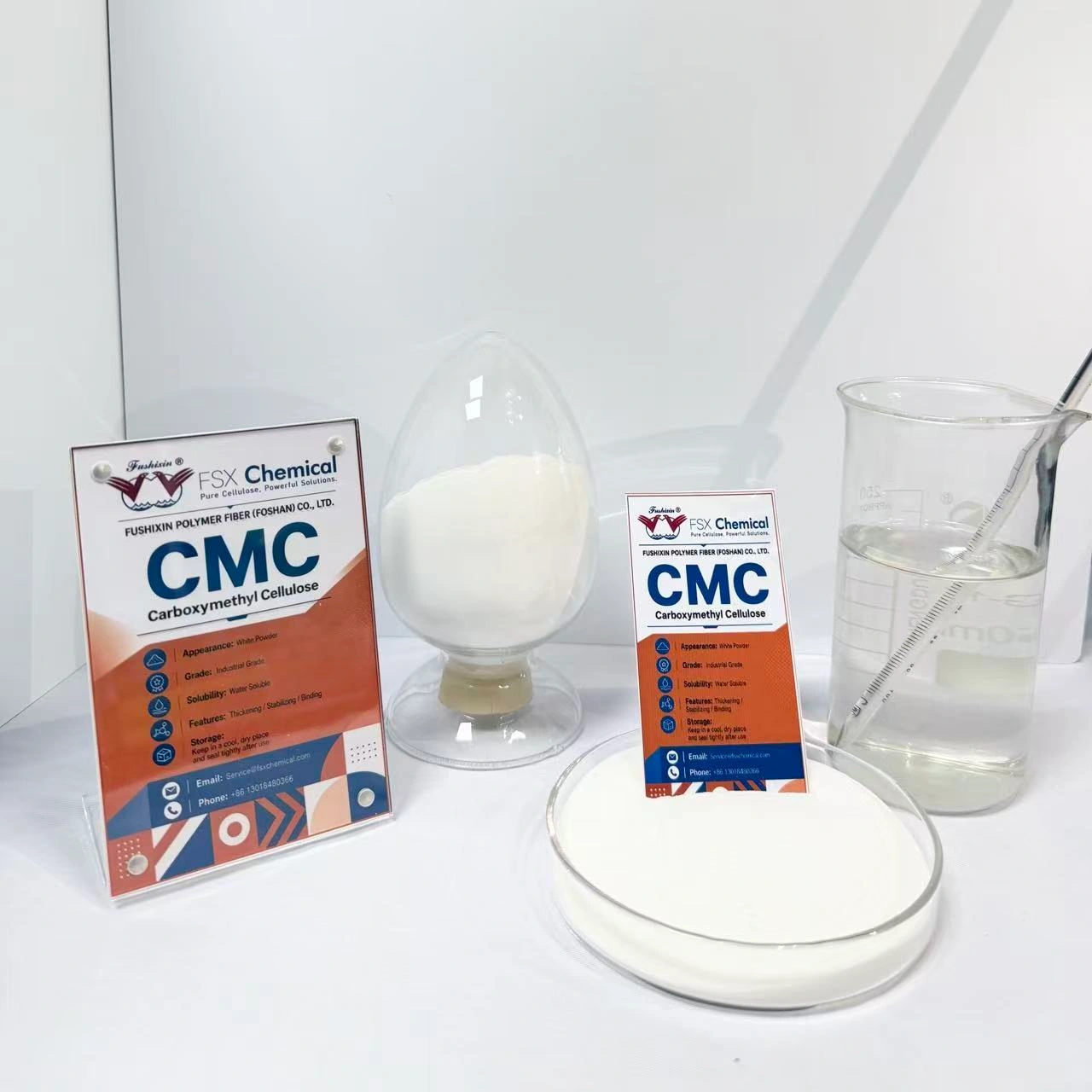
CMC untuk Pencetakan Tekstil dan Pengental
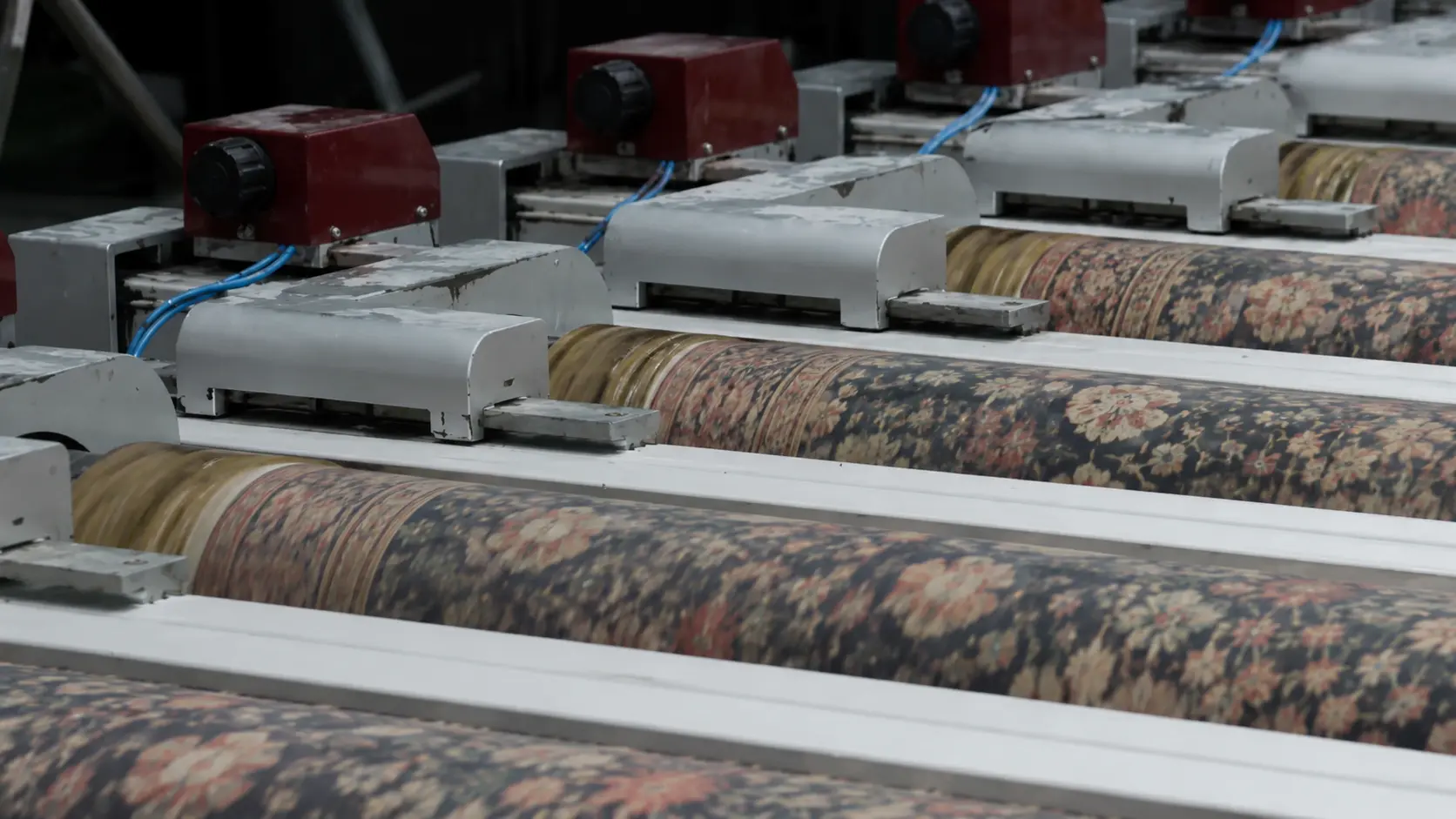
CMS untuk Formulasi Pasta Cetak
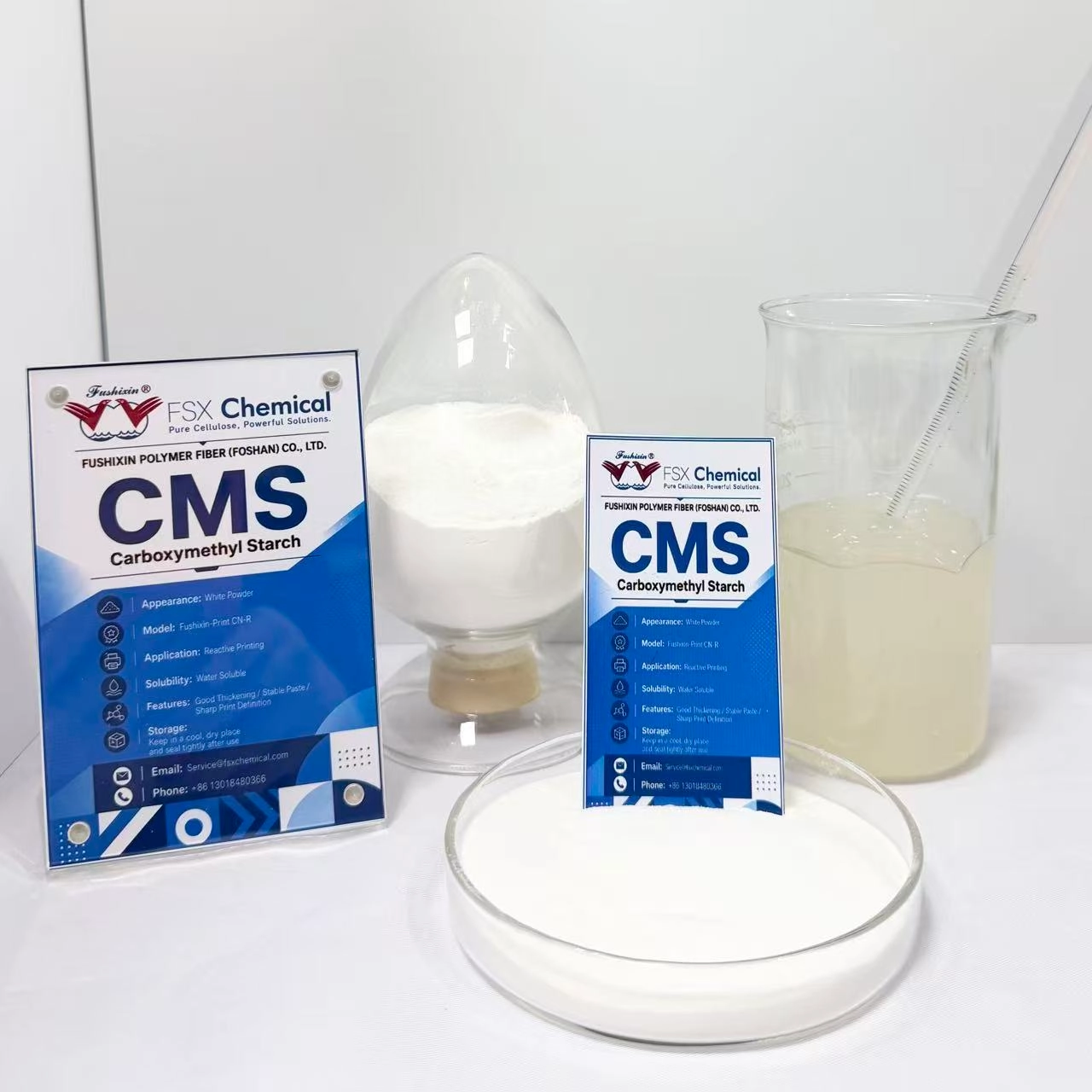
For CMS sourcing, buyers should check viscosity range, DS, dispersion behavior, pH, moisture, and formulation compatibility. Sample testing is important because CMS performance may vary depending on water quality, auxiliaries, mixing method, and paste system.
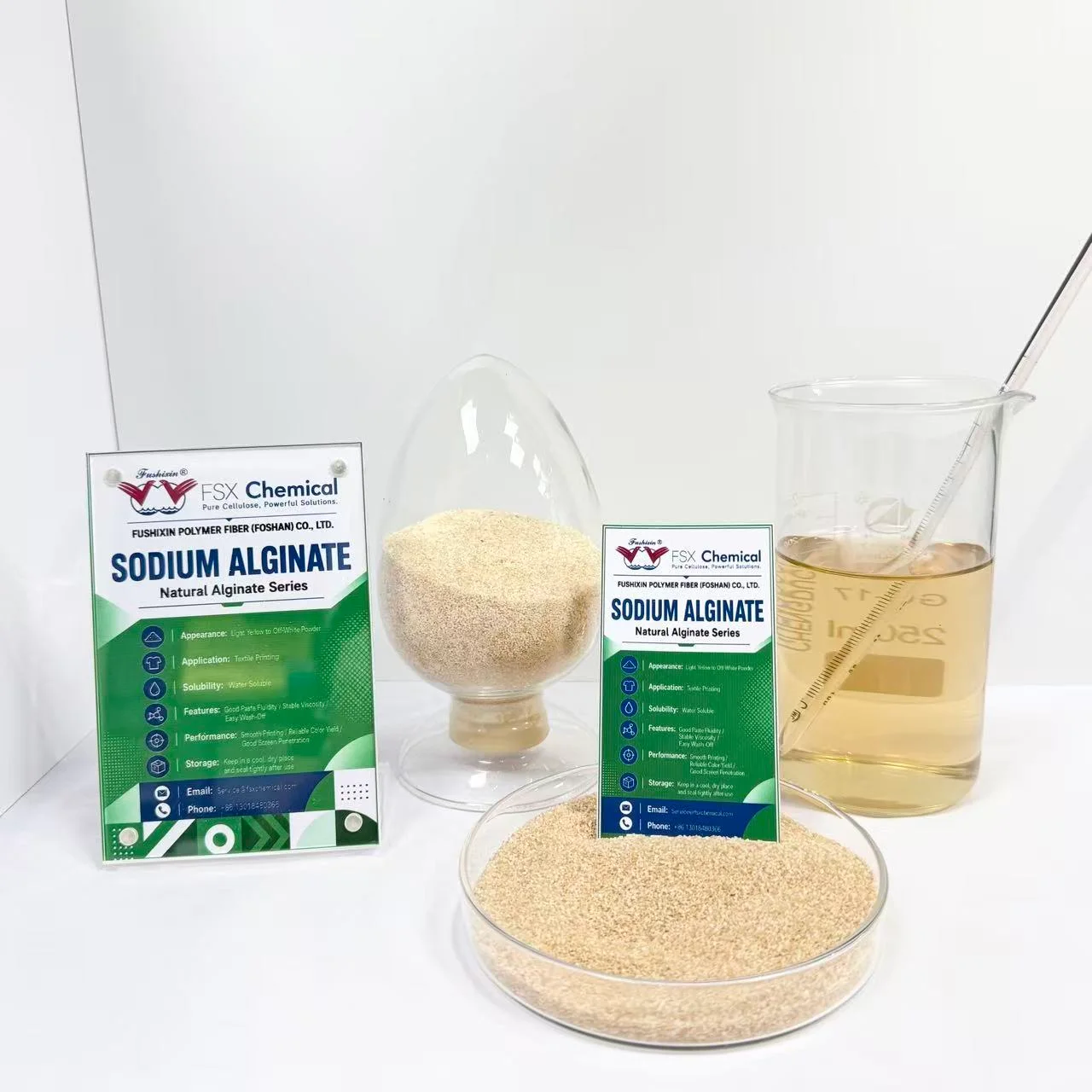
Sodium Alginat untuk Pasta Cetak Reaktif
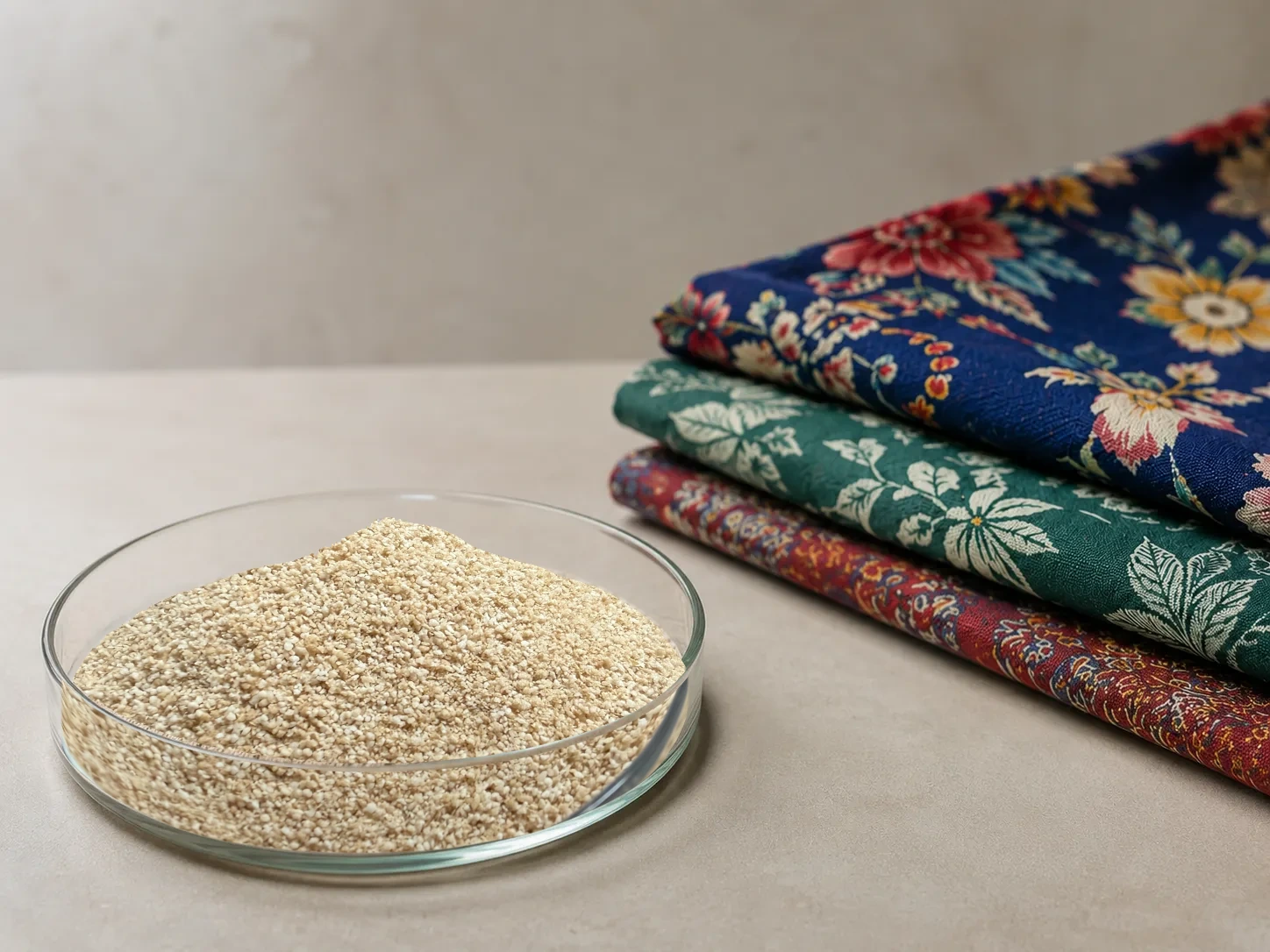
When sourcing sodium alginate, buyers should confirm viscosity grade, mesh size, purity grade, moisture, pH, and dissolution performance. The recommended grade should be tested in the buyer’s own printing paste formulation before bulk purchase.
Pengental untuk Pencetakan Tekstil dan Produk Pasta Cetak
Some buyers need a single thickener, while others need a ready-to-test printing paste or a product recommendation for a specific process. The correct choice depends on the printing method, dye system, fabric type, and target paste behavior.
A supplier should understand the actual application before recommending a product. Broad product names are not enough for accurate selection.
What Buyers Should Confirm Before Sourcing
Application and Process Requirements
Before requesting a quotation, buyers should confirm the application clearly. Useful information includes printing process, fabric type, dye system, target paste viscosity, current formulation, and production problem.
This information helps the supplier recommend a suitable product or starting grade instead of relying only on general product categories.
Viscosity, DS, Mesh Size and Solubility
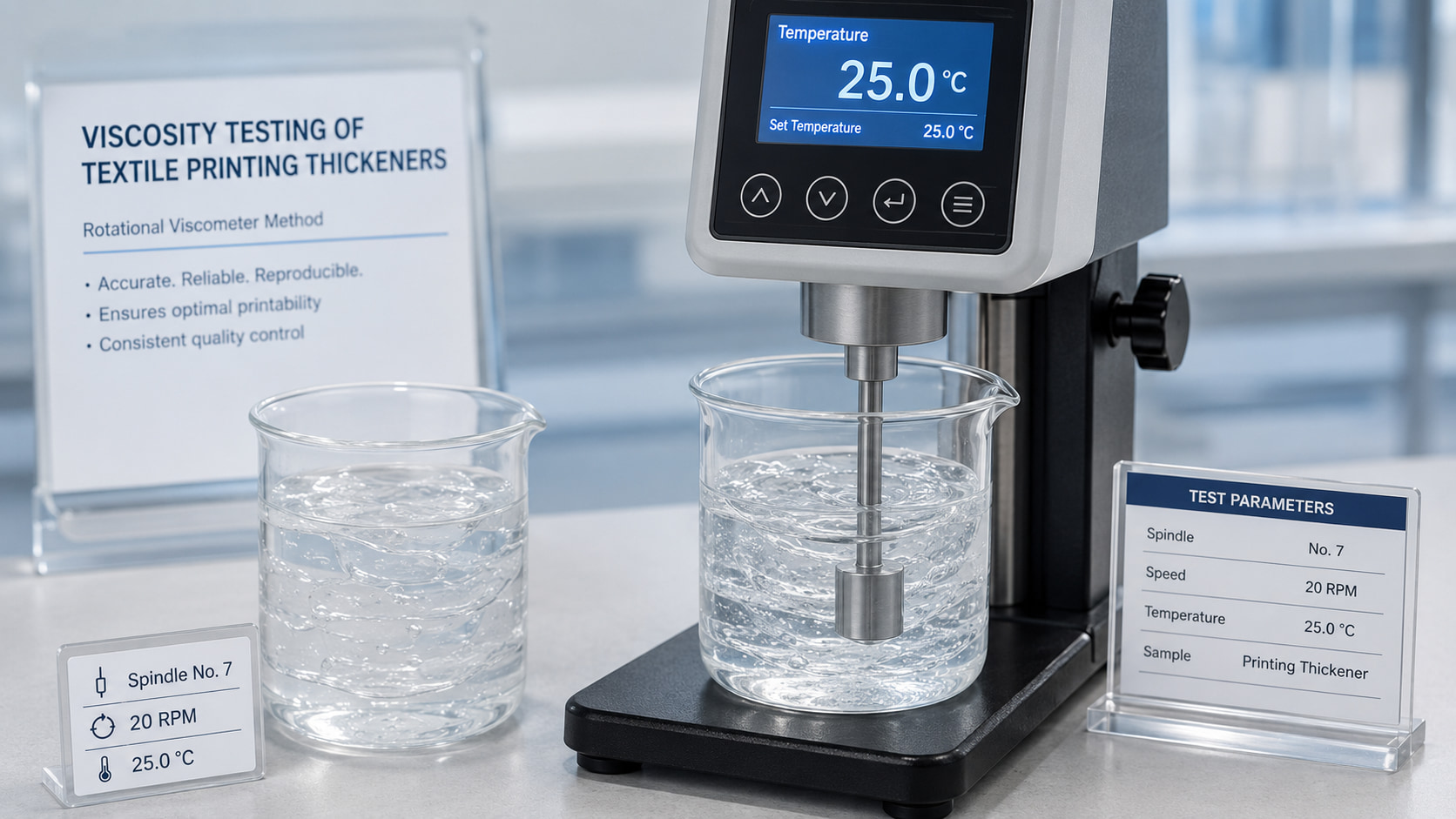
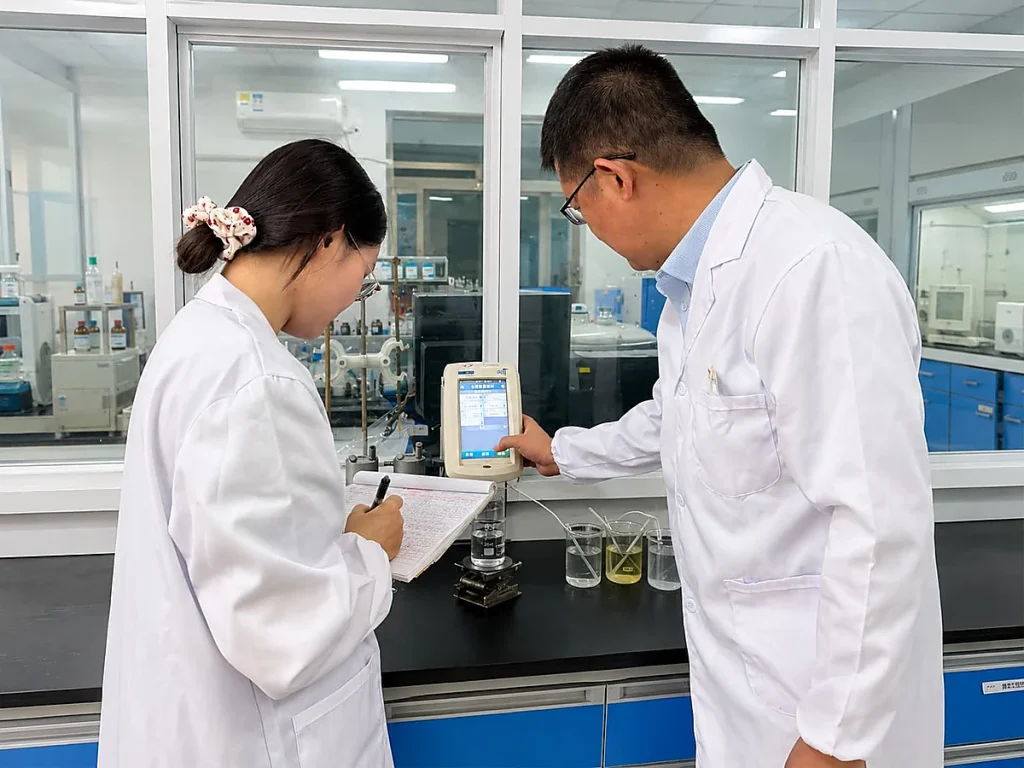
For cellulose derivative products, viscosity is often one of the most important parameters. Buyers should check the viscosity range, test concentration, temperature, unit, and instrument method shown in the TDS.
For CMC and CMS, DS may also be important. For sodium alginate, mesh size and dissolution behavior should be confirmed. These parameters can affect paste preparation, filtration, and application performance.
TDS, COA and Batch Data
The TDS helps buyers review the standard specification range. The COA helps confirm the actual data of a specific production batch.
For repeat orders, comparing COA data over time can help buyers monitor batch consistency. This is useful for factories and distributors that need stable supply for long-term customers.
Packaging and Export Documentation
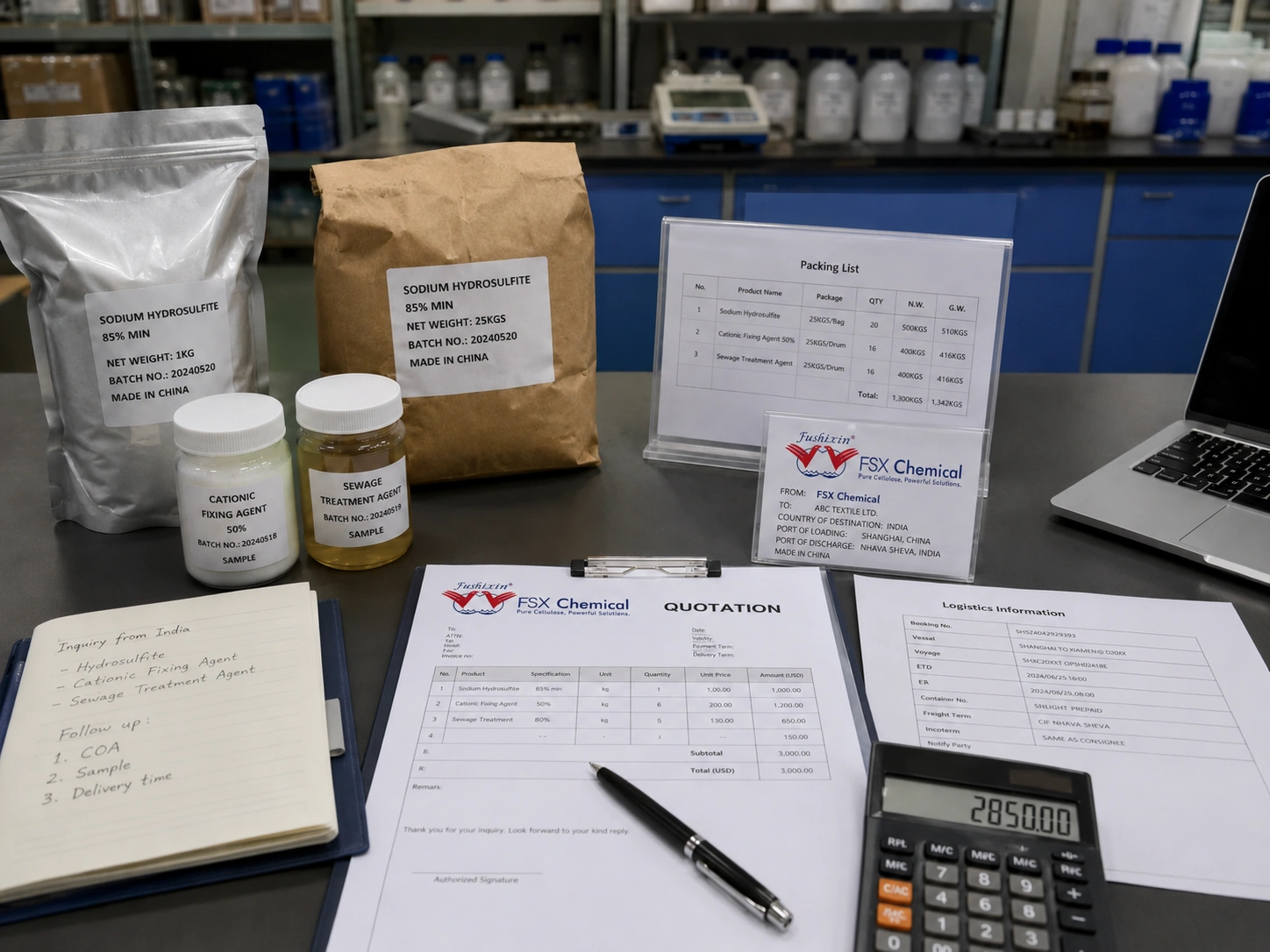
For international purchasing, packaging and documents should be confirmed before shipment. Buyers may need SDS, packing list, invoice, COA, and other export-related documents depending on destination and internal requirements.
Packaging size, label information, batch number, net weight, and storage conditions should also be checked before shipment.
How to Avoid Sourcing Mismatch
Do Not Select Only by Product Name
The same product name may cover different grades. For example, two CMC or sodium alginate products may have different viscosity, solubility, mesh size, or application behavior.
Buyers should confirm the specification range and test the product in the actual formulation instead of selecting only by product name.
Compare Test Methods Before Comparing Data
Viscosity values from different suppliers may not be directly comparable if the test concentration, temperature, instrument, or method is different.
Before comparing technical data, buyers should ask how the data was measured. This helps prevent misunderstanding during product selection.
Test Samples in Your Own Formulation
Sample testing should be done in the buyer’s own formulation and production conditions when possible. Water quality, auxiliaries, pH, stirring method, and storage time can all affect the final result.
Pengujian dalam kondisi nyata membantu memastikan apakah jenis yang direkomendasikan sesuai sebelum melakukan pembelian dalam jumlah besar.
How FSX Chemical Supports Export Buyers
Our support is focused on practical export procurement. We can provide product information, TDS, COA, sample support, and grade matching suggestions based on the customer’s application, target viscosity, fabric type, printing process, and formulation conditions.
We do not suggest confirming cellulose derivative products only by product name, general claims, or price. The recommended grade should be reviewed through technical documents and tested in the buyer’s own formulation before bulk purchase.
Langkah Selanjutnya
- Request a Product List — review available CMC, CMS, sodium alginate, textile printing thickener, and printing paste products.
- Ajukan Permohonan TDS — check viscosity, DS where applicable, mesh size where relevant, pH, moisture, appearance, storage conditions, and testing method.
- Ajukan Permohonan Penyesuaian Nilai — share your application, printing process, fabric type, target viscosity, and current formulation.
- Minta Sampel — test the recommended grade in your own preparation and production conditions before confirming bulk orders.
- Periksa COA Sebelum Pengiriman — confirm whether batch data matches the agreed specification range.
- Hubungi Tim Teknis Kami — discuss which cellulose derivative product is suitable for your textile or printing application📧 Email: Service@fsxchemical.com