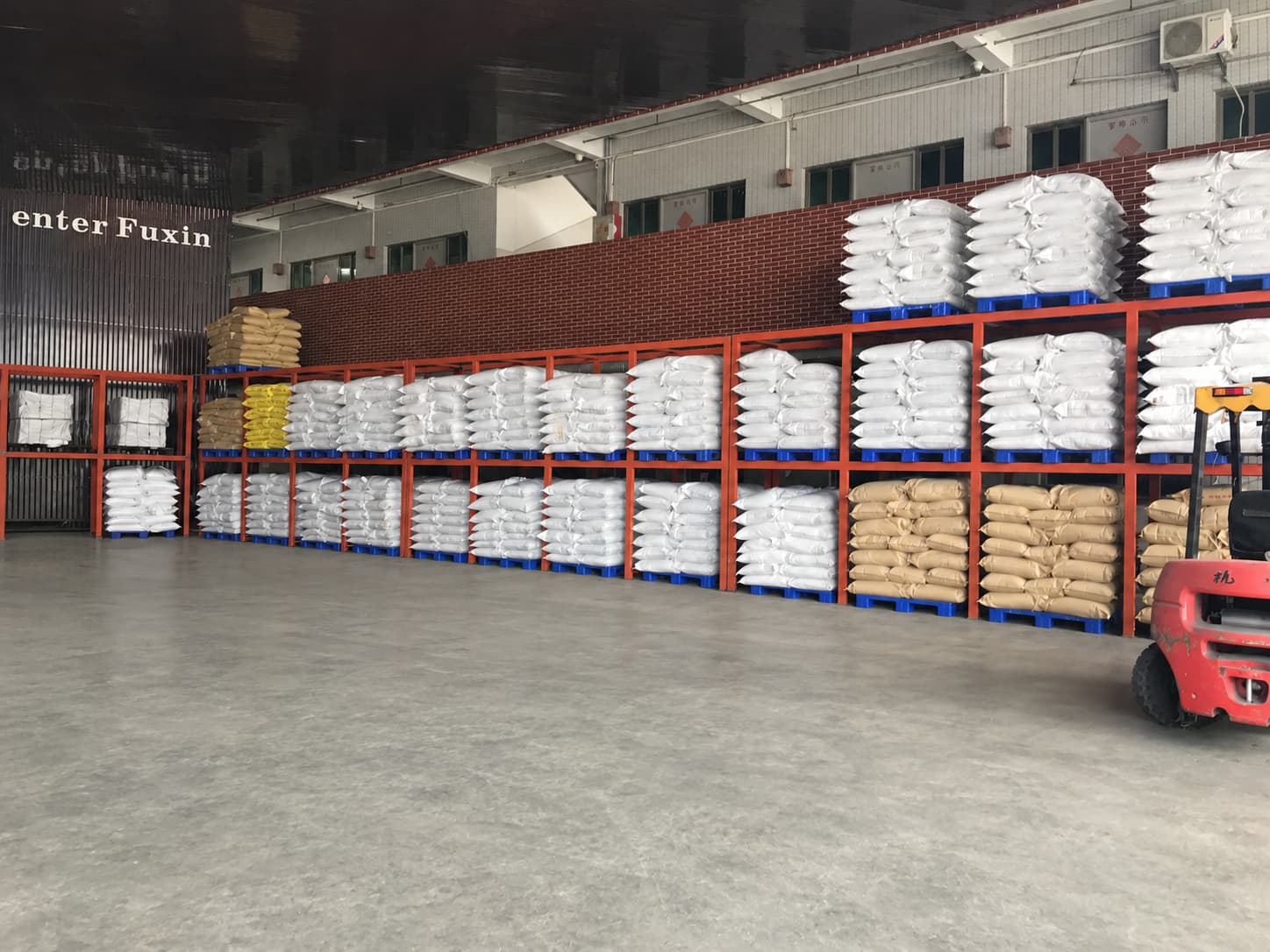
CMC is a cellulose derivative; carboxymethyl starch is a starch derivative, and sodium alginate is an alginate salt, not a cellulose derivative. Textile buyers may source these related thickeners from one supplier, but each purchase line needs its own confirmed grade identity, application and test method. Start supplier qualification with the exact CMC requirement, then evaluate any related materials separately.
A cellulose-derivatives supplier should help the buyer review the intended printing process, compare method-defined specifications, arrange representative samples and agree shipment documents. A wider product portfolio can simplify communication, but it is not evidence that one grade fits every printing process.
FSX Chemical lists CMC products alongside related textile-printing materials. Request current grade documents and representative samples before approving a supply route. Product listing and preliminary matching are separate from customer application approval.
Why Textile Printing Buyers Source Related Thickeners Together
Related Products Often Appear in the Same Procurement Plan
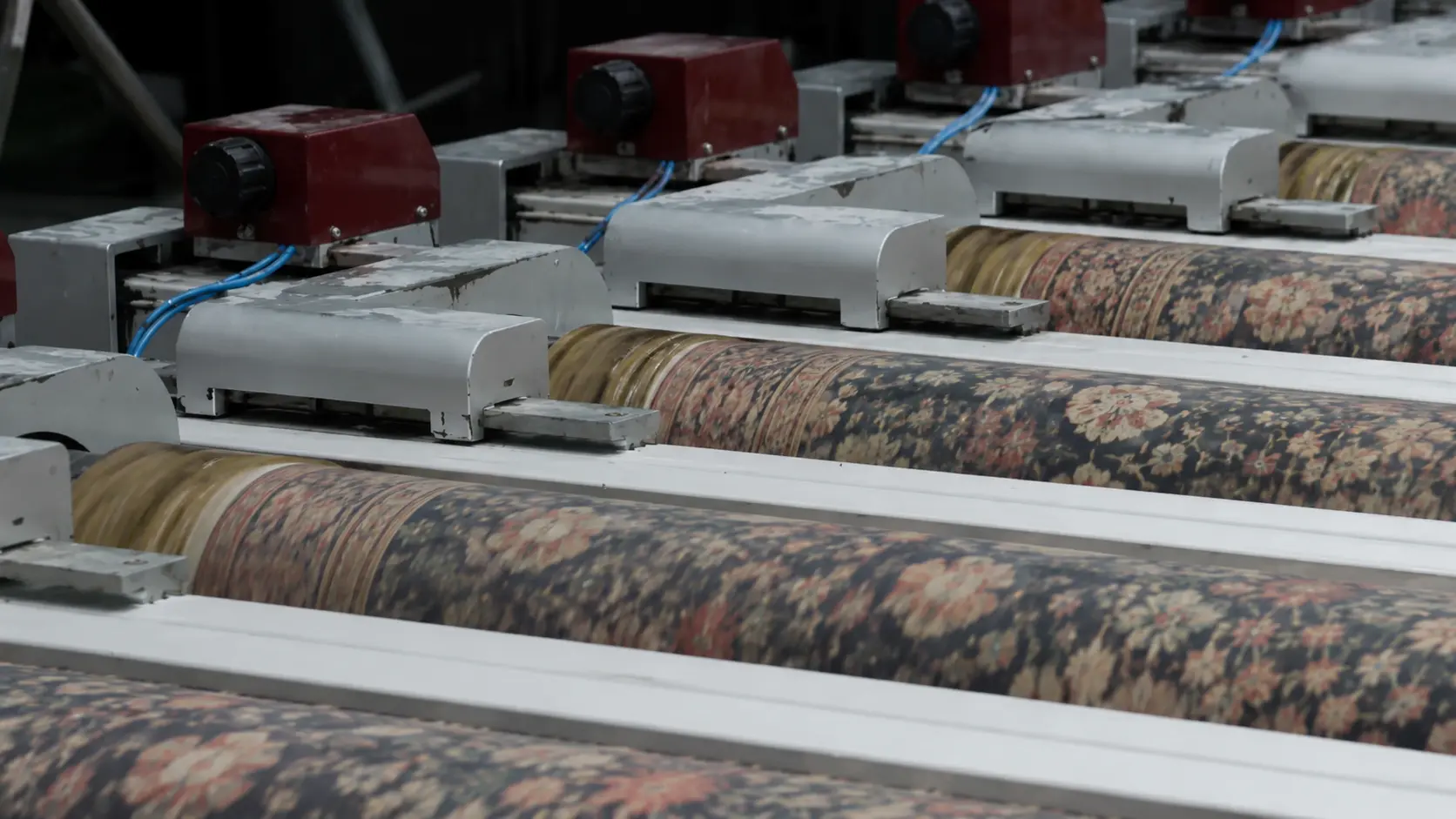
In textile printing and paste preparation, buyers may need different thickening or formulation-support products for different applications. CMC, confirmed starch-based grades, sodium alginate and compound printing products may appear in one purchasing plan. They are different material families, not interchangeable cellulose derivatives.
Select each material by its own chemistry, commercial grade and approved printing route. Similar viscosity or common supplier identity is not evidence of equivalent dye, binder, wash-off or curing behavior.
One Supplier Can Simplify Technical Communication
Working with one supplier for several related products can make communication easier. The buyer can share one set of application information, such as fabric type, printing process, target viscosity, and current formulation, and then discuss several possible product grades.
This can help reduce repeated communication and make grade matching more practical. However, each product should still be checked through its own TDS, COA, and sample testing result.
Sample-to-Bulk Consistency Still Needs Confirmation
Even when a sample performs well, buyers should confirm whether the bulk order will follow the same specification range. This is important for viscosity-related products, where batch consistency can affect paste preparation and production stability.
Before confirming a bulk order, buyers should ask for batch information, COA support, and clear packaging details.
Cellulose Derivatives and Related Textile Printing Materials
CMC for Textile Printing and Thickening
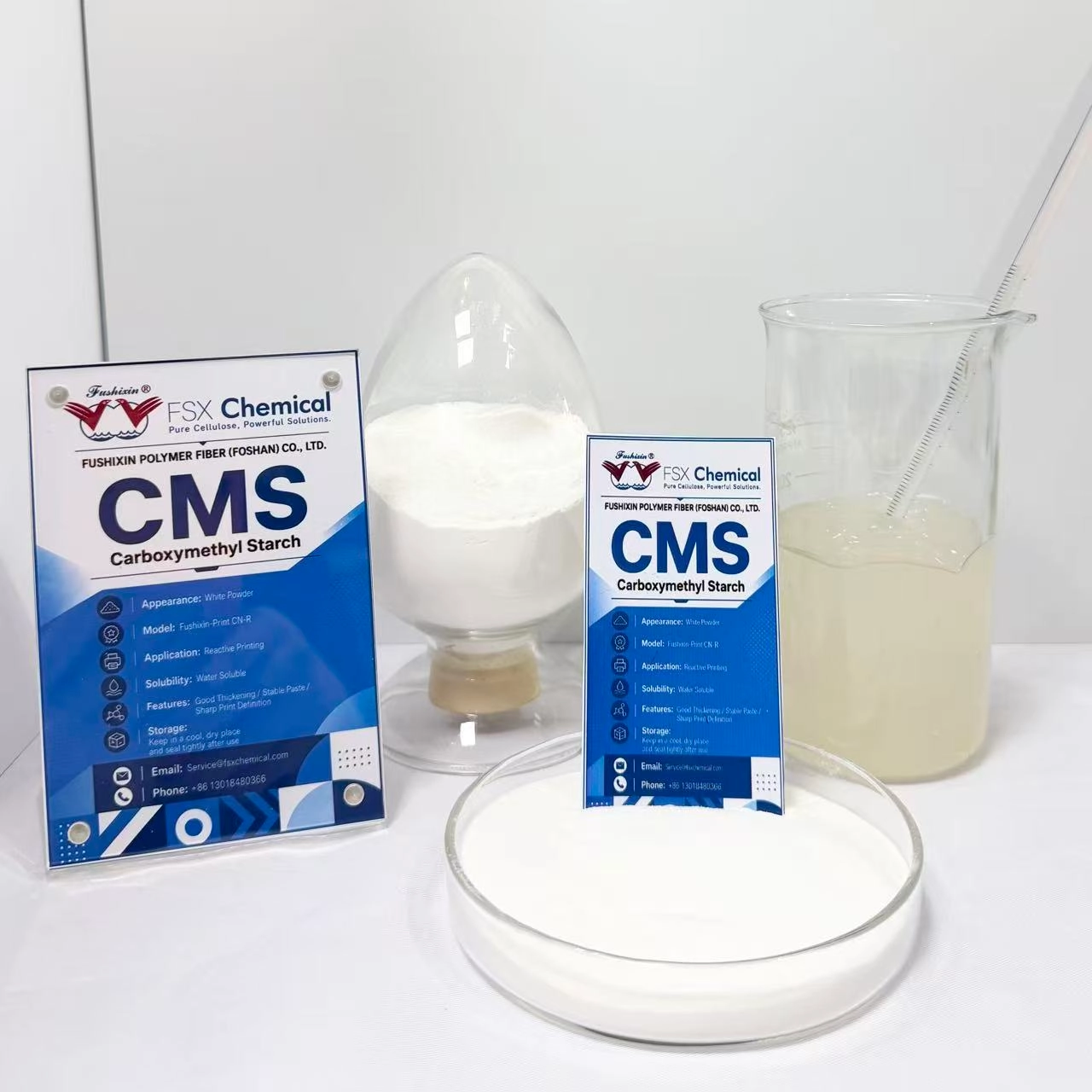
CMS for Printing Paste Formulation
Generic carboxymethyl starch is a starch derivative used in selected print-paste formulations. For a product offered under the FSX CMS series, request the current grade-specific TDS/SDS and confirm its identity and intended application. Do not assume the series name alone establishes the composition of all grades.
For a confirmed carboxymethyl-starch grade, review substitution information where specified, method-defined viscosity, hydration, pH, moisture and complete-paste compatibility. For a compound or differently identified commercial grade, use its own documented QC panel. Test under the buyer’s water, auxiliaries and mixing conditions.
Alginate de sodium pour pâte d'impression réactive
Alginate de sodium is the sodium salt of alginic acid, not a cellulose ether. Textile grades are commonly considered for reactive printing on suitable cellulosic fabrics, subject to grade-specific paste, fixation and wash-off evaluation.
When sourcing sodium alginate, buyers should confirm viscosity grade, mesh size, purity grade, moisture, pH, and dissolution performance. The recommended grade should be tested in the buyer’s own printing paste formulation before bulk purchase.
Épaississants pour l'impression textile et pâtes d'impression
Some buyers need a single thickener, while others need a ready-to-test printing paste or a product recommendation for a specific process. The correct choice depends on the printing method, dye system, fabric type, and target paste behavior.
A supplier should understand the actual application before recommending a product. Broad product names are not enough for accurate selection.
| Purchase line | Material identity | Qualification boundary |
|---|---|---|
| CMC | Carboxymethyl cellulose; a cellulose derivative. | Specify the commercial grade, substitution information where applicable and complete viscosity method. |
| Confirmed carboxymethyl starch | A starch derivative, not a cellulose derivative. | Use starch-grade documents; do not transfer CMC acceptance ranges. |
| FSX CMS commercial grade | Confirm through current grade-specific documents. | Do not infer all components or the printing route from the series name. |
| Alginate de sodium | Sodium salt of alginic acid; a separate polysaccharide family. | Use alginate-specific test and application criteria, not CMC DS. |
| Compound printing paste or thickener | A formulated product; individual components may not be fully disclosed. | Agree final-product QC and intended application rather than assuming one pure polymer. |
These identity distinctions can be checked in FAO’s CMC identity entry, FAO’s alginate definition et le original carboxymethyl-starch synthesis study. Those references identify generic chemistry; they do not establish food-grade compliance, textile specifications or performance of an FSX commercial product.
What Buyers Should Confirm Before Sourcing
Application and Process Requirements
Before requesting a quotation, buyers should confirm the application clearly. Useful information includes printing process, fabric type, dye system, target paste viscosity, current formulation, and production problem.
This information helps the supplier recommend a suitable product or starting grade instead of relying only on general product categories.
Viscosity, DS, Mesh Size and Solubility
For CMC and related rheology products, compare viscosity only with the concentration basis, instrument, spindle or geometry, speed, temperature, preparation, hydration and measurement time recorded. A viscosity range without these conditions is an incomplete procurement specification.
DS can be relevant for CMC and for a grade confirmed as carboxymethyl starch, where an applicable method and specification are provided. It is not an alginate grading parameter. For alginate, use the grade’s own viscosity, moisture, insoluble matter, hydration and filtration requirements; confirm particle-size reporting when relevant.
TDS, COA and Batch Data
A TDS describes the current grade and may include typical values or specification limits; identify which is which. The agreed commercial specification sets acceptance criteria. A batch COA should identify the supplied grade and lot and report the relevant results with their units and methods.
For repeat orders, comparing COA data over time can help buyers monitor batch consistency. This is useful for factories and distributors that need stable supply for long-term customers.
Packaging and Export Documentation
For international purchasing, packaging and documents should be confirmed before shipment. Buyers may need SDS, packing list, invoice, COA, and other export-related documents depending on destination and internal requirements.
Packaging size, label information, batch number, net weight, and storage conditions should also be checked before shipment.
How to Avoid Sourcing Mismatch
Do Not Select Only by Product Name
The same product name may cover different grades. For example, two CMC or sodium alginate products may have different viscosity, solubility, mesh size, or application behavior.
Buyers should confirm the specification range and test the product in the actual formulation instead of selecting only by product name.
Compare Test Methods Before Comparing Data
Viscosity values from different suppliers may not be directly comparable if the test concentration, temperature, instrument, or method is different.
Before comparing technical data, buyers should ask how the data was measured. This helps prevent misunderstanding during product selection.
Test Samples in Your Own Formulation
Sample testing should be done in the buyer’s own formulation and production conditions when possible. Water quality, auxiliaries, pH, stirring method, and storage time can all affect the final result.
Testing under real conditions helps confirm whether the recommended grade is suitable before bulk purchase.
How FSX Chemical Supports Export Buyers
Our support is focused on practical export procurement. We can provide product information, TDS, COA, sample support, and grade matching suggestions based on the customer’s application, target viscosity, fabric type, printing process, and formulation conditions.
Approve CMC and related textile thickeners by their documented grade and agreed specification, not product name, general claims or price alone. Review the exact materials and test them in the intended formulation before bulk purchase.
Prochaines étapes
- Demander une liste de produits — passer en revue les produits disponibles : CMC, CMS, alginate de sodium, épaississant pour l'impression textile et pâtes d'impression.
- Demander un TDS — vérifier la viscosité, la densité relative (DS) le cas échéant, la taille des mailles si nécessaire, le pH, la teneur en humidité, l'aspect, les conditions de stockage et la méthode d'essai.
- Demander l'alignement des notes — Indiquez-nous votre application, votre procédé d'impression, le type de tissu, la viscosité souhaitée et la formulation actuelle.
- Demander un échantillon — test the recommended grade in your own preparation and production conditions before confirming bulk orders.
- Vérifier le bon de commande avant l'expédition — vérifier si les données du lot correspondent à la plage de spécifications convenue.
- Contactez notre équipe technique — discuss which documented grade or related thickener route should be evaluated for your textile-printing application📧 E-mail: Service@fsxchemical.com