
















Pilih Metode Pengental yang Tepat untuk Proses Pencetakan Anda
Bandingkan pilihan CMC, CMS, natrium alginat, dan pasta cetak digital berdasarkan proses pencetakan, sistem zat warna atau tinta, jenis kain, dan target kinerja pasta. Buka halaman aplikasi yang sesuai atau kirimkan sampel produk yang saat ini digunakan atau TDS untuk pencocokan metode aplikasi.
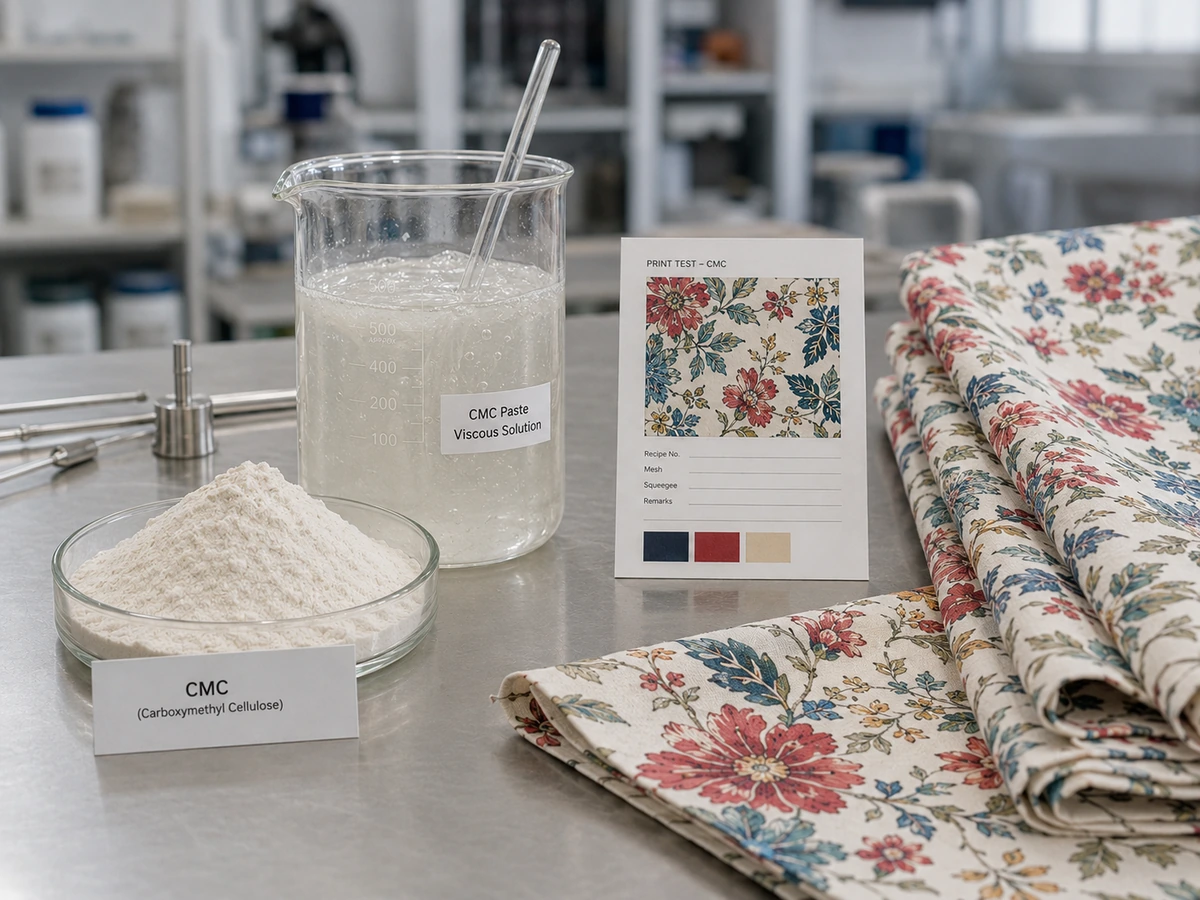
Aplikasi CMC
Pertimbangkan CMC jika pengendalian viskositas, hidrasi, stabilitas pasta, atau kompatibilitas formulasi menjadi perhatian utama. Metode ini mencakup pasta cetak tekstil dan formulasi industri tertentu yang menggunakan pengental berbasis selulosa.
- Fokus Umum
- Viskositas dan stabilitas formulasi
- Rute Produk
- Karboksimetil Selulosa
- Titik Awal
- Aplikasi, target viskositas, atau TDS

Aplikasi CMS
Pertimbangkan CMS untuk pencetakan reaktif, dispersi, dan sistem pencetakan khusus tertentu yang memerlukan keseimbangan antara biaya dan kinerja, stabilitas pasta, serta kemampuan beradaptasi dalam produksi melalui uji coba terkontrol.
- Fokus Umum
- Perbandingan biaya-kinerja dan fleksibilitas proses
- Rute Produk
- Pati Karboksimetil
- Titik Awal
- Proses pencetakan, sistem pewarnaan, dan kain
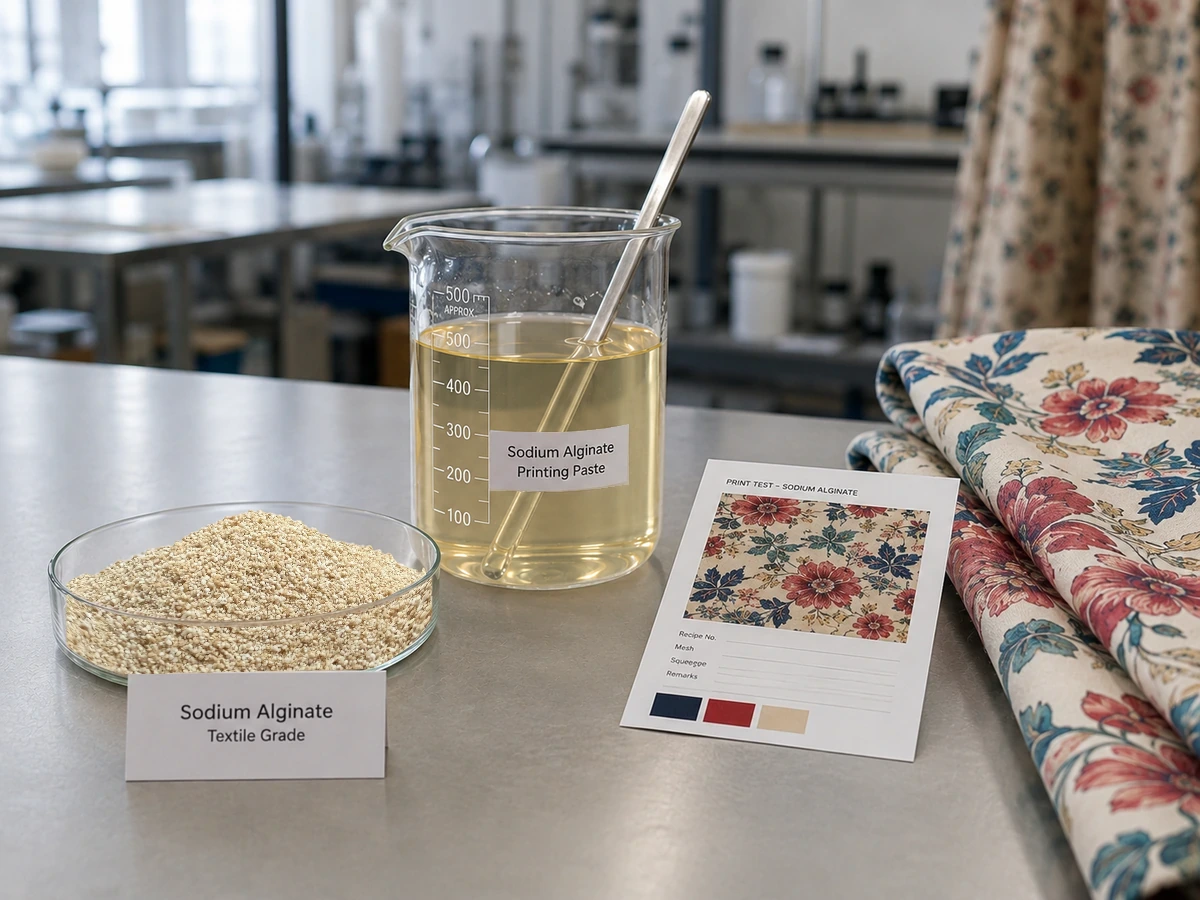
Aplikasi Natrium Alginat
Pertimbangkan natrium alginat untuk pencetakan zat warna reaktif pada katun, viskosa, dan kain berbasis selulosa lain yang sesuai, jika ketajaman hasil cetak, penghilangan residu yang bersih saat pencucian, dan perilaku pasta yang stabil menjadi prioritas.
- Fokus Umum
- Ketajaman cetakan dan hasil pencucian yang bersih
- Rute Produk
- Natrium Alginat
- Titik Awal
- Sistem pewarnaan, bahan kain, dan target viskositas
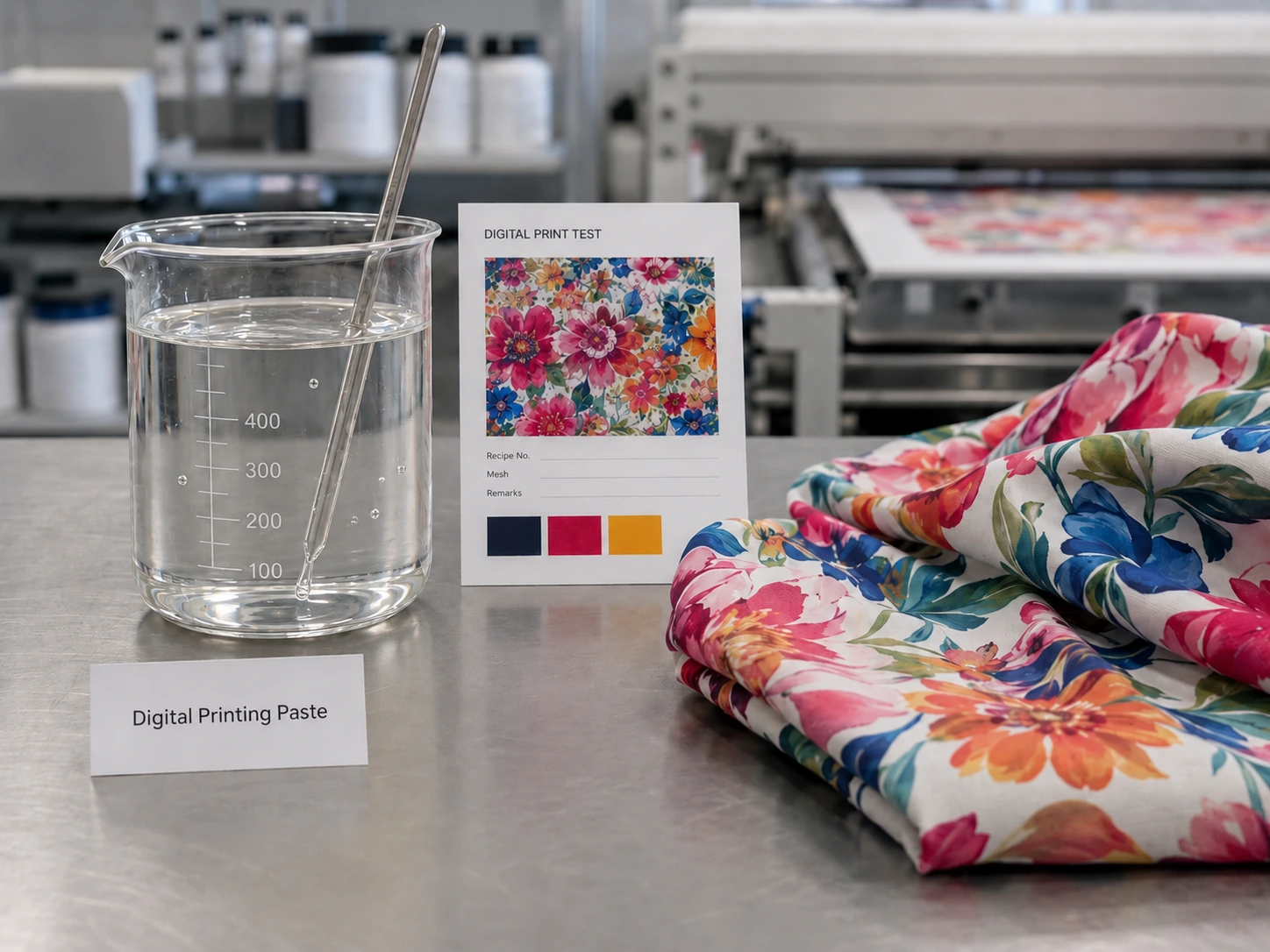
Aplikasi Pencetakan Digital
Pertimbangkan metode ini untuk pencetakan inkjet reaktif, dispersi, dan pigmen yang memerlukan validasi praperlakuan, kompatibilitas tinta dan kain, penetrasi, fiksasi, serta ketajaman hasil cetak.
- Fokus Umum
- Kompatibilitas tinta, bahan kain, dan proses
- Rute Produk
- Pasta Cetak Digital
- Titik Awal
- Sistem tinta, kain, dan peralatan
Kirimkan sampel produk yang saat ini digunakan atau TDS, sistem zat warna atau tinta, jenis kain, target viskositas, dan kendala produksi. FSX Chemical dapat membandingkan metode yang tersedia dan merekomendasikan sampel awal untuk uji coba laboratorium atau produksi.
Bagaimana FSX Menyesuaikan Pengental dengan Proses Pencetakan Anda
Bagikan informasi mengenai metode pencetakan, bahan kain, sistem pewarna atau tinta, viskositas yang diinginkan, serta masalah produksi yang sedang dihadapi. FSX Chemical dapat meninjau informasi yang tersedia dan mengusulkan langkah awal yang sesuai untuk pengujian sampel.
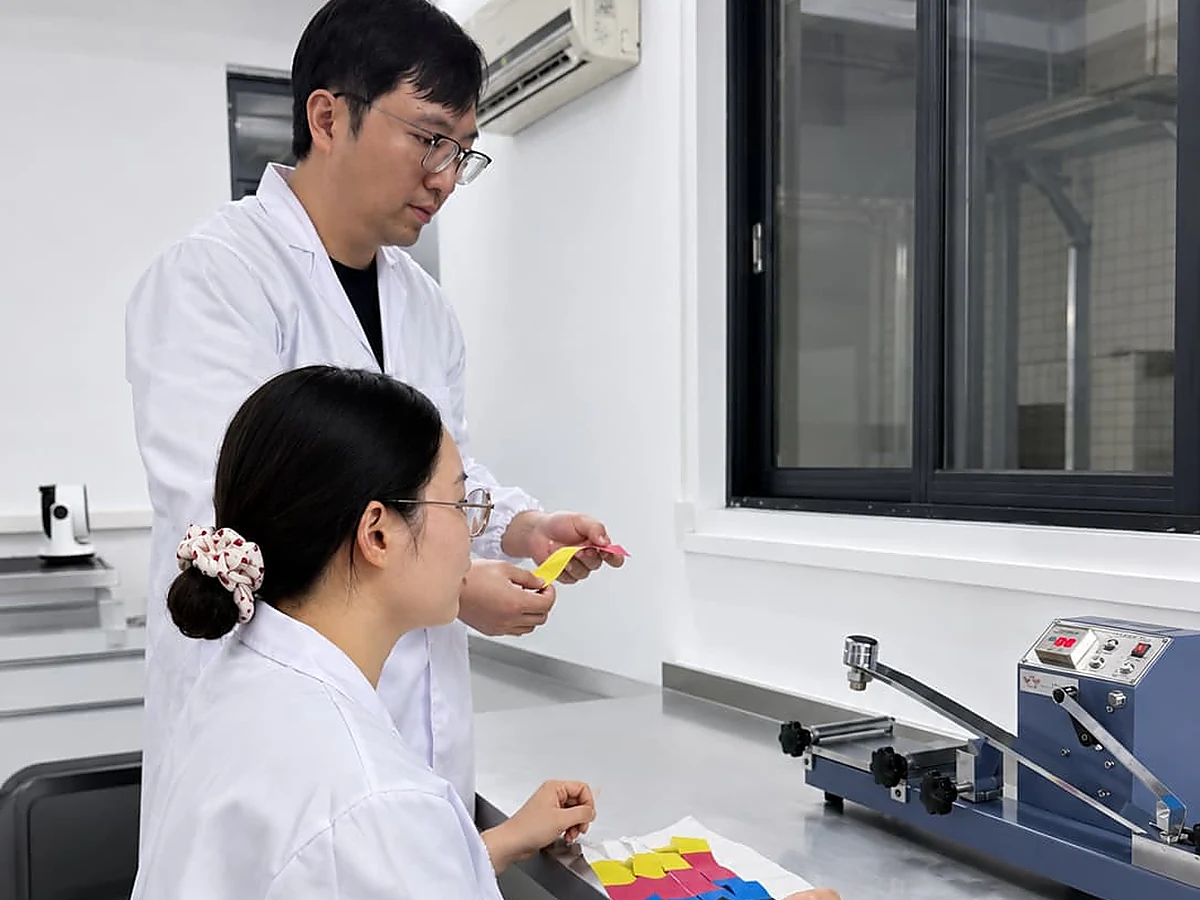
Tentukan Kondisi Pencetakan
Sampaikan proses pencetakan, kain, sistem zat warna atau tinta, target viskositas, dan kendala utama, seperti stabilitas pasta, penghilangan residu saat pencucian, ketajaman hasil cetak, penetrasi, atau pegangan kain.
Proses · Bahan · Sasaran
Bagikan Sampel atau Referensi
Sampel produk yang saat ini digunakan, TDS, nama grade, kondisi pengujian viskositas, atau metode persiapan pasta menjadi acuan untuk membandingkan pilihan uji coba berikutnya.
Sampel · TDS · Data Uji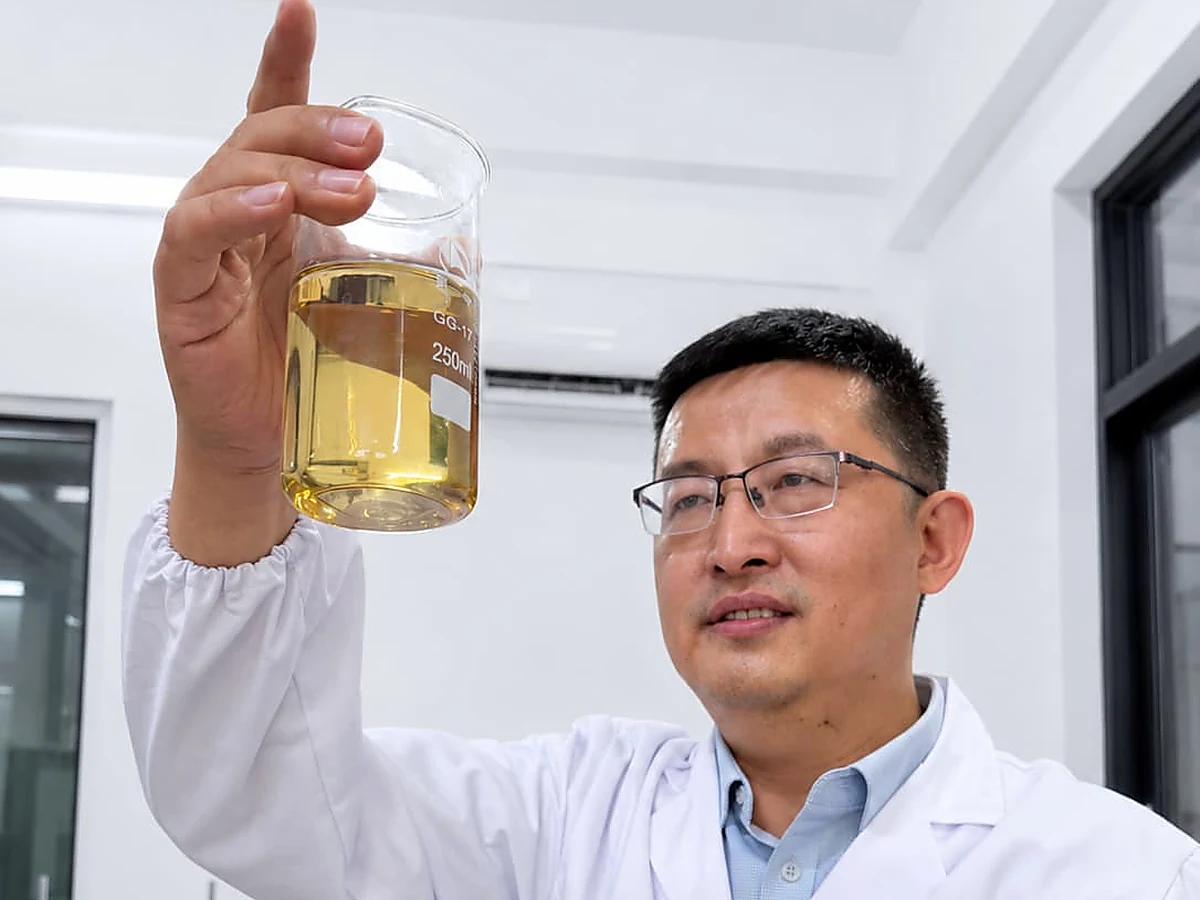
Tinjau Jalur Produk yang Relevan
FSX mengevaluasi bahan-bahan yang relevan seperti CMC, CMS, natrium alginat, pasta cetak digital, atau pengental yang sesuai, berdasarkan aplikasi dan tujuan pengujian Anda.
Produk · Proses · Kompatibilitas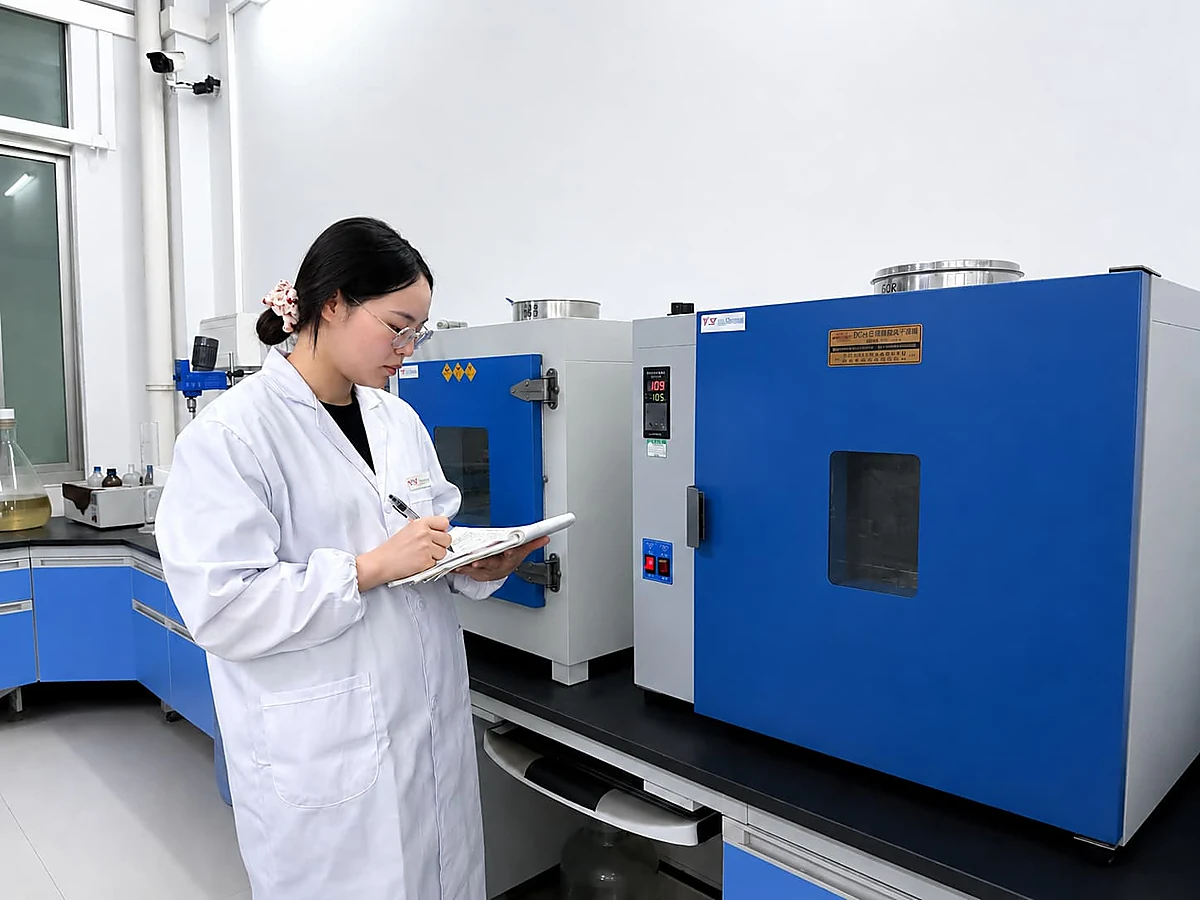
Uji Grade Awal yang Disarankan
FSX merekomendasikan grade awal atau pilihan sampel untuk uji coba laboratorium atau produksi. Pilihan akhir dipastikan berdasarkan hasil pengujian viskositas, stabilitas, dan hasil cetak Anda.
Sampel · Uji Coba · Umpan Balik