
Digital Printing Paste for Textile Pretreatment

FSX Chemical supplies digital printing paste for textile pretreatment and coating processes, helping mills improve fabric surface uniformity, ink penetration control and printed outline clarity before inkjet printing.

Inkjet Pretreatment Role

How Digital Printing Paste Supports Textile Inkjet Pretreatment

FSX Chemical digital printing paste is used as a fabric pretreatment paste before textile inkjet printing. It helps prepare the fabric surface, control ink migration, improve colour boundary clarity, balance moisture absorption and support wash-off after fixation.

Controls ink migration

Forms a pretreatment layer that helps hold inkjet droplets on the fabric surface and reduce unwanted side spread before fixation.

Reduces colour bleeding

Helps control colour bleeding around printed edges, especially in fine patterns, light backgrounds and multi-colour textile inkjet designs.

Improves colour yield

Supports ink absorption and fixation on the fabric surface, helping improve colour depth and visual brightness after printing.

Balances moisture and surface sizing

Pre-coats the fabric surface to help control moisture, ink absorption and surface uniformity before digital printing.

Used outside the ink system

Used in pretreatment or coating, not directly in inkjet ink. High-polymer thickeners may increase nozzle blockage risk.

Washes off after fixation

Removes in the washing step after fixation, supporting acceptable fabric hand feel and cleaner background clarity.
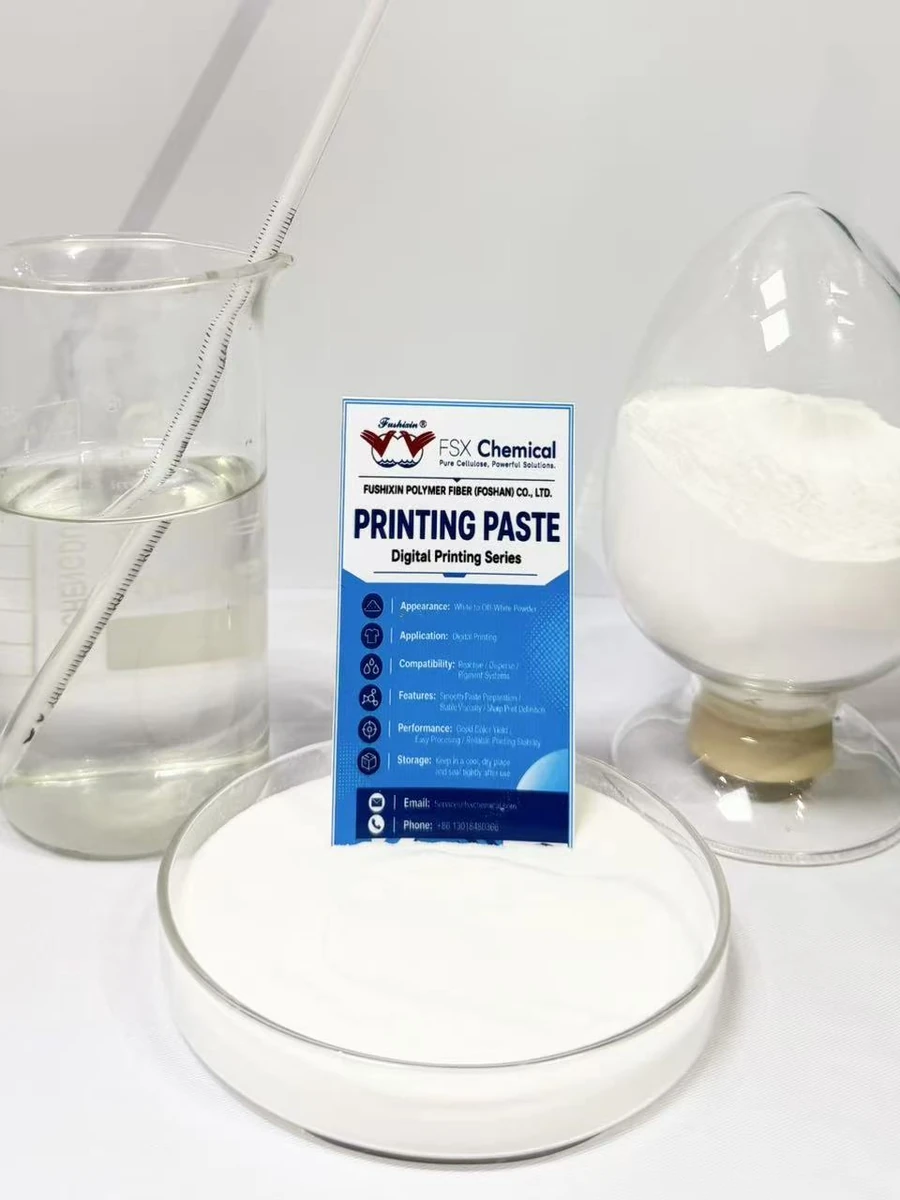
FSX Chemical digital printing paste powder and stock paste preparation for textile inkjet pretreatment
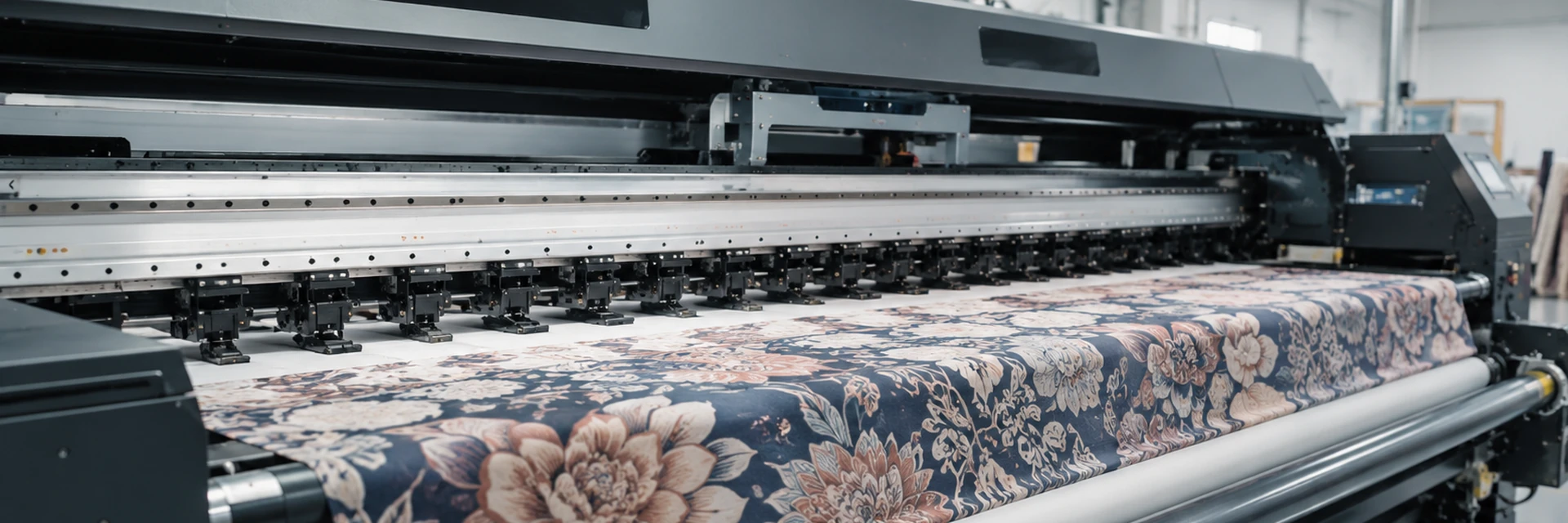
Digital textile printing equipment with fabric feeding through printer
Aplikasi yang Sesuai

Where Digital Printing Paste Fits in Textile Inkjet Printing

FSX Chemical digital printing paste is selected by ink type, fabric and pretreatment target. It helps prepare the fabric surface before inkjet printing and should not be added directly into digital ink. Use the scenarios below to choose a practical starting point before sample testing.

Skenario 01

Reactive Inkjet Printing on Cotton and Cellulosic Fabrics

Kain Cotton, viscose, Tencel, Modal and selected natural fibre systems
Proses Pretreatment → Drying → Digital printing → Steaming → Washing
Bermanfaat untuk Ink migration control, reduced colour bleeding, clearer printed edges and better shade development in reactive textile inkjet printing
Direkomendasikan Fushixin Ink DP-R
Skenario 02

Disperse Inkjet Printing on Polyester Fabrics

Kain Polyester and polyester-blend fabrics
Proses Pretreatment if required → Digital printing → Drying → High-temperature fixation → Washing
Bermanfaat untuk Ink absorption control, colour consistency, cleaner print definition and more stable output on selected polyester digital printing lines
Direkomendasikan Fushixin Ink DP-D
Skenario 03

Pigment Inkjet Printing on Blended and Various Fabrics

Kain Cotton, polyester, blended fabrics and selected multi-fibre substrates
Proses Pretreatment → Digital printing → Heat curing or fixation → Washing if required by the system
Bermanfaat untuk Reduced ink migration, better colour yield and improved rubbing fastness when the pigment ink, binder and curing process are properly matched
Direkomendasikan Fushixin Ink DP-P
Skenario 04

Existing Digital Printing Line with Bleeding or Weak Colour

Situation Current digital printing shows ink bleeding, weak shade, unclear edges or unstable output between batches
Role Pretreatment route reviewed to improve fabric surface control before printing — not a direct change to the ink formulation
Bermanfaat untuk Reducing rework, improving first-pass print quality and stabilising output consistency in selected textile inkjet systems
Di Mana Hal Ini Dilakukan dalam Proses Tersebut

Where Digital Printing Paste Works in the Inkjet Printing Line

Digital printing paste works mainly before the fabric enters the printer. It is applied as a fabric pretreatment to help prepare the surface, control ink migration and support colour clarity during textile inkjet printing.

Kain
Pretreatment
Digital printing paste forms a pretreatment layer on the fabric surface
Dry After
Pretreatment
The pretreated fabric is dried before entering the digital printer
Digital
Pencetakan
Inkjet droplets are printed onto the prepared fabric surface
Dry After
Pencetakan
The printed fabric is dried before steaming, curing or fixation
Steaming /
Fixation
Ink fixation depends on the ink system, fabric type and equipment conditions
Mencuci
Pretreatment residue is removed and fabric hand feel is checked after fixation
Langkah-langkah yang disorot show where digital printing paste has the most direct influence on fabric surface preparation, ink control and wash-off. Steaming, curing, fixation and washing conditions vary by ink system, fabric type and equipment. Pigment digital printing may use a different curing and washing sequence. All process details are reference only and should be confirmed through laboratory trial under actual production conditions.
Cara Menilai Hasilnya

How to Judge a Digital Printing Pretreatment Trial

A digital printing pretreatment trial should be judged after printing, fixation and washing under the same fabric, ink system and printer settings. Focus on edge clarity, colour yield, ink migration, background cleanliness and fabric hand feel before moving to bulk production.
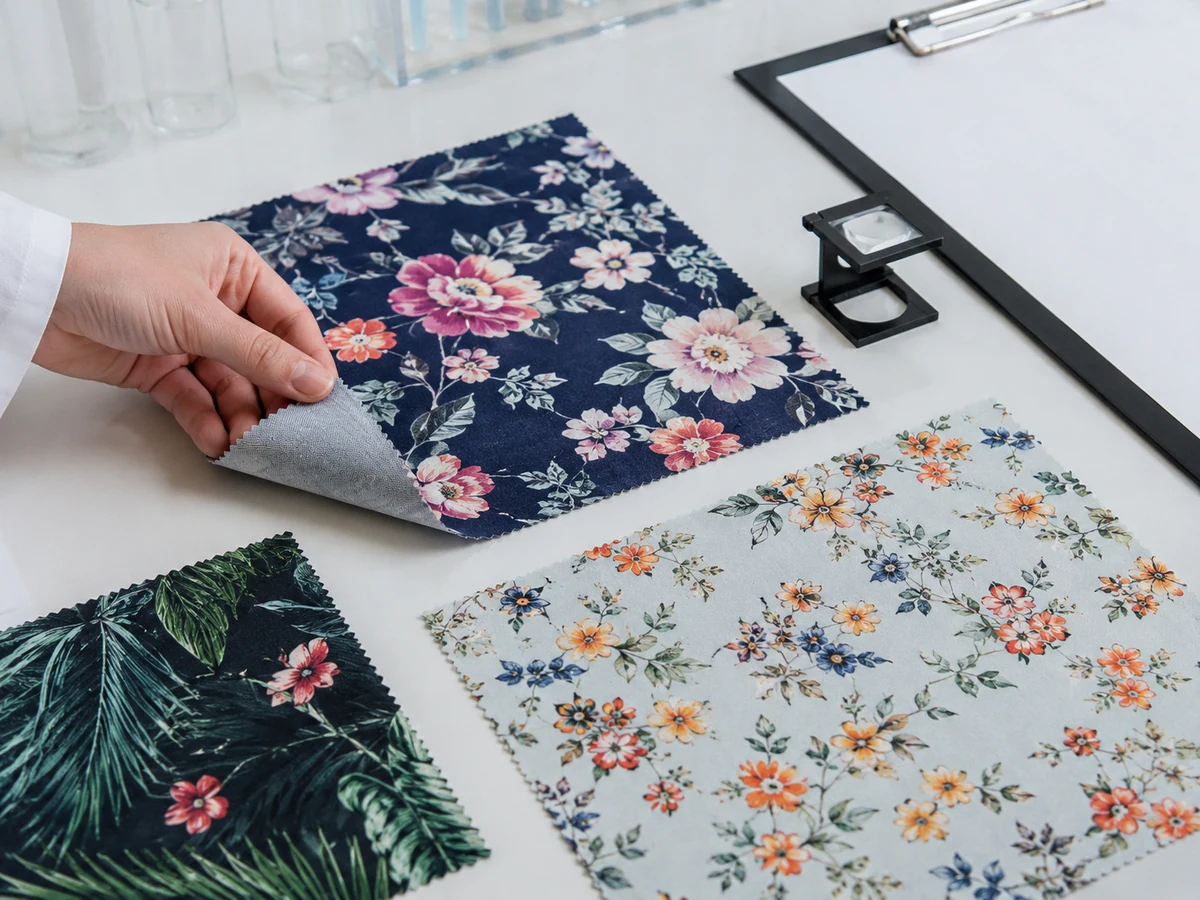
FSX Chemical digital printing pretreatment trial showing printed fabric edge clarity and bleeding control after washing
For a fair comparison, keep the fabric, ink system, pretreatment dosage, printer settings, fixation conditions and washing process consistent when testing different digital printing paste samples.

What to Check Before Moving Forward

These points help confirm whether the pretreatment paste is suitable for your textile inkjet printing system. Some indicators vary by reactive, disperse or pigment ink route.

Edge clarity and bleeding control

Look for cleaner pattern boundaries and less visible ink bleeding, especially around fine lines, small text and multi-colour areas.

Colour yield and shade depth

Compare colour depth, brightness and shade consistency against the target sample after fixation and washing.

Ink migration on the fabric surface

Check whether ink droplets stay controlled on the pretreated surface instead of spreading along fibres before fixation.

Rubbing fastness in pigment systems

For pigment digital printing, review dry and wet rubbing fastness after the binder, curing temperature and fabric conditions are matched.

Wash-off and background cleanliness

After washing, check the unprinted areas for staining, residue marks, dullness or any change in fabric background clarity.

Hand feel after processing

Touch and compare the finished fabric after fixation or washing to confirm whether the handle is acceptable for the final product.

Evaluasi Rute

When Digital Printing Pretreatment Helps Improve Print Consistency

The value of digital printing paste is not simply cost reduction. When the pretreatment is matched with the fabric, ink system and fixation process, it can help control ink migration, improve first-pass print quality and support more stable output across production runs.

Dimensi
With matched pretreatment
Without matched pretreatment
Ink migration
Better controlled in selected systems
Higher risk on absorbent or uneven fabrics
Edge clarity
Cleaner boundaries when fabric and ink are matched
More dependent on fabric absorbency and printer settings
Colour yield
Supported by a controlled fabric surface
May vary with fabric absorbency and ink penetration
Rubbing fastness
Can improve in selected pigment systems after curing
May be weaker if binder, curing or surface control is not matched
Rework risk
Can be reduced when bleeding and shade variation are controlled
May increase if bleeding, weak shade or unstable output appears
Nozzle compatibility
Used on fabric before printing, not inside inkjet ink
Direct ink addition is not recommended

Where Pretreatment Usually Makes Sense

Digital printing pretreatment is not required for every fabric and ink combination. It is most often reviewed when a mill needs better control over ink migration, edge clarity, colour depth or output consistency.

For reactive digital printing on cotton, viscose and other cellulosic fabrics, pretreatment is commonly used to prepare the fabric surface before inkjet printing and support shade development after steaming and washing.

For disperse and pigment digital printing, the decision depends on fabric type, ink system, curing or fixation conditions and quality targets. A small pretreatment trial is the safest way to confirm whether it improves your actual production result.

FSX Chemical digital printing paste products are designed for fabric pretreatment or coating support. They should not be added directly into inkjet ink, because high-polymer materials in the ink system may increase nozzle blockage risk.

Note: Actual results depend on fabric, ink system, printer settings, pretreatment dosage, fixation method and washing process. Confirm the route through sample testing before bulk production.
Rute Produk

Choose a Digital Printing Paste Route by Ink System

Select your ink system and fabric type to find a practical starting point for sample testing. FSX Chemical offers digital printing paste routes for reactive, disperse and pigment textile inkjet printing. Final selection should be confirmed with your actual fabric, printer, ink and process conditions.

Reactive Inkjet Pretreatment

Fushixin Ink DP-R

Reactive digital printing pretreatment paste for cotton, viscose and selected natural fibres.

Form White to beige powder
Viskositas acuan 2,400–2,800 mPa.s
Test concentration 2.5–3%
Reference dosage 25–30 g / 1,000 g paste
pH 7–9
Cotton Viscose Tencel Modal Silk Wool
Disperse Inkjet Pretreatment

Fushixin Ink DP-D

Disperse digital printing pretreatment for polyester and selected synthetic fabric systems.

Form Yellowish viscous liquid
Reference dosage 40–80 g/L
pH 4–6
Aplikasi Pretreatment padding / coating
Polyester Nylon Synthetic fabrics
Pigment Inkjet Pretreatment

Fushixin Ink DP-P

Pigment digital printing pretreatment for cotton, polyester, blended and various fibre types.

Form Yellowish viscous liquid
Reference dosage 40–80 g/L
pH 4–6
Rubbing fastness ref. Dry Gr.4 / Wet Gr.3
Cotton Polyester Blends Various fibres
Pertanyaan & Dukungan Produk

Kirimkan Persyaratan Produk Anda

Berikan nama produk, kegunaan, jumlah, tujuan pengiriman, serta TDS, foto sampel, atau dokumen lain yang sudah Anda miliki. FSX Chemical akan meninjau informasi tersebut dan merekomendasikan langkah selanjutnya terkait penawaran harga, pencocokan sampel, atau pemilihan produk.

Informasi Produk Nama produk, kelas, model, foto label, atau referensi pemasok.
Dokumen yang Tersedia TDS, SDS, COA, foto sampel, daftar produk, atau data pengujian.
Rincian Pesanan Perkiraan jumlah, kemasan, negara tujuan, pelabuhan, atau syarat perdagangan.
Permohonan atau Masalah Proses pencetakan tekstil, kebutuhan formulasi, masalah terkini, atau target kinerja.