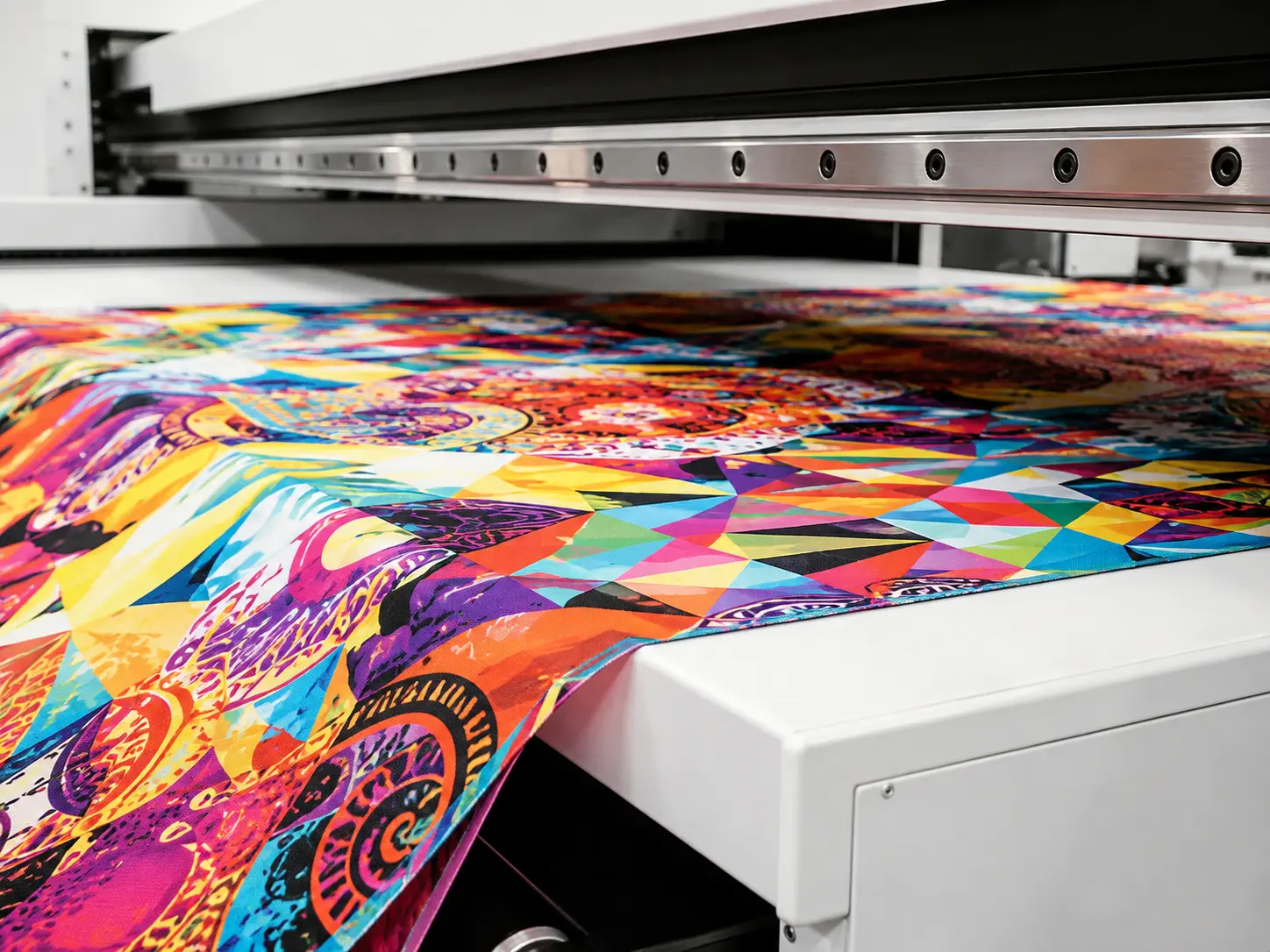
“High adhesion” is not a stand-alone thickener specification. In pigment printing, adhesion mainly depends on the binder, substrate preparation and curing conditions, while the thickener controls rheology, transfer and print definition. In reactive or disperse systems, buyers should define fixation and wash-off performance instead of using adhesion as a generic purchasing claim.
CMC may contribute viscosity control and film behavior in selected formulations, but it does not replace a pigment binder or correct inadequate curing. Evaluate the complete system: fabric, colorant, binder or fixation chemistry, thickener, additives, application method, drying or curing and required fastness.
This guide shows textile buyers how to translate an adhesion claim into controlled tests, distinguish binder failure from rheology problems, and approve a printing-paste system before bulk purchasing.
Diagnose Adhesion Claims by Printing Route
| Printing route | What creates durability | What the thickener controls |
|---|---|---|
| Pencetakan pigmen | Binder film formation plus correct curing | Rheology, screen transfer, outline and penetration |
| Pencetakan reaktif | Dye-fiber fixation plus effective wash-off | Paste rheology, dye placement, penetration and washability |
| Pencetakan dispersi | Thermal fixation or route-specific transfer | Flow, definition, penetration and residue |
| Digital pigment pretreatment | Binder/ink compatibility and curing | Coating uniformity, pickup, filtration and storage stability |
What High Adhesion Printing Paste Means in Textile Printing
Adhesion Depends on the Full Printing System
Adhesion is not determined by one raw material alone. Fabric structure, surface treatment, ink or dye system, binder system, thickener type, pH, drying condition, curing condition, and washing process can all affect the final result.
For this reason, buyers should test high adhesion printing paste under their own production conditions before confirming bulk purchase.
CMC Can Support Rheology and Film Behavior
In selected printing paste formulations, CMC can help adjust viscosity, improve paste handling, and support film-forming behavior. The suitable grade depends on viscosity, degree of substitution where applicable, solubility, pH, moisture, and compatibility with the full formulation.
Buyers should not choose a CMC-based paste only by product name. The actual grade and formulation performance should be confirmed through testing.
Performance Claims Should Be Verified
Claims such as “high adhesion,” “wash resistant,” “eco-friendly,” “compliant,” or “vibrant color” should be supported by documents, test data, or the buyer’s own sample evaluation when they are important to the purchasing decision.
For B2B textile printing, practical testing is more reliable than broad marketing claims.
Key Application Factors Buyers Should Confirm
Fabric or Substrate Type
Cotton, polyester, blended fabrics, linen, silk, knitted fabrics, woven fabrics, and technical textiles may respond differently to the same printing paste. Fabric surface, pretreatment, absorbency, and finishing process can affect adhesion and color performance.
Buyers should share fabric type and current production conditions before asking for grade matching.
Proses Pencetakan
Record the application method separately from the colorant route: for example, rotary-screen pigment printing or reactive inkjet printing on pretreated fabric. For digital work, this guide concerns fabric-applied pretreatment and the finished print; it does not establish that a thickener is suitable for addition to printhead ink.
The recommended paste should be tested under the same printing process used in production.
Target Viscosity and Rheology
Viscosity affects paste transfer, pattern edge control, screen passing, leveling, penetration, and handling. Buyers should confirm the target viscosity range and testing method.
State the concentration and its basis, water, preparation and conditioning schedule, temperature, instrument or geometry, spindle, speed, reading time and units before comparing results. One viscosity value does not identify adhesion or finished durability.
Drying, Curing and Washing Conditions
A paste that works in one process may need adjustment in another process.
Specifications Buyers Should Review
Viscosity Grade and Testing Method
Viscosity is one of the most important parameters for printing paste selection. Buyers should review the viscosity range together with the test concentration, temperature, instrument method, and unit.
Without a clear test method, viscosity data from different suppliers may not be directly comparable.
Solubility and Preparation Behavior
Preparation behavior affects production efficiency and paste stability. Poor dispersion may create lumps, unstable viscosity, filtration difficulty, or uneven printing.
Buyers should test dissolution or dispersion behavior under their own water quality, stirring speed, addition method, temperature, and preparation time.
pH, Moisture and Appearance
Select incoming checks for the supplied form and the agreed specification. Examples include moisture for a powder or nonvolatile content for a liquid where specified, with declared methods; a nonvolatile residue is not an active-polymer assay. Compare appearance and pH only under their stated conditions.
These parameters should be reviewed in the TDS and confirmed through COA data where applicable.
Kompatibilitas Formulasi
High adhesion printing paste must be compatible with the buyer’s ink or dye system, binder, auxiliaries, pH adjusters, fabric type, and printing equipment.
Compatibility issues may appear as viscosity drift, separation, poor leveling, blocked screens, poor adhesion, or unstable printing behavior.
How to Test High Adhesion Printing Paste
Test in the Actual Printing Formula
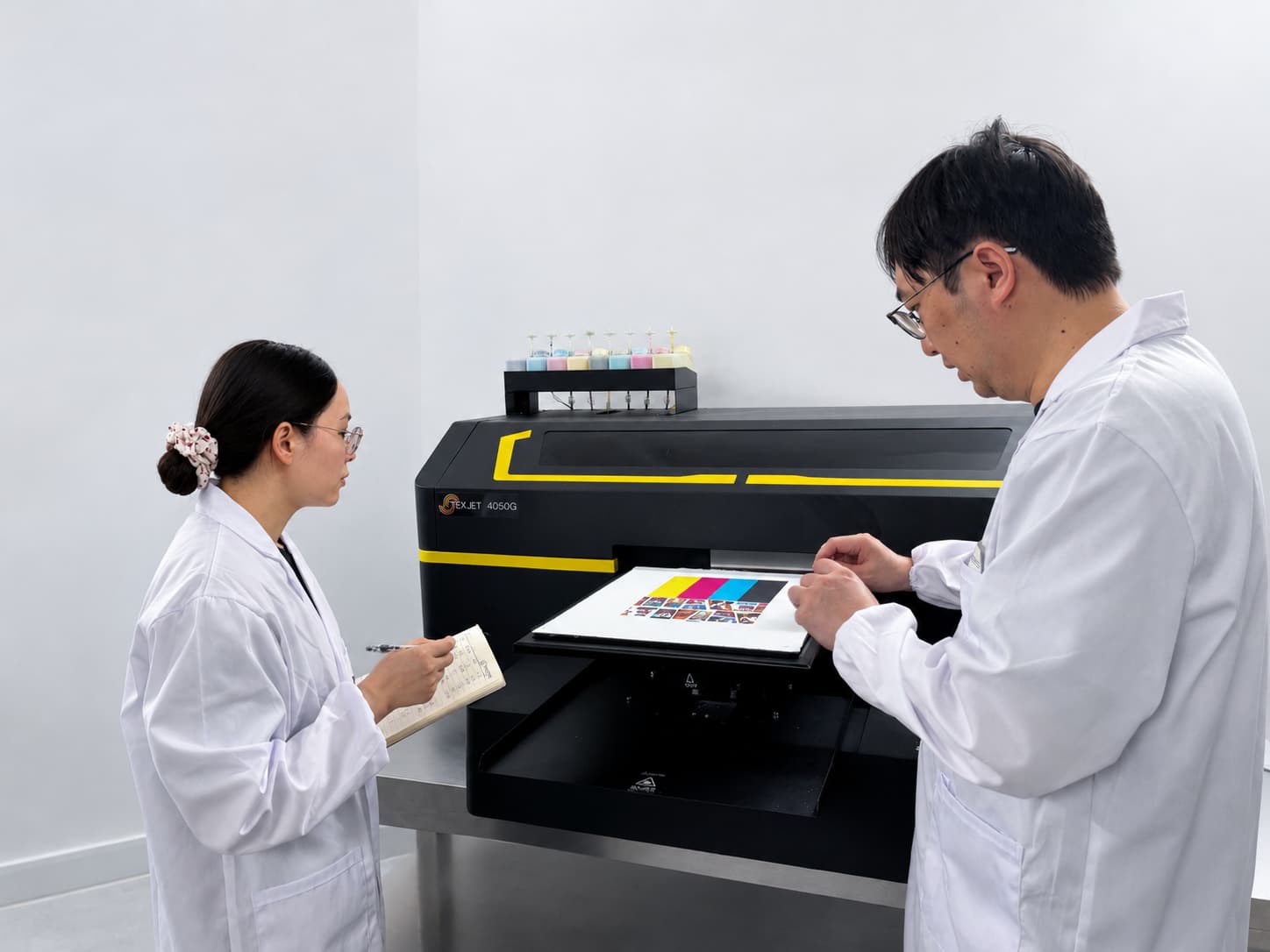
Sample testing should be done in the buyer’s own formulation whenever possible. Dyes, pigments, binders, auxiliaries, water quality, pH, stirring method, paste concentration, and storage time can all affect final performance.
Testing only in water may not be enough to confirm whether the paste is suitable for production.
Evaluate Adhesion Under Real Conditions
Define the failure to be measured on the actual printed fabric. Rubbing measures color transfer; laundering assesses a wash-durability outcome. Neither is a direct measurement of interfacial adhesion strength. Use a peel or separation test only when the product has a suitable separable layer and a defined specimen preparation and geometry; it is not a default test for an ordinary dyed or pigment-printed textile.
Agree the relevant method, version, specimen preparation, conditioning and customer acceptance criteria before comparison. Keep the results as separate metrics; a good rubbing grade does not prove a good peel result or identify the mechanism of failure.
| Pertanyaan | Suitable result to request | Interpretation limit |
|---|---|---|
| Does color transfer during rubbing? | Dry and wet crocking under a method suitable for the print, such as AATCC TM8. | Color transfer is not an isolated adhesion-force result; check the method’s applicability to the printed area. |
| Does the print withstand the specified laundering? | A customer-selected laundering colorfastness method, such as AATCC TM61 where applicable. | A washing result combines the effects of the print and the test conditions; it does not uniquely locate binder failure. |
| Does a defined coating or layer separate? | A suitable separation or peel method with agreed geometry and specimen preparation. | Only meaningful for a testable layer construction; do not assign a generic peel strength to all textile prints. |
The linked pages provide public method summaries. Use the applicable current method and laboratory/customer instructions for testing; this guide does not reproduce a standard or claim that an FSX grade has passed it.
Observe Printing and Production Behavior
During testing, buyers should observe paste smoothness, viscosity stability, screen passing, leveling, penetration, drying behavior, surface feel, pattern edge control, and defect risk.
Pengamatan praktis ini seringkali sama pentingnya dengan data spesifikasi yang tercantum dalam TDS.
Compare Against the Current Product
Compare the candidate with the approved reference under a defined common screen. If grades require different preparation, also evaluate each after appropriate preparation for the application. For a binder-based trial, record actual paste, pigment and binder deposition as well as the formula; equal ingredient percentages or one viscosity reading do not ensure equal delivered film.
This helps the buyer judge whether the recommended paste is technically suitable before discussing bulk supply.
Dokumen yang Harus Diminta oleh Pembeli
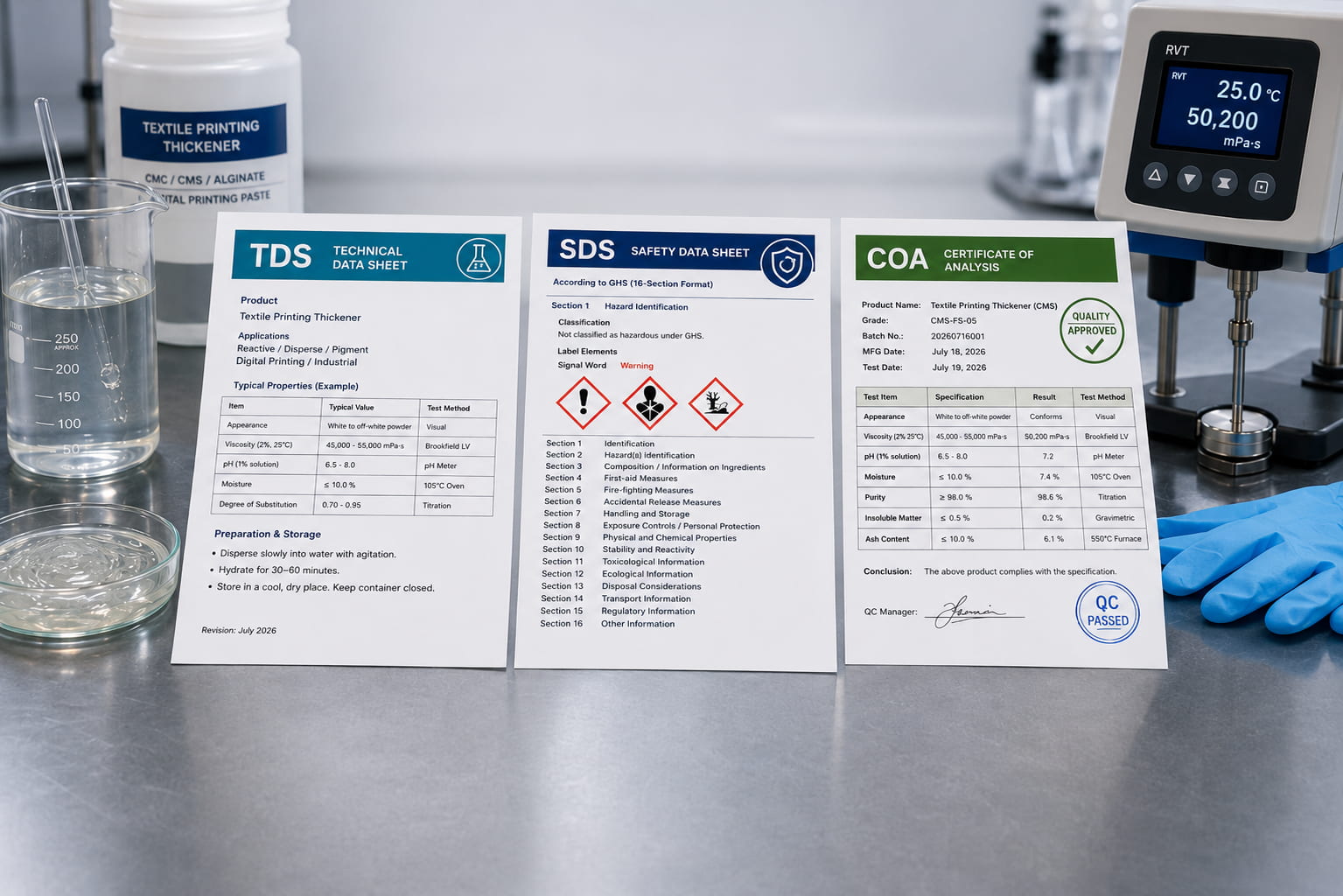
TDS untuk Tinjauan Spesifikasi
Use the TDS to identify the grade, supplied form, preparation, test methods and intended application. Distinguish typical information from purchase-order limits or an agreed acceptance specification. Select moisture, nonvolatile content and other items according to the product form; a TDS is not proof that every application or batch has passed the buyer’s requirements.
The TDS supports initial grade screening, but it should not replace sample testing in the buyer’s own printing formulation.
COA untuk Konfirmasi Batch
A batch COA reports the listed results against the supplier’s stated methods and limits. Check that its grade and lot match the shipment and the agreed acceptance items. It does not by itself verify every omitted parameter or the finished print’s adhesion and fastness.
Pembeli dapat membandingkan catatan COA dari berbagai pengiriman untuk memeriksa apakah parameter-parameter utama tetap berada dalam kisaran yang telah disepakati.
SDS for Handling and Shipment Review
The Safety Data Sheet supports handling, storage, transport, and internal safety review. For international purchasing, SDS may also be needed for shipment and customs-related communication.
Buyers should make sure the SDS product name and supplier information match the order documents.
Additional Customer or Compliance Documents
If the buyer needs restricted-substance statements, environmental documents, customer audit questionnaires, certificate copies, or third-party testing support, those requirements should be discussed before order confirmation.
A practical supplier should clearly explain which documents can be provided and which claims require formal third-party testing or certification.
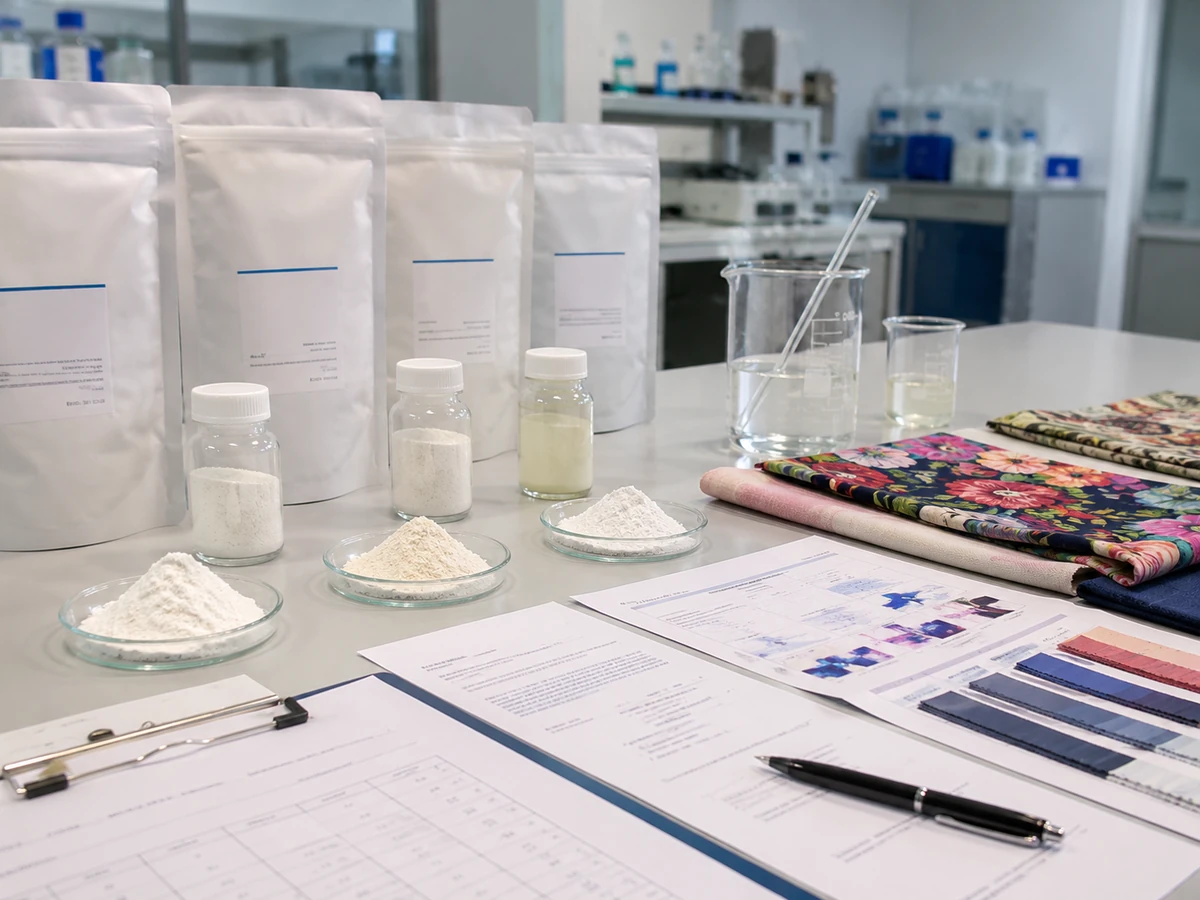
How to Compare High Adhesion Printing Paste Suppliers
Compare Equivalent Applications
A paste designed for one printing process may not be suitable for another. Buyers should compare suppliers based on the same fabric, printing process, ink or dye system, viscosity target, and test method.
Confirm Sample-to-Bulk Consistency
Before confirming a bulk order, buyers should check whether the approved sample and bulk shipment will follow the same agreed specification range, packaging format, batch traceability, and COA requirements.
This helps reduce the risk of sample approval but unstable bulk performance later.
Review Packaging and Export Support
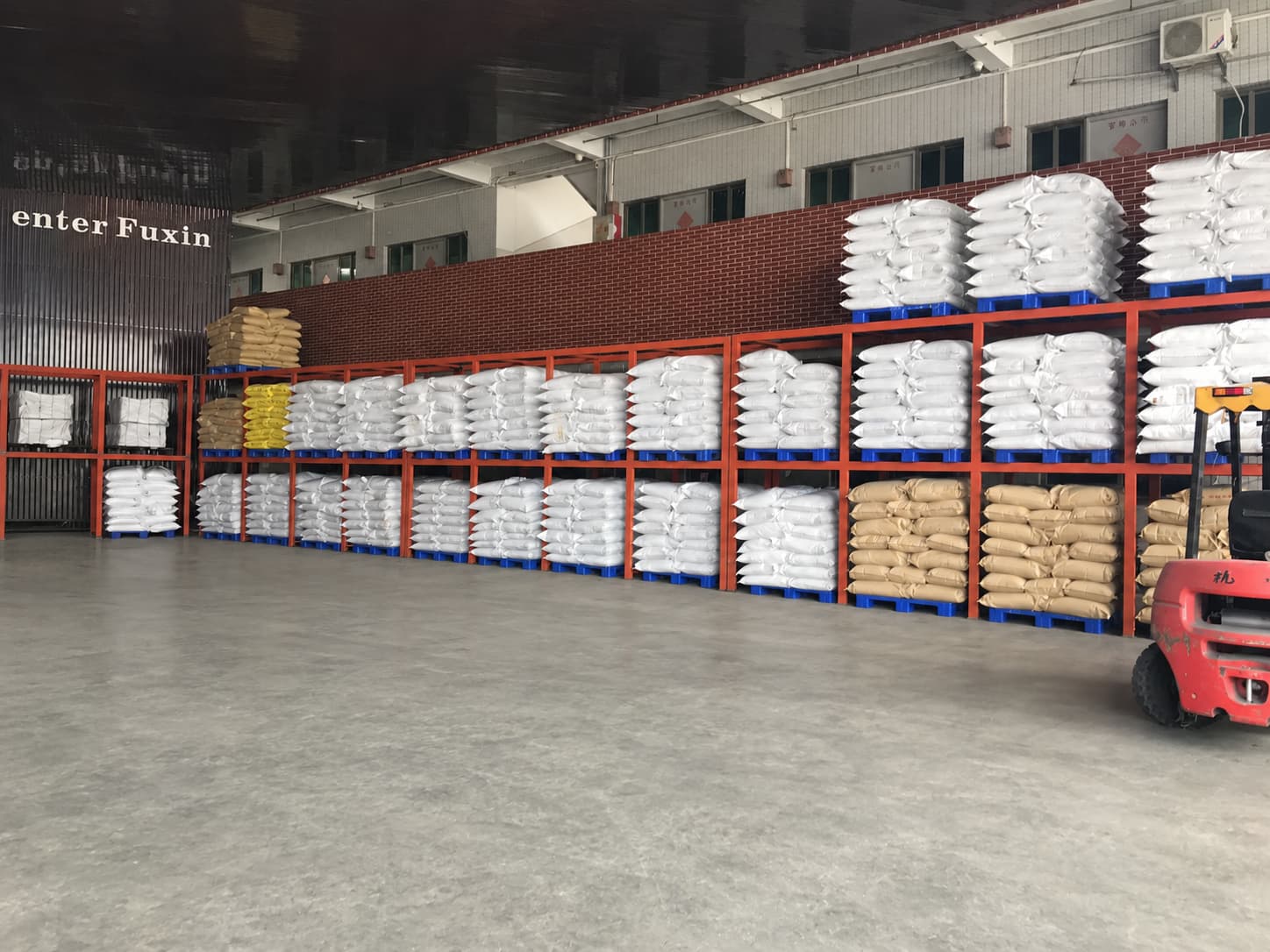
Packaging size, bag or drum type, net weight, label information, batch number, storage conditions, invoice, packing list, COA, SDS, and other export-related documents should be confirmed before shipment.
Document requirements may vary by destination country, product type, and the buyer’s internal purchasing process.
Avoid Broad Claims Without Evidence
Claims such as “solves peeling,” “high color retention,” “fully compliant,” “eco-friendly,” or “best for all fabrics” should be supported by documents, test reports, or the buyer’s own evaluation before they are used for purchasing decisions.
Common Issues and Troubleshooting Points
Poor Adhesion
Poor adhesion may be related to fabric surface, binder system, drying or curing conditions, pH, paste viscosity, formulation compatibility, or grade mismatch.
The full printing system should be reviewed before changing only one raw material.
Color Fading or Wash Failure
Color fading or wash failure may involve dye or pigment selection, binder performance, fixation conditions, washing process, fabric pretreatment, or paste compatibility.
Buyers should test the complete system under the required customer test conditions.
Screen Blocking or Poor Flow
Screen blocking, poor flow, or uneven printing may be caused by viscosity mismatch, poor dispersion, filtration issues, particle contamination, or unstable formulation.
Preparation method and filtration behavior should be recorded during sample testing.
Viscosity Drift During Production
Viscosity drift may be related to water quality, temperature, pH, standing time, formulation compatibility, or grade mismatch.
Buyers should compare production conditions with the supplier’s viscosity testing method.
Pertanyaan yang Sering Diajukan
Does a high-viscosity thickener create stronger pigment adhesion?
Not by itself. Pigment adhesion mainly comes from the binder and curing process. Viscosity affects transfer and film distribution, so test it as part of the complete formula.
Can CMC replace the binder in pigment printing paste?
No. CMC can support rheology or film behavior in selected systems, but it is not a substitute for the binder responsible for pigment attachment.
Which adhesion tests should a buyer request?
Choose separate metrics for the actual failure: color transfer during rubbing, laundering colorfastness, or separation of a defined layer. A peel method is relevant only to a suitable layer construction. Record specimen preparation, conditioning, deposited formulation and the actual cure or fixation; the tests are not interchangeable adhesion scores.
How can binder failure be separated from a rheology problem?
Keep binder chemistry and the cure route controlled, then measure actual binder and pigment deposition, coverage, substrate condition and thermal history while comparing grades. Review flow and transfer separately from final fastness. Repeated matched trials can narrow the cause; a single failed rubbing or washing result does not prove binder failure.
What should be included in a supplier trial?
Provide fabric, printing route, colorant, binder, thickener dosage, viscosity method, drying or curing conditions and target fastness. Request a comparison through Sampel & Pencocokan Grade.
How FSX Chemical Supports Printing Paste Buyers
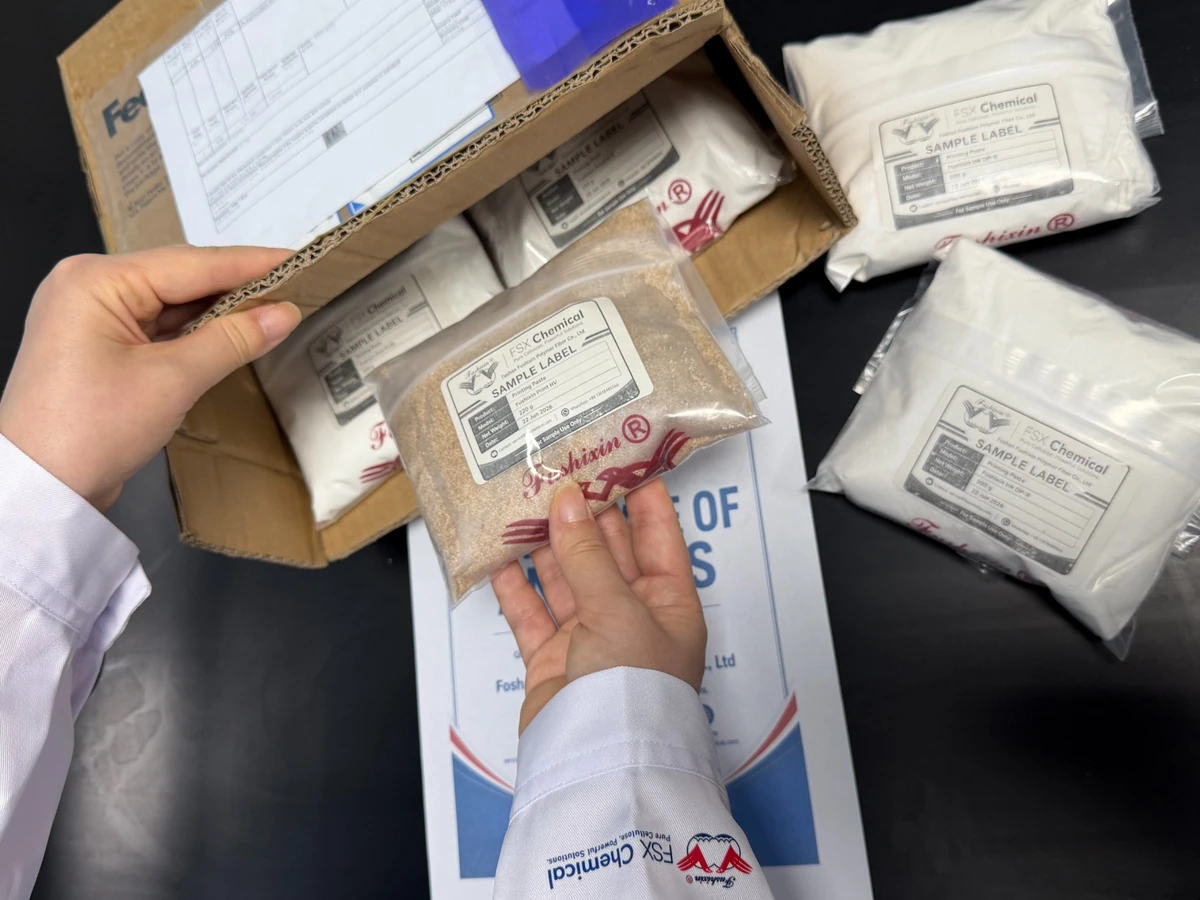
We do not suggest choosing high adhesion printing paste only by product name, broad adhesion claims, compliance claims, or price. The recommended paste or raw material grade should be reviewed through technical documents and tested in the buyer’s own printing system before bulk purchase.
Langkah Selanjutnya
- Share Your Printing Process — tell us whether you use screen printing, rotary printing, digital pretreatment, pigment printing, reactive printing, or another process.
- Clarify Your Fabric Type — provide fabric composition, surface treatment, pretreatment status, and final product requirements.
- Tentukan Viskositas Target Anda — provide viscosity range, test concentration, temperature, instrument method, and current product grade if available.
- Minta Pencocokan Grade — ask for a suitable printing paste or CMC-based formulation suggestion based on your actual process.
- Ajukan Permohonan TDS — review viscosity, pH, moisture, appearance, storage conditions, testing method, and other relevant parameters.
- Ajukan Permohonan COA — pastikan apakah data batch sesuai dengan rentang spesifikasi yang telah disepakati sebelum pengiriman.
- Request an SDS — check handling, storage, transport, and product information.
- Minta Sampel — test the recommended paste or raw material grade in your own printing formulation before confirming bulk orders.
- Memastikan Keabsahan Dokumen Pengemasan dan Ekspor — check packaging size, labels, batch traceability, invoice, packing list, COA, SDS, and other required documents before shipment.
- Hubungi Tim Teknis Kami — discuss whether a high adhesion printing paste or CMC-based grade is suitable for your textile printing application📧 Email: Service@fsxchemical.com