Teknik Kılavuz: Tedarikçi Belgelerinin İncelenmesi – Temmuz 2026’da Güncellenmiştir – Doğrudan Yanıt
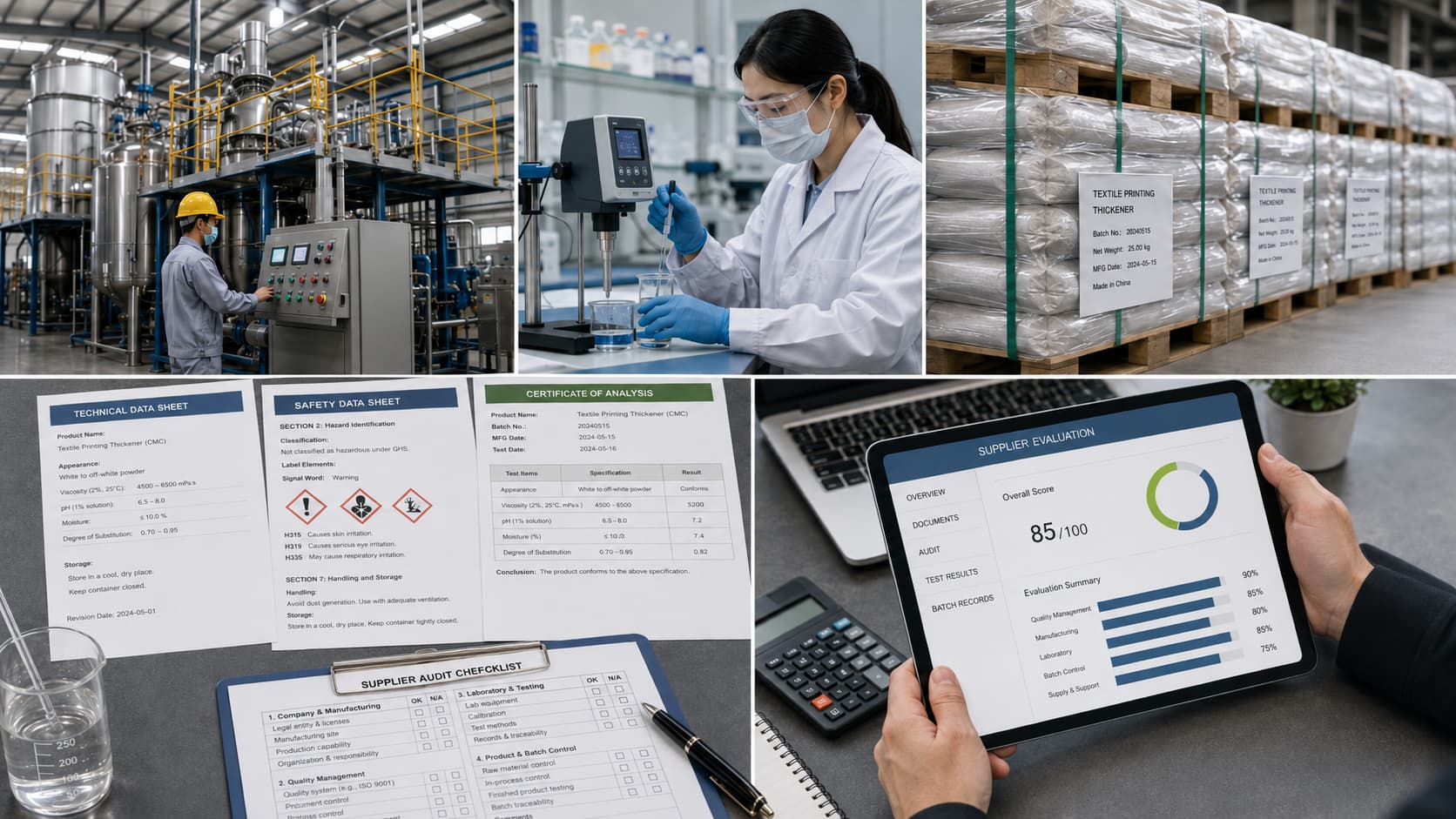
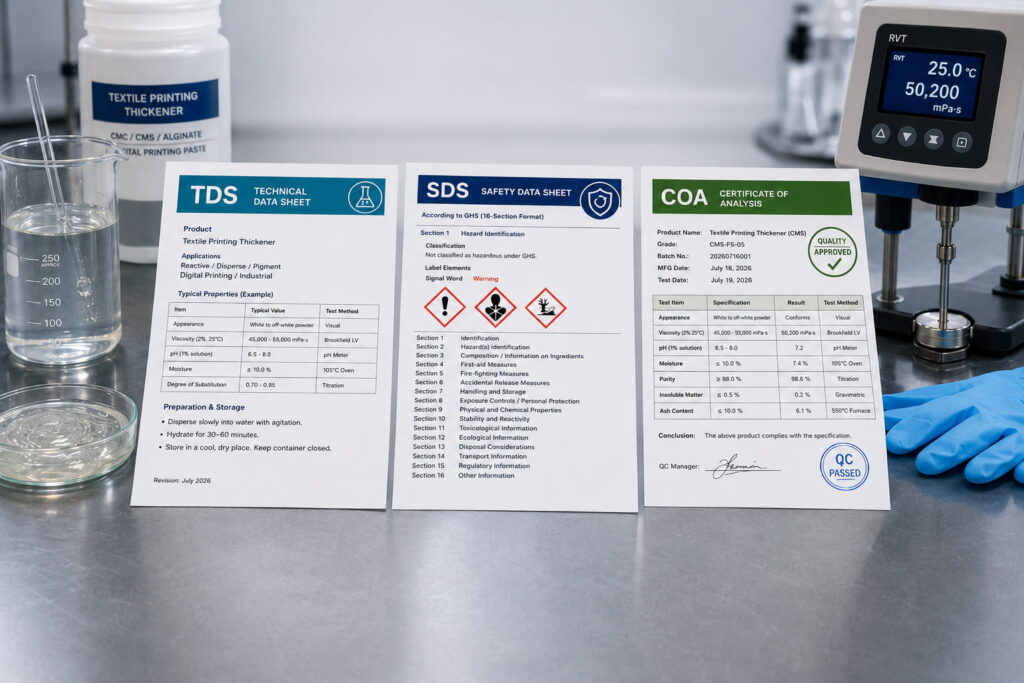
Bir TDS, ürünün teknik özelliklerini, kullanım amacını ve tipik veya referans özelliklerini açıklar. Bir SDS ise tehlike, kullanım, depolama, maruz kalma kontrolü ve acil durum bilgilerini içerir. COA, belirli bir üretim partisine ait test sonuçlarını veya uygunluk durumunu bildirir. Tekstil baskı alıcıları, olası bir kalite sınıfını seçmek için TDS'yi, güvenlik ve elleçleme bilgilerini incelemek için SDS'yi ve tedarik edilen malzemenin kararlaştırılan kalite gerekliliklerini karşıladığını doğrulamak için parti COA'sını kullanmalıdır. Bu belgelerin hiçbiri, numune testi ve üretim doğrulamasının yerine kullanılmamalıdır.
Üç Belge
Üç Farklı İş
TDS, SDS ve COA birbiriyle ilişkili olmakla birlikte birbirinin yerine kullanılamaz. Bir TDS, tek bir parti sonucunun kanıtı değildir. Bir SDS, ürün performansının teknik özelliklerini belirtmez. Bir COA, uygulama veya güvenlik gerekliliklerinin tamamını açıklamaz. Alıcılar bu üç belgeyi birlikte okumalı ve ürün adı, kalite sınıfı, üretici veya düzenleyen kurum, test yöntemi ve parti bilgilerinin tutarlı olup olmadığını kontrol etmelidir.
Hızlı Karşılaştırma
TDS, SDS ve COA Karşılaştırması
Bu tablo, tedarikçi değerlendirmesi ve toplu alım süreçlerinde her bir belgenin hangi sorulara yanıt vermek üzere hazırlandığını açıklamaktadır.
| Belge | Temel Amaç | Genel Bilgiler | Genellikle Toplu İşe Özgü mü? | Alıcıların En Sık Sorduğu Soru |
|---|---|---|---|---|
| TDS | Ürün seçimi ve teknik referans | Ürün açıklaması, görünüm, tipik değerler, test yöntemleri, kullanım alanları, hazırlık ve saklama talimatları | Genellikle hayır | Bu kalite sınıfı benim üretim sürecim için uygun görünüyor mu? |
| SDS | Tehlike bilgilendirme ve güvenli kullanım | Tanımlama, tehlikeler, bileşim, ilk yardım, kullanım, depolama, KKD, nakliye ve acil durum bilgileri | Genellikle hayır | Bu malzeme nasıl kullanılmalı, depolanmalı ve taşınmalıdır? |
| COA | Parti kalitesi doğrulaması | Ürün ve kalite sınıfı, parti numarası, test kalemleri, teknik şartname sınırları, gerçek sonuçlar, piyasaya sürülme tarihi ve onay | Evet | Teslim edilen bu parti, üzerinde anlaşmaya varılan teknik özelliklere uygun mu? |
Belge düzenleri, tedarikçiler ve pazarlar arasında farklılık gösterir. Bilginin işlevselliği ve izlenebilirliği, süsleyici biçimlendirmeden daha önemlidir.
Belge Rolleri
Her Bir Belgenin Neyi Doğrulayabileceği ve Neyi Doğrulayamayacağı
TDS
Teknik Bilgi Formu
Ürünün sınıfını, referans teknik özelliklerini ve amaçlanan kullanım alanını anlamak için kullanılır.
- İlk sınıf seçimini destekler
- Referans test koşullarını açıklar
- Toplu sonuçlar yerine tipik sonuçlar içerebilir
- Tek bir sevkiyatın kalitesini kanıtlamaz
SDS
Güvenlik Bilgi Formu
Tehlikeleri, koruyucu önlemleri, güvenli kullanım kurallarını ve acil durum bilgilerini bildirmek için kullanılır.
- Güvenlik ve uyumluluk incelemesini destekler
- 16 bölümden oluşan yapılandırılmış bir format kullanır
- Eski yazışmalarda MSDS olarak da anılabilir
- Yazdırma performansını doğrulamıyor
COA
Analiz Sertifikası
Belirli bir partiyi, ilgili testler, teknik şartname sınırları ve sonuçlarla ilişkilendirmek için kullanılır.
- Partiyi tanımlamalıdır
- Test edilen ürünün veya sınıfın tanımlanması gerekir
- İlgili sonuçları veya uygunluğu listelemelidir
- Uygulama deneme sürümünün yerini almaz
Teknik Bilgi Formu
TDS Nasıl Okunur?
Herhangi bir teknik veriyi karşılaştırmadan önce, ürünün özelliklerini ve uygulama alanını doğrulayarak başlayın.
| TDS Alanı | Neleri Kontrol Etmelisiniz? | Neden Önemli? |
|---|---|---|
| Ürün adı ve sınıfı | CMC, CMS, sodyum aljinat veya dijital macun modelinin tam olarak hangisi olduğunu teyit edin. | Benzer ürün grubu adları, farklı kalite sınıflarını ve uygulama yöntemlerini içerebilir. |
| Ürün açıklaması | Toz, pul veya sıvı olup olmadığını ve kıvam arttırıcı, macun veya ön işlem ürünü olup olmadığını kontrol edin. | Ürünün formu, hazırlık, dozaj ve test yöntemini etkiler. |
| Kullanım amacı | Reaktif, dispers, pigment, serigrafi, dijital veya endüstriyel kullanım olduğunu teyit edin. | Bir süreçte başarısı kanıtlanmış bir ürün, otomatik olarak başka bir sürece aktarılmamalıdır. |
| Görünüm | Belirtilen rengi, şekli ve görsel durumunu inceleyin. | Görünüş, temel bir kabul ve parti kontrol göstergesi olabilir. |
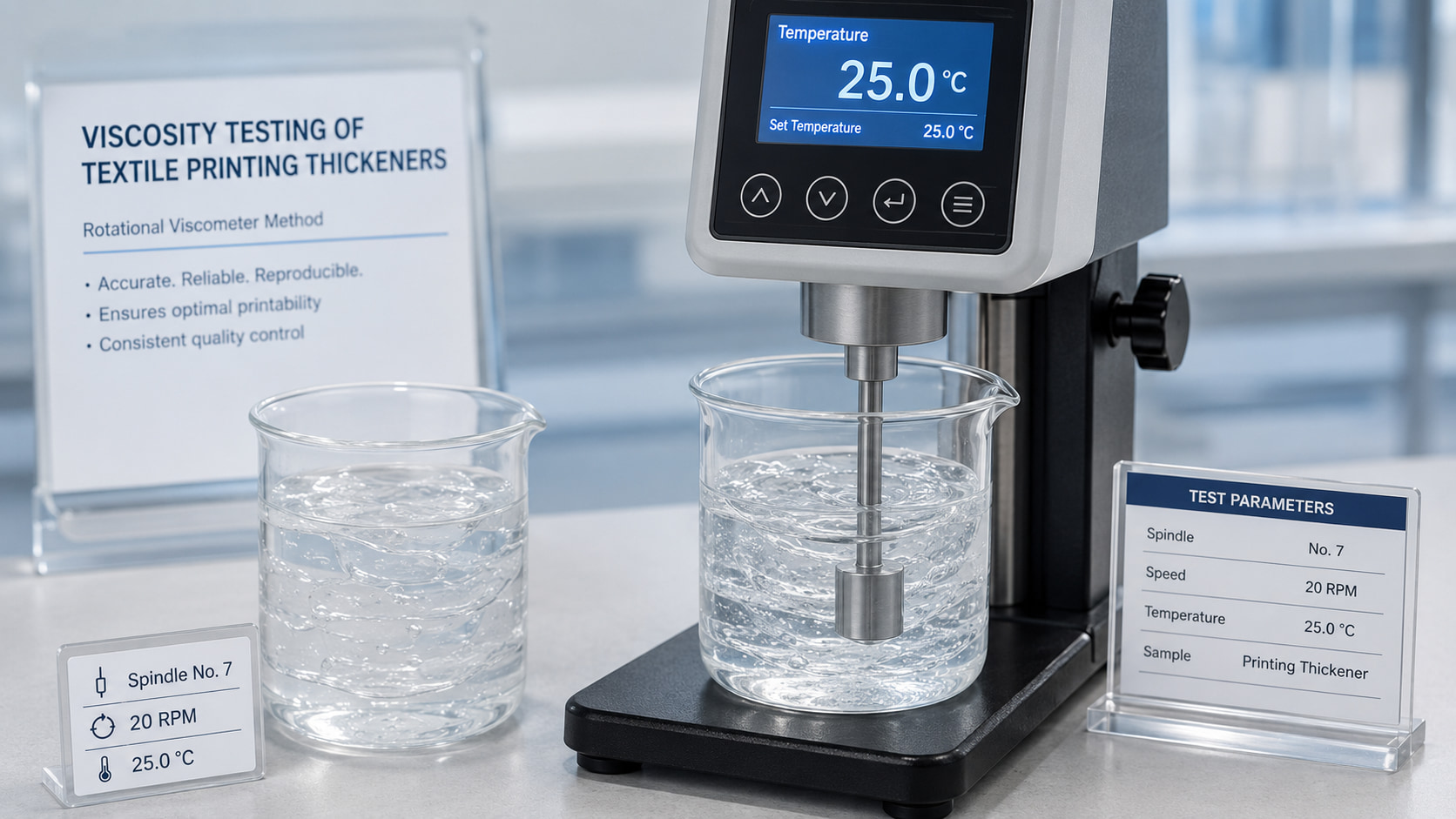
| Viskozite | Konsantrasyonu, sıcaklığı, cihazı, mili veya rotoru ve devir sayısını (RPM) doğrulayın. | Test yöntemi belirtilmeyen bir viskozite değeri eksik sayılır. |
| pH | pH değerinin, ürünün teslim edildiği haliyle mi yoksa belirtilen çözelti konsantrasyonunda mı ölçüldüğünü doğrulayın. | Test esası ve ürün biçimi, sonuçların yorumlanmasını etkiler. |
| Nem veya katı maddeler | Değerin toz, pul veya sıvı malzeme için geçerli olup olmadığını teyit edin. | Nem ve katı madde içeriği, dozajı ve verilen aktif madde miktarını etkiler. |
| Hazırlık ve kullanım dozu | Karıştırma sırasını, su tutma süresini, seyreltme oranını ve uygulama koşullarını gözden geçirin. | Yanlış hazırlık, yanıltıcı deneme sonuçlarına yol açabilir. |
| Saklama önerileri | Sıcaklığı, nem korumayı, ambalajın kapak durumunu ve saklama süresini kontrol edin. | Saklama koşulları, ürünün kararlılığını ve kullanılabilirliğini etkileyebilir. |
| Revizyon tarihi | TDS’nin şu anda geçerli olan sürüm olduğunu doğrulayın. | Teknik özellikler, sınıflandırmalar veya test yöntemleri sürümler arasında değişiklik gösterebilir. |
Tipik değer, her zaman garantili bir parti sınırı anlamına gelmez.
Bir TDS, her üretim partisine uygulanan kabul aralığı yerine tipik, referans veya hedef bir değer gösterebilir. Hangi değerlerin garantili teknik özellikler olduğunu ve hangilerinin yalnızca genel teknik kılavuz niteliğinde sunulduğunu tedarikçiye sorun.
Güvenlik Bilgi Formu
Bir SDS Nasıl Okunur?
SDS bilgileri öncelikle tehlike bildirimi, kullanım, depolama, maruz kalma kontrolü, ilk yardım ve acil durum planlaması için kullanılır.
GHS ile uyumlu mevcut format on altı bölümden oluşmaktadır. OSHA, 1–11 ve 16. bölümler için belirtilen bilgileri zorunlu kılarken, GHS ile uyumlu tam düzen ayrıca ekolojik, bertaraf, nakliye ve mevzuat bölümlerini de içermektedir.
| Bölüm | Başlık | Alıcı Yorumlarına Odaklanma |
|---|---|---|
| 1 | Kimlik Tespiti | Ürün tanımlayıcısı, önerilen kullanım, tedarikçi veya sorumlu taraf ve acil durum irtibat bilgileri. |
| 2 | Tehlike belirleme | Sınıflandırma, uyarı kelimesi, tehlike ifadeleri, piktogramlar ve önlem ifadeleri. |
| 3 | Bileşim / içerik maddeleri | Madde, karışım ve ilgili bileşen veya konsantrasyon bilgileri. |
| 4–6 | İlk yardım, yangınla mücadele ve kazara sızıntı | Maruz kalma, yangın, sızıntı veya salınım durumlarına yönelik acil müdahale önlemleri. |
| 7 | Taşıma ve depolama | Güvenli kullanım önlemleri, depolama koşulları ve uyumsuzluklar. |
| 8 | Maruz kalma kontrolleri / Kişisel Koruyucu Donanım (KKD) | Maruz kalma sınırları, havalandırma, eldivenler, göz koruması ve diğer koruyucu önlemler. |
| 9–10 | Özellikler, kararlılık ve reaktivite | İlgili fiziksel özellikler, kararlılık, uyumsuzluklar ve tehlikeli ayrışma. |
| 11 | Toksikolojik bilgiler | Maruz kalma yolları, belirtiler ve mevcut sağlık etkileri bilgileri. |
| 12–15 | Ekoloji, bertaraf, nakliye ve mevzuat | Çevre, atık, nakliye ve ilgili mevzuat bilgileri. |
| 16 | Diğer bilgiler | Hazırlanma tarihi, revizyon tarihi ve diğer belge bilgileri. |
SDS ve MSDS genellikle aynı belge grubunu ifade eder.
“MSDS”, bazı alıcılar ve tedarikçiler tarafından hâlâ kullanılan eski bir terimdir. “SDS” ise GHS ile uyumlu güncel terimdir. MSDS’den SDS’ye geçiş, belgenin bir ürün spesifikasyonu veya parti COA’sı haline gelmesini sağlamaz.
Analiz Sertifikası
Toplu COA Nasıl Okunur?
COA, sağlanan materyali belirli bir ürün, parti ve ilgili test sonuçları kümesiyle ilişkilendirmelidir.
- Ürün adı ve kesin kalite sınıfı
- Parti veya lot numarası
- Uygun olduğu durumlarda üretim veya piyasaya sürülme tarihi
- Uygun olduğu durumlarda, geçerlilik süresi veya yeniden test bilgileri
- Her bir ilgili test maddesi
- Teknik özellikler veya kabul aralığı
- Mevcut olduğu durumlarda gerçek sayısal sonuç
- Test yöntemi veya yöntem referansı
- Serbest bırakma veya uygunluk durumu
- Yetkili onay veya imza
- Belgeyi düzenleyen kurum veya sorumlu laboratuvar
- Revizyon veya belge kontrol bilgileri
Parti numarası, izlenebilirlik bağlantısıdır.
COA üzerindeki parti numarası, teslim edilen ambalaj, fatura, sevk irsaliyesi veya diğer ilgili sevkiyat belgeleriyle eşleşmelidir. Parti numarasıyla net bir bağlantı içermeyen bir COA, fiilen teslim edilen malzemeye ilişkin sınırlı kanıt sunar.
Teknik Özellikler ve Sonuçlar
TDS ve COA Değerleri Arasındaki İlişki Nasıl Olmalıdır?
| Test Sorusu | TDS Referansı veya Teknik Özellikleri | COA Toplu Sonuçları | Alıcı Kontrolü |
|---|---|---|---|
| Görünüm | Beyaz ila kirli beyaz renkli toz | Uygunluk | Sonucun üzerinde anlaşmaya varılmış bir görsel kriter kullanıldığını doğrulayın. |
| Viskozite | Belirlenmiş bir yöntem uyarınca 45.000–55.000 mPa·s | 50.200 mPa·s | TDS ve COA'da aynı konsantrasyon, sıcaklık, mil ve devir sayısının (RPM) kullanıldığını doğrulayın. |
| pH | Belirli bir konsantrasyonda 6,5–8,0 | 7.2 | Çözelti konsantrasyonunu ve test esasını doğrulayın. |
| Nem | En fazla 10,01 TP3T | 7.4% | Birimleri ve sınırlamanın tedarik edilen ürün biçimine uygulanıp uygulanmadığını teyit edin. |
Yukarıdaki rakamlar yalnızca örnek niteliğindedir ve FSX Chemical ürün özelliklerini yansıtmamaktadır.
Viskozite test koşullarına ilişkin ayrıntılı bir açıklama için şu belgeye göz atın: Tekstil baskı kıvam arttırıcı viskozite test yöntemlerinin karşılaştırılması .
Ürün Kimliği
Ürünü Tüm Belgelerde Eşleştir
Teklif, numune, Teknik Veri Sayfası (TDS), Güvenlik Bilgi Formu (SDS), Uygunluk Belgesi (COA) ve sevkiyat kayıtlarında aynı ürün kimliği görüldüğünde, belgelerin tutarlılığını değerlendirmek daha kolaydır.
Eşleşmesi Gereken Bilgiler
- Ürün ailesi
- Tam ürün veya model kodu
- Ürün formu
- Uygulanabilir kullanım alanı veya kalite sınıfı
- Gerekli olduğu durumlarda parti numarası
- Tedarikçi veya üretici ile olan ilişki
Farklılık Gösterebilecek Bilgiler
- TDS revizyon tarihi
- SDS revizyon tarihi
- Belgenin dili
- Hedef pazarın gerektirdiği sorumlu taraf
- Partiye özgü COA sonuçları
- Sertifika veya laboratuvar düzenleyicisi
Farklı ihraççı adları, belgenin geçersiz olduğu anlamına gelmez.
Bir marka, hukuk şirketi, orijinal üretici, test laboratuvarı, distribütör veya sertifikasyon kurumu, çeşitli nedenlerle farklı belgelerde yer alabilir. Önemli olan, belgeyi düzenleyen kurumun rolü, ürün kapsamı ve parti ilişkisinin açık ve doğrulanabilir olup olmadığıdır.
Belge Düzenleyen Kurum
Neden Asıl İhraççı Korunmalıdır?
Teknik veya uygunluk belgelerinde, bilgilerin yayınlanmasından sorumlu kuruluşun kimliği her zaman belirtilmelidir. Orijinal şirket, laboratuvar veya sertifikasyon kuruluşu adının kaldırılması veya değiştirilmesi, belgenin doğrulanmasını zorlaştırabilir ve testleri kimin gerçekleştirdiğini veya sertifikayı kimin verdiğini yanlış bir şekilde yansıtabilir.
Marka Sunumu
Web sitesi, teklif veya belge kapağında, müşteri iletişimi için kullanılan uluslararası iş markası belirtilebilir.
Orijinal Belge Düzenleyicisi
Orijinal SDS, COA, test raporu veya sertifikada, kaynak belgede belirtilen sorumlu üretici, laboratuvar, sertifikasyon kurumu veya diğer düzenleyici kurumun adı yer almalıdır.
Her belgenin tek bir ad kullanmasını zorunlu kılmak yerine, rolü doğrulayın.
Alıcılar, ürünü kimin tedarik ettiğini, kimin ürettiğini veya test ettiğini, belgeyi kimin düzenlediğini ve belgenin hangi parti, ürün veya sertifikasyon kapsamını kapsadığını tespit edebilmelidir.
Ürüne Özgü İnceleme
FSX’in Dört Ürün Rotasında Nelere Dikkat Edilmeli?
| Ürün Seçeneği | Önemli TDS Alanları | Önemli COA Alanları | Ana İnceleme Riski |
|---|---|---|---|
| CMC | Viskozite yöntemi, konsantrasyon, kurutma kalıntısı (DS), pH, nem, saflık ve önerilen kullanım alanı | Parti viskozitesi, pH, nem ve üzerinde mutabık kalınan diğer kontrol kalemleri | DS ve saflığı göz ardı ederek notları yalnızca viskoziteye göre karşılaştırmak |
| CMS | Ürün formu, baskı yöntemi, viskozite, pH, hazırlama yöntemi ve kalite sınıfı | Partinin görünümü, viskozitesi, pH değeri ve ilgili kalite kriterleri | Reaktif, dispers ve özel CMS'leri tek bir evrensel ürün olarak ele almak |
| Sodyum Aljinat | Yüksek gerilim (HV), orta gerilim (MV) veya alçak gerilim (LV) hatları, konsantrasyon, viskozite yöntemi, pH, nem ve reaktif baskı uygulamaları | Parti viskozitesi, pH, nem, görünüm ve kararlaştırılan göstergeler | HV, MV ve LV’yi sınıf güzergâhları yerine kalite sıralamaları olarak ele almak |
| Dijital Baskı Patı | DP-R, DP-D veya DP-P, toz veya sıvı form, dozaj, pH, ön işlem ve sabitleme yöntemi | Parti görünümü, pH, katı madde içeriği veya ürün formuna özgü diğer göstergeler | Serigrafi ve dijital ön işlem verilerinin doğrudan karşılaştırılması |
Ürün-güzergâh seçimi için, aşağıdakileri inceleyin: CMC, CMS, sodyum aljinat ve dijital baskı macunu karşılaştırma kılavuzu .
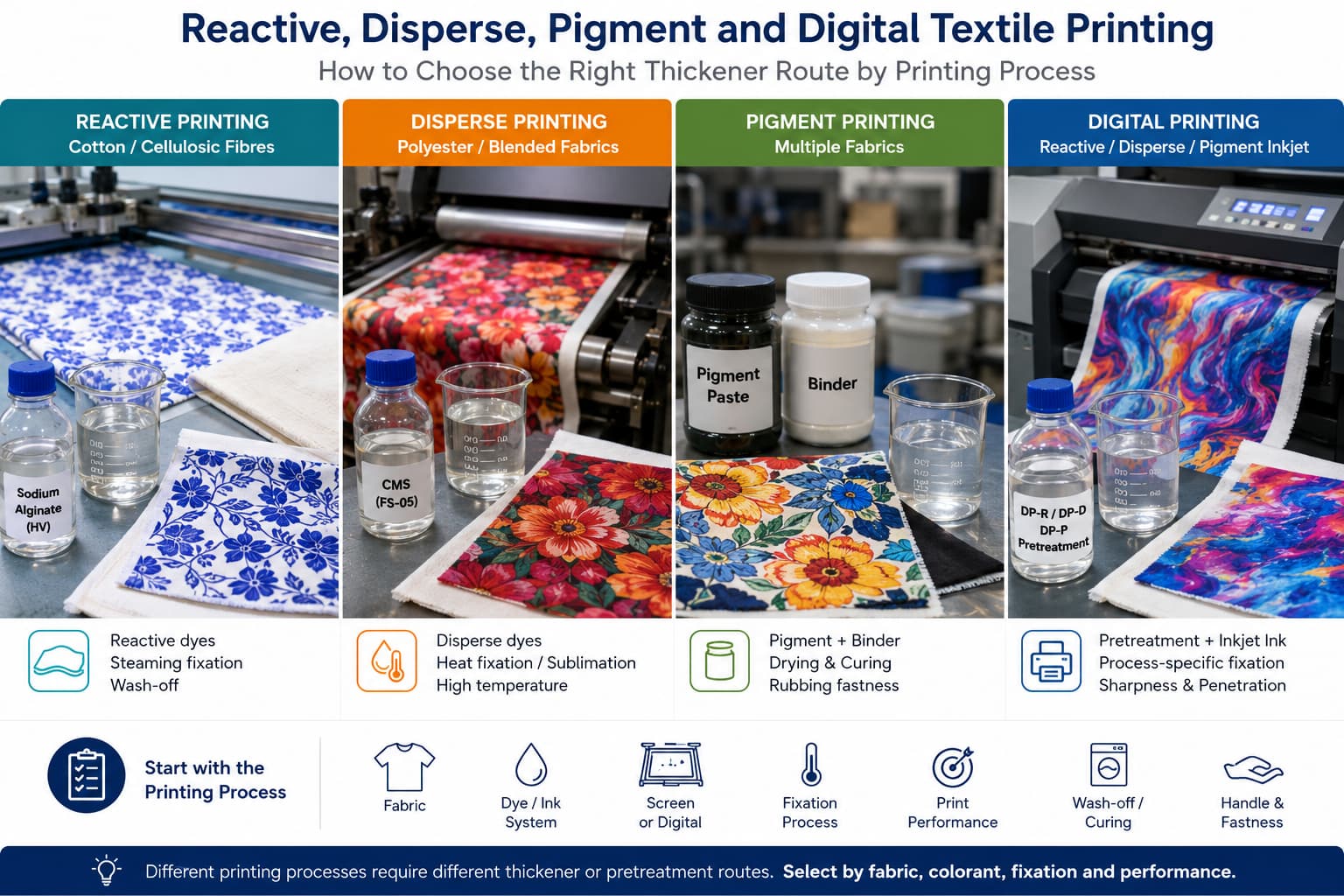
Süreç temelli seçim için, aşağıdakileri inceleyin: Reaktif, dispers, pigment ve dijital baskı koyulaştırıcı kılavuzu .
Sık Karşılaşılan Belge Sorunları
Alıcıların Dikkat Etmesi Gereken Sekiz Uyarı İşareti
Ürün sınıfı eksik
Genel bir dosya adı, belgenin gerçekte hangi sınıfı, viskozite yöntemini veya uygulamayı kapsadığını netleştirmeyebilir.
Yöntem belirtilmemiş viskozite
Konsantrasyon, sıcaklık, ölçüm cihazı, mil ve devir sayısı bilgisi bulunmayan bir değer, güvenilir bir şekilde karşılaştırılamaz.
Parti numarası bulunmayan COA
Belge, sağlanan üretim partisiyle net bir şekilde ilişkilendirilemiyor.
TDS, parti kanıtı olarak kullanılır
Genel bir teknik özellik belgesi, bir sevkiyatın test edildiğini ve piyasaya sürüldüğünü kanıtlamaz.
Performans kanıtı olarak kullanılan SDS
Güvenlik ve kullanım bilgileri, renk verimi, viskozite kararlılığı, yıkanabilirlik veya uygulamaya uygunluk konusunda bir garanti teşkil etmez.
Güncelliğini yitirmiş sürüm
Eski bir belgede, daha önceki bir ürün açıklaması, teknik özellik, adres veya yasal düzenleme formatı kullanılmış olabilir.
Değiştirilen ihraççı bilgileri
Orijinal ihraççının kaldırılması, laboratuvarın, üreticinin veya sertifikasyon kaynağının doğrulanmasını engelleyebilir.
Kapsamı belirtilmemiş sertifika
Bir sertifikanın, belirtilen kapsamında aksi belirtilmedikçe her ürünü, fabrikayı, tesisi veya partiyi kapsadığı varsayılmamalıdır.
Alıcı İş Akışı
Tedarikçi Belgelerini İncelemek İçin Altı Adım
ADIM 01
Ürünü Onaylayın
Ürün grubunu, kalite sınıfını, formunu ve kullanım amacını teklif ve talep edilen numune ile eşleştirin. ADIM 02
TDS’yi inceleyin
Teknik parametreleri, test yöntemlerini, uygulama yöntemini, hazırlık talimatlarını ve revizyon tarihini kontrol edin. ADIM 03
Güvenlik Bilgi Formunu (SDS) inceleyin
Ürünün kimliğini, tehlike sınıflandırmasını, kullanım ve depolama koşullarını, KKD'yi, nakliye ve acil durum bilgilerini kontrol edin. ADIM 04
Örneği Test Edin
Aday ürünü, tanımlanmış bir laboratuvar yöntemi ve hedeflenen baskı süreciyle karşılaştırın. ADIM 05
Toplu COA’yı inceleyin
Parti numarasını, geçerli teknik özellikleri, gerçek sonuçları ve onaylanmış sevk bilgilerini doğrulayın. ADIM 06
Gönderiyi Eşleştir
Ambalaj etiketlerinin, parti numaralarının, COA’nın ve ticari belgelerin tedarik edilen malzemeye ait olduğunu doğrulayın.
FSX Kimyasal Destek
Ürün Değerlendirmesi Sırasında Kullanılabilir Belgeler
Ürün, kalite sınıfı, proje ve belgelerin mevcudiyetine bağlı olarak, FSX Chemical, B2B değerlendirmesi için gerekli teknik ve parti bilgilerini sağlayabilir veya bu bilgilerin teminini koordine edebilir.
- İlgili ürünün Teknik Veri Sayfası (TDS)
- İlgili ürünün Güvenlik Bilgi Formu (SDS)
- Örnek veya deneme bilgileri
- Referans viskozite test koşulları
- İlgili ticari tedarik için toplu COA
- Ambalaj ve parti tanımlama bilgileri
- Mevcut sertifikalar veya kayıtlar
- Sınıf uyumu değerlendirmesi
Belgenin mevcut olup olmadığı ve yayınlayıcıya göre değişiklik gösterebilir.
Her belgede belirtilen asıl düzenleyen kurum, ürün kapsamı, parti bilgileri, revizyon tarihi ve geçerlilik süresi korunmalıdır. Alıcılar, teklif veya sipariş onayından önce belge gerekliliklerini teyit etmelidir.
Alıcılar İçin Sık Sorulan Sorular
Sık Sorulan Sorular
TDS ile COA arasındaki temel fark nedir?
Bir TDS genellikle ürün sınıfını, kullanım amacını ve referans veya tipik teknik özellikleri belirtir. Bir COA ise belirli bir partiye aittir ve o parti için geçerli test sonuçlarını veya uygunluk durumunu bildirir. SDS ile MSDS aynı şey midir?
MSDS, bazı pazarlarda hâlâ kullanılan eski bir terimdir. SDS ise GHS ile uyumlu güncel terimdir ve genellikle on altı bölümden oluşan yapılandırılmış bir formatı izler. Bir SDS, bir tekstil kıvamlaştırıcısının yüksek kaliteli olduğunu kanıtlayabilir mi?
Hayır. Bir SDS, güvenlik, kullanım ve tehlike bilgilerini içerir. Ürün kalitesi, TDS, parti COA’sı, numune testleri ve fiili baskı performansı kullanılarak değerlendirilmelidir. Her COA’da fiili sayısal sonuçlar bulunmalı mıdır?
Sayısal testler, uygun olduğu durumlarda normalde sayısal sonuçlar sunmalıdır. Bazı görsel veya nitel testler, üzerinde anlaşmaya varılmış bir gerekliliğe uygun olarak rapor edilebilir. Raporlama biçimi yine de açık olmalı ve partiye kadar izlenebilir olmalıdır. İki tedarikçinin TDS viskozite değerleri doğrudan karşılaştırılabilir mi?
Ancak konsantrasyon, sıcaklık, kullanılan cihaz, mil veya rotor, devir sayısı (RPM), hazırlama yöntemi ve birimler tutarlı olduğunda. Aksi takdirde, değerler karşılaştırılamayabilir. Belgeler arasında şirket adı neden farklılık gösterebilir?
Farklı belgeler bir markayı, tüzel kişiliği, orijinal üreticiyi, test laboratuvarını, distribütörü veya sertifikasyon kuruluşunu tanımlayabilir. Aralarındaki ilişki ve belgeyi düzenleyen taraf açıkça belirtilmeli ve asıl düzenleyici tarafın kimliği tespit edilebilir olmalıdır. COA, baskı performansını garanti eder mi?
Hayır. COA, geçerli parti test sonuçlarını teyit eder; ancak nihai baskı performansı aynı zamanda kumaş, boya veya mürekkep, formül, ekipman, sabitleme ve üretim koşullarına da bağlıdır.
Bu Teknik Kılavuz Hakkında
FSX Kimyasal Teknik İçerik Ekibi tarafından, numune onayı veya toplu satın alma öncesinde teknik, güvenlik ve parti belgelerini inceleyen tekstil baskı fabrikaları, kimyasal dağıtıcıları, ithalatçılar ve tedarik ekipleri için hazırlanmıştır.
FSX Chemical
Foshan Fushixin Polymer Fiber Co., Ltd.
Temmuz 2026'da güncellenmiştir
Teknik Kaynaklar
Belge ve Tehlike Bildirimi Kaynakları
Bu kaynaklar, genel belge yapısı ve parti kalitesi ile ilgili bilgiler sunmaktadır. Alıcılar ayrıca, ilgili hedef ülkenin gerekliliklerine ve söz konusu ürün ile sipariş için kararlaştırılan şartlara uymak zorundadır.
- ABD İş Güvenliği ve Sağlığı İdaresi. 29 CFR 1910.1200’ün D Eki — Güvenlik Bilgi Formları. OSHA’nın resmi kılavuzunu görüntüleyin
- Birleşmiş Milletler Avrupa Ekonomik Komisyonu. Kimyasalların Sınıflandırılması ve Etiketlenmesi için Küresel Uyumlaştırılmış Sistem. Güncel GHS yayın sayfasını görüntüle
- Uluslararası Uyum Konseyi. ICH Q7 İyi Üretim Uygulamaları Kılavuzu, Bölüm 11.4, Analiz Sertifikaları. Burada, partilerin net bir şekilde tanımlanması, test sınırları, sonuçlar ve düzenleme sorumluluğu için bir referans çerçevesi olarak kullanılmaktadır. Resmi kılavuzu görüntüle
Toplu Satın Almadan Önce Ürünü, Yöntemi ve Partiyi İnceleyin
Mevcut TDS, SDS, COA, ürün numunesi veya belge taleplerinizi, baskı süreci ve hedef spesifikasyonlarla birlikte gönderin. FSX Chemical, kontrollü testler veya ticari tedarik öncesinde uygun ürün ve belge sürecini değerlendirebilir.
Numune Eşleştirme Talep Edin Belgeleri Görüntüle📧 E-posta: Service@fsxchemical.com