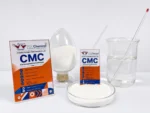
Karboksimetil Selüloz · Sodyum CMC · Tekstil Baskısı
Karboksimetil Selüloz (CMC) Nedir ve Tekstil Baskısında Nasıl Kullanılır?
Genellikle sodyum karboksimetil selüloz veya sodyum CMC olarak tedarik edilen karboksimetil selüloz (CMC), kıvamlaştırıcı ve reoloji düzenleyici olarak kullanılan, suda çözünen bir selüloz eteridir. Tekstil baskısında CMC, kararlı formülasyon ve proses koşullarını desteklerken viskozitenin, pat kıvamının ve akış davranışının kontrol edilmesine yardımcı olur.
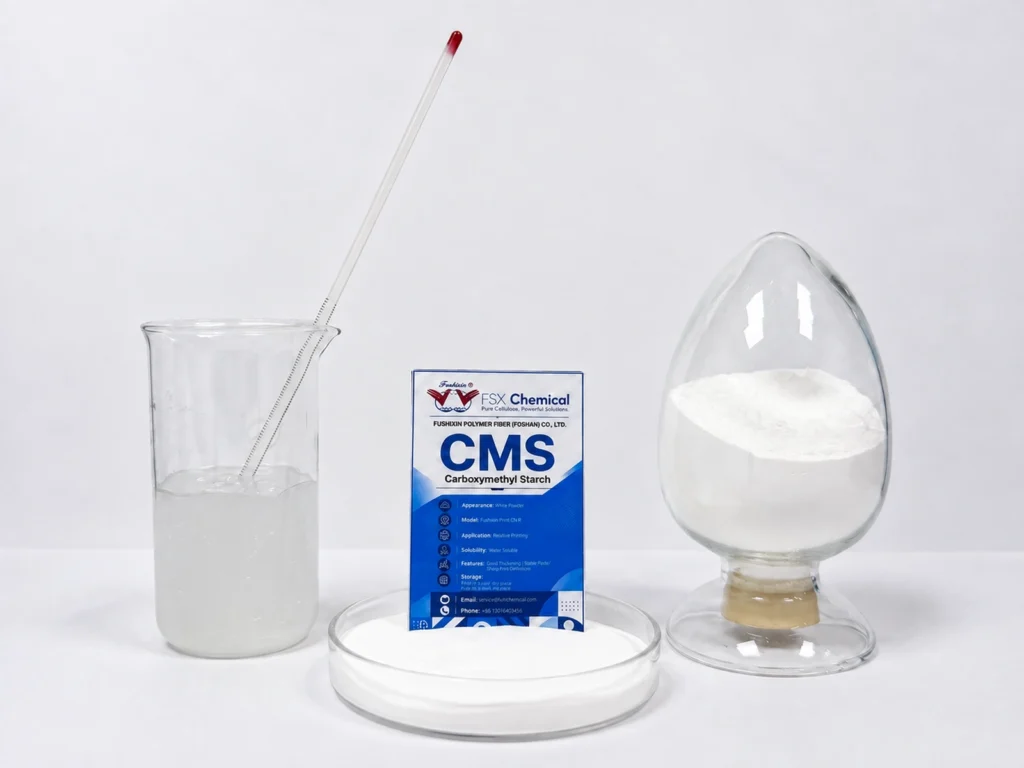
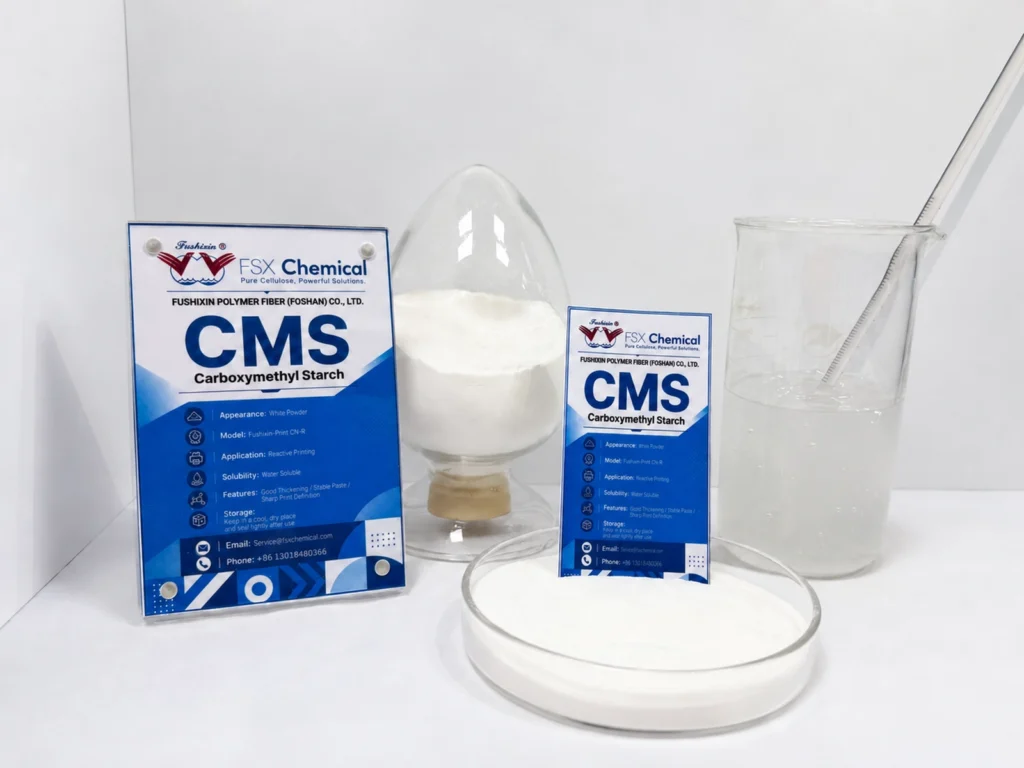
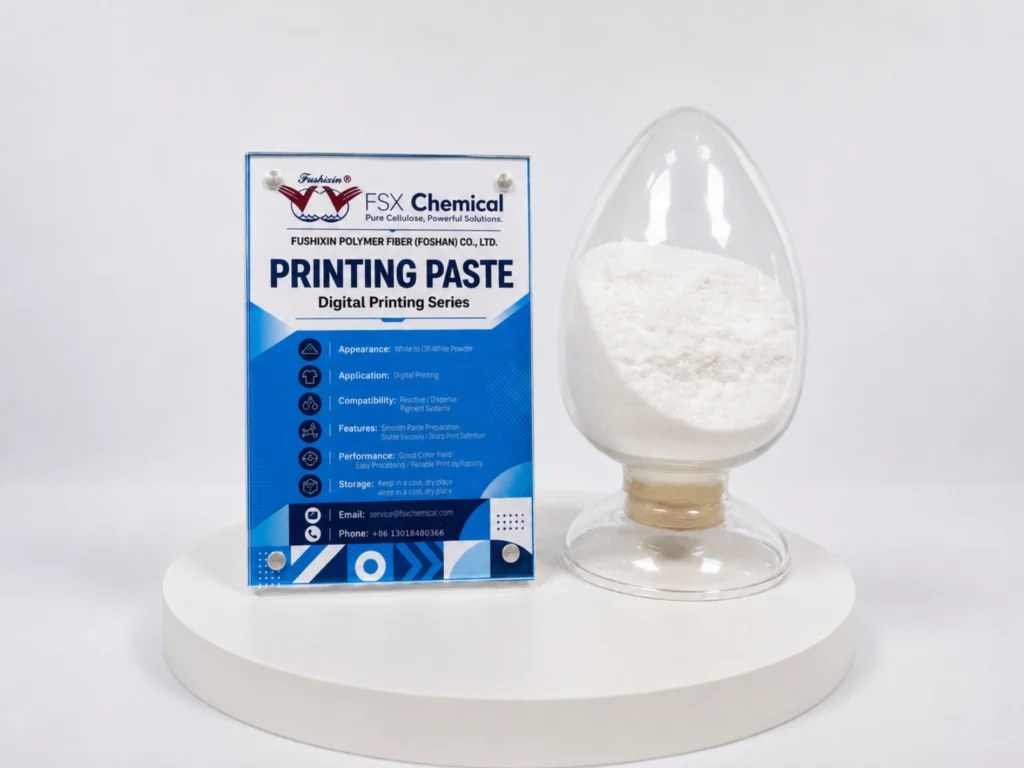
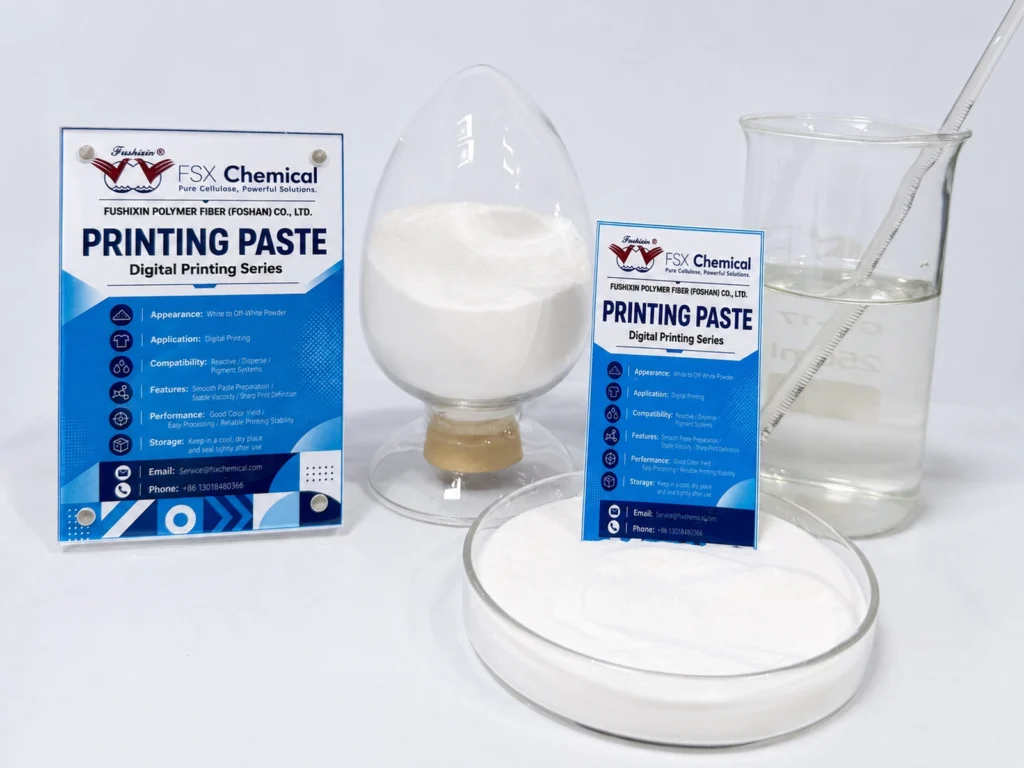
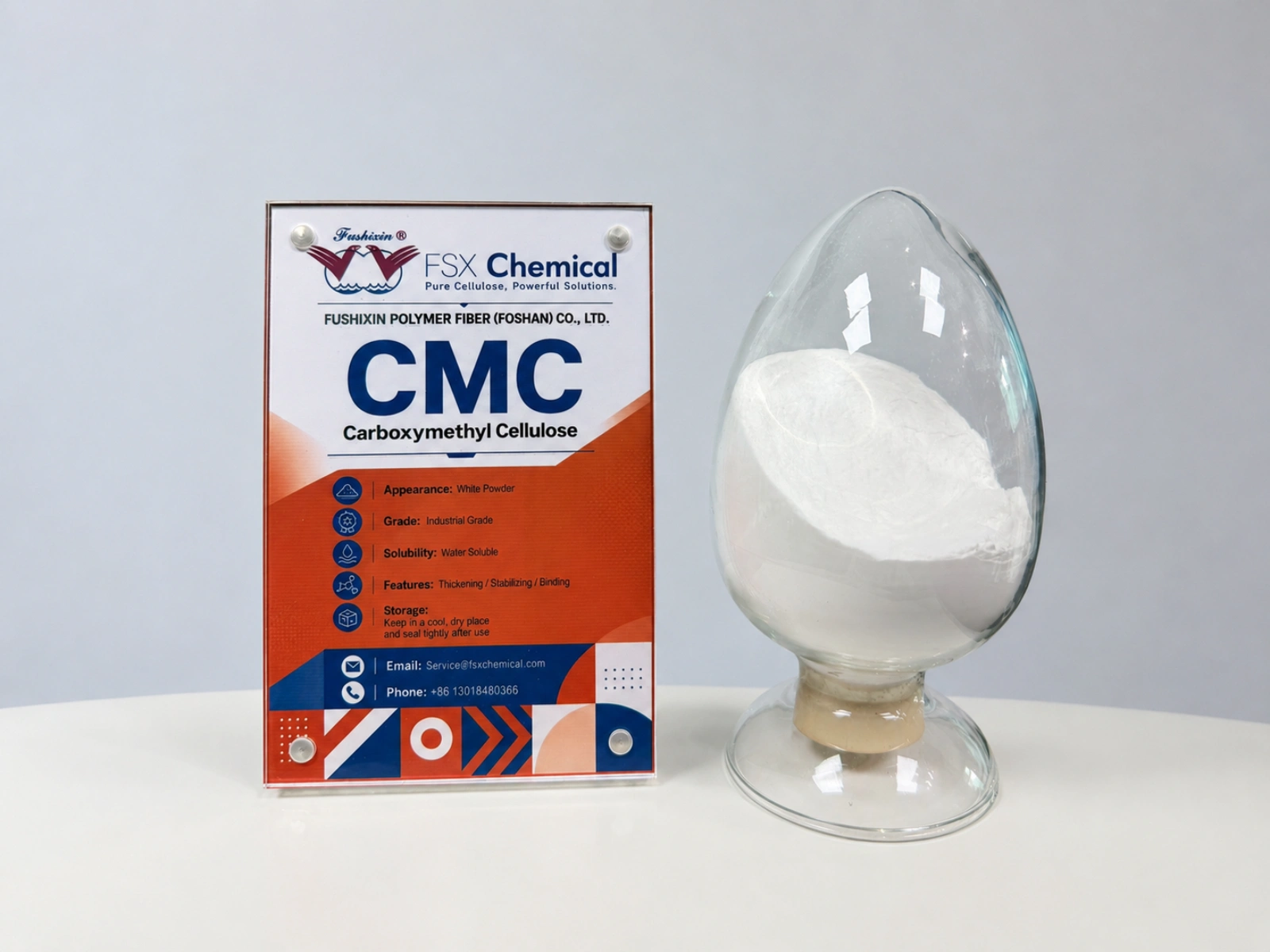
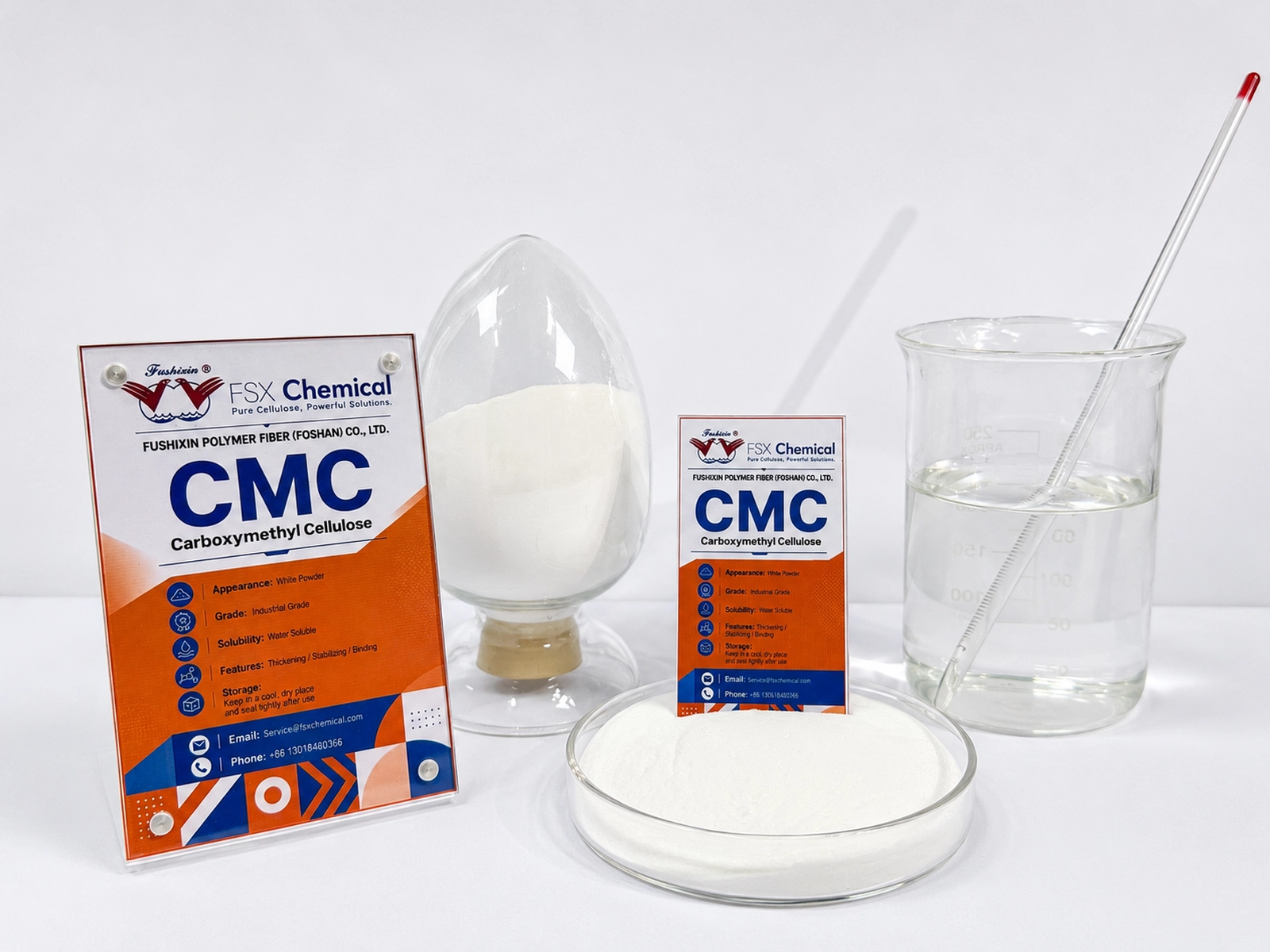
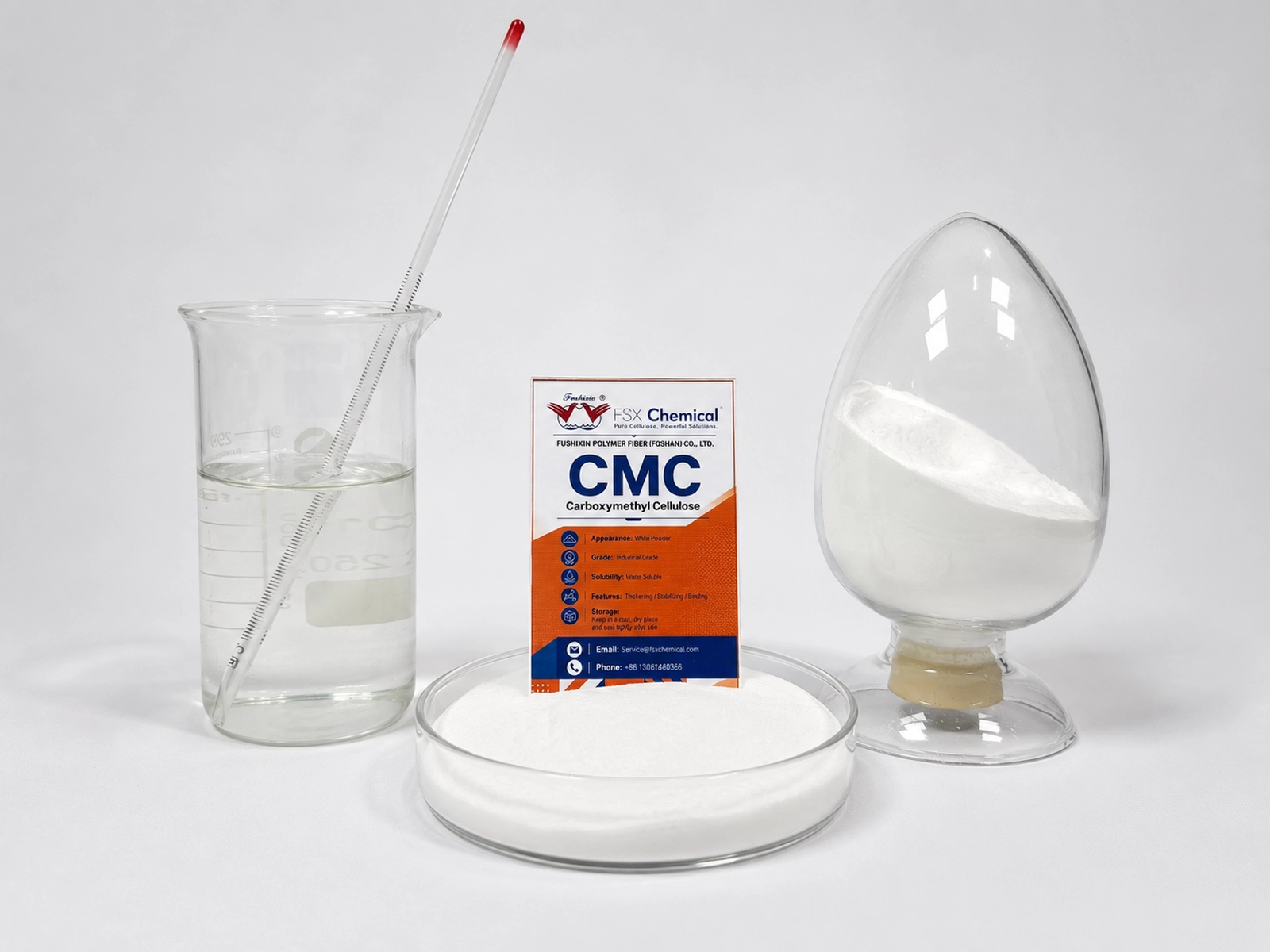
CMC, selülozun kimyasal olarak modifiye edilmesiyle üretilir ve genellikle beyaz veya kırık beyaz toz halinde tedarik edilir. Sodyum karboksimetil selüloz suda dağılıp hidrate olarak viskoz bir çözelti oluşturur. Bu özellik, sulu formülasyonlarda viskozite kontrolü, kıvamlaştırma ve reoloji düzenleme için kullanılmasını sağlar.
CMC’nin Kıvam Artırıcı ve Reoloji Düzenleyici Olarak Nasıl Çalıştığı
Kıvamlaştırıcı olarak kullanılan sodyum CMC, suda dağılıp hidrate olduktan sonra viskozite oluşturur. Tekstil baskı patında seçilen ürün sınıfı; pat kıvamını, akışı, baskı şablonundaki davranışı ve formülasyon stabilitesini etkileyebilir. Bu nedenle CMC viskozitesi, tanımlanmış test koşullarında ve gerçek baskı formülasyonunda değerlendirilmelidir.
Tekstil Sınıfı CMC Seçerken Nelere Dikkat Edilmelidir?
Tekstil sınıfı CMC yalnızca viskoziteye göre seçilmemelidir. Alıcılar genellikle ikame derecesini (DS), referans viskoziteyi, CMC’nin çözünme ve hidrasyon davranışını, çözelti homojenliğini ve kullanılacak tekstil baskı patıyla uyumluluğunu karşılaştırır. Nihai ürün sınıfı seçilirken kumaş, boya sistemi, makine ve hedef baskı sonucu da dikkate alınmalıdır.
Tekstil Baskı Patı için CMC
Tekstil baskısı uygulamalarında CMC, viskozite kontrolü ve pat ayarı için bir formülasyon bileşeni olarak kullanılabilir. Farklı CMC sınıfları farklı baskı sistemlerine uygun olabileceğinden, laboratuvar karşılaştırmaları ve gerçek baskı denemeleri, yalnızca dahili ürün sınıfı adına veya tek bir teknik değere güvenmekten daha yararlıdır.
Uygun bir CMC sınıfı, aşağıdakilerin birleşimiyle belirlenir: DS, viskozite, çözünme, hidrasyon ve son kullanım performansı.


CMC Sınıf Seçimi · Alıcı Kontrol Listesi
Uygulamanıza Uygun CMC Sınıfını Nasıl Seçersiniz?
CMC-HD, CMC-MD ve CMC-LD, farklı ikame derecelerini temsil eden dahili FSX Chemical ürün sınıfı kodlarıdır. Seçim yalnızca model adına göre değil; son kullanım uygulaması, referans viskozite, ikame derecesi (DS), çözünme davranışı, formülasyon uyumluluğu ve gerçek numune sonucu temel alınarak yapılmalıdır.
Son Kullanım Uygulamasını Onaylayın
CMC’nin tekstil baskı patı, karışımlı bir kıvamlaştırıcı sistem, viskozite ayarı, başka bir endüstriyel formülasyon veya mevcut tedarikçinin ürün sınıfıyla karşılaştırma için mi gerekli olduğunu belirleyin.
Eşleşen Koşullarda DS ve Viskoziteyi Karşılaştırın
İkame derecesini, referans viskoziteyi, pH değerini, çözelti konsantrasyonunu, sıcaklığı ve test yöntemini inceleyin. Farklı koşullarda ölçülen veriler doğrudan karşılaştırılmamalıdır.
Çözünme ve Uygulama Performansını Değerlendirin
Tozun dağılmasını, çözünmesini ve hidrasyonunu; çözelti homojenliğini, viskozite gelişimini ve formülasyon stabilitesini test edin. Tekstil baskısında pat davranışını, şablon performansını ve nihai baskı sonucunu da karşılaştırın.
Tedarik, Paketleme ve Belgeleri Onaylayın
Deneme ürün sınıfı onaylandıktan sonra minimum sipariş miktarını, üretim süresini, 25 kg torbaları, palet veya ihracat ambalajını ve gerekli TDS ile SDS belgelerini teyit edin. Parti COA’sı, teyit edilen üretim partisi için hazırlanır.
Fabrika / Laboratuvar / Kalite Kontrol Kanıtları
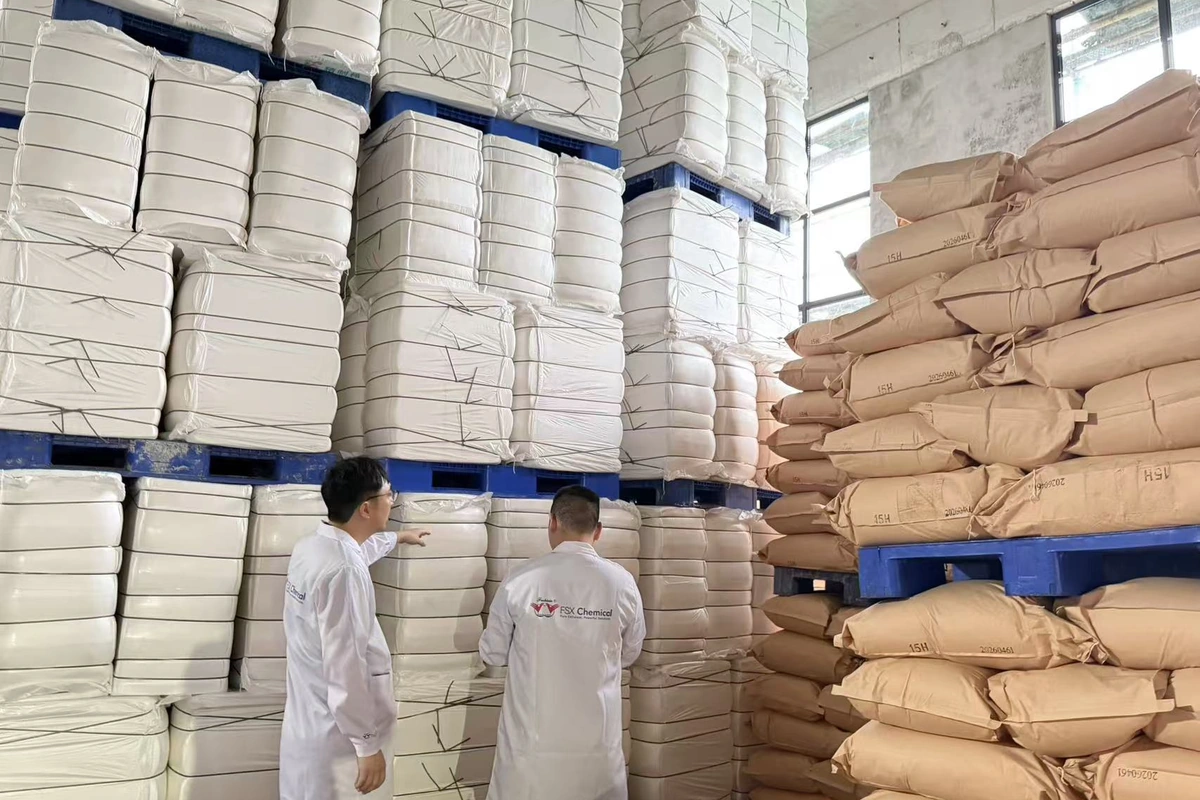
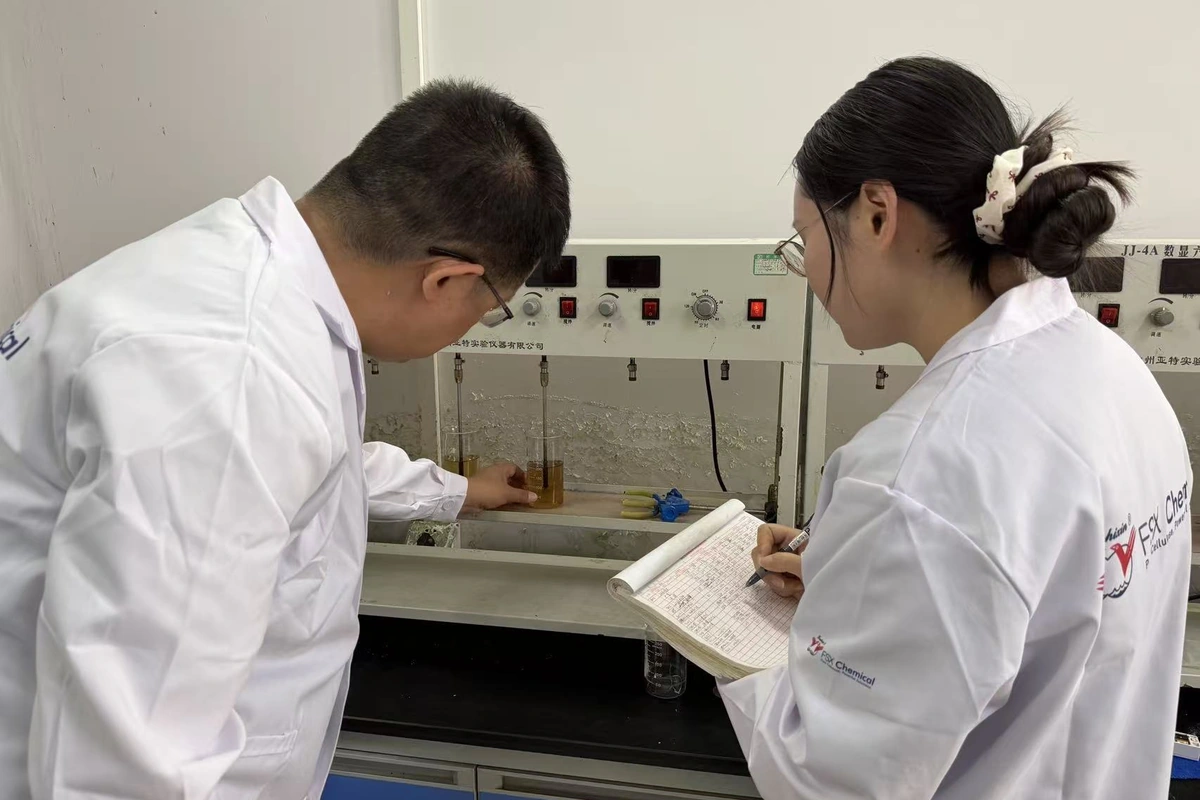
Fabrika, Laboratuvar ve Kalite Kontrol Kanıtları
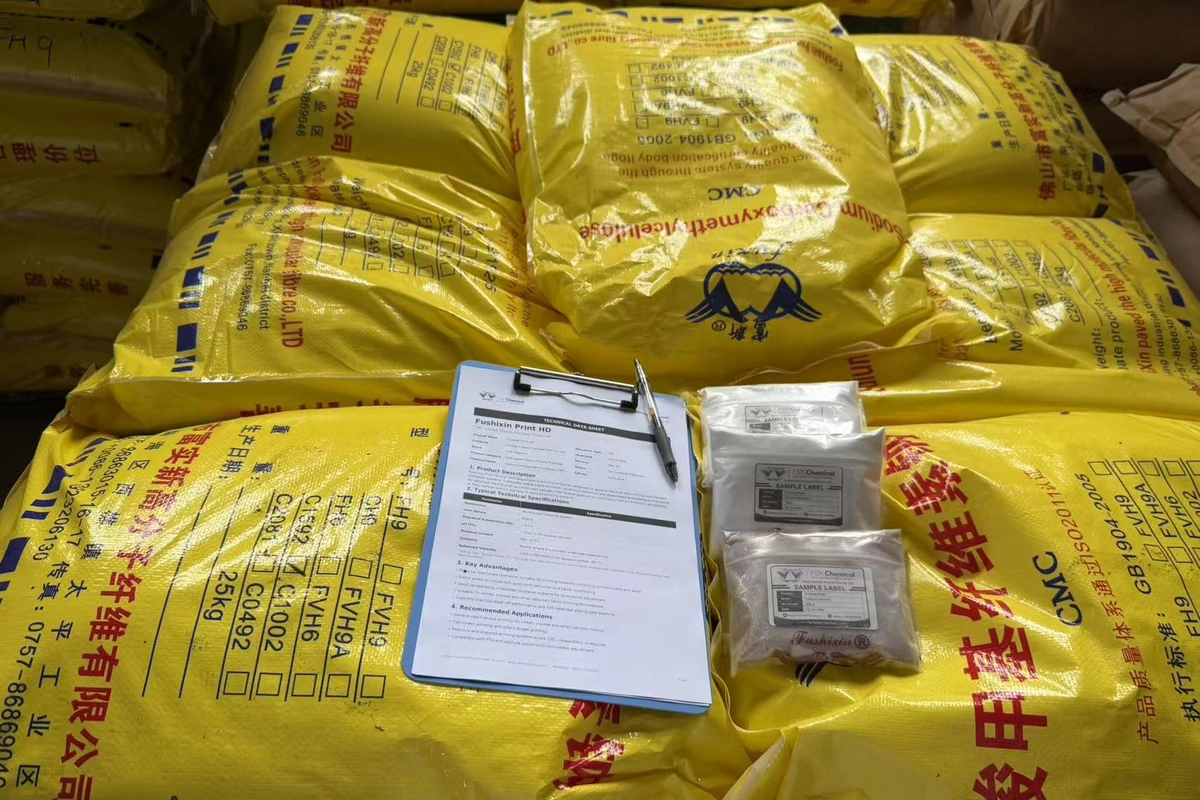
Numune değerlendirmesinden önce dijital baskı patı tedarik kapasitesini doğrulamak için gerçek üretim, test, belge ve ambalaj görsellerini inceleyin.


CMC Alıcı Soruları · Teknik ve Tedarik
CMC Satın Alma ve Teknik SSS
Sodyum karboksimetil selüloz için fiyat teklifi, numune değerlendirmesi veya toplu satın alma kararı hazırlayan alıcılara yönelik pratik yanıtlar; teknik özellik incelemesi, mevcut TDS ile karşılaştırma, deneme değerlendirmesi, sipariş miktarı ve teknik belgeler dahil.

01 CMC fiyat teklifi için hangi bilgiler gereklidir?
Lütfen kullanım alanını, gerekli CMC ürün sınıfını veya hedef teknik özellikleri, viskozite gereksinimini ve varsa test yöntemini, ikame derecesini (DS), tahmini sipariş miktarını ve teslimat yerini belirtin. Halihazırda CMC kullanıyorsanız mevcut TDS belgeniz veya numuneniz de daha ilgili bir teknik karşılaştırmayı destekleyebilir.
02 Toplu sipariş vermeden önce CMC numunesi talep edebilir miyim?
Evet. Toplu satın almadan önce bir CMC numunesi değerlendirilebilir. Uygulama, mevcut teknik özellikler, hedef viskozite, DS gereksinimi ve beklenen performansın belirtilmesi, laboratuvar karşılaştırması için daha uygun bir numune seçilmesine yardımcı olur.
03 FSX, elimdeki CMC numunesini veya TDS’yi karşılaştırabilir mi?
Evet. Mevcut CMC numuneniz veya TDS belgeniz; viskozite test koşulları, çözelti konsantrasyonu, ikame derecesi, pH, uygulama ve formülasyon gereksinimleriyle birlikte incelenebilir. Önerilen FSX ürün sınıfının bir sonraki deneme aşamasına geçip geçmemesi belirlenmeden önce, mümkün olduğunda karşılaştırma testleri aynı koşullarda yapılmalıdır.
04 Aynı denemede birden fazla CMC ürün sınıfını değerlendirebilir miyim?
Evet. Uygulama veya hedef teknik özellikler birden fazla ürün sınıfına uygun olduğunda FSX Chemical, yan yana değerlendirme için uygun CMC numuneleri önerebilir. Numuneleri aynı hazırlama, viskozite testi ve uygulama koşullarında karşılaştırmak, toplu satın alma öncesinde daha uygun seçeneğin belirlenmesine yardımcı olur.
05 CMC için genel olarak minimum sipariş miktarı (MOQ) ve standart paketleme seçenekleri nelerdir?
CMC genellikle neme dayanıklı iç astarı bulunan 25 kg torbalarda tedarik edilir. Minimum sipariş miktarı seçilen ürün sınıfına, miktara ve sipariş gereksinimlerine bağlıdır ve fiyat teklifiyle birlikte teyit edilmelidir.
06 Hangi CMC teknik ve parti belgeleri mevcuttur?
Teknik değerlendirmeyi desteklemek için TDS ve SDS belgeleri sunulur. Parti COA’sı, teyit edilen üretim partisine göre hazırlanır. Ek ürün veya kalite bilgileri, seçilen ürün sınıfı ve sipariş gereksinimlerine göre incelenebilir.
07 Bir CMC numunesi laboratuvar testlerini geçtikten sonra nelerin teyit edilmesi gerekir?
Laboratuvar değerlendirmesinden sonra alıcılar, mutabık kalınan teknik özelliklerle birlikte gerçek formülasyon veya üretim koşullarındaki performansı doğrulamalıdır. Ardından toplu satın almaya geçmeden önce onaylanan ürün sınıfı, kalite gereksinimleri, sipariş miktarı ve parti belgeleri teyit edilebilir.
CMC seçimi yalnızca model adına veya tek bir teknik değere göre değil, aynı koşullarda elde edilen teknik veriler ve gerçek uygulama performansı temel alınarak yapılmalıdır.