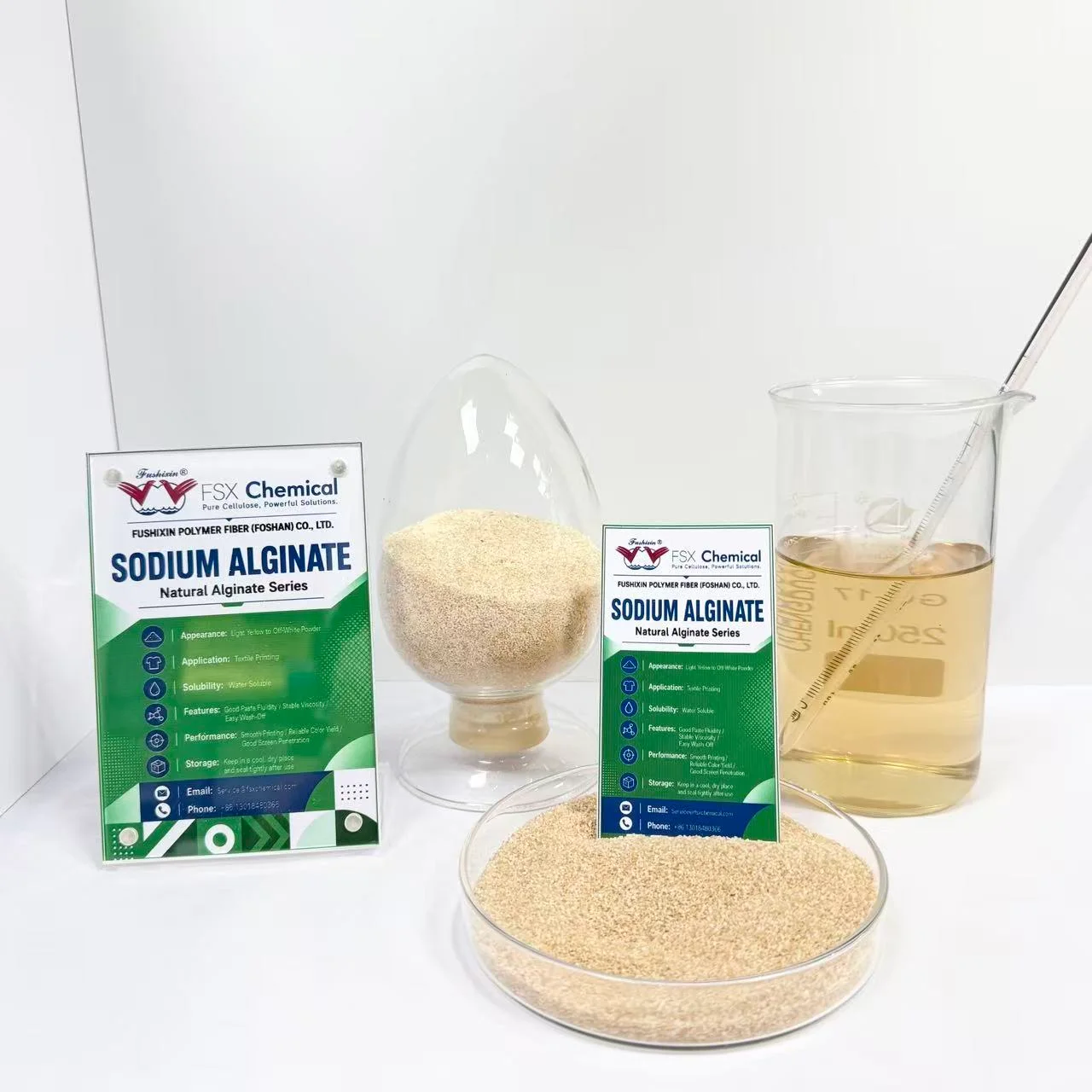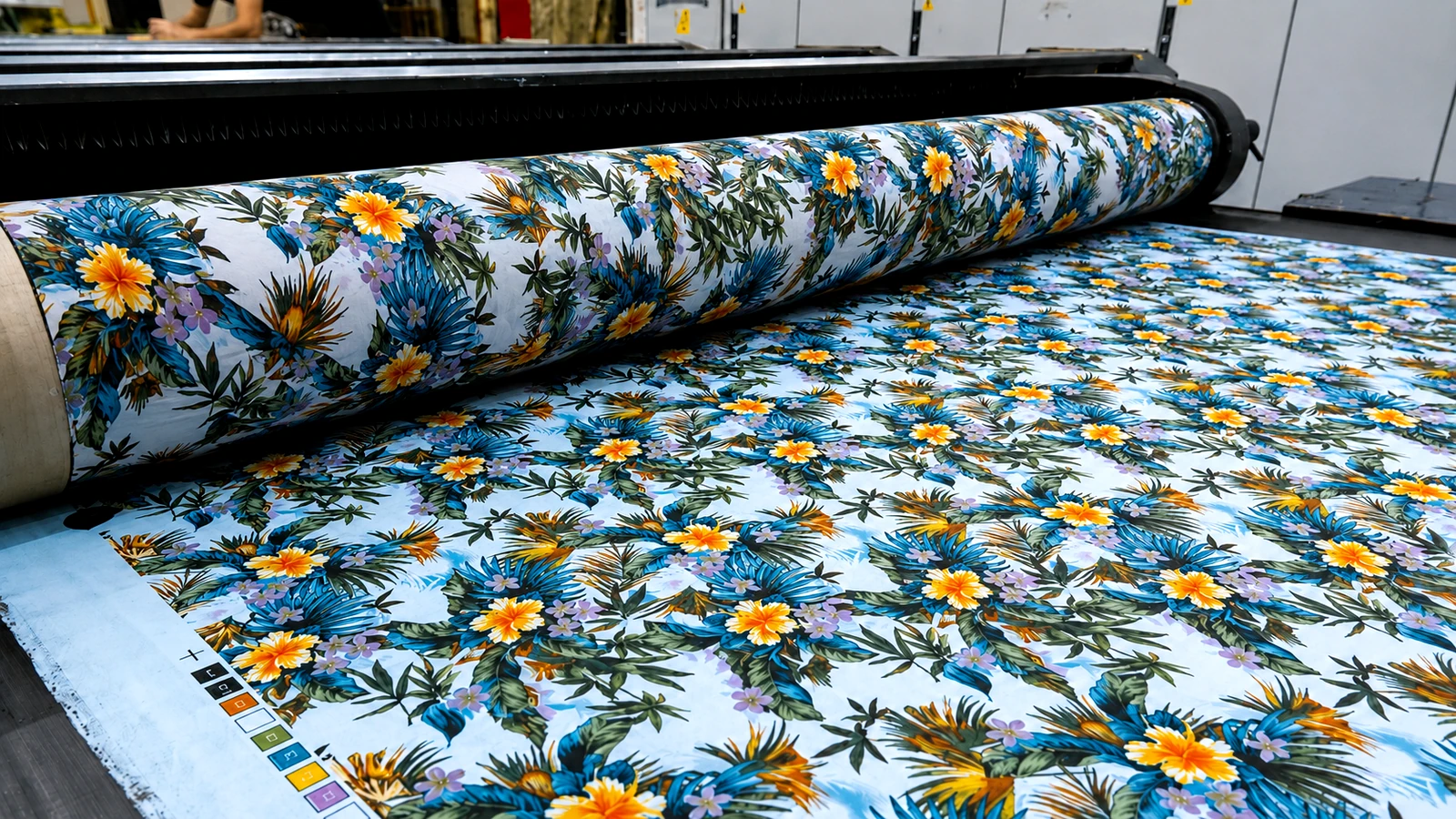















This guide explains how buyers can evaluate sodium alginate for textile printing by reviewing application trends, product specifications, document support, sample testing, batch consistency, packaging, and export requirements.
Why Sodium Alginate Remains Important in Textile Printing
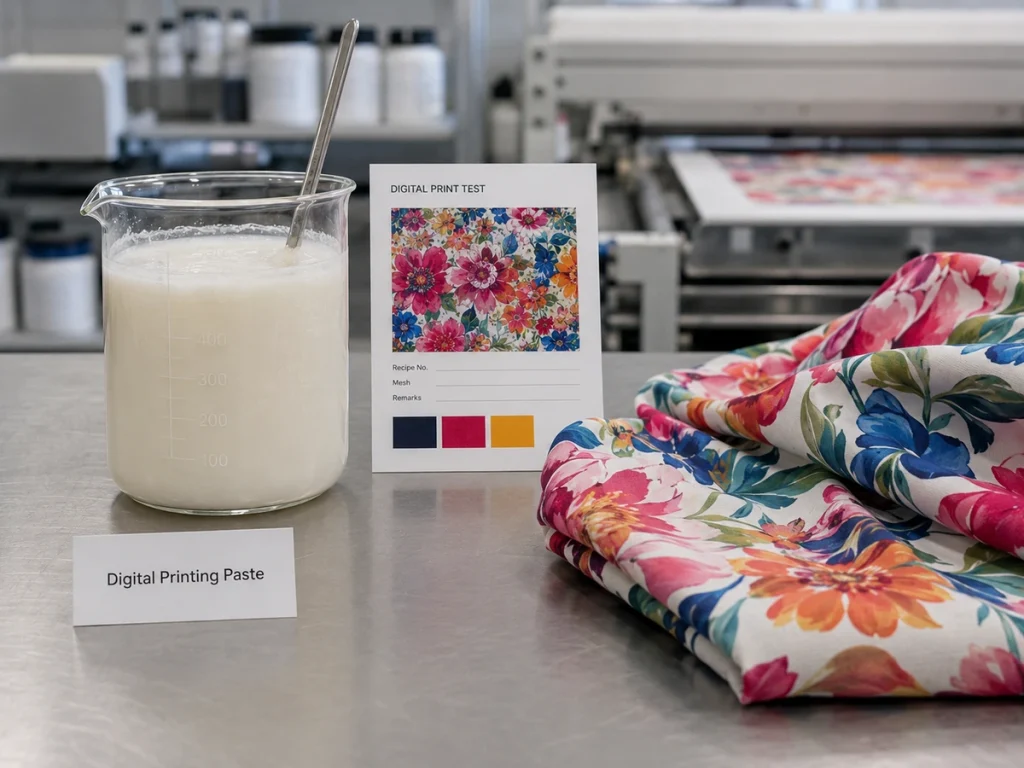
Reactive Printing Paste Requires Controlled Viscosity
The suitable grade depends on the target paste viscosity, printing method, fabric type, dye system, water quality, and preparation process.
Çözünme ve Macun Pürüzsüzlüğü Üretim İşlemlerini Etkiler
Besides viscosity, dissolution behavior is also important. If sodium alginate hydrates unevenly, the paste may contain lumps, show poor smoothness, or create filtration difficulty.
Buyers should evaluate dissolution behavior under their own water quality, stirring method, addition sequence, preparation time, and formulation conditions.
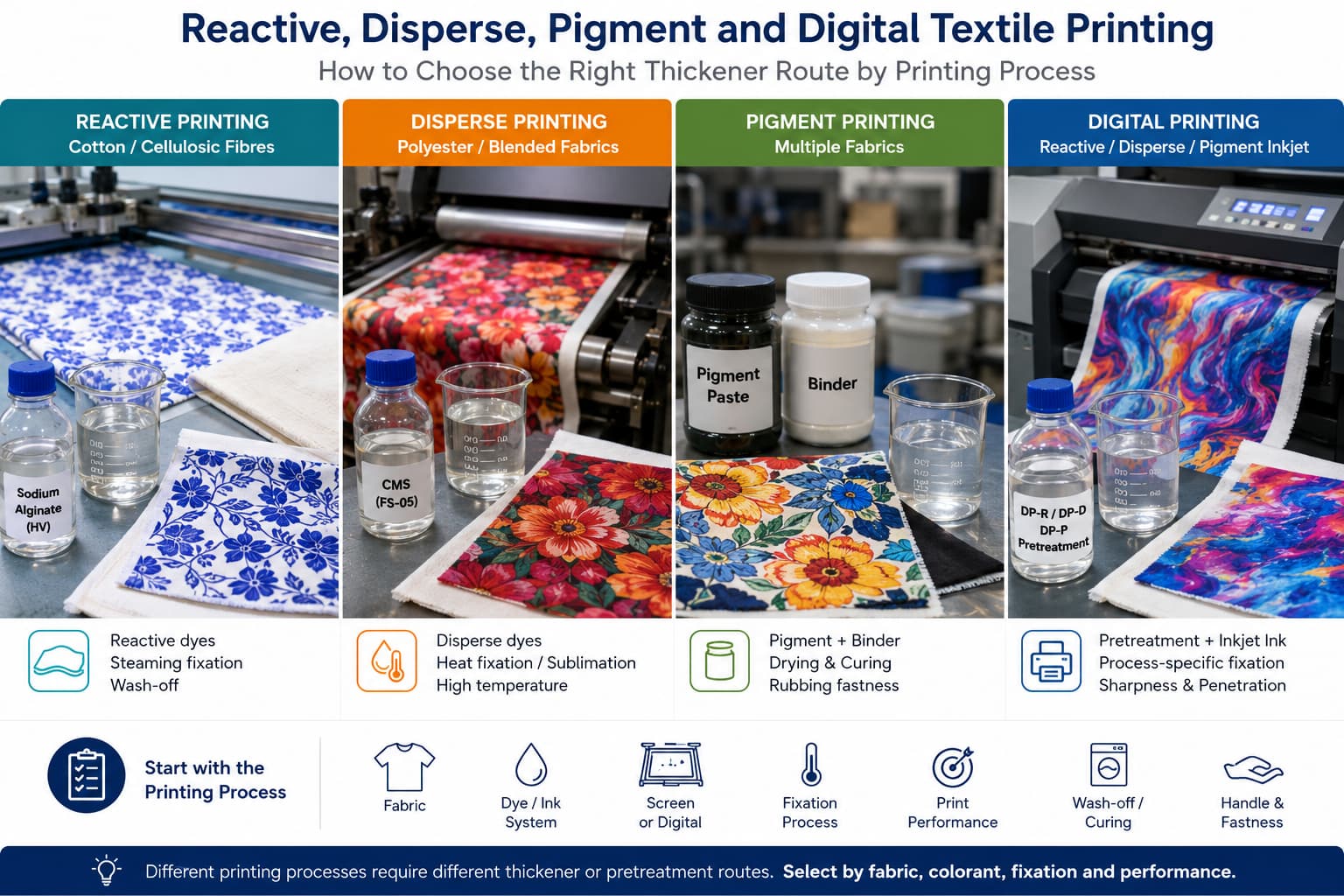
Different Printing Processes May Need Different Grades
There is no single sodium alginate grade that fits every textile printing process. A grade suitable for one formulation may not perform the same in another production system.
For this reason, grade selection should be based on actual application data and sample testing rather than broad supplier claims.
How Buyers Should Treat Eco-Friendly and Performance Claims
Environmental Claims Need Supporting Documents
Terms such as “eco-friendly,” “biodegradable,” “non-toxic,” or “compliant” should be reviewed carefully in B2B chemical sourcing. If these claims matter to the buyer’s internal approval or customer audit, supporting documents should be requested before order confirmation.
Depending on the buyer’s requirement, this may include SDS, supplier statements, restricted-substance information, customer questionnaires, or third-party testing documents where applicable.
Performance Claims Should Be Tested in the Buyer’s Formulation
Claims about color performance, printing sharpness, paste stability, or production efficiency should not be accepted only as marketing language. Final performance depends on the buyer’s formulation and production process.
Buyers should test the recommended sodium alginate grade in their own paste preparation and printing conditions before bulk purchase.
Regulatory or Certification Requirements Should Be Clarified Early
If the buyer needs specific certification, restricted-substance confirmation, or customer compliance documents, those requirements should be discussed before quotation or shipment.
Pratik bir tedarikçi, hangi belgelerin temin edilebileceğini ve hangi beyanların resmi bir üçüncü taraf testi veya sertifikasyonu gerektirdiğini açıkça açıklamalıdır.
Alıcıların Gözden Geçmesi Gereken Temel Özellikler
Viskozite Sınıfı ve Test Yöntemi
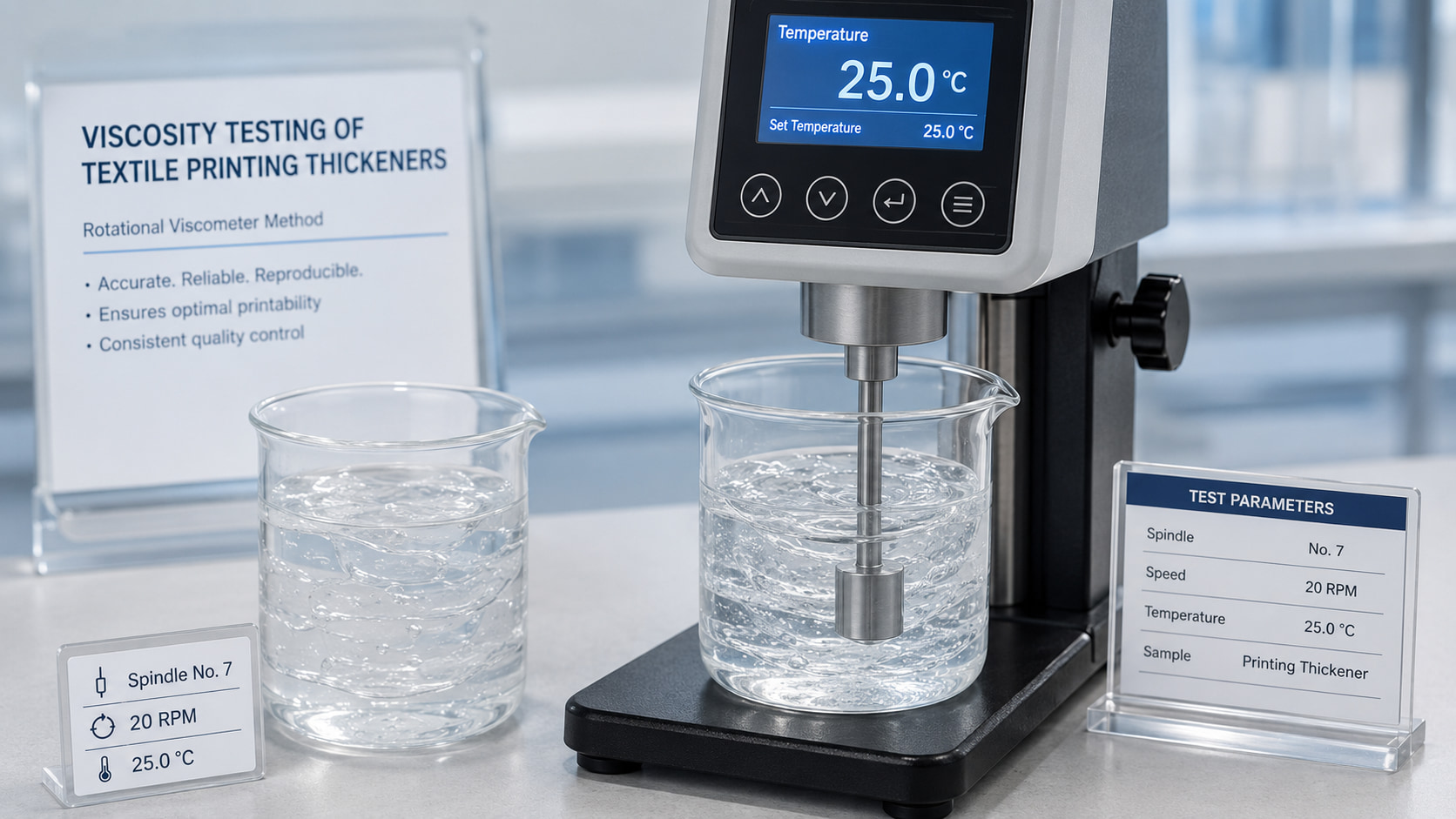
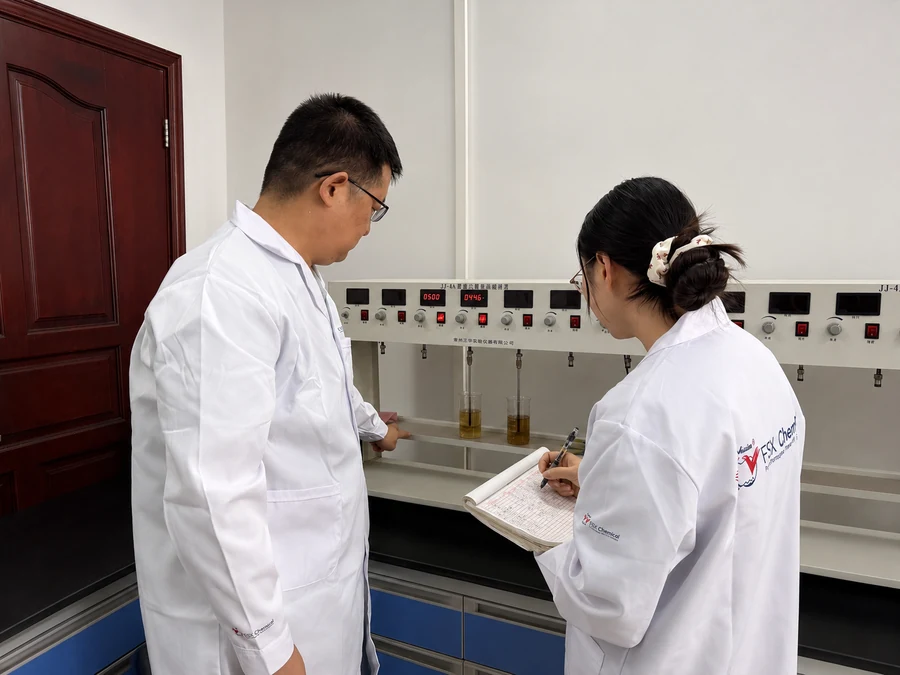
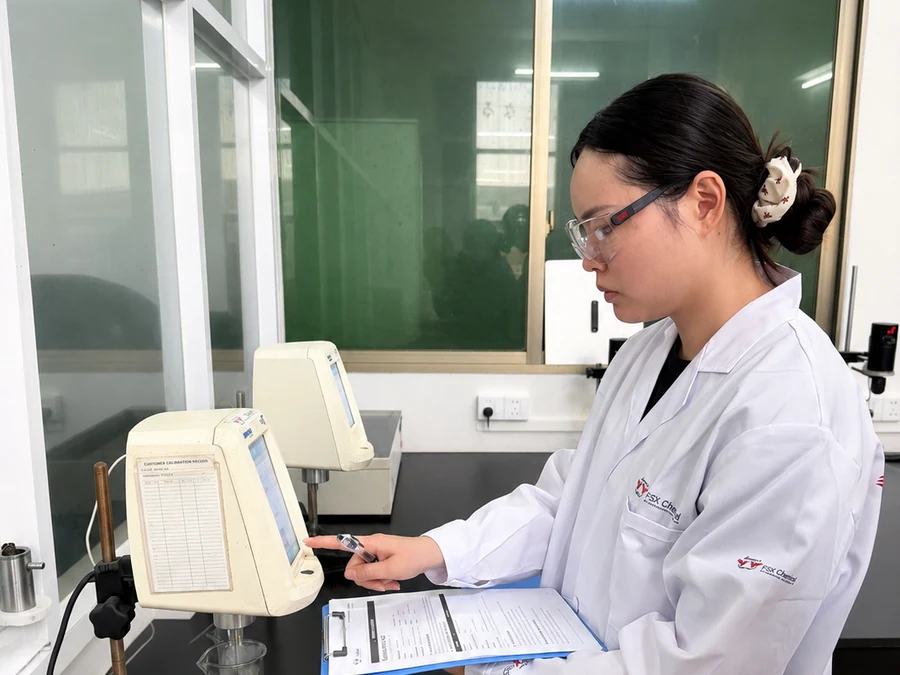
Viscosity is one of the most important parameters for sodium alginate used in textile printing paste. Buyers should review the viscosity range together with the test concentration, temperature, instrument method, and unit.
Net bir test yöntemi olmadan, farklı tedarikçilerden elde edilen viskozite değerleri doğrudan karşılaştırılamayabilir.
Ağ Gözü Boyutu ve Çözünme Davranışı
Mesh size can influence dispersion and hydration during paste preparation. However, actual dissolution behavior also depends on water quality, stirring speed, addition method, and preparation time.
Buyers should test the product under their own preparation conditions instead of relying only on mesh size data.
Nem, pH ve Görünüm
Nem, pH ve görünüm temel ancak önemli kalite göstergeleridir. Bunlar, depolama, elleçleme, kalite kontrol ve tekrar satın alma süreçlerini etkiler.
Bu parametreler, TDS’de gözden geçirilmeli ve her parti için COA verileriyle teyit edilmelidir.
Parti Tutarlılığı
For repeat orders, batch consistency matters. If viscosity, moisture, pH, or dissolution behavior changes significantly between batches, the buyer may need to adjust the formulation again.
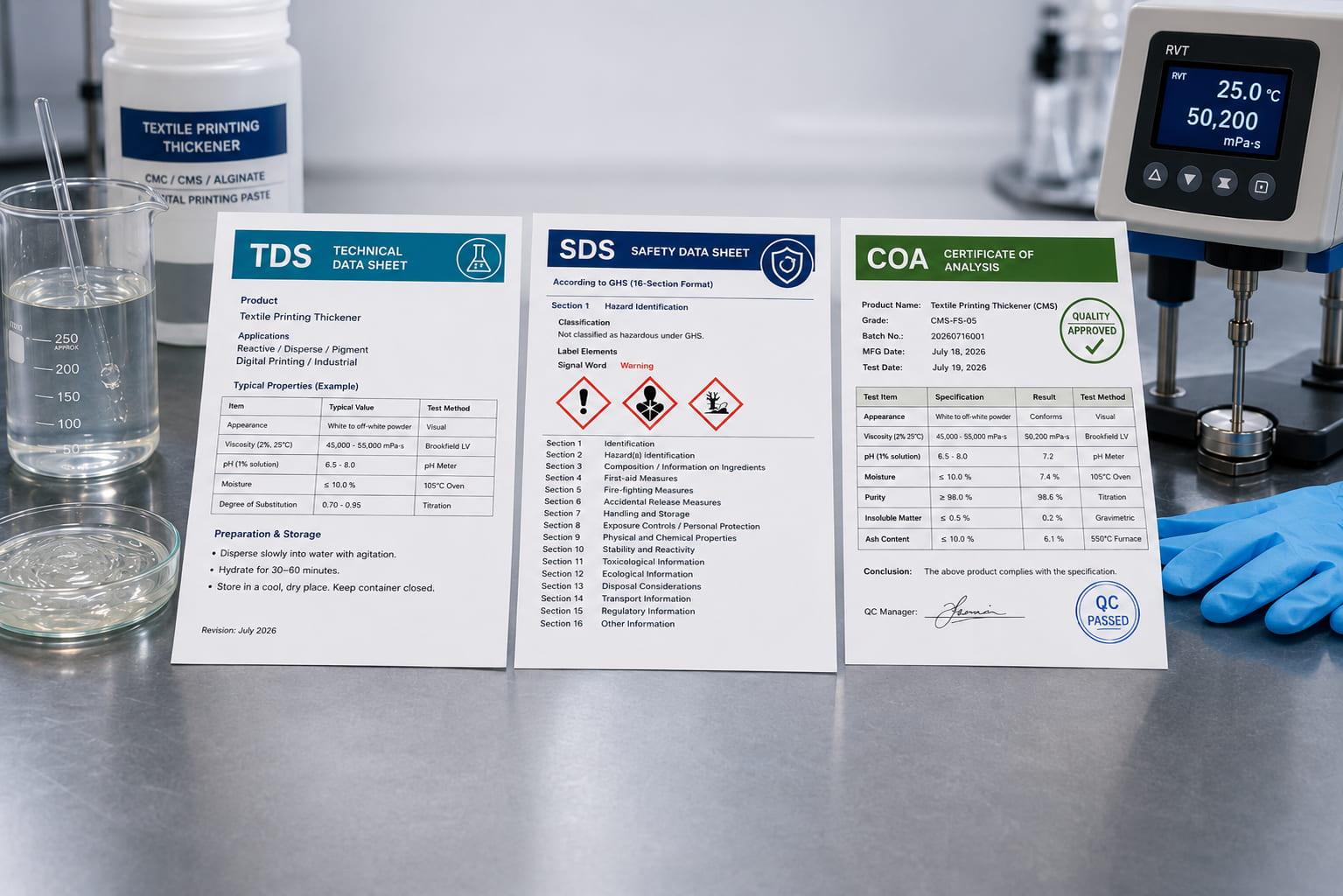
COA incelemesi, alıcıların parti verilerinin kararlaştırılan spesifikasyon aralığı içinde kalıp kalmadığını doğrulamasına yardımcı olur.
Documents Buyers Should Request Before Purchase
Teknik Şartname İncelemesi için TDS
The Technical Data Sheet helps buyers review the standard product specification. It should include key parameters such as appearance, viscosity, mesh size, moisture, pH, storage conditions, and testing method.
The TDS is useful for technical comparison, but it should not replace sample testing in the buyer’s own formulation.
Toplu Onay için COA
Analiz Sertifikası, belirli bir üretim partisine ait gerçek verileri teyit eder. Bu belge, toplu siparişler, tekrar alımlar, distribütör tedarikleri ve kurum içi kalite kontrolü açısından önemlidir.
Buyers can compare COA records across shipments to check whether key parameters remain stable over time.
Taşıma ve Nakliyeye İlişkin Güvenlik Bilgi Formu (SDS) İncelemesi
Güvenlik Bilgi Formu (SDS), ürünün kullanımı, depolanması, nakliyesi ve şirket içi güvenlik değerlendirmelerine destek sağlar. Uluslararası satın alımlarda ise sevkiyat ve gümrükle ilgili iletişim için SDS’ye ihtiyaç duyulabilir.
Alıcılar, SDS’deki ürün adı ve tedarikçi bilgilerinin sipariş belgelerindeki bilgilerle uyumlu olduğundan emin olmalıdır.
Additional Environmental or Restricted-Substance Documents
If the buyer needs environmental statements, restricted-substance information, customer audit documents, or certification support, these requirements should be clearly requested before order confirmation.
Suppliers should explain which documents can be provided and which claims require third-party testing or formal certification.
Toplu Satın Almadan Önce Sodyum Aljinat Nasıl Test Edilir?
Test in the Actual Printing Paste Formulation
Sample testing should be done in the buyer’s own formulation whenever possible. Dyes, auxiliaries, water quality, pH, stirring method, paste concentration, and storage time can all affect final paste behavior.
Sadece temiz suda yapılan testler, sodyum aljinat türünün üretime uygun olup olmadığını doğrulamak için yeterli olmayabilir.
Yapıştırma Pürüzsüzlüğünü ve Filtrelemeyi Gözlemleyin
During testing, buyers should observe dissolution speed, paste smoothness, lump formation, filtration behavior, viscosity stability, and application handling.
Tekstil baskı pastası söz konusu olduğunda, bu pratik gözlemler genellikle Teknik Veri Sayfası’nda (TDS) belirtilen temel teknik özellik verileri kadar önemlidir.
Onaylanmış Numune ile Toplu Sevkiyatı Karşılaştırın
Toplu siparişi onaylamadan önce, alıcılar onaylanmış numune ile toplu sevkiyatın aynı viskozite aralığı, elek gözü boyutu, ambalaj biçimi, parti izlenebilirliği ve COA gerekliliklerine uygun olup olmadığını kontrol etmelidir.
Bu, numune ile toplu numune arasındaki uyumsuzluk riskini azaltmaya yardımcı olur.
Common Mistakes When Following Sodium Alginate Trends
Choosing by Trend Words Instead of Application Needs
Words such as “green,” “high-performance,” or “advanced” do not define whether a sodium alginate grade is suitable for a specific printing process.
Buyers should start with application requirements, not marketing descriptions.
Viskozite Test Yöntemini Göz Ardı Etmek
Farklı konsantrasyonlar, sıcaklıklar veya ölçüm cihazları altında ölçülen viskozite değerleri farklı sonuçlar verebilir.
Before comparing suppliers, buyers should check whether the test method is clearly stated.
Overlooking Sample-to-Bulk Consistency
This is especially important for distributors and factories that require stable repeat supply.

FSX Chemical, Sodyum Aljinat Alıcılarına Nasıl Destek Sağlıyor?
Sonraki Adımlar
- Başvurunuzu Paylaşın — Baskı işleminizi, kumaş türünüzü, boyama sisteminizi, hedef viskozitenizi ve mevcut pasta formülasyonunuzu bize bildiriniz.
- Clarify Document Requirements — explain whether you need SDS, restricted-substance statements, customer questionnaires, or third-party certification documents.
- TDS Talep Et — viskozite aralığını, elek gözü boyutunu, pH değerini, nem oranını, görünümü, depolama koşullarını ve test yöntemini gözden geçirin.
- COA Talep Et — sevkiyat öncesinde parti verilerinin kararlaştırılan spesifikasyon aralığına uygun olup olmadığını doğrulayın.
- Örnek İsteyin — Toplu siparişleri onaylamadan önce, önerilen sodyum aljinat türünü kendi macun hazırlama ve baskı koşullarınızda test edin.
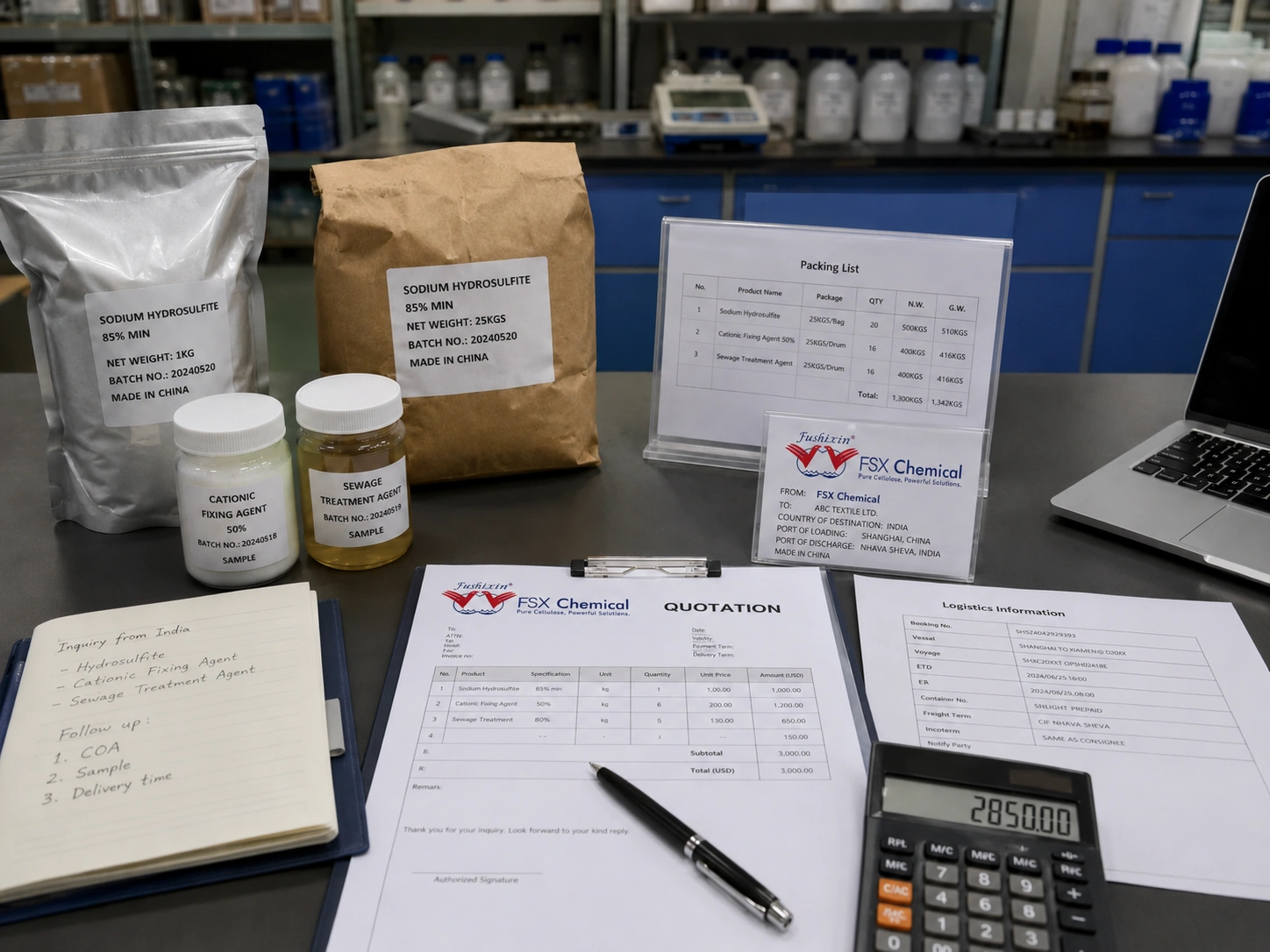
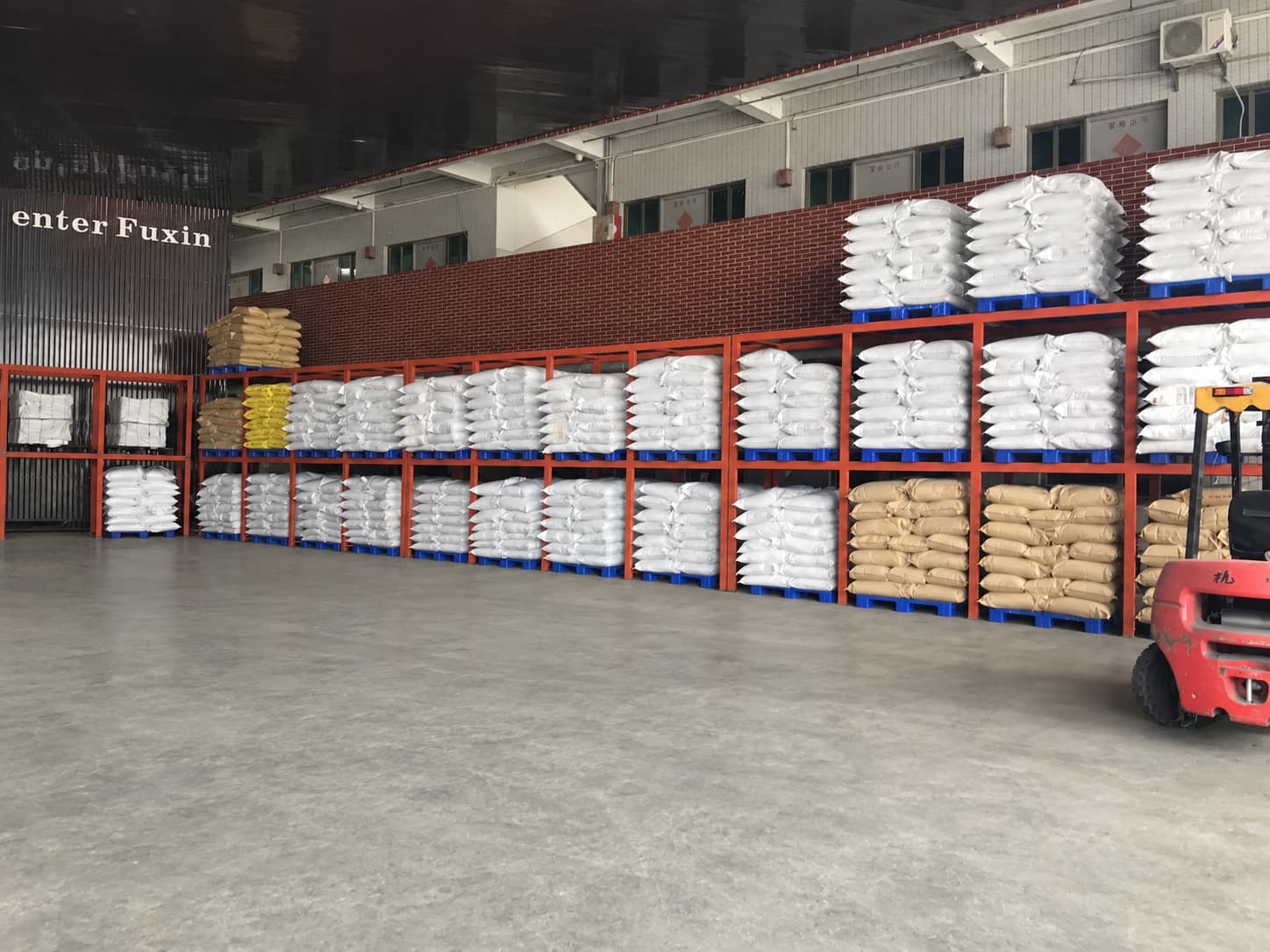
- Ambalaj ve İhracat Belgelerini Doğrulama — Sevkiyat öncesinde çanta boyutunu, etiketleri, parti izlenebilirliğini, Güvenlik Bilgi Formu’nu (SDS), faturayı, sevk irsaliyesini ve diğer gerekli belgeleri kontrol edin.
- Teknik Ekibimizle İletişime Geçin — discuss which sodium alginate grade and document support are suitable for your textile printing application📧 E-posta: Service@fsxchemical.com