
















Подібні публікації

Як порівняти методи випробування в’язкості загущувачів для текстильного друку

Дізнайтеся, чому показники в’язкості загущувачів для текстильного друку не можна порівнювати без урахування таких параметрів, як концентрація, температура, прилад, шпиндель, швидкість, метод підготовки та тривалість випробування.

Загусники для текстильного друку залежно від барвника та технологічного процесу друку
Дізнайтеся, як підібрати загущувач та методи попередньої обробки для реактивного, дисперсного, пігментного та цифрового друку на текстилі з урахуванням вимог до тканини, барвника або чорнила, фіксації, змивання та якості друку.

CMC, CMS, альгінат натрію та паста для цифрового друку: практичний посібник з вибору
Порівняйте CMC, CMS, альгінат натрію та пасту для цифрового друку на текстилі. Дізнайтеся, як кожен із цих матеріалів підходить для реактивних, дисперсних, пігментних та цифрових технологій друку, а також на що покупцям слід звернути увагу перед тестуванням зразків, підбором сорту та оптовою закупівлею.

Альгінат натрію для реактивного друку на текстилі: сорти, в’язкість та інструкція з використання
Альгінат натрію широко використовується у текстильному друці як стабільний та стійкий до прання загущувач для реактивних друкарських паст. Дізнайтеся, як перед придбанням оцінити клас в’язкості, ступінь чистоти та придатність продукту для конкретного застосування, а також як компанія FSX Chemical надає підтримку покупцям з усього світу, надаючи технічні дані та зразки.
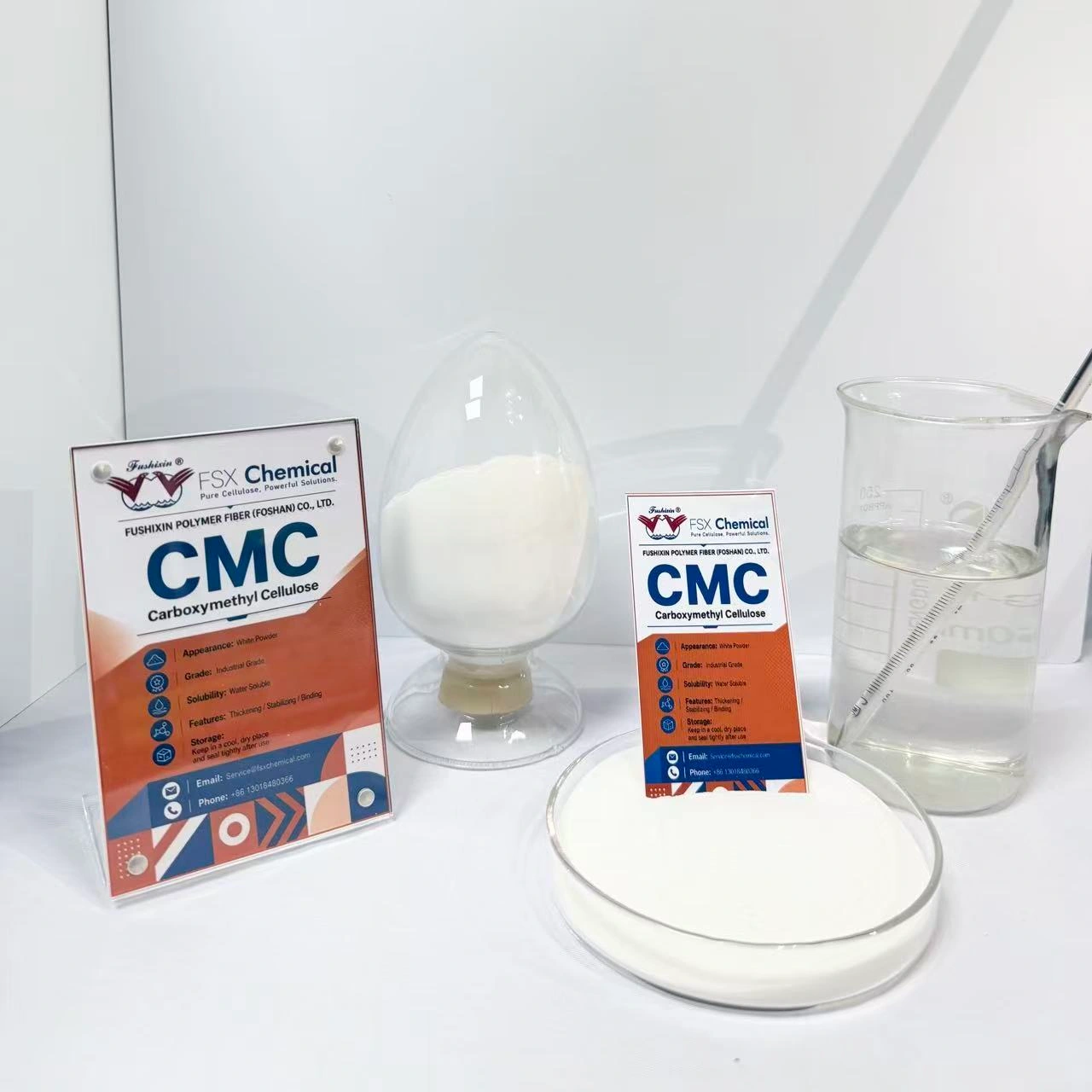
CMC для текстильного друку: Посібник з вибору сортів та закупівлі
Choose CMC for textile printing by application, DS, viscosity method and formulation trials. Use a practical checklist to compare grades before bulk purchase.
Паста для друку на текстилі на основі целюлози: сорт CMC та оцінка постачальників
Друкарська паста на основі CMC використовується у пігментному, реактивному та цифровому текстильному друку. У цьому посібнику пояснюється, які параметри мають значення, як порівнювати постачальників та що слід уточнити перед тим, як оформити оптове замовлення.

Альгінат натрію та CMC у текстильному друці: порівняння характеристик та вартості
І альгінат натрію, і КМК використовуються як загусники в текстильному друку, але вони підходять для різних систем фарбування та умов виробництва. У цьому посібнику пояснюються основні відмінності та випадки, коли слід застосовувати кожну з цих речовин.

Альгінат натрію для реактивного цифрового друку на текстилі: попередня обробка та вибір марки
Цифровий струменевий друк на текстилі має інші вимоги до пасти та попередньої обробки, ніж трафаретний друк. У цьому посібнику пояснюється, як альгінат натрію використовується в цифровому текстильному друці та які параметри якості повинні вказувати фахівці з закупівель.
Як приготувати друкарську пасту на основі альгінату натрію: розчинення, концентрація та контроль якості
Prepare sodium alginate printing paste with a grade-specific concentration and controlled powder dispersion. Validate hydration, viscosity, filtration, air removal and holding time before production.
Альгінат натрію в текстильному друці: екологічні аспекти та питання, пов’язані зі стічними водами
Assess sodium alginate in reactive-printing wastewater using measured COD load, product-specific biodegradation evidence and controlled process comparisons. Includes a buyer checklist and illustrative load calculation.
Фіксація реактивних барвників у текстильному друку: альгінат натрію та контроль технологічного процесу
Швидкість фіксації барвника безпосередньо впливає на колірну віддачу, стійкість до прання та навантаження стічних вод під час друку реактивними барвниками. У цьому посібнику пояснюється, як альгінат натрію сприяє фіксації барвника, які параметри пасти впливають на швидкість фіксації та як усунути проблеми, пов’язані з низькою фіксацією, у виробничому процесі.
Sodium Alginate Mesh Size: Dissolution, Filtration and Textile Printing Performance
Mesh size describes sodium alginate powder particle size, not final viscosity or print quality. Compare dispersion, hydration, retained matter and complete-paste performance under a defined method.
