UR
UR  EN
EN  BN
BN  TR
TR  ID
ID  RU
RU  AR
AR 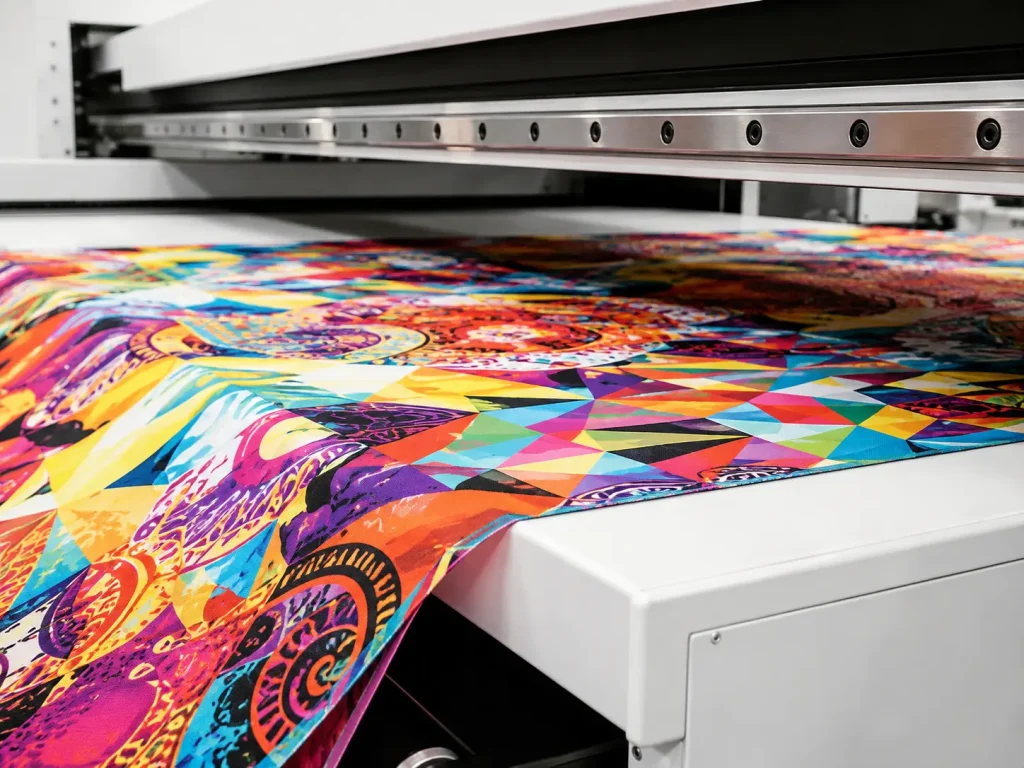
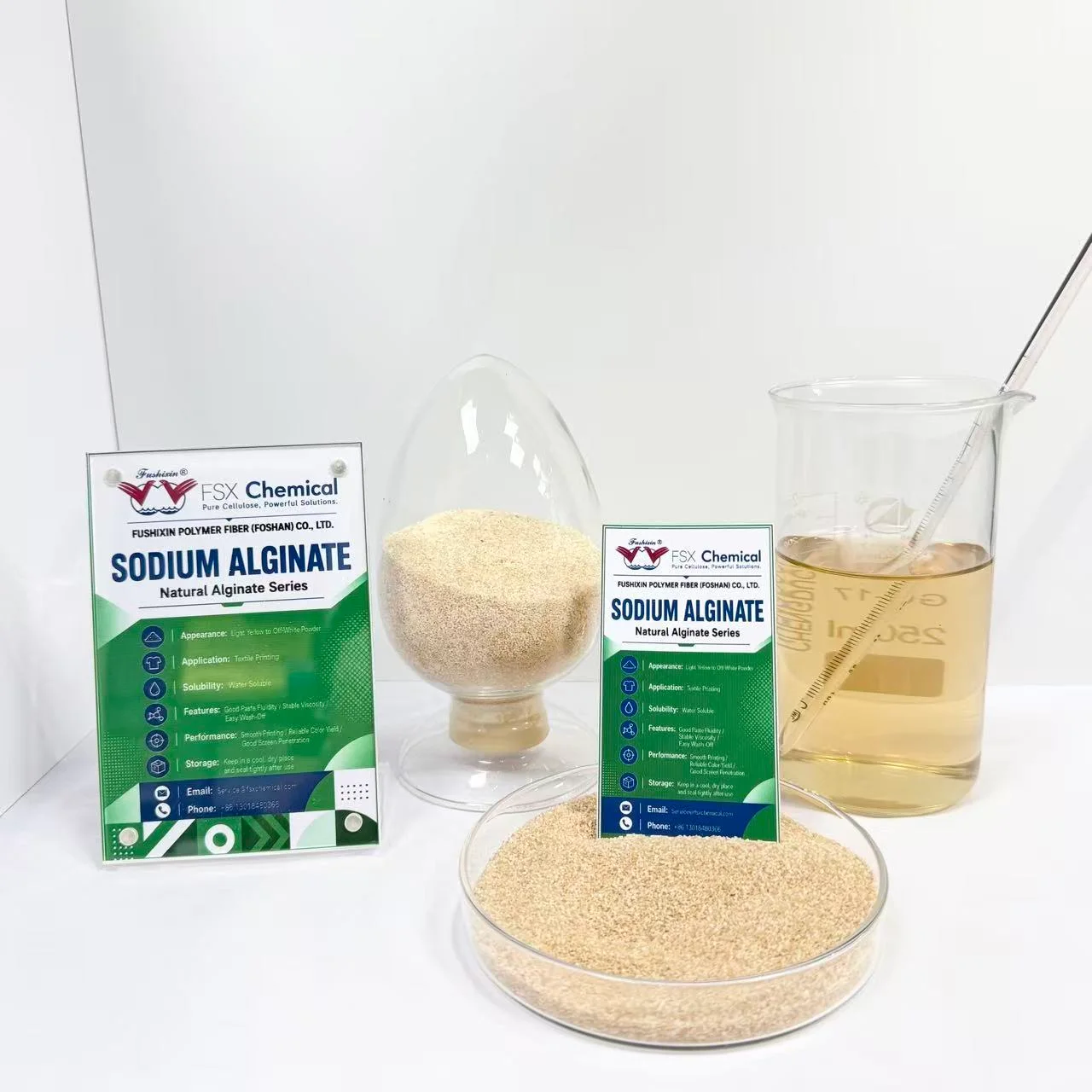
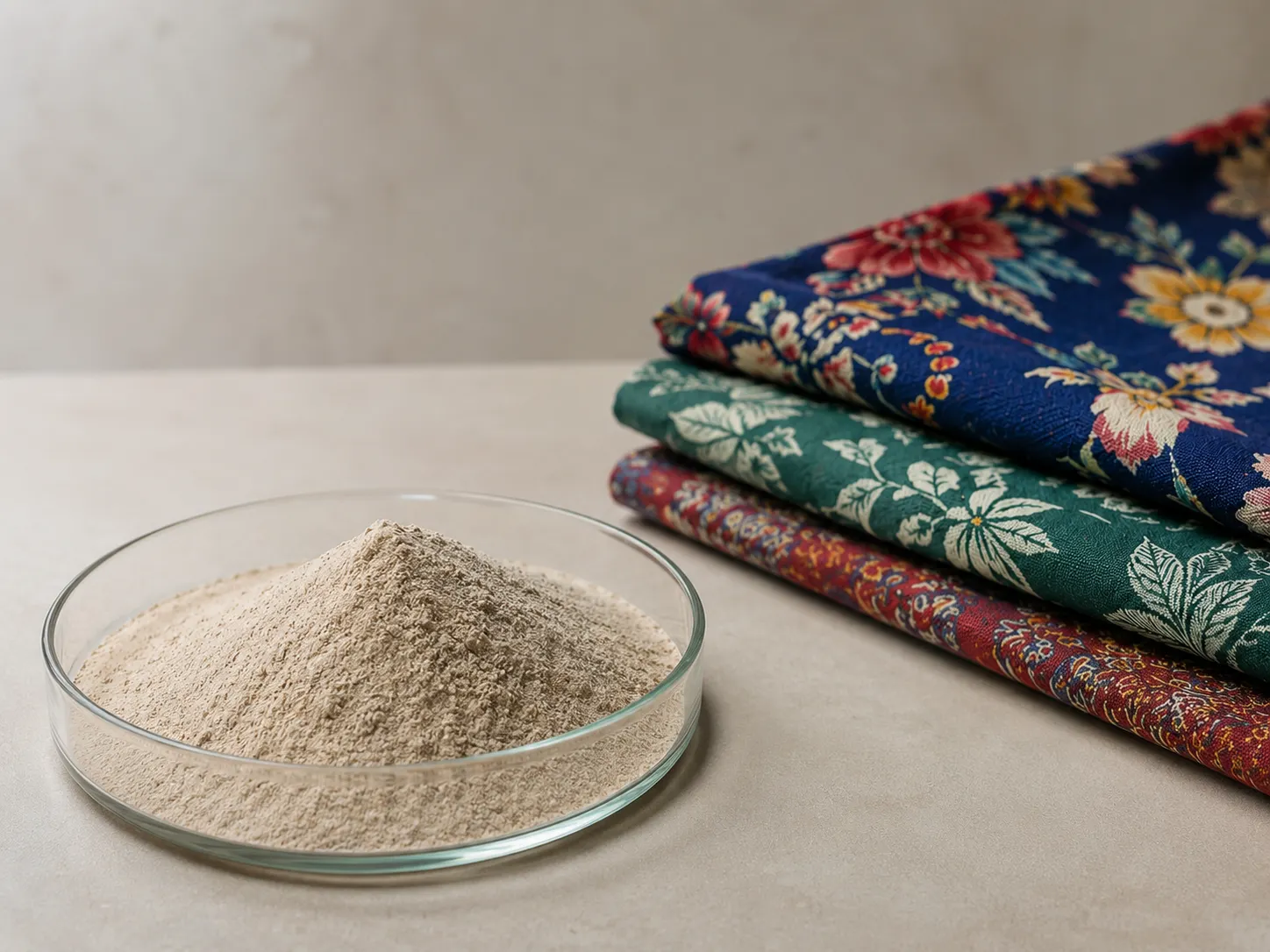
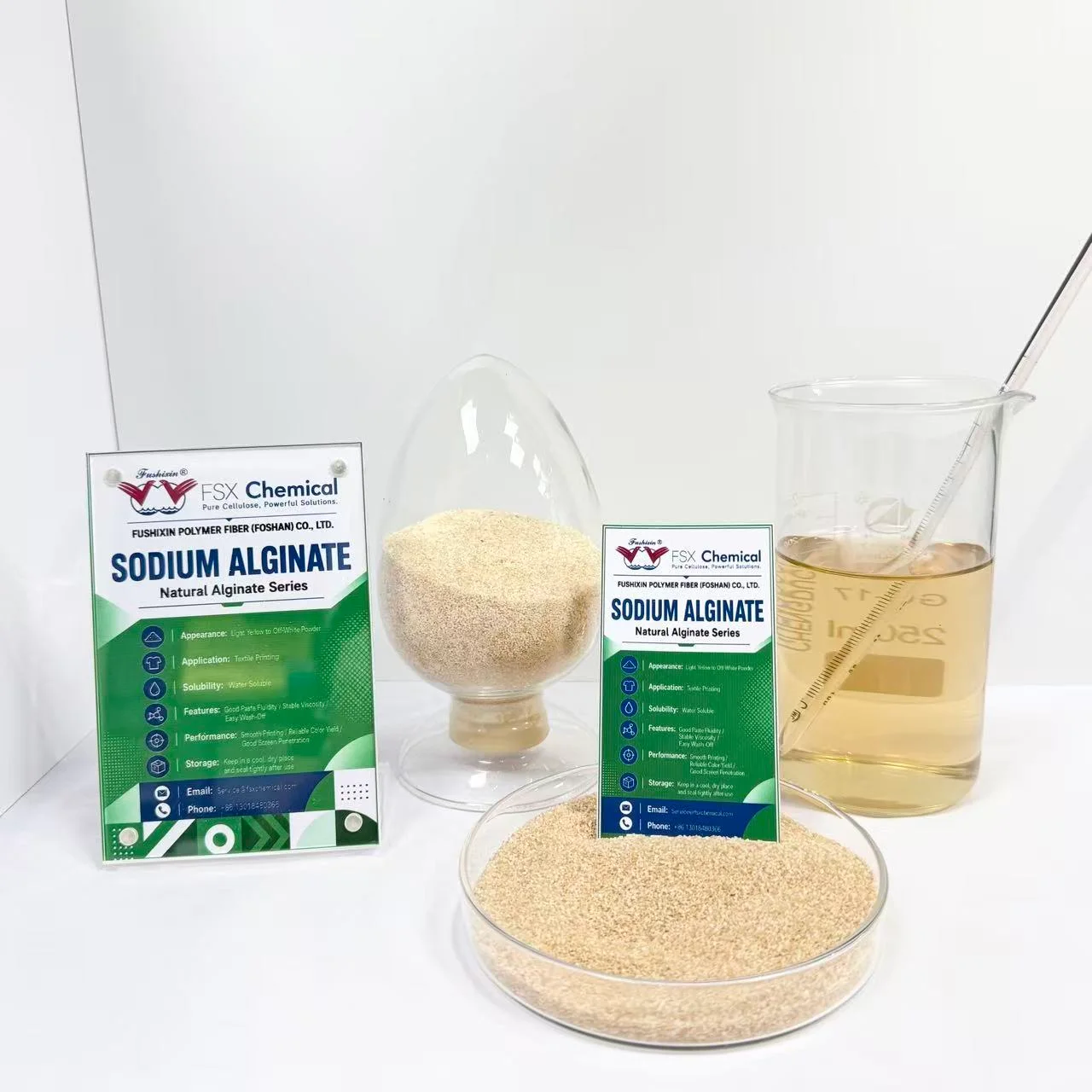
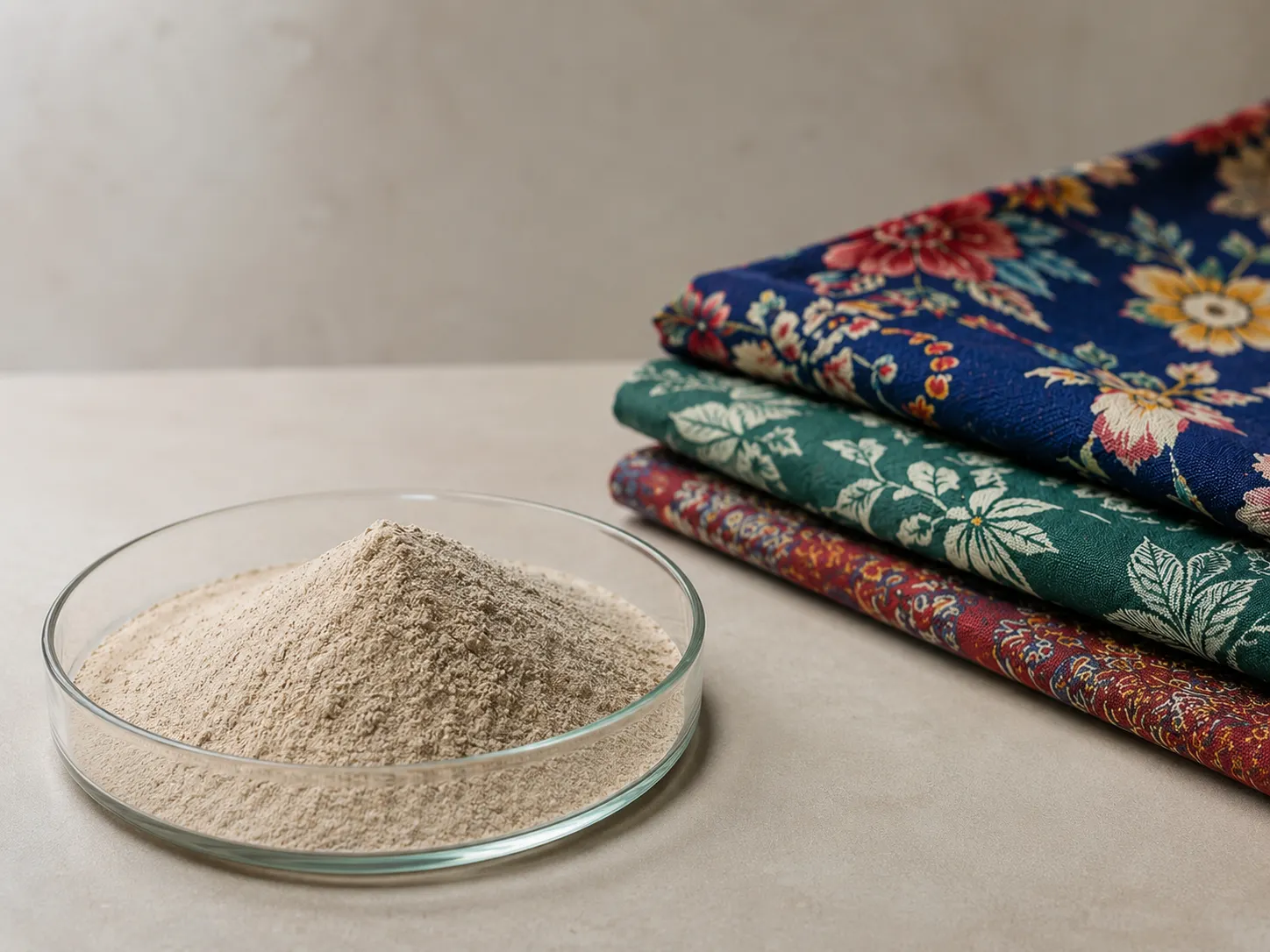
This guide explains how textile printing buyers can evaluate sodium alginate performance through technical documents, sample testing, batch consistency, packaging, and export document review.
What “High Performance” Means for Textile Printing Sodium Alginate
Performance Should Be Verified, Not Only Claimed
In B2B chemical sourcing, terms such as “high performance,” “premium,” or “eco-friendly” should be supported by technical data and sample testing. A supplier description can help buyers start the evaluation, but it should not replace actual formulation testing.
For textile printing, performance should be checked through paste preparation, viscosity stability, filtration behavior, printing handling, and comparison with the buyer’s current product.
Application Fit Is More Important Than a General Grade Name
A broad product name such as “industrial grade sodium alginate” does not confirm whether the product is suitable for a specific textile printing process.
The suitable grade depends on the printing method, dye system, fabric type, target viscosity, water quality, stirring method, and storage time of the prepared paste.
Sample-to-Bulk Consistency Matters
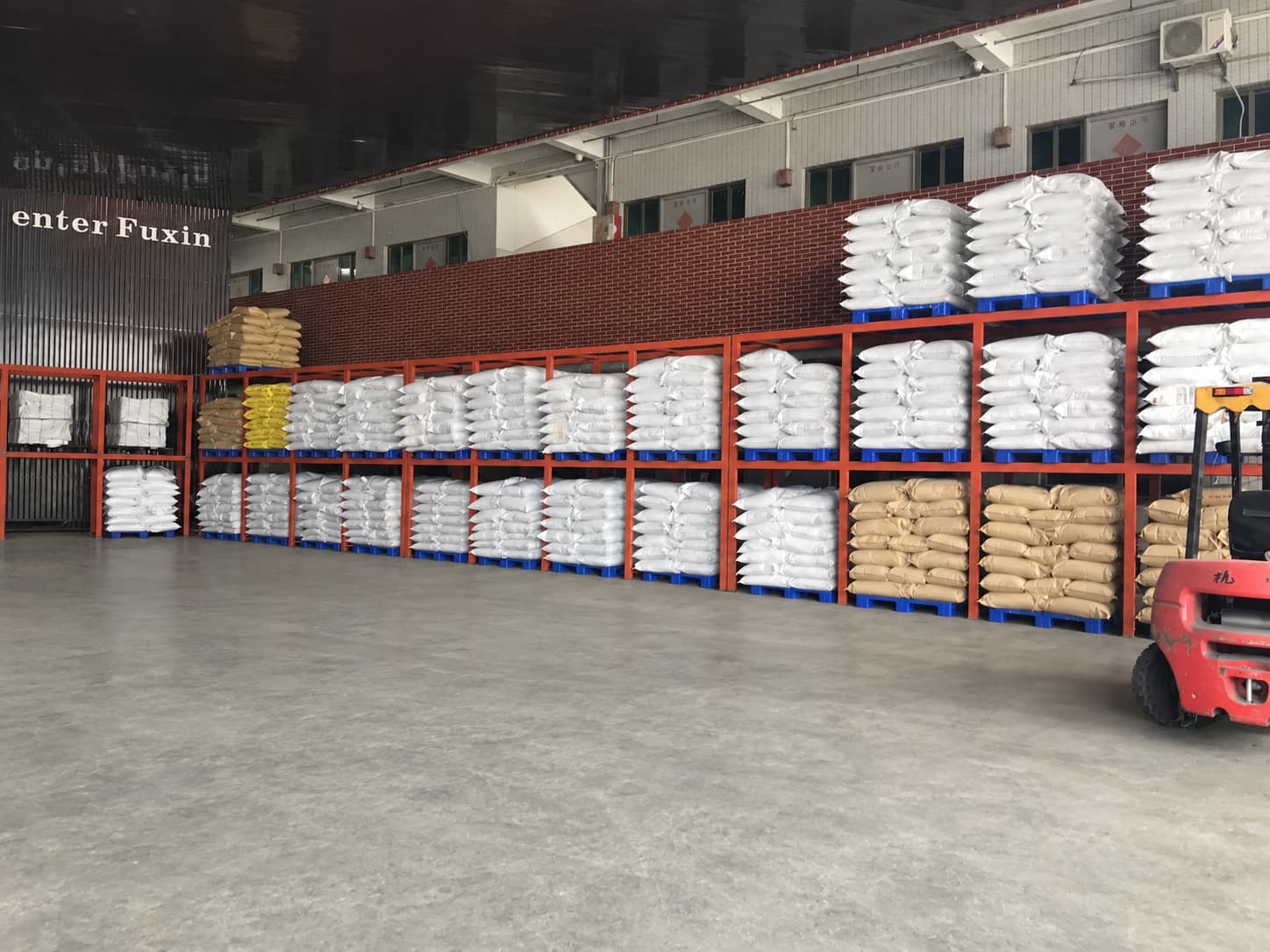
A good sample result is only useful when the bulk shipment can follow the same agreed specification range. Buyers should confirm COA data, batch traceability, packaging format, and shipment documents before placing bulk orders.
This helps reduce the risk of sample approval but unstable bulk performance.
Key Uses in Textile Printing Applications
Reactive Textile Printing Paste
The recommended grade should be tested in the buyer’s own formulation before bulk purchase.
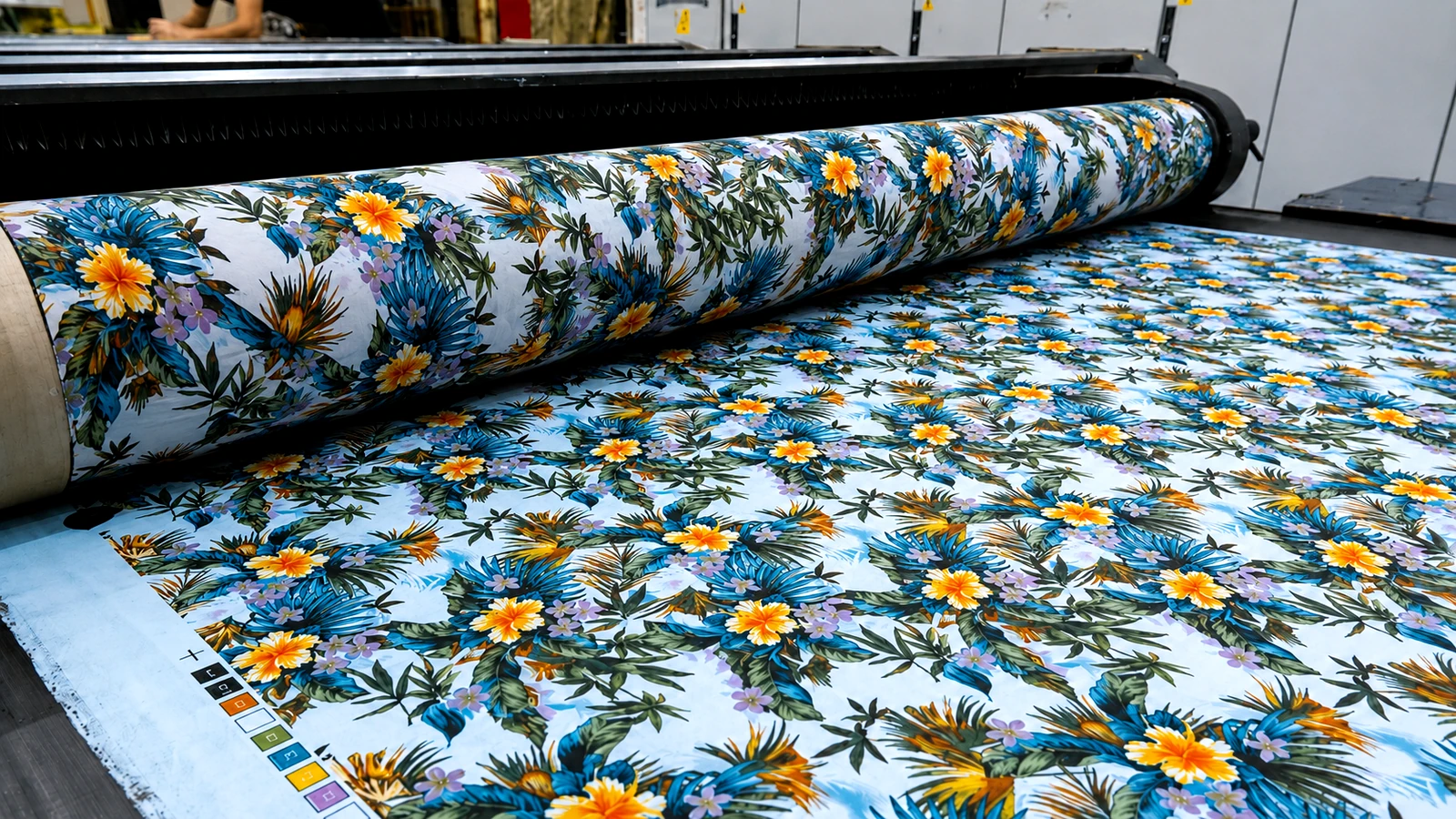
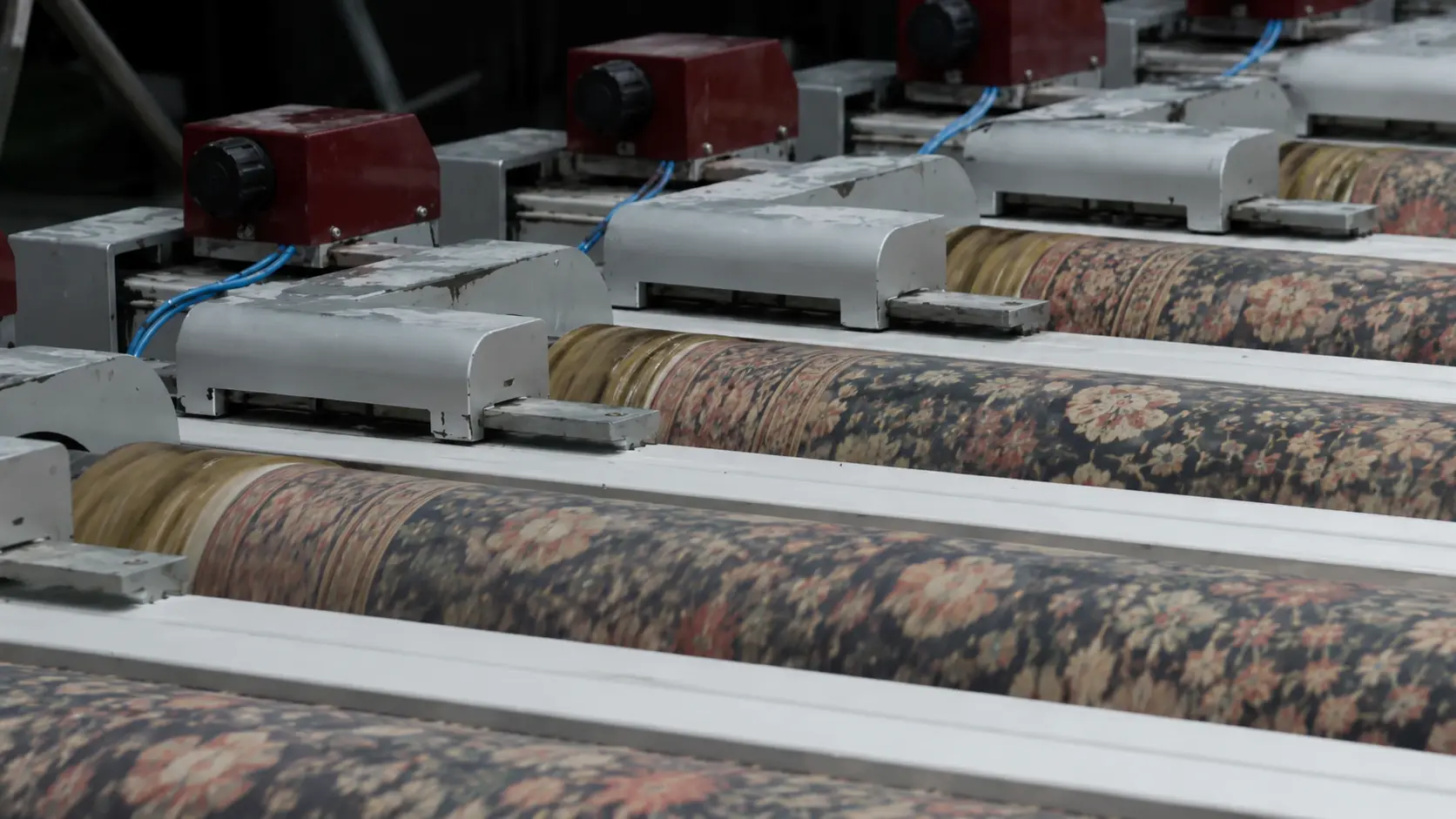
Screen Printing and Rotary Printing
For screen printing and rotary printing, viscosity consistency and filtration behavior can affect production handling. A suitable sodium alginate grade should disperse and hydrate properly under the buyer’s preparation conditions.
Buyers should test the product using their actual water quality, stirring speed, addition method, preparation time, and paste concentration.
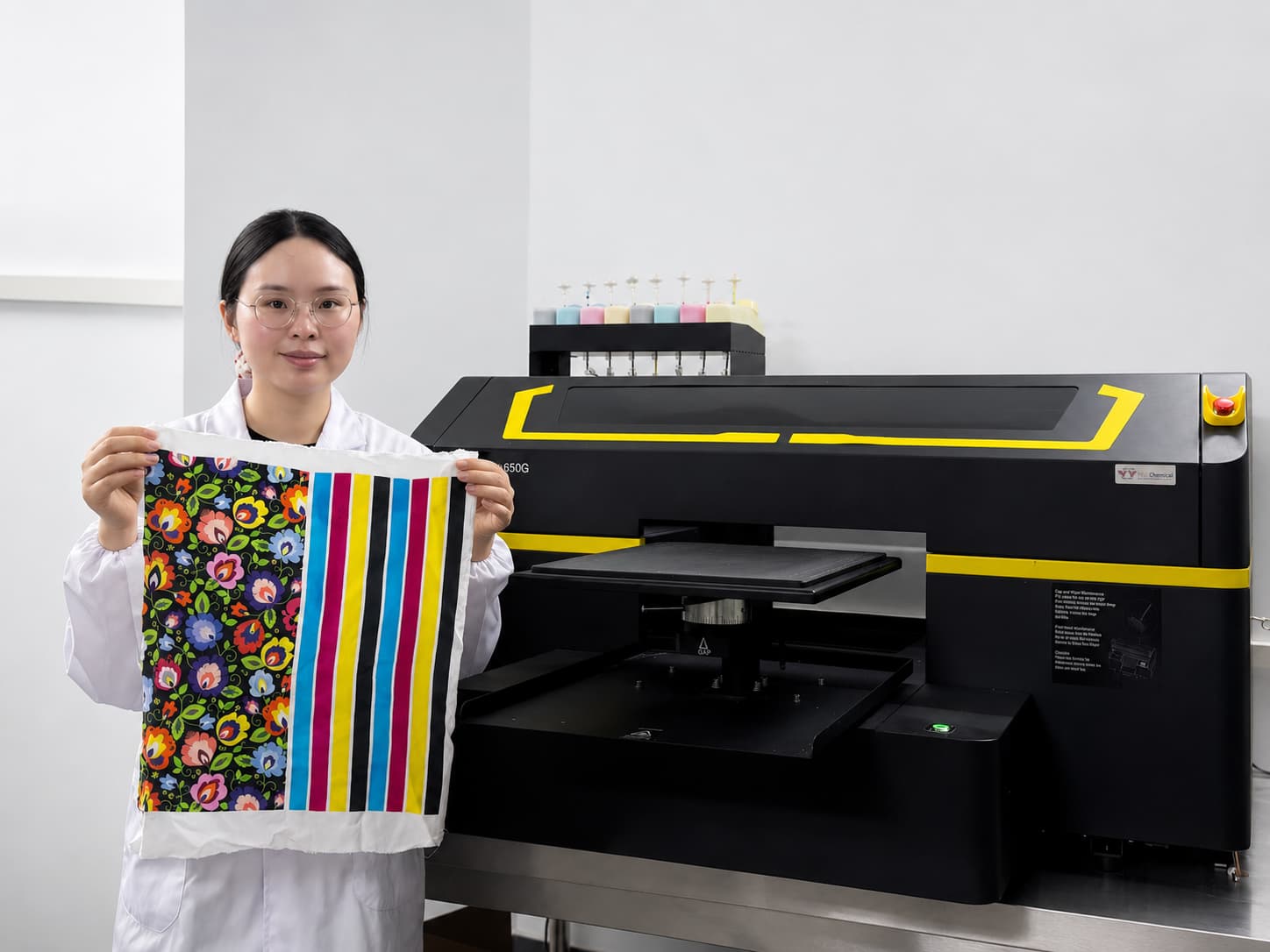
Digital Printing or Related Formulation Testing
Some buyers may evaluate sodium alginate for digital printing pretreatment or related formulation applications. In these cases, the grade should be tested carefully for formulation compatibility, viscosity target, dispersion behavior, pH, and stability.
A textile printing grade should not be assumed to fit all ink or pretreatment systems without testing.
Specifications Buyers Should Check
ویسکاسٹی گریڈ اور جانچ کا طریقہ
Viscosity is one of the most important parameters for sodium alginate used in textile printing paste. Buyers should review the viscosity range together with the test concentration, temperature, instrument method, and unit.
Without a clear test method, viscosity values from different suppliers may not be directly comparable.
جالی کا سائز اور تحلیل کا رویہ
میش کا سائز پیسٹ کی تیاری کے دوران پھیلاؤ اور ہائیڈریشن کو متاثر کر سکتا ہے۔ تاہم، حقیقی تحلیل کا رویہ پانی کے معیار، ہلانے کی رفتار، اضافے کے طریقہ کار، تیاری کے وقت اور فارمولیشن کی شرائط پر بھی منحصر ہوتا ہے۔.
Buyers should test dissolution speed, lump formation, paste smoothness, and filtration behavior under their own conditions.
نمی، پی ایچ اور ظاہری شکل
Moisture, pH, and appearance are basic but important quality indicators. They affect storage, handling, quality control, and repeat purchasing.
ان پیرامیٹرز کا TDS میں جائزہ لیا جانا چاہیے اور ہر پروڈکشن بیچ کے لیے COA ڈیٹا کے ذریعے تصدیق کی جانی چاہیے۔.
Compatibility with the Printing Formula
Compatibility depends on the full formulation, including dyes, auxiliaries, pH, salts, water quality, fabric type, and paste preparation process.
Buyers should share their current formula conditions and production target when asking for grade matching support.
Documents Buyers Should Request Before Purchase
تفصیلی جائزے کے لیے TDS
ٹیکنیکل ڈیٹا شیٹ خریداروں کو معیاری مصنوعات کی وضاحت کا جائزہ لینے میں مدد دیتی ہے۔ اس میں ظاہری شکل، چپچپا پن، جالی کا سائز، نمی، پی ایچ، ذخیرہ کرنے کے حالات، اور جانچ کا طریقہ شامل ہونا چاہیے۔.
The TDS is useful for technical comparison, but it should not replace sample testing in the buyer’s own formulation.
بیچ کی تصدیق کے لیے COA
تجزیاتی سرٹیفکیٹ مخصوص پیداواری بیچ کے حقیقی اعداد و شمار کی تصدیق کرتا ہے۔ یہ بڑے آرڈرز، بار بار خریداری، تقسیم کاروں کی فراہمی، اور اندرونی کوالٹی کنٹرول کے لیے اہم ہے۔.
خریدار شپمنٹس کے دوران COA ریکارڈز کا موازنہ کر سکتے ہیں تاکہ یہ جانچ سکیں کہ آیا کلیدی پیرامیٹرز طے شدہ حدود کے اندر ہیں یا نہیں۔.
SDS for Handling and Transport Review
سیفٹی ڈیٹا شیٹ ہینڈلنگ، ذخیرہ، نقل و حمل اور اندرونی حفاظتی جائزے میں معاون ہے۔ بین الاقوامی خریداری کے لیے شپمنٹ اور کسٹمز سے متعلق رابطے کے لیے بھی ایس ڈی ایس درکار ہو سکتی ہے۔.
خریداروں کو یقینی بنانا چاہیے کہ SDS میں درج مصنوعات کا نام اور سپلائر کی معلومات آرڈر کے دستاویزات سے مطابقت رکھتی ہوں۔.
Additional Compliance or Customer Documents
If the buyer needs restricted-substance statements, environmental documents, customer audit questionnaires, or third-party certification support, those requirements should be discussed before order confirmation.
ایک عملی فراہم کنندہ کو واضح طور پر بتانا چاہیے کہ کون سے دستاویزات فراہم کی جا سکتی ہیں اور کون سے دعووں کے لیے باضابطہ تیسرے فریق کی جانچ یا تصدیق درکار ہے۔.
How to Test Sodium Alginate Before Bulk Orders
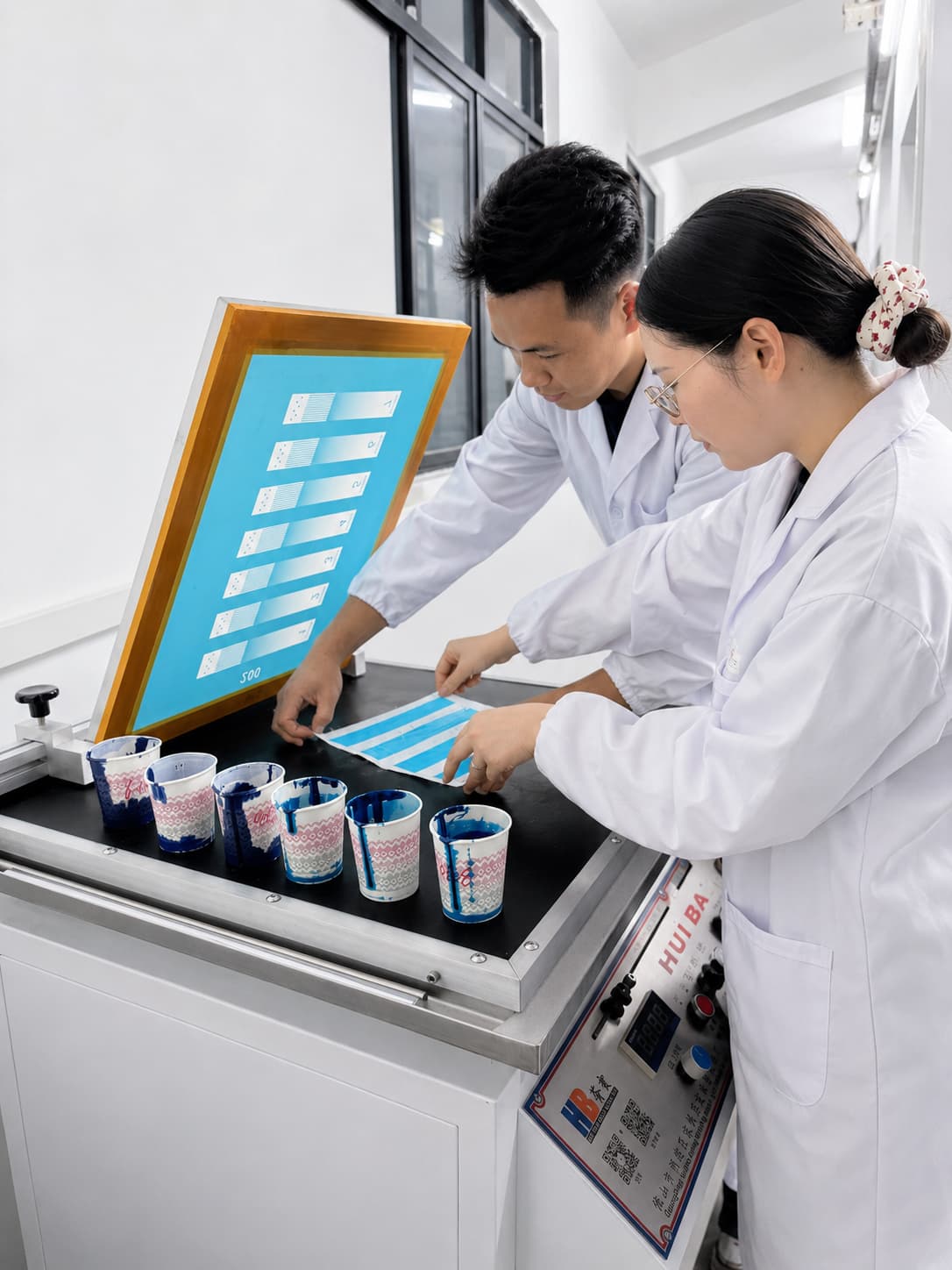
Test in the Actual Printing Paste
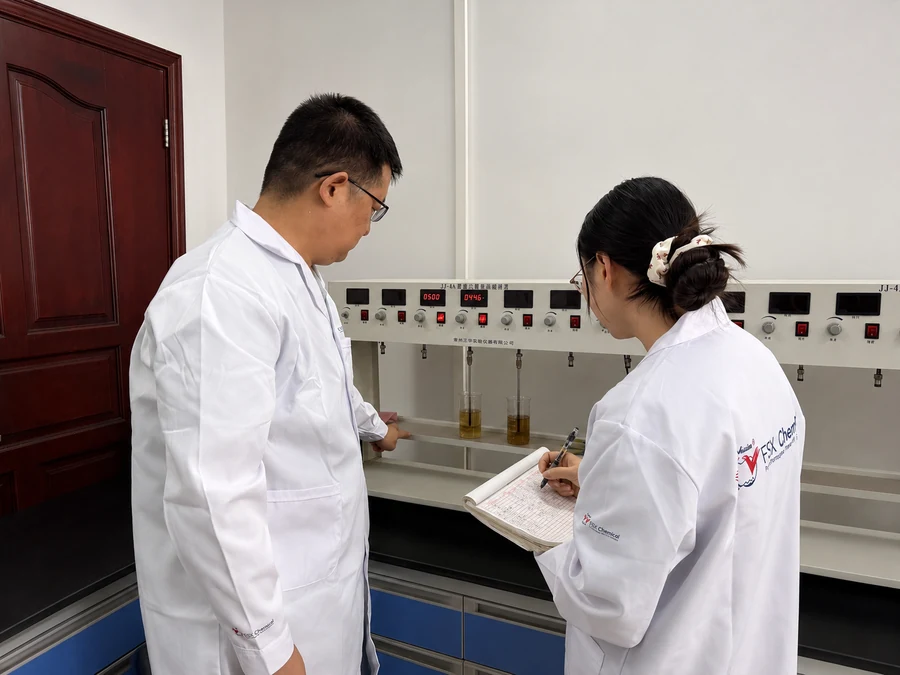
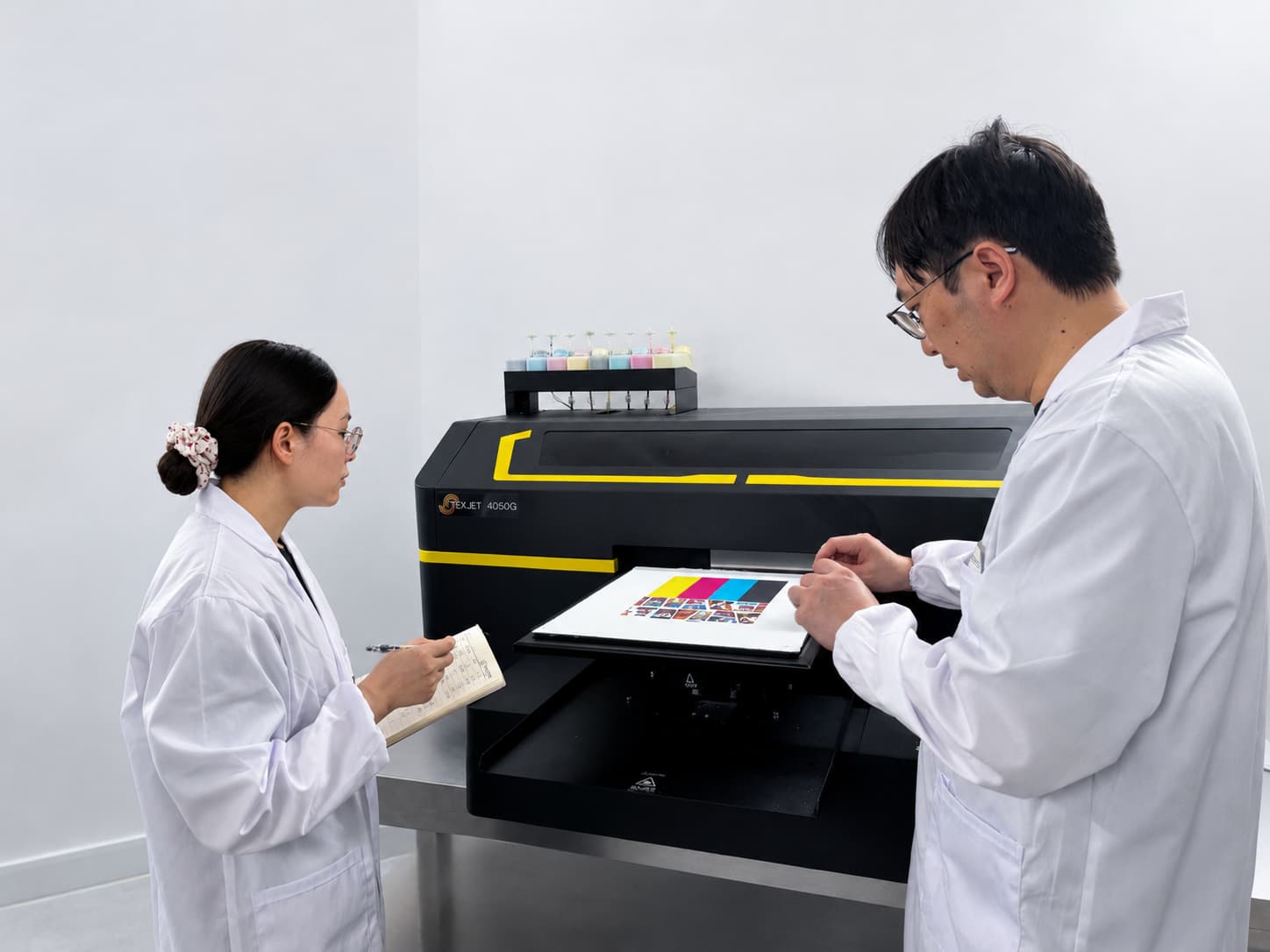
Sample testing should be done in the buyer’s own paste formulation whenever possible. Dyes, auxiliaries, water quality, pH, stirring method, paste concentration, and standing time can all affect final paste behavior.
صرف صاف پانی میں جانچ کرنا یہ تصدیق کرنے کے لیے کافی نہیں ہو سکتا کہ سوڈیم الگنیٹ کا گریڈ پیداوار کے لیے مناسب ہے۔.
Observe Practical Production Behavior
جانچ کے دوران خریداروں کو تحلیل کی رفتار، پیسٹ کی نرمی، گانٹھوں کی تشکیل، چھانٹنے کا رویہ، چپکاوٹ میں استحکام، جالی سے گزرنے کی صلاحیت اور استعمال کے دوران ہینڈلنگ کا مشاہدہ کرنا چاہیے۔.
یہ عملی مشاہدات اکثر ٹی ڈی ایس میں دکھائے گئے وضاحتی اعداد و شمار جتنے ہی اہم ہوتے ہیں۔.
موجودہ پروڈکٹ کے ساتھ موازنہ کریں
If the buyer is replacing an existing sodium alginate or another thickener, the new sample should be tested against the current product under the same conditions.
This helps the buyer evaluate whether the new grade is technically suitable before discussing bulk supply.
Common Mistakes When Choosing Sodium Alginate
Choosing Only by Price
Price is important, but a low price does not help if the product creates unstable viscosity, poor dissolution, filtration difficulty, or extra formulation adjustment.
Buyers should compare price together with specification, sample performance, COA data, and supply consistency.
Ignoring the Viscosity Test Method
Viscosity values measured under different concentrations, temperatures, or instruments may show different results.
Before comparing suppliers, buyers should check whether the test method is clearly stated.
دستاویزات کے بغیر وسیع دعوے قبول کرنا
Claims such as “high-performance,” “eco-friendly,” “compliant,” or “global supply” should be supported by documents, agreed terms, or test data when they are important to the purchasing decision.
For practical sourcing, buyers should focus on TDS, COA, SDS where applicable, sample testing, packaging, and export document support.
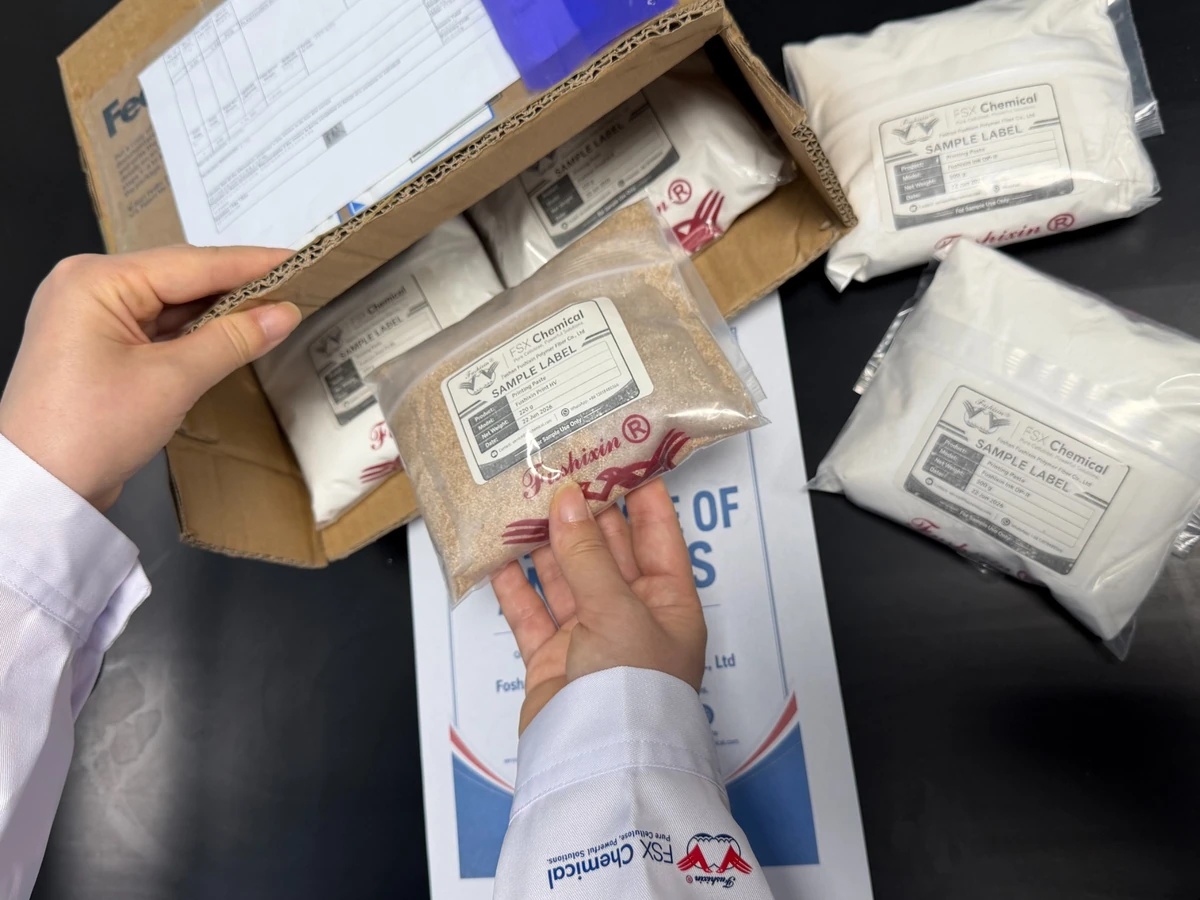
FSX کیمیکل سوڈیم الگینیٹ خریداروں کی کس طرح مدد کرتا ہے
We do not suggest confirming high performance sodium alginate only by product name, broad performance claims, or price. The recommended grade should be reviewed through technical documents and tested in the buyer’s own formulation before bulk purchase.
اگلے اقدامات
- Share Your Printing Process — tell us whether you use reactive printing, screen printing, rotary printing, digital pretreatment, or another formulation process.
- Define Your Target Viscosity — provide your target viscosity range, test concentration, temperature, instrument method, and current product grade if available.
- TDS کی درخواست کریں — چک کریں: چپچپا پن، جال کا سائز، پی ایچ، نمی، ظاہری شکل، ذخیرہ کرنے کے حالات، اور جانچ کا طریقہ۔.
- لاگت اور مالی اعانت کی تفصیلات کا تقاضا کریں — شپمنٹ سے پہلے تصدیق کریں کہ بیچ کا ڈیٹا متفقہ وضاحتی حدود سے مطابقت رکھتا ہے۔.
- Request a Sample — test the recommended sodium alginate grade in your own paste preparation and printing conditions before confirming bulk orders.
- Confirm Packaging and Export Documents — check bag size, labels, batch traceability, SDS, invoice, packing list, and other required documents before shipment.
- Contact Our Technical Team — discuss which sodium alginate grade is suitable for your textile printing application📧 Email: Service@fsxchemical.com