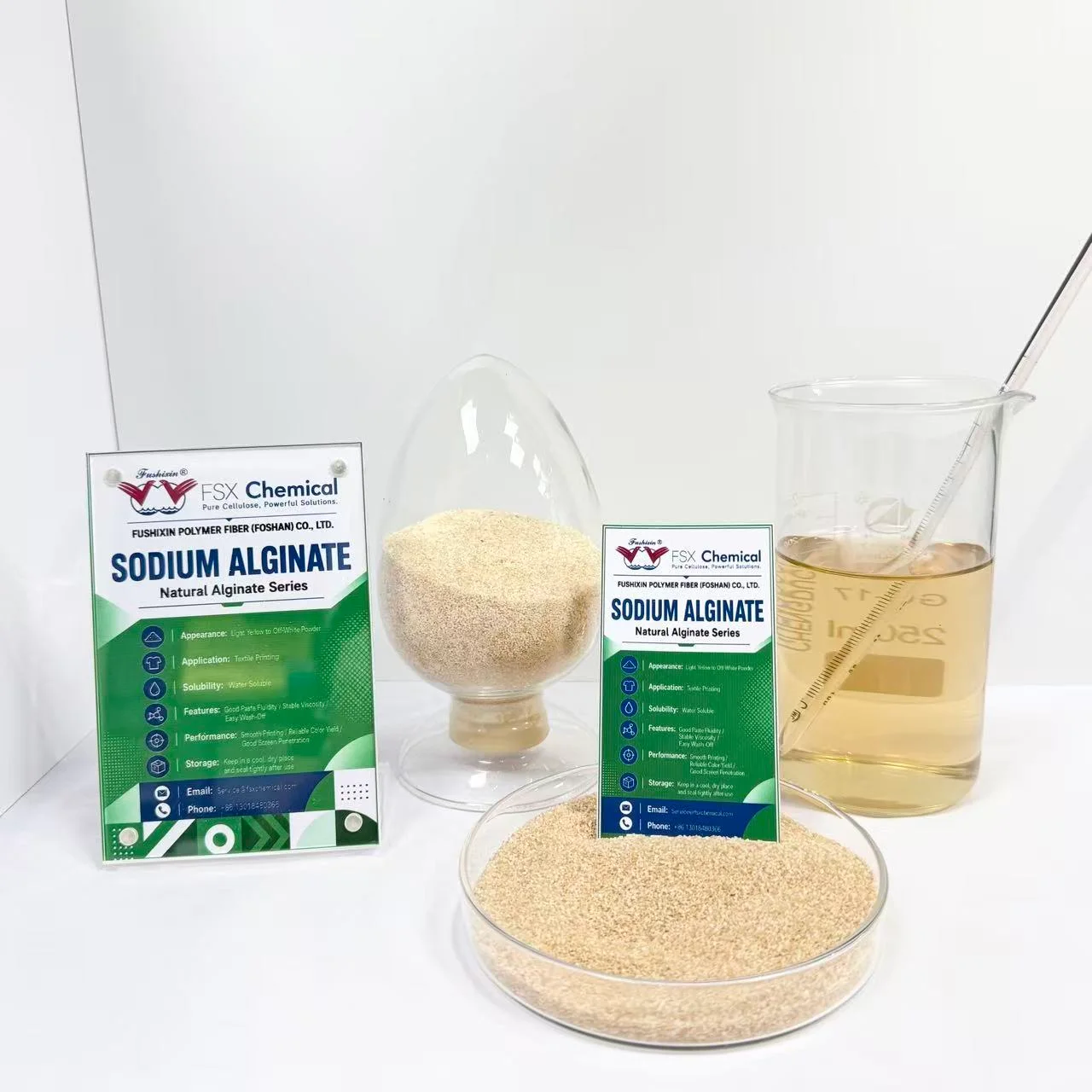
















This guide explains how textile printing buyers can evaluate sodium alginate performance through technical documents, sample testing, batch consistency, packaging, and export document review.
What “High Performance” Means for Textile Printing Sodium Alginate
Performance Should Be Verified, Not Only Claimed
In B2B chemical sourcing, terms such as “high performance,” “premium,” or “eco-friendly” should be supported by technical data and sample testing. A supplier description can help buyers start the evaluation, but it should not replace actual formulation testing.
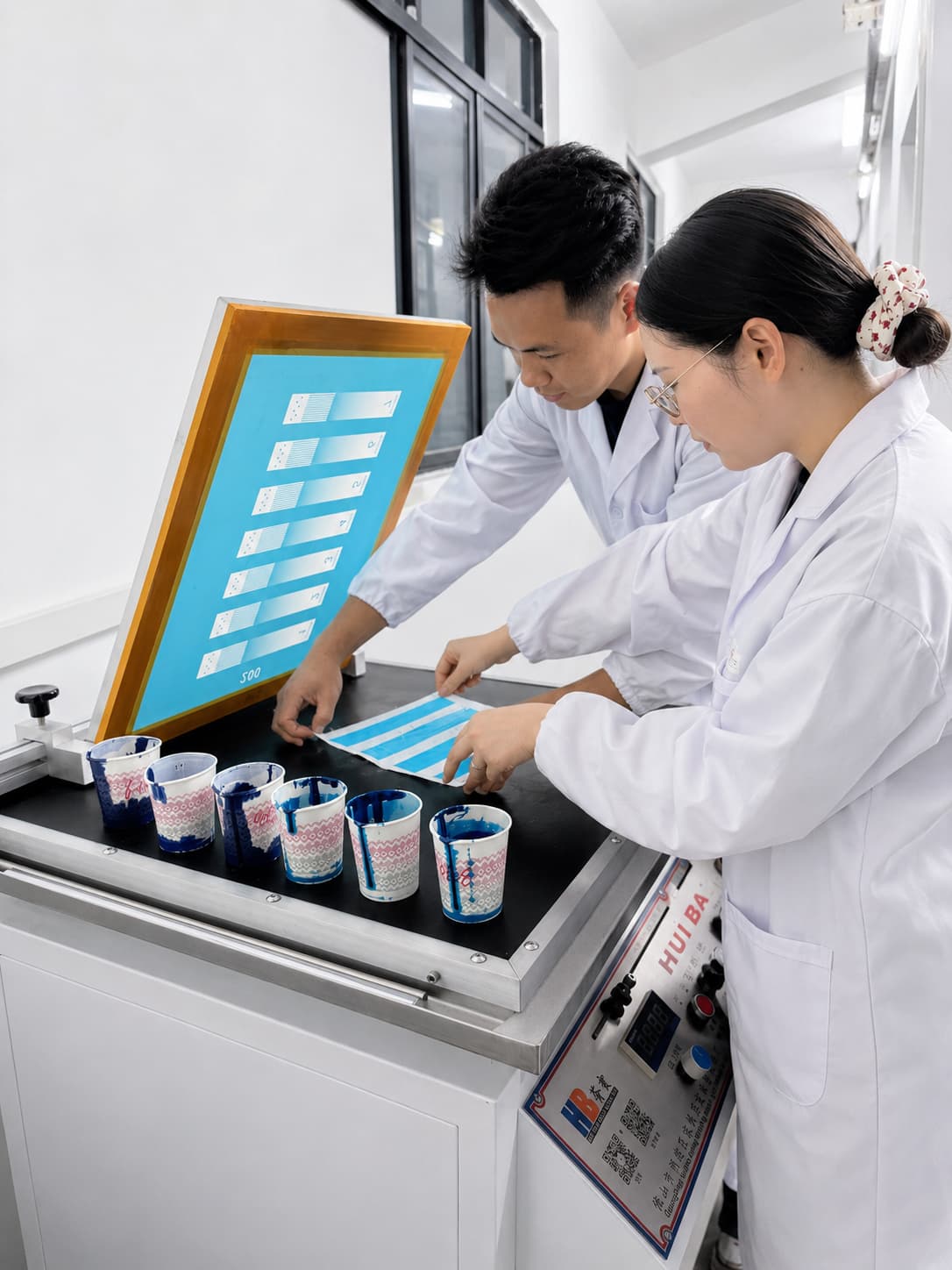
For textile printing, performance should be checked through paste preparation, viscosity stability, filtration behavior, printing handling, and comparison with the buyer’s current product.
Application Fit Is More Important Than a General Grade Name
A broad product name such as “industrial grade sodium alginate” does not confirm whether the product is suitable for a specific textile printing process.
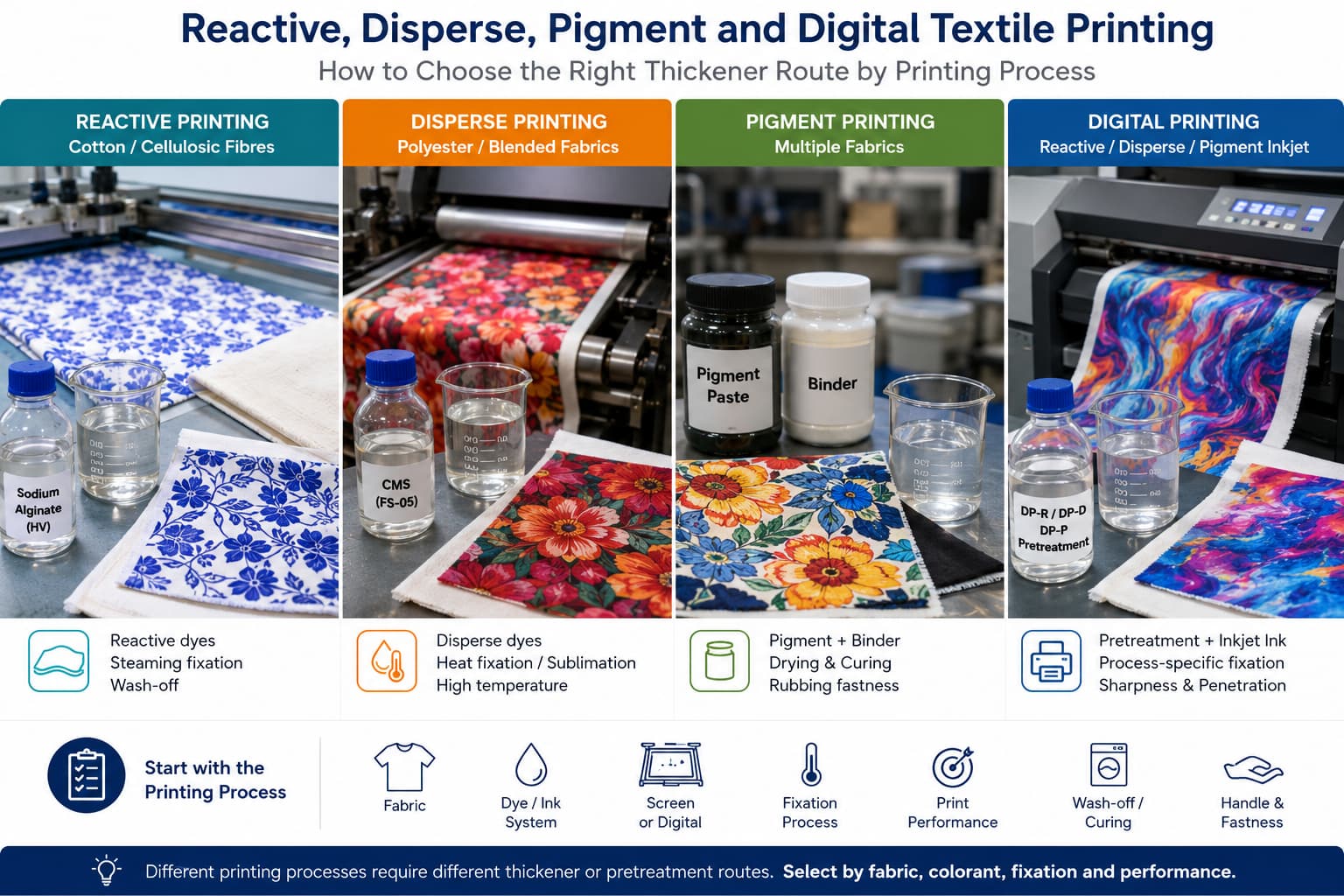
The suitable grade depends on the printing method, dye system, fabric type, target viscosity, water quality, stirring method, and storage time of the prepared paste.
Sample-to-Bulk Consistency Matters
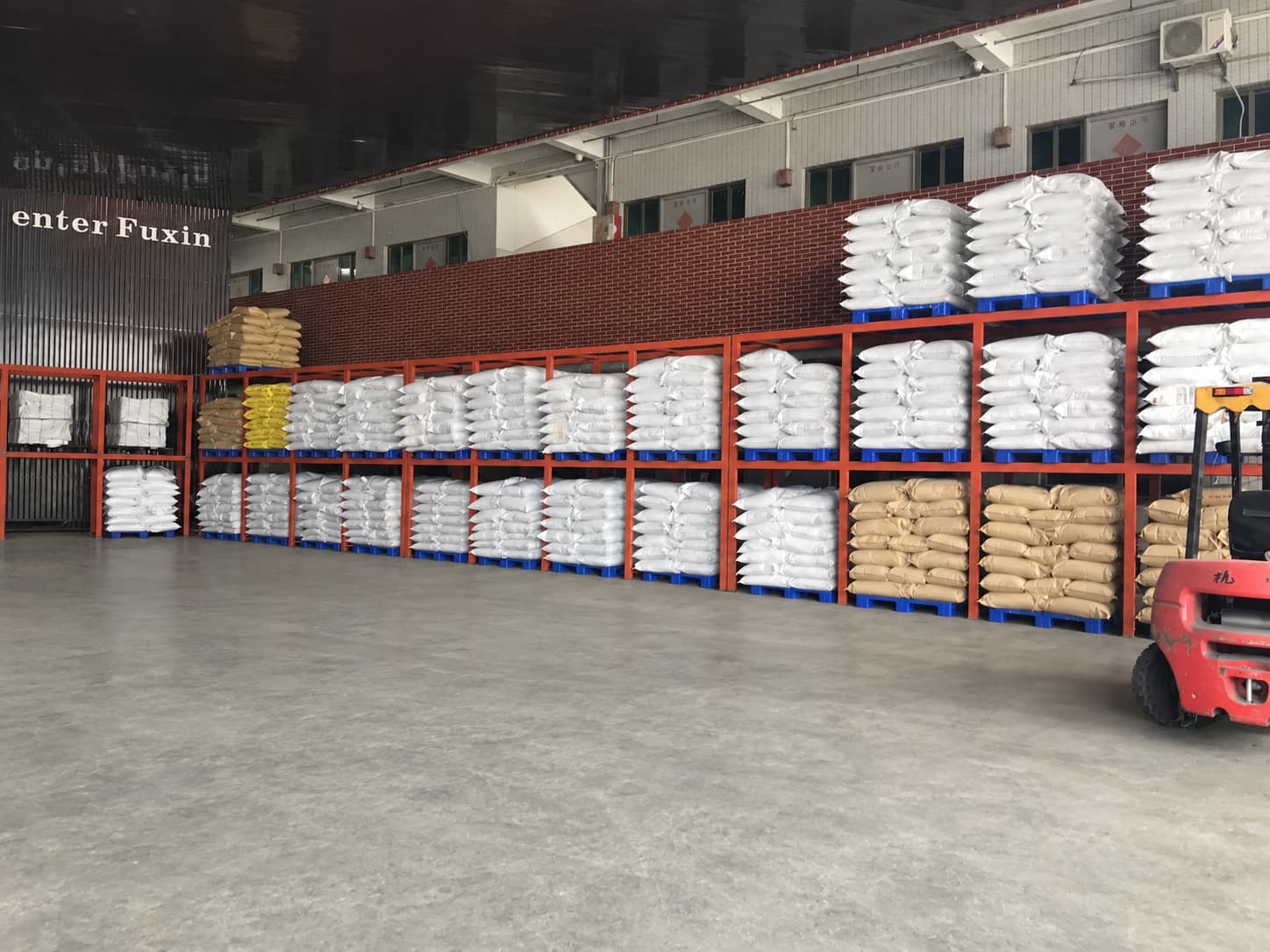
A good sample result is only useful when the bulk shipment can follow the same agreed specification range. Buyers should confirm COA data, batch traceability, packaging format, and shipment documents before placing bulk orders.
This helps reduce the risk of sample approval but unstable bulk performance.
Key Uses in Textile Printing Applications
Pasta Cetak Tekstil Reaktif
Tingkat kualitas yang direkomendasikan sebaiknya diuji terlebih dahulu dalam formulasi milik pembeli sendiri sebelum melakukan pembelian dalam jumlah besar.
Screen Printing and Rotary Printing
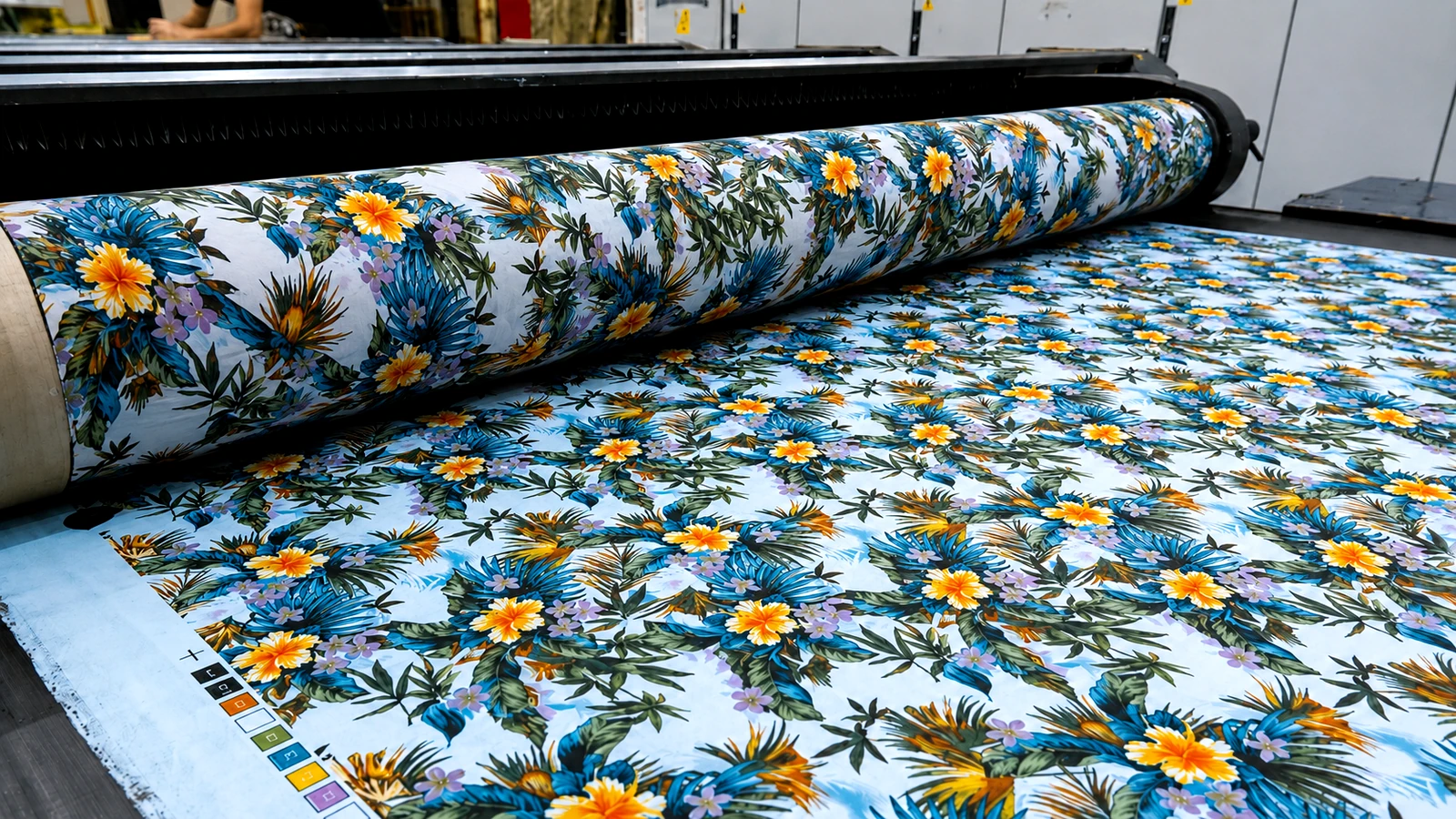
For screen printing and rotary printing, viscosity consistency and filtration behavior can affect production handling. A suitable sodium alginate grade should disperse and hydrate properly under the buyer’s preparation conditions.
Buyers should test the product using their actual water quality, stirring speed, addition method, preparation time, and paste concentration.
Digital Printing or Related Formulation Testing
Some buyers may evaluate sodium alginate for digital printing pretreatment or related formulation applications. In these cases, the grade should be tested carefully for formulation compatibility, viscosity target, dispersion behavior, pH, and stability.
A textile printing grade should not be assumed to fit all ink or pretreatment systems without testing.
Specifications Buyers Should Check
Viscosity Grade and Testing Method
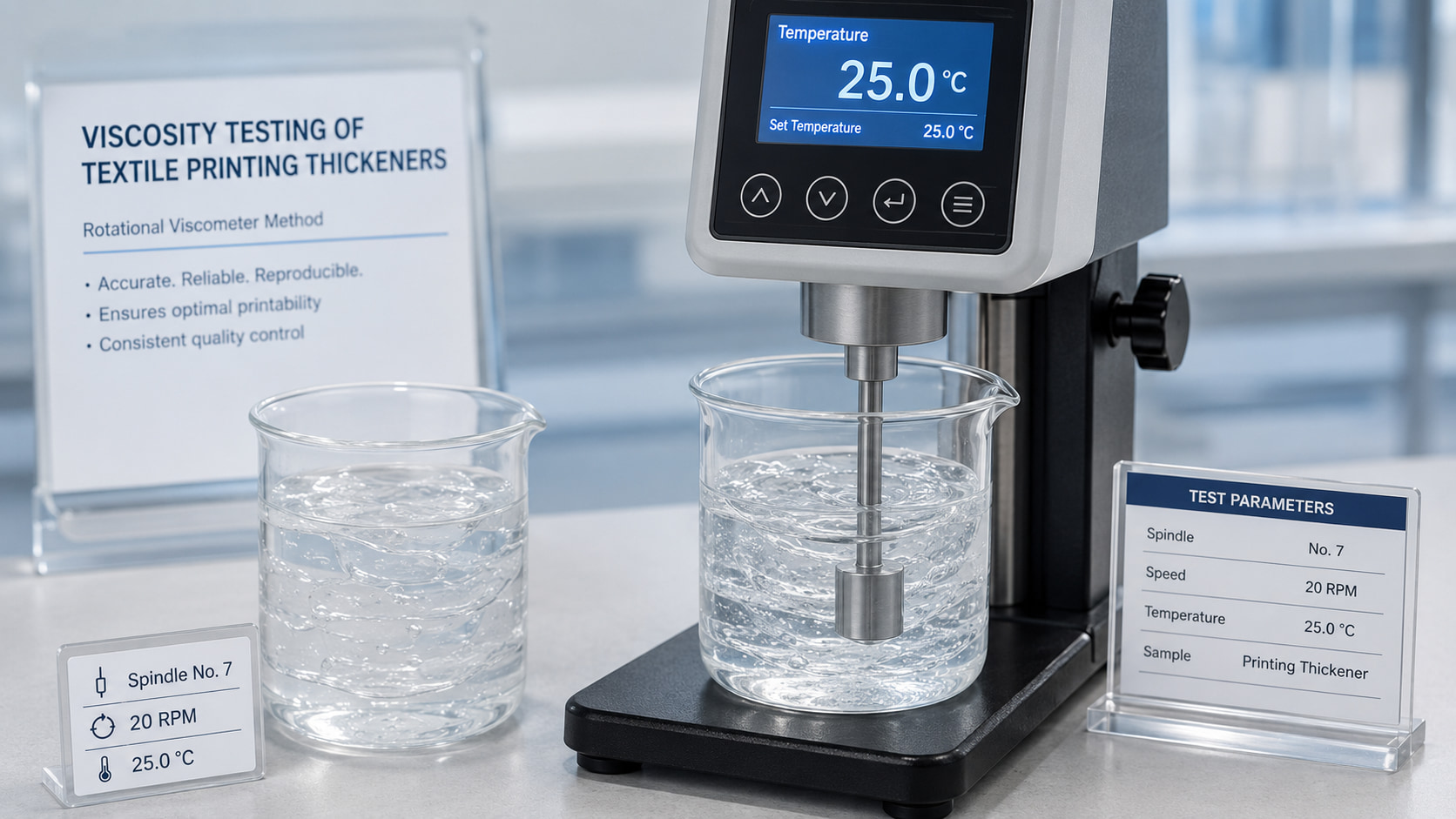
Viscosity is one of the most important parameters for sodium alginate used in textile printing paste. Buyers should review the viscosity range together with the test concentration, temperature, instrument method, and unit.
Without a clear test method, viscosity values from different suppliers may not be directly comparable.
Ukuran Jaring dan Perilaku Pelarutan
Mesh size can influence dispersion and hydration during paste preparation. However, actual dissolution behavior also depends on water quality, stirring speed, addition method, preparation time, and formulation conditions.
Pembeli disarankan untuk menguji kecepatan pelarutan, pembentukan gumpalan, kelancaran pasta, dan perilaku filtrasi sesuai dengan kondisi masing-masing.
Kelembapan, pH, dan Penampilan
Kelembapan, pH, dan penampilan merupakan indikator kualitas yang mendasar namun penting. Ketiga hal tersebut memengaruhi penyimpanan, penanganan, pengendalian kualitas, dan keputusan pembelian ulang.
Parameter-parameter ini harus ditinjau dalam TDS dan dikonfirmasi melalui data COA untuk setiap batch produksi.
Compatibility with the Printing Formula
Compatibility depends on the full formulation, including dyes, auxiliaries, pH, salts, water quality, fabric type, and paste preparation process.
Buyers should share their current formula conditions and production target when asking for grade matching support.
Documents Buyers Should Request Before Purchase
TDS untuk Tinjauan Spesifikasi
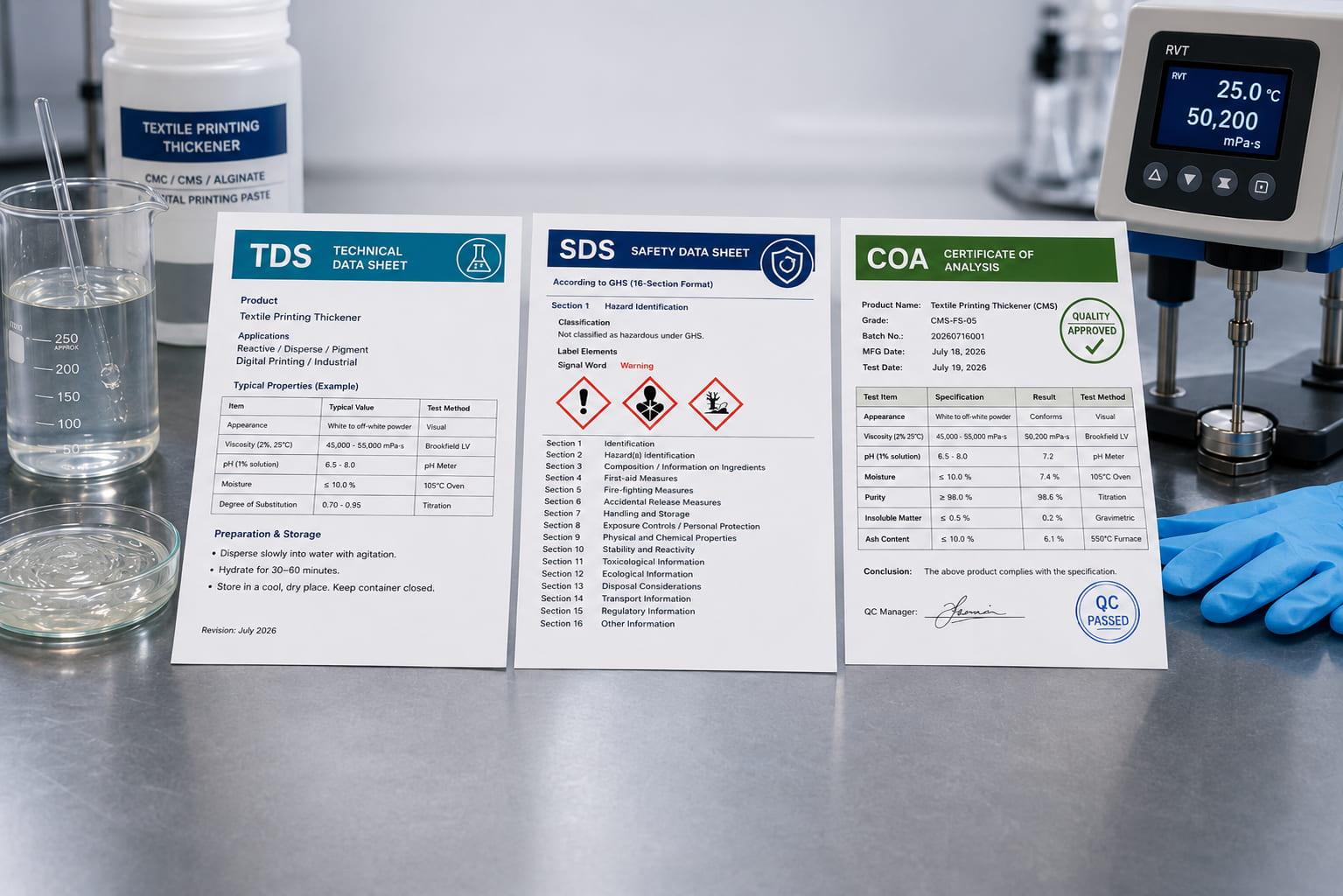
The Technical Data Sheet helps buyers review the standard product specification. It should include appearance, viscosity, mesh size, moisture, pH, storage conditions, and testing method.
The TDS is useful for technical comparison, but it should not replace sample testing in the buyer’s own formulation.
COA untuk Konfirmasi Batch
Sertifikat Analisis menegaskan data aktual dari suatu batch produksi tertentu. Hal ini penting untuk pesanan dalam jumlah besar, pembelian berulang, pasokan kepada distributor, dan pengendalian mutu internal.
Pembeli dapat membandingkan catatan COA dari berbagai pengiriman untuk memeriksa apakah parameter-parameter utama tetap berada dalam kisaran yang telah disepakati.
SDS for Handling and Transport Review
The Safety Data Sheet supports handling, storage, transport, and internal safety review. For international purchasing, SDS may also be needed for shipment and customs-related communication.
Buyers should make sure the SDS product name and supplier information match the order documents.
Additional Compliance or Customer Documents
If the buyer needs restricted-substance statements, environmental documents, customer audit questionnaires, or third-party certification support, those requirements should be discussed before order confirmation.
A practical supplier should clearly explain which documents can be provided and which claims require formal third-party testing or certification.
How to Test Sodium Alginate Before Bulk Orders
Test in the Actual Printing Paste
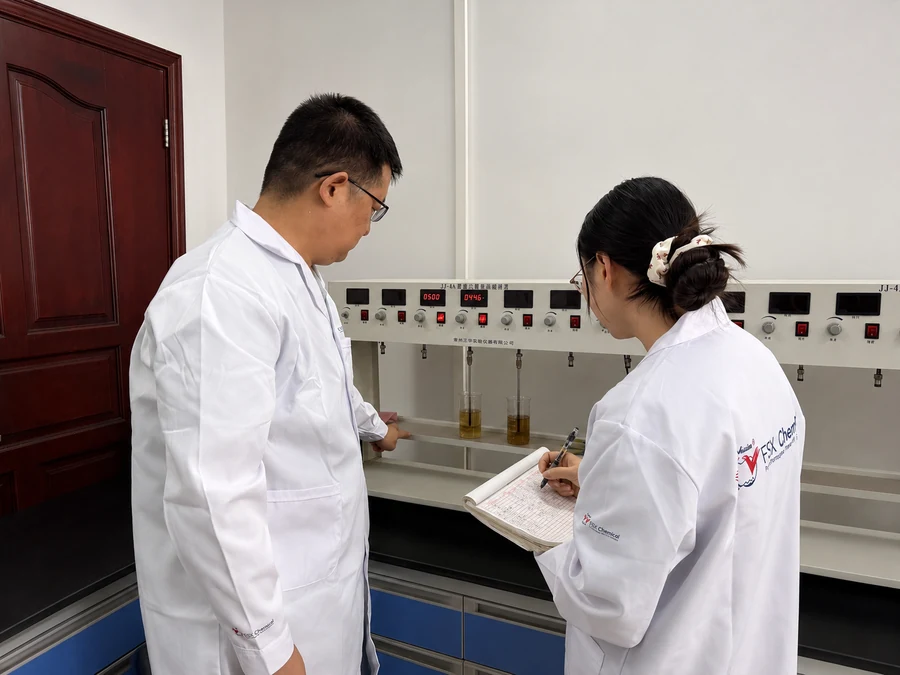
Sample testing should be done in the buyer’s own paste formulation whenever possible. Dyes, auxiliaries, water quality, pH, stirring method, paste concentration, and standing time can all affect final paste behavior.
Testing only in clean water may not be enough to confirm whether the sodium alginate grade is suitable for production.
Observe Practical Production Behavior
During testing, buyers should observe dissolution speed, paste smoothness, lump formation, filtration behavior, viscosity stability, screen passing, and application handling.
Pengamatan praktis ini seringkali sama pentingnya dengan data spesifikasi yang tercantum dalam TDS.
Compare Against the Current Product
If the buyer is replacing an existing sodium alginate or another thickener, the new sample should be tested against the current product under the same conditions.
This helps the buyer evaluate whether the new grade is technically suitable before discussing bulk supply.
Common Mistakes When Choosing Sodium Alginate
Choosing Only by Price
Price is important, but a low price does not help if the product creates unstable viscosity, poor dissolution, filtration difficulty, or extra formulation adjustment.
Buyers should compare price together with specification, sample performance, COA data, and supply consistency.
Ignoring the Viscosity Test Method
Viscosity values measured under different concentrations, temperatures, or instruments may show different results.
Before comparing suppliers, buyers should check whether the test method is clearly stated.
Accepting Broad Claims Without Documents
Claims such as “high-performance,” “eco-friendly,” “compliant,” or “global supply” should be supported by documents, agreed terms, or test data when they are important to the purchasing decision.
For practical sourcing, buyers should focus on TDS, COA, SDS where applicable, sample testing, packaging, and export document support.
Bagaimana FSX Chemical Mendukung Para Pembeli Sodium Alginat
We do not suggest confirming high performance sodium alginate only by product name, broad performance claims, or price. The recommended grade should be reviewed through technical documents and tested in the buyer’s own formulation before bulk purchase.
Langkah Selanjutnya
- Share Your Printing Process — tell us whether you use reactive printing, screen printing, rotary printing, digital pretreatment, or another formulation process.
- Tentukan Viskositas Target Anda — provide your target viscosity range, test concentration, temperature, instrument method, and current product grade if available.
- Ajukan Permohonan TDS — review viscosity, mesh size, pH, moisture, appearance, storage conditions, and testing method.
- Ajukan Permohonan COA — pastikan apakah data batch sesuai dengan rentang spesifikasi yang telah disepakati sebelum pengiriman.
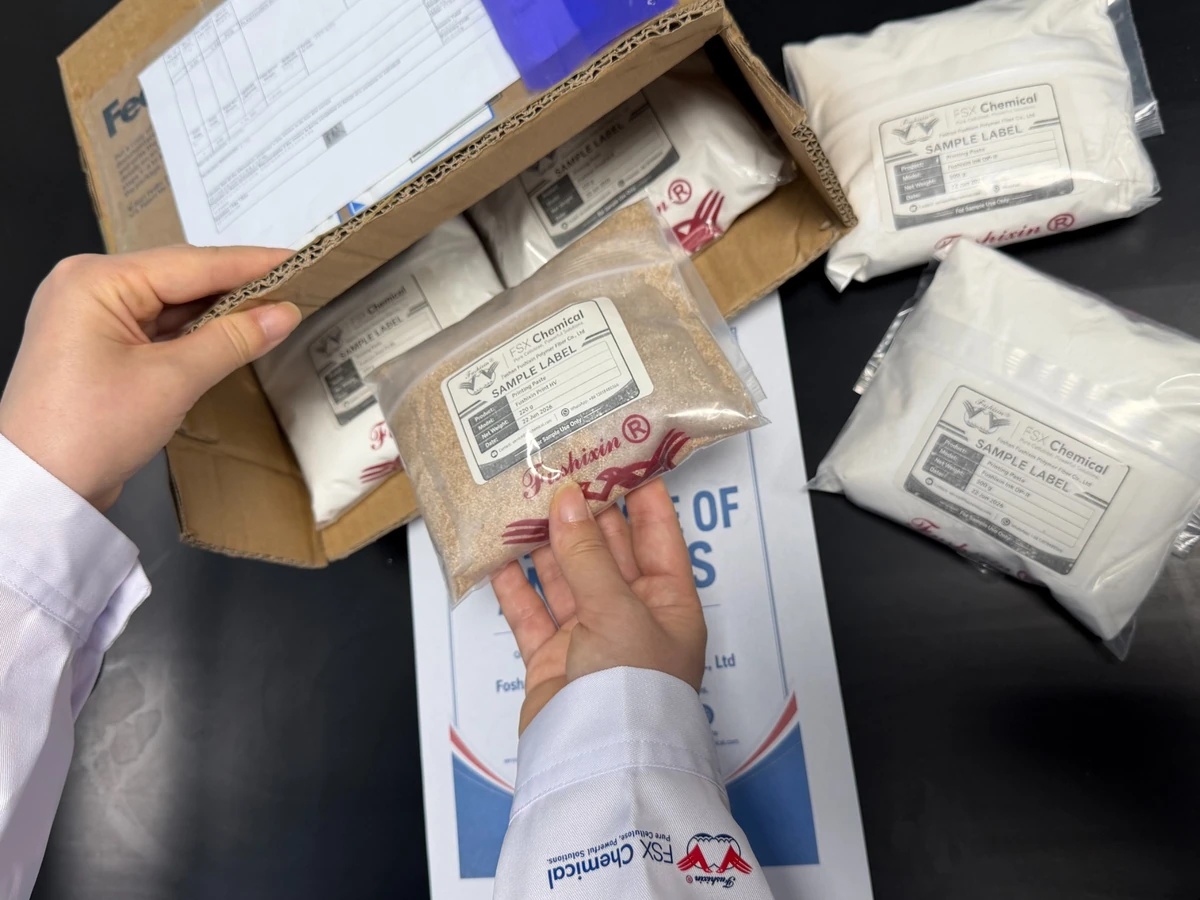
- Minta Sampel — Uji jenis natrium alginat yang direkomendasikan dalam persiapan pasta dan kondisi pencetakan Anda sendiri sebelum mengonfirmasi pesanan dalam jumlah besar.
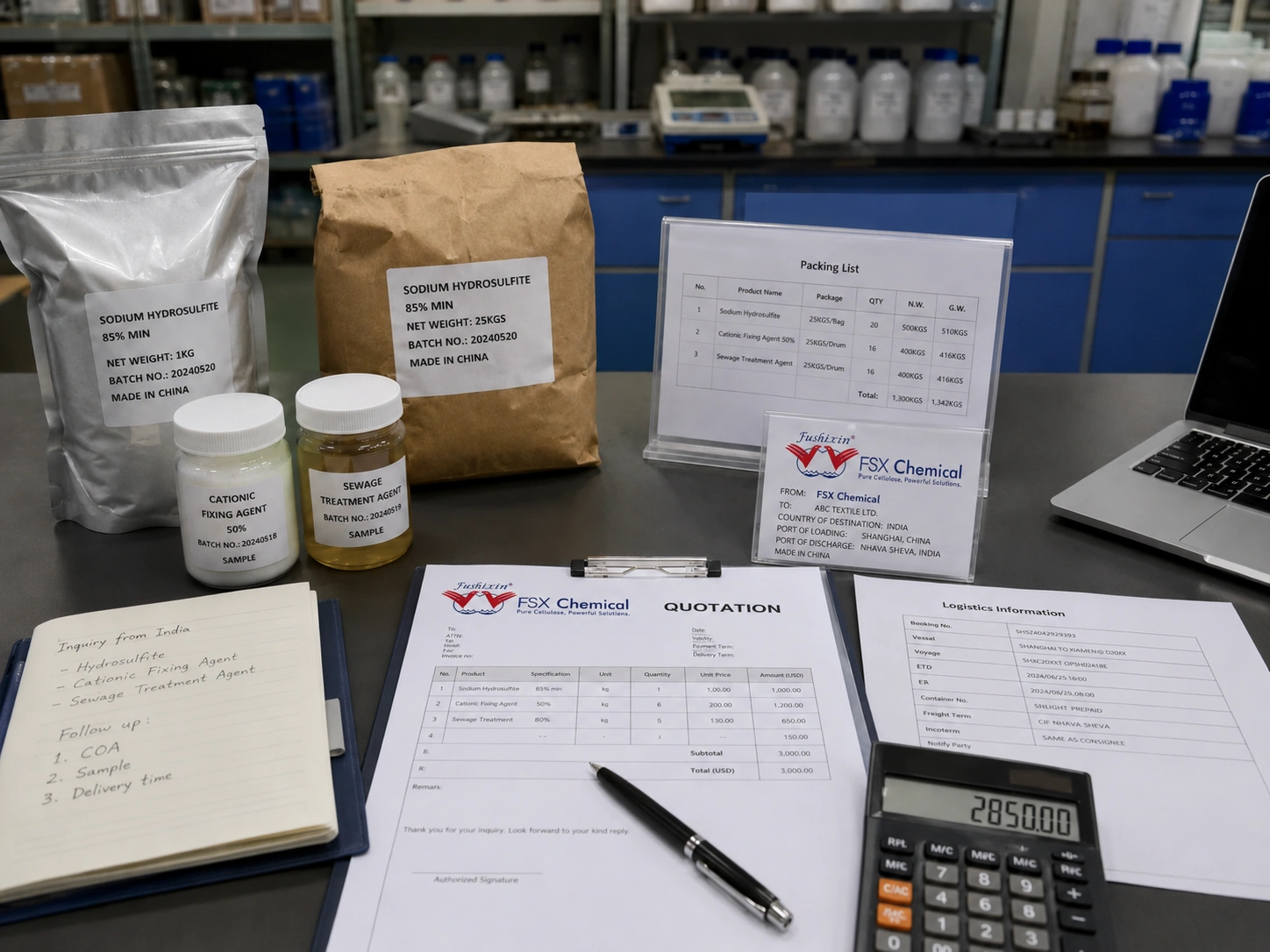
- Memastikan Keabsahan Dokumen Pengemasan dan Ekspor — periksa ukuran karung, label, jejak pelacakan batch, SDS, faktur, daftar kemasan, dan dokumen lain yang diperlukan sebelum pengiriman.
- Hubungi Tim Teknis Kami — discuss which sodium alginate grade is suitable for your textile printing application📧 Email: Service@fsxchemical.com