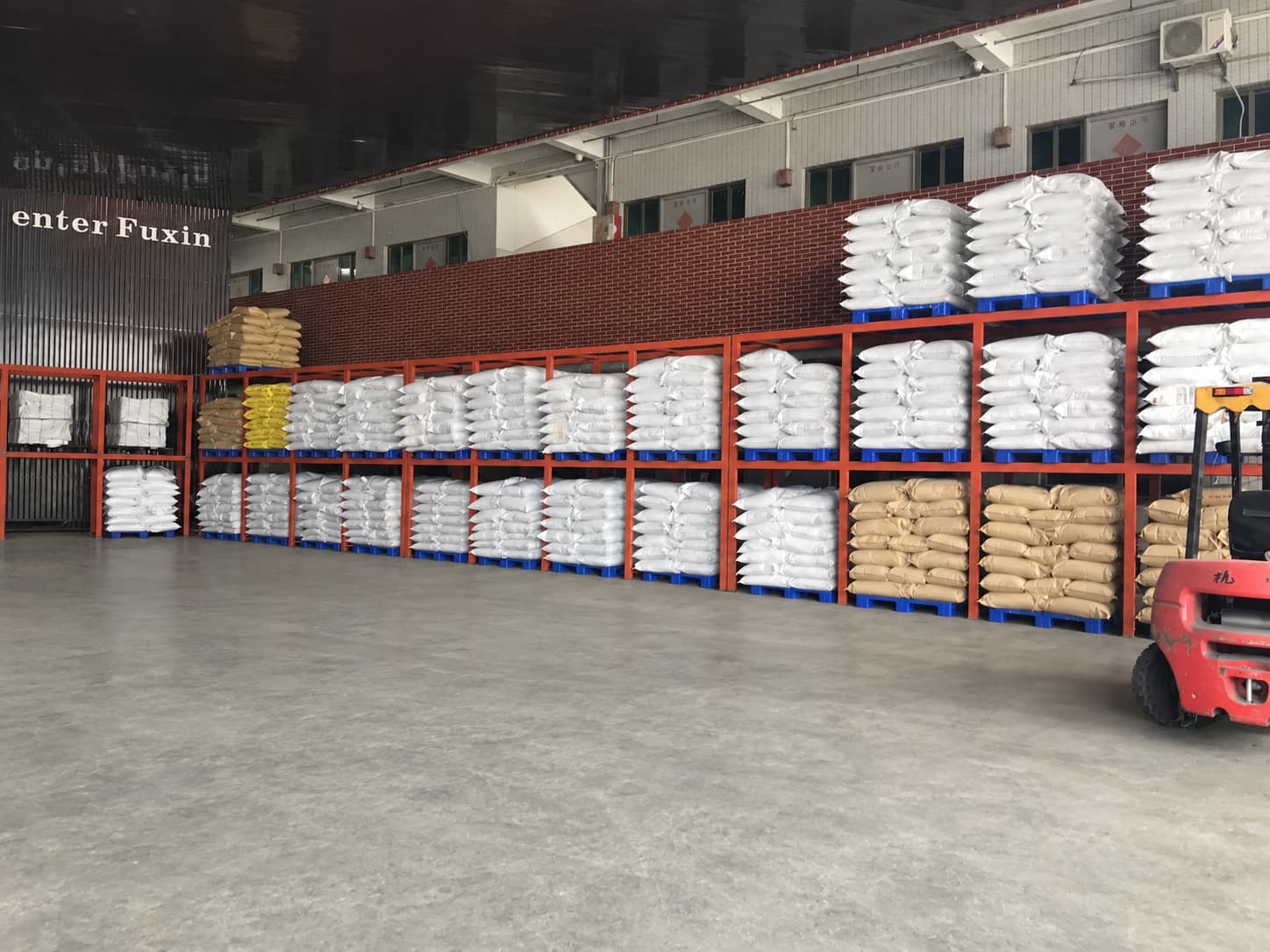
This guide explains how textile printing buyers can evaluate sodium alginate performance through technical documents, sample testing, batch consistency, packaging, and export document review.
What “High Performance” Means for Textile Printing Sodium Alginate
Performance Should Be Verified, Not Only Claimed
In B2B chemical sourcing, terms such as “high performance,” “premium,” or “eco-friendly” should be supported by technical data and sample testing. A supplier description can help buyers start the evaluation, but it should not replace actual formulation testing.
For textile printing, performance should be checked through paste preparation, viscosity stability, filtration behavior, printing handling, and comparison with the buyer’s current product.
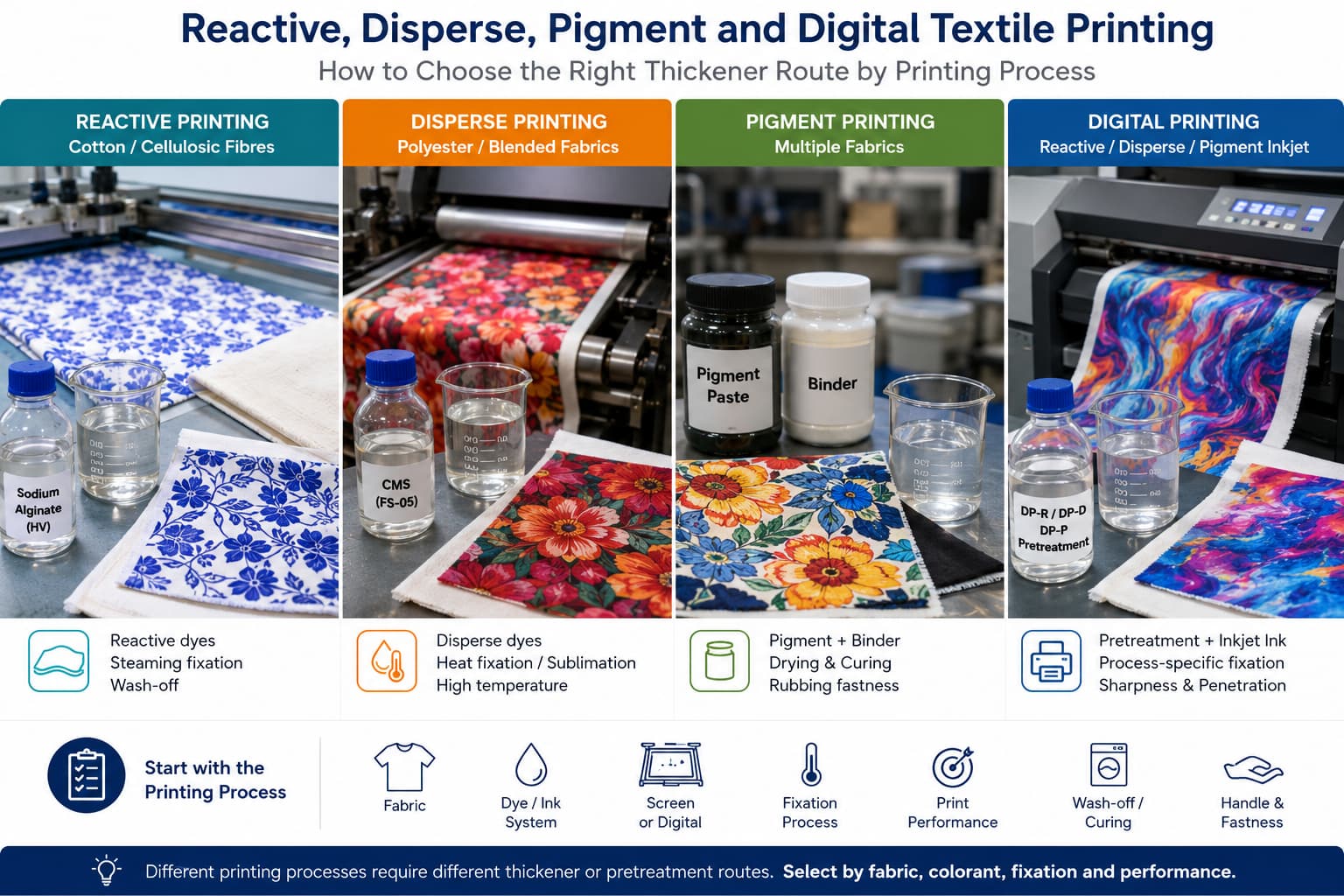
Application Fit Is More Important Than a General Grade Name
A broad product name such as “industrial grade sodium alginate” does not confirm whether the product is suitable for a specific textile printing process.
The suitable grade depends on the printing method, dye system, fabric type, target viscosity, water quality, stirring method, and storage time of the prepared paste.
Sample-to-Bulk Consistency Matters
A good sample result is only useful when the bulk shipment can follow the same agreed specification range. Buyers should confirm COA data, batch traceability, packaging format, and shipment documents before placing bulk orders.
This helps reduce the risk of sample approval but unstable bulk performance.
Key Uses in Textile Printing Applications
Pasta reactiva para impresión textil
The recommended grade should be tested in the buyer’s own formulation before bulk purchase.
Serigrafía e impresión rotativa
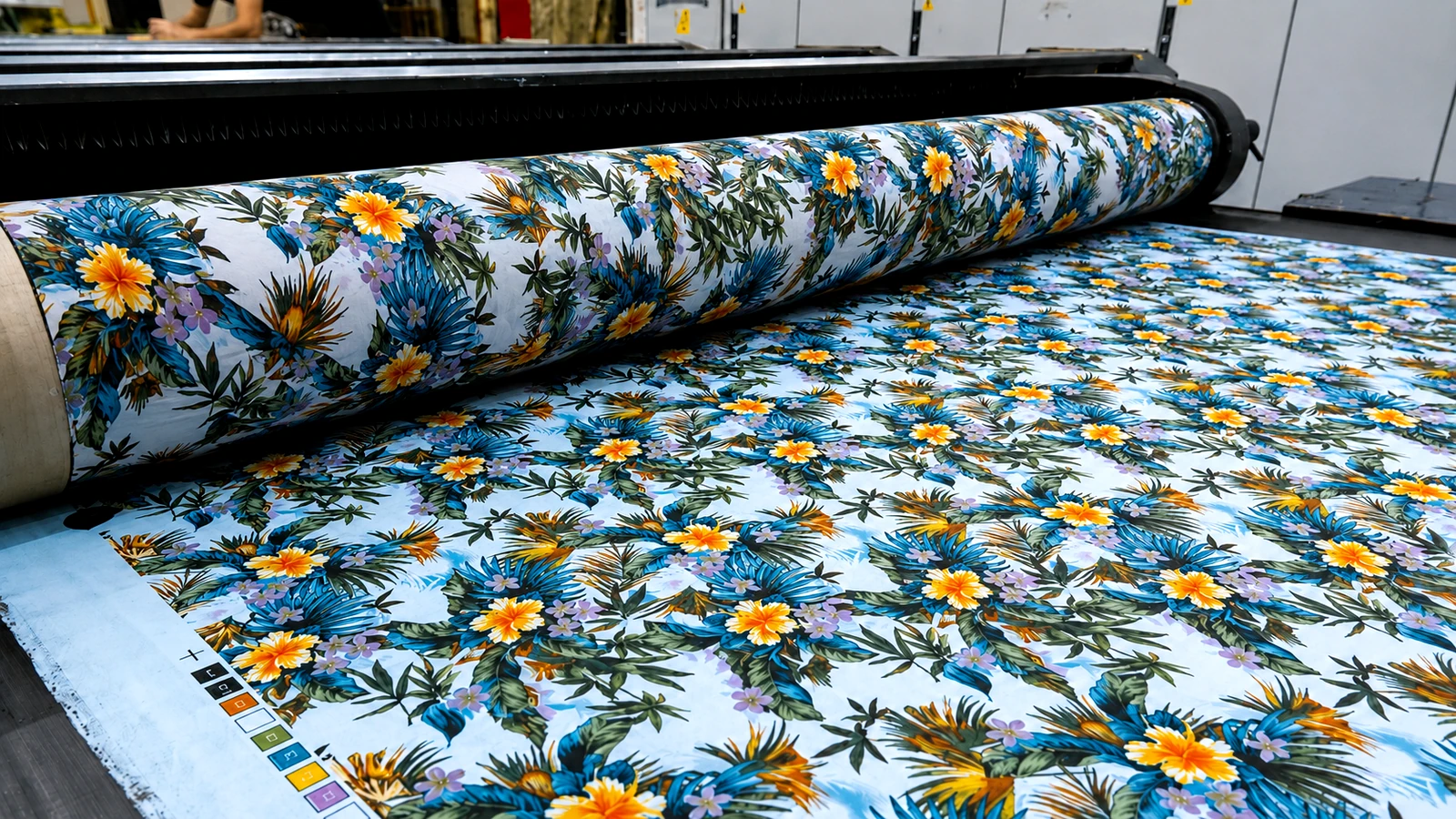
For screen printing and rotary printing, viscosity consistency and filtration behavior can affect production handling. A suitable sodium alginate grade should disperse and hydrate properly under the buyer’s preparation conditions.
Buyers should test the product using their actual water quality, stirring speed, addition method, preparation time, and paste concentration.
Digital Printing or Related Formulation Testing
Some buyers may evaluate sodium alginate for digital printing pretreatment or related formulation applications. In these cases, the grade should be tested carefully for formulation compatibility, viscosity target, dispersion behavior, pH, and stability.
A textile printing grade should not be assumed to fit all ink or pretreatment systems without testing.
Specifications Buyers Should Check
Grado de viscosidad y método de prueba
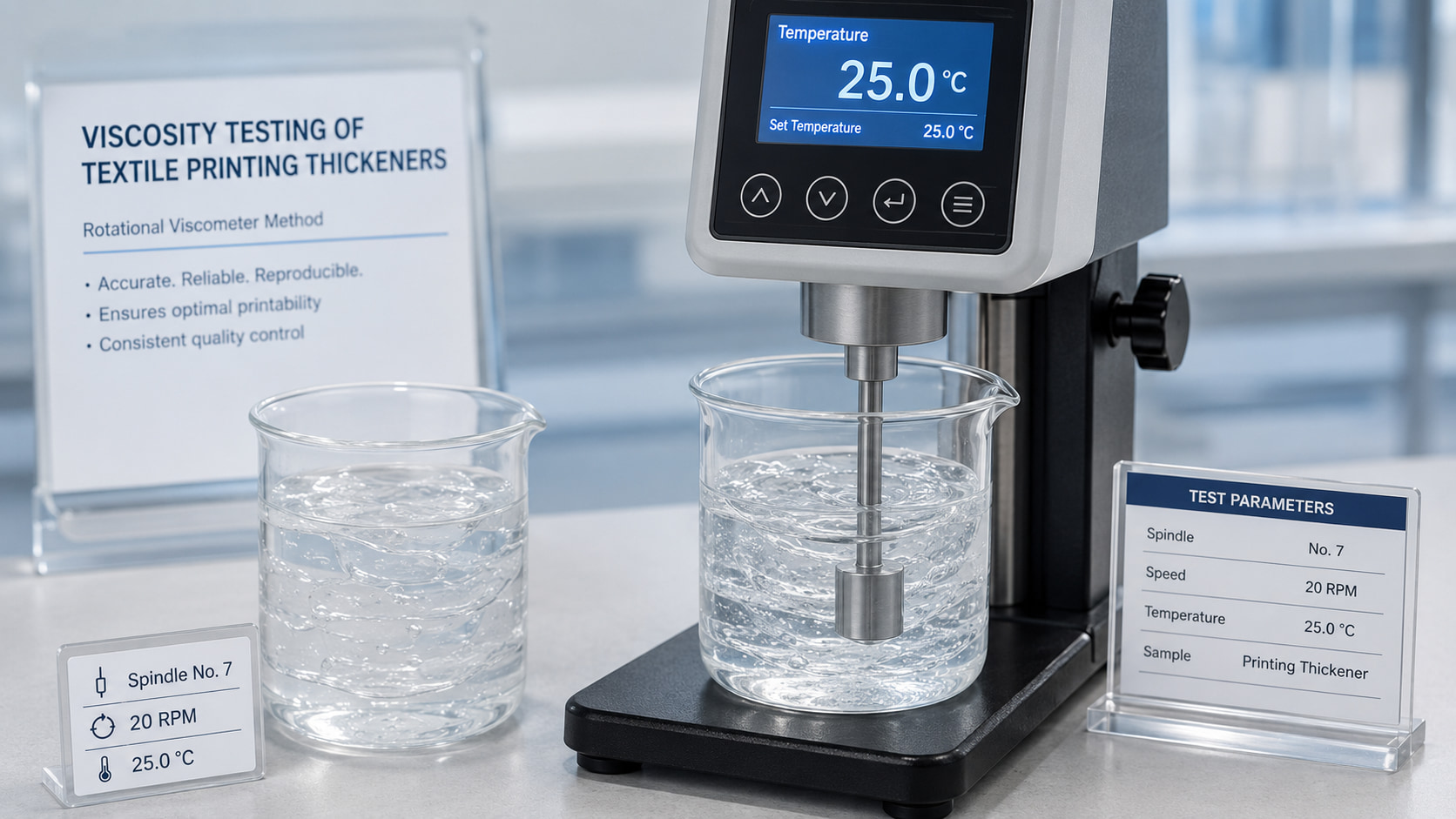
Viscosity is one of the most important parameters for sodium alginate used in textile printing paste. Buyers should review the viscosity range together with the test concentration, temperature, instrument method, and unit.
Without a clear test method, viscosity values from different suppliers may not be directly comparable.
Tamaño de malla y comportamiento de disolución
El tamaño de malla puede influir en la dispersión y la hidratación durante la preparación de la pasta. Sin embargo, el comportamiento real de disolución también depende de la calidad del agua, la velocidad de agitación, el método de adición, el tiempo de preparación y las condiciones de la formulación.
Buyers should test dissolution speed, lump formation, paste smoothness, and filtration behavior under their own conditions.
Humedad, pH y aspecto
La humedad, el pH y la apariencia son indicadores de calidad básicos pero importantes. Influyen en el almacenamiento, la manipulación, el control de calidad y la repetición de compras.
Estos parámetros deben revisarse en la ficha técnica del producto (TDS) y confirmarse mediante los datos del certificado de análisis (COA) para cada lote de producción.
Compatibility with the Printing Formula
Compatibility depends on the full formulation, including dyes, auxiliaries, pH, salts, water quality, fabric type, and paste preparation process.
Buyers should share their current formula conditions and production target when asking for grade matching support.
Documents Buyers Should Request Before Purchase
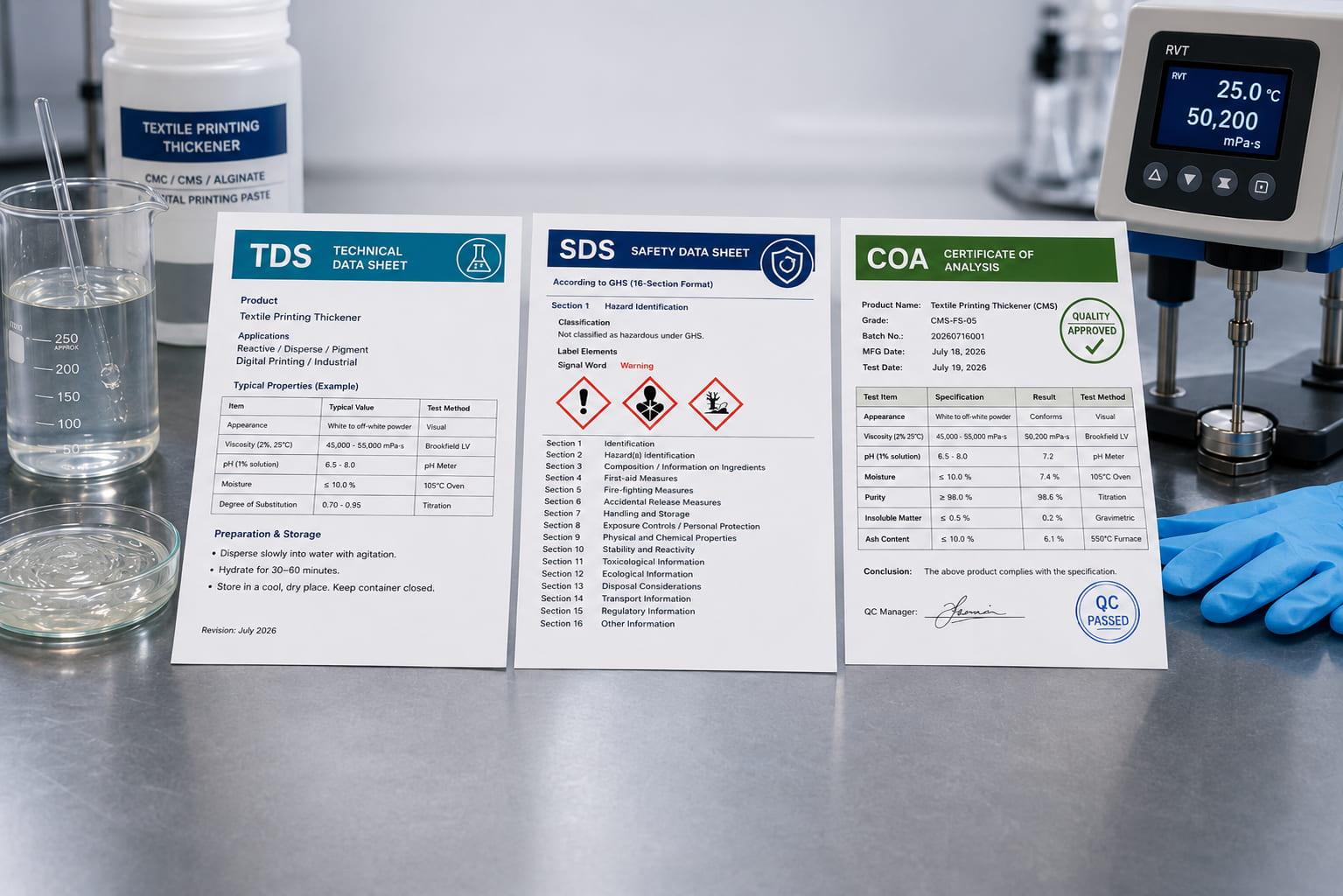
TDS para la revisión de especificaciones
La hoja de datos técnicos ayuda a los compradores a revisar las especificaciones estándar del producto. Debe incluir la apariencia, la viscosidad, el tamaño de malla, la humedad, el pH, las condiciones de almacenamiento y el método de prueba.
The TDS is useful for technical comparison, but it should not replace sample testing in the buyer’s own formulation.
COA para la confirmación de lotes
El Certificado de Análisis confirma los datos reales de un lote de producción específico. Es importante para los pedidos al por mayor, las compras recurrentes, el abastecimiento a los distribuidores y el control de calidad interno.
Los compradores pueden comparar los registros de los certificados de análisis (COA) de distintos envíos para verificar si los parámetros clave se mantienen dentro del rango acordado.
Revisión de la ficha de datos de seguridad (FDS) para la manipulación y el transporte
La hoja de datos de seguridad sirve de guía para la manipulación, el almacenamiento, el transporte y la revisión interna de seguridad. En el caso de las compras internacionales, la hoja de datos de seguridad también puede ser necesaria para el envío y las comunicaciones relacionadas con las aduanas.
Los compradores deben asegurarse de que el nombre del producto que figura en la ficha de datos de seguridad (FDS) y la información del proveedor coincidan con los documentos del pedido.
Documentos adicionales de cumplimiento o del cliente
Si el comprador necesita declaraciones sobre sustancias restringidas, documentos ambientales, cuestionarios de auditoría para clientes o apoyo en materia de certificación por parte de terceros, dichos requisitos deben discutirse antes de la confirmación del pedido.
Un proveedor responsable debe explicar claramente qué documentos puede proporcionar y qué afirmaciones requieren pruebas o certificaciones formales realizadas por terceros.
How to Test Sodium Alginate Before Bulk Orders
Test in the Actual Printing Paste
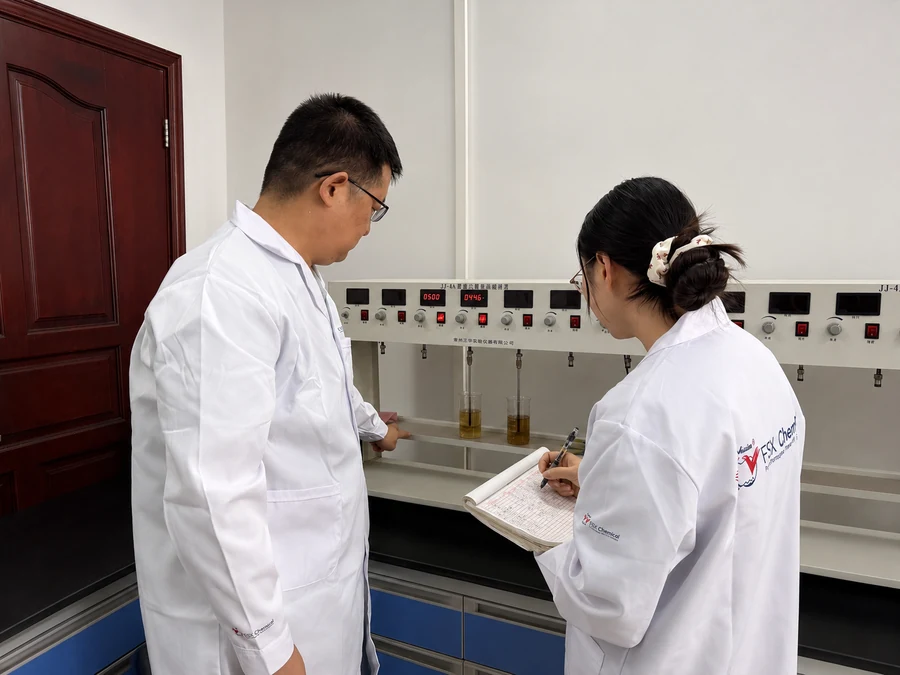
Sample testing should be done in the buyer’s own paste formulation whenever possible. Dyes, auxiliaries, water quality, pH, stirring method, paste concentration, and standing time can all affect final paste behavior.
Es posible que realizar pruebas únicamente en agua limpia no sea suficiente para confirmar si el tipo de alginato de sodio es adecuado para la producción.
Observe Practical Production Behavior
During testing, buyers should observe dissolution speed, paste smoothness, lump formation, filtration behavior, viscosity stability, screen passing, and application handling.
Estas observaciones prácticas suelen ser tan importantes como los datos técnicos que figuran en la ficha técnica (TDS).
Comparar con el producto actual
If the buyer is replacing an existing sodium alginate or another thickener, the new sample should be tested against the current product under the same conditions.
This helps the buyer evaluate whether the new grade is technically suitable before discussing bulk supply.
Common Mistakes When Choosing Sodium Alginate
Elegir solo por el precio
Price is important, but a low price does not help if the product creates unstable viscosity, poor dissolution, filtration difficulty, or extra formulation adjustment.
Buyers should compare price together with specification, sample performance, COA data, and supply consistency.
No tomar en cuenta el método de prueba de viscosidad
Viscosity values measured under different concentrations, temperatures, or instruments may show different results.
Before comparing suppliers, buyers should check whether the test method is clearly stated.
Accepting Broad Claims Without Documents
Claims such as “high-performance,” “eco-friendly,” “compliant,” or “global supply” should be supported by documents, agreed terms, or test data when they are important to the purchasing decision.
For practical sourcing, buyers should focus on TDS, COA, SDS where applicable, sample testing, packaging, and export document support.
Cómo FSX Chemical apoya a los compradores de alginato de sodio
We do not suggest confirming high performance sodium alginate only by product name, broad performance claims, or price. The recommended grade should be reviewed through technical documents and tested in the buyer’s own formulation before bulk purchase.
Próximos pasos
- Comparte tu proceso de impresión — tell us whether you use reactive printing, screen printing, rotary printing, digital pretreatment, or another formulation process.
- Define tu viscosidad objetivo — provide your target viscosity range, test concentration, temperature, instrument method, and current product grade if available.
- Solicitar un TDS — Revisa la viscosidad, el tamaño de malla, el pH, la humedad, el aspecto, las condiciones de almacenamiento y el método de prueba.
- Solicitar un certificado de análisis (COA) — Verificar que los datos del lote se ajusten al rango de especificaciones acordado antes del envío.
- Solicitar una muestra — test the recommended sodium alginate grade in your own paste preparation and printing conditions before confirming bulk orders.
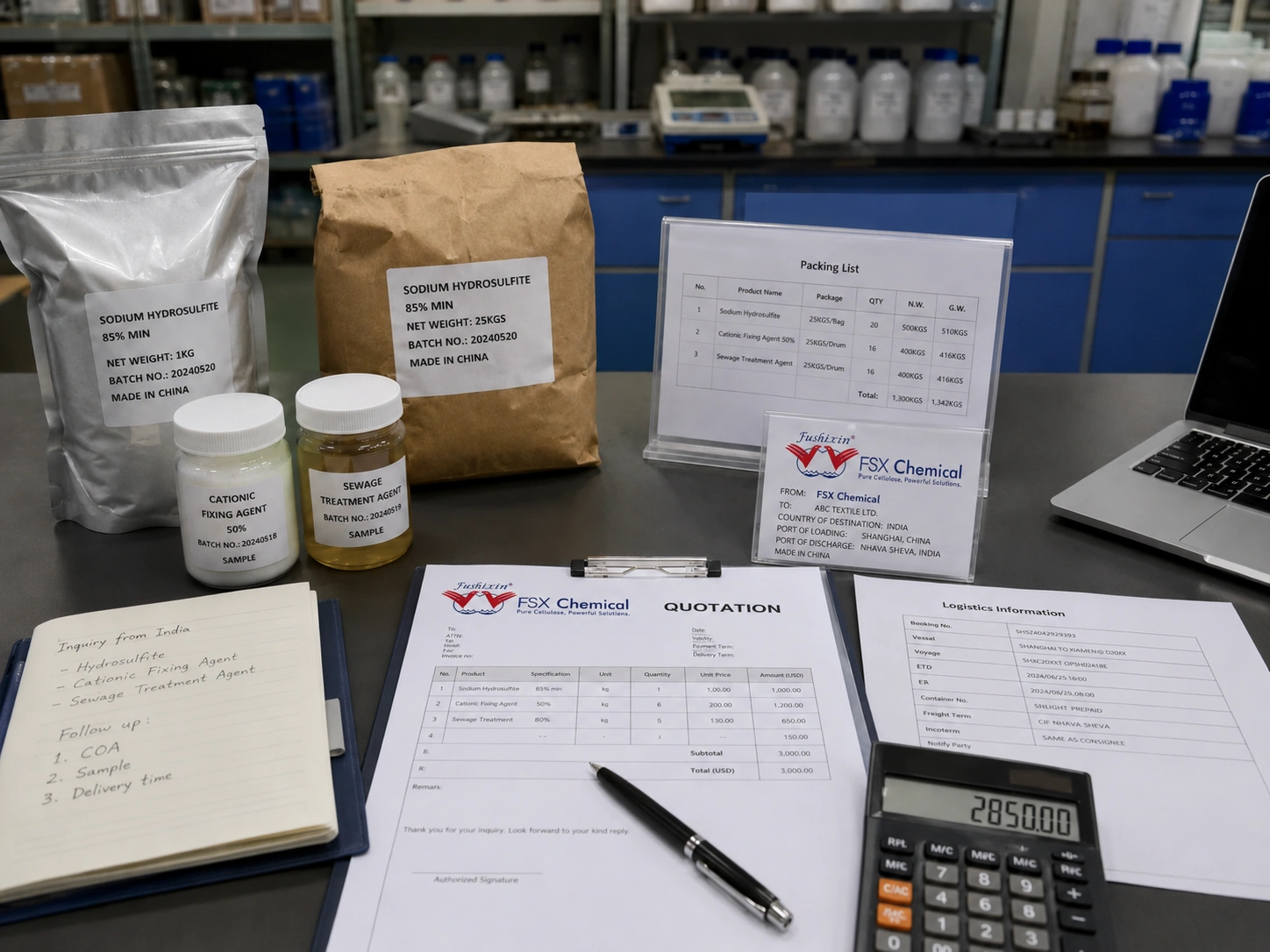
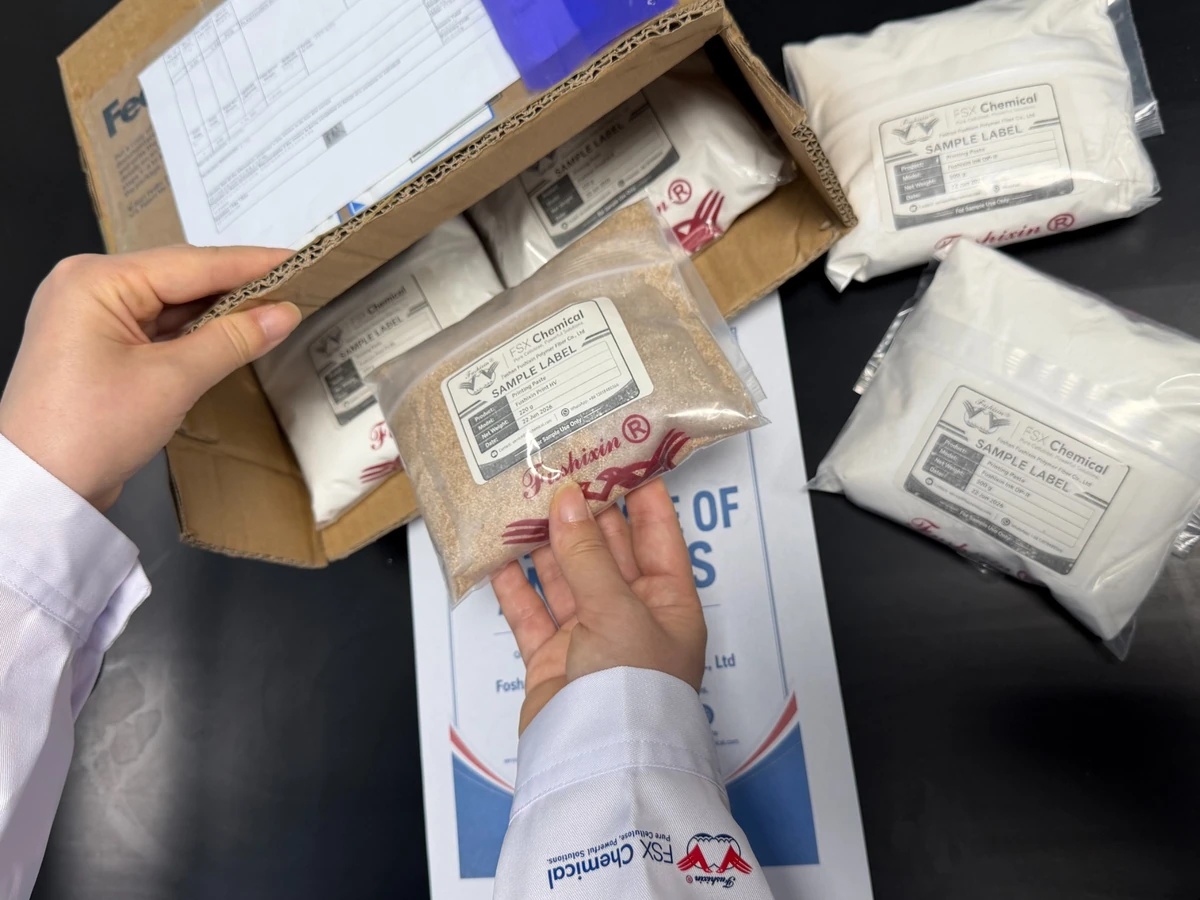
- Confirmar los documentos de embalaje y exportación — Verifica el tamaño de las bolsas, las etiquetas, la trazabilidad de los lotes, la ficha de datos de seguridad (FDS), la factura, la lista de embalaje y otros documentos requeridos antes del envío.
- Póngase en contacto con nuestro equipo técnico — discuss which sodium alginate grade is suitable for your textile printing application📧 Correo electrónico: Service@fsxchemical.com