















This guide explains how textile printing buyers can evaluate sodium alginate performance through technical documents, sample testing, batch consistency, packaging, and export document review.
What “High Performance” Means for Textile Printing Sodium Alginate
Performance Should Be Verified, Not Only Claimed
In B2B chemical sourcing, terms such as “high performance,” “premium,” or “eco-friendly” should be supported by technical data and sample testing. A supplier description can help buyers start the evaluation, but it should not replace actual formulation testing.
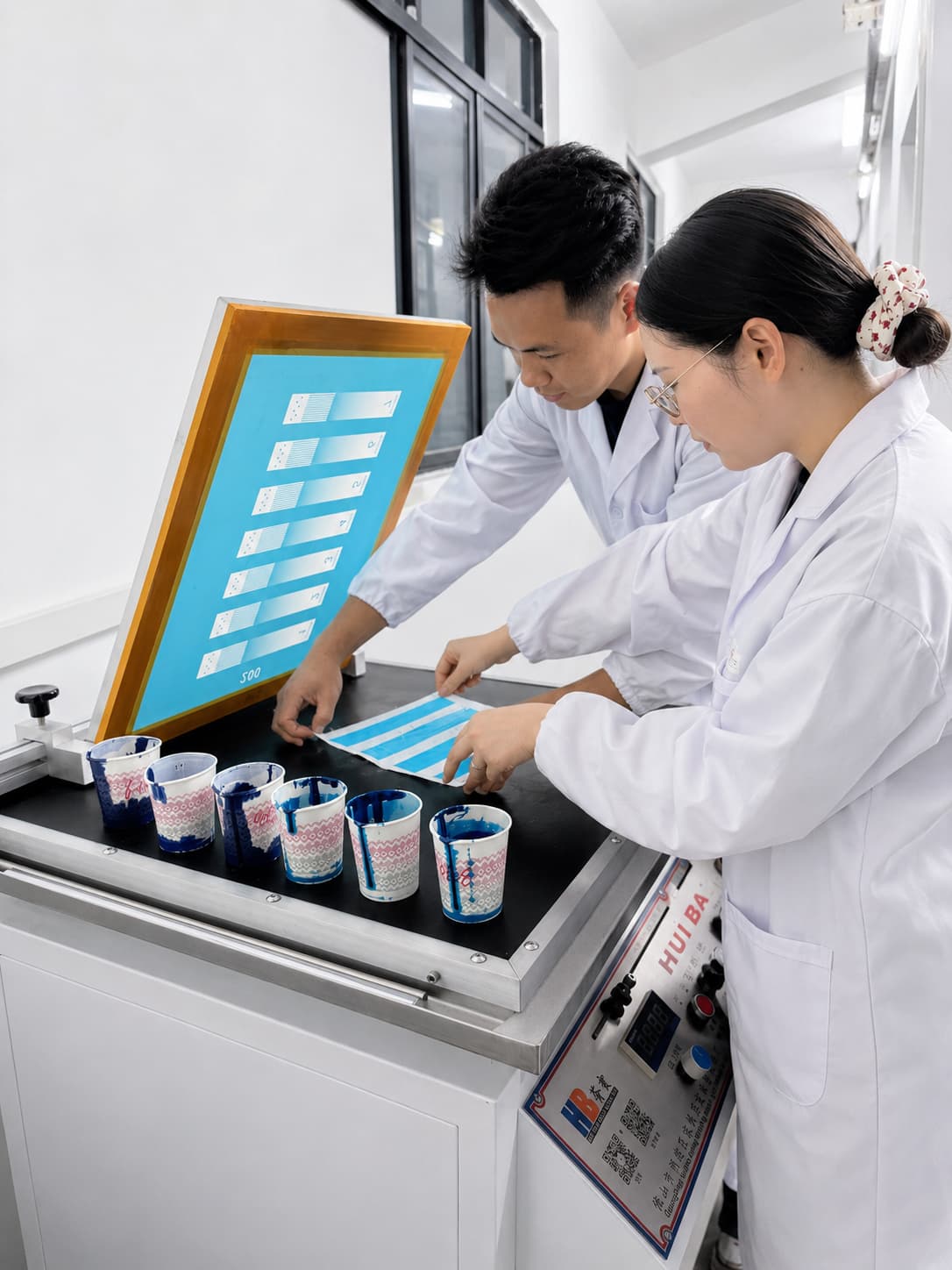
For textile printing, performance should be checked through paste preparation, viscosity stability, filtration behavior, printing handling, and comparison with the buyer’s current product.
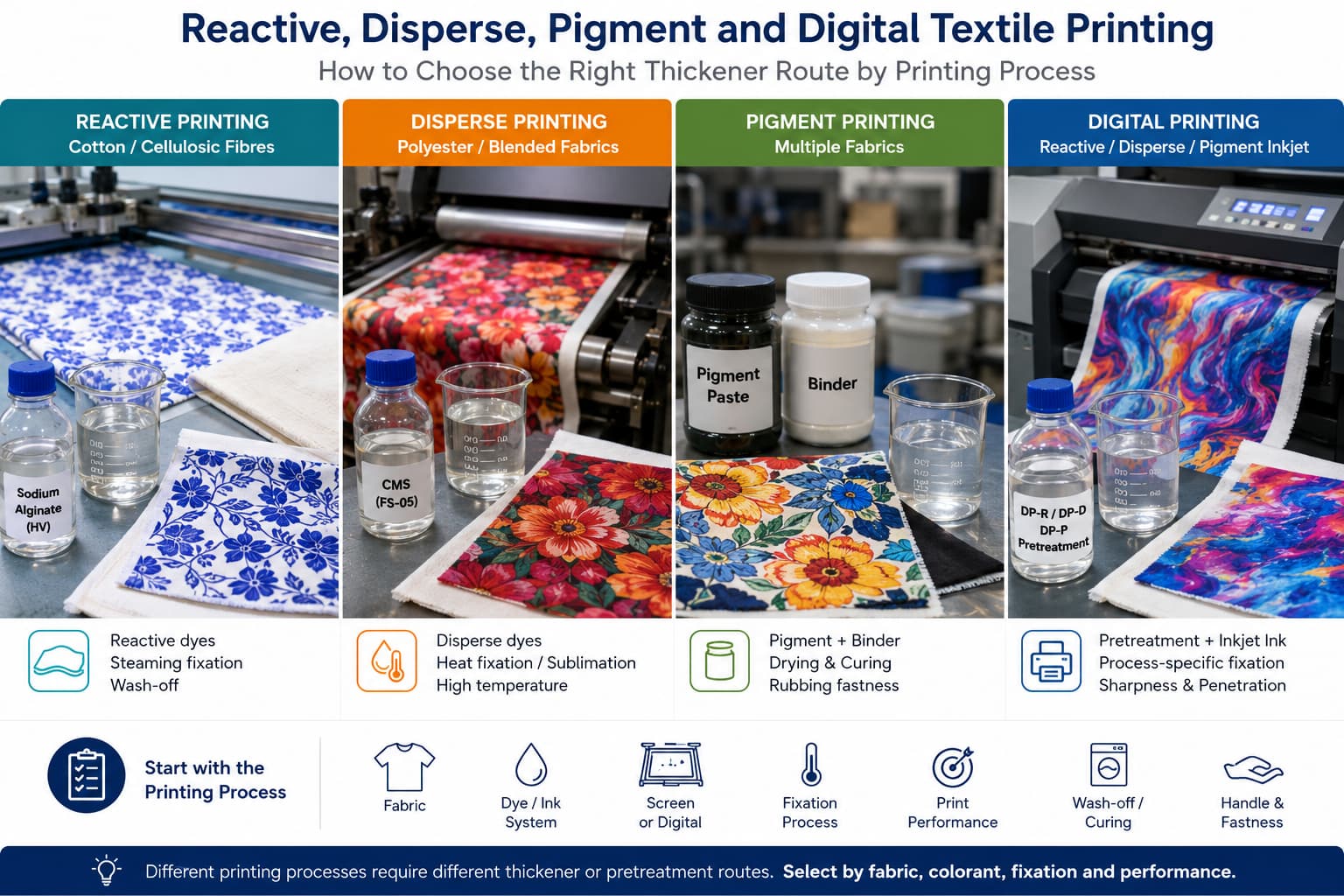
Application Fit Is More Important Than a General Grade Name
A broad product name such as “industrial grade sodium alginate” does not confirm whether the product is suitable for a specific textile printing process.
The suitable grade depends on the printing method, dye system, fabric type, target viscosity, water quality, stirring method, and storage time of the prepared paste.
Sample-to-Bulk Consistency Matters
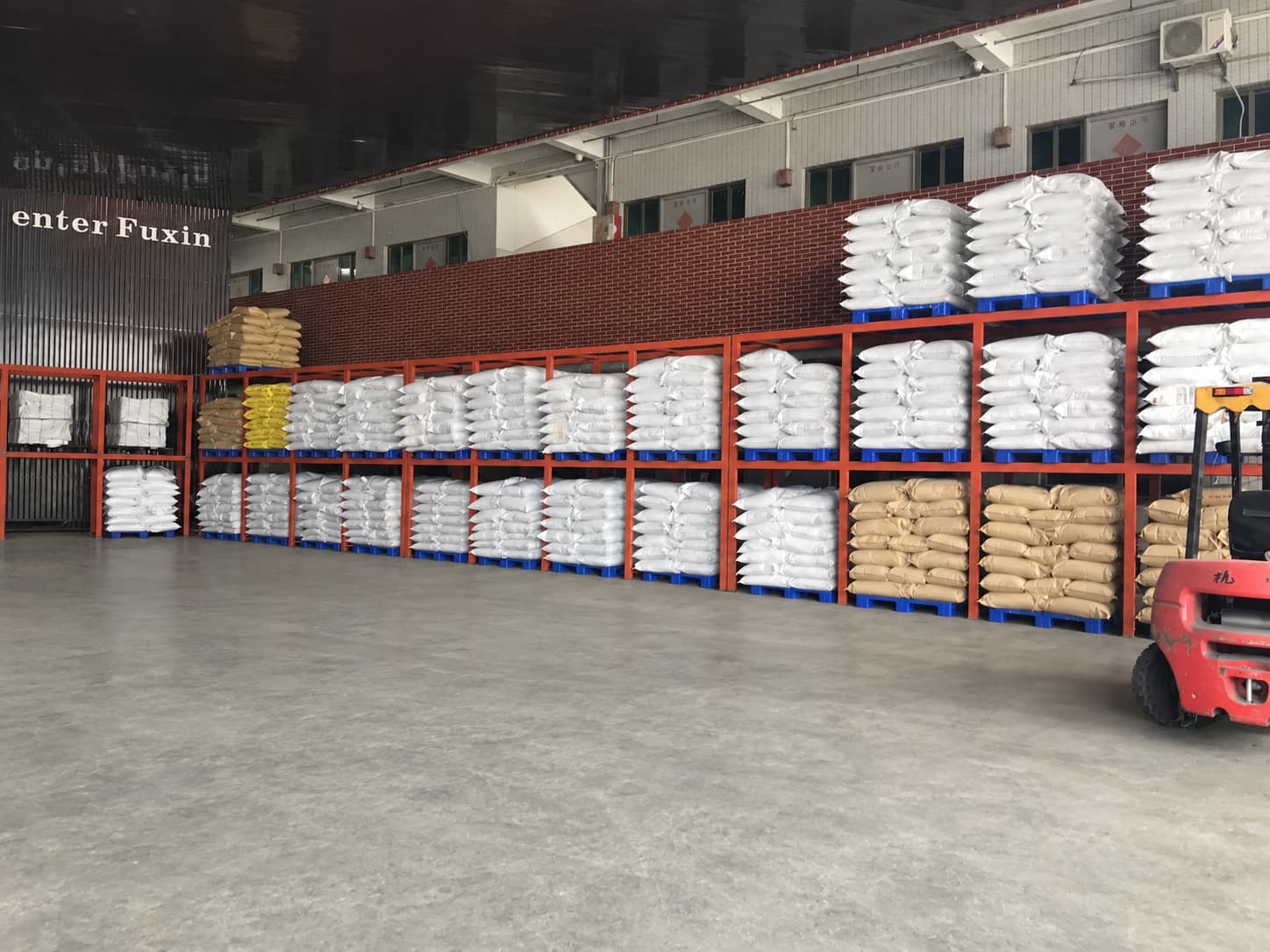
A good sample result is only useful when the bulk shipment can follow the same agreed specification range. Buyers should confirm COA data, batch traceability, packaging format, and shipment documents before placing bulk orders.
This helps reduce the risk of sample approval but unstable bulk performance.
Key Uses in Textile Printing Applications
প্রতিক্রিয়াশীল বস্ত্র মুদ্রণ পেষ্ট
সুপারিশকৃত গ্রেডটি বাল্ক ক্রয়ের আগে ক্রেতার নিজস্ব ফর্মুলেশনে পরীক্ষা করা উচিত।.
স্ক্রিন প্রিন্টিং এবং রোটারি প্রিন্টিং
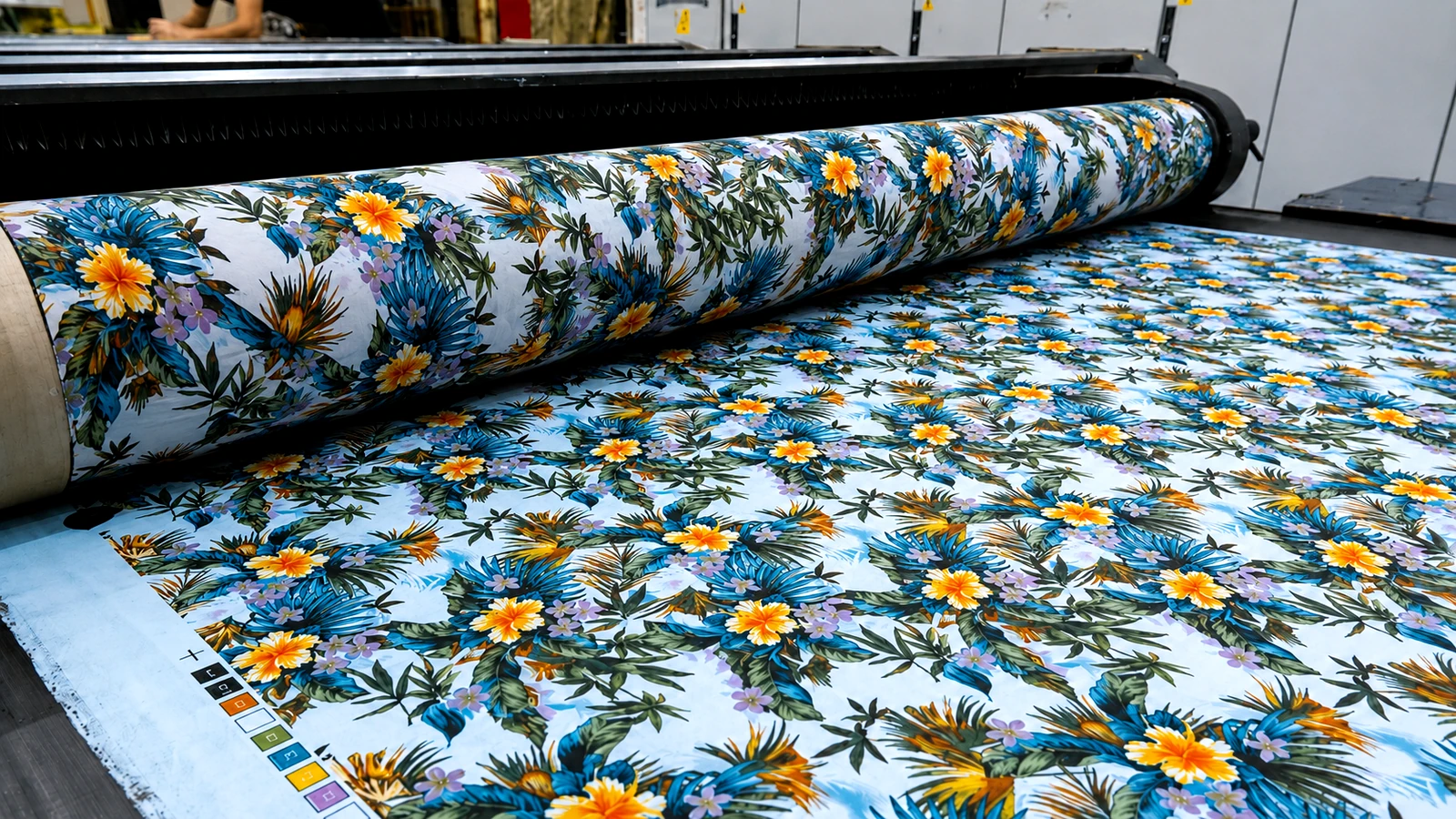
For screen printing and rotary printing, viscosity consistency and filtration behavior can affect production handling. A suitable sodium alginate grade should disperse and hydrate properly under the buyer’s preparation conditions.
Buyers should test the product using their actual water quality, stirring speed, addition method, preparation time, and paste concentration.
Digital Printing or Related Formulation Testing
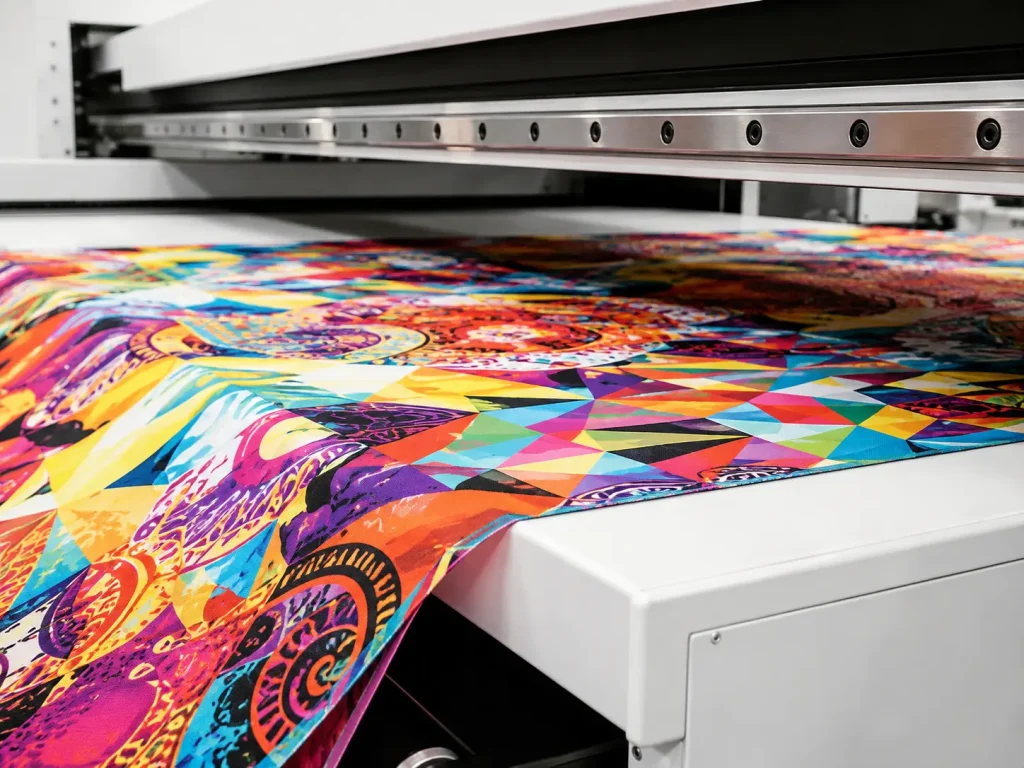
Some buyers may evaluate sodium alginate for digital printing pretreatment or related formulation applications. In these cases, the grade should be tested carefully for formulation compatibility, viscosity target, dispersion behavior, pH, and stability.
A textile printing grade should not be assumed to fit all ink or pretreatment systems without testing.
Specifications Buyers Should Check
সান্দ্রতা গ্রেড এবং পরীক্ষার পদ্ধতি
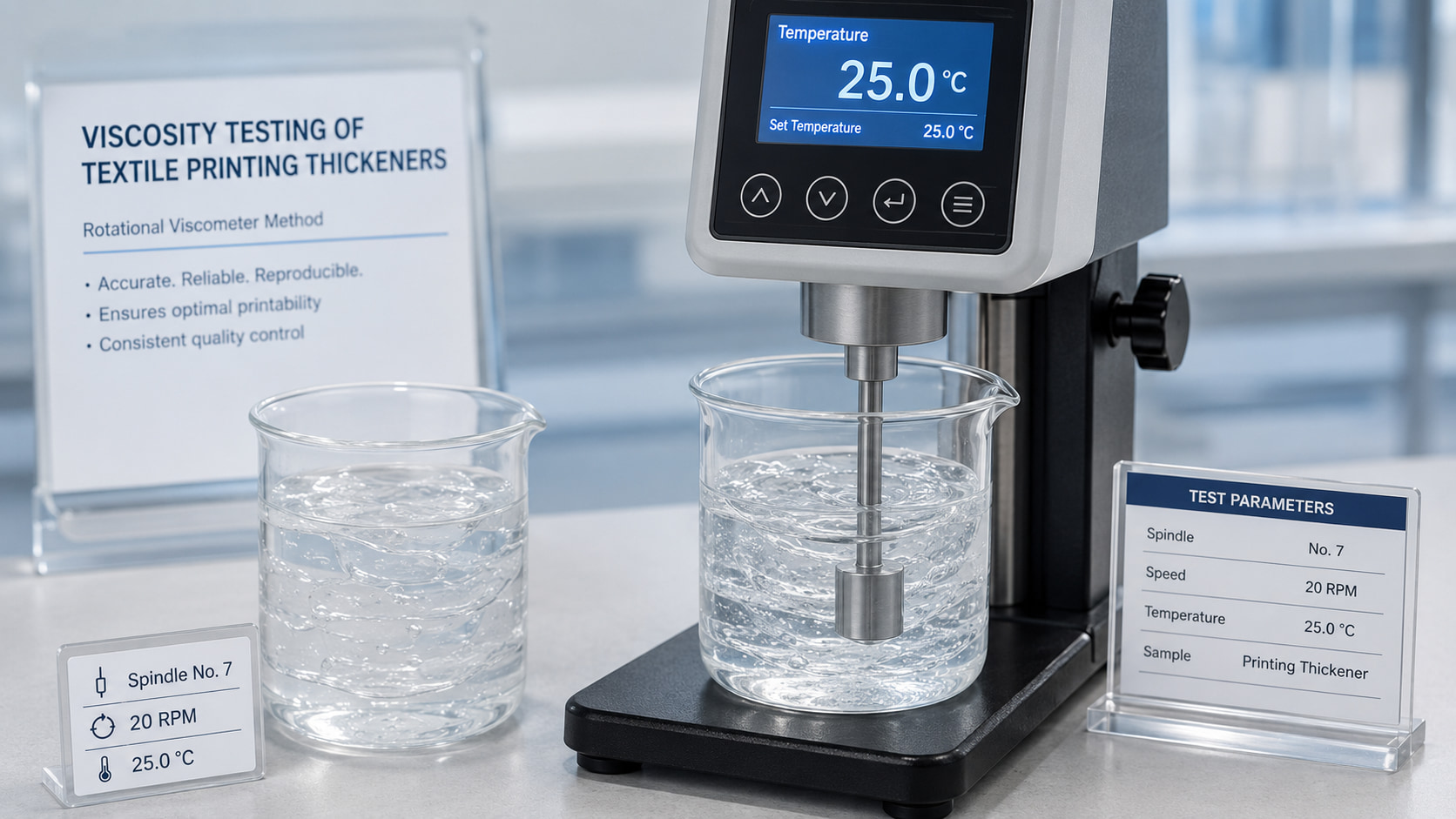
Viscosity is one of the most important parameters for sodium alginate used in textile printing paste. Buyers should review the viscosity range together with the test concentration, temperature, instrument method, and unit.
স্পষ্ট পরীক্ষার পদ্ধতি না থাকলে, বিভিন্ন সরবরাহকারীর সান্দ্রতা মান সরাসরি তুলনীয় নাও হতে পারে।.
জাল আকার এবং দ্রবণীয়তার আচরণ
জালের আকার পেস্ট প্রস্তুতি চলাকালীন বিস্তার এবং জলীয়ীকরণকে প্রভাবিত করতে পারে। তবে প্রকৃত দ্রবণীয়তার আচরণ জল গুণমান, নাড়ানোর গতি, সংযোজন পদ্ধতি, প্রস্তুতি সময় এবং ফর্মুলেশন শর্তের উপরও নির্ভর করে।.
ক্রেতাদের উচিত তাদের নিজস্ব শর্তে দ্রবণীয়তা গতি, গুটি গঠন, পেস্টের মসৃণতা এবং ফিল্ট্রেশন আচরণ পরীক্ষা করা।.
আর্দ্রতা, pH এবং চেহারা
আর্দ্রতা, pH এবং চেহারা মৌলিক কিন্তু গুরুত্বপূর্ণ গুণগত মান নির্দেশক। এগুলো সংরক্ষণ, হ্যান্ডলিং, গুণগত মান নিয়ন্ত্রণ এবং পুনরায় ক্রয়কে প্রভাবিত করে।.
এই পরামিতিগুলো TDS-এ পর্যালোচনা করা উচিত এবং প্রতিটি উৎপাদন ব্যাচের জন্য COA ডেটার মাধ্যমে নিশ্চিত করা উচিত।.
Compatibility with the Printing Formula
Compatibility depends on the full formulation, including dyes, auxiliaries, pH, salts, water quality, fabric type, and paste preparation process.
Buyers should share their current formula conditions and production target when asking for grade matching support.
Documents Buyers Should Request Before Purchase
স্পেসিফিকেশন পর্যালোচনার জন্য টিডিএস
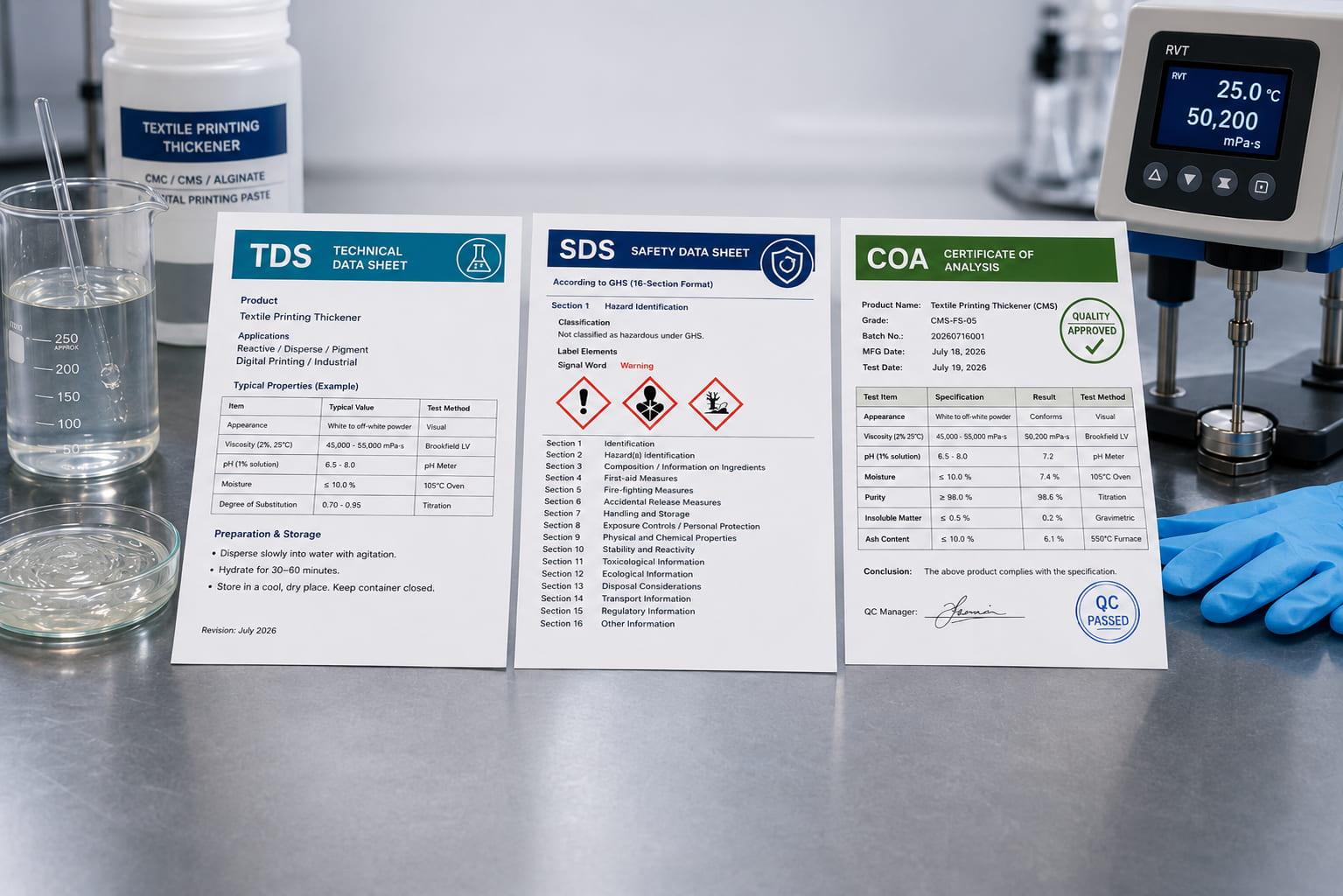
টেকনিক্যাল ডেটা শীট ক্রেতাদের স্ট্যান্ডার্ড পণ্যের স্পেসিফিকেশন পর্যালোচনা করতে সাহায্য করে। এতে চেহারা, সান্দ্রতা, মেশ সাইজ, আর্দ্রতা, pH, সংরক্ষণ শর্ত এবং পরীক্ষার পদ্ধতি অন্তর্ভুক্ত থাকা উচিত।.
The TDS is useful for technical comparison, but it should not replace sample testing in the buyer’s own formulation.
ব্যাচ নিশ্চিতকরণের জন্য COA
বিশ্লেষণ প্রতিবেদন একটি নির্দিষ্ট উৎপাদনের ব্যাচের প্রকৃত তথ্য নিশ্চিত করে। এটি বাল্ক অর্ডার, পুনরাবৃত্তিমূলক ক্রয়, বিতরণকারী সরবরাহ এবং অভ্যন্তরীণ গুণগত নিয়ন্ত্রণের জন্য গুরুত্বপূর্ণ।.
ক্রেতারা চালানগুলোর মধ্যে COA রেকর্ড তুলনা করে দেখতে পারেন যে মূল পরামিতিগুলো সম্মত পরিসরের মধ্যে আছে কিনা।.
হ্যান্ডলিং এবং পরিবহনের জন্য এসডিএস পর্যালোচনা
সেফটি ডেটা শীট (এসডিএস) হ্যান্ডলিং, সংরক্ষণ, পরিবহন এবং অভ্যন্তরীণ নিরাপত্তা পর্যালোচনায় সহায়তা করে। আন্তর্জাতিক ক্রয়ের ক্ষেত্রে চালান এবং শুল্ক-সংক্রান্ত যোগাযোগের জন্যও এসডিএস প্রয়োজন হতে পারে।.
ক্রেতাদের নিশ্চিত করতে হবে যে SDS-এ প্রদর্শিত পণ্যের নাম এবং সরবরাহকারীর তথ্য অর্ডার নথিগুলোর সাথে মিলছে।.
Additional Compliance or Customer Documents
যদি ক্রেতা সীমিত পদার্থ সম্পর্কিত বিবৃতি, পরিবেশগত নথি, গ্রাহক নিরীক্ষা প্রশ্নাবলী বা তৃতীয় পক্ষের সার্টিফিকেশন সহায়তা প্রয়োজন করে, তবে অর্ডার নিশ্চিত করার আগে এসব প্রয়োজনীয়তা নিয়ে আলোচনা করা উচিত।.
একজন ব্যবহারিক সরবরাহকারীকে স্পষ্টভাবে ব্যাখ্যা করতে হবে কোন নথিগুলি প্রদান করা যেতে পারে এবং কোন দাবিগুলির জন্য আনুষ্ঠানিক তৃতীয় পক্ষের পরীক্ষা বা সার্টিফিকেশন প্রয়োজন।.
How to Test Sodium Alginate Before Bulk Orders
বাস্তব মুদ্রণ পেস্টেই পরীক্ষা করুন
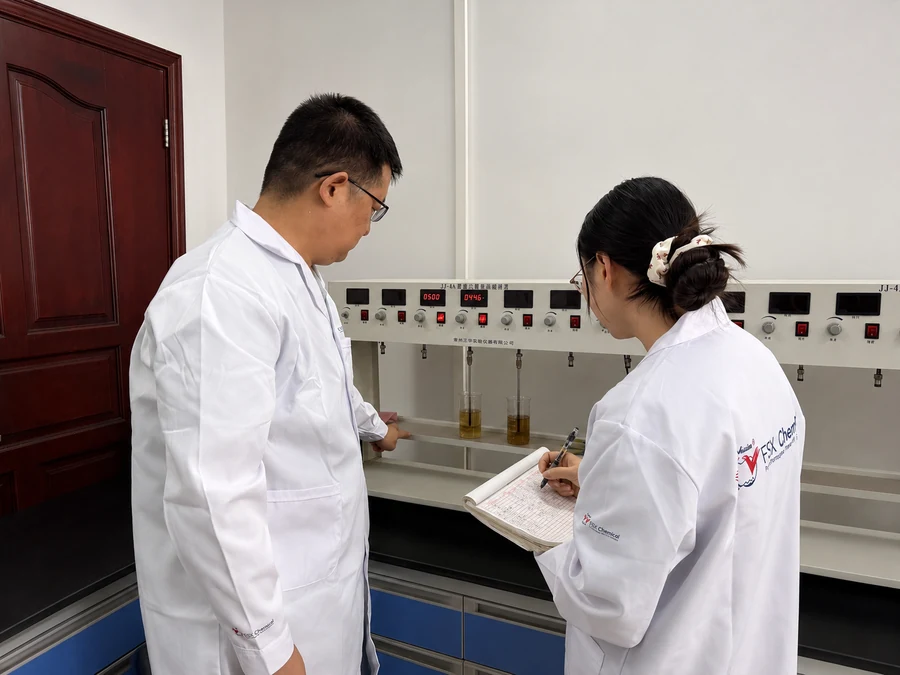
নমুনা পরীক্ষা সম্ভব হলে ক্রেতার নিজস্ব পেষ্ট ফর্মুলেশন ব্যবহার করেই করা উচিত। রঞ্জক, সহায়ক পদার্থ, পানির গুণমান, pH, নাড়ানোর পদ্ধতি, পেষ্টের ঘনত্ব এবং অপেক্ষার সময়—এসবই চূড়ান্ত পেষ্টের আচরণকে প্রভাবিত করতে পারে।.
শুধুমাত্র পরিষ্কার জলে পরীক্ষা করলে সোডিয়াম অ্যালজিনেটের গ্রেড উৎপাদনের জন্য উপযুক্ত কিনা তা নিশ্চিত করতে পর্যাপ্ত নাও হতে পারে।.
বাস্তব উৎপাদন আচরণ পর্যবেক্ষণ করুন
পরীক্ষার সময় ক্রেতাদের দ্রবণীয়তার গতি, পেস্টের মসৃণতা, গাঁট গঠন, ফিল্ট্রেশন আচরণ, সান্দ্রতার স্থিতিশীলতা, স্ক্রিন পারাপার এবং প্রয়োগের হ্যান্ডলিং পর্যবেক্ষণ করা উচিত।.
এই ব্যবহারিক পর্যবেক্ষণগুলো প্রায়ই TDS-এ প্রদর্শিত স্পেসিফিকেশন ডেটার মতোই গুরুত্বপূর্ণ।.
বর্তমান পণ্যের সাথে তুলনা করুন
যদি ক্রেতা বিদ্যমান সোডিয়াম অ্যালজিনেট বা অন্য কোনো ঘনকারী প্রতিস্থাপন করতে চান, তবে নতুন নমুনাটি একই শর্তে বর্তমান পণ্যের বিরুদ্ধে পরীক্ষা করা উচিত।.
এটি ক্রেতাকে বাল্ক সরবরাহ নিয়ে আলোচনা করার আগে নতুন গ্রেডটি প্রযুক্তিগতভাবে উপযুক্ত কিনা মূল্যায়ন করতে সাহায্য করে।.
Common Mistakes When Choosing Sodium Alginate
Choosing Only by Price
Price is important, but a low price does not help if the product creates unstable viscosity, poor dissolution, filtration difficulty, or extra formulation adjustment.
Buyers should compare price together with specification, sample performance, COA data, and supply consistency.
সান্দ্রতা পরীক্ষা পদ্ধতি উপেক্ষা করা
Viscosity values measured under different concentrations, temperatures, or instruments may show different results.
Before comparing suppliers, buyers should check whether the test method is clearly stated.
দলিল ছাড়া ব্যাপক দাবি গ্রহণ
Claims such as “high-performance,” “eco-friendly,” “compliant,” or “global supply” should be supported by documents, agreed terms, or test data when they are important to the purchasing decision.
For practical sourcing, buyers should focus on TDS, COA, SDS where applicable, sample testing, packaging, and export document support.
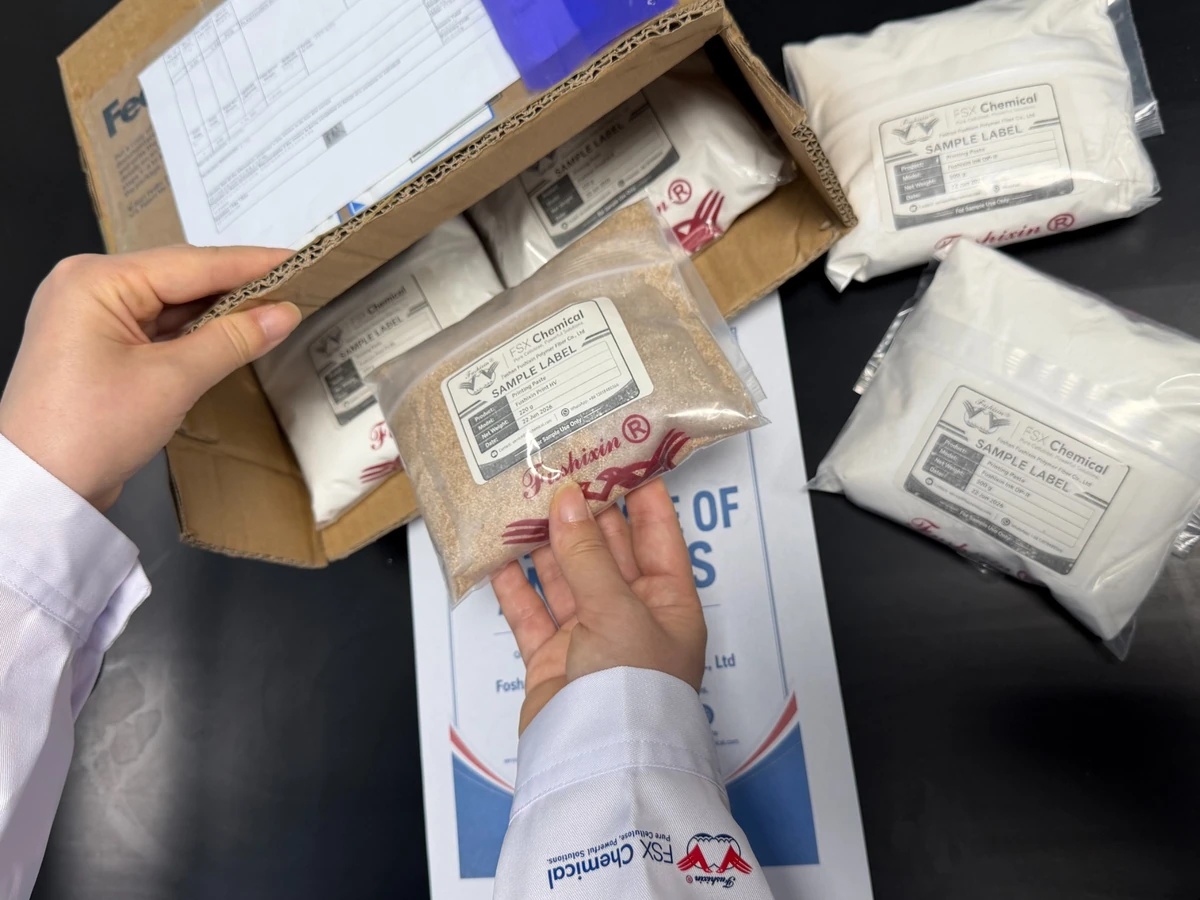
FSX কেমিক্যাল কীভাবে সোডিয়াম অ্যালজিনেট ক্রেতাদের সহায়তা করে
We do not suggest confirming high performance sodium alginate only by product name, broad performance claims, or price. The recommended grade should be reviewed through technical documents and tested in the buyer’s own formulation before bulk purchase.
পরবর্তী পদক্ষেপ
- আপনার মুদ্রণ প্রক্রিয়া শেয়ার করুন — tell us whether you use reactive printing, screen printing, rotary printing, digital pretreatment, or another formulation process.
- আপনার লক্ষ্য সান্দ্রতা নির্ধারণ করুন — provide your target viscosity range, test concentration, temperature, instrument method, and current product grade if available.
- টিডিএস অনুরোধ করুন — সান্দ্রতা, জাল আকার, pH, আর্দ্রতা, চেহারা, সংরক্ষণ শর্ত এবং পরীক্ষার পদ্ধতি পর্যালোচনা করুন।.
- একটি COA অনুরোধ করুন — চালানের আগে ব্যাচের ডেটা সম্মত স্পেসিফিকেশন পরিসরের সাথে মেলে কিনা তা নিশ্চিত করুন।.
- নমুনা অনুরোধ করুন বড় অর্ডার নিশ্চিত করার আগে আপনার নিজস্ব পেষ্ট প্রস্তুতি এবং মুদ্রণ শর্তে প্রস্তাবিত সোডিয়াম অ্যালজিনেট গ্রেড পরীক্ষা করে দেখুন।.
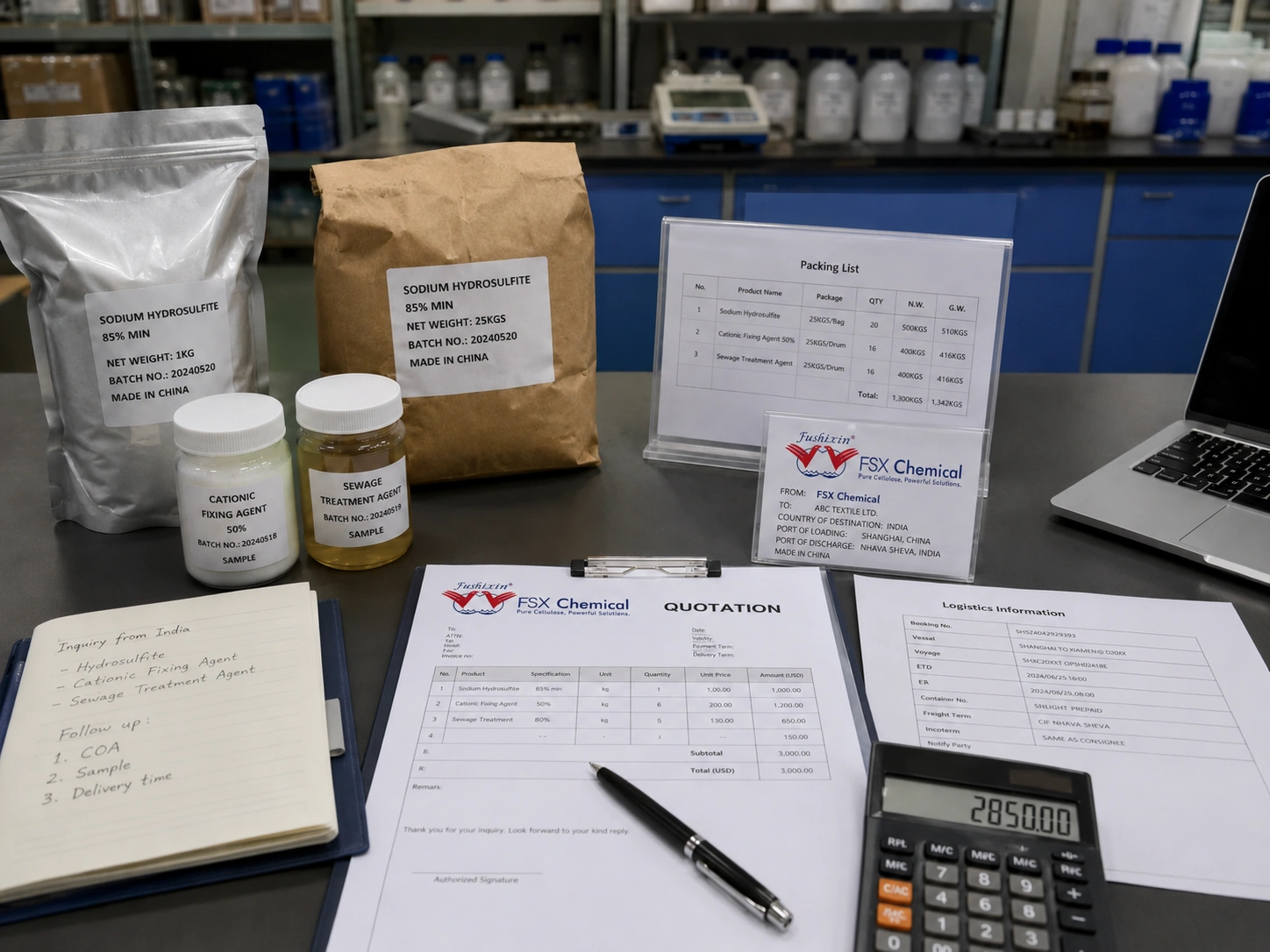
- প্যাকেজিং এবং রপ্তানি নথিগুলি নিশ্চিত করুন — চালানের আগে ব্যাগের আকার, লেবেল, ব্যাচের ট্রেসেবিলিটি, এসডিএস, চালানপত্র, প্যাকিং তালিকা এবং অন্যান্য প্রয়োজনীয় নথি পরীক্ষা করুন।.
- আমাদের প্রযুক্তিগত দলের সাথে যোগাযোগ করুন — discuss which sodium alginate grade is suitable for your textile printing application📧 ইমেইল: Service@fsxchemical.com