টেক্সটাইল প্রিন্টিং রাসায়নিক সরবরাহকারীদের শীর্ষ বৈশিষ্ট্যসমূহ
A reliable textile printing chemical supplier should provide more than a competitive quotation. This guide...
Selecting a textile printing chemical supplier is not only a purchasing decision. The supplier’s product knowledge, quality controls, documentation and communication can directly affect paste preparation, printing stability, color consistency, wash-off and production continuity.
A low quotation may be attractive, but it does not show whether the proposed grade is suitable for the fabric, dye system or printing machine. Buyers need evidence that connects the product specification, sample, batch documents and commercial shipment.
This guide presents the most important features to evaluate when qualifying suppliers of sodium alginate, CMC, CMS, digital printing paste and other textile printing chemicals.
Quick takeaway: A reliable supplier should be able to explain the product, provide a testable sample, identify the test method, connect the approved grade to a commercial batch and communicate changes or quality problems clearly.
What Makes a Reliable Textile Printing Chemical Supplier?
A reliable supplier is one that can meet defined technical, quality, commercial and delivery requirements over time. Reliability should be demonstrated through documents, samples, test results and order performance rather than marketing claims.
The most suitable supplier is not necessarily the largest manufacturer or the company with the lowest price. The correct choice depends on the buyer’s product, volume, destination, technical risk and required level of local support.
Start with the Application
Printing chemicals should be selected according to the printing process, fabric, dye or ink system, equipment and fixation route. A supplier that recommends one universal grade for every application may not be evaluating the process carefully enough.
Separate Claims from Evidence
Statements such as “stable quality,” “high purity” and “fast delivery” need supporting information. Ask which specification, test method, batch record or shipment term supports each claim.
1. Application-Specific Technical Knowledge
Textile printing chemicals are functional materials. A supplier should understand how the product behaves in a printing paste rather than only knowing its chemical name.
Questions a Technical Supplier Should Ask
Is the process flat-screen, rotary-screen or digital printing?
What fabric is being printed?
Is the system reactive, disperse, pigment, vat or discharge?
What is the target viscosity and test method?
Which dyes, pigments, binders, salts or alkalis are present?
What are the drying, fixation and washing conditions?
What production problem needs to be solved?
A supplier does not need access to every confidential formulation detail. However, it needs enough process information to recommend a technically relevant starting grade.
Look for Application Knowledge, Not Universal Promises
Sodium alginate is commonly evaluated for reactive printing on cotton and other cellulosic fabrics. CMC and CMS may be used in selected printing or compound systems, while digital printing requires ink- and fabric-specific pretreatment.
A professional supplier should explain these distinctions and identify what still needs to be confirmed through testing.
Evidence to Request
Application-specific TDS or technical notes
Recommended test procedure
Questions about the buyer’s process before grade selection
A technically justified sample recommendation
2. Clear Product and Grade Structure
A product family can contain multiple grades with different viscosity, substitution, particle size, solubility and application behavior. Each commercial product should have a clear and stable grade code.
Why Grade Identity Matters
The grade code connects the sample, TDS, quotation, purchase order, package label and COA. If these documents use different names, the buyer may not know whether the approved product and shipped product are the same.
Viscosity method, degree of substitution, solubility, salt tolerance and compatibility
সিএমএস
Viscosity, substitution information, paste stability, screen passage and wash-off
ডিজিটাল প্রিন্টিং পেষ্ট
Ink route, fabric, product form, pH, filtration, dosage direction and trial method
Evidence to Request
Current product list
Permanent grade codes
Product-specific TDS documents
Clear separation between typical values and guaranteed ranges
3. Sample and Grade-Matching Support
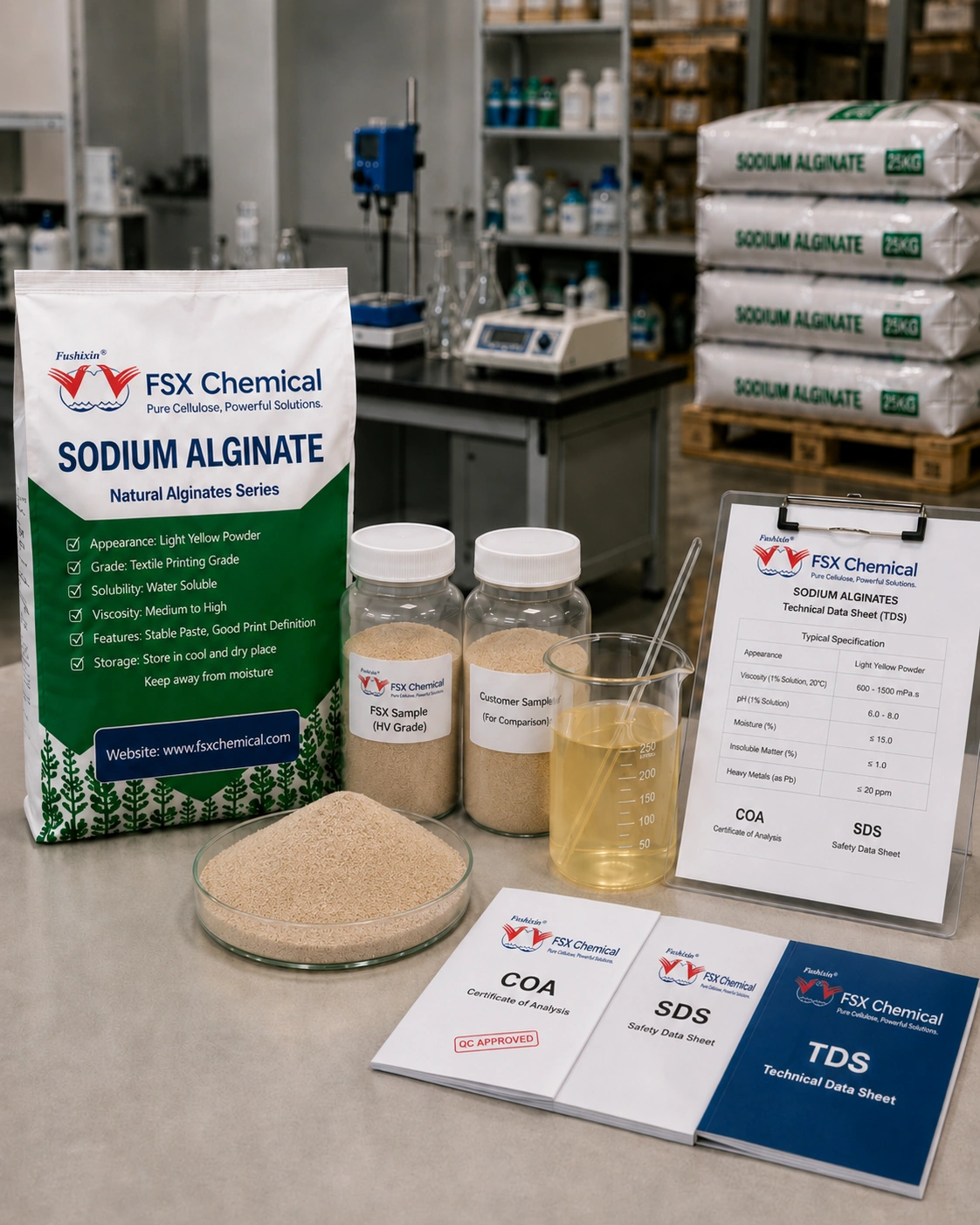
Sample testing allows the buyer to compare the proposed grade with the current approved product before making a bulk commitment. This is especially important when replacing an existing supplier.
Useful Inputs for Grade Matching
Current product or grade code
Existing TDS and viscosity method
Retained sample where available
Fabric and dye or ink system
Current dosage and preparation process
প্রধান উৎপাদন সমস্যা
Required packaging and estimated demand
Matching Should Go Beyond Viscosity
Two grades with similar viscosity may differ in hydration, filtration, shear response, dye compatibility and wash-off. The trial should cover both physical properties and actual printing performance.
Ask Whether the Sample Represents Commercial Production
Confirm whether the sample is a standard grade, a laboratory-adjusted sample or a proposed custom product. If it is custom, ask how future commercial batches will be identified and controlled.
Evidence to Request
Clearly labeled sample
Matching TDS
Preparation and test method
Written explanation of the recommended product route
4. Transparent Specifications and Test Methods
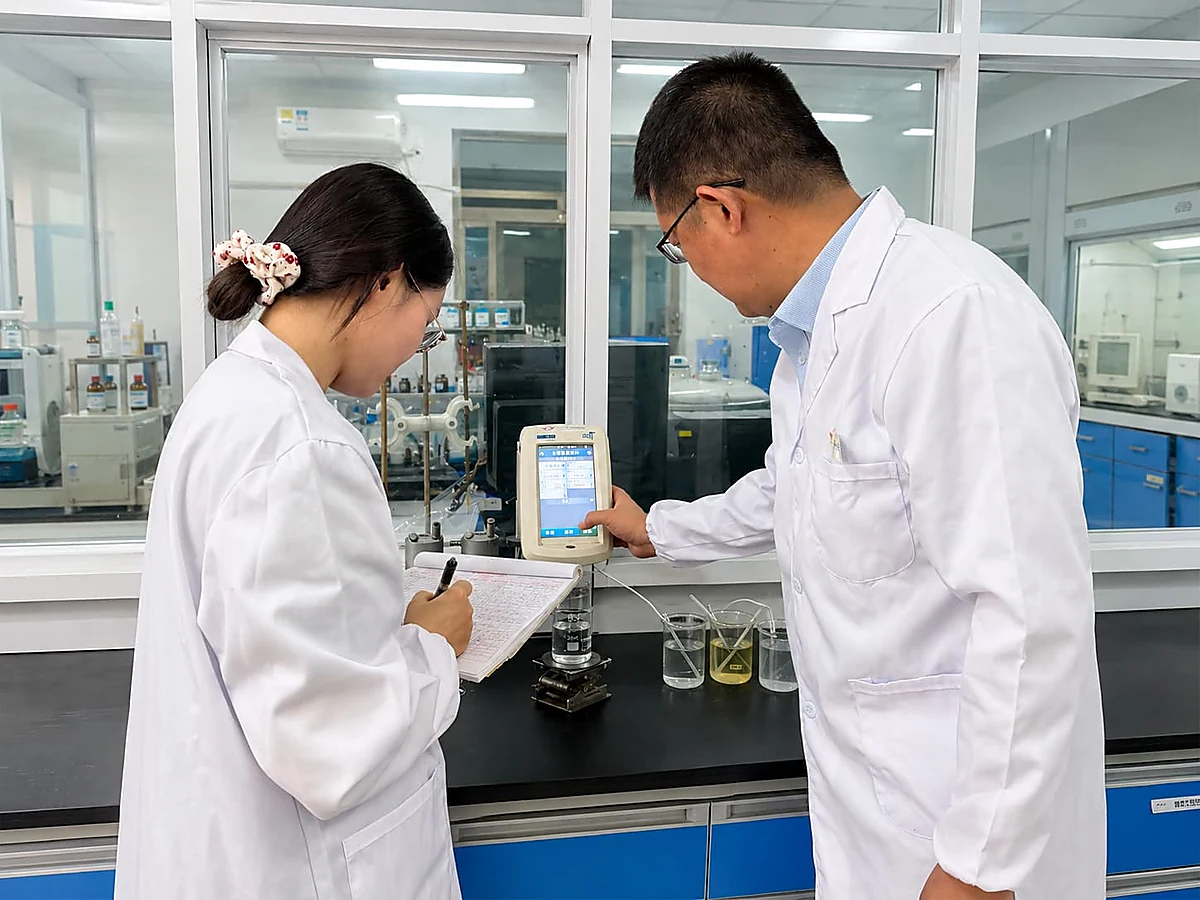
A specification is meaningful only when the test method is defined. This is particularly important for viscosity, where concentration, temperature, hydration time, instrument, spindle and rotational speed can change the result.
Typical Values vs. Purchasing Specifications
A TDS may show typical or reference values for product selection. The final purchasing specification should identify the agreed ranges used to accept or reject a commercial batch.
Do not assume that every value shown in marketing content is guaranteed unless it appears in the agreed specification.
Important Test-Method Questions
What sample concentration is used?
Which water quality is specified?
How long is the product hydrated?
At what temperature is it tested?
Which viscometer, spindle and speed are used?
Is the result a typical value or release requirement?
Evidence to Request
Complete test methods
Agreed acceptance ranges
Representative COA format
Buyer-side verification using the same method
5. Batch Quality Control and Traceability
Batch control connects the manufactured product to the test result and commercial shipment. A supplier should be able to identify which batch was sampled, tested, packed and shipped.
Batch Release Questions
Which parameters are tested before release?
How are representative samples collected?
Are retained samples stored?
How are out-of-specification results handled?
Which results appear on the batch COA?
Can the batch be traced from the package label?
COA Review
A Certificate of Analysis should identify the product, grade, batch and selected results. Compare the COA parameters with the purchasing specification rather than reviewing only whether every result is marked “pass.”
Batch Consistency Is a Controlled Range
Industrial chemicals are normally controlled within agreed tolerances. Claims of absolutely identical batches are less credible than a clear specification, test method and trend-monitoring process.
Evidence to Request
Representative batch COA
Batch-number format
Sample-retention information
Quality-complaint and investigation process
6. Technical, Safety and Compliance Documents
প্রযুক্তিগত তথ্য পাতা
The TDS should identify the product, basic properties, application direction and test conditions. It supports initial evaluation but does not replace a batch-specific COA.
নিরাপত্তা তথ্যপত্র
The SDS provides information for handling, storage, transport and workplace safety review. Buyers should request a current version in the format required by their market where applicable.
Certificate of Analysis
The COA provides selected results for a defined batch. It should correspond to the product and grade shipped.
Certificates and Compliance Statements
If a certificate is required, verify the legal holder, factory address, applicable products, certification scope, issuing organization and validity period.
A certificate covering one product or facility should not automatically be treated as covering the supplier’s entire portfolio.
Evidence to Request
Current TDS and SDS
Batch-specific COA after order confirmation
Current certificates only where relevant
Product-specific test reports where required
7. Change Management and Problem Resolution
Raw materials, equipment, production methods, specifications and packaging can change over time. For critical products, buyers should understand how the supplier evaluates and communicates changes that could affect performance.
Change Notification
Do not assume that every change will be reported automatically. If prior notification is important, define which changes require notice and include the requirement in the supply agreement.
Quality Complaint Investigation
A supplier should request enough information to investigate a complaint, including the batch number, COA, storage, preparation method and production conditions.
A response that immediately blames the buyer or promises compensation without investigation is not a substitute for root-cause analysis.
Corrective Action
When a verified problem occurs, the supplier should explain the cause, immediate containment and action intended to reduce recurrence. The level of investigation should reflect the severity and frequency of the issue.
Evidence to Request
Complaint-handling procedure
Change-notification policy or agreement
Example investigation format with confidential details removed
Contact person for quality issues
8. Supply Continuity and Production Planning
A supplier may advertise a large total capacity, but the important question is whether it can supply the approved grade in the required quantity and schedule.
Information to Confirm
Normal production lead time for the selected grade
Minimum order quantity
Production or inventory planning process
Expected order frequency
Raw-material or seasonal supply risks
Backup plan for interruption
Use Forecasts Carefully
Buyers can share nonbinding forecasts to support planning, then confirm firm quantities through purchase orders. Forecast responsibilities should be clear on both sides.
Lead Time Is Order-Specific
Production, packaging, export documentation, vessel space and customs can all affect delivery. Avoid relying on a general website statement as a guaranteed shipment date.
Evidence to Request
Written lead-time estimate
Order and production confirmation
Shipment plan for regular demand
Alternative packing or scheduling options
9. Packaging and Export Capability
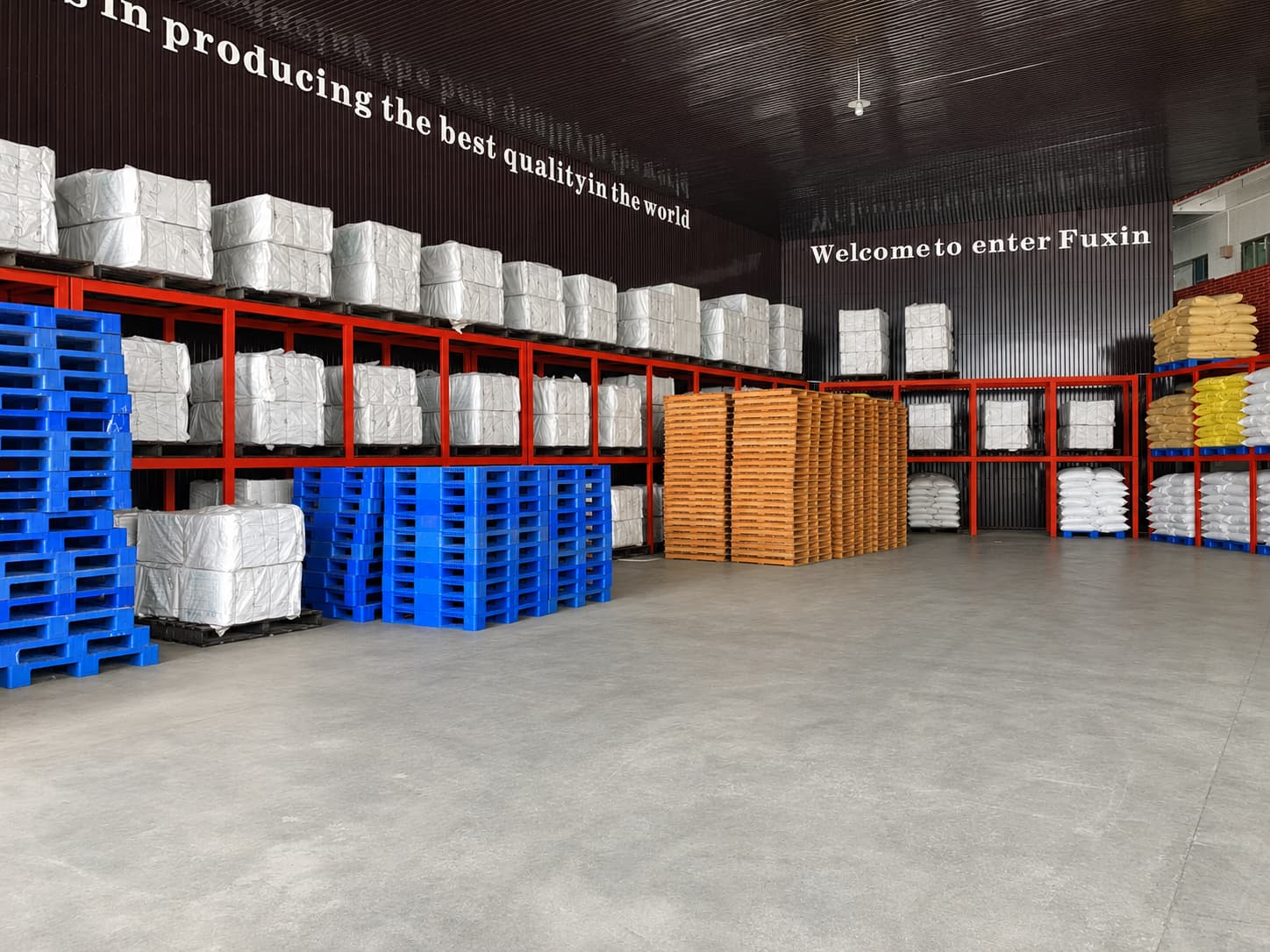
Chemical quality can be compromised by unsuitable packaging, moisture, damaged bags or incorrect labels. Packaging should match the product, shipment route and buyer’s handling equipment.
Packaging Details to Confirm
Net weight and bag construction
Moisture-resistant inner liner
Pallet and wrapping requirements
Shipping marks and label language
Batch and production identification
Container-loading arrangement
নথি রপ্তানি করুন
Confirm the invoice, packing list, origin documentation, transport documents and any destination-specific requirements before shipment.
Document availability and wording should be agreed before the order is produced.
Evidence to Request
Packaging specification
Sample label
Loading or pallet photographs where required
Draft shipping documents before final issue
10. Transparent Commercial Terms
Reliable technical performance needs clear commercial terms. The quotation should identify the exact grade, quantity, packaging, Incoterm, payment, validity period and expected lead time.
Compare Landed Cost
A low factory price may exclude freight, insurance, import duty, customs clearance and local delivery. Compare suppliers using the same quantity and Incoterm.
Compare Cost in Use
Different thickeners may require different dosage, preparation time, filtration and washing. The lowest price per kilogram may not produce the lowest cost per unit of printing paste or finished fabric.
Confirm Payment Identity
The bank-account beneficiary should be consistent with the contracted or invoicing entity, or the relationship should be explained and verified before payment.
Evidence to Request
Formal quotation with grade code
Price basis and quotation validity
Incoterm and destination
Payment and bank information
Included and excluded costs
Manufacturer vs. Distributor vs. Trading Company
Supplier Type
Potential Strength
What Buyers Should Verify
Manufacturer
Direct production, technical and batch communication
Actual manufacturing responsibility, grade control and export capability
Authorized Distributor
Local stock, small quantities, domestic support and credit
Authorization, traceability and access to manufacturer documents
Trading Company
Multi-product sourcing and shipment consolidation
Manufacturer identity, sample-to-batch connection and quality responsibility
No supplier type is automatically superior. The appropriate choice depends on volume, technical risk, local service and supply-chain needs.
Supplier Evaluation Scorecard
Buyers can score each supplier using evidence rather than impressions:
0 — No evidence: the supplier cannot answer or provide supporting information.
1 — Claim only: the supplier makes a statement but provides no verifiable evidence.
2 — Documented: the supplier provides relevant documents, samples or procedures.
3 — Verified: the evidence has been confirmed through testing, audit or order performance.
Evaluation Area
Score
Evidence Reviewed
Application knowledge
0–3
Technical questions, product recommendation and trial method
Product and grade clarity
0–3
Grade codes, TDS and product matrix
Sample matching
0–3
Labeled sample and comparative trial
Specifications and methods
0–3
Defined acceptance ranges and test methods
Batch control
0–3
COA, traceability and retained-sample process
Documents and compliance
0–3
TDS, SDS, certificates and reports
Problem resolution
0–3
Complaint and change-management process
Supply continuity
0–3
Lead time, order history and supply plan
Packaging and export
0–3
Packaging specification and shipment documents
Commercial transparency
0–3
Complete quotation and landed-cost comparison
The buyer can assign greater importance to critical categories. A serious failure in safety, identity or product compatibility should not be offset by a low price.
Questions to Ask Before Supplier Approval
Which grade do you recommend for our fabric and dye or ink system?
Why is this grade suitable?
What is the complete viscosity test method?
Can you provide a labeled sample and current TDS?
Which parameters are tested before batch release?
Can you provide a batch-specific COA?
How is the product traced from production to package label?
How are quality complaints investigated?
Which product or process changes are communicated to customers?
What are the MOQ, packaging and normal lead-time conditions?
Which export and compliance documents are available?
Which company manufactures, invoices and receives payment?
First-Order Verification
Before Production
Confirm the approved product and grade code
Attach the purchasing specification
Confirm packaging and labels
List required documents on the purchase order
Before Shipment
Review the batch COA
Check package and label photographs where required
Review draft shipping documents
Confirm batch and shipment quantities
After Receipt
Inspect bag condition and labels
Verify the batch against the COA
Conduct incoming tests
Run a controlled first production batch
Retain a sample and production record
Common Supplier Red Flags
One product is promoted for every fabric and printing system
Viscosity is quoted without a test method
The sample, TDS and quotation use different grade names
The supplier refuses to provide a labeled sample
The COA contains no batch number or actual test values
Certificates are expired, cropped or issued to another company
Performance improvements are promised without test conditions
Delivery time is guaranteed before quantity and packaging are confirmed
The payment beneficiary cannot be connected to the contracted company
The supplier does not ask about the application
The supplier cannot explain how complaints or changes are managed
One red flag does not always prove that a supplier is unsuitable, but it should trigger further verification before payment or bulk approval.
How FSX Chemical Supports Buyers
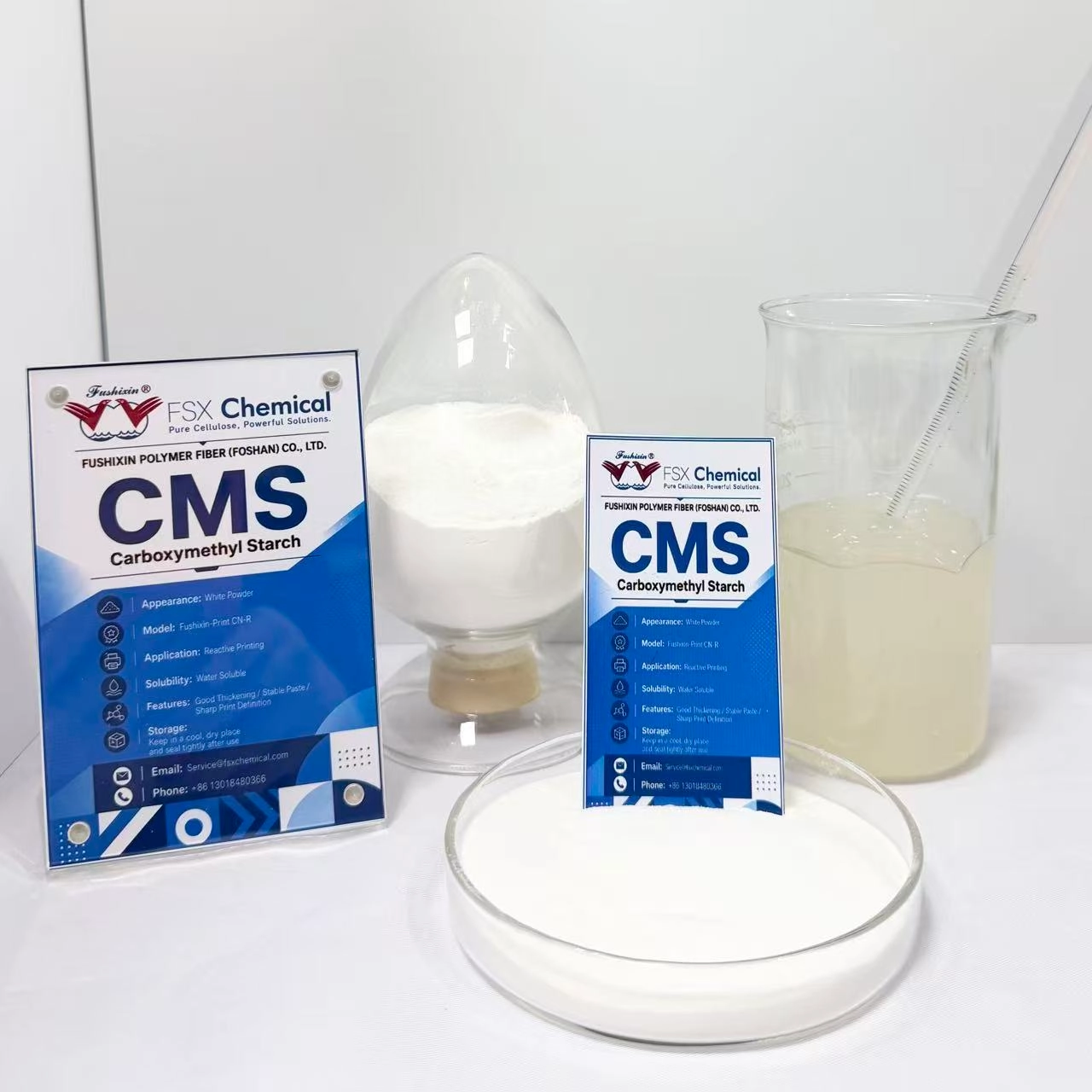
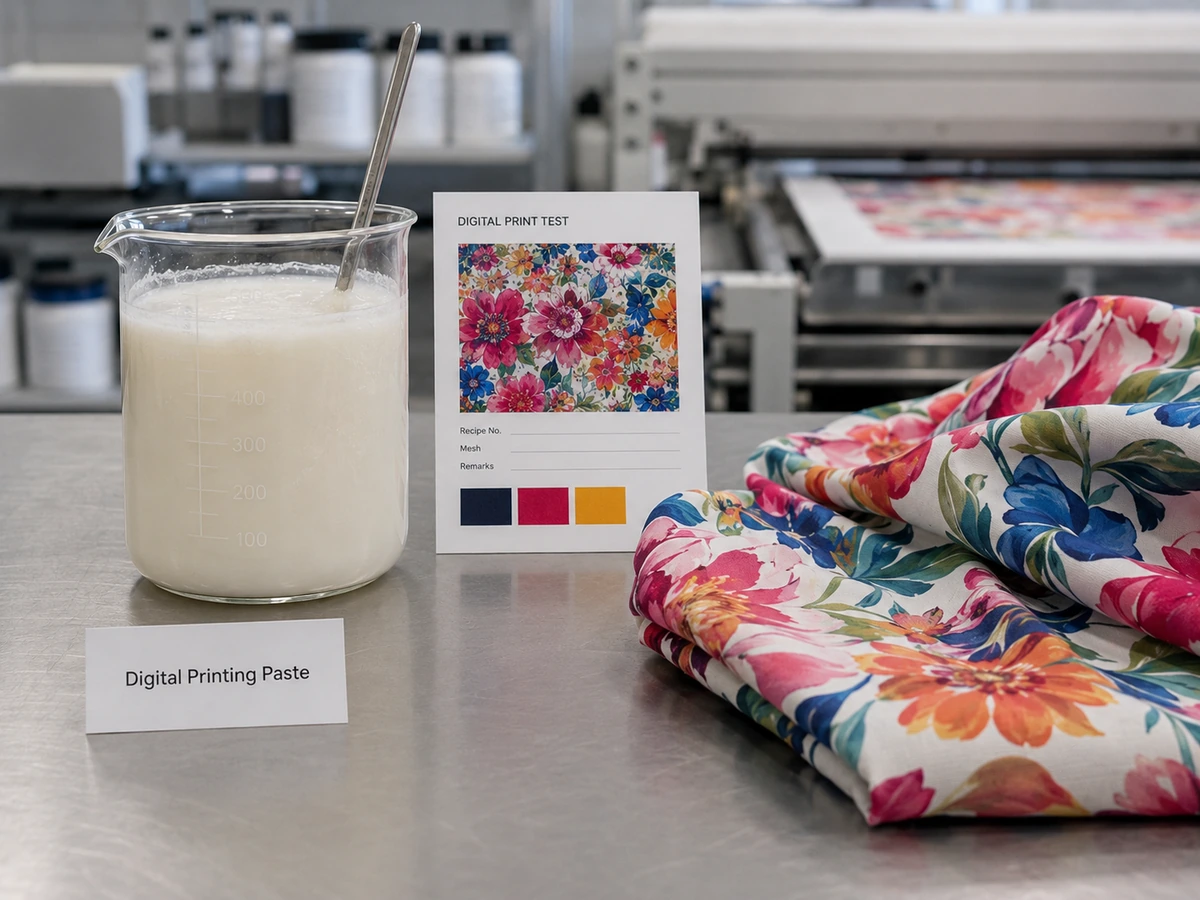
FSX Chemical supplies CMC, CMS, sodium alginate and digital printing paste for textile printing applications. Buyers can provide a current TDS, sample, target viscosity, fabric and printing process for initial grade review.
Product-specific TDS and SDS documents can be requested during evaluation. A batch-specific COA should be confirmed for the selected product and commercial batch.
FSX Chemical can recommend a starting grade and sample route, but final suitability should be verified through the buyer’s own laboratory or production process.
টেক্সটাইল প্রিন্টিং পেষ্টের জন্য CMS সান্দ্রতা সামঞ্জস্য করতে, পেষ্ট হ্যান্ডলিং উন্নত করতে এবং স্থিতিশীল ফর্মুলেশন কর্মক্ষমতা নিশ্চিত করতে সহায়তা করে। এই গাইডে ব্যাখ্যা করা হয়েছে কীভাবে ক্রেতারা বাল্ক ক্রয়ের আগে সান্দ্রতা, ডিএস, দ্রাব্যতা, pH, আর্দ্রতা এবং নমুনা পরীক্ষার মাধ্যমে CMS গ্রেডগুলি মূল্যায়ন করতে পারেন।.
সেলুলোজ-ভিত্তিক কাঁচামাল টেক্সটাইল প্রিন্টিং, প্রিন্টিং পেষ্ট প্রস্তুতি, ঘনত্ব বৃদ্ধি এবং ফর্মুলেশন সমর্থনে ব্যবহৃত হয়। এই গাইডে ব্যাখ্যা করা হয়েছে কীভাবে ক্রেতারা স্পেসিফিকেশন, ডকুমেন্টেশন, নমুনা পরীক্ষা এবং সরবরাহকারীর সহায়তার মাধ্যমে CMC, CMS, সোডিয়াম অ্যালজিনেট, টেক্সটাইল প্রিন্টিং থিকেনার এবং প্রিন্টিং পেষ্ট পণ্যগুলি মূল্যায়ন করতে পারেন।.
Wholesale sodium alginate purchasing requires more than comparing unit price. This guide explains how textile printing buyers can confirm viscosity, mesh size, purity grade, packaging, COA, sample testing, and batch consistency before placing bulk orders.
সেলুলোজ ডেরিভেটিভস বস্ত্র মুদ্রণ, মুদ্রণ পেস্ট প্রস্তুতি, ঘনত্ব বৃদ্ধি এবং ফর্মুলেশন সহায়তায় ব্যাপকভাবে ব্যবহৃত হয়। এই গাইডে ব্যাখ্যা করা হয়েছে কীভাবে বিদেশি ক্রেতারা FSX Chemical থেকে TDS, COA, নমুনা পরীক্ষা, গ্রেড মিলान এবং রপ্তানি নথি সহায়তার সাথে CMC, CMS, সোডিয়াম অ্যালজিনেট, বস্ত্র মুদ্রণ ঘনকারী এবং মুদ্রণ পেস্ট পণ্য সংগ্রহ করতে পারেন।.
Choosing a textile printing chemical supplier requires more than comparing product names and prices. This guide explains how buyers can evaluate product range, technical documents, sample testing, batch consistency, communication, and supplier support before cooperation.
টেক্সটাইল শিল্পের রাসায়নিক নির্বাচন করতে শুধুমাত্র পণ্যের নাম তুলনা করলেই চলে না। এই গাইডে ব্যাখ্যা করা হয়েছে কীভাবে টেক্সটাইল প্রিন্টিং ক্রেতারা CMC, CMS, সোডিয়াম অ্যালজিনেট, টেক্সটাইল প্রিন্টিং থিকেনার এবং প্রিন্টিং পেস্ট পণ্যগুলোকে প্রয়োগ, স্পেসিফিকেশন, TDS, COA, নমুনা পরীক্ষা এবং ব্যাচ সামঞ্জস্যতার ভিত্তিতে মিলিয়ে নিতে পারেন।.
Choosing an industrial chemicals supplier for textile printing requires more than checking product names and prices. This guide explains how buyers can review ISO certificate scope, TDS, COA, SDS, sample testing, batch consistency, and export documents before placing bulk orders.
টেক্সটাইল প্রিন্টিংয়ের জন্য রাসায়নিক ফর্মুলেশন সহায়তা পরিষ্কার প্রয়োগ সংক্রান্ত তথ্যের মাধ্যমে শুরু হওয়া উচিত। এই গাইডটি ব্যাখ্যা করে যে পণ্য মিলान, ফর্মুলেশন সামঞ্জস্য, নমুনা পরীক্ষা, TDS, COA, SDS এবং CMC, CMS, সোডিয়াম অ্যালজিনেট, টেক্সটাইল প্রিন্টিং থিকেনার ও প্রিন্টিং পেস্ট পণ্যের জন্য প্রযুক্তিগত সহায়তা অনুরোধ করার সময় ক্রেতাদের কী তথ্য প্রদান করতে হবে।.
Sodium alginate for textile coating is a vital bio-based option for global textile/printing firms. It solves key issues like poor adhesion (ideal for cotton) and low durability (boosts polyester coating resilience by 30%), while meeting regional rules—EU REACH (biodegradable) and US OEKO-TEX (non-toxic for babywear). This guide covers application tips (digital printing), alternatives comparison (vs acrylic binders), and how to pick global suppliers like fsxchemical.
গ্রেড মিলানো শুধুমাত্র অনুরূপ সান্দ্রতার কোনো পণ্য খুঁজে পাওয়া নয়। এই গাইডটি ব্যাখ্যা করে কীভাবে টেক্সটাইল প্রিন্টিং মিলগুলো অ্যাপ্লিকেশন পর্যালোচনা, নিয়ন্ত্রিত প্রস্তুতি, প্রিন্টিং পরীক্ষা এবং নমুনা থেকে বৃহৎ পরিমাণ যাচাইয়ের মাধ্যমে পেষ্ট গ্রেড তুলনা করতে পারে।.
টেক্সটাইল প্রিন্টিংয়ের কর্মক্ষমতা একটি সমন্বিত রাসায়নিক ব্যবস্থার উপর নির্ভর করে, কোনো একক সংযোজকের উপর নয়। এই গাইডে দশটি গুরুত্বপূর্ণ রাসায়নিক গ্রুপ, তাদের কার্যকারিতা, কোথায় ব্যবহার করতে হয় এবং উৎপাদন পরীক্ষার আগে ক্রেতাদের কী যাচাই করা উচিত তা ব্যাখ্যা করা হয়েছে।.
Effective batch quality control begins with raw-material approval and continues through process monitoring, representative sampling, laboratory testing, release review, traceability and corrective action.
পণ্যের নাম, ব্যবহার, পরিমাণ, গন্তব্য এবং আপনার কাছে থাকা যেকোনো TDS, নমুনা ছবি বা ডকুমেন্ট শেয়ার করুন। FSX Chemical এই তথ্য পর্যালোচনা করবে এবং কোটেশন, নমুনা মিলানো বা পণ্য নির্বাচনের পরবর্তী ধাপের জন্য পরামর্শ দেবে।.
পণ্যের তথ্যপণ্যের নাম, গ্রেড, মডেল, লেবেলের ছবি বা সরবরাহকারীর রেফারেন্স।.

 BN
BN  EN
EN  ES
ES  TR
TR  FR
FR  ID
ID  RU
RU  AR
AR  UR
UR  VI
VI  TL
TL  HI
HI  UK
UK  KK
KK  KA
KA  UZ
UZ