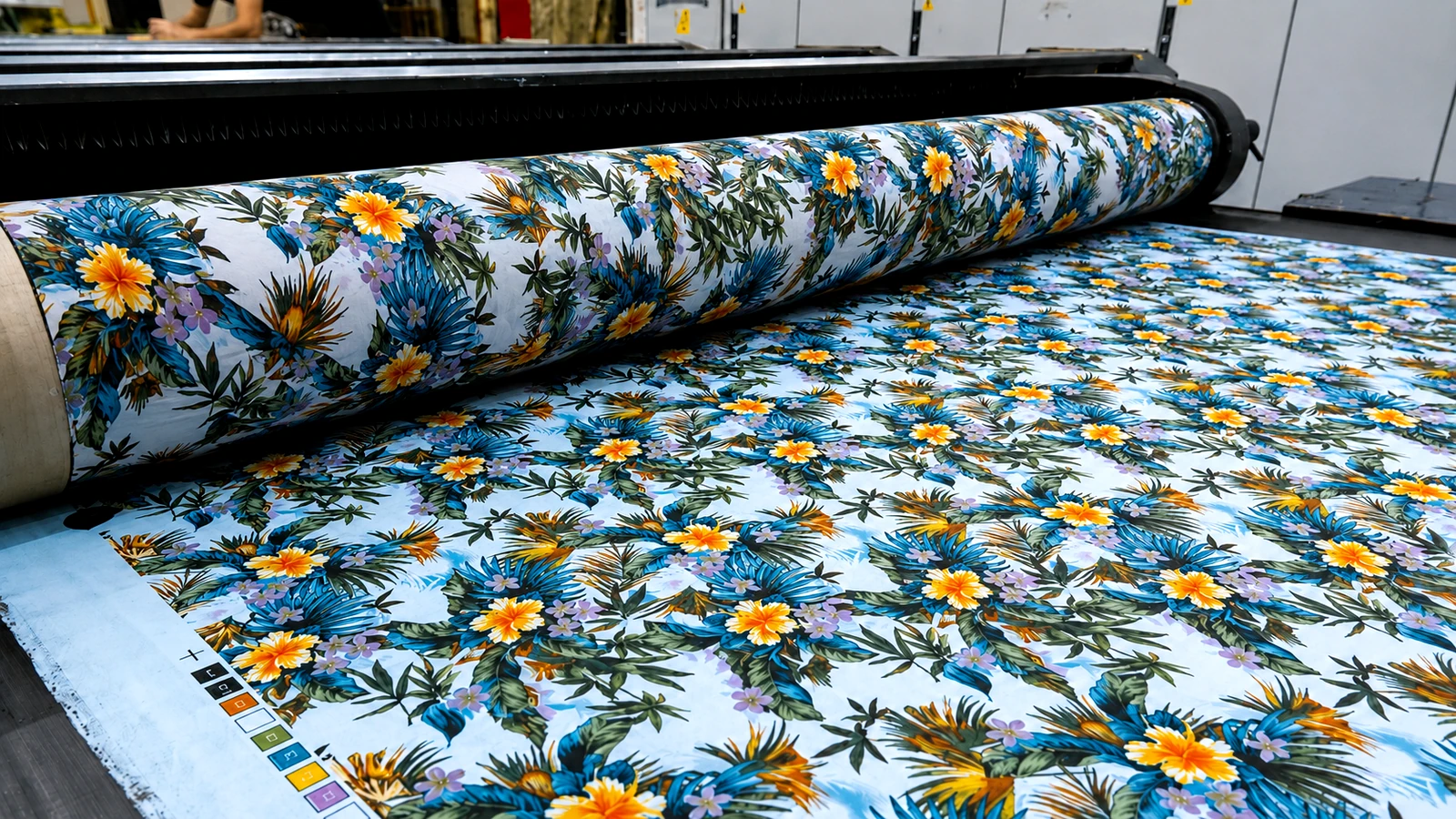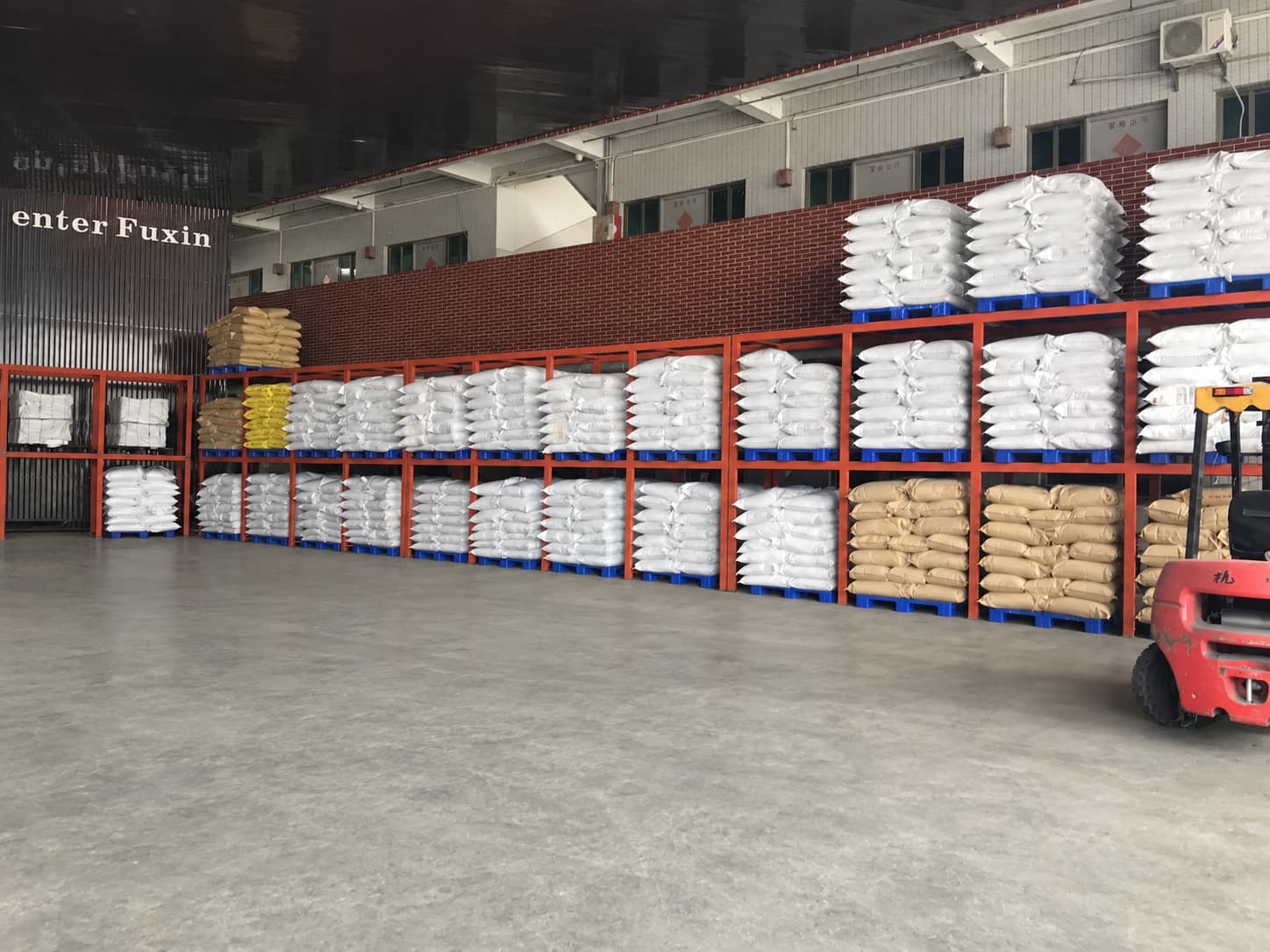















This guide explains how buyers can evaluate sodium alginate for textile coating by reviewing technical specifications, adhesion testing, film behavior, document support, sample testing, batch consistency, packaging, and export requirements.
Can Sodium Alginate Be Used for Textile Coating?
It Depends on the Formulation System
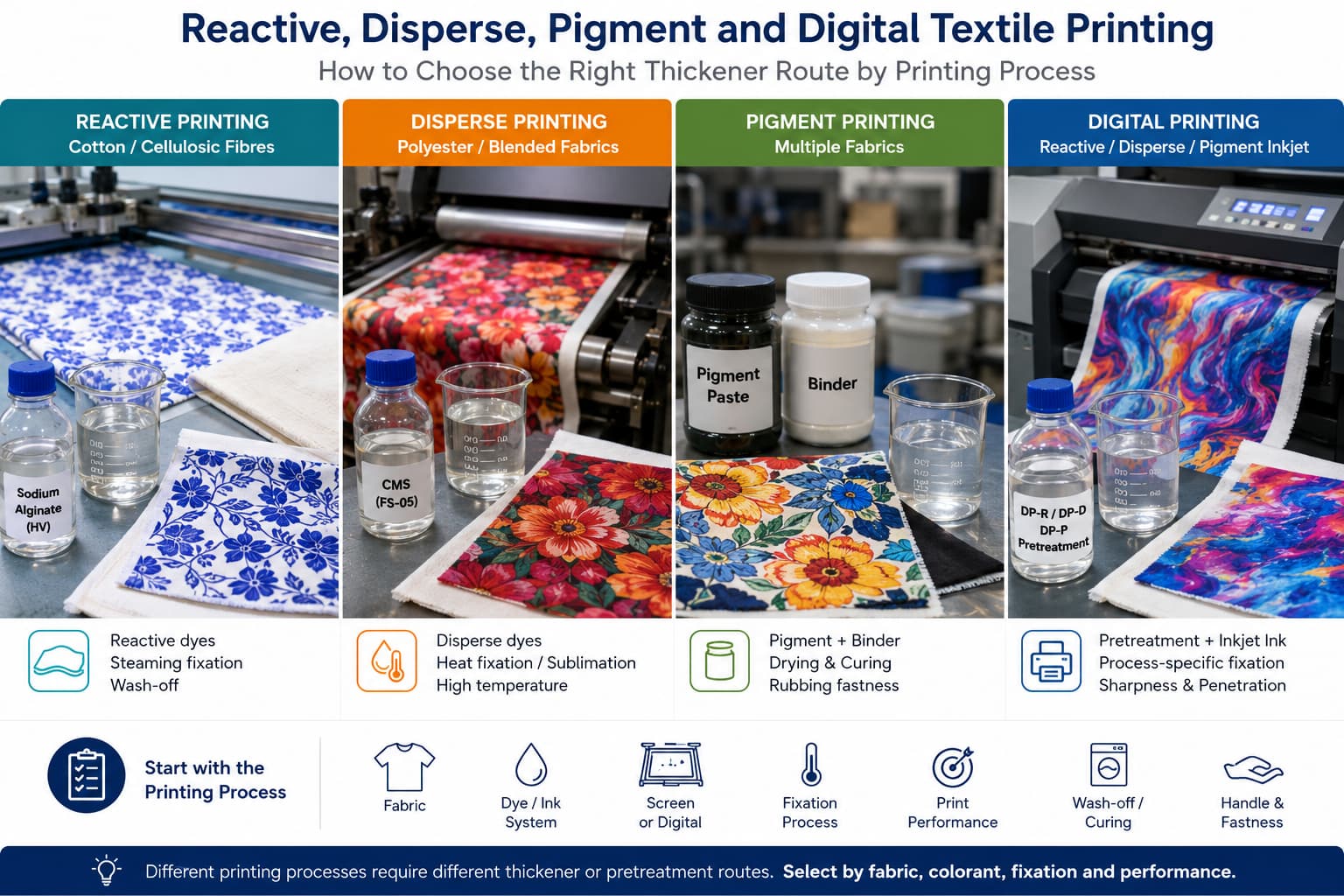
Before selecting sodium alginate for textile coating, buyers should define the target application clearly and test the grade in their own coating system.
Product Name Alone Is Not Enough
Buyers should review the TDS and test samples before discussing bulk purchase.
Adhesion and Film Behavior Must Be Tested
These results cannot be confirmed by supplier claims alone. They need testing under the buyer’s actual process conditions.
Key Application Questions Before Grade Selection
What Fabric Type Will Be Coated?
Cotton, polyester, blended fabrics, and specialty textiles may respond differently to the same coating formulation. The buyer should confirm the fabric type, surface structure, pretreatment status, and required end-use performance.
This information helps the supplier recommend a more suitable starting grade for testing.
What Is the Target Viscosity?
Coating viscosity affects application method, coating uniformity, penetration, surface leveling, and handling. Buyers should share their target viscosity range and the test method used internally.
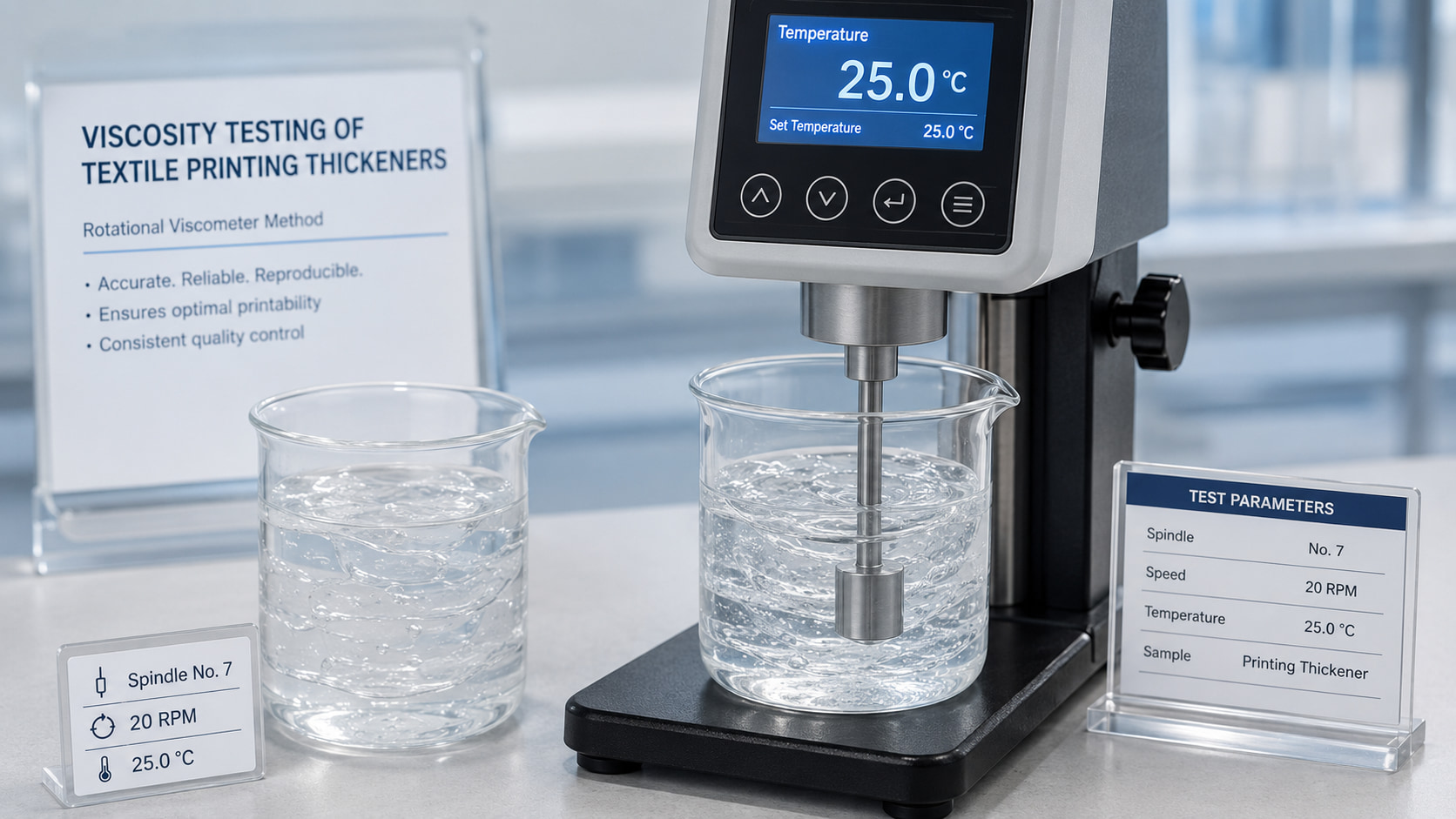
Without the test concentration, temperature, instrument method, and unit, viscosity data from different suppliers may not be directly comparable.
What Application Method Is Used?
Knife coating, padding, screen coating, roller coating, printing-related coating, or other application methods may require different rheology and handling behavior.
The sodium alginate grade should be tested under the same application method and process conditions used in production.
What Downstream Tests Are Required?
Buyers may need to evaluate hand feel, adhesion, wash behavior, rubbing, flexibility, drying performance, storage stability, or customer-specific test requirements.
These test requirements should be shared before grade recommendation and sample testing.
Specifications Buyers Should Review
সান্দ্রতা গ্রেড এবং পরীক্ষার পদ্ধতি
Viscosity is one of the first parameters to confirm when evaluating sodium alginate for textile coating. Buyers should check the viscosity range together with the test concentration, temperature, instrument method, and unit.
This prevents misleading comparisons between suppliers using different testing conditions.
জাল আকার এবং দ্রবণীয়তার আচরণ
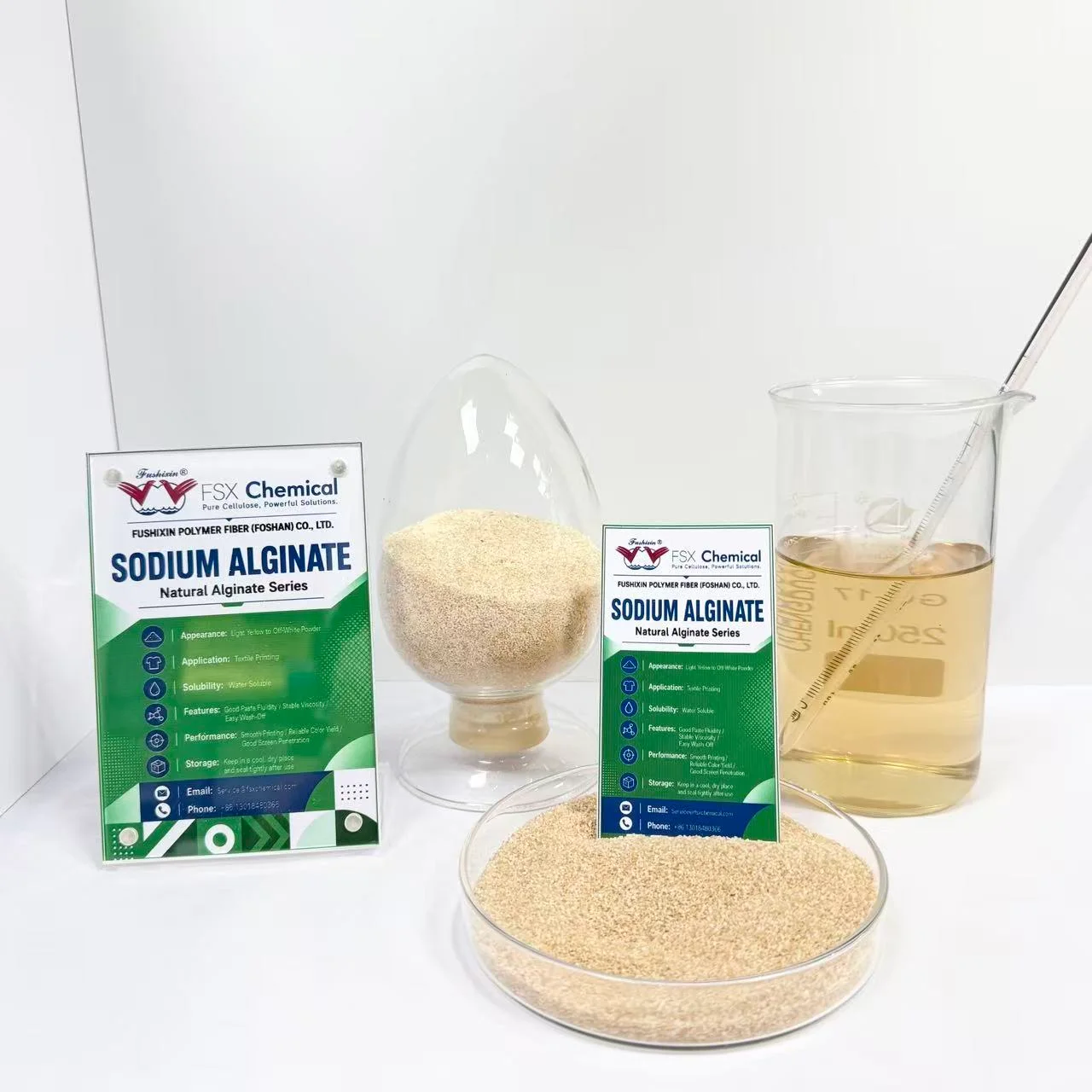
Mesh size can influence dispersion and hydration during preparation. However, actual dissolution behavior also depends on water quality, stirring speed, addition method, preparation time, and formulation conditions.
Buyers should test dissolution speed, lump formation, coating smoothness, filtration behavior, and stability under their own conditions.
আর্দ্রতা, pH এবং চেহারা
আর্দ্রতা, pH এবং চেহারা মৌলিক কিন্তু গুরুত্বপূর্ণ গুণগত মান নির্দেশক। এগুলো সংরক্ষণ, হ্যান্ডলিং, গুণগত মান নিয়ন্ত্রণ এবং পুনরায় ক্রয়কে প্রভাবিত করে।.
এই পরামিতিগুলো TDS-এ পর্যালোচনা করা উচিত এবং প্রতিটি উৎপাদন ব্যাচের জন্য COA ডেটার মাধ্যমে নিশ্চিত করা উচিত।.
Compatibility with Other Coating Ingredients
Sodium alginate should be tested with the buyer’s actual binder, additives, pigments, auxiliaries, pH adjusters, and process water. Compatibility issues may appear as viscosity drift, separation, lumps, poor film formation, or unstable coating behavior.
Compatibility testing is especially important when the buyer plans to replace an existing thickener or binder support material.
How to Test Sodium Alginate for Textile Coating
Test in the Actual Coating Formula
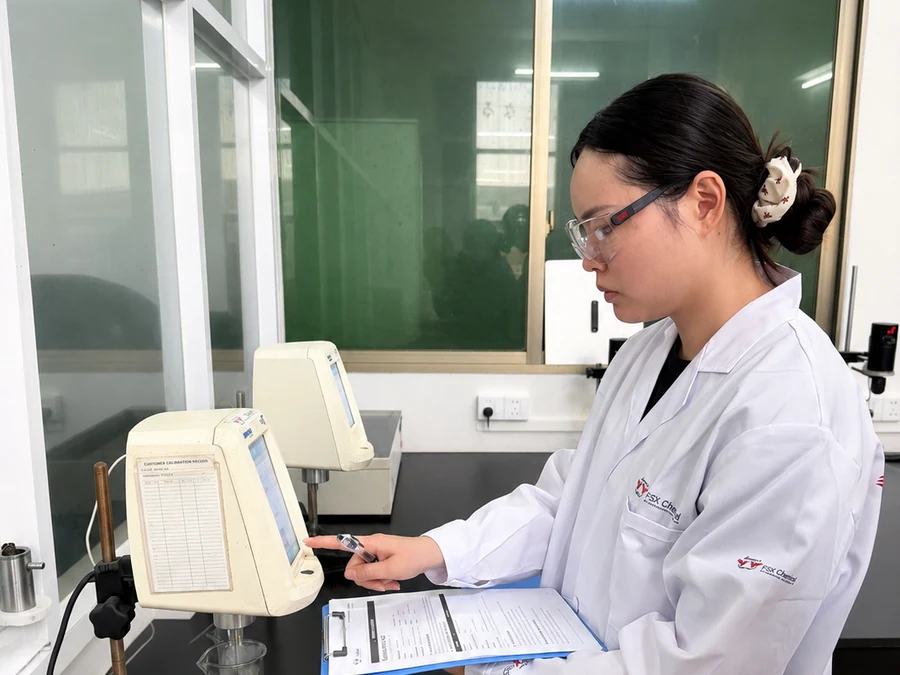
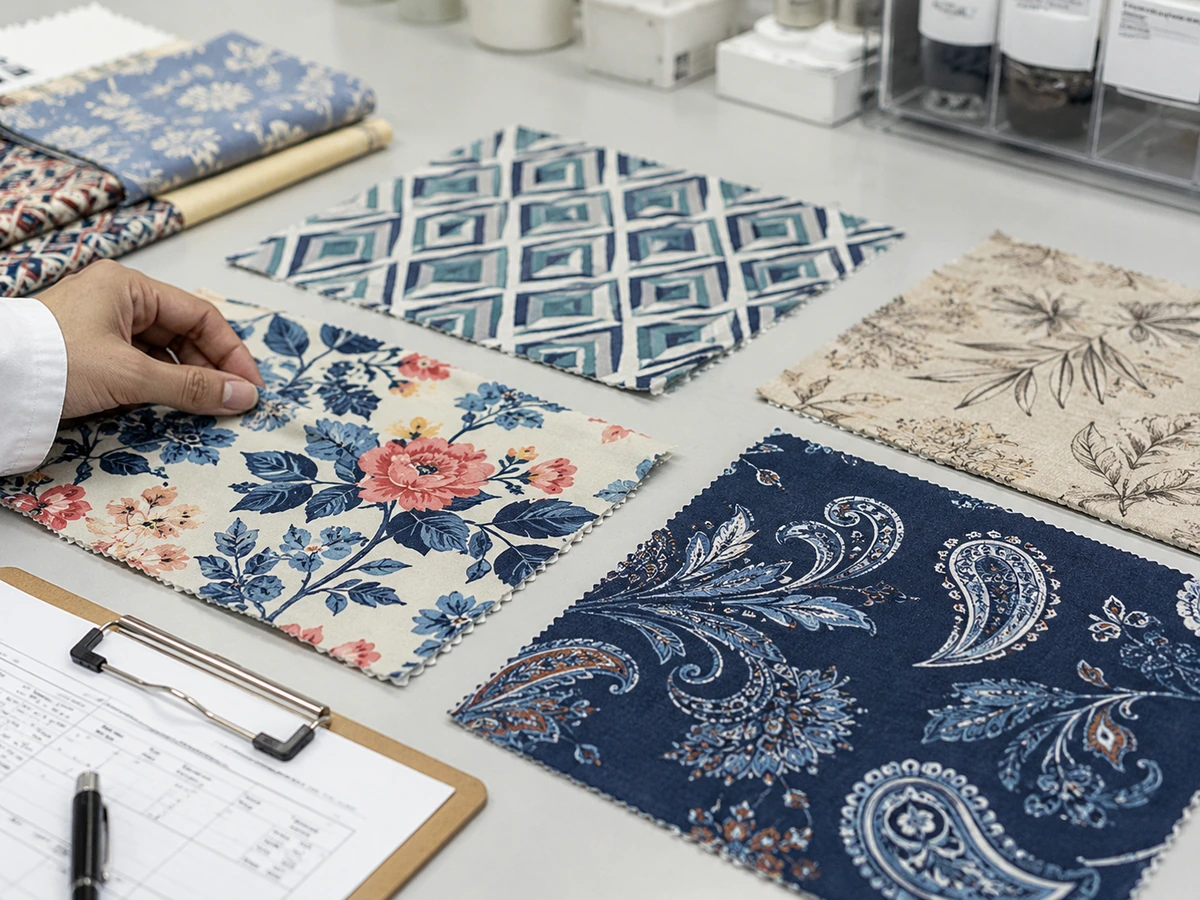
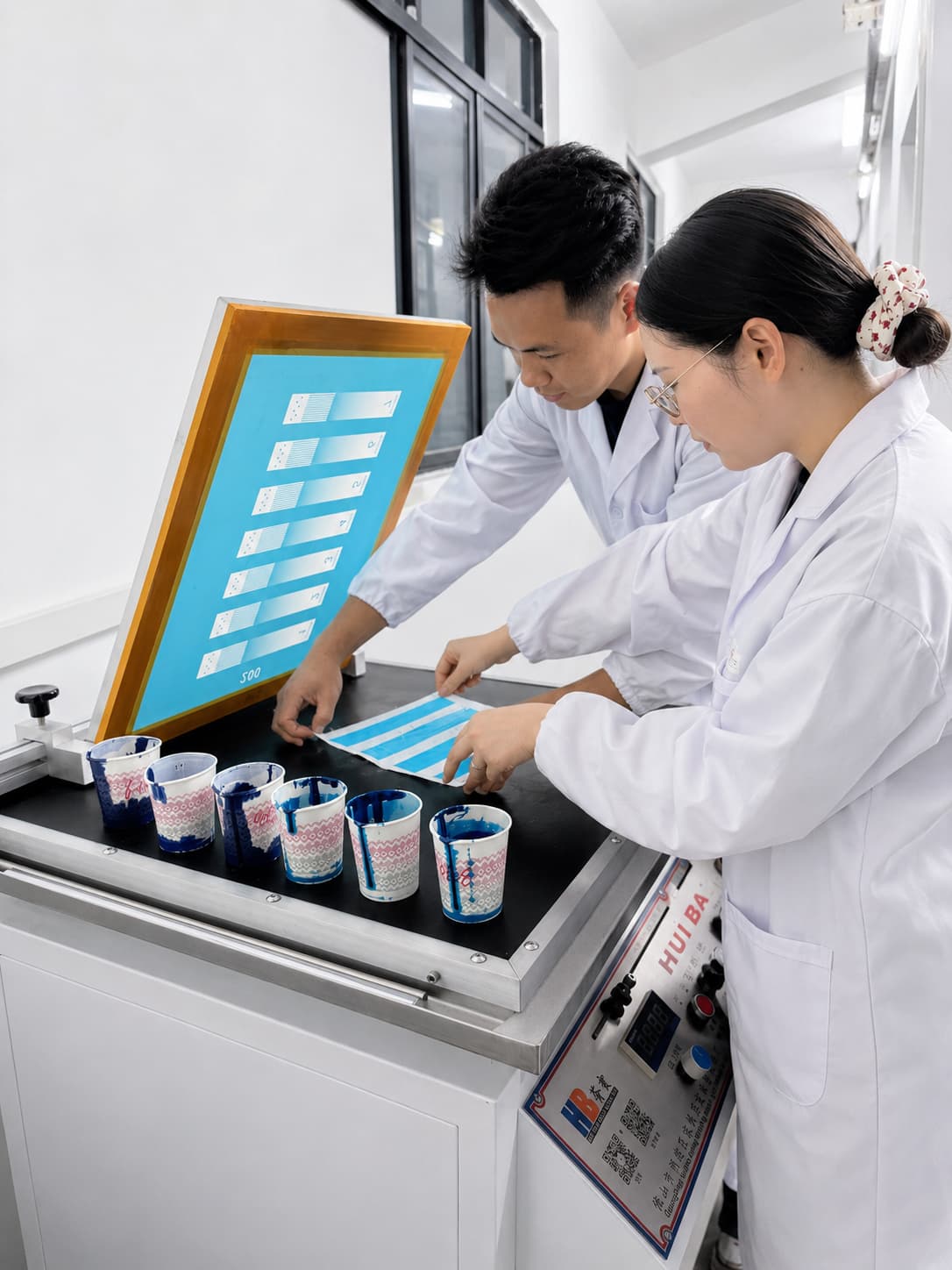
Sample testing should be done in the buyer’s own formulation whenever possible. Water quality, pH, binder type, additives, mixing order, stirring speed, and preparation time can all affect the result.
Testing only in clean water may not be enough to confirm coating suitability.
Observe Preparation and Coating Behavior
During preparation, buyers should observe dispersion, dissolution speed, lump formation, viscosity development, filtration behavior, and storage stability.
During coating, buyers should evaluate coating smoothness, leveling, penetration, surface feel, drying behavior, and defect risk.
Run Adhesion and Downstream Tests
After coating, buyers should test adhesion, flexibility, handling resistance, wash behavior where applicable, rubbing behavior where applicable, and the buyer’s own customer-specific requirements.
The result should be compared against the current coating system under the same test conditions.
নমুনা থেকে বাল্ক সামঞ্জস্য নিশ্চিত করুন
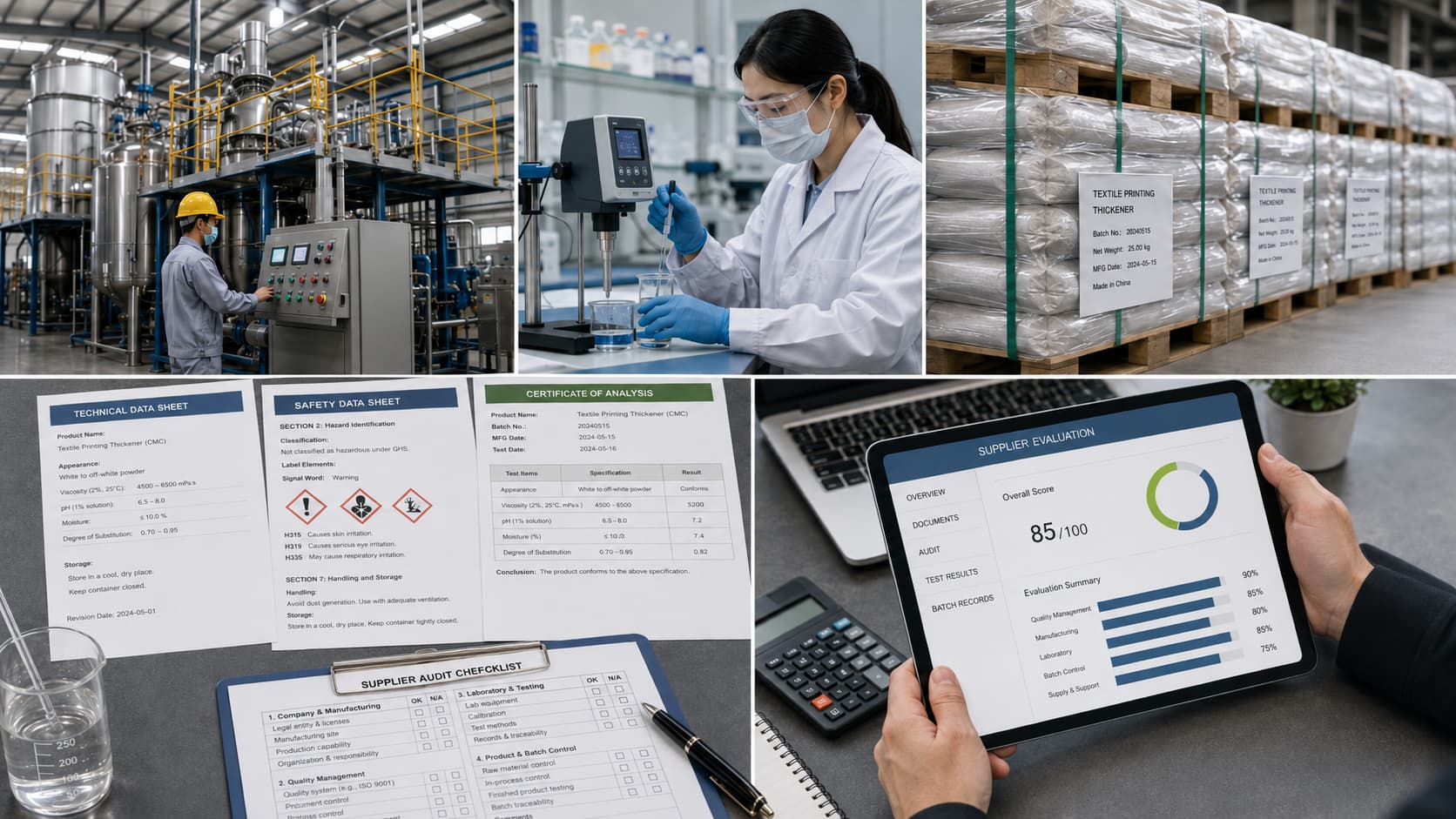
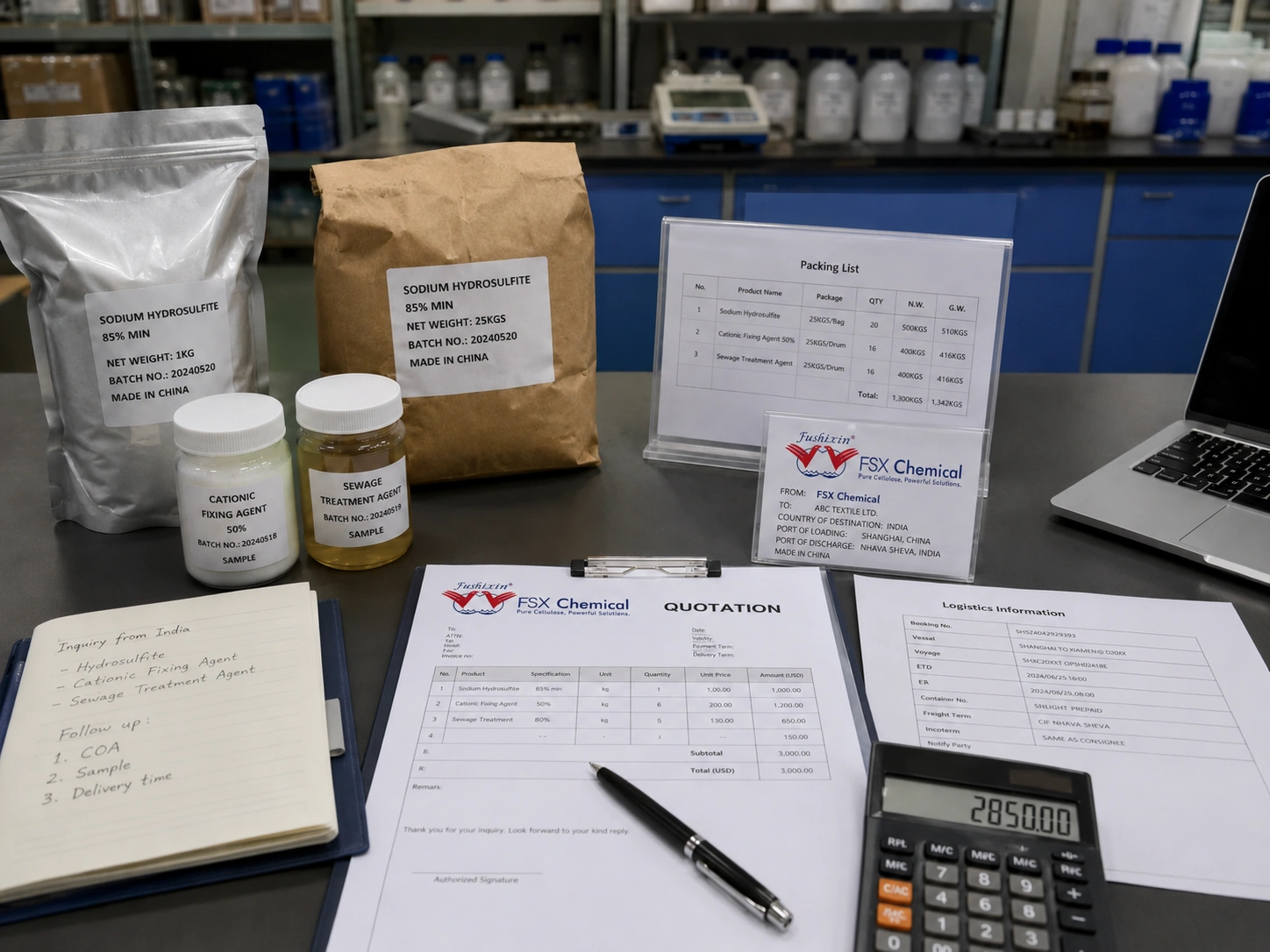
Before confirming a bulk order, buyers should check whether the approved sample and bulk shipment will follow the same viscosity range, specification range, packaging format, batch traceability, and COA requirements.
এটি নমুনা অনুমোদনের ঝুঁকি কমাতে সাহায্য করে, তবে পরবর্তীতে অস্থিতিশীল উৎপাদন কর্মক্ষমতার ঝুঁকি থাকে।.
ক্রেতাদের যেসব নথি অনুরোধ করা উচিত
স্পেসিফিকেশন পর্যালোচনার জন্য টিডিএস
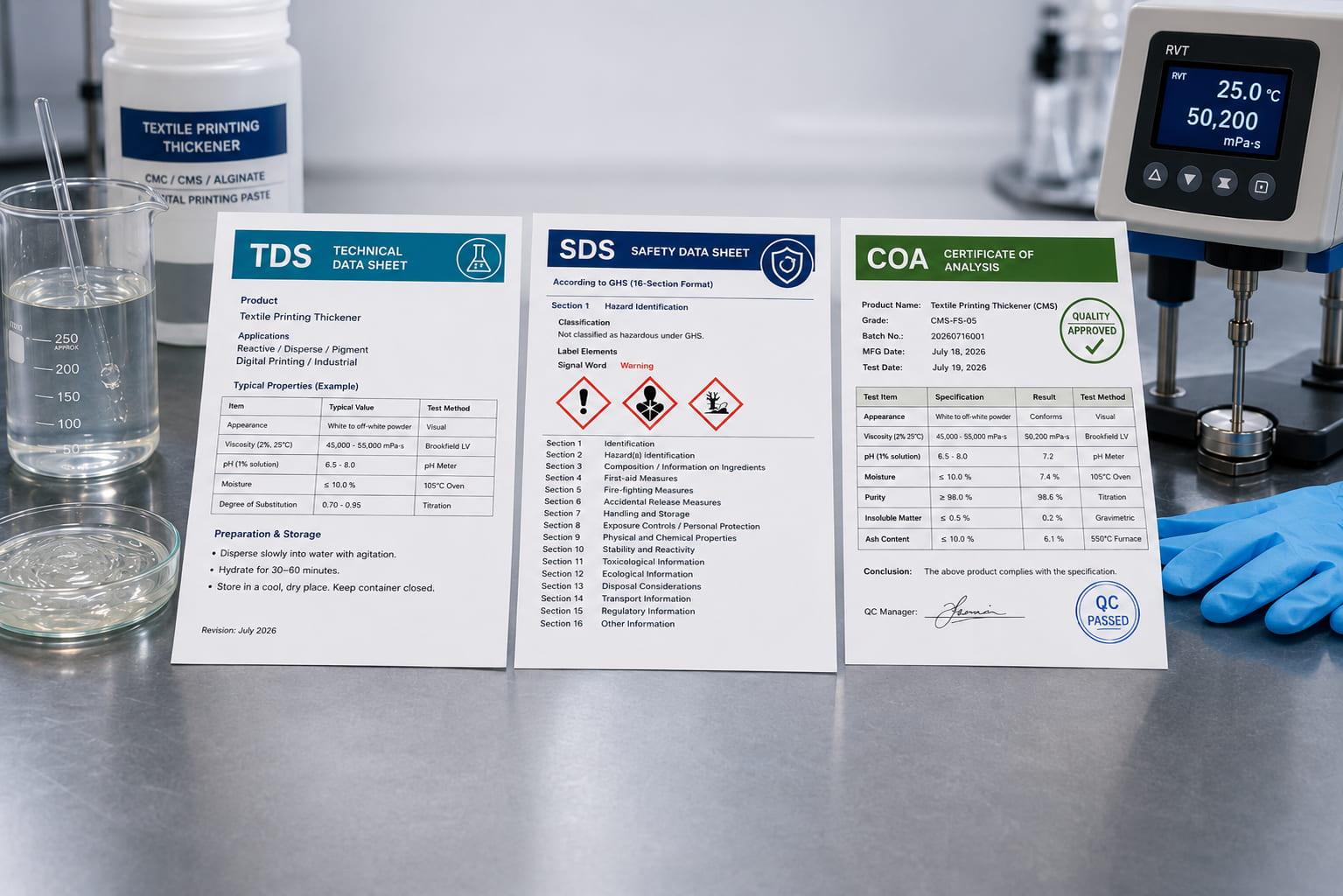
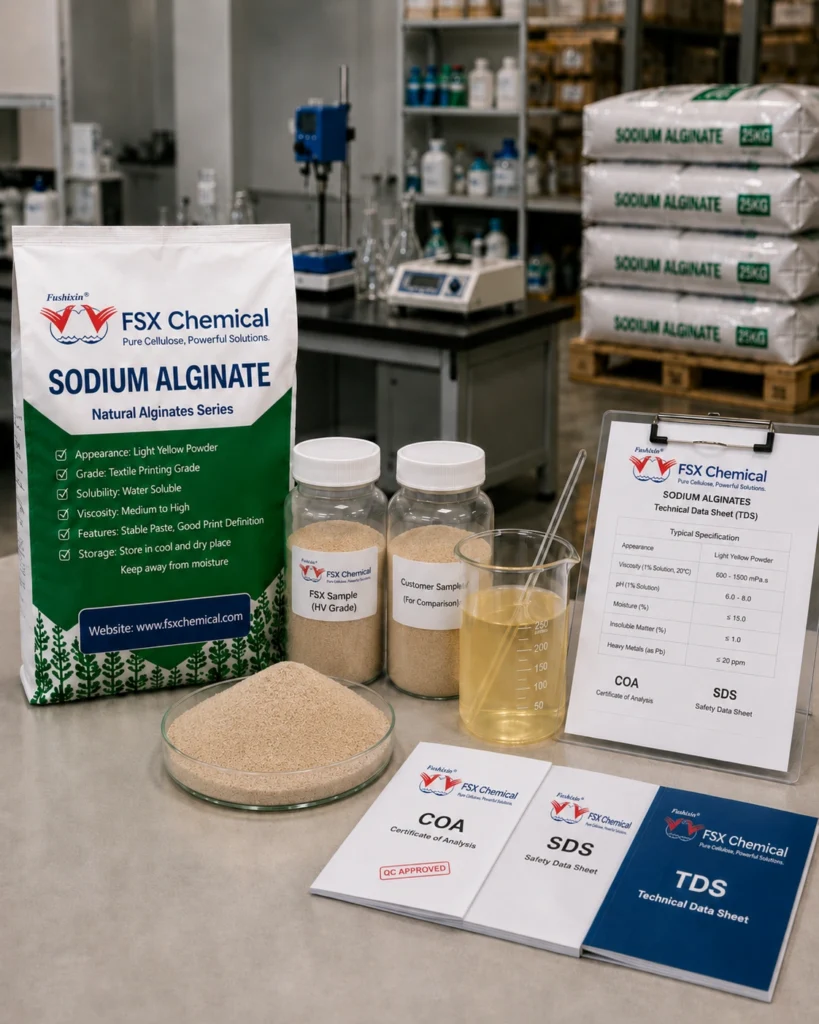
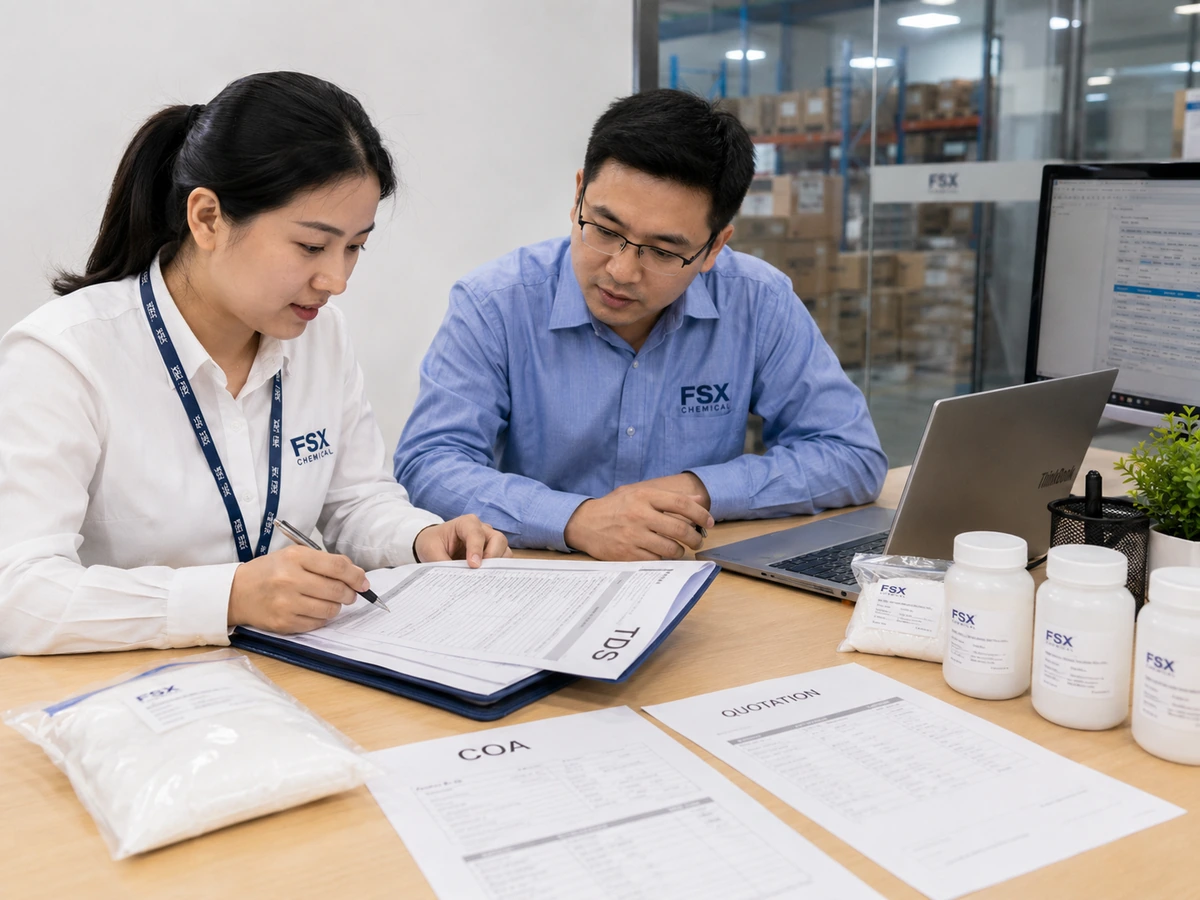
The Technical Data Sheet helps buyers review the standard product specification. It should include appearance, viscosity, mesh size where applicable, moisture, pH, storage conditions, and testing method.
The TDS supports initial grade screening, but it should not replace sample testing in the buyer’s own coating formulation.
ব্যাচ নিশ্চিতকরণের জন্য COA
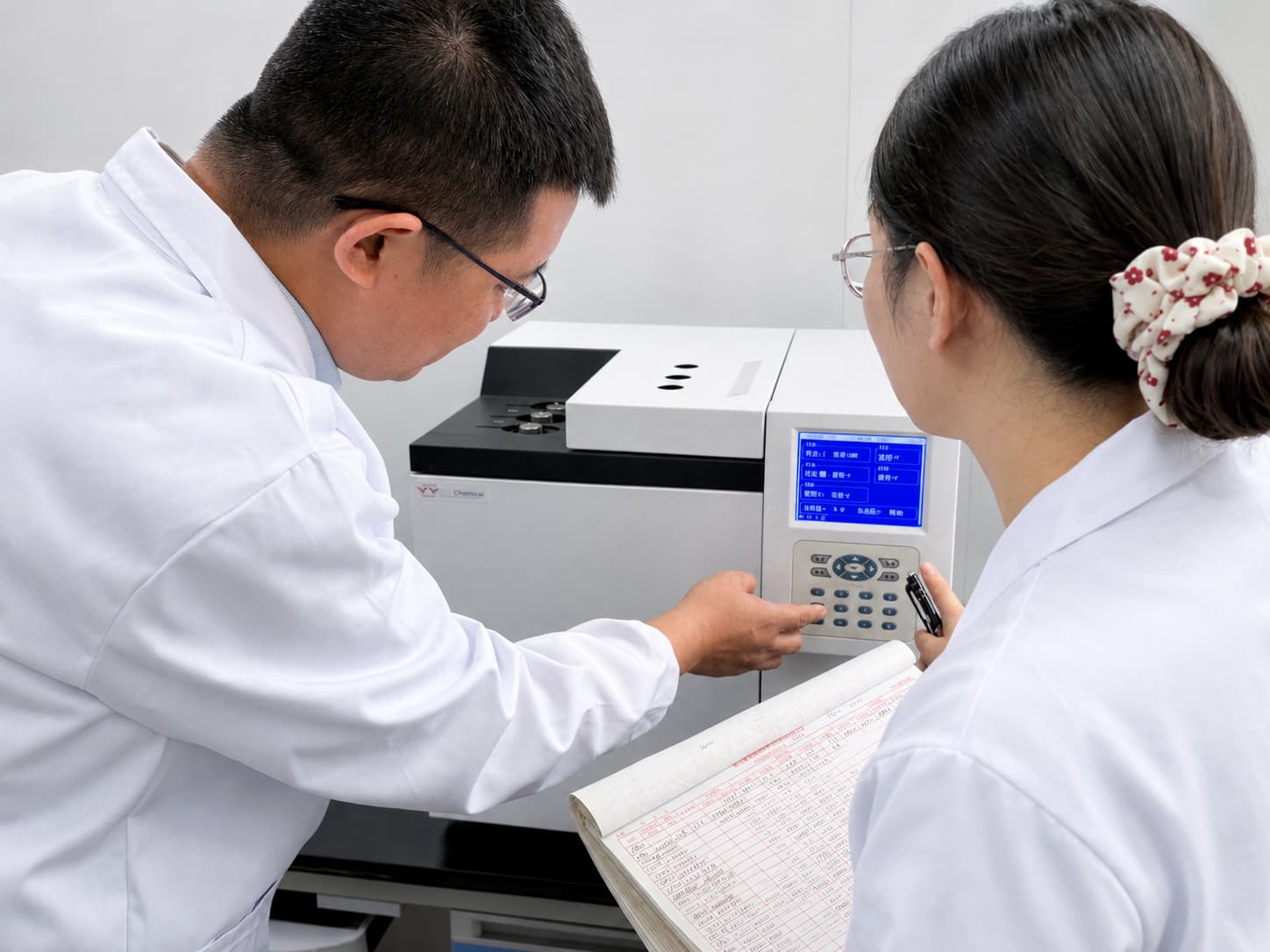
বিশ্লেষণ প্রতিবেদন একটি নির্দিষ্ট উৎপাদনের ব্যাচের প্রকৃত তথ্য নিশ্চিত করে। এটি বাল্ক অর্ডার, পুনরাবৃত্তিমূলক ক্রয়, বিতরণকারী সরবরাহ এবং অভ্যন্তরীণ গুণগত নিয়ন্ত্রণের জন্য গুরুত্বপূর্ণ।.
ক্রেতারা চালানগুলোর মধ্যে COA রেকর্ড তুলনা করে দেখতে পারেন যে মূল পরামিতিগুলো সম্মত পরিসরের মধ্যে আছে কিনা।.
হ্যান্ডলিং এবং শিপিংয়ের জন্য এসডিএস পর্যালোচনা
সেফটি ডেটা শীট (এসডিএস) হ্যান্ডলিং, সংরক্ষণ, পরিবহন এবং অভ্যন্তরীণ নিরাপত্তা পর্যালোচনায় সহায়তা করে। আন্তর্জাতিক ক্রয়ের ক্ষেত্রে চালান এবং শুল্ক-সংক্রান্ত যোগাযোগের জন্যও এসডিএস প্রয়োজন হতে পারে।.
ক্রেতাদের নিশ্চিত করতে হবে যে SDS-এ প্রদর্শিত পণ্যের নাম এবং সরবরাহকারীর তথ্য অর্ডার নথিগুলোর সাথে মিলছে।.
অতিরিক্ত গ্রাহক বা সম্মতি সংক্রান্ত নথি
যদি ক্রেতা সীমিত পদার্থ সম্পর্কিত বিবৃতি, পরিবেশগত নথি, গ্রাহক নিরীক্ষা প্রশ্নাবলী বা তৃতীয় পক্ষের সার্টিফিকেশন সহায়তা প্রয়োজন করে, তবে অর্ডার নিশ্চিত করার আগে এসব প্রয়োজনীয়তা নিয়ে আলোচনা করা উচিত।.
একজন ব্যবহারিক সরবরাহকারীকে স্পষ্টভাবে ব্যাখ্যা করতে হবে কোন নথিগুলি প্রদান করা যেতে পারে এবং কোন দাবিগুলির জন্য আনুষ্ঠানিক তৃতীয় পক্ষের পরীক্ষা বা সার্টিফিকেশন প্রয়োজন।.
How to Compare Sodium Alginate with Other Coating Materials
Compare Under the Same Formulation Conditions
If the buyer is comparing sodium alginate with acrylic binders, polyurethane systems, CMC, starch, PVA, or other coating additives, the comparison should be done under the same preparation and application conditions.
Important comparison points may include viscosity, stability, coating smoothness, adhesion, film flexibility, surface feel, drying behavior, wash or handling performance, and total use cost.
Avoid Absolute Material Claims
No single material is suitable for every textile coating system. Sodium alginate, synthetic binders, cellulose derivatives, starch-based materials, and blended systems each have different advantages and limits depending on the formulation.
Buyers should avoid decisions based only on claims such as “more sustainable,” “non-toxic,” “better adhesion,” or “lower cost” unless supported by documents and their own test results.
Check Total Use Cost
Total use cost may include dosage, preparation time, filtration behavior, production stability, coating defects, rework, downstream testing, and customer approval.
Buyers should compare total use cost rather than only the raw material unit price.
সাধারণ সমস্যা এবং সমাধানের পয়েন্টসমূহ
Poor Adhesion
Poor adhesion may be related to fabric surface, binder system, coating thickness, drying conditions, pH, or grade mismatch. Buyers should adjust the full formulation and test again before rejecting or approving a grade.
গুটি বা দুর্বল দ্রবণ
Lumps may be related to fast addition, insufficient dispersion, unsuitable stirring, water quality, or preparation method. Buyers should record preparation conditions during each test.
অস্থিতিশীল সান্দ্রতা
Viscosity drift may be caused by water quality, temperature, pH, preparation time, formulation compatibility, or grade mismatch. Buyers should compare test conditions with the supplier’s viscosity method.
Surface Defects After Coating
Surface defects may be related to filtration, foam, leveling, fabric surface, coating method, or drying conditions. The sodium alginate grade should be evaluated as part of the full coating system.
How FSX Chemical Supports Textile Coating Buyers
পরবর্তী পদক্ষেপ
- Share Your Coating Application — tell us your fabric type, coating method, binder system, target viscosity, and current formulation.
- Clarify Performance Requirements — explain adhesion, film behavior, hand feel, wash or handling tests, and customer-specific requirements.
- গ্রেড মিলানোর অনুরোধ — ask for a suitable sodium alginate grade based on your actual textile coating or formulation conditions.
- টিডিএস অনুরোধ করুন — review viscosity, mesh size where applicable, pH, moisture, appearance, storage conditions, and testing method.
- একটি COA অনুরোধ করুন — চালানের আগে ব্যাচের ডেটা সম্মত স্পেসিফিকেশন পরিসরের সাথে মেলে কিনা তা নিশ্চিত করুন।.
- নমুনা অনুরোধ করুন — test the recommended grade in your own coating formulation before confirming bulk orders.
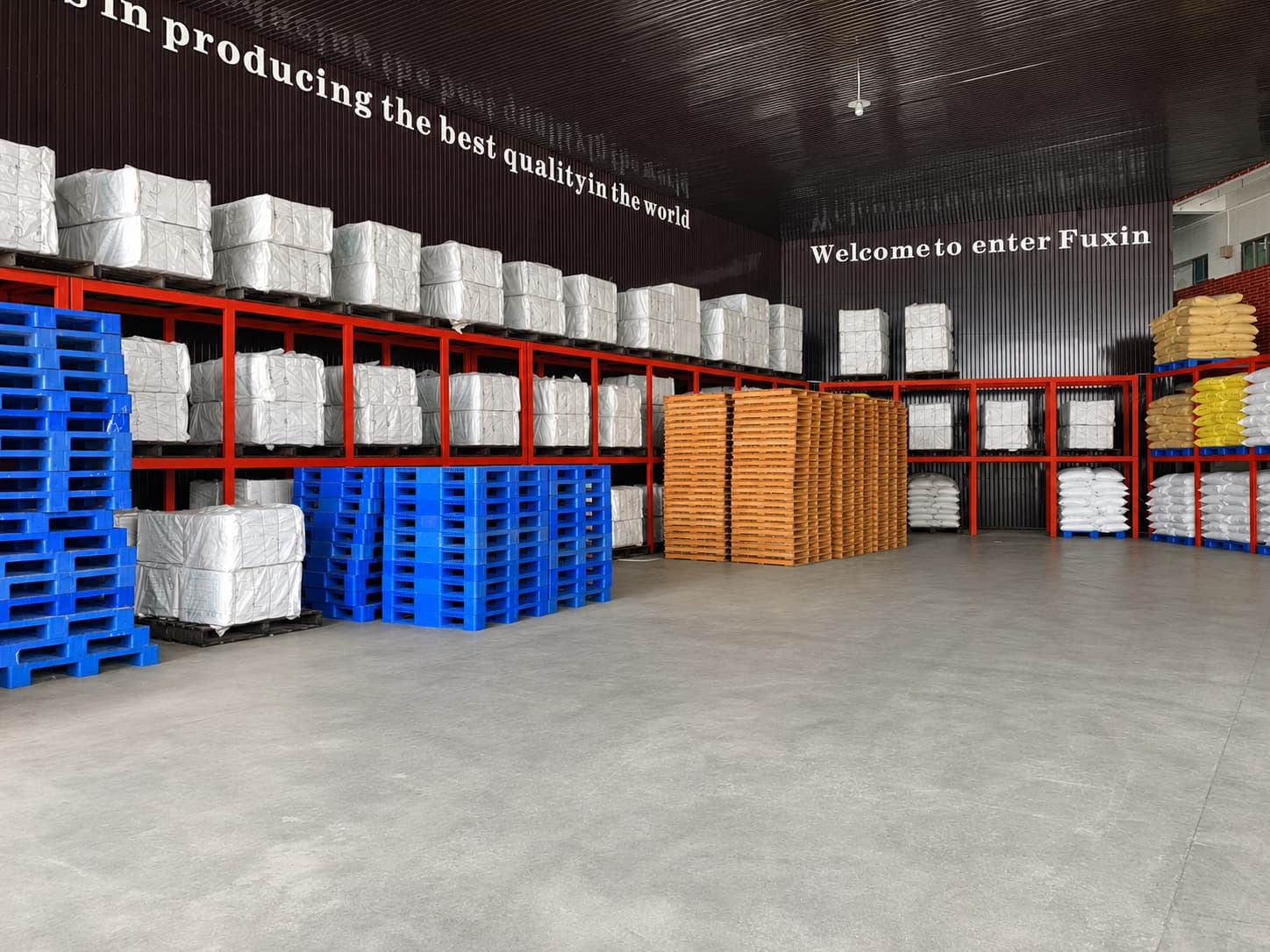
- প্যাকেজিং এবং রপ্তানি নথিগুলি নিশ্চিত করুন — চালানের আগে ব্যাগের আকার, লেবেল, ব্যাচের ট্রেসেবিলিটি, এসডিএস, চালানপত্র, প্যাকিং তালিকা এবং অন্যান্য প্রয়োজনীয় নথি পরীক্ষা করুন।.
- আমাদের প্রযুক্তিগত দলের সাথে যোগাযোগ করুন — discuss whether sodium alginate is suitable for your textile coating or related formulation আবেদন📧 ইমেইল: Service@fsxchemical.com