
















সম্পর্কিত পোস্টসমূহ

টেক্সটাইল প্রিন্টিং থিকেনার সান্দ্রতা পরীক্ষা পদ্ধতিগুলি কীভাবে তুলনা করবেন

জানুন কেন টেক্সটাইল প্রিন্টিং থিকেনার সান্দ্রতা (ভিসকোসিটি) মানগুলো তুলনা করা যায় না যদি না সেগুলোর ঘনত্ব, তাপমাত্রা, যন্ত্র, স্পিন্ডল, গতি, প্রস্তুতি পদ্ধতি এবং পরীক্ষার সময় মিল থাকে।.

রঞ্জক ও মুদ্রণ প্রক্রিয়া অনুযায়ী বস্ত্র মুদ্রণের ঘনকারী
কাপড়, রঞ্জক বা কালি, স্থিরীকরণ, ধুয়ে ফেলার এবং মুদ্রণ-মানের প্রয়োজনীয়তার ভিত্তিতে প্রতিক্রিয়াশীল, বিচ্ছুরিত, পিগমেন্ট এবং ডিজিটাল টেক্সটাইল প্রিন্টিংয়ের জন্য ঘনকারী ও প্রিট্রিটমেন্ট পদ্ধতি কীভাবে নির্বাচন করবেন তা শিখুন।.

CMC বনাম CMS বনাম সোডিয়াম অ্যালজিনেট বনাম ডিজিটাল প্রিন্টিং পেষ্ট: একটি ব্যবহারিক নির্বাচন গাইড
টেক্সটাইল প্রিন্টিংয়ের জন্য CMC, CMS, সোডিয়াম অ্যালজিনেট এবং ডিজিটাল প্রিন্টিং পেষ্টের তুলনা করুন। প্রতিটি পদ্ধতি কীভাবে রিয়্যাক্টিভ, ডিসপার্স, পিগমেন্ট এবং ডিজিটাল প্রক্রিয়ার সঙ্গে খাপ খায় এবং নমুনা পরীক্ষা, গ্রেড মিলान ও বৃহৎ পরিমাণে ক্রয়ের আগে ক্রেতাদের কী কী বিষয় পর্যালোচনা করা উচিত তা শিখুন।.

প্রতিক্রিয়াশীল টেক্সটাইল প্রিন্টিংয়ের জন্য সোডিয়াম অ্যালজিনেট: গ্রেড, সান্দ্রতা এবং প্রয়োগ নির্দেশিকা
সোডিয়াম অ্যালজিনেট টেক্সটাইল প্রিন্টিং-এ রিঅ্যাক্টিভ প্রিন্টিং পেষ্টের জন্য একটি স্থিতিশীল ও ধোয়াযোগ্য ঘনকারী হিসেবে ব্যাপকভাবে ব্যবহৃত হয়। কেনার আগে সান্দ্রতা গ্রেড, বিশুদ্ধতা এবং প্রয়োগের উপযোগিতা কীভাবে মূল্যায়ন করবেন এবং FSX কেমিক্যাল কীভাবে প্রযুক্তিগত তথ্য ও নমুনা দিয়ে বিশ্বব্যাপী ক্রেতাদের সহায়তা করে তা জানুন।.

সেলুলোজ-ভিত্তিক বস্ত্র মুদ্রণ পেষ্ট: CMC গ্রেড এবং সরবরাহকারী মূল্যায়ন
CMC-ভিত্তিক প্রিন্টিং পেষ্ট পিগমেন্ট, রিঅ্যাক্টিভ এবং ডিজিটাল টেক্সটাইল প্রিন্টিংয়ে ব্যবহৃত হয়। এই গাইডে কোন প্যারামিটারগুলো গুরুত্বপূর্ণ, সরবরাহকারীদের কীভাবে তুলনা করবেন এবং বড় অর্ডার দেওয়ার আগে কী জানতে হবে তা ব্যাখ্যা করা হয়েছে।.

সোডিয়াম অ্যালজিনেট প্রিন্টিং পেস্ট প্রস্তুত করার পদ্ধতি: দ্রবণীকরণ, ঘনত্ব এবং গুণগত মান নিয়ন্ত্রণ
প্রতিক্রিয়াশীল রঞ্জক টেক্সটাইল প্রিন্টিং-এ গ্রেড নির্বাচনের মতো সঠিক পেস্ট প্রস্তুতিও গুরুত্বপূর্ণ। এই গাইডে সোডিয়াম অ্যালজিনেট দ্রবীভবন পদ্ধতি, প্রয়োগ অনুযায়ী ঘনত্বের পরিসর, সংরক্ষণ শর্তাবলী এবং সাধারণ প্রস্তুতিজনিত সমস্যা সমাধানের উপায়সমূহ অন্তর্ভুক্ত রয়েছে।.

টেক্সটাইল প্রিন্টিং-এ প্রতিক্রিয়াশীল রঞ্জক স্থিরীকরণ: সোডিয়াম অ্যালজিনেট এবং প্রক্রিয়া নিয়ন্ত্রণ
রঙ স্থিরীকরণ হার সরাসরি প্রভাবিত করে রঙের ফলন, ধোয়ার স্থায়িত্ব এবং দূষিত জল নির্গমনের পরিমাণ রিঅ্যাক্টিভ ডাই প্রিন্টিং-এ। এই গাইডে ব্যাখ্যা করা হয়েছে কীভাবে সোডিয়াম অ্যালজিনেট রঙ স্থিরীকরণে সহায়তা করে, কোন পেস্ট পরামিতিগুলো স্থিরীকরণ হারে প্রভাব ফেলে এবং উৎপাদনে কম স্থিরীকরণের সমস্যা কীভাবে সমাধান করতে হয়।.

সোডিয়াম অ্যালজিনেট মেশ সাইজ: দ্রবণ, ফিল্ট্রেশন এবং টেক্সটাইল প্রিন্টিং কর্মক্ষমতা
সোডিয়াম অ্যালজিনেটের কণার আকার (মেস) পাউডার কত দ্রুত দ্রবীভূত হয়, কত সমভাবে হাইড্রেট হয় এবং ফলস্বরূপ তৈরি পেস্ট স্ক্রিন প্রিন্টিংয়ে কীভাবে কাজ করে তা প্রভাবিত করে। এই গাইডে টেক্সটাইল প্রিন্টিং পেস্ট প্রয়োগের জন্য মেস স্পেসিফিকেশনের ব্যবহারিক প্রভাবগুলি ব্যাখ্যা করা হয়েছে।.
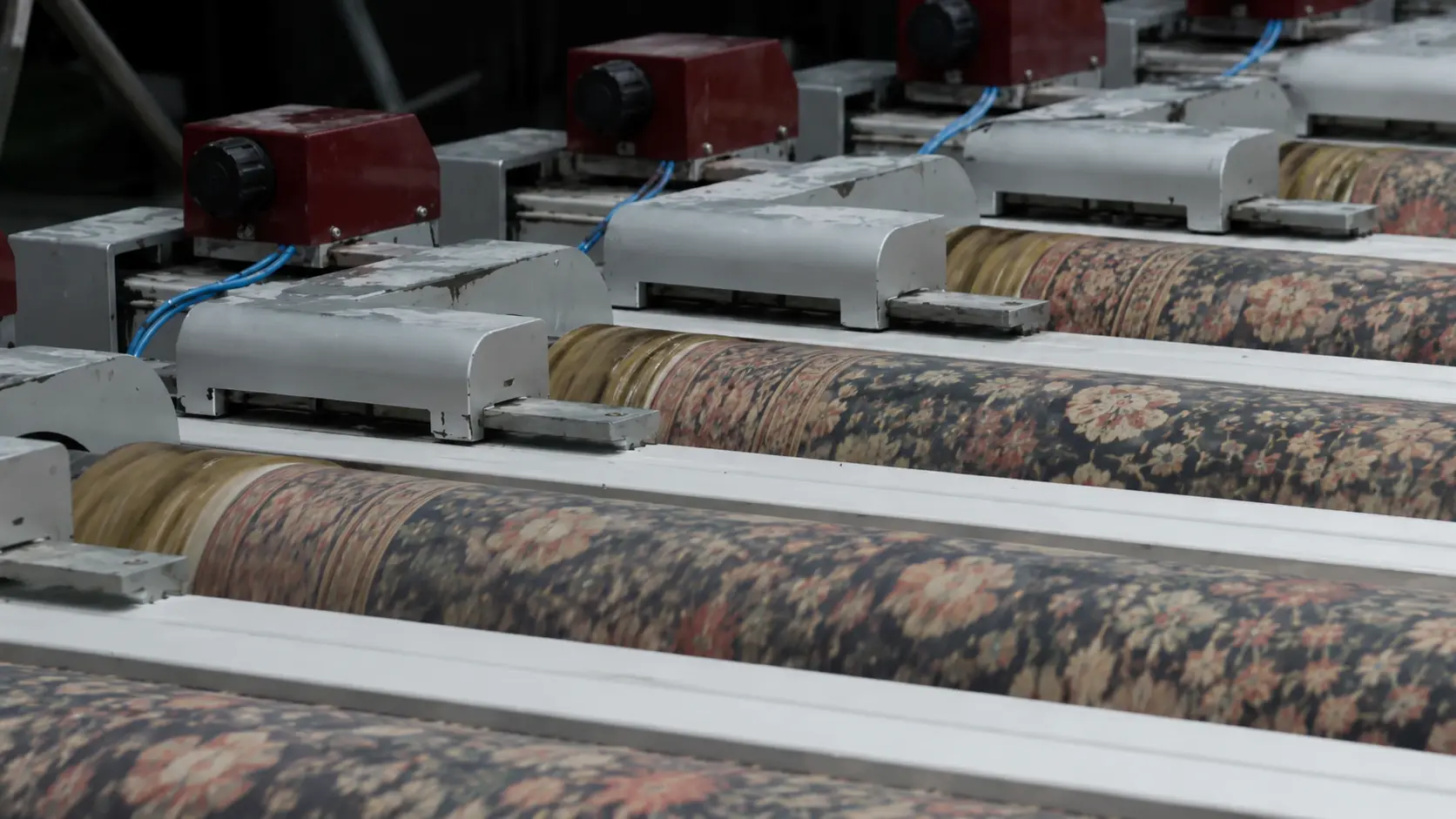
টেক্সটাইল সাইজিং ও ডিসাইজিংয়ের জন্য সোডিয়াম অ্যালজিনেট: নির্বাচন ও প্রক্রিয়া নিয়ন্ত্রণ
Evaluate sodium alginate for warp sizing through grade-specific bath, yarn and desizing trials. Compare dry size add-on, yarn protection and removal using appropriate residue methods and downstream fabric checks.
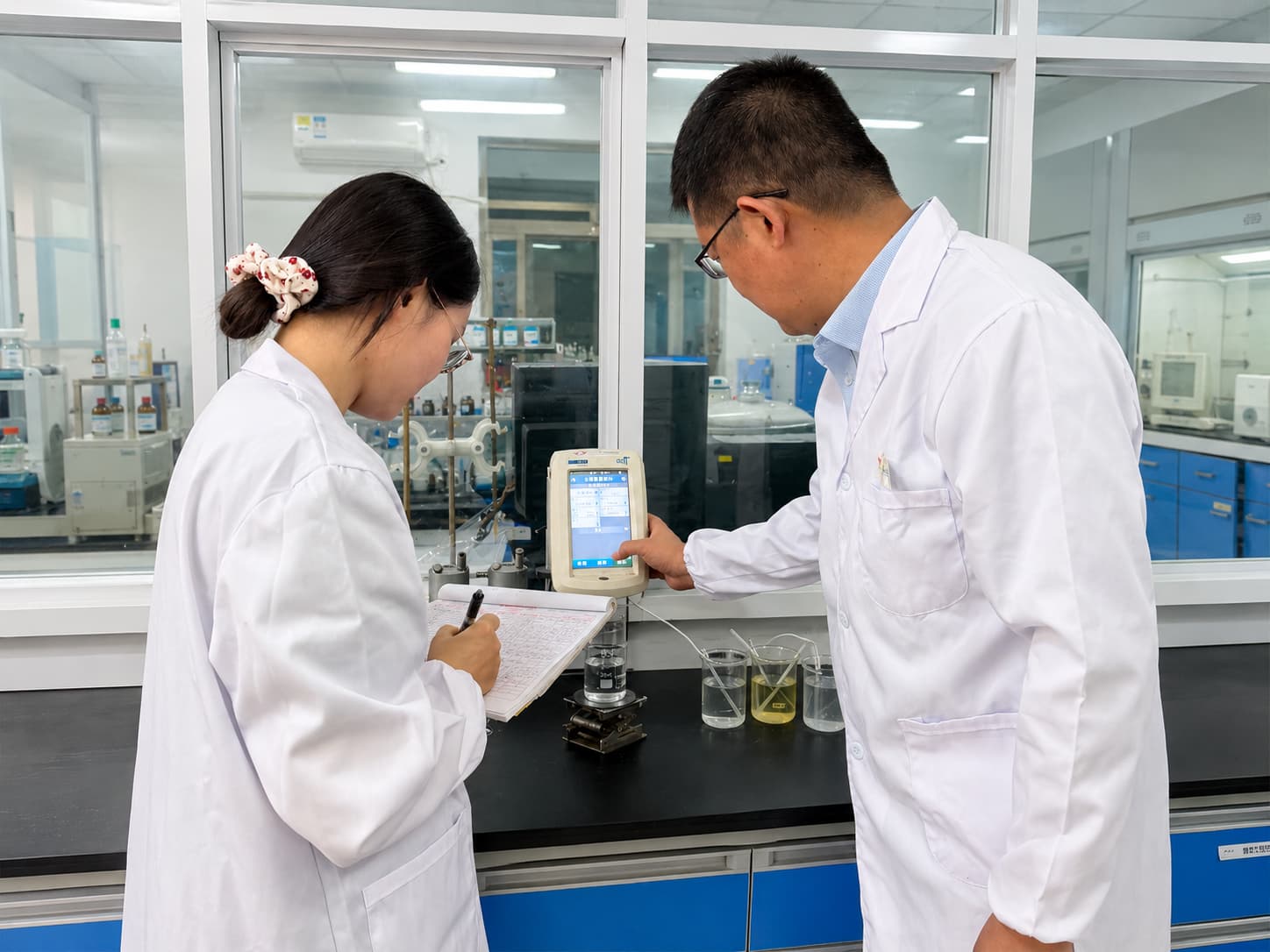
টেক্সটাইল প্রিন্টিংয়ের জন্য সোডিয়াম অ্যালজিনেটের বিশুদ্ধতা: স্পেসিফিকেশন, পরীক্ষার পদ্ধতি এবং ক্রেতা যাচাই
সোডিয়াম অ্যালজিনেটের বিশুদ্ধতার স্পেসিফিকেশন একক কোনো সংখ্যায় সীমাবদ্ধ নয়। এই গাইডে ব্যাখ্যা করা হয়েছে সক্রিয় উপাদান, NaCl, অদ্রবণীয় পদার্থ এবং ভারী ধাতুর তথ্য টেক্সটাইল প্রিন্টিং পেস্টের কর্মক্ষমতার জন্য কী অর্থ বহন করে — এবং কখন স্ট্যান্ডার্ড ইন্ডাস্ট্রিয়াল গ্রেডের তুলনায় উচ্চতর বিশুদ্ধতা নির্দিষ্ট করা মূল্যবান।.
টেক্সটাইল প্রিন্টিংয়ে সোডিয়াম অ্যালজিনেটের সান্দ্রতা স্থিতিশীলতা: কারণ, ব্যবস্থাপনা এবং গ্রেড নির্বাচন
সোডিয়াম অ্যালজিনেট প্রিন্টিং পেষ্টে সান্দ্রতার অস্থিরতা হল প্রতিক্রিয়াশীল রঞ্জক প্রিন্টিংয়ে রঙের পরিবর্তন এবং প্রিন্ট ত্রুটির অন্যতম প্রধান কারণ। এই গাইডে ব্যাখ্যা করা হয়েছে কেন উৎপাদনের সময় সান্দ্রতা পরিবর্তিত হয়, কোন কোন কারণ অস্থিরতা সৃষ্টি করে, এবং কীভাবে আপনার প্রক্রিয়ার শর্ত অনুযায়ী আরও স্থিতিশীল গ্রেড নির্বাচন করবেন।.

Sodium Alginate for Reactive Screen Printing: Paste Preparation and Troubleshooting
সোডিয়াম অ্যালজিনেট ব্যবহার করে প্রতিক্রিয়াশীল রঞ্জক স্ক্রিন প্রিন্টিংয়ের জন্য সঠিক পেষ্ট ফর্মুলেশন, সান্দ্রতা নিয়ন্ত্রণ এবং বাষ্পায়ন শর্ত প্রয়োজন। এই গাইডে সমতল ও ঘূর্ণায়মান স্ক্রিনের পেষ্টের প্রয়োজনীয়তা, ক্ষারীয় সময়কাল, সাধারণ উৎপাদন ত্রুটি এবং পেষ্ট-সংক্রান্ত কারণ নির্ণয়ের পদ্ধতি বর্ণনা করা হয়েছে।.
