Cara Mengurangi Biaya Tanpa Mengorbankan Kualitas dalam Kimia Pencetakan Tekstil
Reducing textile printing chemical costs does not mean buying the cheapest raw materials. Sustainable savings...
Textile printing manufacturers face constant pressure to control production costs while maintaining print definition, color consistency, machine efficiency and finished-fabric quality. Chemical purchasing is an obvious place to look for savings, but focusing only on price per kilogram can create expensive problems elsewhere in the process.
A lower-priced thickener may require a higher dosage. A cheaper auxiliary may destabilize the printing paste. A formulation that reduces chemical cost may increase screen cleaning, downtime, washing requirements or rejected fabric.
For this reason, cost reduction in textile printing chemistry should be measured by total cost in use rather than by raw-material price alone. The objective is to produce acceptable printed fabric with the most efficient combination of chemistry, preparation, machine operation and quality control.
This guide explains practical ways to reduce textile printing costs without compromising the quality requirements that determine whether the finished fabric is commercially acceptable.
Why the Cheapest Chemical Is Not Always the Lowest-Cost Choice
Textile printing chemistry should be evaluated as part of the complete manufacturing process. The purchase price of a thickener, dye auxiliary or printing-paste component represents only one part of its economic impact.
Biaya bahan baku
The first cost is the delivered price of the chemical multiplied by the amount actually consumed.
Biaya persiapan
Mixing time, hydration, heating or cooling, labor, filtration and equipment cleaning can all add cost before printing begins.
Biaya mesin
Poor paste transfer, difficult pumping, screen blockage or repeated cleaning can reduce productive machine time.
Biaya kualitas
Poor definition, uneven color, excessive penetration, difficult wash-off or unacceptable fabric handle can create rework or rejected production.
Supply-chain cost
Freight, packaging, inventory, emergency purchasing and inconsistent batches can also influence the real cost of a chemical.
A technically efficient product with a slightly higher unit price can therefore produce a lower total cost than a cheaper product that creates losses elsewhere.
1. Establish Your Current Cost and Quality Baseline
Cost optimization should begin with the current approved production process. Without a baseline, it is difficult to determine whether a new chemical or formulation actually saves money.
Record the current chemical formula
Thickener type and dosage
Dye or pigment concentration
Salt and alkali where applicable
Binder and crosslinker where applicable
Humectants and wetting agents
Defoamer and other auxiliaries
Total batch size
Record current production performance
Paste preparation time
Normal holding time
Filtration frequency
Screen or machine cleaning frequency
Printing speed
Paste remaining after production
Typical rework or rejection causes
Define the quality that must be protected
Cost reduction is useful only when the candidate system continues to meet the required print definition, color uniformity, penetration, fixation, wash-off, handle and other customer specifications.
The existing successful process should therefore become the reference against which every cost-saving trial is evaluated.
2. Select the Right Thickener Route First
Thickener selection can have a major influence on both chemical cost and production efficiency. The lowest-priced polymer is not necessarily the correct polymer for the printing chemistry.
Natrium Alginat
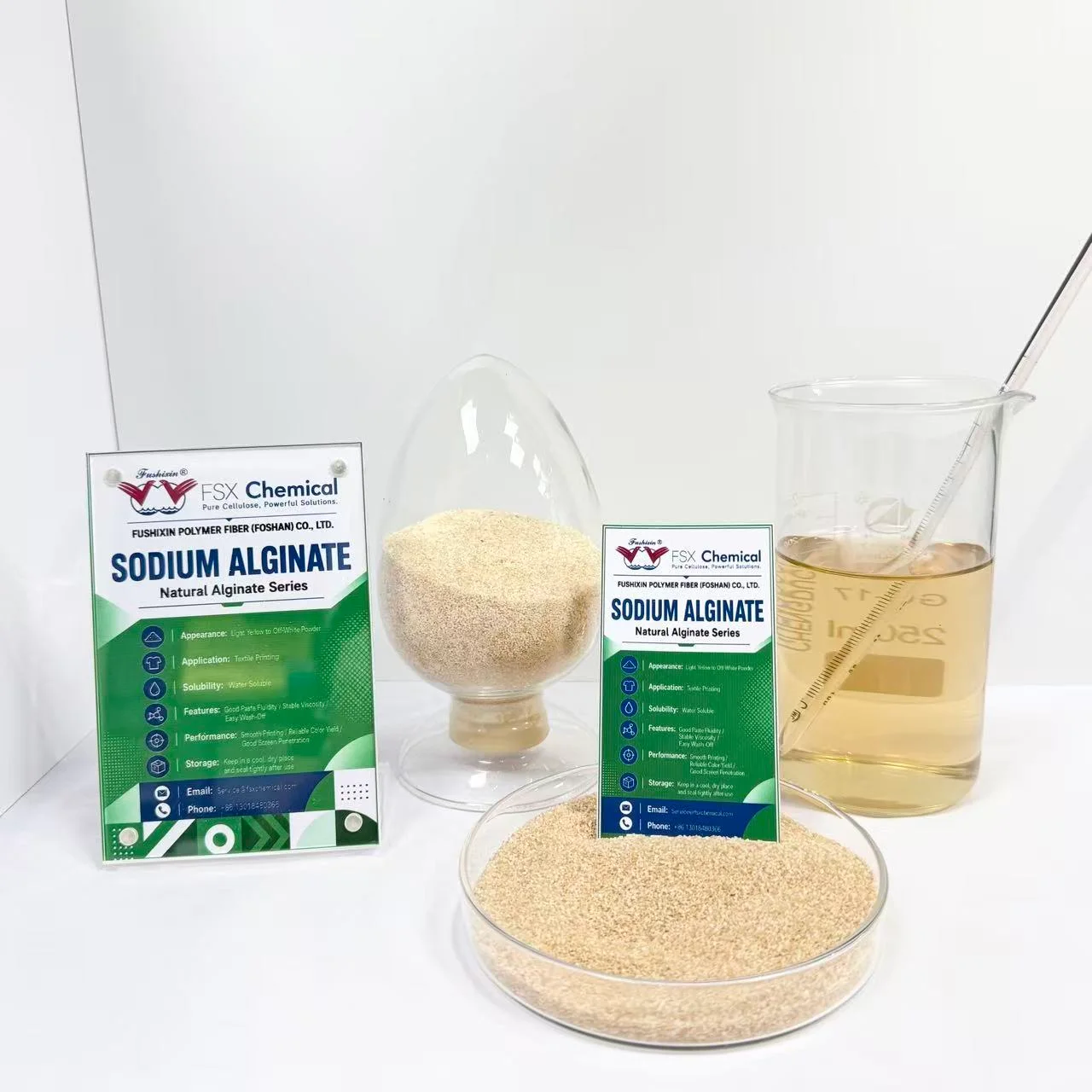
Sodium alginat is a common starting route for conventional reactive dye printing on suitable cellulosic textiles. Grade selection should consider viscosity, rheology, filtration, definition and wash-off.
CMC
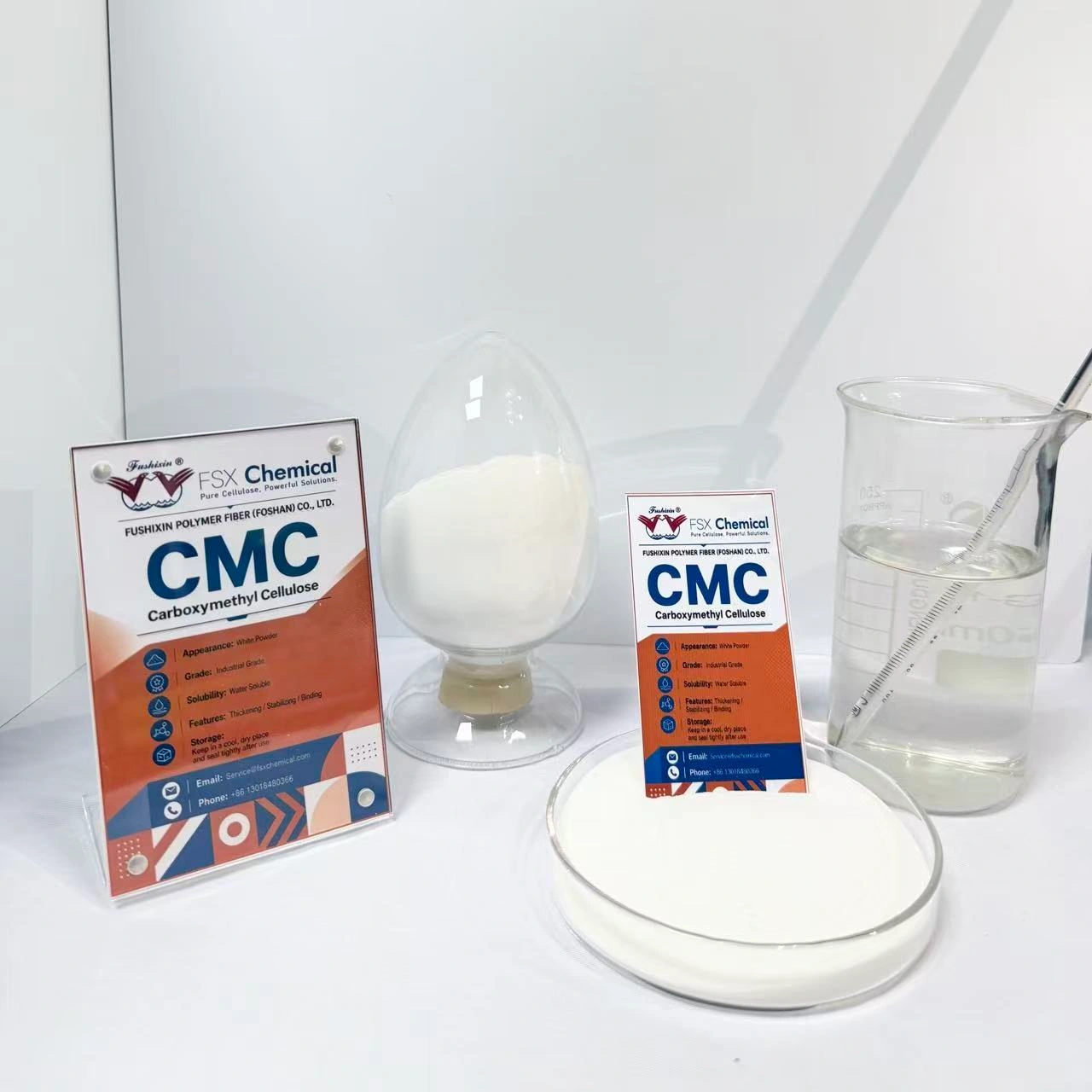
Karboksimetil Selulosa can be evaluated for selected textile printing, viscosity-control and compound-thickener formulations according to grade characteristics and chemical compatibility.
CMS
Pati Karboksimetil can be evaluated in selected disperse, compound and other textile formulations when rheology and total cost in use are important.
Pasta Cetak Digital
Pasta cetak digital should be selected according to the ink route, fabric and pretreatment process rather than by transferring a conventional screen-printing formulation directly.
Choosing the appropriate polymer family first prevents costly attempts to force an unsuitable thickener to perform through additional chemicals or excessive dosage.
3. Optimize Effective Dosage Instead of Price per Kilogram
One of the most common purchasing mistakes is comparing two thickeners by price per kilogram without comparing the concentration required in the actual printing paste.
Compare at equal concentration first
A baseline comparison at the same concentration can reveal differences in viscosity development, hydration, filtration and rheology.
Then optimize each candidate independently
Once both products are technically understood, adjust the concentration of each candidate gradually to determine its practical operating window.
Do not optimize to viscosity alone
The lowest dosage that reaches a viscosity target may not provide the required structural recovery, transfer, stability or print definition.
Calculate chemical cost at the approved dosage
Commercial comparison should use the optimized production dosage rather than an arbitrary laboratory concentration.
4. Standardize Viscosity Before Comparing Products
Incorrect viscosity comparison can lead directly to incorrect cost calculations.
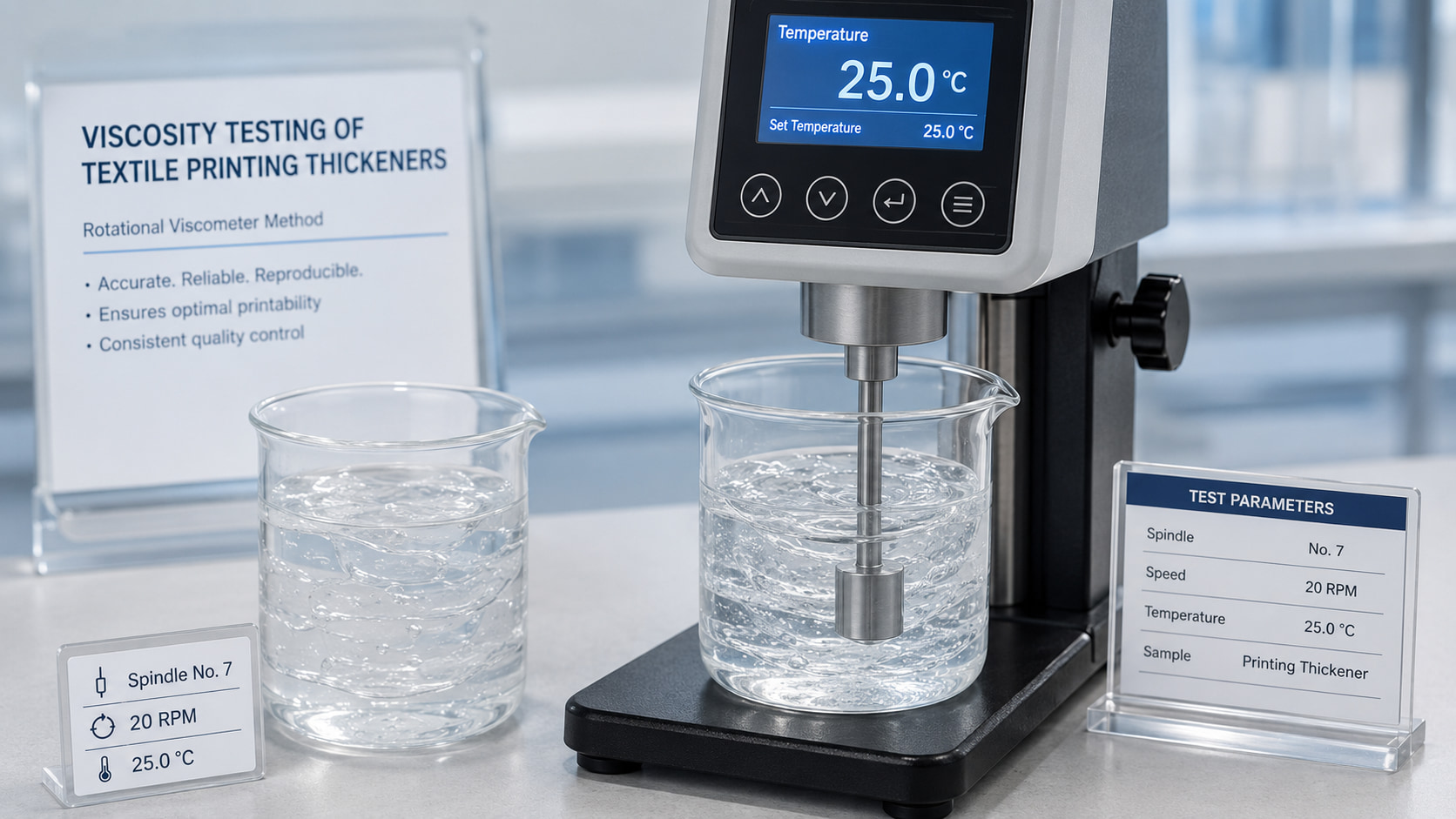
A viscosity specification should always be connected to a complete test method.
Rekor
Sample concentration
Sumber air
Preparation procedure
Waktu pencampuran
Hidrasi atau waktu istirahat
Suhu pengukuran
Viskosimeter
Poros atau rotor
Kecepatan putaran
Waktu membaca
Satuan yang dilaporkan
A candidate that appears to have twice the viscosity of another product may not actually have twice the thickening efficiency if the supplier specifications were generated under different methods.
Cost optimization should therefore be based on side-by-side testing under identical conditions.
5. Use Rheology to Protect Printing Performance
Reducing thickener dosage too aggressively can produce a paste that reaches an acceptable laboratory viscosity but behaves poorly on the printing machine.
During storage
The paste needs sufficient structure to remain physically stable.
During pumping and printing
The paste should flow efficiently under shear without creating excessive resistance.
After transfer to the fabric
Structural recovery can help control unwanted lateral spreading and penetration.
When possible, compare viscosity at several shear conditions or connect routine viscosity data with actual screen and fabric trials.
Cost reduction that destroys the required rheological balance is usually false economy.
6. Improve Dispersion and Hydration Efficiency
Poor preparation wastes both chemicals and production time.
Control powder addition
Rapid addition of powdered polymer into weak circulation can create lumps or partially hydrated material.
Use an appropriate mixing procedure
Record mixer type, batch size, addition time, mixing speed and total hydration period.
Avoid unnecessary overmixing
Longer mixing does not automatically improve paste quality. Excessive mixing can introduce air, generate heat and consume additional energy.
Allow complete hydration before correction
Adding more thickener because an incompletely hydrated batch appears thin can result in excessive final viscosity after hydration continues.
Standardization reduces operator variation
A repeatable preparation SOP reduces the number of manual corrections and makes lower-cost formulations easier to control.
7. Eliminate Unnecessary Formulation Cost
Printing formulations often develop gradually over time. Additional auxiliaries may be introduced to solve temporary problems and remain in the recipe even after the original cause has disappeared.
Review the role of every component
Each chemical should have a defined function and a justified dosage.
Use controlled reduction trials
Reduce one component at a time while monitoring paste properties, printing behavior and final fabric.
Do not remove chemicals simply because they are expensive
A small quantity of a higher-cost auxiliary may prevent a much larger quality or processing loss.
Do not change several ingredients simultaneously
Multiple changes make it difficult to determine which adjustment produced an improvement or failure.
Formula simplification should therefore be evidence-based rather than price-based.
8. Reduce Filtration, Cleaning and Downtime Costs
Filtration and machine cleaning are frequently overlooked when chemical costs are calculated.
Poorly hydrated material can become waste
Lumps and gels retained by filters represent purchased polymer that never reaches the fabric.
Filter loading increases labor
Frequent filter changes or screen cleaning consume operator time and can interrupt production.
Identify the source of residue
Residue can come from incomplete hydration, polymer gel, chemical precipitation, fibre contamination or equipment cleanliness.
Test stock and complete paste separately
If the stock thickener filters well but residue appears after other chemicals are added, formulation compatibility should be investigated.
A product with better practical filtration at the approved dosage may justify a higher purchase price if it reduces waste and downtime.
9. Improve Paste Holding Stability
Printing paste that changes significantly during normal production holding can create both chemical waste and quality variation.
Monitor over realistic time periods
Test viscosity, pH, appearance, filtration and physical stability at relevant production checkpoints.
Control evaporation
Open containers or tanks can lose water and increase effective solids, creating apparent viscosity drift.
Control temperature
Temperature differences can influence viscosity and lead operators to make unnecessary corrections.
Print both fresh and held paste
A small numerical change may be acceptable if printing performance remains stable, while a similar numerical change may be important if it changes transfer or definition.
10. Reduce Paste Waste and Overproduction
Unused paste is a direct cost because it contains not only thickener but also dyes, pigments and other auxiliaries.
Improve batch-size planning
Use historical consumption data to reduce systematic overproduction of color paste.
Track remaining paste
Measure leftover material by color, machine or production order instead of treating it as an unavoidable loss.
Improve formula repeatability
Stable recipes and controlled preparation reduce the need to discard off-specification batches.
Reduce correction loops
Repeated additions of water, thickener or auxiliaries increase batch volume and make the final formulation harder to control.
11. Reduce Rework and Rejected Fabric
The most expensive chemical problem is often not the chemical itself but the fabric that must be reprocessed or rejected.
Common chemistry-related defects can include
Poor print definition
Pendarahan berlebihan
Broken fine lines
Uneven solid colors
Penetrasi yang berlebihan
Fiksasi yang buruk
Sulit dibersihkan
Unacceptable fabric handle
Use a standard diagnostic print pattern
Fine lines, small text, sharp corners and large dark areas help reveal differences between candidate formulations.
Evaluate after complete processing
A formulation that looks excellent immediately after printing may not remain superior after fixation, washing or curing.
Cost-saving decisions should therefore be based on acceptable finished fabric rather than wet-print appearance.
12. Consider Fixation and Post-Treatment Costs
Chemical optimization should include the stages after printing.
Pencetakan reaktif
Fixation and wash-off performance can influence water, energy, time and final fabric quality.
Pencetakan dispersi
Thermal processing, cleaning and surface residue should be included in the economic comparison.
Pencetakan pigmen
Binder level, curing efficiency and final handle are important because an apparently cheaper formula may require additional correction or finishing.
Digital printing
Pretreatment pickup, drying and fixation or curing should be considered together rather than optimizing pretreatment chemical price independently.
13. Evaluate Compound Thickeners Strategically
Cost optimization does not always require replacing one thickener with a cheaper polymer. In some applications, combining polymers can provide a more useful balance of viscosity, rheology and cost.
Define the role of each component
One polymer may provide base viscosity while another improves shear-thinning behavior, stability, filtration or structural recovery.
Build a controlled formulation matrix
Change blend ratios step by step while keeping other variables constant.
Track total solids
Reducing one expensive polymer is not a real saving if total polymer solids rise substantially elsewhere in the formula.
Test the full printing process
Compound systems should be evaluated for preparation, storage, machine behavior, final print quality and post-treatment.
The preferred blend is the one that achieves the required quality at the most practical total cost, not necessarily the blend containing the highest percentage of the cheapest component.
14. Use Batch Consistency as a Cost-Control Tool
Batch consistency has direct economic value. A product that requires repeated recipe correction increases laboratory, production and quality costs even when its purchase price is attractive.
Routine incoming control can include
Identitas kelas komersial
Batch number
Penampilan
Viscosity under the agreed method
Moisture or solids where relevant
nilai pH jika berlaku
Filtration or hydration where important
Use the same method over time
Changing laboratory methods creates apparent variation that can result in unnecessary production corrections.
Monitor trends
Historical batch data can help detect gradual movement before it becomes a production problem.
15. Qualify Alternative Suppliers Without Increasing Risk
Supplier competition can create valuable commercial flexibility, but a new source should not be selected from quotation price alone.
Use the current product as the benchmark
Compare the existing approved grade with the candidate under identical laboratory conditions.
Request technical documents
Review the candidate TDS, relevant specification, viscosity method and available batch documentation.
Test a representative sample
Complete both basic laboratory testing and a real printing trial.
Optimize before calculating cost
Determine the practical dosage and formula of the candidate before comparing commercial economics.
Verify the first commercial batch
The first bulk shipment should be compared with the approved sample before routine conversion.
An alternative supplier can also be maintained as a qualified backup source even when the current supplier remains in use.
Cost Optimization by Printing Route
Rute Pencetakan
Cost Optimization Focus
Quality That Must Be Protected
Pencetakan Reaktif
Thickener dosage, paste preparation, fixation and wash-off
Definition, color response, fixation and clean fabric handle
Pencetakan Dispersi
Thickener route, paste stability, transfer and thermal process
Levelness, definition, fixation and polyester surface quality
Pencetakan Pigmen
Thickener-binder balance, solids and curing efficiency
Definition, rubbing performance and fabric handle
Pencetakan Digital Reaktif
Pretreatment dosage, pickup, drying and wash-off
Ink control, color performance, definition and handle
Pencetakan Digital Disperse
Pretreatment efficiency, filtration and thermal processing
Uniformity, definition and stable color development
Compound Thickener Systems
Polymer ratio, total solids and effective dosage
Rheology, stability, machine performance and finished fabric
Each route requires its own optimization because the chemical and processing conditions are different.
Cara Menghitung Total Biaya Penggunaan
A practical cost comparison should calculate the cost required to produce an acceptable unit of finished textile rather than the price of one chemical in isolation.
Cost Area
Apa yang Harus Direkam
Mengapa Hal Ini Penting
Chemical Purchase
Delivered price and actual dosage
Establishes true formulation material cost
Persiapan
Mixing, hydration, energy and labor
Shows cost before printing begins
Penyaringan
Filter use, residue and cleaning
Identifies hidden material and labor loss
Mesin
Speed, downtime and cleaning frequency
Connects chemistry with productivity
Paste Waste
Unused and off-specification paste
Measures chemistry purchased but not converted into saleable fabric
Pasca-Perawatan
Water, heat, washing, curing and processing time
Captures downstream cost
Quality Loss
Rework, rejected fabric and claims
Protects against false raw-material savings
Supply Chain
Freight, packaging, inventory and emergency purchasing
Shows delivered and continuity cost
Only products that meet the required final quality should proceed to the final cost comparison.
Record the existing formulation, product grades, dosage, test methods and production settings.
Step 2: Define the cost objective
Identify whether the main target is lower thickener cost, lower total chemical cost, faster preparation, less waste, improved productivity or lower post-treatment cost.
Step 3: Select one variable to optimize
Change one product, dosage or formulation component at a time.
Step 4: Compare laboratory properties
Dispersion
Hidrasi
Viskositas
Reologi
pH
Penyaringan
Menjaga stabilitas
Step 5: Prepare the complete printing paste
Use the actual dyes, pigments and auxiliaries rather than testing the thickener only in water.
Step 6: Print the same fabric
Keep fabric lot, design, machine and application conditions as consistent as possible.
Step 7: Complete the normal post-treatment
Evaluate fixation, washing, curing and final fabric handle.
Step 8: Optimize candidate dosage
Adjust the successful candidate gradually while monitoring the same quality criteria.
Langkah 9: Melakukan uji coba produksi dalam skala terbatas
Confirm that laboratory savings survive larger batch size, circulation, holding time and normal production speed.
Step 10: Calculate cost per acceptable production unit
Include material, processing, waste, downtime and quality-related costs.
Step 11: Verify the first commercial shipment
Confirm that the bulk grade corresponds to the product used in the successful trial.
Common Cost-Reduction Mistakes
Choosing the lowest price per kilogram
This ignores dosage, processing and quality losses.
Reducing thickener dosage before understanding rheology
The paste may reach an acceptable viscosity but lose transfer or definition.
Replacing one polymer weight for weight
Sodium alginate, CMC, CMS and synthetic thickeners do not necessarily have equivalent thickening efficiency or application behavior.
Adding water to reduce chemical consumption
Uncontrolled dilution changes the concentration of the entire printing formulation and may reduce color or fixation performance.
Changing several chemicals at once
The source of improvement or failure becomes difficult to identify.
Ignoring filtration and machine behavior
A laboratory saving can disappear through production downtime.
Ignoring post-treatment
Additional washing or curing requirements can offset savings made in the printing paste.
Calculating cost before optimizing dosage
Candidate products should be compared at their practical approved dosage, not at arbitrary equal weights.
Approving a laboratory sample without bulk verification
The sample-to-bulk transition should remain part of the economic and technical evaluation.
How FSX Chemical Supports Cost Optimization
FSX Chemical provides CMC, CMS, sodium alginate, digital printing paste and related thickener routes for textile printing customers.
Cost optimization can begin with the customer’s existing product rather than selecting a lower-priced grade without a technical benchmark.
Melalui Sampel & Pencocokan Grade , buyers can provide their current TDS, physical sample, viscosity method, formulation and printing requirements for candidate-grade review📧 Email: Service@fsxchemical.com
Informasi yang berguna antara lain
Current product and commercial grade
TDS atau COA terkini
Physical reference sample
Current purchase or delivered cost where comparison is required
Dosis
Viskositas dan metode pengujian lengkap
Printing formula
Kain
Mesin cetak
Normal holding time
Current production problem
Estimated bulk requirement and destination
The comparison can focus on
Alternative thickener family
Candidate viscosity grade
Dosis yang efektif
Hydration and filtration
Stabilitas pasta
Kinerja pencetakan
Batch requirements
Total biaya operasional
A candidate product should not be considered a confirmed cost-saving solution until it has met the required application and finished-fabric standards.
Ketahui mengapa nilai viskositas pengental dalam pencetakan tekstil tidak dapat dibandingkan tanpa menyesuaikan konsentrasi, suhu, alat ukur, spindel, kecepatan, metode persiapan, dan waktu pengujian.
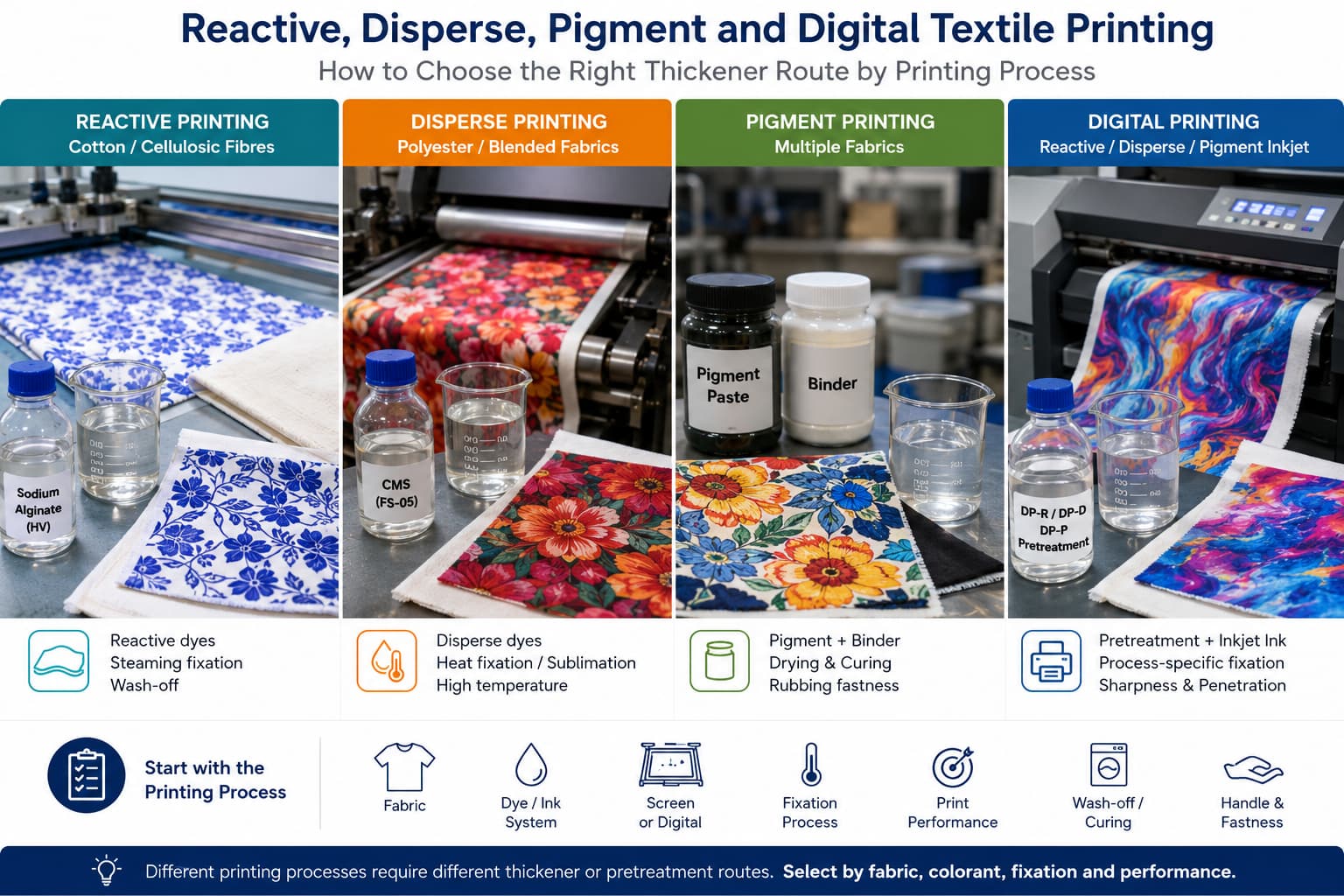
Pelajari cara memilih bahan pengental dan metode pra-perlakuan untuk pencetakan tekstil reaktif, disperse, pigmen, dan digital berdasarkan jenis kain, pewarna atau tinta, proses fiksasi, daya lepas saat pencucian, serta persyaratan kualitas cetakan.
Bandingkan CMC, CMS, natrium alginat, dan pasta cetak digital untuk pencetakan tekstil. Pelajari bagaimana masing-masing bahan tersebut sesuai dengan proses pencetakan reaktif, dispersi, pigmen, dan digital, serta hal-hal apa saja yang perlu diperhatikan pembeli sebelum melakukan pengujian sampel, penyesuaian kualitas, dan pembelian dalam jumlah besar.
Sodium alginat banyak digunakan dalam pencetakan tekstil sebagai pengental yang stabil dan tahan cuci untuk pasta cetak reaktif. Pelajari cara mengevaluasi tingkat viskositas, kemurnian, dan kesesuaian penggunaannya sebelum membeli, serta bagaimana FSX Chemical mendukung pembeli di seluruh dunia dengan data teknis dan sampel.
Karboximetil selulosa (CMC) banyak digunakan dalam proses pencetakan, pelapisan, dan pewarnaan tekstil. Panduan ini akan menjelaskan cara mengevaluasi jenis-jenis CMC, parameter mana yang paling penting, serta bagaimana FSX Chemical dapat mendukung keputusan pembelian.
Karboximetil selulosa digunakan sebagai pengental dan penstabil dalam tinta berbasis air, pencetakan gravure, serta pra-perlakuan pencetakan inkjet. Panduan ini membahas parameter utama setiap jenis produk serta pertimbangan dalam pemilihan pemasok bagi tim pengadaan.
Pasta cetak berbasis CMC digunakan dalam pencetakan tekstil pigmen, reaktif, dan digital. Panduan ini menjelaskan parameter apa saja yang penting, cara membandingkan pemasok, serta hal-hal yang perlu diminta sebelum melakukan pemesanan dalam jumlah besar.
Baik natrium alginat maupun CMC digunakan sebagai pengental dalam pencetakan tekstil, namun keduanya cocok untuk sistem pewarnaan dan kondisi proses yang berbeda. Panduan ini menjelaskan perbedaan utama di antara keduanya serta kapan masing-masing harus digunakan.
Pencetakan inkjet digital pada tekstil memiliki persyaratan pasta dan pra-perlakuan yang berbeda dibandingkan dengan pencetakan sablon. Panduan ini menjelaskan bagaimana natrium alginat digunakan dalam pencetakan tekstil digital serta parameter kualitas apa saja yang harus ditentukan oleh tim pengadaan.
CMC kelas pangan dan kelas industri memiliki struktur kimia dasar yang sama, namun berbeda secara signifikan dalam hal kemurnian, rentang DS, dan persyaratan regulasi. Panduan ini menjelaskan perbedaan-perbedaan utama tersebut serta mengapa penggunaan kelas yang salah dapat menimbulkan masalah dalam proses produksi.
Persiapan pasta yang tepat sama pentingnya dengan pemilihan kadar dalam pencetakan tekstil dengan pewarna reaktif. Panduan ini membahas metode pelarutan natrium alginat, kisaran konsentrasi sesuai dengan penggunaannya, kondisi penyimpanan, serta cara mengatasi masalah umum dalam persiapan.
Sodium alginat adalah polimer alami yang dapat terurai secara hayati, namun penggunaannya dalam pencetakan tekstil menghasilkan air limbah yang perlu dikelola. Panduan ini membahas profil lingkungan sodium alginat, karakteristik air limbah hasil pencucian, serta hal-hal yang perlu dipahami oleh tim pengadaan terkait pemilihan bahan pengental dan dampaknya terhadap lingkungan.
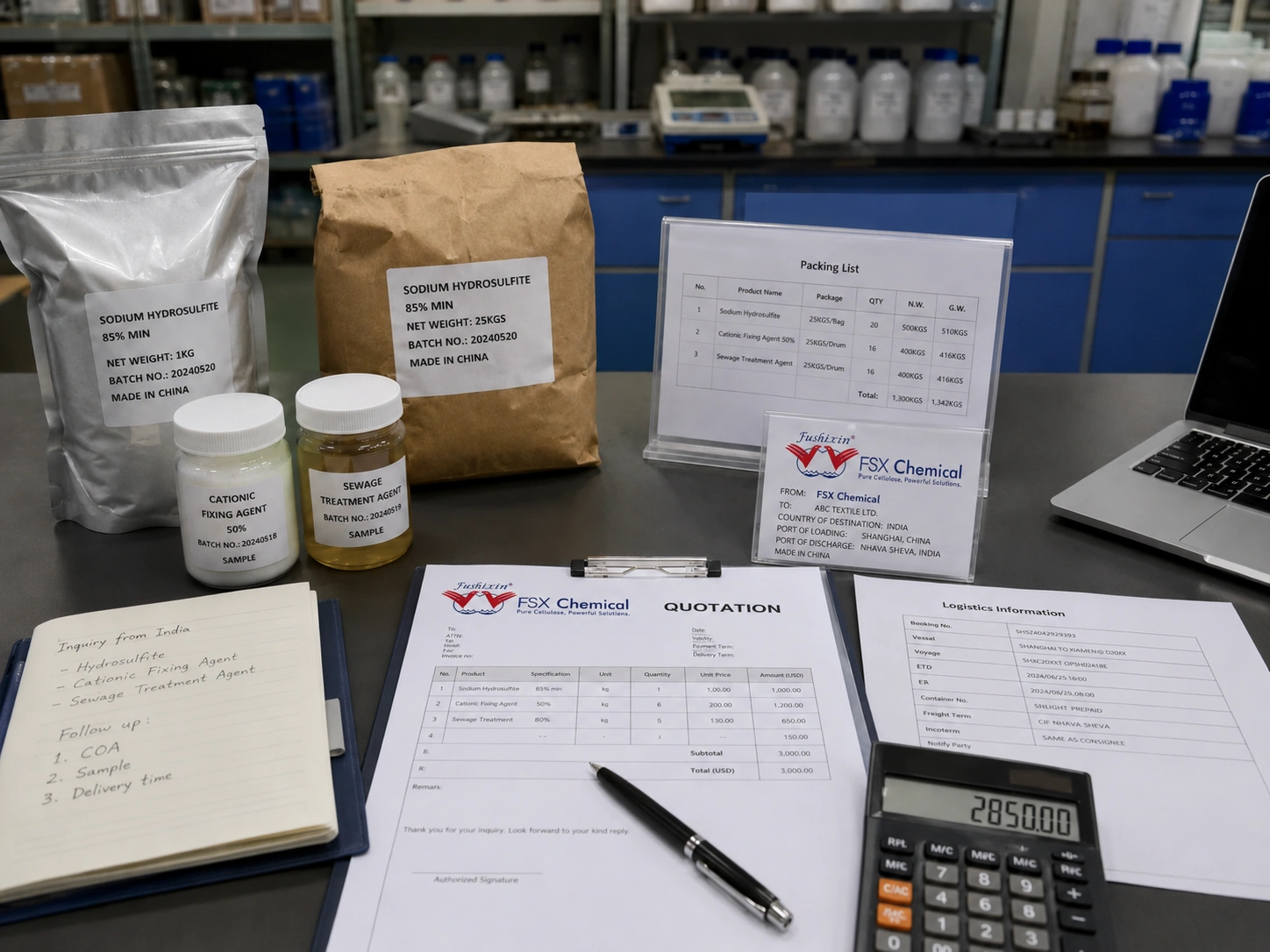
Berikan nama produk, kegunaan, jumlah, tujuan pengiriman, serta TDS,
foto sampel, atau dokumen lain yang sudah Anda miliki. FSX Chemical akan meninjau
informasi tersebut dan merekomendasikan langkah selanjutnya terkait penawaran harga, pencocokan sampel,
atau pemilihan produk.
Informasi ProdukNama produk, grade, model, foto label, atau referensi pemasok.
Dokumen yang TersediaTDS, SDS, COA, foto sampel, daftar produk, atau data pengujian.
Rincian PesananPerkiraan jumlah, kemasan, negara tujuan, pelabuhan, atau syarat perdagangan.
Aplikasi atau KendalaProses pencetakan tekstil, kebutuhan formulasi, masalah terkini, atau target kinerja.