| Selection point | Flat-screen priority | Rotary-screen priority |
|---|---|---|
| Paste transfer | Controlled penetration during intermittent squeegee strokes | Stable transfer under continuous high-shear operation |
| რეოლოგია | Clean release and edge definition for the selected design | Shear thinning, recovery and circulation stability |
| Filtration and screen passage | No particles or residue that disturb fine areas | Low residue and stable passage during long runs |
| Holding behavior | Repeatability across tables, colors and pauses | Viscosity control through tanks, pumps, pipes and screens |
| Approval test | Print trial on the actual fabric, screen and squeegee settings | Pilot run at intended speed, circulation and production duration |
Sodium Alginate Paste Formulation for Reactive Dye Screen Printing
Core Components of a Reactive Dye Printing Paste
A standard reactive dye printing paste for screen printing on cotton contains the following core components:
- ნატრიუმის ალგინატი — the primary thickener, controlling paste viscosity and rheology
- Reactive dye — dissolved in the paste at the concentration required for the target color depth
- Alkali — typically sodium carbonate (soda ash) or sodium bicarbonate, required to raise paste pH for reactive dye fixation during steaming
- შარდოვანა — a hygroscopic agent that retains moisture during steaming to support dye dissolution and fixation
- Anti-reducing agent — such as sodium m-nitrobenzenesulphonate, used to prevent reduction of certain reactive dyes during steaming
- წყალი — the solvent medium; water quality (hardness, ionic content) affects paste performance
The proportions of each component depend on the dye class, target color depth, fabric type, and steaming conditions. There is no single universal formula — paste recipes are typically developed for specific dye classes and adjusted based on production experience.
Sodium Alginate Concentration and Viscosity Target
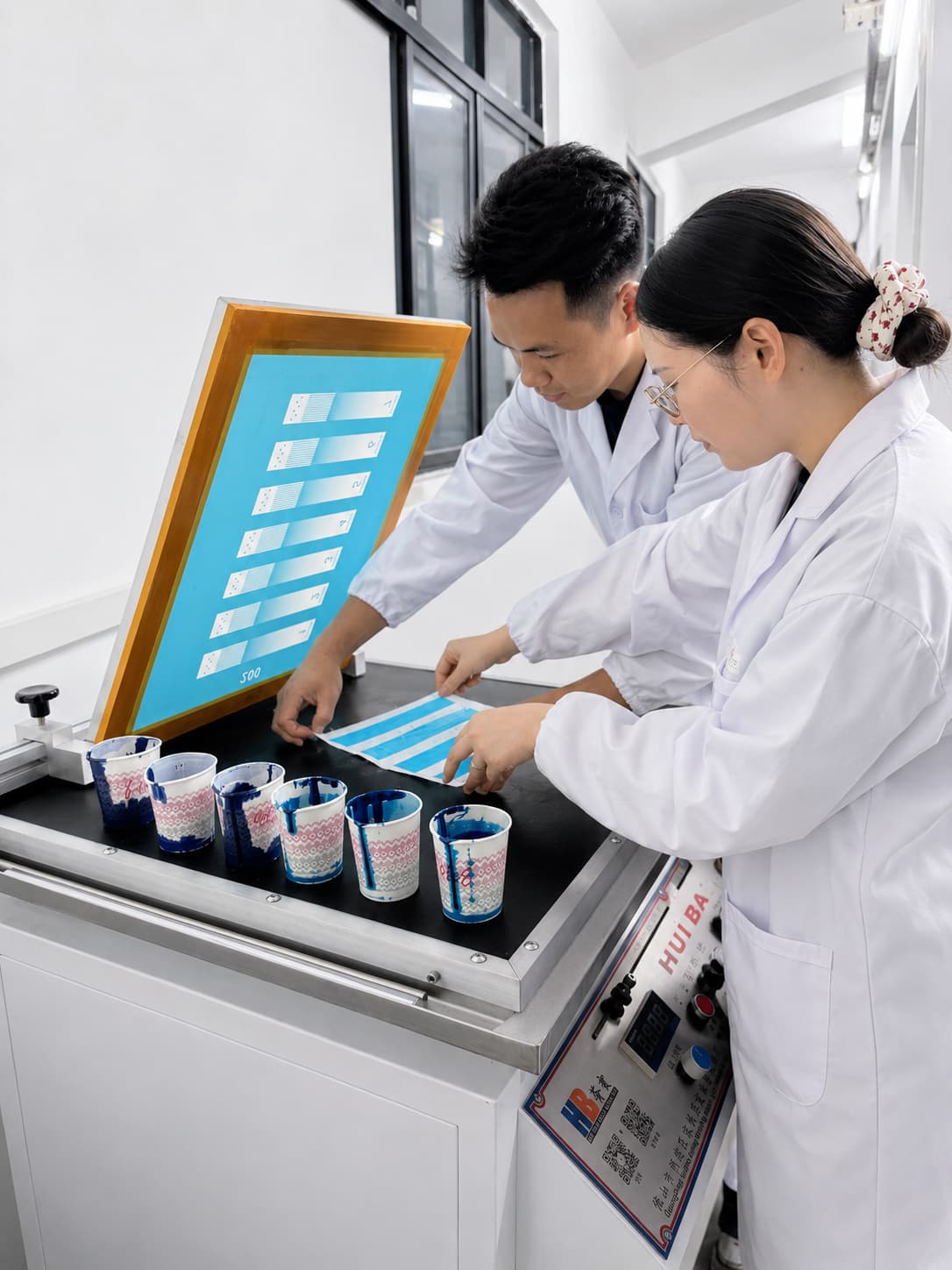
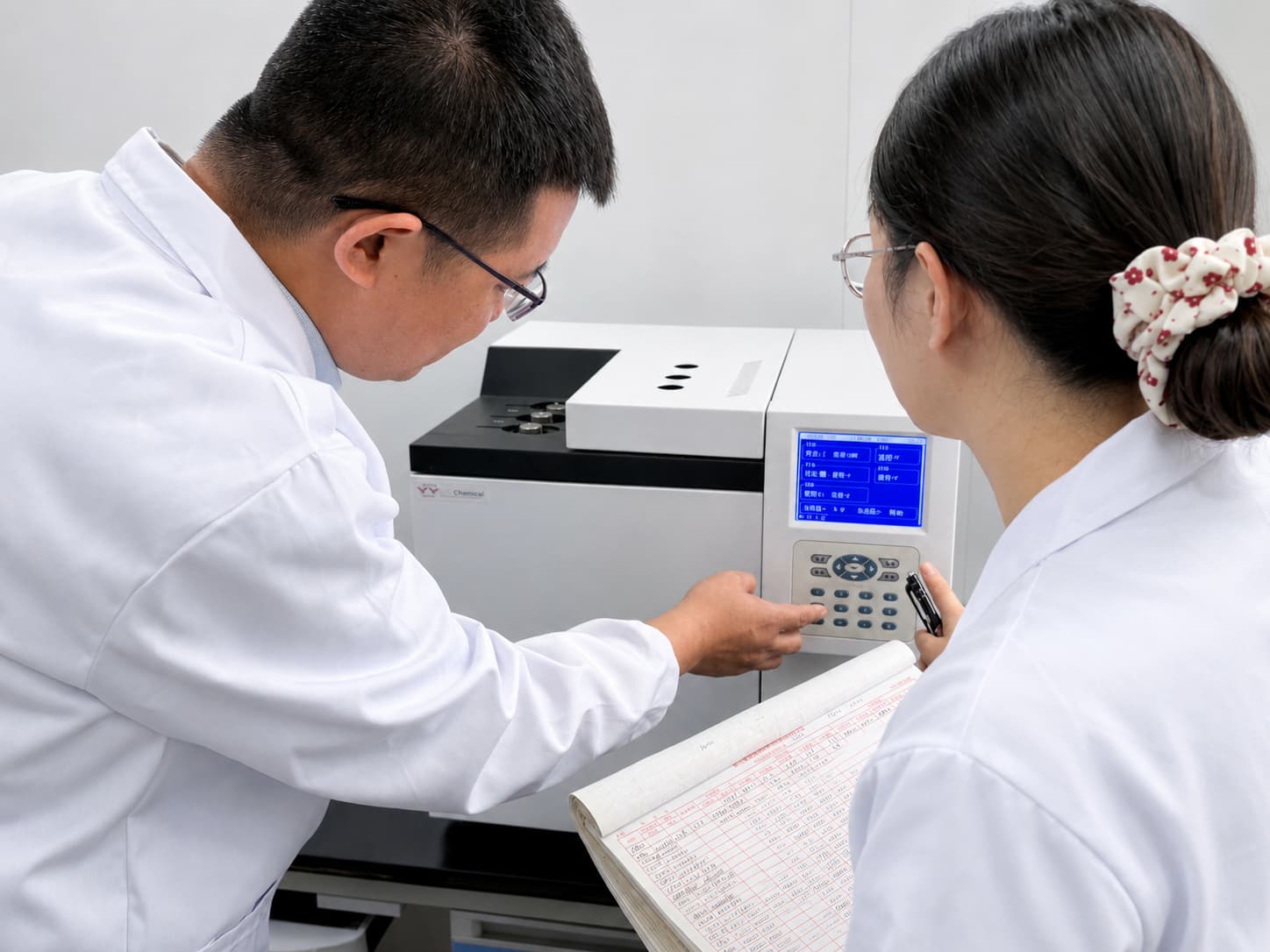
Do not specify a target viscosity without the concentration, temperature, preparation, hydration time, instrument, spindle, speed and reading time. Flat and rotary screens also impose different shear, transfer and circulation conditions, so compare complete-paste performance rather than relying on a generic mPa·s range.
Prepare and fully hydrate the sodium alginate stock paste before evaluating the complete formulation. After alkali is added, define and test the permitted holding time under the mill’s actual temperature and storage conditions because viscosity and dye stability can change with pH, time and heat.
Alkali Selection and Timing
Select alkali from the dye supplier’s approved printing route. Carbonate and bicarbonate differ in alkalinity and behavior during heating; pH alone does not predict fixation or usable paste life. Confirm dye identity, alkali dose on a stated mass basis, paste temperature and holding time. Avoid treating a generic g/L range as a production recipe or assuming that any viscosity loss proves polymer degradation.
In a two-phase reactive printing route, alkali is introduced separately from the color paste according to the approved process. Separating reactive dye and alkali before use can reduce premature dye hydrolysis, but the permitted paste holding time still requires validation. Record the actual application sequence rather than treating all two-phase processes as interchangeable.
Add alkali at the stage specified in the validated recipe. Establish the maximum holding time by testing fresh and held paste at actual tank temperatures, then comparing finished prints after the same fixation and washing sequence. A shift boundary is an administrative interval, not a universal chemical expiry time.
Flat Screen vs. Rotary Screen Printing: Paste Requirements
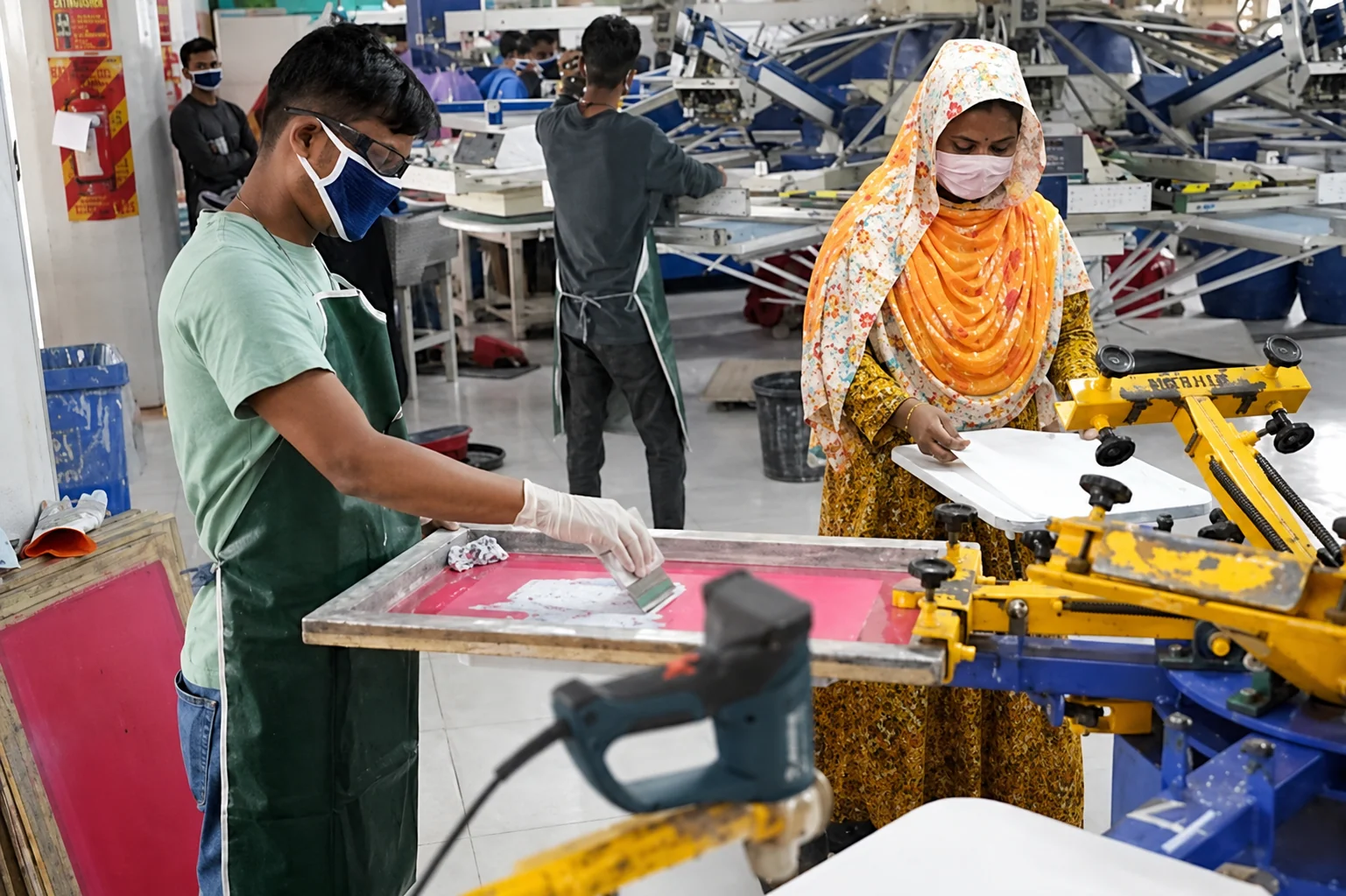
ბრტყელი ეკრანით ბეჭდვა
Flat-screen paste must transfer under the chosen squeegee conditions and retain the required edges after the stroke. Select grade and concentration from the fabric, design, screen and complete-paste trial. A low-speed machine does not by itself establish a lower concentration or a particular viscosity grade.
If paste dries between strokes, examine exposed residence time, airflow, humidity, fabric and screen temperature, and water or humectant balance. Compare covered and exposed samples at the same temperature. A higher viscosity reading alone does not establish that surface drying is faster.
როტაციული სკრინპრინტი
During rotary printing, record complete-paste viscosity, temperature, tank level and age through the run, together with shade and deposited paste. Do not infer a required 4–6% concentration or higher-viscosity grade from machine type alone. Validate circulation and transfer at the intended screen, speed and run duration.
Rotary screen paste systems are often enclosed or covered to reduce evaporation and viscosity change due to water loss during the run. If viscosity is increasing during a run without other explanation, check whether evaporation is occurring in the paste feed system.
Common Screen Printing Problems and Paste-Related Causes
Color Bleeding and Pattern Edge Sharpness
Color bleeding — where color spreads beyond the intended pattern boundary — is one of the most common defects in reactive dye screen printing and is frequently related to paste viscosity. Paste that is too fluid does not hold the dye in place after transfer to the fabric; the dye migrates laterally before fixation, creating soft or blurred pattern edges.
If bleeding occurs, compare the current paste with a retained approved reference at the same temperature, preparation age and measurement settings. For a lower reading, investigate dilution, incomplete hydration, temperature, formulation changes and time-dependent effects. Evaporation normally concentrates a paste and can increase its viscosity; it is not a routine explanation for thinning. If rheology is unchanged, check fabric absorbency, deposited amount, screen and squeegee settings.
Screen Blockage
Screen blockage — paste drying in or on the screen mesh and preventing clean transfer — can result from paste with excessive viscosity, paste that contains undissolved particles, paste that dries too quickly at the mesh surface, or inadequate cleaning between runs.
Inspect retained material from both the stock and complete paste. Record filter opening, area, pressure or gravity head, sample mass and paste age. Separate incompletely hydrated particles from contamination or chemical gels before changing the preparation procedure; longer mixing will not necessarily remove every type of residue.
For blockage caused by surface drying, check whether paste viscosity is higher than needed, whether ambient humidity is very low, or whether print speed is slow enough that paste is sitting on the mesh surface for extended periods between strokes.
Uneven Color Depth Across the Fabric Width
Across-width shade variation may arise from transfer, fabric preparation, drying, steaming or washing. First map the defect against position across the width and compare wet deposit before fixation with final shade after washing. This helps identify the stage at which the variation appears.
Paste Transfer Inconsistency Between Early and Late Prints
If shade changes along a run, trend paste temperature, age, rheology and deposited amount alongside fabric lot, machine conditions and fixation records. A viscosity change is one hypothesis, not proof of the cause. Compare retained early and late paste under one measurement method and reproduce the print with controlled downstream processing.
If viscosity is dropping during the run, refer to the viscosity stability guidance and investigate temperature, mechanical shear, and alkali degradation as potential causes. If viscosity is increasing, check for evaporation from the paste system.
Post-Printing Process: Drying, Steaming, and Washing-Off
Intermediate Drying Before Steaming
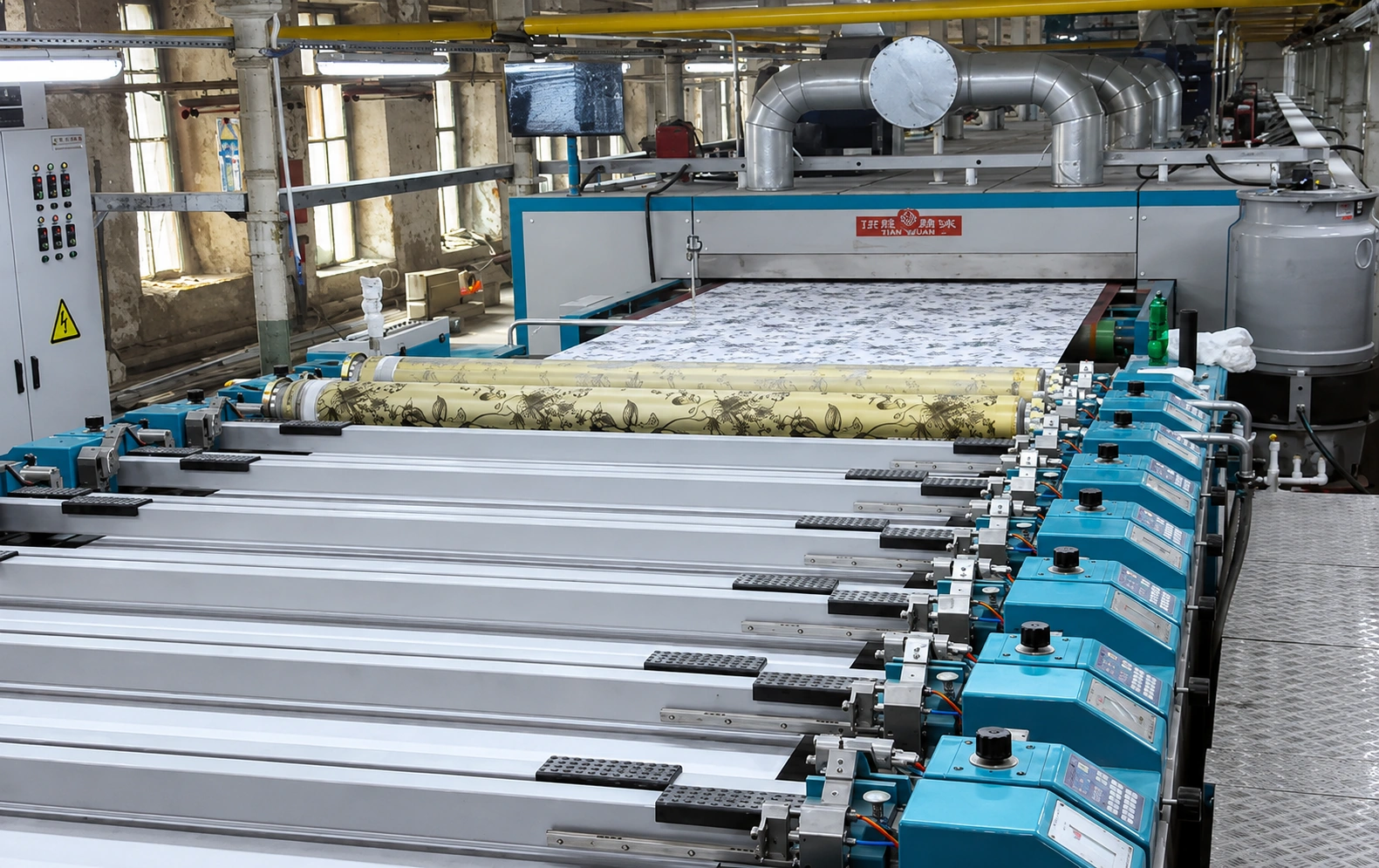
After printing, the fabric is typically dried before entering the steamer. Intermediate drying removes surface moisture from the paste film and prevents dye migration during the early part of the steaming process. However, over-drying — removing too much moisture from the paste film — reduces the moisture available for dye fixation during steaming and can lower fixation rate.
The appropriate drying conditions depend on the paste formulation (particularly urea content, which retains moisture), the steamer type, and the dye class. Confirm drying temperature and time with reference to your paste formulation and steaming system. If fixation rate is lower than expected and steaming conditions are correct, check whether intermediate drying is removing too much moisture before steaming begins.
Steaming for Reactive Dye Fixation
Use the fixation conditions approved for the specific reactive dye and fabric. Many conventional routes use moist steam near atmospheric conditions, but an 8–12 minute, 100–102°C setting is not a universal requirement. Record actual fabric residence, chamber conditions and steam distribution; the control-panel temperature alone does not establish the moisture available to the print.
If fixation rate is consistently lower than expected despite correct steaming time and temperature, check steam saturation in the steamer — unsaturated or superheated steam dries the paste film rather than maintaining moisture, reducing fixation. Also confirm that urea content in the paste is adequate for your steaming conditions.
Washing-Off After Steaming
After fixation, remove unfixed or hydrolyzed dye and removable thickener using the dye supplier’s validated washing sequence. Fix liquor ratio, temperature, time, water quality and mechanical action for comparisons. Do not apply one hot-wash recipe to every reactive dye class or fabric.
If residue remains, compare an approved print and the affected print under the same washing conditions. Investigate hardness-related alginate gels, formulation interactions, deposit and wash-water replacement before increasing temperature or time. Fabric handle or UV appearance alone cannot identify alginate residue; use an appropriate comparative residue or extraction method.
Incomplete washing-off leaves unfixed dye on or near the fiber surface, which reduces wash fastness even when fixation rate was adequate. Ensuring thorough washing-off is as important as optimizing the paste formulation and steaming conditions for achieving target fastness grades.
ხშირად დასმული კითხვები
What concentration of sodium alginate should be used for screen printing?
A common stock-paste starting evaluation for some grades is around 3.5–4.0%, but the correct level depends on grade viscosity, formulation and production target. Confirm it through a defined viscosity method and printing trial.
Can one viscosity target be used for both flat and rotary screens?
Not reliably. Screen construction, squeegee action, circulation, speed, fabric and design change the required rheology. Record the complete test method and validate on the actual machine.
Why can the screen block even when viscosity is correct?
Undissolved particles, insoluble residue, contamination, damaged screens, dried paste or poor filtration can cause blockage. Inspect residue and preparation records instead of changing viscosity alone.
When should alkali be added to a reactive printing paste?
Follow the approved formulation and addition sequence. Once alkali is present, control temperature and holding time because paste viscosity and dye stability may change.
What should be compared before approving a bulk grade?
Compare stock and complete-paste viscosity, hydration, filtration, holding stability, transfer, edge definition, color yield after wash-off, handle and first-batch consistency.
For grade comparison, send the current TDS, paste recipe, viscosity method and defect photographs through FSX ქიმიური ნიმუშები და შესაბამისობა.
How FSX Chemical Supports Your Screen Printing Process
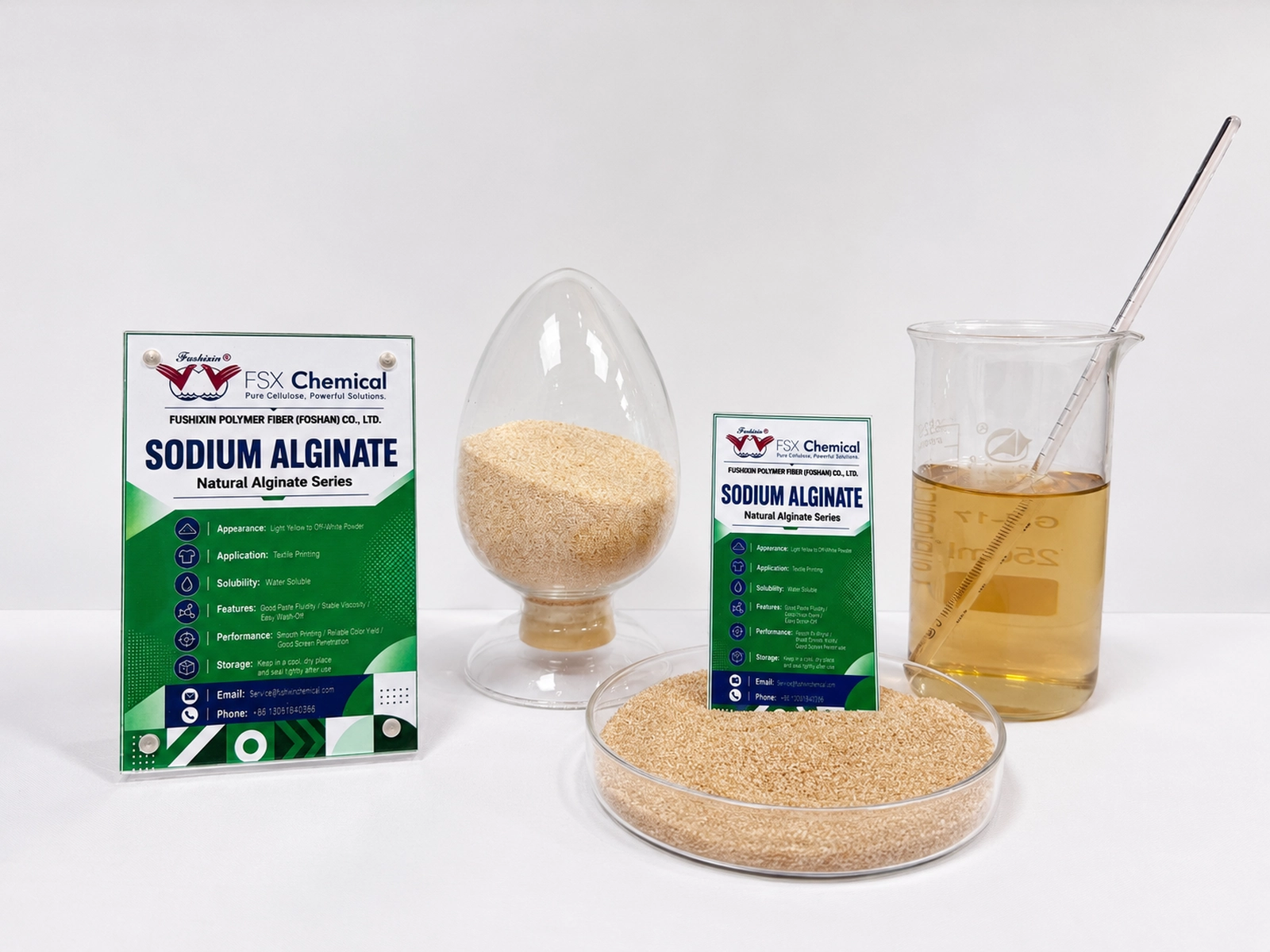
If you are developing a new paste formulation, troubleshooting a production problem, or evaluating a grade change, our technical team can assist with paste formulation guidance and grade selection based on your specific process conditions.
შემდეგი ნაბიჯები:
- Request a TDS — review viscosity, preparation, filtration and concentration specifications for your target screen printing application
- შეიძინეთ ნიმუში — run paste preparation and print trials before committing to bulk volume
- მოითხოვეთ მარკის შერჩევა — share your fabric type, screen mesh, and printing speed for a specific grade recommendation
- დაუკავშირდით ჩვენს ტექნიკურ გუნდს — for paste formulation support or screen printing troubleshooting. 📧 Email: service@fsxchemical.com