| Selection factor | Why it matters for silk | What to verify |
|---|---|---|
| Dye class and fixation route | Acid, reactive and pigment systems use different chemistry | Confirm the exact dye or pigment system, auxiliaries, pH control, fixation and wash-off before selecting the thickener. |
| Viscosity and rheology | Fine designs need controlled transfer without excessive spreading or penetration | Record concentration, water, preparation, temperature, instrument, spindle, speed and reading time. |
| Purity, color and insoluble residue | Light grounds and high-value silk make contamination and specks more visible | Inspect solution clarity, filtration residue, fluorescence requirement and printed light shades. |
| Wash-off and fabric handle | Excess deposition or harsh removal can reduce softness and surface quality | Compare wash-off, handle, luster and dimensional appearance after the full process. |
| Pagkakapareho ng batch | Small variation can change definition or shade on repeat orders | Review COAs, retained samples and the first commercial batch against the approved sample. |
Why Silk Printing Has Different Requirements from Cotton
Protein Fiber vs. Cellulosic Fiber
Silk is a protein fiber composed primarily of fibroin, while cotton and other cellulosic fibers are composed of cellulose. This fundamental chemical difference affects which dye classes are suitable and how the fiber interacts with printing paste and fixation conditions.
Acid and reactive dyes can be considered for silk, but the chosen dye must have an approved silk process. Dye chemistry, acid or alkali control, auxiliaries and fixation conditions are grade-specific; the category name does not prescribe one process. Use the dye supplier’s instructions for the actual silk construction rather than treating every silk reactive system as chemically distinct from, or automatically milder than, a cotton route.
Fiber Delicacy and Mechanical Sensitivity
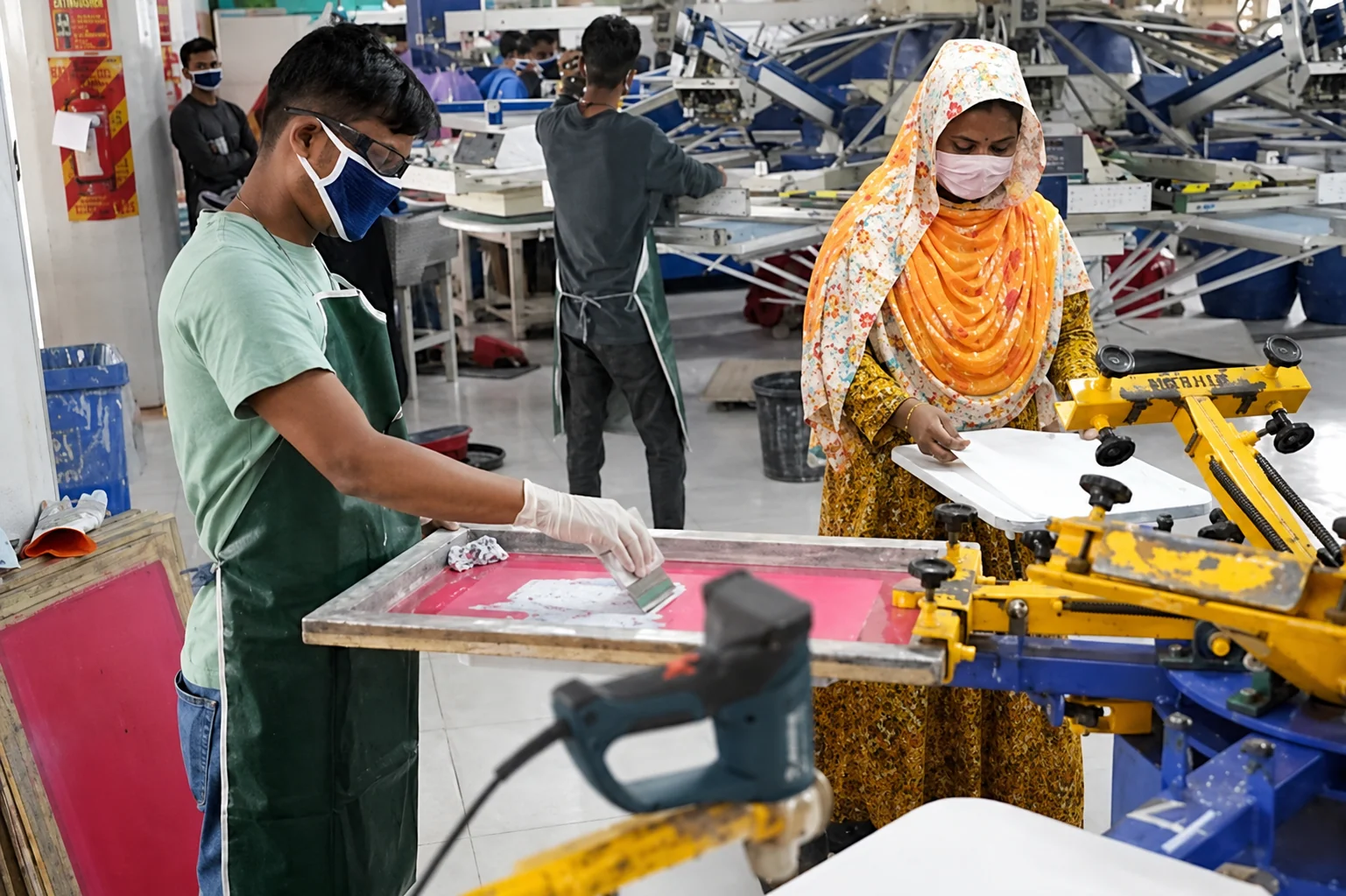
Separate paste preparation from fabric treatment. Mixing the alginate stock before any fabric is present cannot directly abrade the silk; qualify mixing to obtain a homogeneous paste without excess heat, foam or persistent particles. During printing, fixation and washing, control fabric tension, contact, agitation, time, temperature and chemical exposure for the actual silk construction. Assess luster, handle, dimensions and required retained strength after the complete process rather than assuming every silk route is more vulnerable than every cotton route.
Set steaming, washing temperature, time, agitation and tension within the validated dye and fabric process. A lower temperature or shorter wash is not automatically safer if it leaves unfixed dye or paste residue. Compare shade, luster, dimensions, handle and, where required, retained strength after the complete process before changing the production window.
Surface Characteristics and Print Definition Requirements

Role of Sodium Alginate in Silk Printing
Compatibility with Acid Dyes and Silk-Specific Reactive Dyes
Alginate compatibility with an acid-dye silk paste is conditional. Acidification and multivalent ions can change solubility and produce gel or residue, as described in KIMICA’s alginate physical-property guidance. This mechanism is not a universal pH limit for a formulated print paste. Test the actual acid donor, water, auxiliaries, order of addition and holding period; include the change in conditions during fixation when relevant. A smooth water solution alone is insufficient evidence.
For reactive printing on silk, evaluate the selected alginate in the dye supplier’s actual silk route. Confirm paste ageing, transfer, fixation, shade after wash-off and final fabric condition. Product-name familiarity does not establish compatibility with every dye and auxiliary combination.
Viscosity Requirements for Fine Silk Printing
Silk weight alone does not determine the alginate viscosity grade. Distinguish the supplier’s viscosity at a defined solution concentration from the working paste viscosity and the deposited amount. A lower-viscosity grade at higher dosage may leave more polymer than another grade at lower dosage. Compare flow, fine-line transfer, penetration and finished handle on the actual fabric instead of ranking grades by fiber name.
The specific viscosity target depends on the silk weight (momme count) and weave structure — sheer silk chiffon requires very different paste handling from heavier silk satin or silk twill. Confirm target viscosity through trial on your specific silk substrate rather than assuming cotton printing parameters will transfer directly.
Paste Preparation Controls for Silk Applications
Preparation requirements follow the complete dye or pigment recipe. An acid-dye paste, a silk-specific reactive paste and a digital fabric pretreatment can expose alginate to different pH and ionic histories. Confirm the exact additives and addition sequence instead of assuming that silk inherently makes every paste more pH-sensitive or requires a universally gentler fixation route.
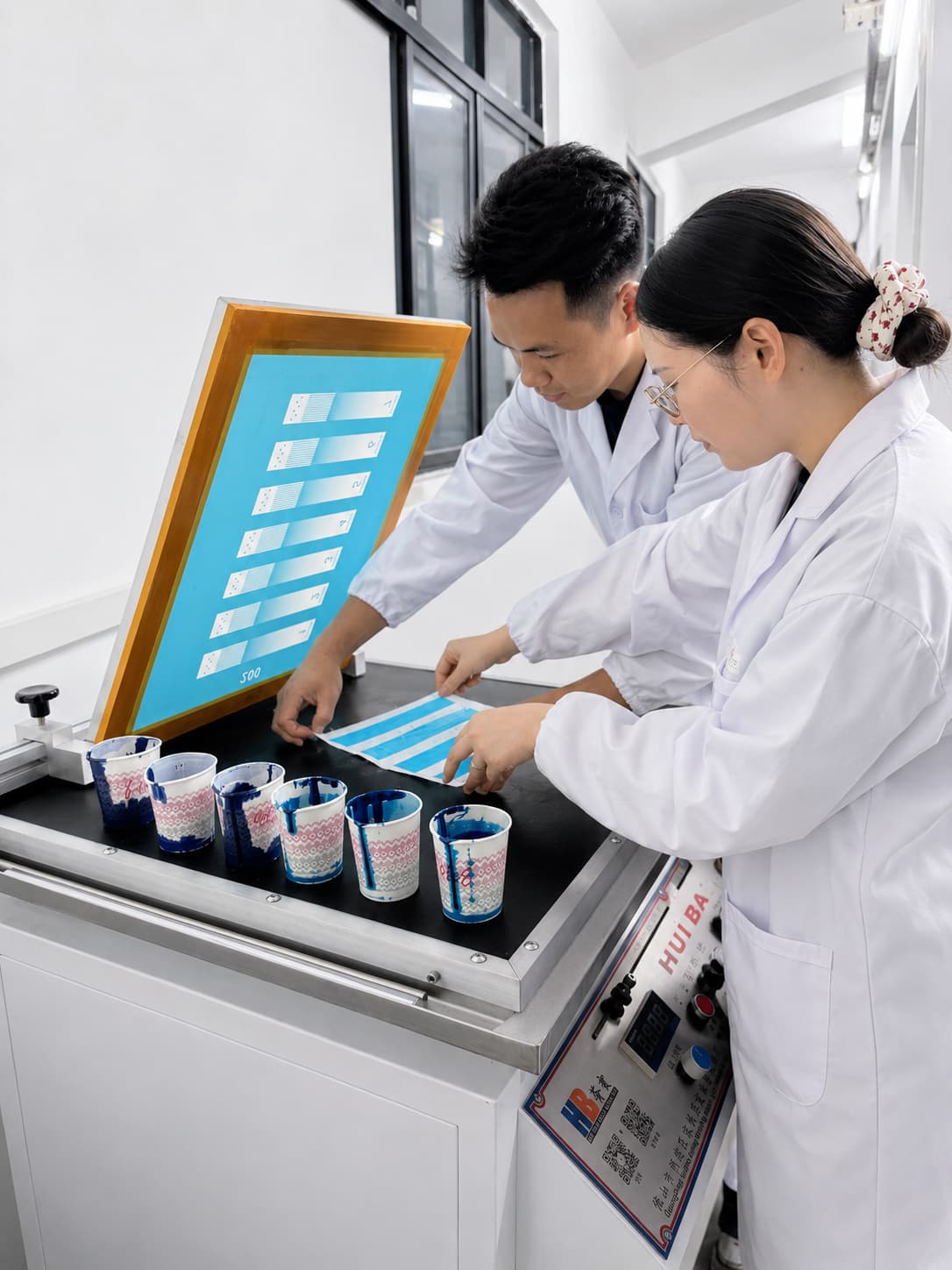
Undissolved particles and contamination can affect fine designs on silk as on other fabrics. Follow the grade’s approved water temperature, powder-addition, mixing and hydration procedure, then check a representative sample for homogeneity and filtration residue. Cold-water preparation may be practical for a suitable grade, but is not a universal requirement. Record the filter method and inspect the final print; excessive filtration can also reduce throughput or alter a formulated system.

Grade Selection Considerations for Silk Printing
Purity, Ionic Content and Residue Checks
Set cleanliness and ionic-content requirements from the actual recipe, pattern and viewing criteria. Specks or residue can be conspicuous on light or sheer silk, but cotton prints can also require stringent cleanliness. Purity, insoluble residue and individual salts are different measurements; confirm their methods and bases rather than using one general purity number to predict print quality.
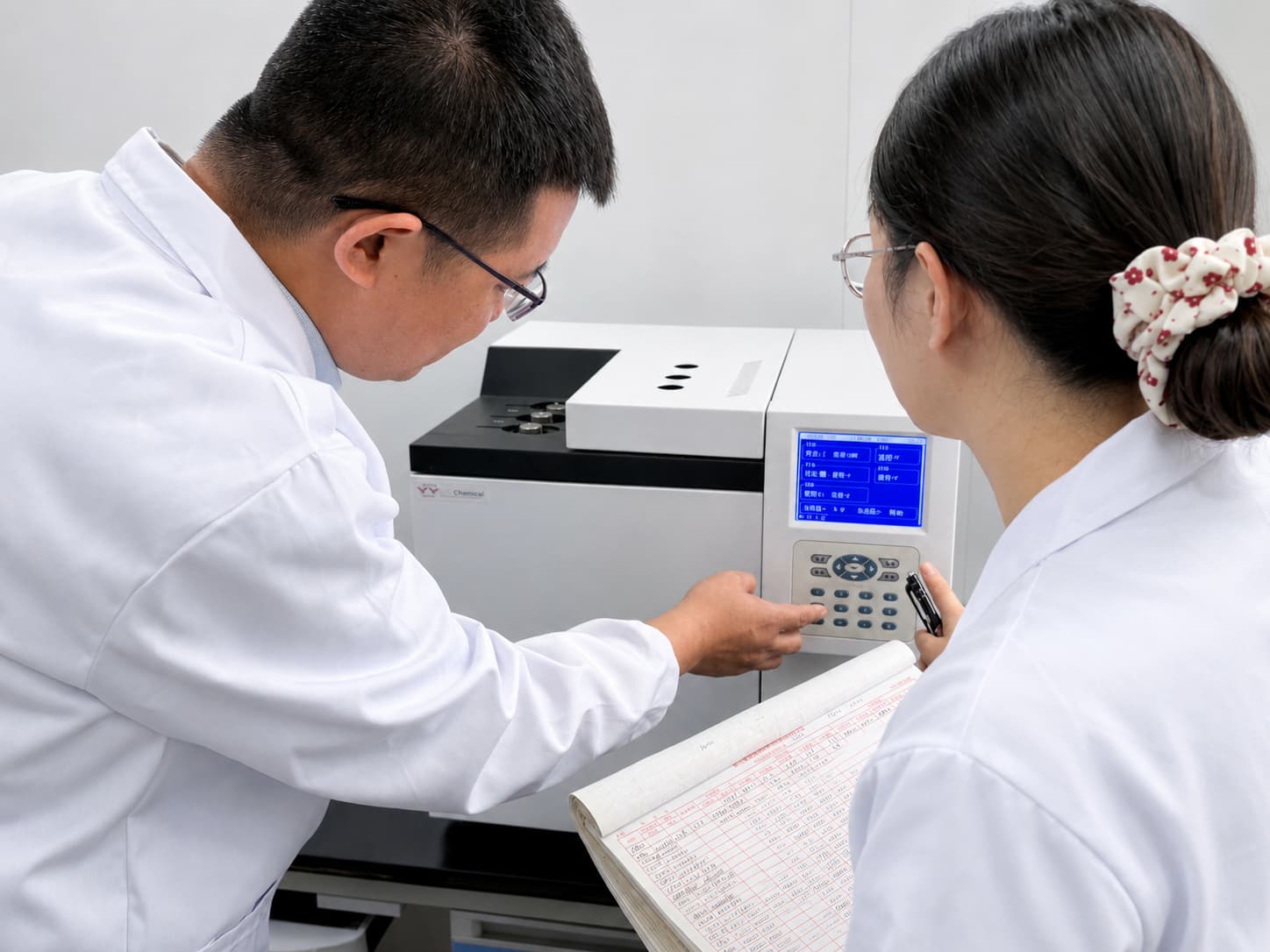
Request viscosity conditions, moisture, solution preparation, insoluble-residue method and any relevant individual-ion results for the candidate grade. Agree application-specific limits against an approved reference and the finished print. A lower residue or salt value alone does not establish a better grade or a compatible acid or reactive recipe.
Non-Fluorescent Grades for Light and White Silk
Silk fabrics, particularly in light or white grounds, are frequently inspected under UV light as part of quality control, both for the fabric itself and for any printed pattern areas. Fluorescence in the sodium alginate paste residue can interfere with this inspection process, appearing as unexpected brightness under UV that complicates quality assessment.
Where UV inspection is part of the buyer’s specification, agree the light source, viewing conditions, reference fabric and acceptance criteria. Compare the chemical solution and the complete printed, fixed and washed sample. A non-fluorescence claim needs a defined method; it does not guarantee that the complete textile will show no unexpected brightness.
Washout Gentleness and Fiber Protection
Qualify paste and unfixed-dye removal using the approved washing route. Do not assume clean removal solely from the sodium alginate name: acid history, multivalent ions, deposit level and the complete formulation can affect the residue. Compare the treated sample with a matched unprinted silk control exposed to the same finishing stages, so that fabric damage is not automatically attributed to the thickener.
If luster, handle or strength changes after washing, compare the approved process with matched unprinted and printed controls from the same fabric lot. Review actual temperature, time, agitation, tension, pH and removal of unfixed dye and paste. These checks help locate a difference; neither harsh hand nor a single control proves fiber damage or assigns it to the thickener. Recheck finished shade, fastness and residue before relaxing the wash.
Practical Considerations for Silk Printing Production
Trial-Based Formulation Development
Start with a candidate matched to the current silk process and compare it with the approved reference. Prepare both using the same stated viscosity method, then assess the complete paste and the finished fabric. Adjust one defined variable at a time; neither a low-to-medium grade label nor a cotton recipe establishes a suitable starting condition.
Working with Specialty and Small-Batch Production
Silk printing is often produced in smaller batches than mass-market cotton printing — for couture, premium scarf production, or specialty home textile applications. Sample-scale paste trials and smaller initial order quantities for sodium alginate may be more practical for these production contexts than the bulk quantities typical of high-volume cotton printing operations.
Color Sensitivity and Batch Consistency
Madalas Itanong na Mga Tanong
Is sodium alginate suitable for every silk printing process?
No. Suitability depends on the silk construction, dye or pigment route, auxiliary package, printing method and fixation process. Confirm the grade in the complete formulation and on the actual fabric.
Which viscosity grade is best for silk printing?
There is no universal viscosity grade. Fine designs, fabric absorbency, screen or digital process and paste pickup change the required flow behavior. Compare grades using one defined viscosity method and a printing trial.
Can cotton reactive-printing conditions be copied directly to silk?
No. Silk is a protein fiber and the dye, pH, fixation and post-treatment conditions may differ. Use the dye supplier’s silk process and verify fabric strength, luster, shade and handle.
Why are filtration and solution cleanliness important for silk?
Fine defects, specks and contamination are easier to see on smooth or light-colored high-value silk. Record mesh or filter conditions and inspect residue rather than relying only on visual solution appearance.
What should be compared from sample to bulk supply?
Confirm commercial grade identity, viscosity by the same method, moisture, pH, dissolution, filtration, complete-paste behavior, printed shade, definition, wash-off and batch COA.
Approve the Silk Printing Route Before the Alginate Grade
Build one route card for each silk fabric and dye system. The following is a suggested qualification record; it does not describe a validated FSX silk recipe.
| Checkpoint | Screen-printing color paste | Digital fabric pretreatment |
|---|---|---|
| Product position | Thickener enters the complete dye paste. | Pretreatment is applied to fabric before inkjet printing. Fabric-side approval does not permit adding ordinary alginate to printer ink. |
| Formulation state | Record dye, acid donor or alkali, water, addition order, pH measurement method and paste age. | Record wet application, dry deposit, drying, storage and condition at printing separately from ink identity. |
| Penetration target | Define edge geometry, face coverage and reverse-side appearance. | Define whether one-face or two-face shade is required; front/back equality is not a universal acceptance rule. |
| Final release | Use the approved fixation and aftertreatment. Evaluate finished shade, definition, residue, handle and required fastness together with fabric condition. | |
If gels or specks appear after adding the acid package, compare a retained reference paste and the candidate under the same water and time history. Record pH and appearance at preparation and at the intended holding endpoint; keep the approved recipe unchanged during the first comparison. A higher viscosity reading accompanied by residue is not proof of better pattern control.
Use a matched unprinted fabric control for the fixation and washing stages. This helps separate effects of the fabric process from the printing system, without proving the cause from one comparison alone. For fine or light-ground silk, agree the viewing conditions and defect criteria before testing. Submit the dye route, current TDS and actual silk construction for grade matching rather than requesting a grade solely by momme weight.
How FSX Chemical Supports Silk Printing Applications
Mga susunod na hakbang:
- Request a TDS — review viscosity, purity, and solubility specifications suited to silk applications
- Humiling ng halimbawa — run paste trials on your specific silk substrate before bulk ordering
- Ask for Grade Matching — share your silk weight, weave, and dye system for a specific recommendation
- Makipag-ugnayan sa aming teknikal na koponan — for formulation support or troubleshooting in silk printing applications📧 I-email: Service@fsxchemical.com