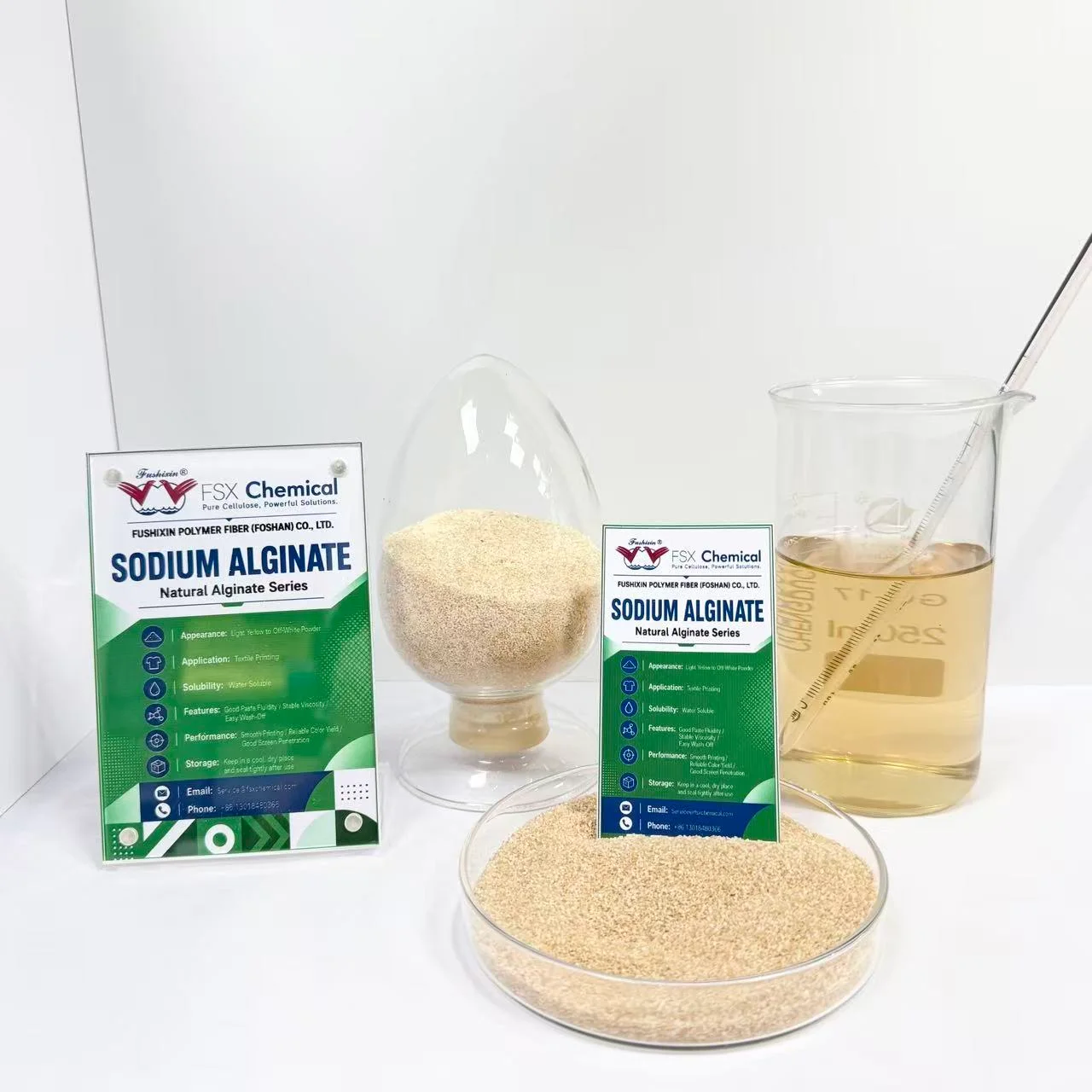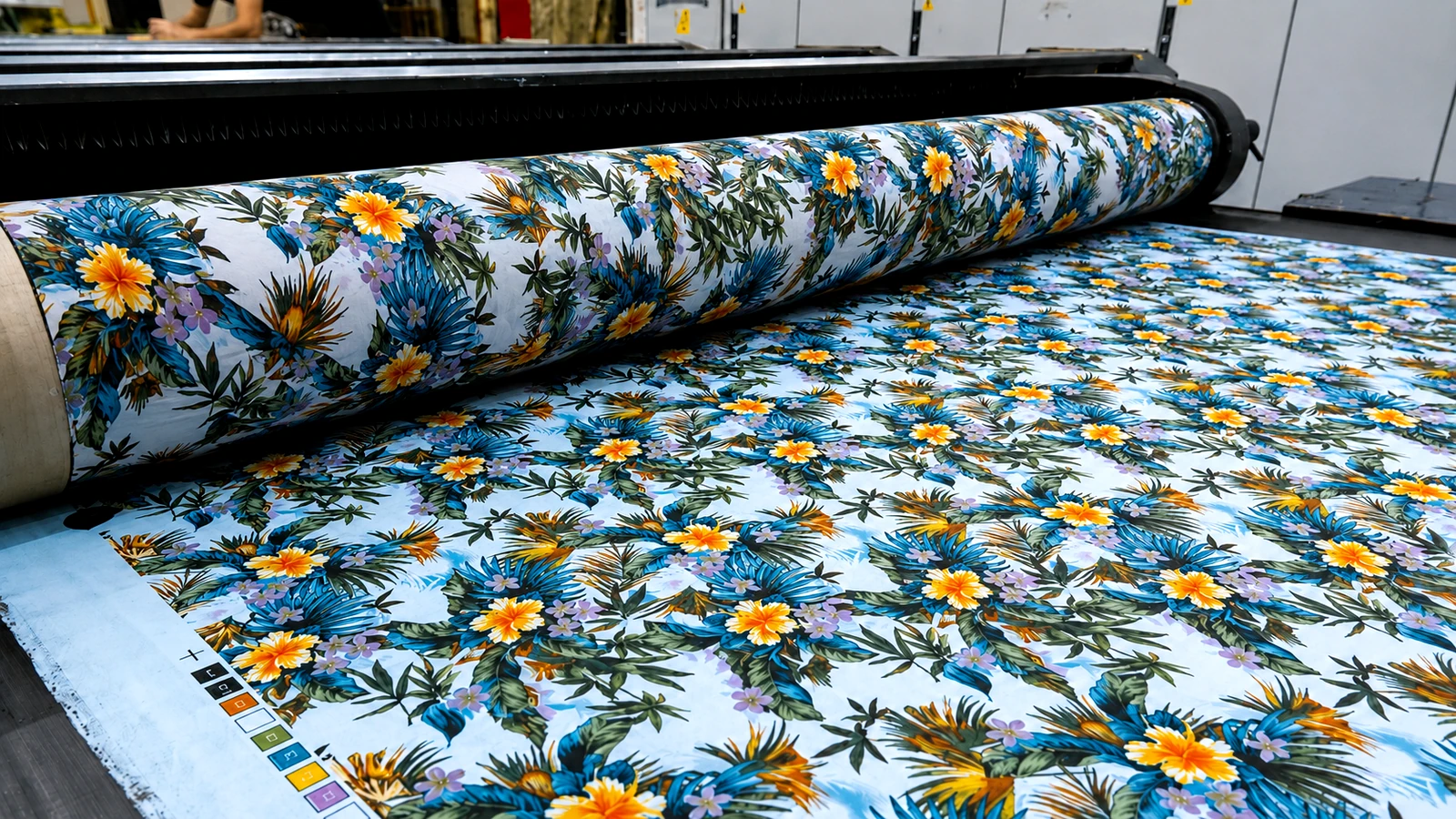















This guide explains what affects sodium alginate price for textile printing and what buyers should confirm before requesting a bulk quotation.
Why Sodium Alginate Price Cannot Be Compared by Product Name Alone
Different Grades Can Have Different Costs
A lower quoted price may not be useful if the grade does not match the buyer’s printing process or requires extra formulation adjustment.
Viscosity Data Must Include the Test Method
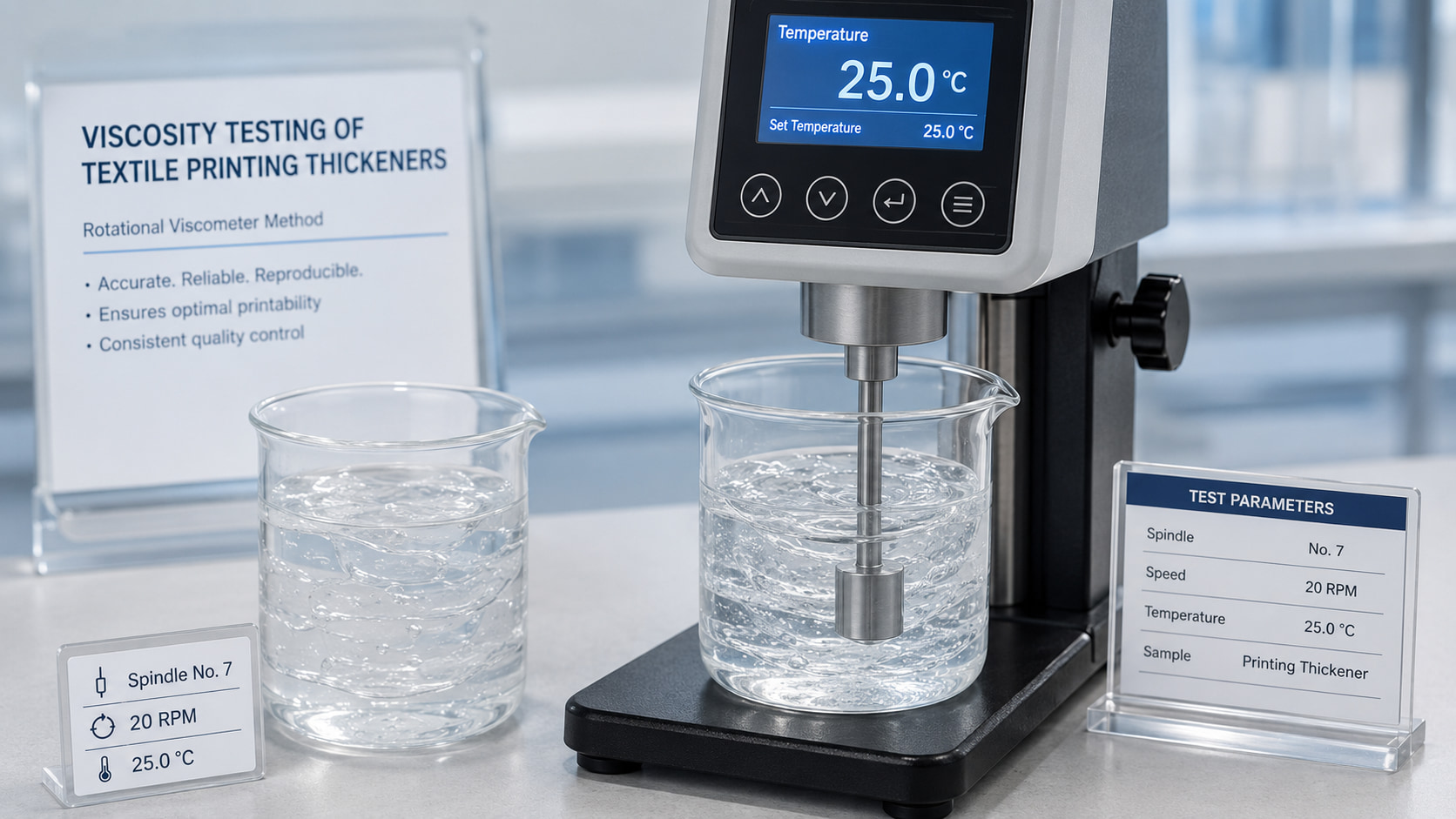
Viscosity is one of the most important parameters affecting grade selection and price comparison. Buyers should confirm the viscosity range together with the test concentration, temperature, instrument method, and unit.
Net bir test yöntemi olmadan, farklı tedarikçilerden elde edilen viskozite değerleri doğrudan karşılaştırılamayabilir.
Application Fit Affects Total Use Cost
For textile printing, total use cost is not only the purchase price. It may also include dissolution time, filtration behavior, paste stability, production adjustment, sample testing, rejection risk, and repeat order consistency.
Buyers should compare product performance in their own formulation before judging whether a quotation is truly cost-effective.
Main Factors That Affect Sodium Alginate Price
Application and Grade Requirement
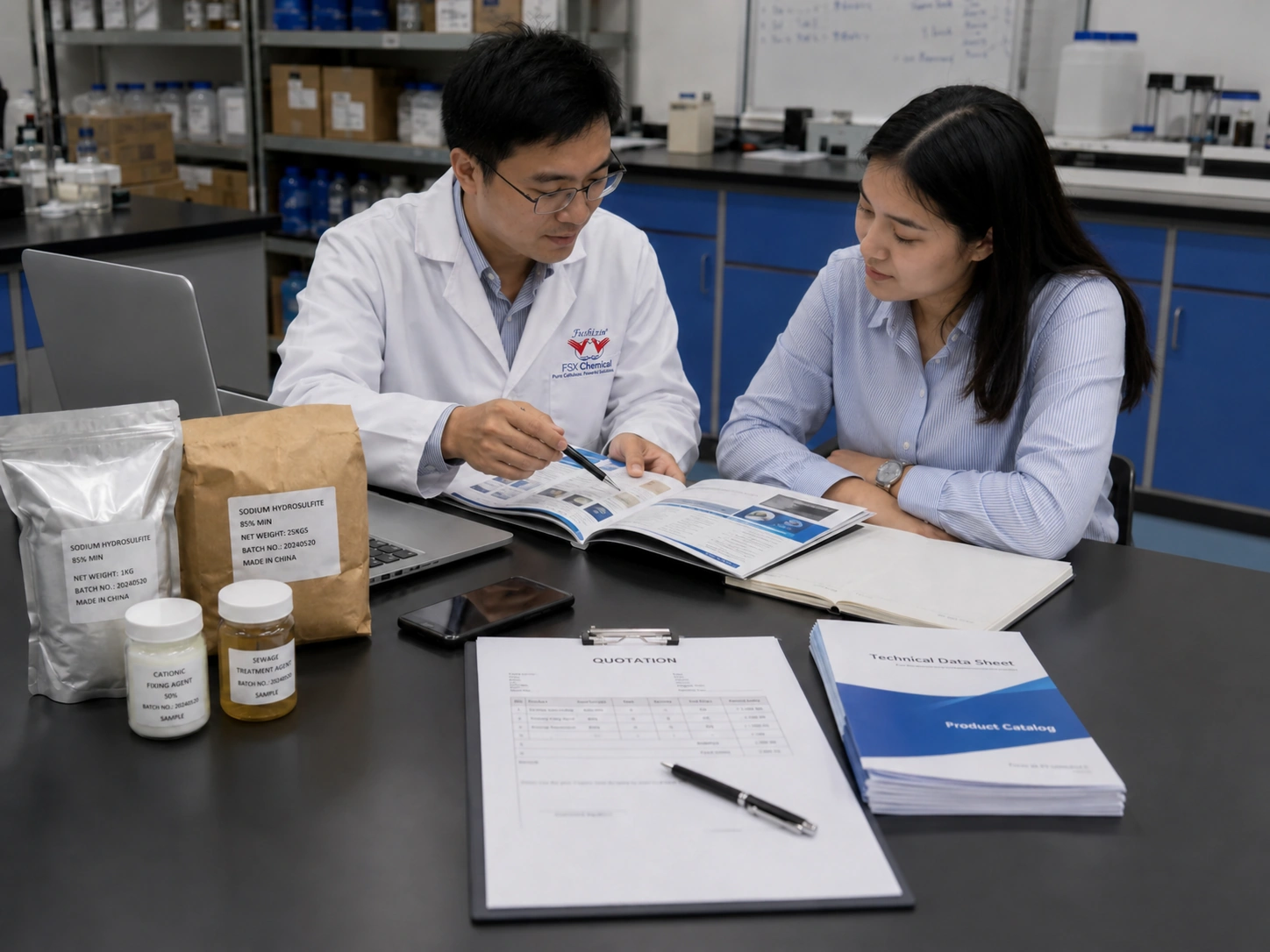
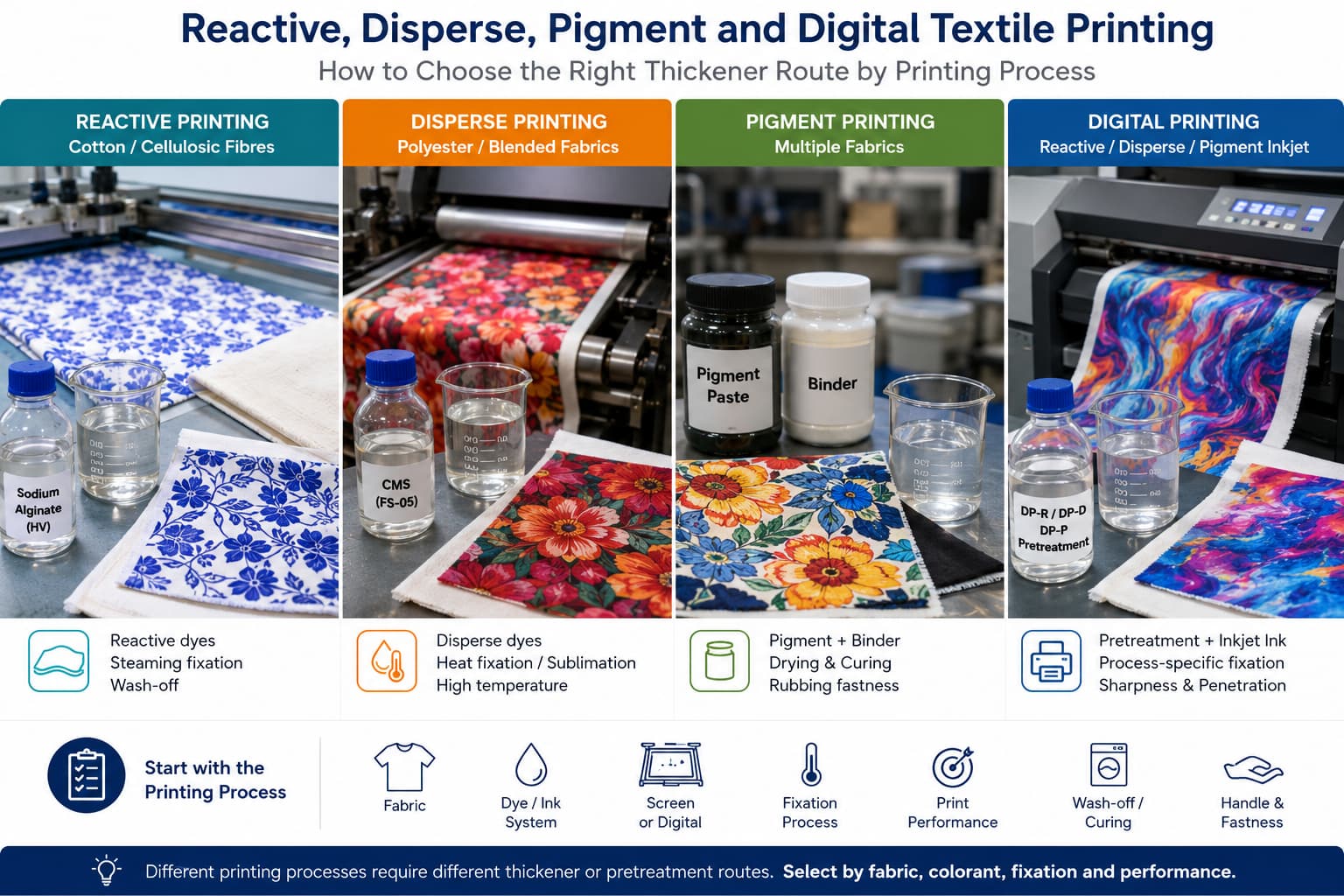
A sodium alginate grade for reactive printing paste may have different requirements from a grade used in another formulation system. Buyers should first clarify the application before requesting a price.
Useful information includes printing method, fabric type, dye system, target viscosity, paste preparation method, and current product grade if available.
Viscosity Range and Specification Control
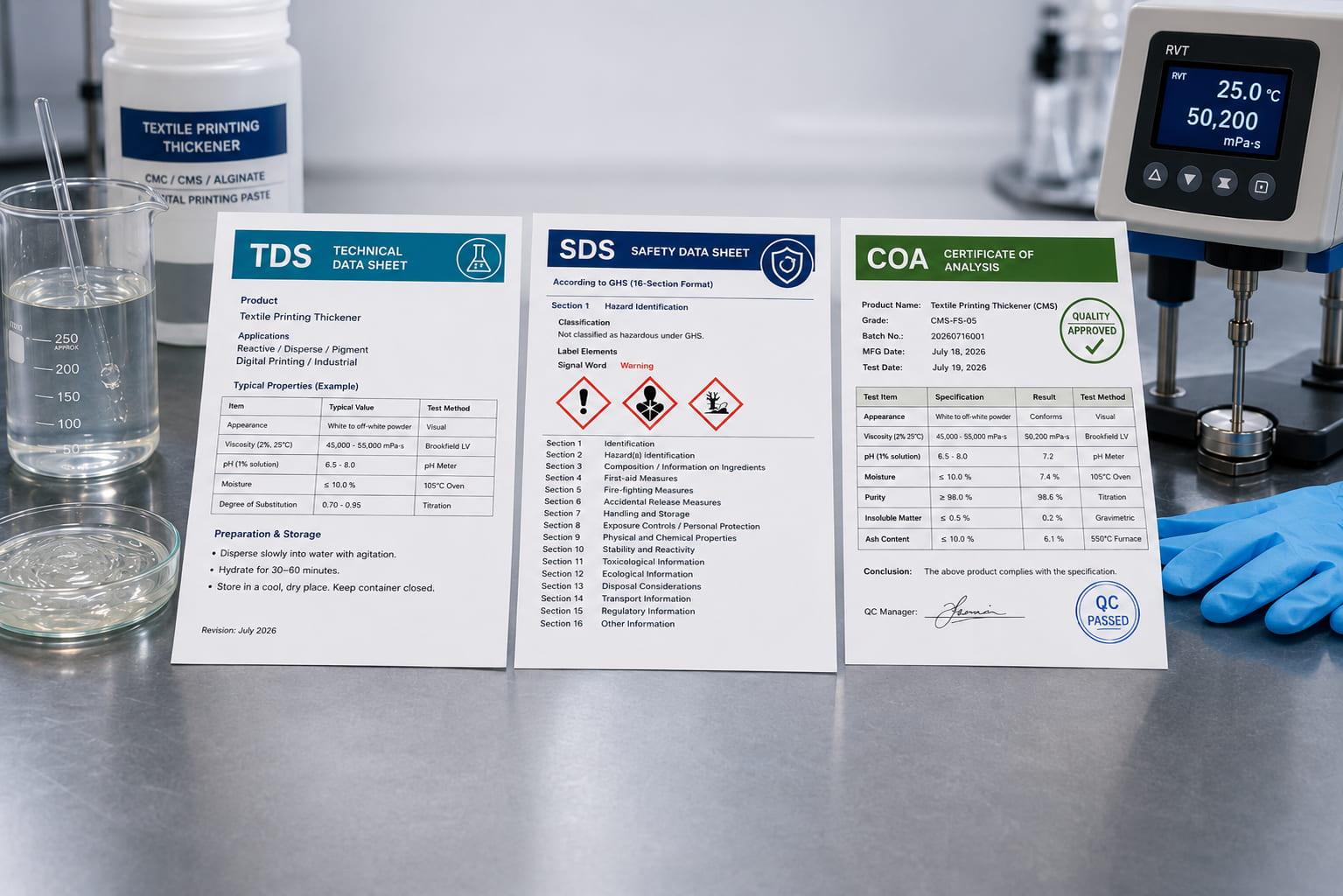
Grades with different viscosity ranges or tighter specification control may be quoted differently. Buyers should request the TDS and review the standard specification before comparing suppliers.
The COA should then be used to confirm the actual data of each production batch.
Ağ Gözü Boyutu ve Çözünme Davranışı
Ağ gözü boyutu, macun hazırlığı sırasında dağılım ve hidrasyonu etkileyebilir. Bununla birlikte, gerçek çözünme davranışı aynı zamanda su kalitesine, karıştırma hızına, ilave yöntemine, hazırlık süresine ve formülasyon koşullarına da bağlıdır.
If solubility or paste smoothness is important, buyers should test samples before confirming bulk pricing.
Order Quantity and MOQ
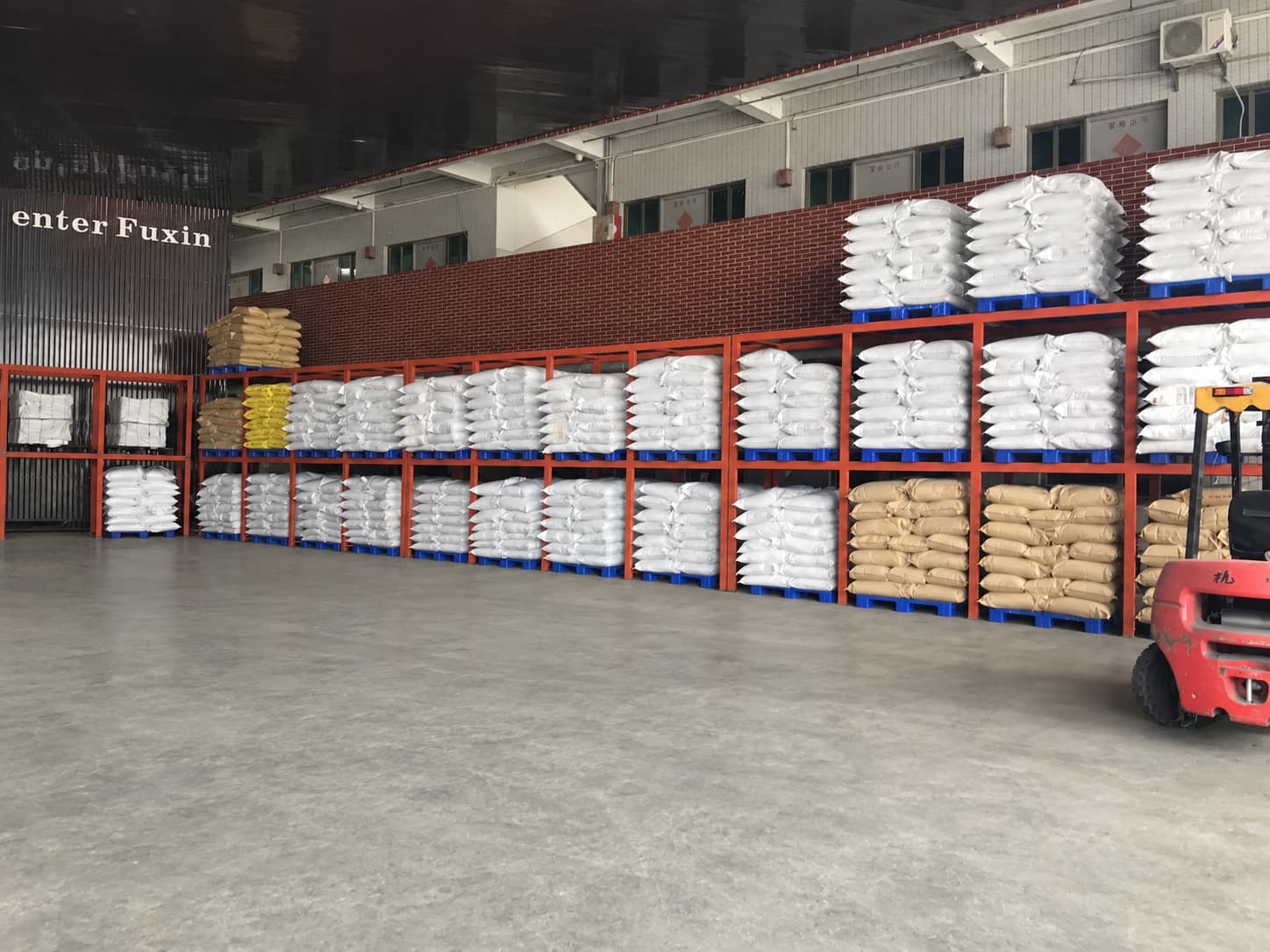
Order quantity can affect quotation structure because production planning, packaging, inland transport, export handling, and shipment preparation may differ between sample orders, small trial orders, and bulk orders.
Buyers should confirm MOQ, trial order quantity, bulk order quantity, and whether the quotation is based on a specific packaging format.
Ambalaj ve Etiket Gereklilikleri
Standard packaging, customized labels, pallet requirements, distributor packaging, or special marking may affect the final quotation.
Packaging details should be confirmed before order confirmation, especially for distributors or buyers with internal warehouse requirements.
Incoterms, Freight and Destination
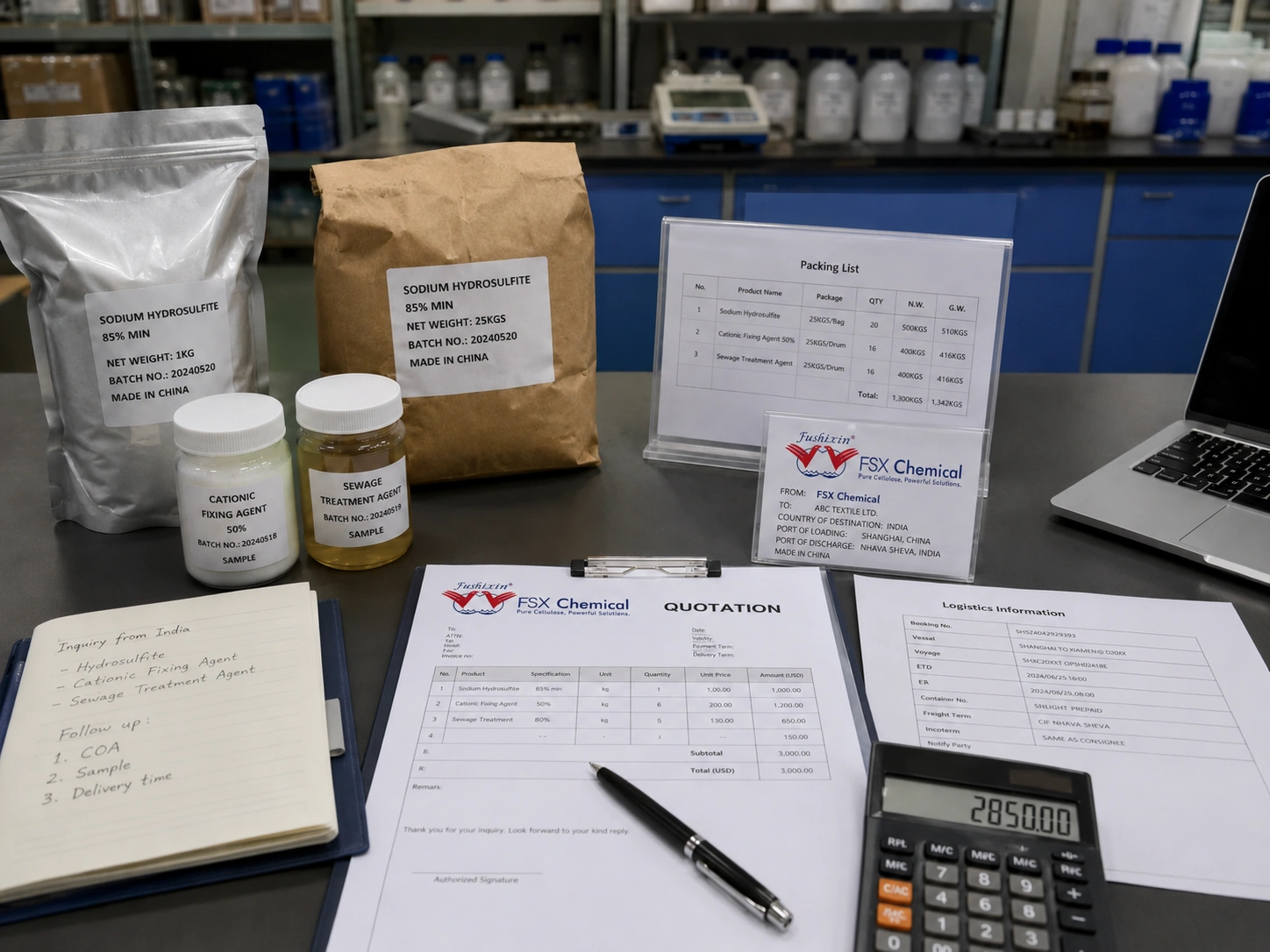
A sodium alginate quotation may change depending on whether the buyer requests EXW, FOB, CFR, CIF, DAP, or another trade term. Freight, port charges, destination costs, and document requirements can affect the final landed cost.
When comparing suppliers, buyers should make sure the quoted trade terms are the same.
Documents Buyers Should Request Before Comparing Price
Teknik Şartname İncelemesi için TDS
Teknik Veri Sayfası, alıcıların standart ürün özelliklerini incelemelerine yardımcı olur. Bu sayfada görünüm, viskozite, elek gözü boyutu, nem, pH, depolama koşulları ve test yöntemi gibi bilgiler yer almalıdır.
The TDS helps buyers compare grades more professionally instead of comparing only product names.
Toplu Onay için COA
Analiz Sertifikası, belirli bir üretim partisine ait gerçek verileri teyit eder. Bu belge, toplu siparişler, tekrar alımlar, distribütör tedarikleri ve kurum içi kalite kontrolü açısından önemlidir.
Alıcılar, sevkiyatlar arasındaki COA kayıtlarını karşılaştırarak temel parametrelerin kararlaştırılan aralıkta kalıp kalmadığını kontrol edebilirler.
Taşıma ve Sevkiyatla İlgili Güvenlik Bilgi Formu (SDS) İncelemesi
Güvenlik Bilgi Formu (SDS), ürünün kullanımı, depolanması, nakliyesi ve şirket içi güvenlik değerlendirmelerine destek sağlar. Uluslararası satın alımlarda ise sevkiyat ve gümrükle ilgili iletişim için SDS’ye ihtiyaç duyulabilir.
Alıcılar, SDS’deki ürün adı ve tedarikçi bilgilerinin sipariş belgelerindeki bilgilerle uyumlu olduğundan emin olmalıdır.
Belgeleri Dışa Aktar
Uluslararası satın alımlarda, alıcılar fatura, sevk irsaliyesi, COA, SDS, etiketler ve ihracatla ilgili diğer belgelere ihtiyaç duyabilir. Gerekli belge listesi, hedef ülkeye, ürün türüne ve şirket içi satın alma sürecine göre değişiklik gösterebilir.
İç inceleme veya gümrükle ilgili iletişimde gecikmelerin yaşanmaması için, sevkiyat öncesinde belge gereklilikleri teyit edilmelidir.
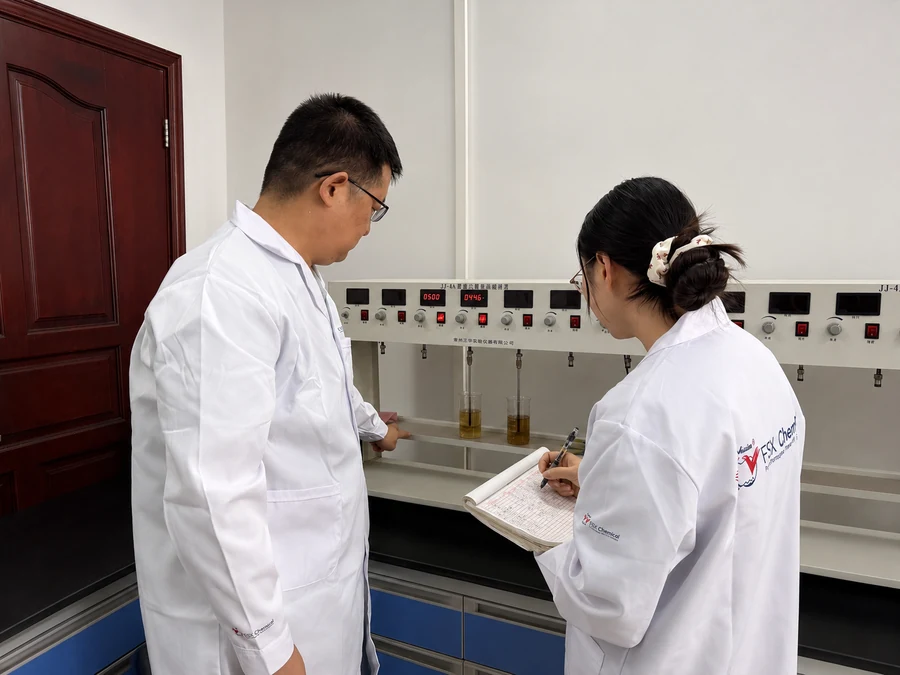
How to Compare Sodium Alginate Quotations
Compare the Same Grade Requirement
Before comparing prices, buyers should confirm whether each supplier is quoting a similar viscosity range, specification, packaging, order quantity, and trade term.
A quotation with a lower price may not be comparable if it is based on a different grade, different packaging, or different shipment term.
Check Sample Results Before Bulk Purchase
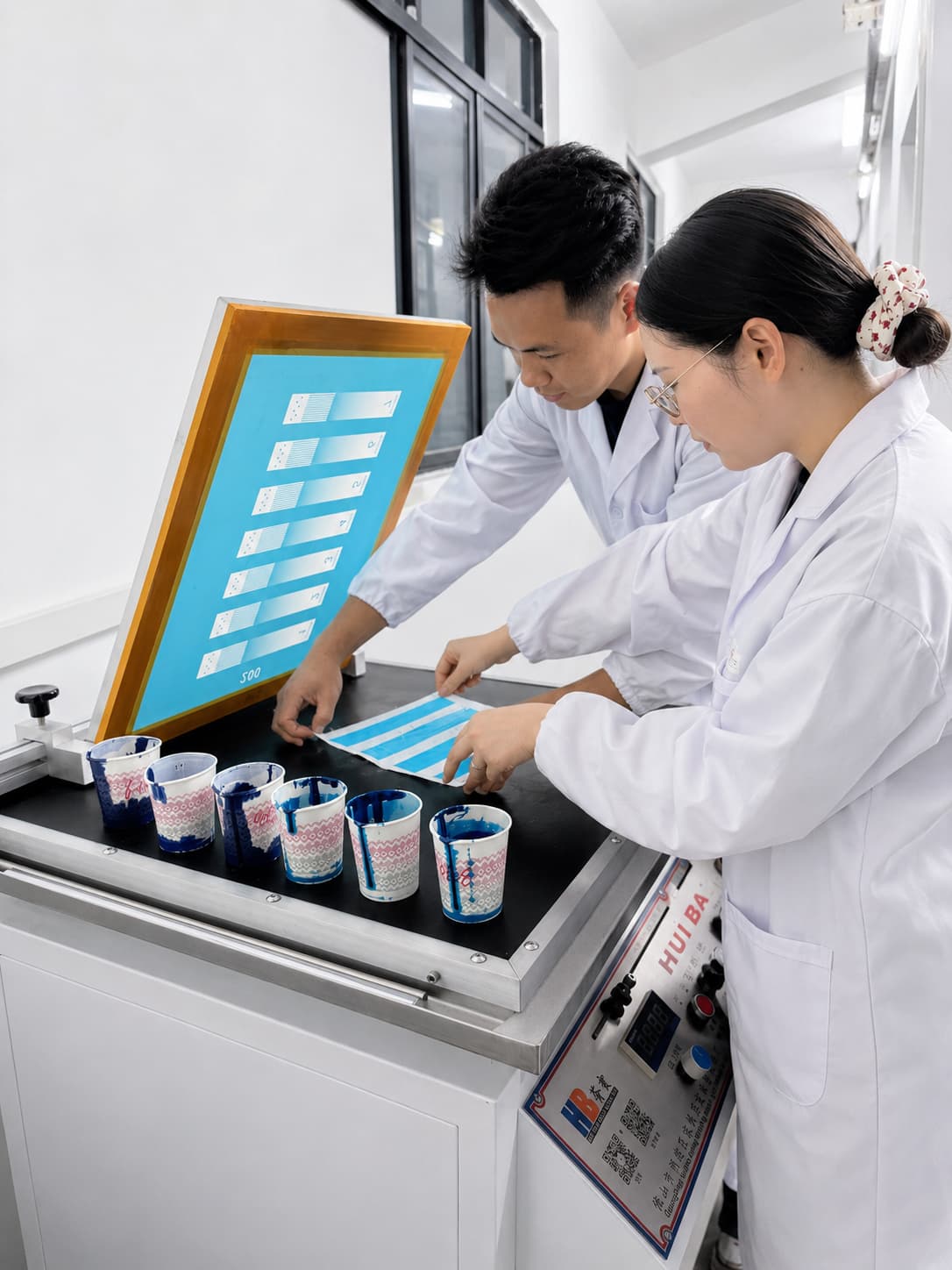
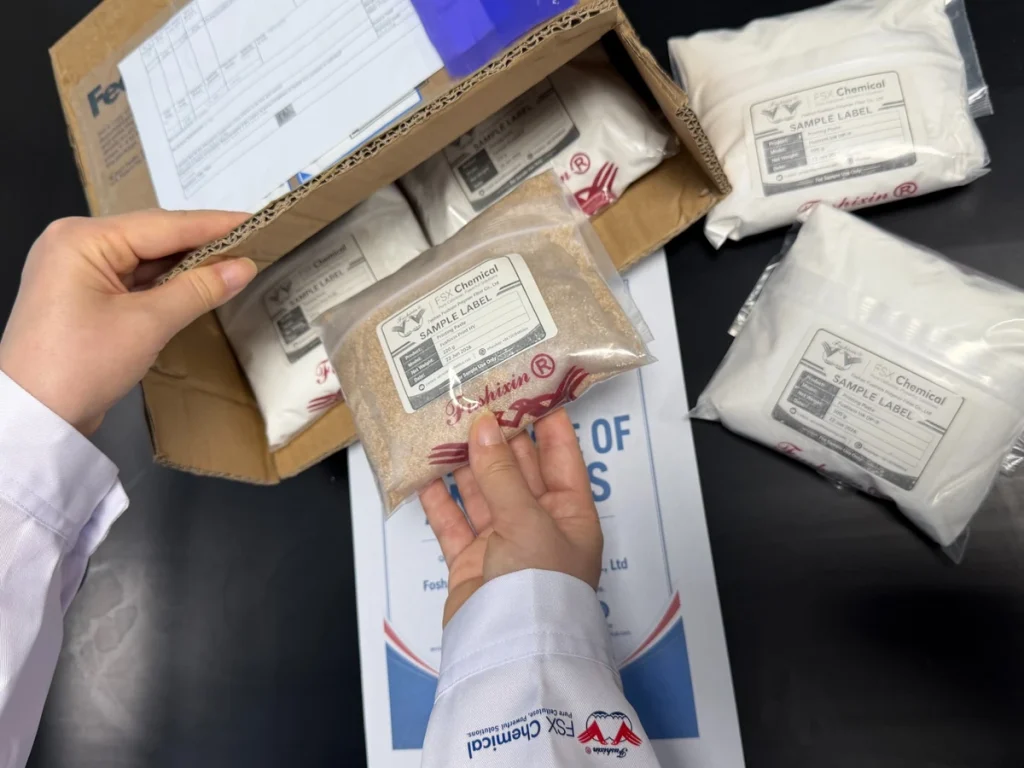
Sample testing should be done in the buyer’s own printing paste formulation whenever possible. Dyes, auxiliaries, water quality, pH, stirring method, paste concentration, and standing time can all affect final paste behavior.
Buyers should observe dissolution speed, paste smoothness, lump formation, filtration behavior, viscosity stability, screen passing, and application handling.
Örnek ile Toplu Ürün Arasındaki Tutarlılığı Doğrulama
Toplu siparişi onaylamadan önce, alıcılar onaylanmış numune ile toplu sevkiyatın aynı viskozite aralığı, elek gözü boyutu, ambalaj biçimi, parti izlenebilirliği ve COA gerekliliklerine uygun olup olmadığını kontrol etmelidir.
Bu, numunenin onaylanmasının ardından üretim performansının istikrarsız hale gelme riskini azaltmaya yardımcı olur.
Calculate Landed Cost, Not Only Unit Price
For import buyers, the real purchasing cost may include product price, inland cost, freight, insurance, destination charges, customs-related costs, storage, and internal handling.
Buyers should compare landed cost when making a final supplier decision.
Common Mistakes When Asking for Sodium Alginate Price
Requesting Price Without Application Details
If the buyer only asks for “sodium alginate price,” the supplier may not know which grade to quote. This can lead to inaccurate price comparison and unnecessary sample testing.
Buyers should provide application, target viscosity, printing method, fabric type, and existing grade information if available.
Comparing Prices Without Test Methods
Two viscosity values may look similar but may be measured under different conditions. Buyers should confirm the testing method before comparing prices.
Ignoring Packaging and Shipment Terms
Packaging, pallet requirements, trade terms, freight, and destination costs can change the final landed cost. Buyers should compare quotations under the same conditions whenever possible.
Choosing Before Sample Approval
Price should not be the only reason to confirm a bulk order. For textile printing applications, sample testing and technical confirmation are necessary before bulk purchasing.
Information to Send When Requesting a Sodium Alginate Quote
- Application: reactive printing paste, screen printing, rotary printing, digital pretreatment, or other formulation use.
- Target viscosity range and the testing method used by your factory.
- Fabric type, dye system, paste preparation method, and current product grade if available.
- Required documents: TDS, COA, SDS, label, invoice, packing list, or customer-specific documents.
- Order quantity: sample quantity, trial order quantity, and expected bulk order quantity.
- Packaging preference: bag size, pallet requirement, label requirement, and warehouse handling needs.
- Trade term and destination port or country for freight comparison.
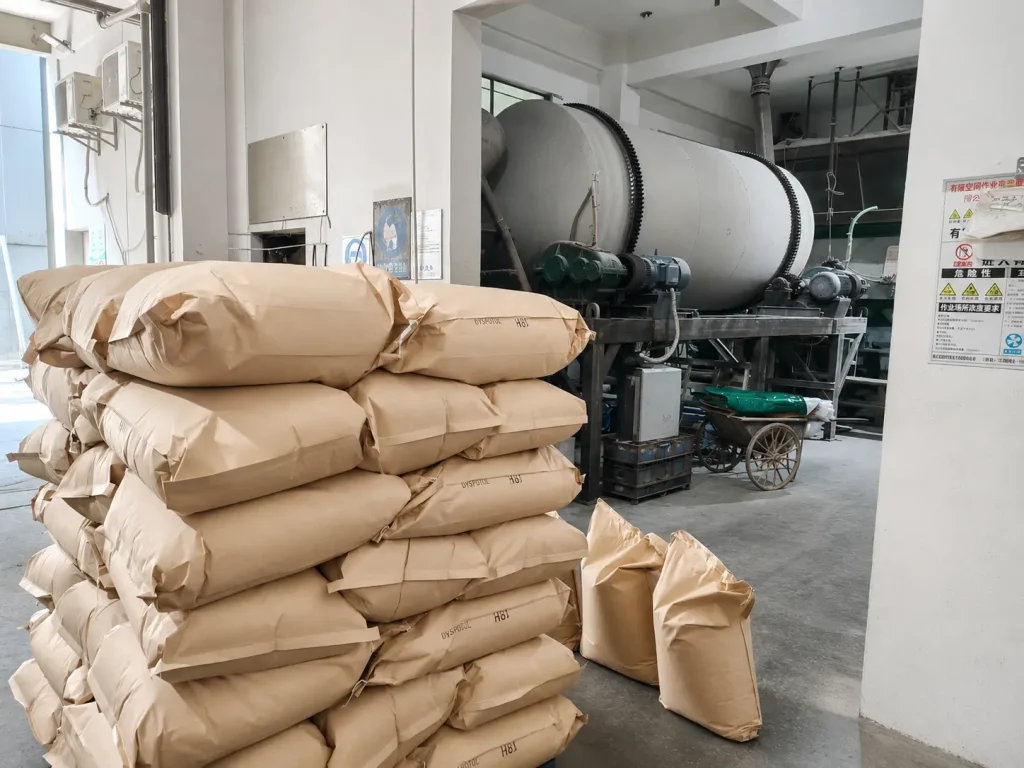
How FSX Chemical Supports Sodium Alginate Price Requests
Sonraki Adımlar
- Başvurunuzu Paylaşın — Baskı işleminizi, kumaş türünüzü, boyama sisteminizi, hedef viskozitenizi ve mevcut pasta formülasyonunuzu bize bildiriniz.
- Not Eşleştirme Talebi — ask for a suitable sodium alginate grade before requesting final bulk pricing.
- TDS Talep Et — viskozite, elek gözü boyutu, pH, nem, görünüm, depolama koşulları ve test yöntemini gözden geçirin.
- COA Talep Et — sevkiyat öncesinde parti verilerinin kararlaştırılan spesifikasyon aralığına uygun olup olmadığını doğrulayın.
- Örnek İsteyin — Toplu siparişleri onaylamadan önce, önerilen sodyum aljinat türünü kendi macun hazırlama ve baskı koşullarınızda test edin.
- Teklif Ayrıntılarını Onaylayın — check grade, specification range, MOQ, packaging, order quantity, payment terms, shipment terms, and document requirements.
- Ambalaj ve İhracat Belgelerini Doğrulama — Sevkiyat öncesinde çanta boyutunu, etiketleri, parti izlenebilirliğini, Güvenlik Bilgi Formu’nu (SDS), faturayı, sevk irsaliyesini ve diğer gerekli belgeleri kontrol edin.
- Teknik Ekibimizle İletişime Geçin — discuss sodium alginate grade selection and quotation details for your textile printing applicbilgilendirme📧 E-posta: Service@fsxchemical.com