Parameters That Can Genuinely Be Customized
Viskozite Sınıfı
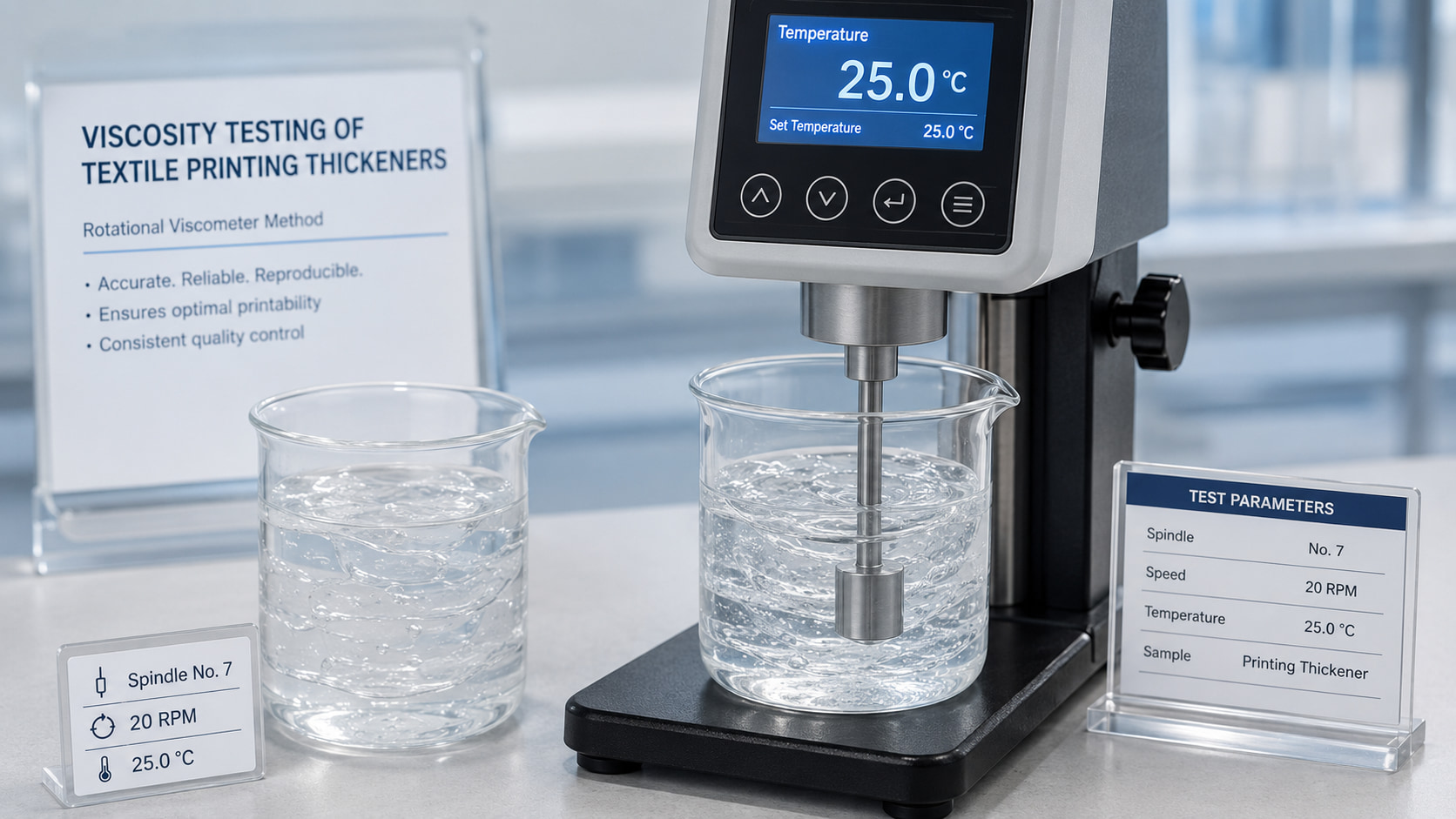
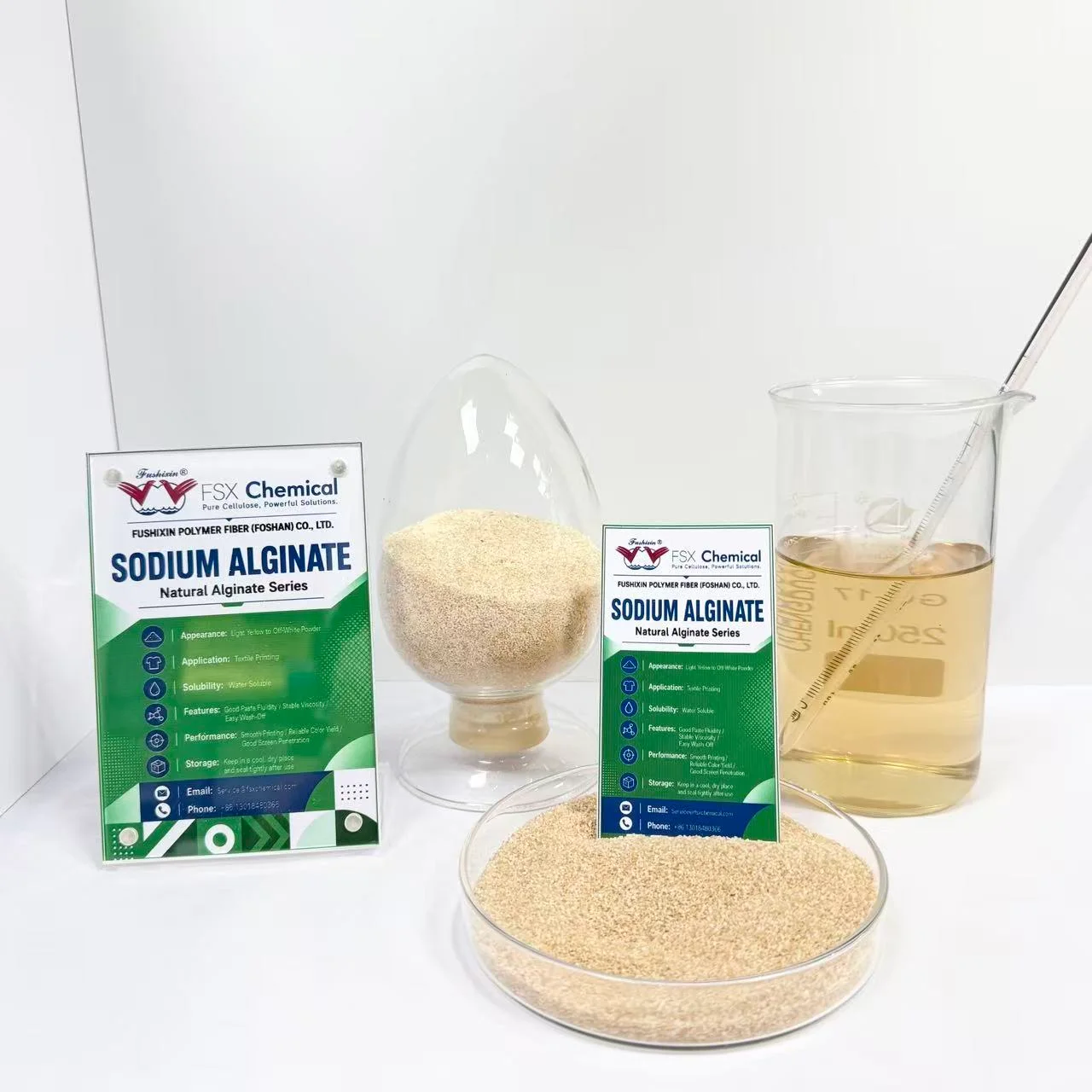
Viscosity is the most commonly and legitimately customizable parameter in sodium alginate production. Producers manufacture across a range of viscosity grades by controlling extraction conditions (which influence molecular weight) or through controlled depolymerization of higher molecular weight material. If your application requires a viscosity value between standard product grades, many suppliers can produce or blend to an intermediate target, particularly for larger order volumes.
What “customization” means in practice here: a supplier confirming they can supply a viscosity within a defined range (with a stated tolerance) for your order. It does not mean infinite precision — even custom-targeted viscosity grades have a tolerance range, and batch-to-batch variation within that tolerance should be expected and confirmed through CoA review.
Concentration Recommendations for Your Application

Mesh Size (Particle Size Classification)
Packaging Format and Quantity
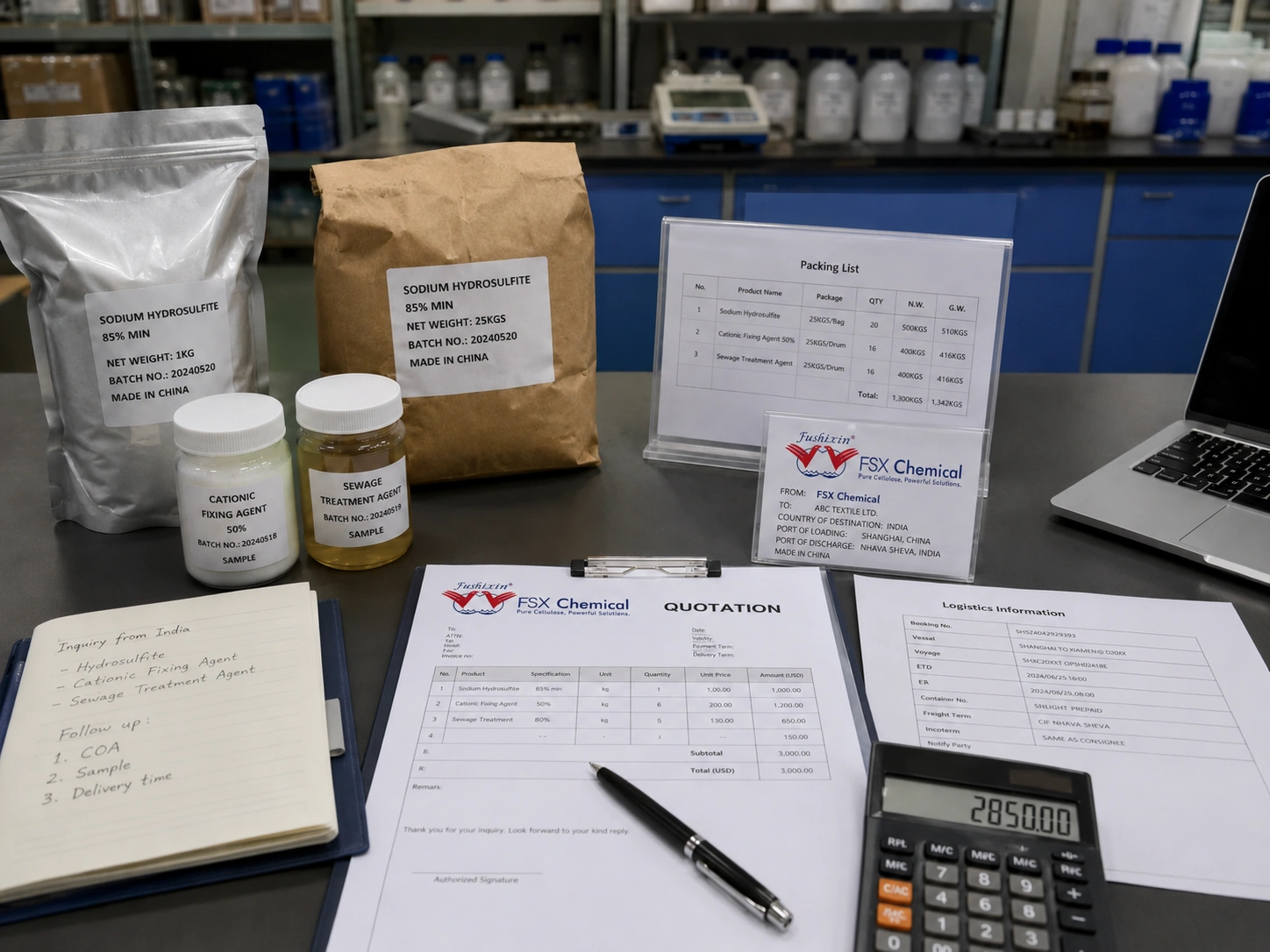
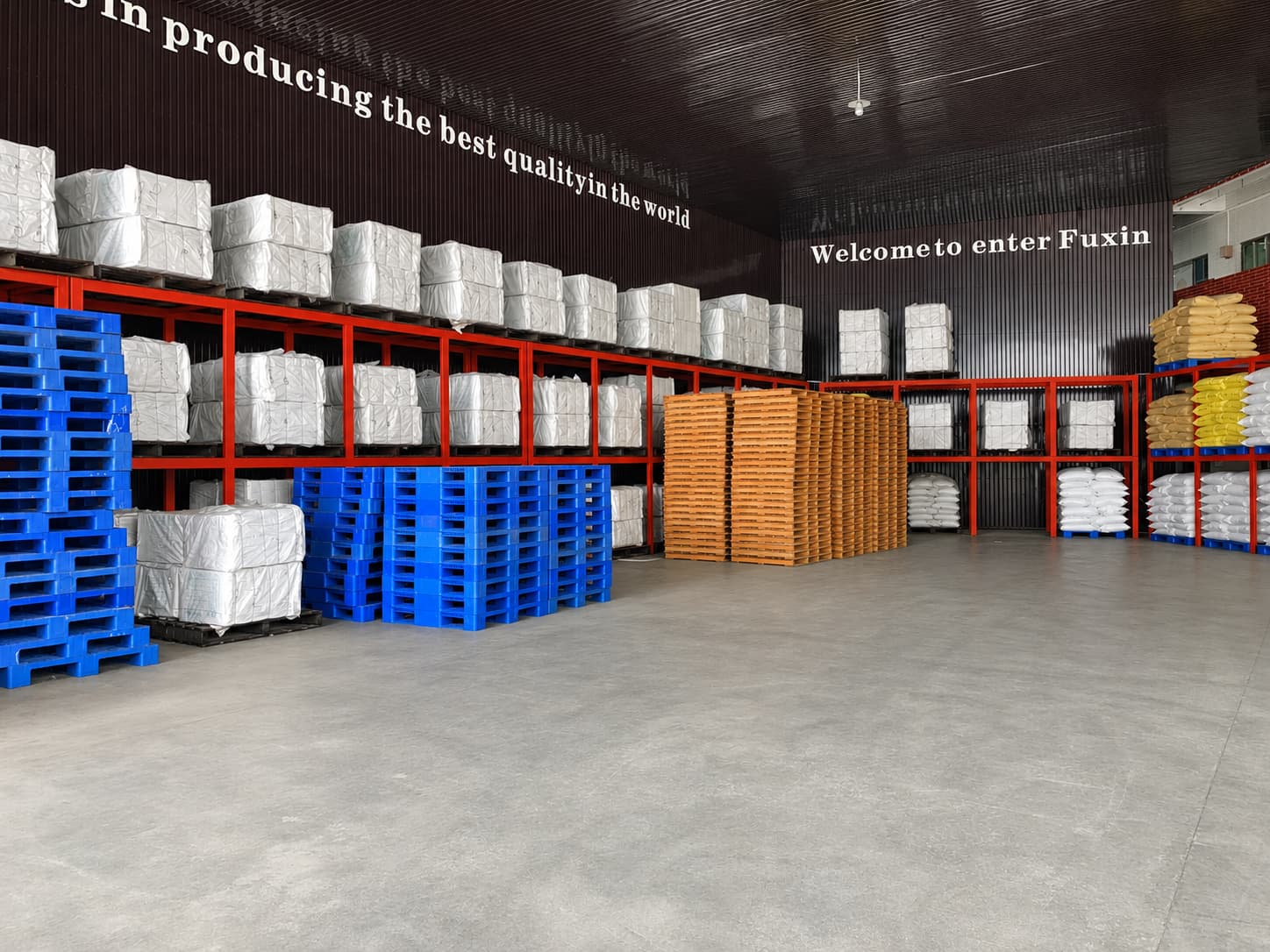
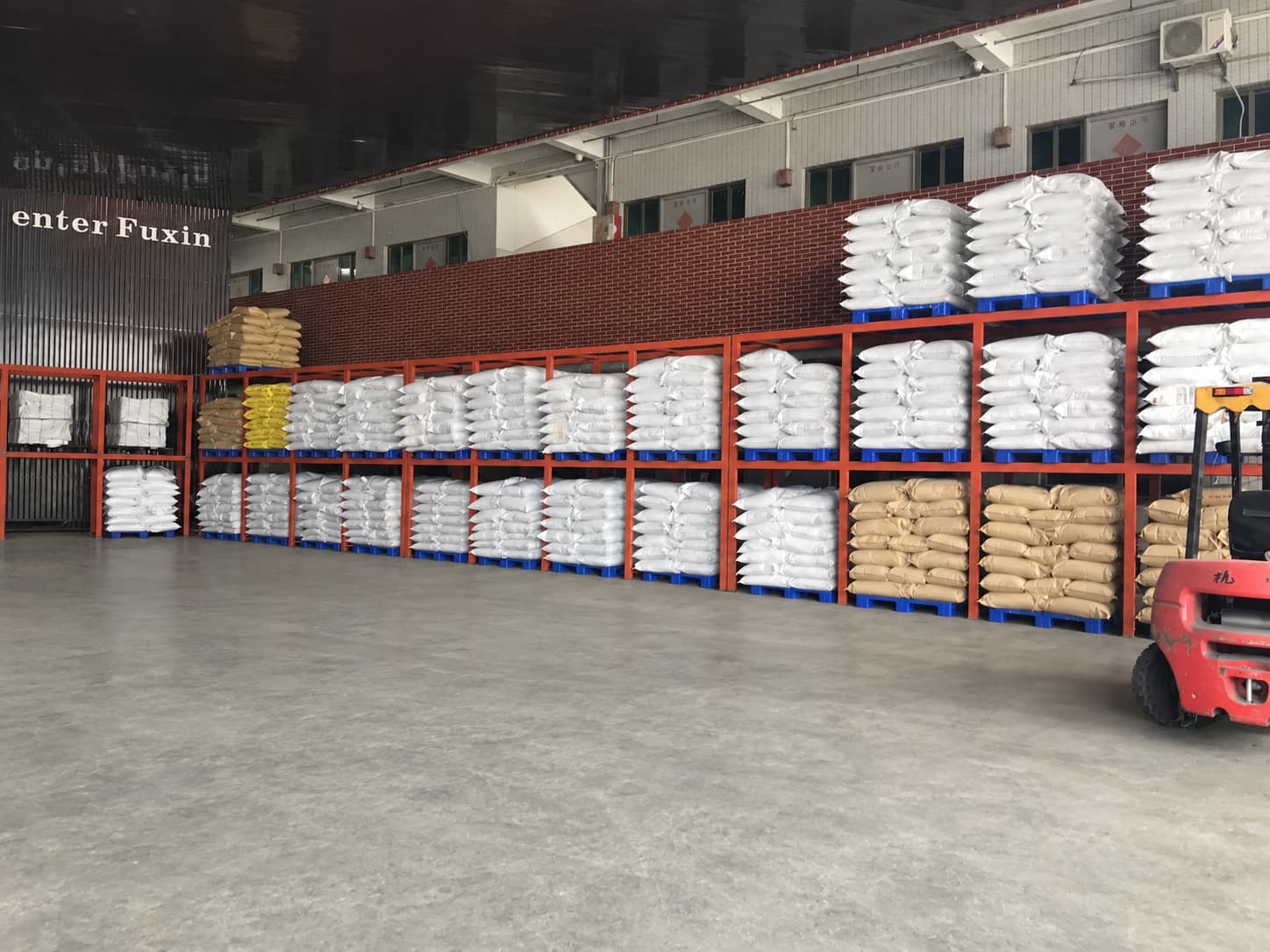
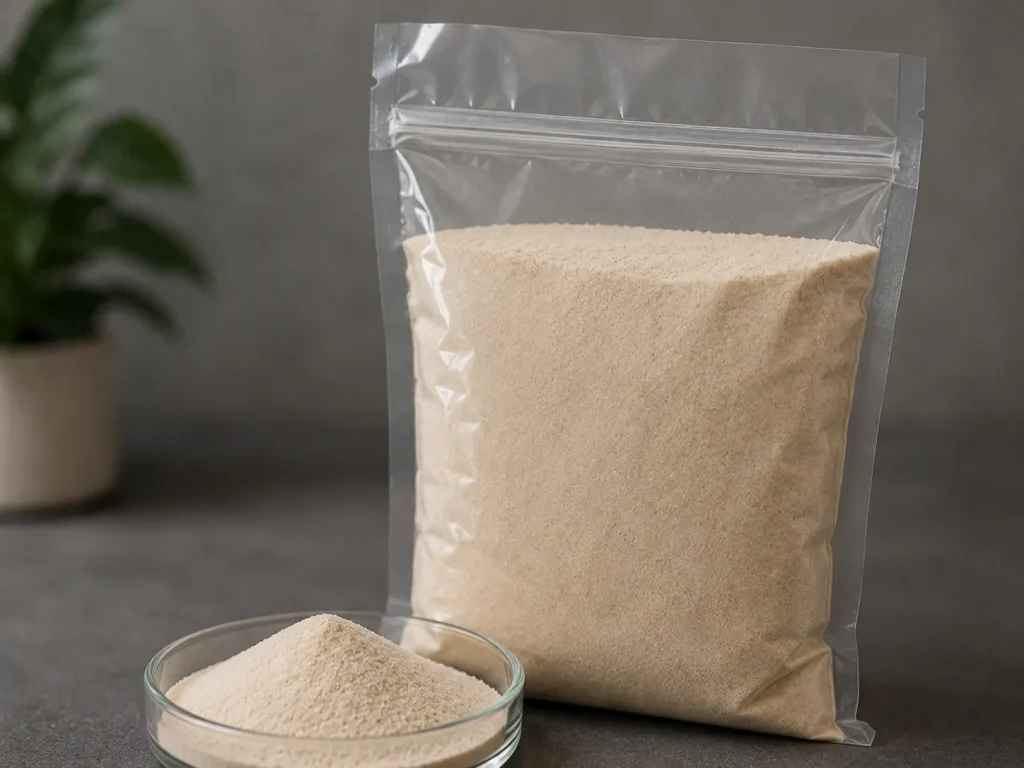
Packaging size, bag versus drum format, and labeling can be adjusted to your operational requirements. This is a straightforward logistics customization that most suppliers can accommodate, particularly for established customers or larger order volumes.
Purity Grade Selection (Not True Customization, But Selection)
Suppliers typically offer multiple purity grades as standard products rather than custom-formulating purity to an arbitrary target. What’s accurately described as “customization” here is usually grade selection — choosing from existing purity tiers (e.g., industrial grade vs. higher-purity grade) based on your application requirements, as covered in our guide to purity specifications.
Parameters That Are Not Realistically Customizable
Fundamental Chemical Structure
Dye Reactivity
Compatibility with Fundamentally Different Dye Classes
Outdoor Durability or End-Use Performance Properties
What “Customization” Often Actually Means in Supplier Marketing
Application-Specific Recommendation Versus Product Customization

Regulatory Documentation Is Not “Customization”
How to Evaluate a Supplier’s Customization Claims
Questions That Distinguish Genuine Customization from Marketing Language
When a supplier describes their sodium alginate as customizable, the following questions help clarify what is actually on offer:
- Which specific parameters can be adjusted — viscosity range, mesh size, purity tier — and what are the tolerances for each?
- Does adjusting a parameter require a minimum order quantity above your standard MOQ, and what is the lead time difference?
- For any claimed compliance or certification, can you provide the certificate number, issuing body, and scope of what it actually covers?
- If a “custom formula” is offered, what specifically differs from your standard product range, and how is that difference validated (CoA, third-party testing)?
Setting Realistic Expectations for Your Sourcing Conversation
How FSX Chemical Approaches Customization
Sonraki adımlar:
- TDS Talep Et — review the actual specification range available across our standard product line
- Not Eşleştirme Talebinde Bulunun — share your fiber type, dye system, and process conditions for a recommendation grounded in your real requirements
- Örnek İsteyin — evaluate the recommended grade in your actual production conditions before committing to volume
- Teknik Ekibimizle İletişime Geçin — to discuss what customization is realistically achievable for your specific application 📧 E-posta: Service@fsxchemical.com