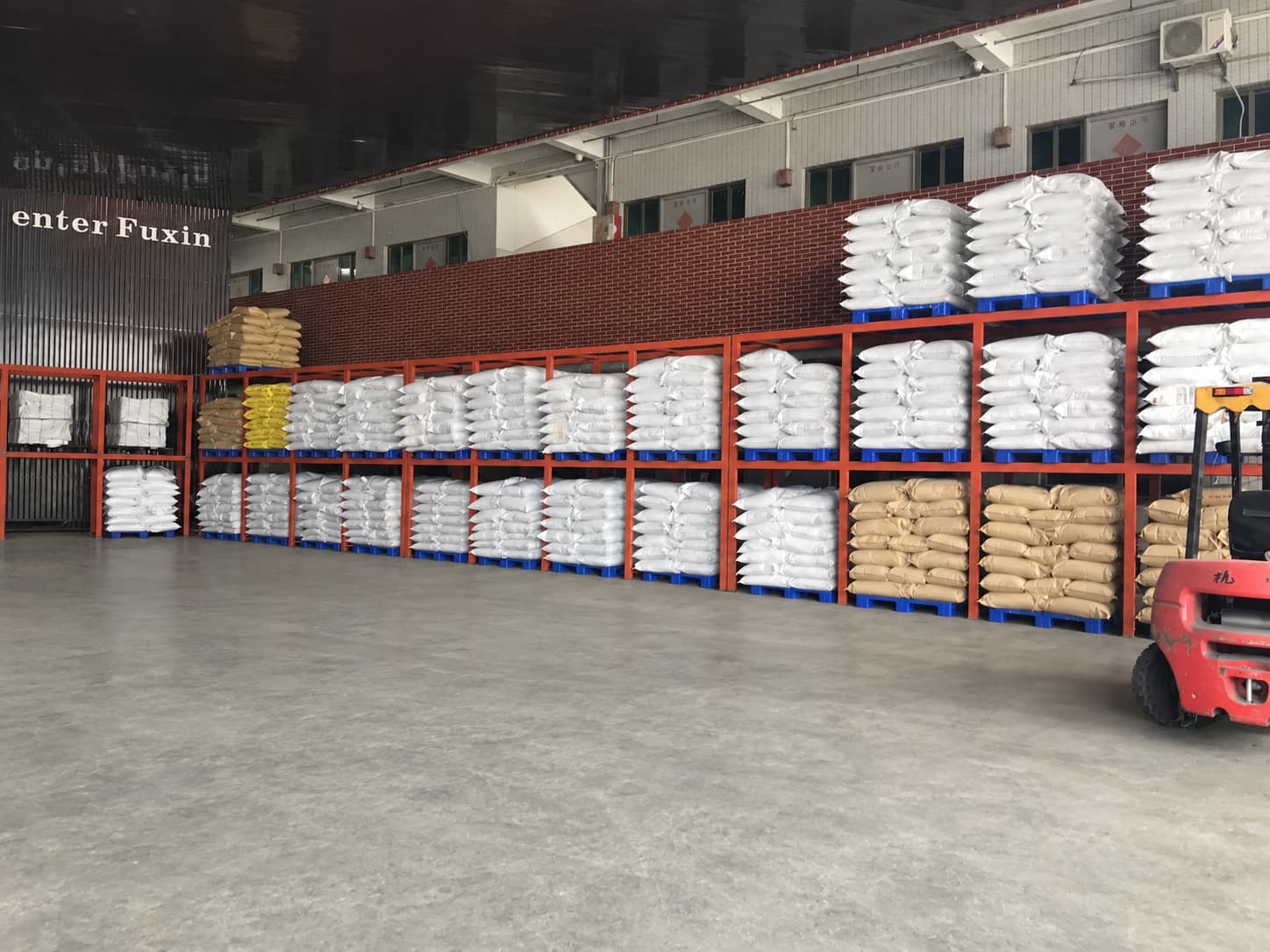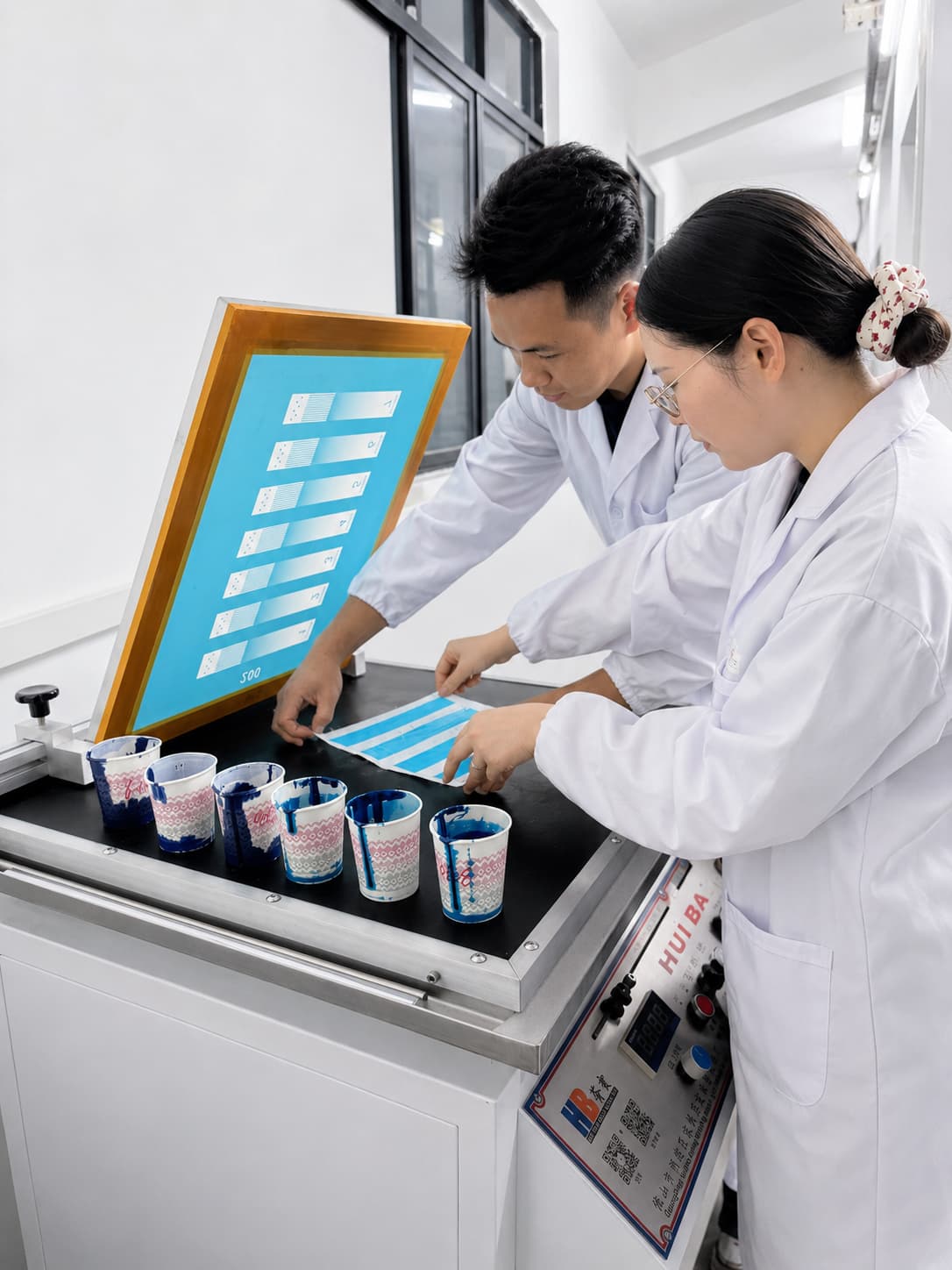















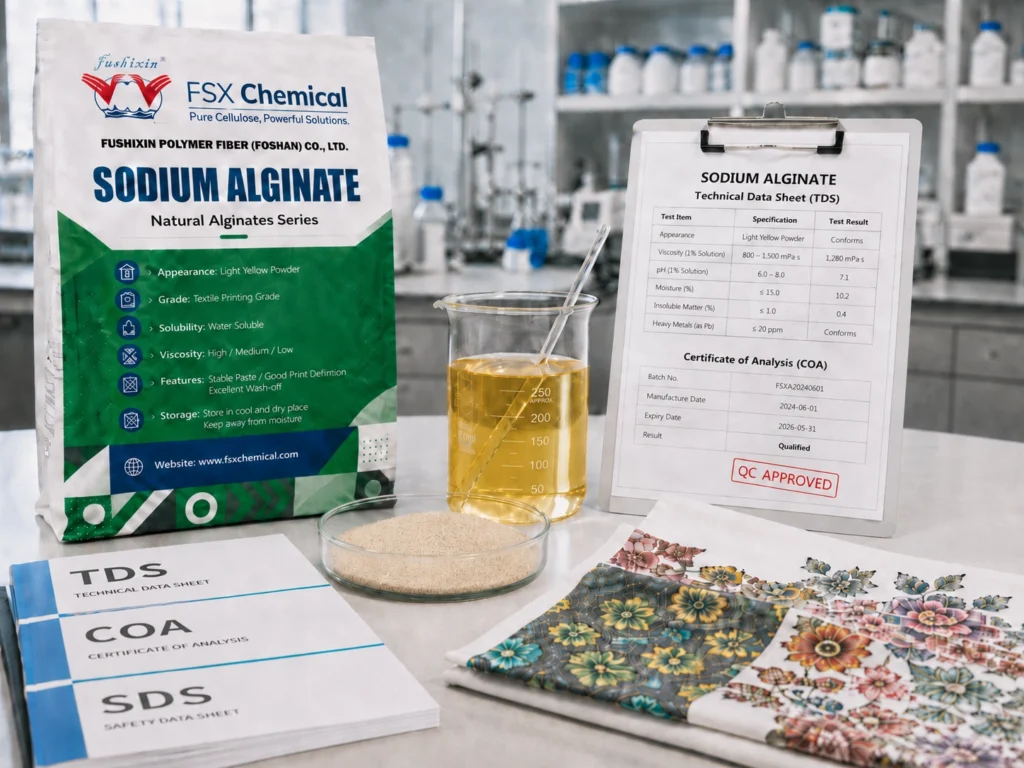
This guide explains how buyers can evaluate a sodium alginate factory by reviewing certificate scope, technical documents, sample testing, batch consistency, packaging, and export requirements.
Why Certificates Alone Are Not Enough
Certificate Scope Must Match the Product
If a buyer requires ISO, OEKO-TEX, customer audit documents, or other certification support, the first step is to check the certificate scope. A certificate may apply to a management system, a factory site, a product category, or a specific product.
Buyers should confirm whether the certificate covers the relevant product, application, company name, factory address, and validity period before using it for internal approval.
Validity and Document Details Should Be Verified
Certificate claims should be supported by actual documents. Buyers should check the certificate number, issuing body, issue date, expiry date, covered scope, and whether the document is still valid.
If a specific certification is required by the buyer’s customer, the requirement should be discussed before quotation or shipment.
Technical Performance Still Needs Testing
Certificates do not replace application testing. A certified supplier or documented factory may still need to provide the correct sodium alginate grade for the buyer’s printing process.
For textile printing, viscosity, dissolution behavior, paste smoothness, filtration, and sample-to-bulk consistency should be tested before bulk purchase.
What Buyers Should Check in a Sodium Alginate Factory
Application Understanding
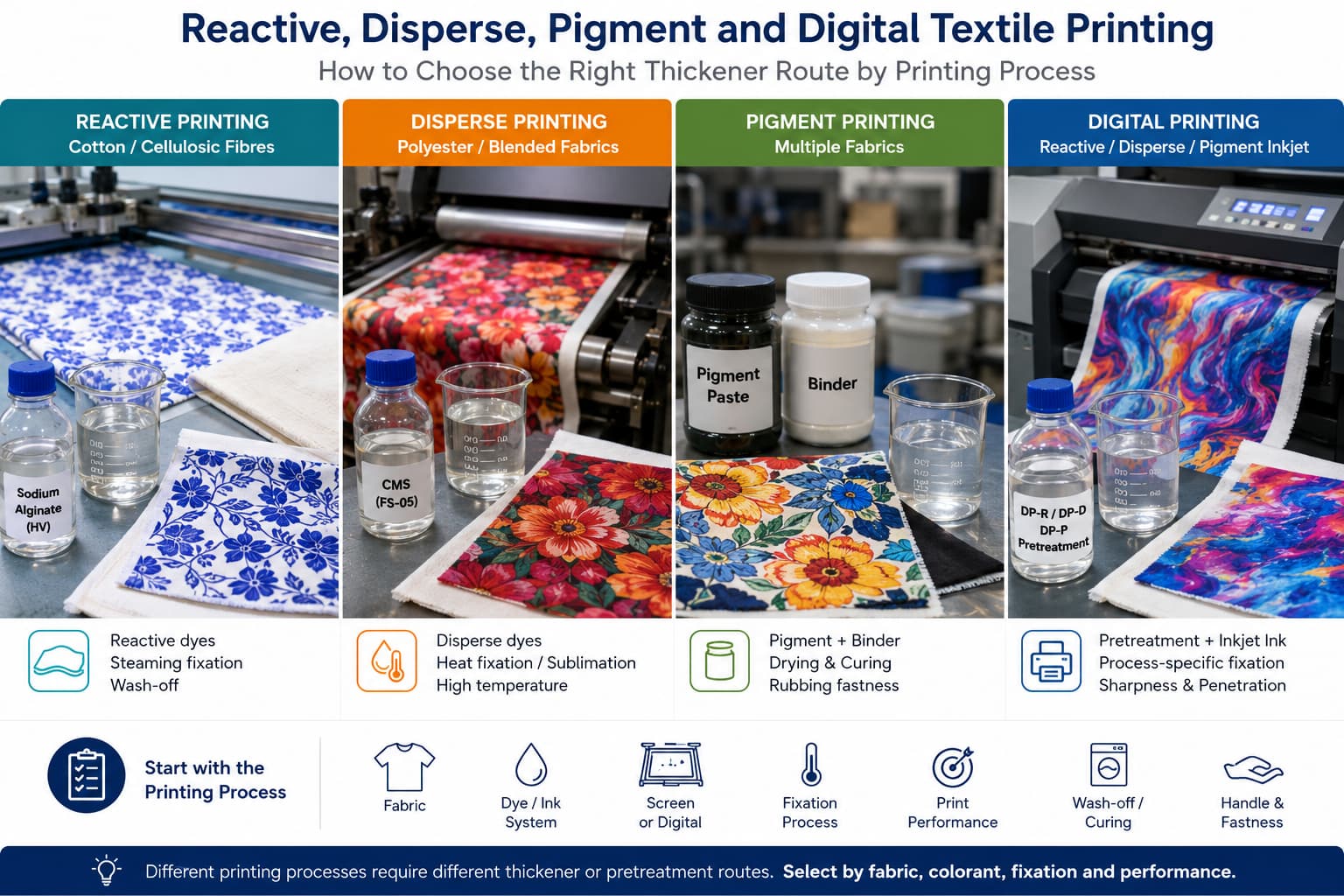
A practical supplier should ask about the buyer’s application before recommending a grade. Sodium alginate for reactive printing paste, screen printing, rotary printing, digital pretreatment, or related formulation testing may require different viscosity and handling behavior.
The buyer should share the printing process, fabric type, dye system, target viscosity, water quality, preparation method, and current product grade if available.
Stable Specification Control
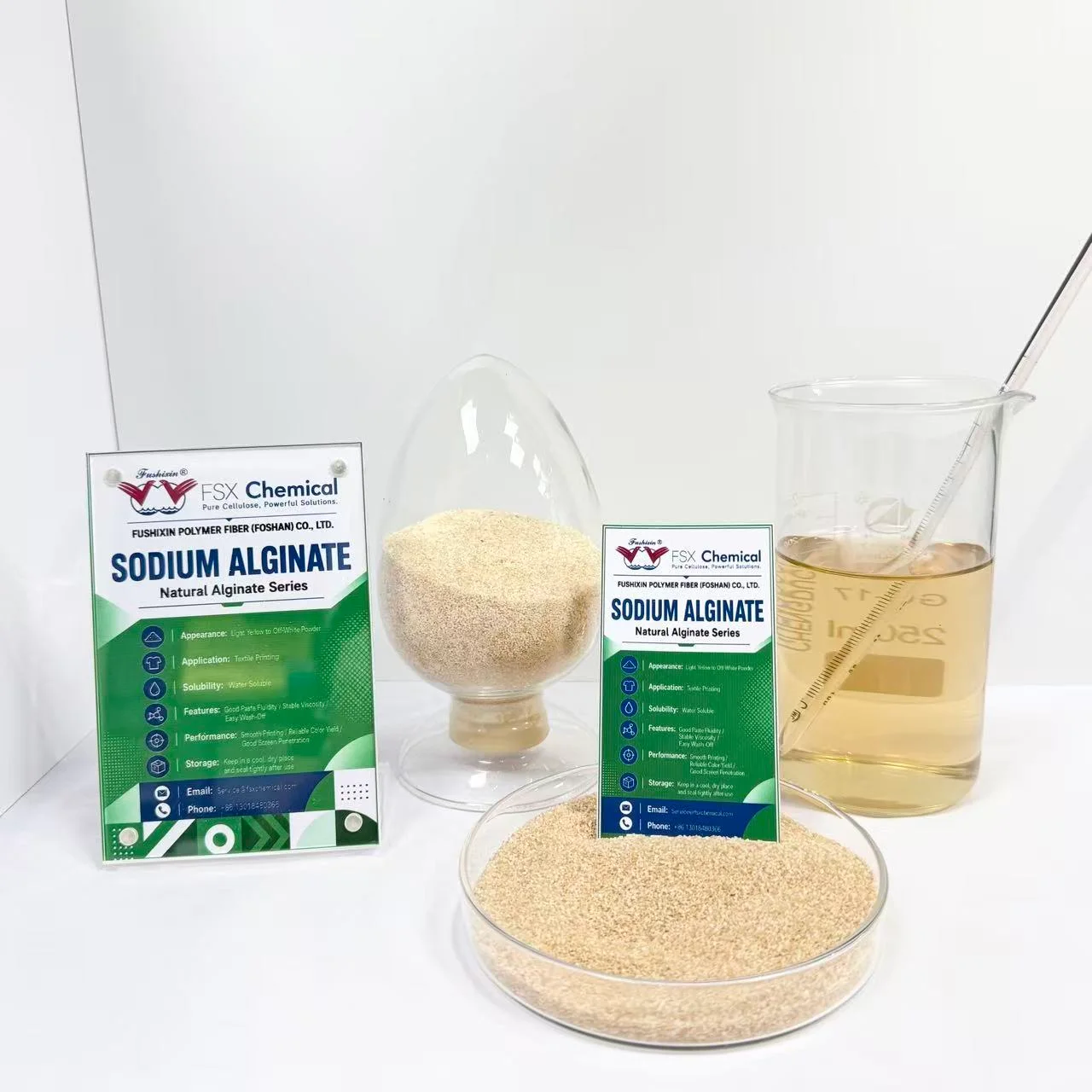
Sodium alginate grades may vary in viscosity, mesh size, dissolution behavior, moisture, pH, appearance, and paste handling. These differences can affect paste preparation, filtration, screen passing, pattern control, and repeat production stability.
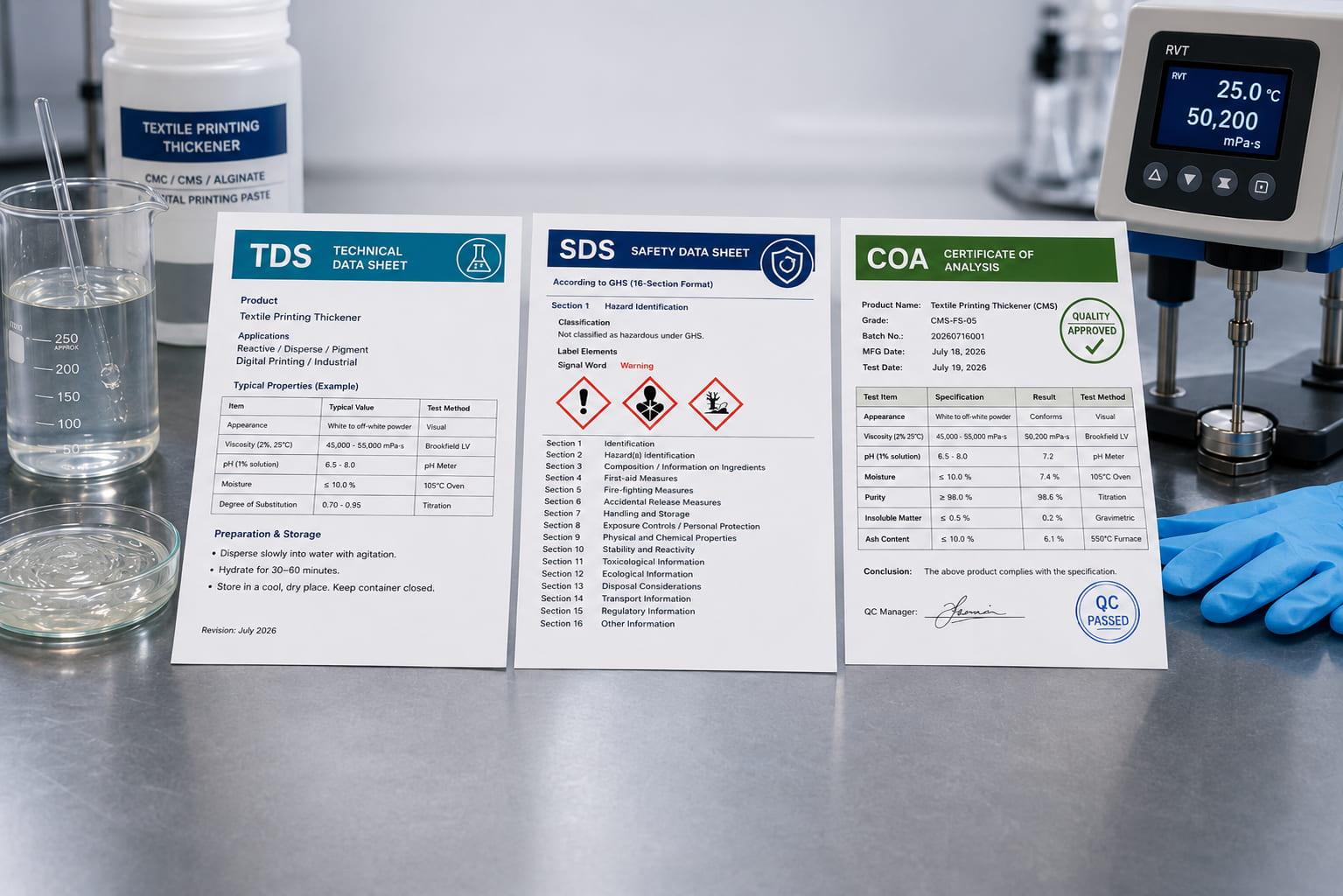
The factory should provide a clear TDS and support batch confirmation through COA data.
Sample Support Before Bulk Order
Buyers should avoid confirming bulk orders before application testing is complete.
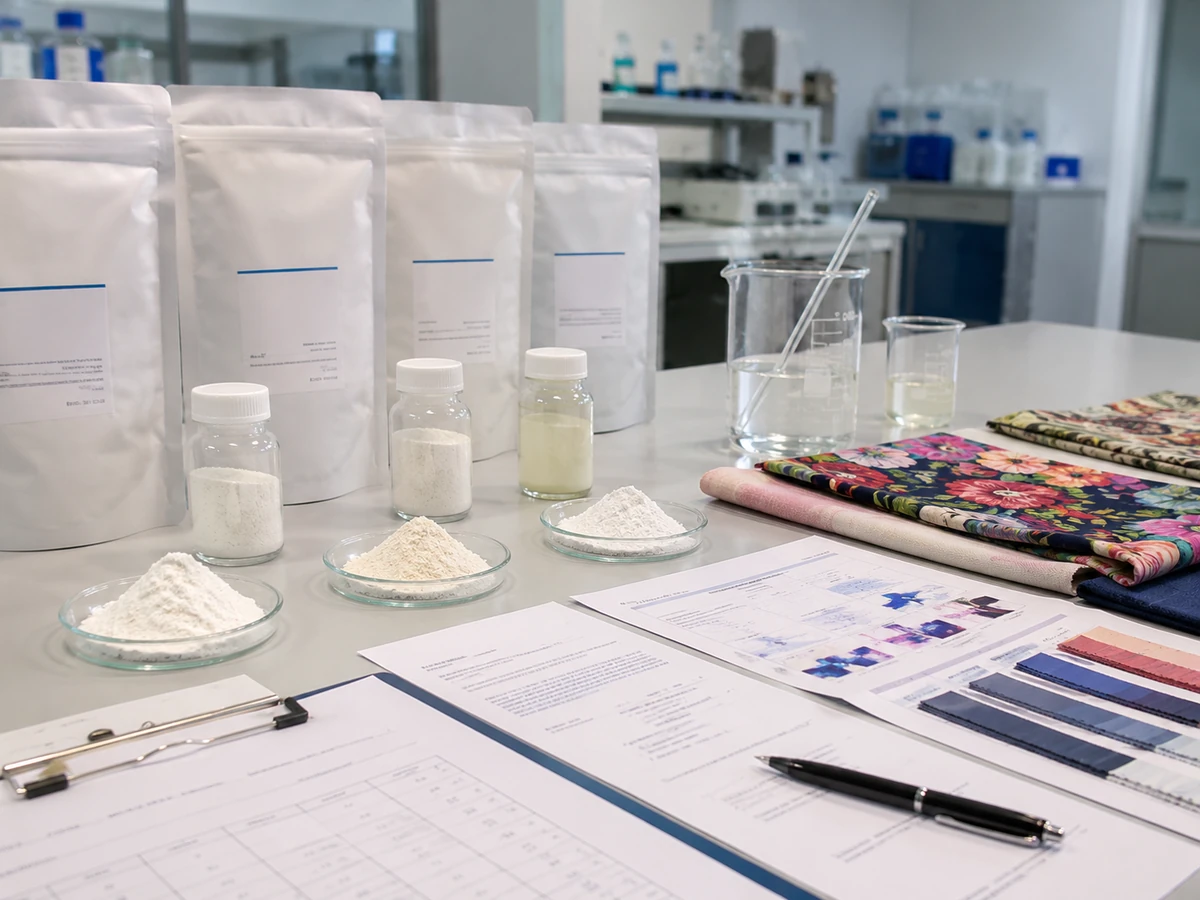
Parti İzlenebilirliği
Key Product Specifications to Review
Viskozite Sınıfı ve Test Yöntemi
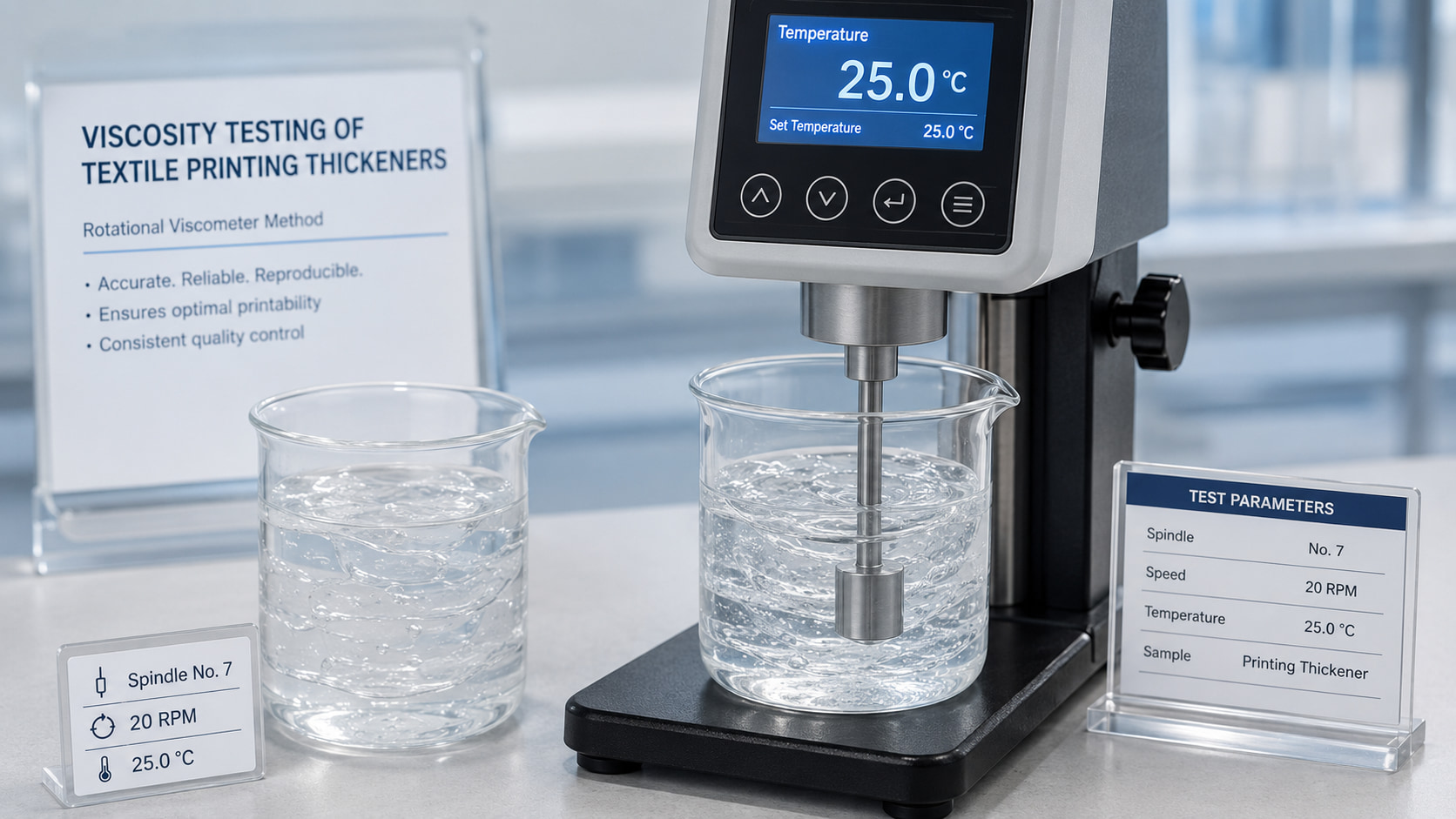
Viscosity is one of the most important parameters for sodium alginate used in textile printing paste. Buyers should review the viscosity range together with the test concentration, temperature, instrument method, and unit.
Net bir test yöntemi olmadan, farklı tedarikçilerden elde edilen viskozite değerleri doğrudan karşılaştırılamayabilir.
Ağ Gözü Boyutu ve Çözünme Davranışı
Ağ gözü boyutu, macun hazırlığı sırasında dağılım ve hidrasyonu etkileyebilir. Bununla birlikte, gerçek çözünme davranışı aynı zamanda su kalitesine, karıştırma hızına, ilave yöntemine, hazırlık süresine ve formülasyon koşullarına da bağlıdır.
Alıcılar, kendi üretim koşulları altında çözünme hızını, topaklanma durumunu, macunun pürüzsüzlüğünü ve süzülme davranışını test etmelidir.
Nem, pH ve Görünüm
Nem, pH ve görünüm temel ancak önemli kalite göstergeleridir. Bunlar, depolama, elleçleme, iç kalite kontrol ve tekrar satın almayı etkiler.
Bu parametreler, TDS’de gözden geçirilmeli ve her üretim partisi için COA verileriyle teyit edilmelidir.
Uygulama Uygunluğu
Buyers should not select a product only by the factory name or a broad “high viscosity” or “high performance” description.
Alıcıların Talep Etmesi Gereken Belgeler
Teknik Şartname İncelemesi için TDS
Teknik Veri Sayfası, alıcıların standart ürün özelliklerini incelemelerine yardımcı olur. Bu sayfada görünüm, viskozite, elek gözü boyutu, nem, pH, depolama koşulları ve test yöntemi gibi bilgiler yer almalıdır.
TDS, ilk kalite kontrolünü destekler; ancak alıcının kendi formülasyonunda yapılacak numune testlerinin yerini almamalıdır.
Toplu Onay için COA
Analiz Sertifikası, belirli bir üretim partisine ait gerçek verileri teyit eder. Bu belge, toplu siparişler, tekrar alımlar, distribütör tedarikleri ve kurum içi kalite kontrolü açısından önemlidir.
Alıcılar, sevkiyatlar arasındaki COA kayıtlarını karşılaştırarak temel parametrelerin kararlaştırılan aralıkta kalıp kalmadığını kontrol edebilirler.
Taşıma ve Sevkiyatla İlgili Güvenlik Bilgi Formu (SDS) İncelemesi
Güvenlik Bilgi Formu (SDS), ürünün kullanımı, depolanması, nakliyesi ve şirket içi güvenlik değerlendirmelerine destek sağlar. Uluslararası satın alımlarda ise sevkiyat ve gümrükle ilgili iletişim için SDS’ye ihtiyaç duyulabilir.
Alıcılar, SDS’deki ürün adı ve tedarikçi bilgilerinin sipariş belgelerindeki bilgilerle uyumlu olduğundan emin olmalıdır.
Certificate or Audit Documents When Required
If the buyer requires ISO, OEKO-TEX, restricted-substance statements, environmental documents, customer audit questionnaires, or third-party certification support, those requirements should be discussed before order confirmation.
A practical supplier should clearly explain which documents can be provided, which product or site they apply to, and which claims require formal third-party testing or certification.
How to Test Sodium Alginate Before Factory Approval
Gerçek Baskı Macununda Test
Mümkün olduğunda numune testleri, alıcının kendi macun formülasyonunda gerçekleştirilmelidir. Boyalar, yardımcı maddeler, su kalitesi, pH, karıştırma yöntemi, macun konsantrasyonu ve bekletme süresi, nihai macun davranışını etkileyebilir.
Sadece temiz suda yapılan testler, sodyum aljinat türünün üretime uygun olup olmadığını doğrulamak için yeterli olmayabilir.
Pratik Üretim Davranışını Gözlemleyin
Testler sırasında alıcılar, çözünme hızını, macunun pürüzsüzlüğünü, topaklanma durumunu, süzülme davranışını, viskozite kararlılığını, elekten geçme özelliğini ve uygulama kolaylığını gözlemlemelidir.
Bu pratik gözlemler, genellikle Teknik Veri Sayfası’nda (TDS) gösterilen teknik özellik verileri kadar önemlidir.
Mevcut Ürünle Karşılaştırın
Alıcı, mevcut bir sodyum aljinat veya başka bir kıvam arttırıcıyı değiştirecekse, yeni numune mevcut ürünle aynı koşullar altında test edilmelidir.
Bu, alıcının toplu tedarik konusunu görüşmeden önce yeni kalitenin teknik açıdan uygun olup olmadığını değerlendirmesine yardımcı olur.
Örnek ile Toplu Ürün Arasındaki Tutarlılığı Doğrulama
Toplu siparişi onaylamadan önce, alıcılar onaylanmış numune ile toplu sevkiyatın aynı viskozite aralığı, elek gözü boyutu, ambalaj biçimi, parti izlenebilirliği ve COA gerekliliklerine uygun olup olmadığını kontrol etmelidir.
Bu, numunenin onaylanmasının ardından üretim performansının istikrarsız hale gelme riskini azaltmaya yardımcı olur.
Common Mistakes When Choosing a Sodium Alginate Factory
Accepting Certificate Claims Without Checking Scope
A certificate should be reviewed carefully before it is used for customer approval. Buyers should check whether it applies to the product, factory, company name, and current validity period.
Comparing Suppliers Without Matching Specifications
Two suppliers may both offer sodium alginate, but the viscosity range, testing method, mesh size, and dissolution behavior may be different.
Buyers should compare equivalent grades and equivalent trade terms.
Choosing Before Sample Approval
Bir sodyum aljinat çeşidi, özellikle mevcut bir ürünün yerine kullanılacaksa, toplu alımdan önce alıcının kendi formülasyonunda test edilmelidir.
Ignoring Export Document Requirements
For international purchasing, missing or inconsistent documents may delay internal review or shipment communication. Buyers should confirm document requirements before order confirmation.
What to Confirm Before Placing a Bulk Order
- Product name, grade, viscosity range, and testing method.
- TDS, COA, SDS, and certificate or audit documents if required.
- Approved sample reference and agreed sample-to-bulk specification range.
- Packaging size, bag type, label content, pallet requirement, and storage conditions.
- Batch number, COA availability, and traceability information.
- Order quantity, MOQ, lead time, Incoterms, payment terms, and shipment plan.
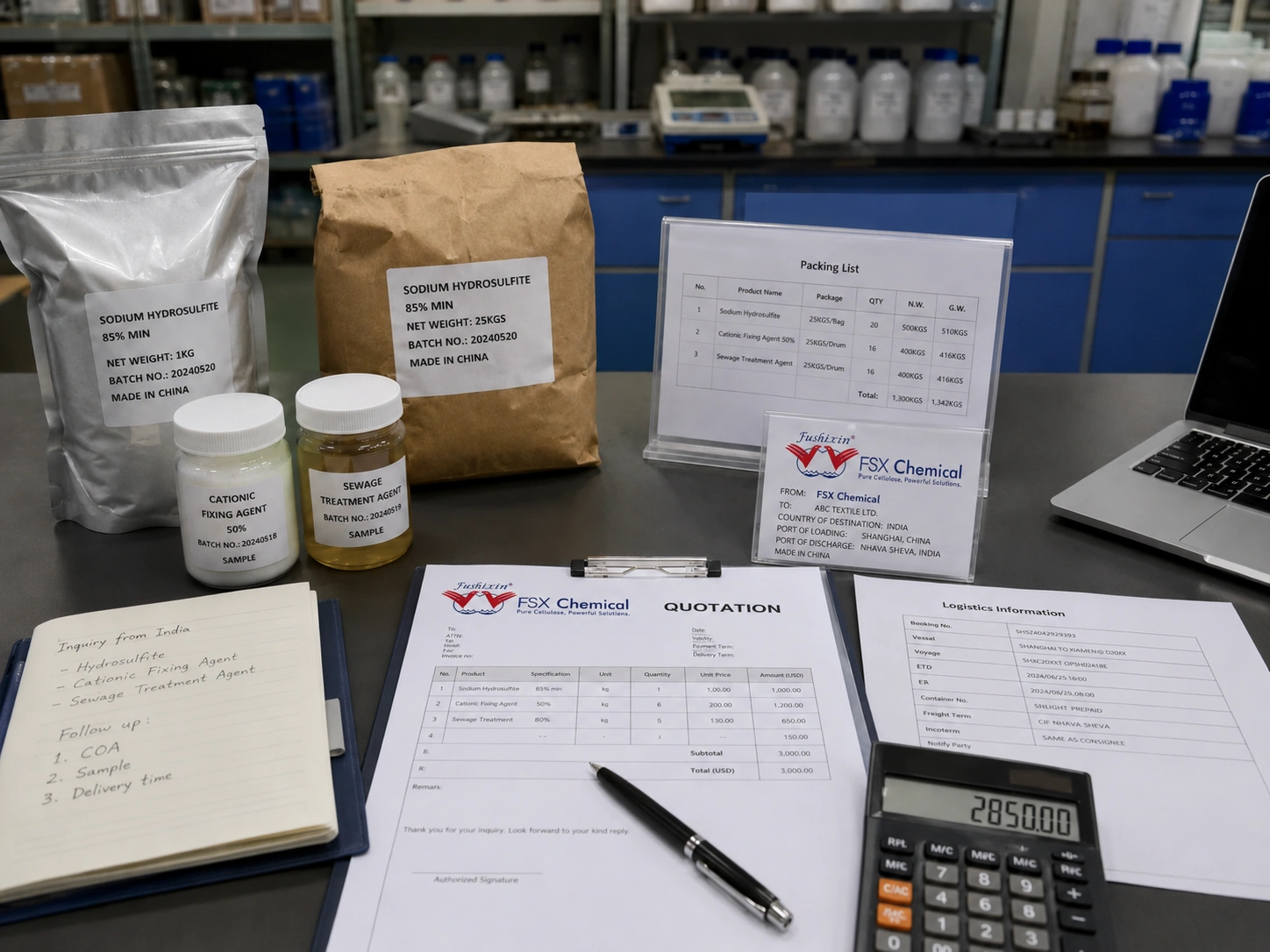
- Export documents such as invoice, packing list, COA, SDS, and other required documents.
FSX Chemical, Sodyum Aljinat Alıcılarına Nasıl Destek Sağlıyor?
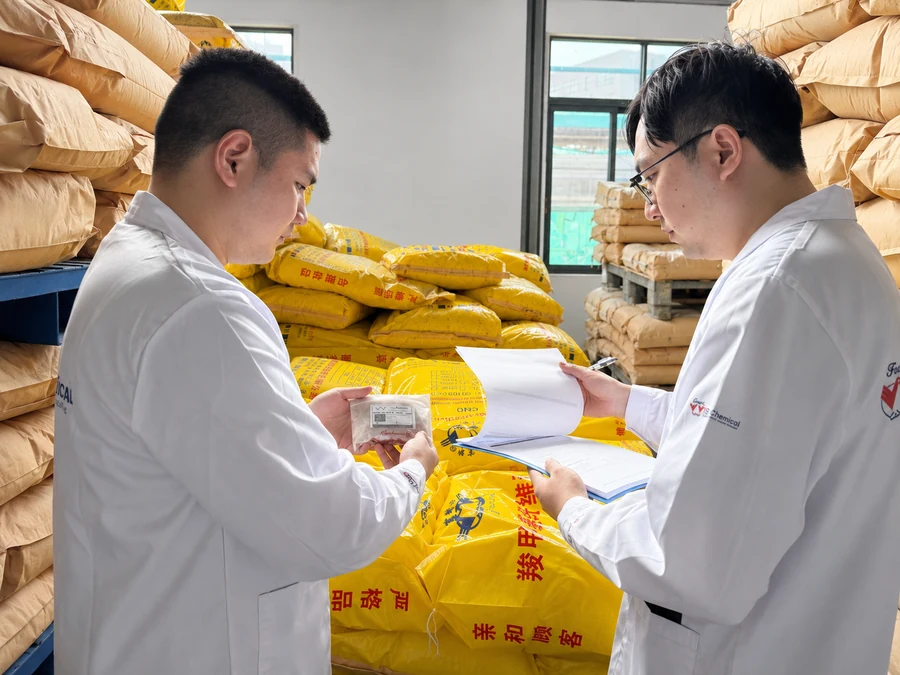
We do not suggest choosing a sodium alginate factory only by certificate claims, broad performance language, or price. The recommended grade should be reviewed through technical documents and tested in the buyer’s own formulation before bulk purchase.
Sonraki Adımlar
- Başvurunuzu Paylaşın — Baskı işleminizi, kumaş türünüzü, boyama sisteminizi, hedef viskozitenizi ve mevcut pasta formülasyonunuzu bize bildiriniz.
- Clarify Certificate Requirements — explain whether you need ISO, OEKO-TEX, restricted-substance statements, customer audit documents, or other specific documents.
- TDS Talep Et — viskozite, elek gözü boyutu, pH, nem, görünüm, depolama koşulları ve test yöntemini gözden geçirin.
- COA Talep Et — sevkiyat öncesinde parti verilerinin kararlaştırılan spesifikasyon aralığına uygun olup olmadığını doğrulayın.
- Bir SDS talep edin — işleme, depolama, nakliye ve ürün bilgilerini kontrol edin.
- Örnek İsteyin — Toplu siparişleri onaylamadan önce, önerilen sodyum aljinat türünü kendi macun hazırlama ve baskı koşullarınızda test edin.
- Ambalaj ve İhracat Belgelerini Doğrulama — Sevkiyat öncesinde çanta boyutunu, etiketleri, parti izlenebilirliğini, faturayı, sevk irsaliyesini, COA’yı, SDS’yi ve diğer gerekli belgeleri kontrol edin.
- Teknik Ekibimizle İletişime Geçin — discuss which sodium alginate grade and document support are suitable for your textile printing başvuru📧 E-posta: Service@fsxchemical.com