Kiểm soát chất lượng theo lô đối với hóa chất in dệt may: COA, thử nghiệm và phê duyệt
Reliable textile chemical quality requires more than testing the final batch. Effective QA and QC...
Batch quality control for textile printing chemicals should connect raw-material qualification, controlled manufacturing, representative sampling, method-defined laboratory tests, application checks, COA review, release authorization, retained samples and traceability. A sodium alginate, CMC, CMS or compound thickener is commercially reliable only when future batches remain inside the approved technical and production window.
This is why quality should not be reduced to a statement such as “every batch is tested.” Effective batch control requires a connected system that begins with raw materials and continues through manufacturing, in-process checks, laboratory testing, application verification, batch release, packaging, documentation and traceability.
Quality Control, or QC, identifies whether materials and finished batches meet defined requirements. Quality Assurance, or QA, builds the procedures and controls intended to prevent unacceptable variation from occurring in the first place.
Both are necessary. Testing without process control may detect a problem only after a batch has already been produced. Process control without final verification may allow an unexpected deviation to reach the customer.
Why Batch Consistency Matters in Textile Chemicals
Textile chemicals operate inside production systems that may be sensitive to relatively small changes in viscosity, solids, pH, hydration, filtration or chemical compatibility.
For printing thickeners in particular, a batch variation that appears modest in a laboratory result can become more visible after the material is mixed with dyes, salts, alkalis, binders or other auxiliaries.
Batch variation can affect preparation
Changes in hydration, particle profile or viscosity development can force operators to adjust water, mixing time or thickener dosage.
Batch variation can affect machinery
Differences in filtration or rheology may influence pumping, circulation, screen passage, coating uniformity or production speed.
Batch variation can affect finished fabric
Print definition, penetration, solid-area uniformity, wash-off and final handle may all change when the paste behaves differently.
Repeated recipe correction, additional laboratory testing, machine cleaning, rejected fabric and production downtime may cost far more than a small difference in raw-material price.
The purpose of batch QC is therefore not to create identical numerical results every time. It is to keep meaningful variation inside an approved operating range.
Quality Control vs Quality Assurance
QC and QA are closely related, but they serve different functions.
Area
Kiểm soát chất lượng
Quality Assurance
Main question
Does this material or batch meet the requirement?
Is the system designed to produce consistent batches?
Main focus
Testing and verification
Process design and prevention
Typical activities
Viscosity, pH, moisture, filtration and application checks
SOPs, training, calibration, change control and traceability
Timing
Incoming, in-process and final batch
Throughout the manufacturing system
Result
Accept, investigate, reprocess or reject
Reduce the probability of future deviation
A strong textile chemical manufacturing system connects both approaches.
The Complete Batch Quality Chain
Batch quality should be controlled as a sequence rather than as one final laboratory test.
Approved raw-material sources and specifications
Incoming material identification and inspection
Controlled weighing and formula execution
Documented manufacturing conditions
In-process testing
Representative batch sampling
Final laboratory QC
Application testing where appropriate
QA review and batch release
Controlled packaging and labeling
COA and shipping documentation
Retained sample and batch record storage
Customer feedback and complaint investigation
Weakness at any one stage can make later test results less meaningful.
1. Define a Permanent Commercial Grade
Quality assurance begins by defining exactly what product is being manufactured.
A laboratory sample should not remain an informal description such as “high viscosity alginate” or “special CMC.” Once a product is approved for commercial supply, it should be linked to a permanent grade code.
The grade identity should connect
Product specification
TDS
SDS
Internal formulation or manufacturing instruction
Sample label
Báo giá
Purchase order
Production batch
Package label
COA
This connection is essential when a buyer needs to verify that a bulk shipment corresponds to the grade originally tested.
2. Qualify and Control Raw Materials
Final batch consistency begins with the materials entering the factory.
Raw-material controls may include
Supplier and material identity
Supplier batch number
Packaging condition
Hình thức
Specified incoming parameters
Supporting supplier documents where required
Critical materials require stronger control
Not every ingredient needs the same testing panel. Materials with a strong influence on viscosity, substitution, chemical stability or final application performance may require closer incoming control.
Supplier changes should not be invisible
A change in the source or specification of a critical raw material may affect the finished textile chemical even when the formula weight remains unchanged.
3. Control Weighing and Formula Execution
Even a well-designed formulation can produce inconsistent batches when ingredients are weighed or added incorrectly.
Critical controls include
Correct product and batch identification
Verified weighing equipment
Correct target quantity
Controlled weighing tolerance
Defined addition sequence
Operator confirmation where required
Documented corrections
Addition order can be a quality parameter
In polymer and thickener systems, changing the sequence of water, salts, polymers, pH modifiers or other components can change hydration and viscosity even when the final formulation contains the same ingredients.
4. Standardize Critical Manufacturing Parameters
Manufacturing instructions should define the process conditions that can materially affect the final product.
Depending on the product, these may include
Batch size
Trình tự trộn
Tốc độ trộn
Mixing duration
Nhiệt độ
Reaction or modification time
pH adjustment
Drying condition
Milling or particle processing
Blending time
Screening or filtration
The objective is not simply to record numbers. The manufacturer should identify which parameters are critical to product performance and control them accordingly.
5. Use In-Process Quality Checks
Waiting until a batch is completely finished can make deviations more difficult and expensive to correct.
In-process testing can help detect
Incorrect concentration
Unexpected pH
Incomplete mixing
Viscosity developing outside the expected range
Physical nonuniformity
Moisture or solids variation
The appropriate checkpoints depend on the chemistry and manufacturing process.
In-process control is particularly useful when an adjustment can still be performed safely and reproducibly before the batch reaches its final stage.
6. Standardize Sampling Procedures
Laboratory data is only useful when the sample represents the batch.
Sampling procedures should define
When the batch is ready for sampling
Sampling location
Required sample quantity
Sample container
Sample identification
Handling and conditioning before testing
Powder uniformity matters
Powder batches may require suitable blending and representative sampling because a small sample from one position may not describe the entire batch.
Liquid uniformity matters
Liquid or paste products should be adequately mixed before sampling when settling or separation could affect the result.
7. Use Method-Controlled Final Laboratory Testing
A specification number has limited meaning unless the test method is controlled.
A useful QC method defines
Sample preparation
Nồng độ
Water or solvent
Nhiệt độ
Thiết bị
Instrument settings
Measurement time
Calculation basis
Reporting unit
If the laboratory method changes from one batch to another, apparent product variation may actually be measurement variation.
8. Control Viscosity Correctly
Viscosity is one of the most important QC parameters for textile printing thickeners, but it is highly dependent on the test method.
For viscosity results, record
Nồng độ sản phẩm
Phương pháp chế biến
Thời gian bù nước
Nhiệt độ đo
Viscometer
Trục chính, rôto hay hình học
Tốc độ quay
Thời gian đọc
Do not compare unrelated viscosity numbers
Two products tested at different concentrations or rotational speeds should not be considered equivalent simply because the reported values are similar.
Viscosity is not the entire QC system
A batch can meet viscosity requirements and still differ in filtration, hydration, rheology or application behavior.
9. Evaluate Filtration and Physical Uniformity
Filtration is particularly relevant for textile printing products because gels, coarse particles and contamination can affect screens and application equipment.
A controlled filtration test should define
Nồng độ mẫu
Hydration procedure
Filter material
Opening or mesh size
Sample quantity
Filtration condition
Residue evaluation
Filtration should be interpreted together with appearance and hydration. Residue can come from incomplete preparation as well as the product itself.
10. Use Application Testing Where It Matters
Physical specifications cannot always predict textile printing performance. For critical grades, application testing can provide an additional level of quality verification.
Application checks may evaluate
Paste preparation
Chemical compatibility
Screen or coating behavior
Định nghĩa về in ấn
Độ thâm nhập
Độ đồng đều của vùng rắn
Quá trình cố định hoặc đóng rắn
Rửa trôi
Tay cầm bằng vải hoàn thiện
The appropriate testing frequency depends on the product, production process, risk level and agreed quality plan.
Define the product-specific test panel, method version, sampling basis, units, acceptance limits, required records and release authority before testing. Separate typical TDS values from agreed release specifications. A limit without its test concentration, preparation and measurement method can create a false pass/fail dispute.
For results near a limit, agree the decision rule in advance: it states how measurement uncertainty is considered when determining conformity. A guard band may be appropriate for a critical property, but its size is not a universal percentage and it should not be invented after seeing the batch result. Method repeatability, sample preparation, instrument verification and relevant uncertainty contributors should inform the laboratory’s evaluation.
ILAC G8 and G17 provide guidance on conformity decisions and uncertainty in testing. These are useful references for agreeing a laboratory procedure; mentioning them does not mean FSX or the supplier’s laboratory holds ISO/IEC 17025 accreditation.
Release record
Buyer and supplier should agree
Parameter and measurand
What is being measured, on what concentration or dry/as-supplied basis?
Method and sampling
Which version, sample locations, preparation, hydration and test settings apply?
Limits and decision rule
How are borderline results, uncertainty, rounding and any required additional checks treated?
Disposition authority
Who can release, hold, reject or approve an explicitly documented concession?
Keep an out-of-trend flag separate from an out-of-specification finding. A within-limit result can merit investigation because of drift; an outside-limit result cannot be made acceptable simply by changing the trend chart or specification afterward.
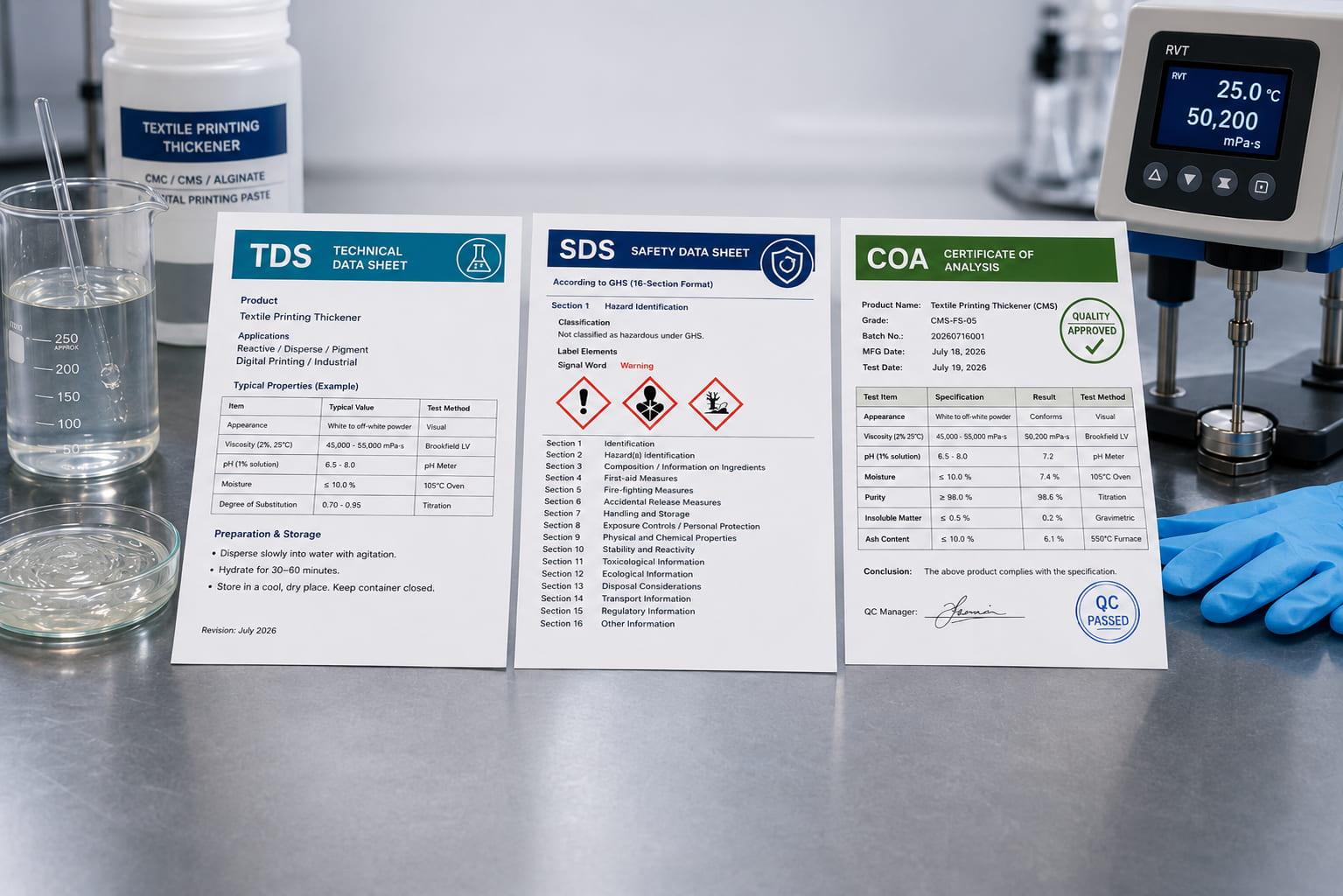
12. Issue Meaningful Certificates of Analysis
A Certificate of Analysis should identify a specific batch and report the parameters relevant to the agreed commercial specification.
A useful COA commonly includes
Manufacturer or supplier identification
Commercial product grade
Batch or lot number
Selected test parameters
Specification or acceptance range where applicable
Batch test results
Relevant units
Authorized document information
The COA should match the package
Product code and batch number on the COA should correspond to the shipped material.
COA does not replace application testing
A compliant COA confirms selected batch properties. It does not prove that every customer’s formulation, fabric and machine will produce the same result.
13. Maintain Retained Samples
Retained samples are one of the most useful tools for investigating a reported batch difference.
A retained-sample program should consider
Representative sampling
Xác định lô hàng
Suitable container
Storage conditions
Retention period
Access control
Why retained samples matter
When a customer reports that a new shipment behaves differently, the manufacturer can compare the retained batch with the complaint sample, previous approved material and production records.
14. Build Batch Traceability
Traceability connects a finished product with the records required to investigate its history.
A useful traceability chain can connect
Finished product batch
Production date
Manufacturing record
Critical raw-material lots
In-process results
Final QC results
Packaging records
COA
Retained sample
Shipment information
The level of traceability should be appropriate to the manufacturer’s quality system and product risk.
15. Control Packaging and Labeling
A batch that passes laboratory QC can still reach the customer in poor condition if packaging is unsuitable or incorrectly identified.
Packaging controls may include
Correct packaging material
Clean and intact bags, drums or containers
Correct net weight
Suitable closure or sealing
Correct product label
Batch or lot number
Storage and handling information where required
Powder products require moisture protection
Sodium alginate, CMC, CMS and other hygroscopic or water-sensitive powders can change physical condition if packaging is damaged or storage is unsuitable.
16. Manage Changes Before They Reach Customers
Quality assurance should control changes that could influence product performance.
Potentially significant changes include
Critical raw-material supplier
Raw-material specification
Formula
Manufacturing process
Major production equipment
Critical QC method
Packaging system
A controlled change process should assess whether additional laboratory, application or customer verification is appropriate before routine implementation.
17. Handle Nonconforming Batches
A result outside an approved limit should trigger a controlled hold and investigation. Preserve the original sample identity, result, instrument record and method version. Check preparation, hydration, temperature, concentration basis, instrument condition and manufacturing records before deciding whether the material or the measurement is responsible.
Finding
Bước tiếp theo
Release boundary
Documented preparation or instrument error
Record the evidence and perform a justified repeat under the controlled procedure.
Retain the first record; explain why it was invalidated and who authorized the decision.
Representative result remains outside specification
Investigate process and raw materials; define disposition and corrective action.
No routine release against the original specification.
Supplier and buyer disagree near a limit
Align the sample, method, conditioning, uncertainty and agreed decision rule.
Keep the disputed material identified until an authorized decision is recorded.
Repeated tests give conflicting results
Investigate sampling heterogeneity and method variation using a pre-defined plan.
Do not keep testing until one result passes, select only favorable results or average away a failure without method-based justification.
Any reprocessing, rejection, reclassification or customer concession should identify the batch, justification, approver and restrictions. Reprocessed material needs appropriate verification against its approved disposition. A concession is an explicit acceptance of a specified deviation for a stated use, not a revised COA that conceals the original finding.
This is a recommended industrial QC workflow, not a claim about FSX’s internal release procedure. The relationship between uncertainty and false acceptance or rejection is discussed in NIST’s conformity-decision research.
A customer complaint should begin with data collection rather than with an assumption that either the customer or manufacturer is responsible.
Collect customer information
Product grade
Batch number
Complaint sample where available
Current TDS or specification used by the customer
Viscosity method
Preparation process
Công thức hoàn chỉnh
Fabric and printing equipment
Photographs or printed-fabric samples
Compare against retained material
The questioned batch can be compared with a retained sample and previous reference batch using the same method.
Separate material and application causes
A compliant batch may still perform differently if water, temperature, formulation, fabric or machine conditions have changed.
Use corrective and preventive action where appropriate
When a root cause is confirmed, the investigation should identify both immediate correction and measures intended to reduce recurrence.
19. Monitor Batch-to-Batch Trends
A batch can remain inside specification while its results gradually move toward one side of the operating range.
Reviewing historical data can identify gradual shifts before they become customer problems.
Trend monitoring may include
Độ nhớt
Moisture or solids
pH
Lọc
Application results
Complaint frequency
Trend analysis is one of the clearest differences between simply testing batches and actively managing quality.
20. Verify the First Commercial Batch After Sample Approval
One of the highest-risk points in B2B chemical purchasing is the move from laboratory sample to commercial shipment.
Do not stop at sample approval
The buyer should confirm that the commercial grade and specification are the same ones represented by the approved sample.
Check the first production batch
Compare critical laboratory properties against the approved reference.
Complete an application check
For critical textile-printing applications, a controlled first-batch printing trial can reduce conversion risk.
Record the approved commercial baseline
Once accepted, the first commercial batch can become a useful reference for future incoming and complaint investigations.
QC Priorities for Sodium Alginate
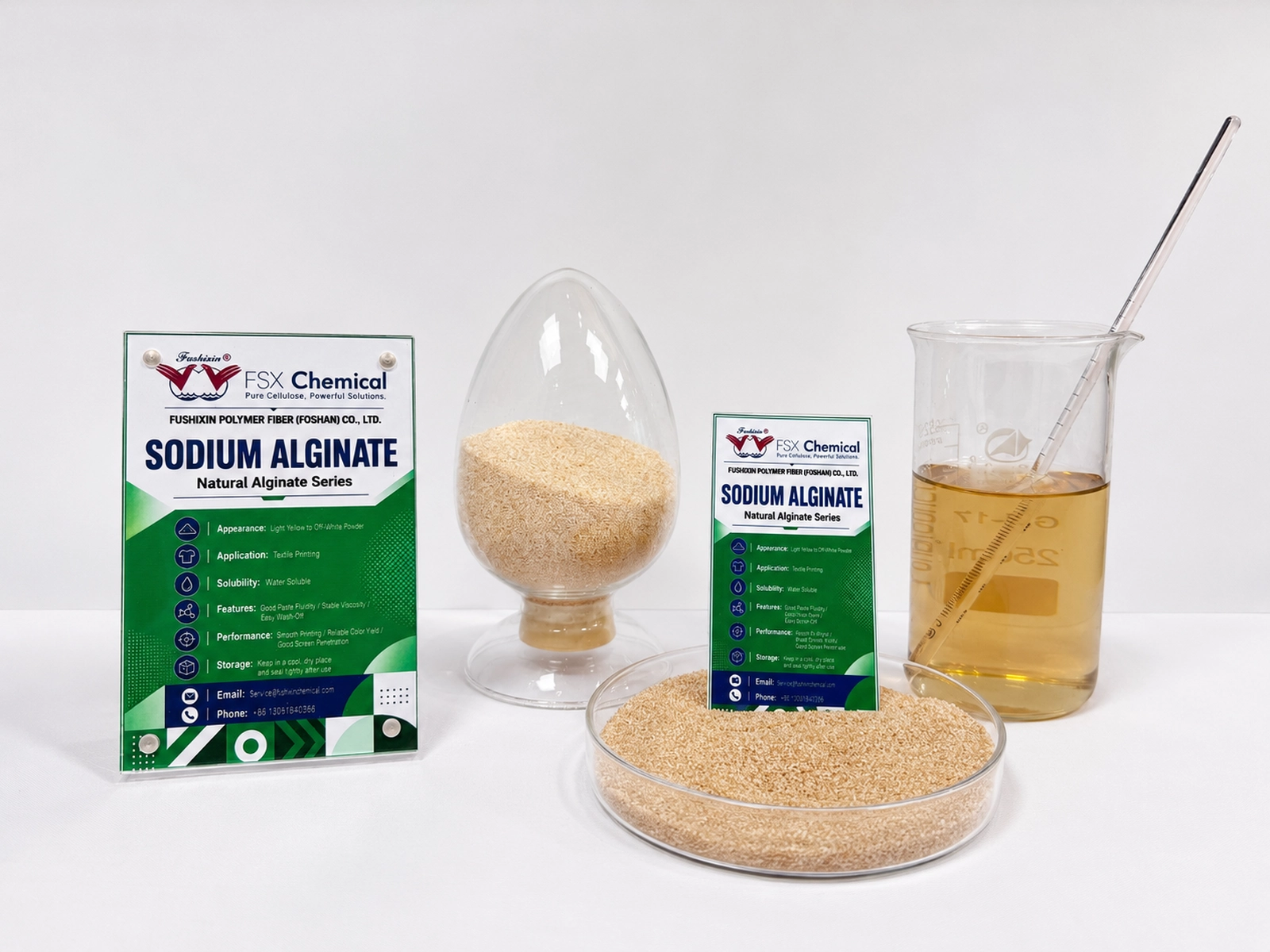
Textile-grade alginat natri is commonly evaluated for reactive textile printing, where viscosity and printing behavior are important.
Potential QC priorities include
Commercial grade identity
Hình thức
Moisture where specified
Viscosity under a defined concentration and method
pH where relevant
Hydration behavior
Lọc
Application performance where required
High, medium and low viscosity descriptions should always be connected to an actual test method rather than treated as universal numerical grades.
QC Priorities for CMC
Carboxymethyl cellulose grades can vary significantly in viscosity and other structural characteristics.
Potential QC priorities include
Định lý bậc
Hình thức
Moisture where specified
Độ nhớt và nồng độ thử nghiệm
pH
Degree of substitution where specified
Purity or related parameters where applicable
Bổ sung nước
Lọc
The exact panel should reflect the intended commercial application rather than one universal CMC specification.
QC Priorities for CMS
For a grade confirmed as carboxymethyl starch, apply starch-product controls suited to its formulation and intended printing route. For any product sold under the FSX CMS series, establish the exact grade identity and approved TDS/SDS first; a commercial series name does not by itself define every component or a universal test panel.
Potential QC priorities include
Commercial grade identity
Hình thức
Moisture where relevant
Độ nhớt theo phương pháp tiêu chuẩn
pH
Hydration behavior
Lọc
Application-specific performance where required
CMS should not automatically share the same acceptance ranges as CMC or sodium alginate simply because all three products function as rheology modifiers in selected applications.
QC Priorities for Digital Printing Paste and Compound Thickeners
Pre-formulated products contain multiple components, so quality control should evaluate the final system rather than only one polymer.
For hỗn hợp in kỹ thuật số and other compound textile thickeners, relevant checks may include:
Product identity
Hình thức
Độ nhớt
pH
Solids where applicable
Lọc
Physical stability
Duy trì sự ổn định
Application performance
Chemical compatibility and finished-fabric evaluation become especially important when the product is designed for a specific reactive, disperse or pigment printing route.
What Buyers Should Check on a Textile Chemical COA
A COA is most useful when buyers know how to interpret it.
COA Item
Buyer Question
Product grade
Is this the exact grade I tested and ordered?
Batch number
Does it match the package and shipment?
Test item
Is this parameter relevant to my application?
Specification
Is this an agreed range or only a typical value?
Result
Is it a batch-specific measured result?
Độ nhớt
What concentration, temperature and instrument were used?
Thông tin nhận dạng tài liệu
Can this COA be connected to the commercial shipment?
When qualifying a textile chemical supplier, buyers should look beyond the product brochure.
Ask how the supplier controls
Commercial grade identity
Critical raw materials
Manufacturing instructions
Batch records
Sampling
Laboratory test methods
Instrument calibration or verification
Final product release
COA issuance
Retained samples
Batch traceability
Nonconforming material
Customer complaints
Process changes
The objective is not to find a supplier claiming that variation never occurs. A more useful question is whether the supplier has a controlled system for detecting, investigating and managing variation.
Sample-to-Bulk Quality Verification Workflow
Step 1: Define the sample
Record the permanent product grade and relevant TDS.
Step 2: Align laboratory methods
Ensure supplier and buyer understand concentration, preparation, temperature and instrument settings.
Step 3: Complete side-by-side laboratory testing
Compare the candidate against the current approved reference.
Step 4: Complete application testing
Use actual fabric, printing chemistry and production-relevant conditions.
Step 5: Approve a permanent commercial grade
Avoid approving an unnamed or temporary laboratory sample.
Step 6: Confirm the agreed specification
Identify which parameters and test methods are commercially important.
Step 7: Produce the first commercial batch
Connect its grade and batch number to the approved sample route.
Step 8: Review the batch COA
Confirm that relevant results meet the approved commercial requirements.
Step 9: Verify the first shipment
Repeat critical incoming tests and, where appropriate, a controlled printing trial.
Step 10: Establish routine incoming control
After successful qualification, define the ongoing QC checks required for future shipments.
Common Batch QC Mistakes
Testing only viscosity
Viscosity does not reveal every difference in hydration, filtration, rheology or application behavior.
Using an incomplete viscosity method
A number without concentration, temperature and instrument settings has limited value.
Confusing typical values with specifications
Typical TDS data should not automatically be treated as mandatory batch release limits.
Phê duyệt một mẫu không có tên
A sample that cannot be connected to a permanent commercial grade creates unnecessary sample-to-bulk risk.
Assuming a passing COA guarantees printing performance
COA data confirms selected product parameters but does not replace a customer’s complete application evaluation.
Changing raw materials without evaluating impact
Formula weight may remain unchanged while application performance changes.
Releasing questionable batches before investigation
Product under review should remain under controlled status until its disposition is determined.
Ignoring trend data
Repeated values near one end of the specification range can be an early warning even when each individual batch technically passes.
Các câu hỏi thường gặp
What is the difference between a TDS, specification and COA?
A TDS describes the product and often shows typical values. A specification defines agreed acceptance limits. A COA reports batch-specific results against the applicable specification.
Should every batch receive an application test?
The testing plan should follow product and customer risk. Critical or newly approved grades may need complete-paste or printing verification, while mature products may use a justified frequency supported by process control and trend data.
How should a textile chemical batch be sampled?
Use a written sampling plan that defines the container selection, sampling location, tools, composite or individual samples, sample quantity, labeling and retained-sample conditions.
What happens when a result is outside specification?
Keep the batch under controlled status, investigate method and process causes, document the deviation, decide disposition through authorized review and implement corrective or preventive action where needed.
How can a buyer verify sample-to-bulk consistency?
Approve an identified commercial grade, align test methods, define critical limits, compare first-batch COA and retained samples, and repeat side-by-side laboratory and application checks on the first shipment.
How FSX Chemical Supports Quality Verification
FSX Chemical supplies sodium alginate, CMC, CMS, digital printing paste and related textile thickener routes for printing mills, formulation companies, distributors and importers.
Product qualification can begin by comparing the customer’s existing material, test method and printing requirements rather than relying only on a general product description.
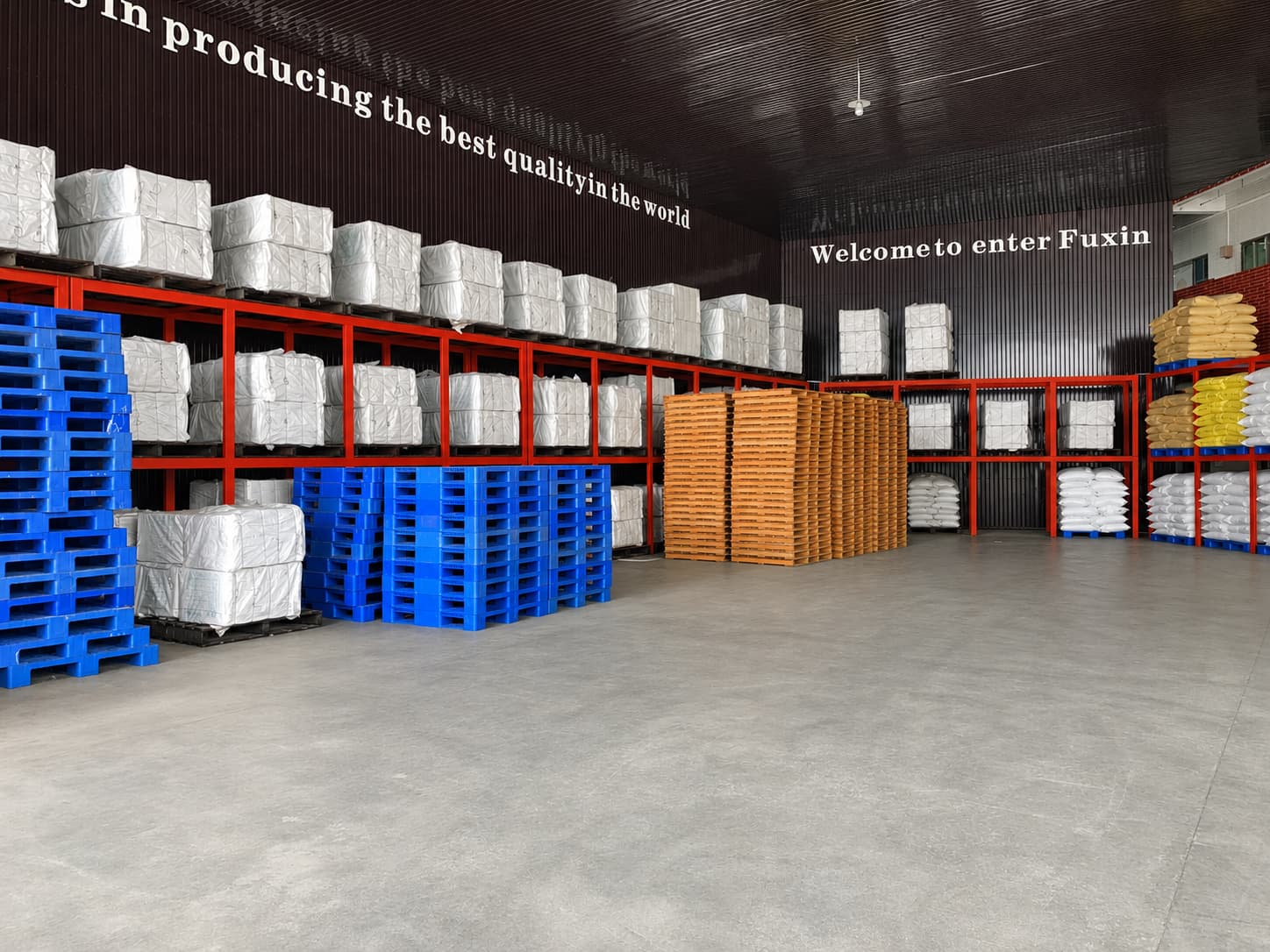
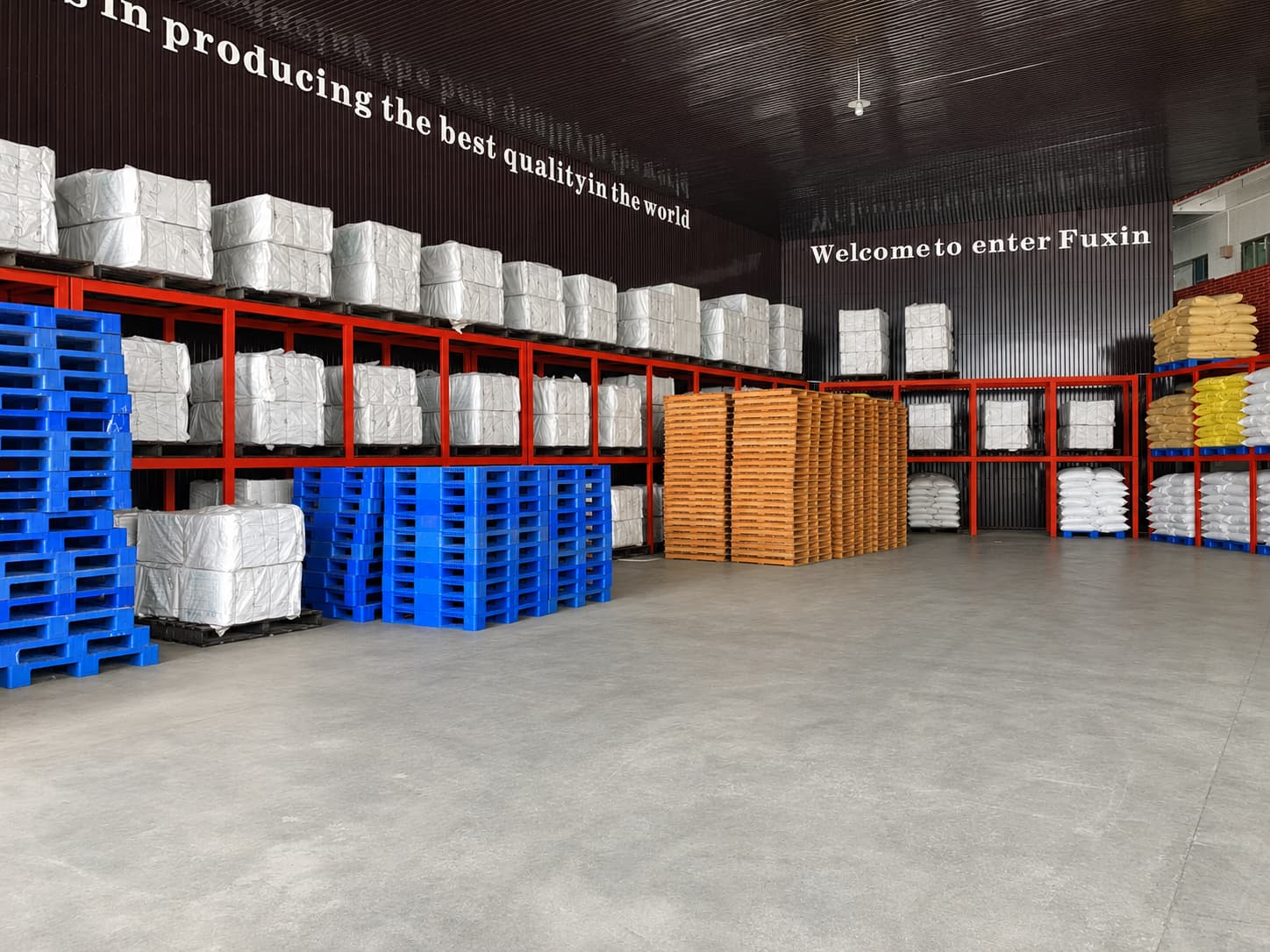
Buyers can review the company’s general manufacturing and quality information through Sản xuất & Chất lượng .
Technical qualification may include
Review of the customer’s current TDS or physical sample
Tìm hiểu sự khác biệt giữa các tài liệu TDS, SDS và COA, những nội dung mà người mua sản phẩm in trên vải cần kiểm tra, cũng như cách xác minh các thông số kỹ thuật, dữ liệu an toàn, phương pháp thử nghiệm, kết quả kiểm tra từng lô và đơn vị cấp phát tài liệu.
Tìm hiểu cách đánh giá một nhà sản xuất chất làm đặc dùng trong in ấn dệt may bằng cách kiểm tra thông tin nhận diện doanh nghiệp, năng lực sản xuất, phương pháp thử nghiệm, khả năng truy xuất nguồn gốc lô hàng, tài liệu kỹ thuật, hỗ trợ mẫu thử và khả năng cung ứng xuất khẩu.
Natri alginat được sử dụng rộng rãi trong in ấn dệt may với vai trò là chất làm đặc ổn định và có thể giặt được cho hỗn hợp in phản ứng. Tìm hiểu cách đánh giá cấp độ độ nhớt, độ tinh khiết và tính phù hợp trong ứng dụng trước khi mua hàng, cũng như cách FSX Chemical hỗ trợ người mua trên toàn cầu thông qua dữ liệu kỹ thuật và mẫu sản phẩm.
Việc lựa chọn nhà cung cấp CMC phù hợp không chỉ đơn thuần là so sánh giá cả. Hướng dẫn này trình bày các tiêu chí đánh giá, danh sách kiểm tra tài liệu và quy trình dùng thử mà các đội ngũ mua sắm cần tuân thủ trước khi quyết định đặt hàng số lượng lớn.
Hỗn hợp in dựa trên CMC được sử dụng rộng rãi trong in vải bằng bột màu, in phản ứng và in kỹ thuật số. Hướng dẫn này giải thích các thông số quan trọng, cách so sánh các nhà cung cấp và những yêu cầu cần đưa ra trước khi đặt hàng số lượng lớn.
Việc hiểu rõ nguồn gốc nguyên liệu và quy trình sản xuất natri alginat sẽ giúp các đội ngũ mua hàng đặt ra những câu hỏi phù hợp hơn và đánh giá nhà cung cấp hiệu quả hơn. Cẩm nang này đề cập đến các loài tảo biển, các bước chiết xuất, nguồn gốc của tạp chất, cũng như những tiêu chí về quy trình sản xuất nhất quán cần có trong hồ sơ của nhà cung cấp.
Việc bảo quản không đúng cách là một trong những nguyên nhân phổ biến nhất dẫn đến các vấn đề về hiệu suất của natri alginat trong in ấn dệt may. Hướng dẫn này đề cập đến các điều kiện bảo quản dạng bột và dạng bột nhão, thời hạn sử dụng dự kiến, các dấu hiệu suy giảm chất lượng, cũng như những điều cần kiểm tra khi nhận hàng mới.
Các bảng dữ liệu kỹ thuật (TDS) có sự khác biệt về định dạng và mức độ đầy đủ giữa các nhà cung cấp, và không phải mọi trường thông tin đều có tầm quan trọng như nhau đối với mọi ứng dụng. Hướng dẫn này sẽ phân tích chi tiết từng phần của một bảng dữ liệu kỹ thuật (TDS) điển hình về natri alginat, giải thích ý nghĩa của từng thông số và cách nhận diện những thiếu sót hoặc dấu hiệu cảnh báo.
Nhiều nhà cung cấp quảng cáo sản phẩm "alginat natri tùy chỉnh", nhưng trên thực tế, thuật ngữ này lại bao hàm những khái niệm rất khác nhau. Hướng dẫn này sẽ giải thích những thông số nào thực sự có thể điều chỉnh, những thông số nào bị giới hạn bởi các quy luật hóa học cơ bản, và cách đánh giá các tuyên bố về khả năng tùy chỉnh của nhà cung cấp.
Khi xuất hiện lỗi in trên sàn, thách thức đặt ra là phải nhanh chóng xác định nguyên nhân. Cẩm nang tham khảo này phân loại các lỗi thường gặp liên quan đến hỗn hợp natri alginat theo triệu chứng, trong đó các nguyên nhân có khả năng xảy ra được xếp hạng theo mức độ khả năng và kèm theo các bước kiểm tra ban đầu thực tế cho từng trường hợp.
Việc mua sỉ natri alginat không chỉ đơn thuần là so sánh giá đơn vị. Hướng dẫn này giải thích cách các nhà mua hàng trong lĩnh vực in ấn dệt may có thể xác minh độ nhớt, kích thước mắt lưới, cấp độ tinh khiết, bao bì, chứng nhận phân tích (COA), kiểm tra mẫu và tính đồng nhất giữa các lô hàng trước khi đặt hàng số lượng lớn.
Việc lựa chọn nhà cung cấp hóa chất in trên vải không chỉ đơn thuần là so sánh tên sản phẩm và giá cả. Hướng dẫn này giải thích cách người mua có thể đánh giá danh mục sản phẩm, tài liệu kỹ thuật, thử nghiệm mẫu, tính đồng nhất giữa các lô hàng, khả năng giao tiếp và sự hỗ trợ từ nhà cung cấp trước khi hợp tác.
Vui lòng cung cấp tên sản phẩm, ứng dụng, số lượng, điểm đến và bất kỳ tài liệu kỹ thuật (TDS),
hình ảnh mẫu hoặc tài liệu nào mà quý khách đã có. FSX Chemical sẽ xem xét
thông tin này và đề xuất bước tiếp theo liên quan đến báo giá, đối chiếu mẫu
hoặc lựa chọn sản phẩm.
Thông tin sản phẩmTên sản phẩm, cấp loại, mẫu mã, ảnh nhãn mác hoặc mã tham chiếu của nhà cung cấp.
Các tài liệu có sẵnTDS, SDS, COA, ảnh mẫu, danh mục sản phẩm hoặc dữ liệu thử nghiệm.
Chi tiết đơn hàngSố lượng dự kiến, hình thức đóng gói, nước nhập khẩu, cảng hoặc điều kiện thương mại.
Yêu cầu hoặc Vấn đềQuy trình in trên vải, yêu cầu về công thức, vấn đề hiện tại hoặc chỉ tiêu hiệu suất.