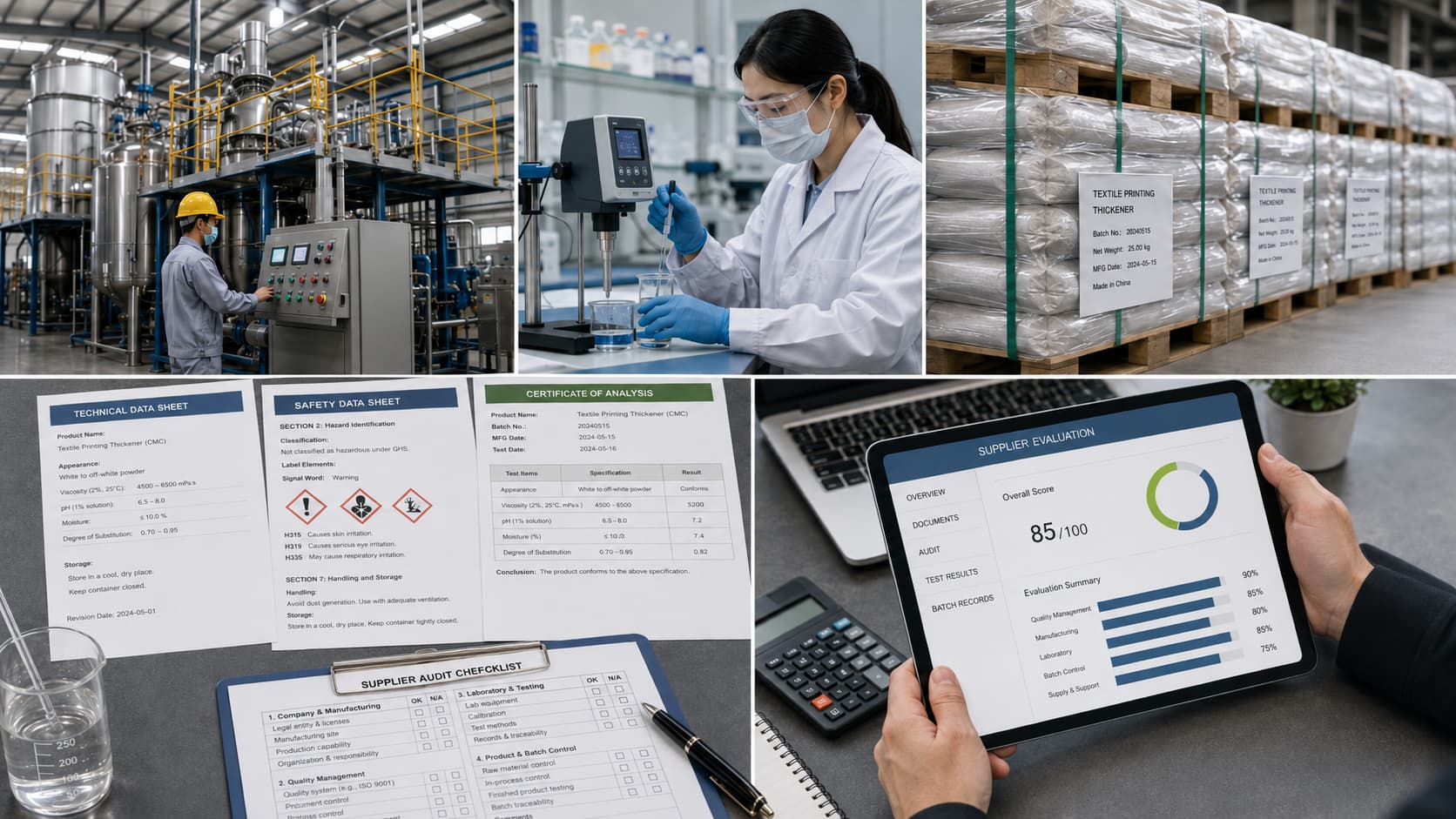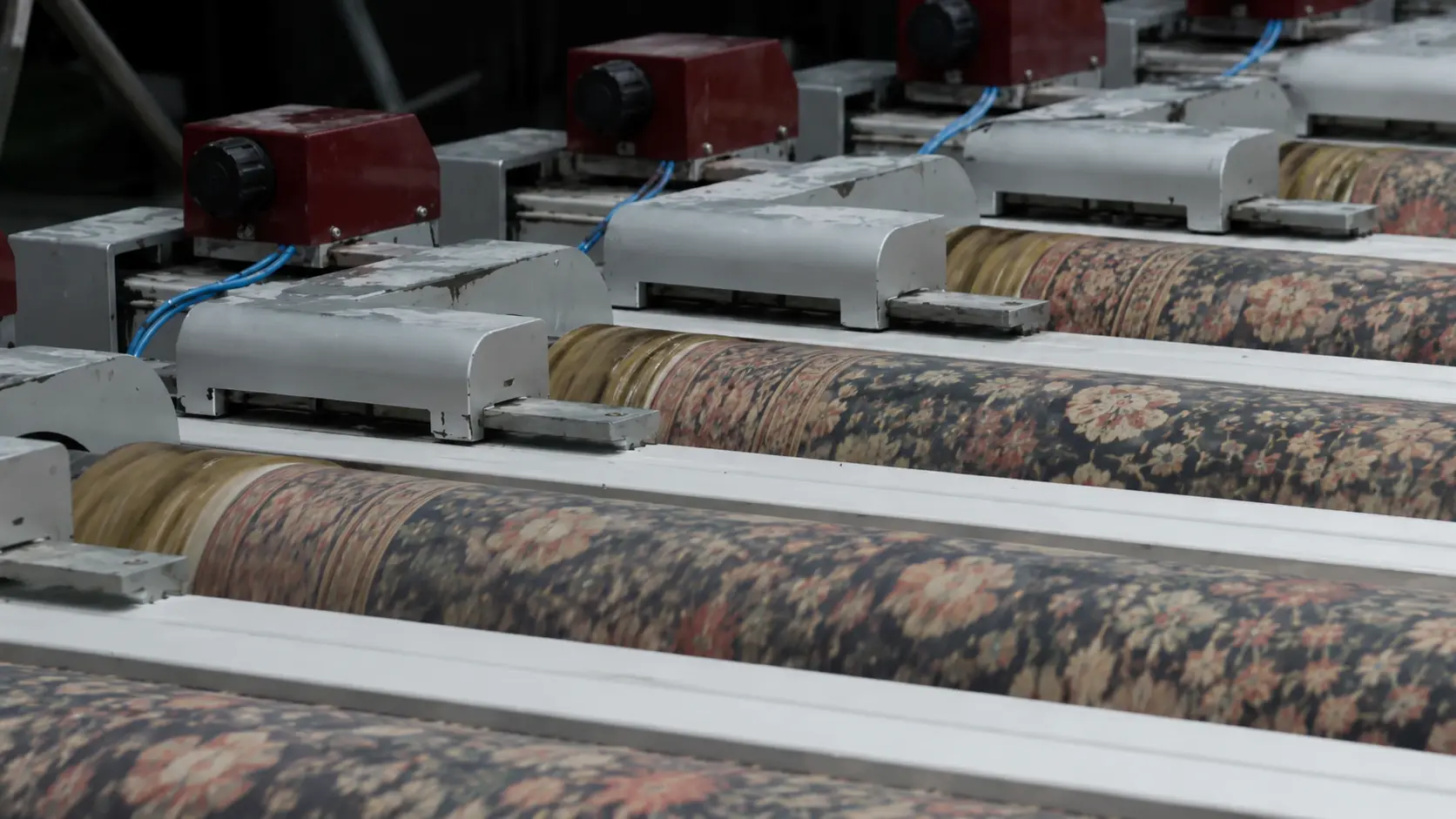
Sodium alginate for textile printing is produced by extracting alginate from brown seaweed, purifying it, converting it to the sodium form, then drying and milling it to specification. For textile buyers, seaweed source alone does not determine performance: extraction control and finished-product QC determine viscosity consistency, insoluble matter, filtration, hydration, moisture and batch stability.
Degree of substitution (DS) is not a sodium alginate specification; it applies to cellulose ethers such as CMC. Compare sodium alginate quotations using a defined viscosity method, purity or active-content basis, moisture, pH, insoluble matter, particle size and recent multi-batch COA data.
Where Sodium Alginate Comes From: The Seaweed Raw Material
Seaweed Species Used in Industrial Sodium Alginate Production
Sodium alginate is extracted from brown seaweed (Phaeophyceae). The specific species used varies by production region and influences the properties of the extracted alginate. The most commercially significant species include:
- Macrocystis, Laminaria, Ascophyllum và Sargassum are examples discussed in alginate-source literature.
- A reported species or harvest region is feedstock information, not a finished viscosity grade or contamination certificate.
- Ask which source information is available for the actual grade and how source changes are controlled. Validate finished-product properties separately.
The species used is not always disclosed on sodium alginate product datasheets, but it is worth asking about — particularly if consistent viscosity and molecular weight are important for your application. Different species have different alginate content and M/G ratio (mannuronate to guluronate ratio), which affects gel properties and viscosity behavior.
How Raw Material Quality Varies
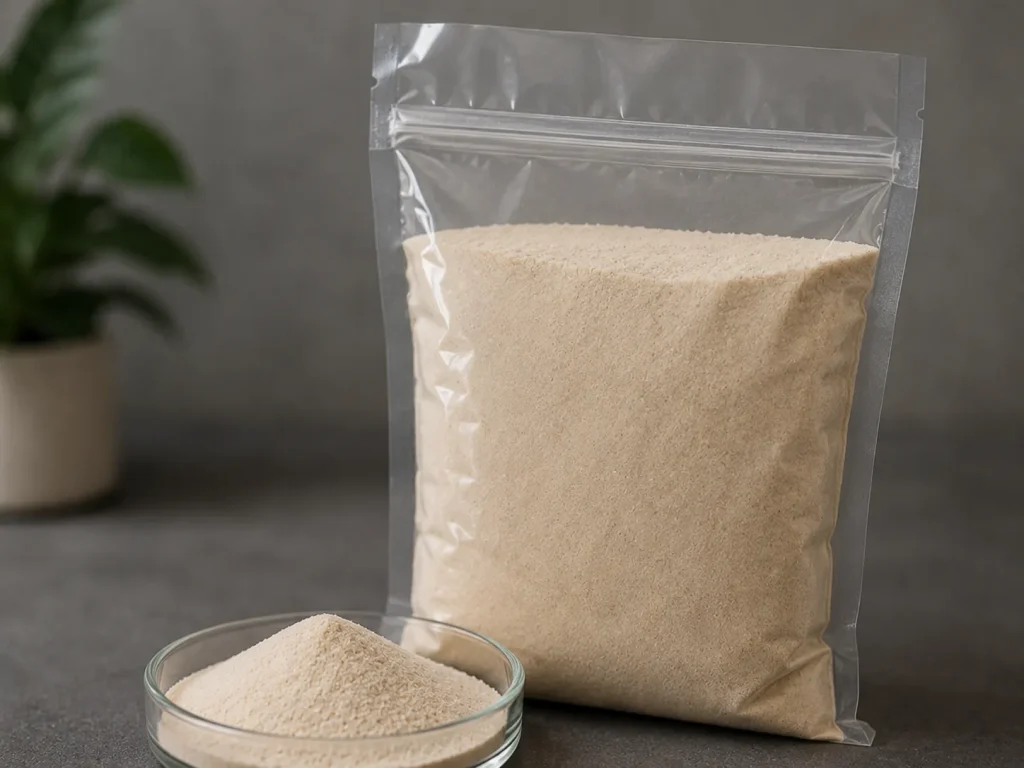
Seaweed quality varies with harvest location, season, water temperature, and cultivation versus wild-harvest conditions. Cultivated supply can improve traceability and harvest planning, while well-managed wild-harvest sources can also provide consistent raw material. Buyers should evaluate supplier controls and finished-product batch data rather than infer quality from the harvest method alone.
Key raw material variables that affect finished sodium alginate quality include:
- Alginate content in the seaweed — higher alginate content can improve extraction yield, but it does not by itself prove finished-product quality; purification and process control remain decisive
- Heavy metal content — seaweed absorbs trace minerals from seawater; heavy metal levels in the raw seaweed affect the heavy metal specification of the finished product
- Seasonal variation — alginate content and molecular weight in seaweed vary by season; responsible producers harvest at optimal times and maintain consistent raw material specifications
When evaluating a sodium alginate supplier, asking about their raw material sourcing — species, harvest region, and whether they use cultivated or wild-harvested seaweed — gives you useful context for assessing the consistency of their product quality over time.
The Sodium Alginate Manufacturing Process
Overview of the Extraction and Purification Steps
Industrial sodium alginate production involves several key process stages. Understanding these stages helps explain where impurities originate and how manufacturing process control affects finished product quality.
1. Feedstock preparation: seaweed is prepared for extraction, including size reduction and cleaning as appropriate to the route. Do not assume every factory uses an identical washing, drying and milling sequence; request a grade-relevant process description when it matters to qualification.
2. Extraction: an alkaline route, commonly using sodium carbonate, brings alginate into aqueous solution. Temperature, time and liquor handling require control; the process description alone does not prove a particular finished grade.
3. Separation of alginate solution from seaweed residue — The alginate solution is separated from the insoluble seaweed residue (cellulose, proteins, pigments) by filtration or centrifugation. This is one of the most important steps for product purity — incomplete separation leaves residue in the product that contributes to insoluble matter in the finished sodium alginate.
4. Precipitation — The clarified alginate solution is precipitated as alginic acid (by acidification) or calcium alginate (by addition of calcium chloride). The precipitate is separated from the liquor, which carries away much of the soluble impurities including sodium chloride.
5. Conversion: in the calcium-precipitation route, calcium alginate is converted to alginic acid before sodium conversion. In the acid route, recovered alginic acid proceeds to sodium conversion. The two recovery routes should not be described as one direct treatment of either precipitate with alkali. See the FAO alginate-production overview; this is general process knowledge, not a declaration of FSX’s factory route.
6. Drying and milling — The sodium alginate is dried to reduce moisture content, then milled to the specified particle size (mesh classification) and packaged.
Where Impurities Originate in the Process
Understanding which process steps generate which impurities helps explain why purity specifications matter and where supplier process control has the most impact:
- Inorganic residues: identify which salts or ash fractions the specification measures; do not treat all residual matter as sodium chloride.
- Insoluble material: assess residue with a defined preparation and filtration method. Residue can require investigation of product, hydration, water or contamination rather than one presumed cause.
- Contaminants: use relevant finished-product test results and an agreed method, not origin alone, when a customer requires a limit.
- Moisture: record the method, sample condition and reporting basis. Compare dosage on the declared basis and maintain the specified storage conditions.
How Molecular Weight Is Controlled
Molecular characteristics contribute to viscosity, but one reported viscosity value is not a molecular-weight assay. Compare it only with the concentration, water, preparation, temperature, instrument and reading settings defined. A method change or formulation difference can alter the reading without proving a change in polymer-chain length.
Ask the supplier which process controls protect the agreed grade and how deviations are investigated. Repeated viscosity results under one method are useful batch evidence, but they do not independently prove identical molecular weight or every aspect of manufacturing quality.
If the supplier declares a post-extraction treatment relevant to the grade, request its purpose, controlled specification and change-notification procedure. Do not assume a low-viscosity grade was made by irradiation, oxidation or any other particular adjustment process from its label alone.
Why Manufacturing Process Affects Batch-to-Batch Consistency
Process Variables That Drive Batch Variation
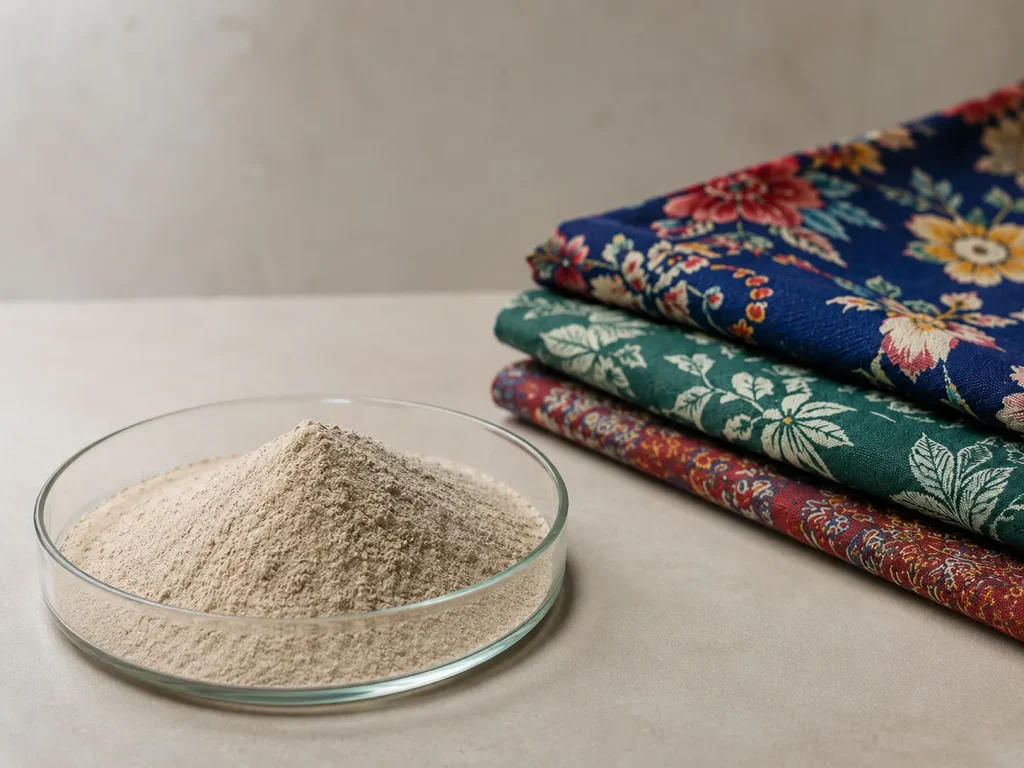
Batch-to-batch variation in sodium alginate viscosity, purity, and solubility can originate at multiple points in the manufacturing process. The most common sources of variation include:
- Raw material variation — seasonal or sourcing changes in seaweed alginate content or molecular weight cascade through the process to affect finished product viscosity
- Extraction condition variation — temperature or time deviations in the alkali extraction step affect molecular weight and therefore viscosity
- Filtration efficiency variation — changes in filter condition or separation performance affect insoluble matter levels
- Drying condition variation — affects moisture content and can cause over-drying (which may affect product properties) or under-drying (which increases moisture content and reduces shelf life)
Evaluate control records, lot traceability and repeatable finished-product results. Automation or a stable source description may explain a control strategy, but neither is proof that a supplier performs better than a manually controlled operation. Ask for evidence of the actual grade’s consistency.
What Consistent Manufacturing Looks Like in Documentation
From a procurement perspective, manufacturing consistency shows up in the documentation the supplier provides. Consistent manufacturing produces:
- Identified lots of the same commercial grade, assessed using the same declared method.
- Results compared with agreed release limits, distinguishing those limits from typical TDS values.
- Investigation of material shifts, out-of-specification results and method changes rather than a few selected successful COAs.
Request a representative recent series of independent production lots for the same grade. Agree the number and period according to the qualification risk and data availability; five to ten COAs is not a universal statistical acceptance rule. Check whether the series spans routine operation and any relevant source or process changes.
Manufacturing Claims: What Evidence Should a Buyer Request?
Use this suggested evidence check to distinguish a supplier’s explanation from demonstrated control of the quoted grade. Request only information needed for qualification; proprietary recipes need not be disclosed.
| Claim | Relevant evidence to request | What it does not prove alone |
|---|---|---|
| Controlled seaweed sourcing | Traceability for the relevant lot and the procedure for qualifying source changes | A species or origin statement does not approve viscosity, purity or textile performance. |
| Consistent finished grade | Representative independent lot results with identical method, dates and agreed limits | Selected COAs or a single passing sample do not establish the full distribution. |
| Effective process control | Relevant control points, deviation handling and change notification | An equipment list or automation claim does not demonstrate better output. |
| Sample matches commercial supply | Sample/grade/lot linkage and comparison of the first supplied batch with the approval reference | The sample’s successful print does not release every later batch. |
If methods or grade identities differ, resolve that difference before calculating batch variation. Use the finished-product results to decide whether an application trial is justified; keep manufacturing context and print approval as separate checks.
Textile-Grade Sodium Alginate QC Checkpoints
| QC checkpoint | Why it matters in textile printing | Buyer verification |
|---|---|---|
| Defined viscosity method | Controls paste body and comparability between grades | Confirm concentration, temperature, instrument, spindle, speed, hydration and reading time |
| Insoluble matter and filtration | Influence screen cleanliness, paste uniformity and print defects | Use a defined sieve or filtration test on the prepared solution |
| Độ ẩm | Affects active-solids basis, storage and dosage comparison | Review the batch COA and verify during incoming inspection |
| pH | Can influence hydration and compatibility with the complete paste | Compare at a defined solution concentration and temperature |
| Particle size and hydration | Influence wetting, lump formation and preparation time | Record addition method, mixing time and full-hydration time |
| Tính nhất quán của lô | Reduces adjustment, shade variation and production risk | Review recent multi-batch COAs and confirm with repeated trials |
Questions to Ask a Sodium Alginate Supplier About Their Production Process
The following questions help you assess a supplier’s manufacturing capability and raw material control — information that is relevant to long-term supply reliability and product consistency:
- Which seaweed species is used as the raw material for this grade, and is it cultivated or wild-harvested?
- Where is the seaweed sourced from, and how do you manage raw material consistency across seasons?
- What is the typical range of batch-to-batch viscosity variation for this grade? Can you provide CoA data from recent batches?
- Is molecular weight adjusted through controlled depolymerization for any grades, and if so, what method is used?
- What in-process quality control testing is performed, and at which process stages?
- What is your annual production capacity for this grade, and what lead times apply for standard and urgent orders?
A supplier who can answer these questions clearly and provide supporting data is demonstrating transparency about their manufacturing process — which is a meaningful indicator of supply reliability beyond the product specification itself.
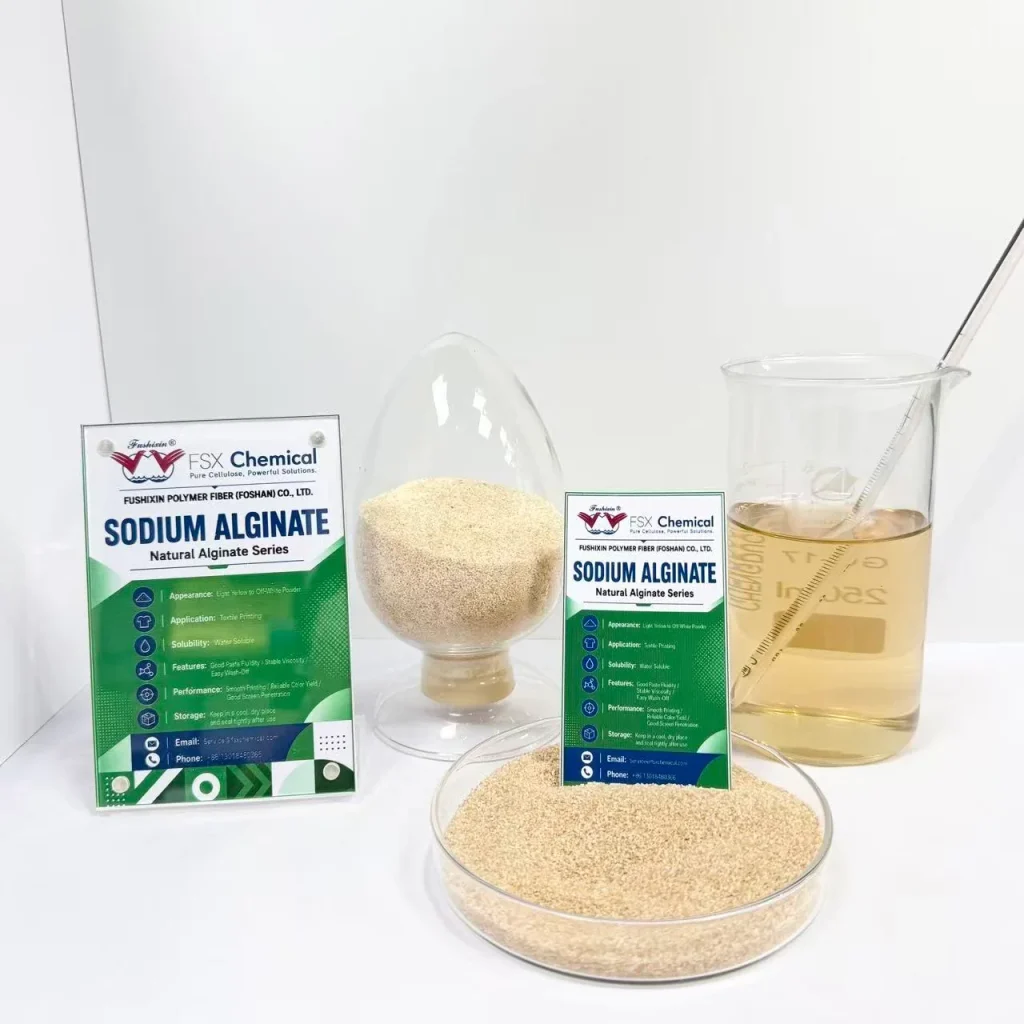
Sodium Alginate Raw Material and Manufacturing FAQ
Which seaweed species produces the best sodium alginate?
No single species guarantees the best textile-printing performance. Species, season and origin influence the feedstock, but extraction conditions, purification, molecular-weight control, drying and milling determine the finished commercial grade. Compare batch data and application results rather than species name alone.
Does higher viscosity mean higher sodium alginate quality?
No. Viscosity is a grade parameter, not a complete quality score. The suitable range depends on fabric, printing method, paste concentration and rheology requirements, while purity, filtration, hydration, wash-off and batch consistency must also be checked.
What should a textile buyer compare on the COA?
Compare viscosity under one defined method, moisture, pH, insoluble matter and any agreed purity or particle-size limits. Review several recent batches because one COA cannot demonstrate routine manufacturing consistency.
How should a new sodium alginate supplier be qualified?
Start with documents and multi-batch data, then test a representative sample using the buyer’s standard paste recipe. Confirm hydration, filtration, rheology, color yield, penetration, definition and wash-off before a controlled production trial and bulk approval.
How FSX Chemical Supports Informed Procurement Decisions
Review the FSX sodium alginate product information and request the exact grade’s current TDS, applicable SDS and proposed batch-document scope. Confirm document availability, release limits and any additional testing with the offer; this article does not establish that identical documents accompany every order.
If you have questions about the raw material source, manufacturing process, or batch consistency for any grade we supply, our technical team can provide clarification to support your supplier evaluation.
Các bước tiếp theo:
- Yêu cầu bản TDS — review grade specifications including viscosity test method, purity, pH, insoluble matter, and moisture content
- Request Multi-Batch CoA Data — assess batch-to-batch consistency before committing to a supply relationship
- Yêu cầu mẫu thử — evaluate product performance under your preparation and production conditions
- Liên hệ với đội ngũ kỹ thuật của chúng tôi — for questions about raw material sourcing, manufacturing process, or grade-specific production details📧 Email: Service@fsxchemical.com