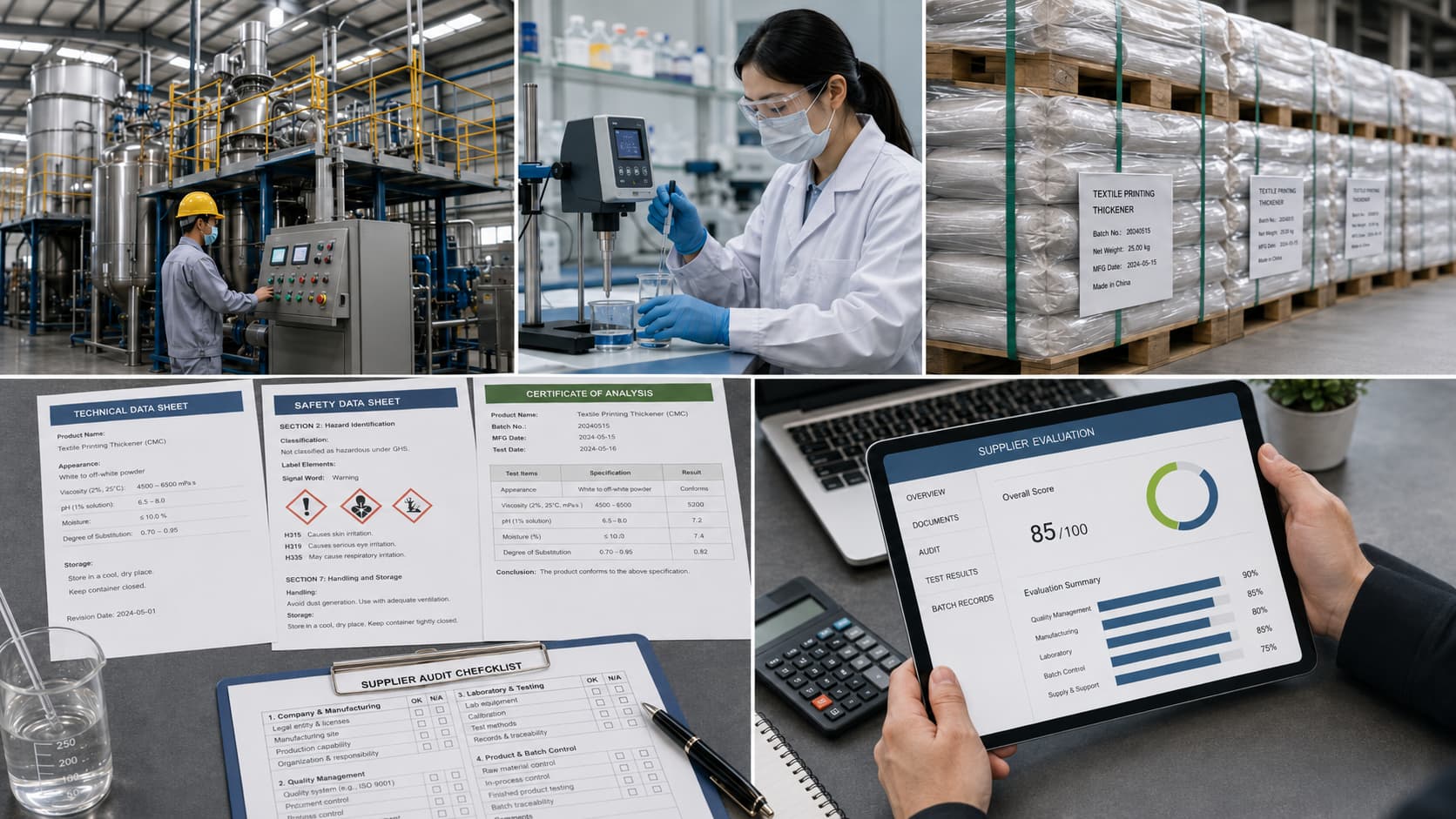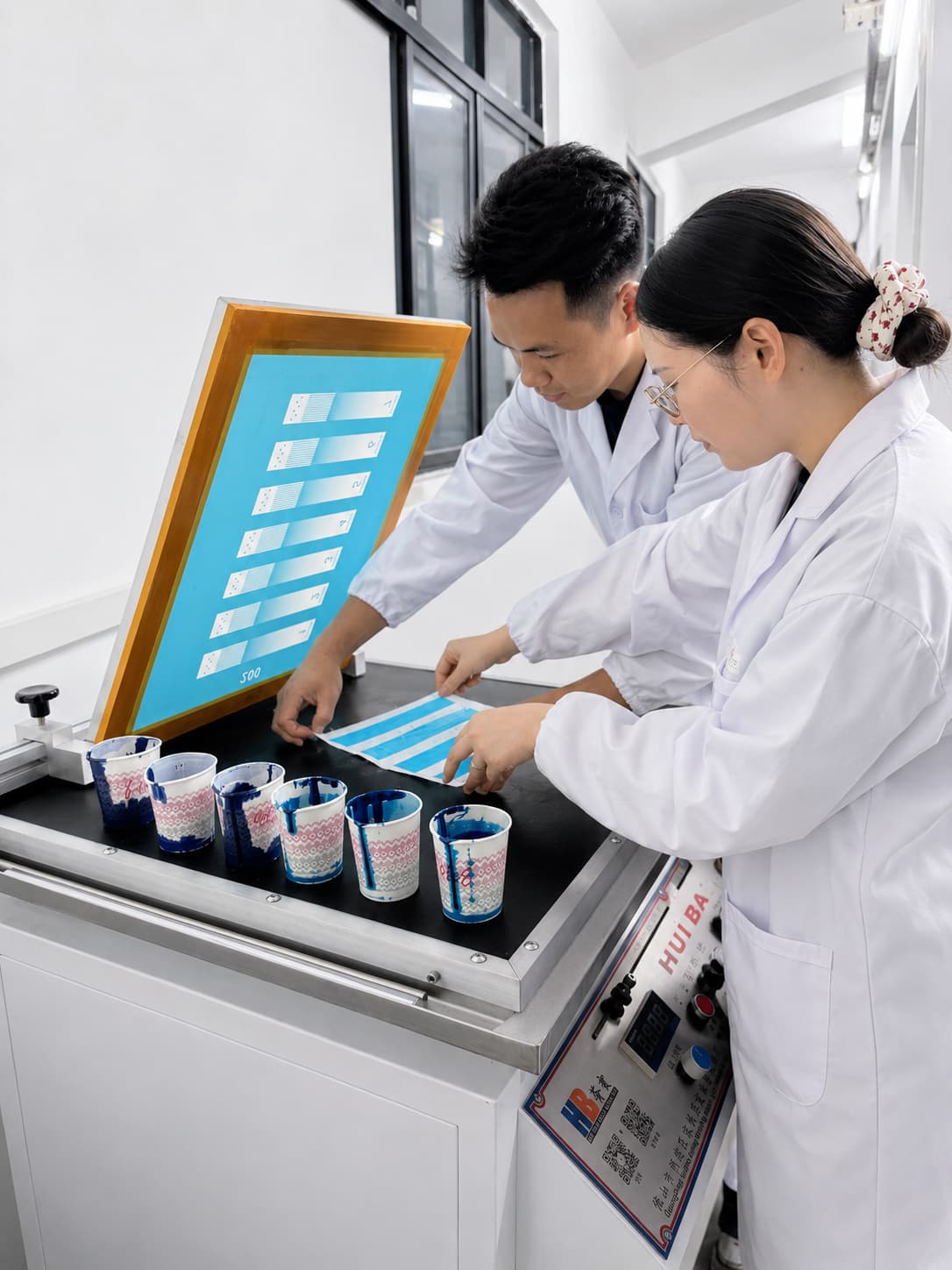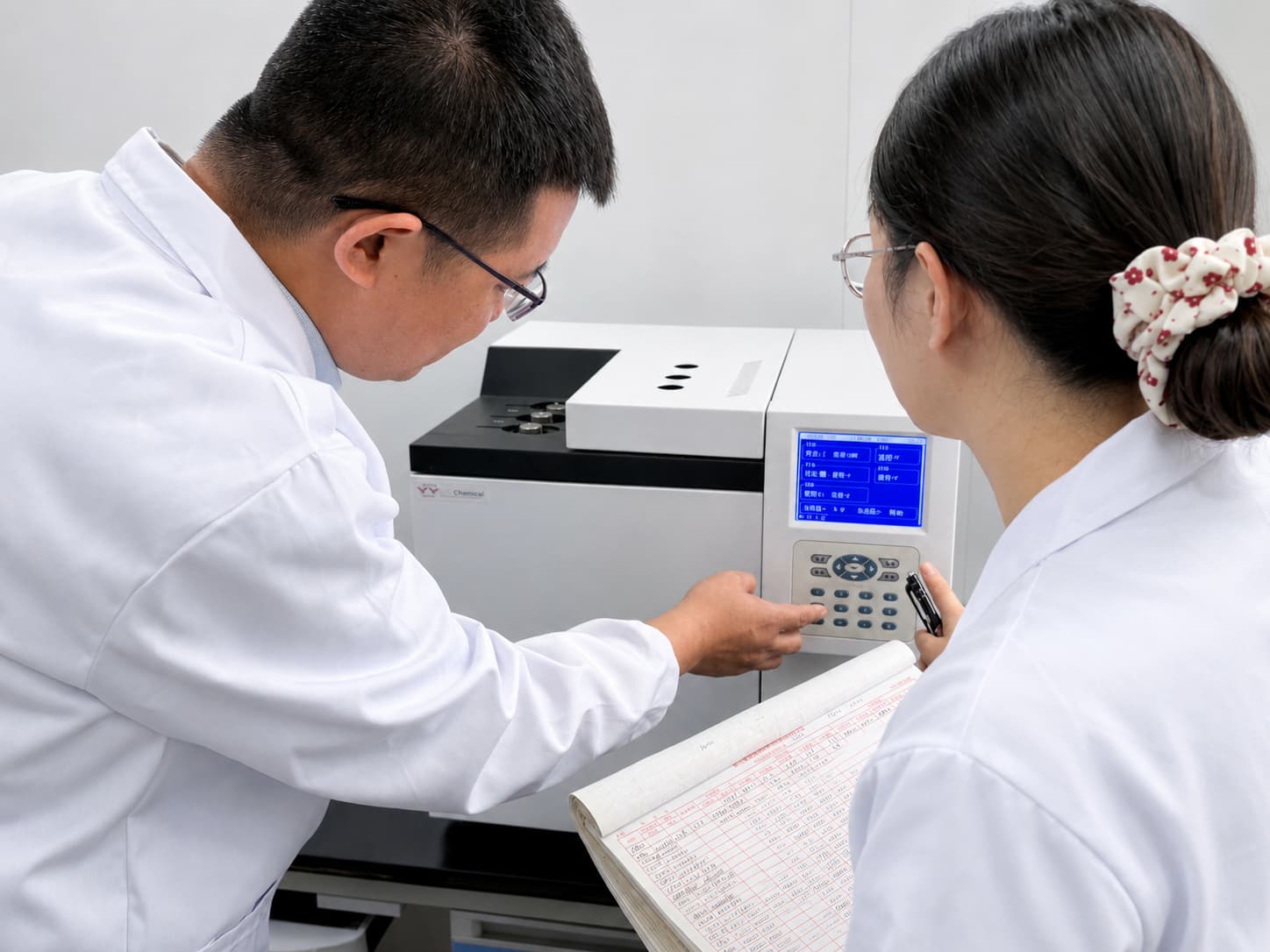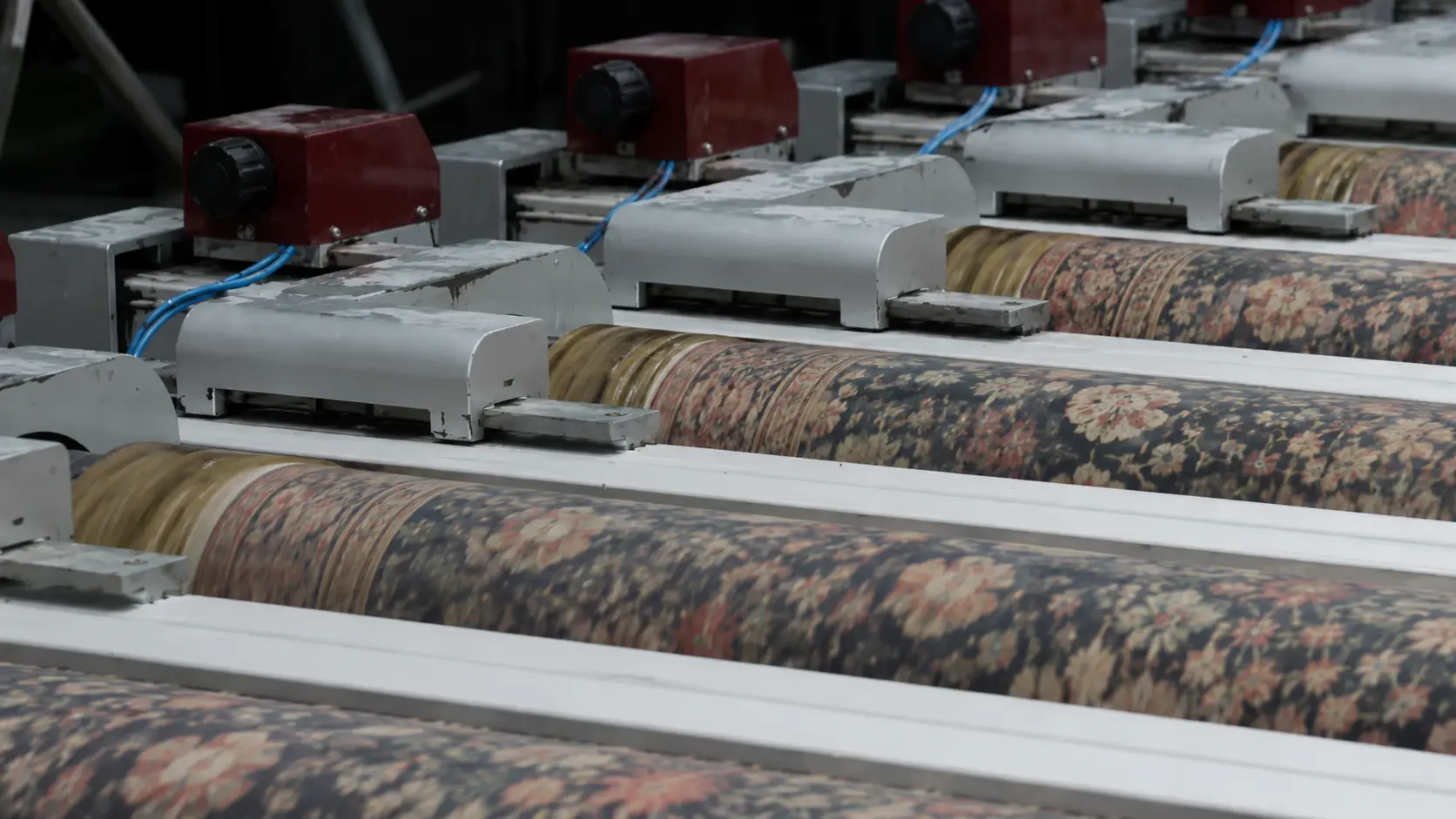
Альгинат натрия для печати на текстиле is produced by extracting alginate from brown seaweed, purifying it, converting it to the sodium form, then drying and milling it to specification. For textile buyers, seaweed source alone does not determine performance. Raw materials and controlled processing shape the finished grade; method-defined QC and textile trials verify viscosity consistency, residue, filtration, hydration and application suitability. QC measures these properties rather than creating or guaranteeing them.
Degree of substitution (DS) is not a sodium alginate specification; it applies to cellulose ethers such as CMC. Compare sodium alginate quotations using a defined viscosity method, purity or active-content basis, moisture, pH, insoluble matter, particle size and recent multi-batch COA data.
Откуда берётся альгинат натрия: сырьё из морских водорослей
Brown Seaweed Sources Used in Industrial Sodium Alginate Production
Sodium alginate is extracted from brown seaweed (Phaeophyceae). Source material varies by region and can influence the extracted polymer. Examples of brown-seaweed genera discussed in alginate-source literature include:
- Macrocystis, Laminaria, Ascophyllum и Саргассум are examples discussed in alginate-source literature.
- A reported species or harvest region is feedstock information, not a finished viscosity grade or contamination certificate.
- Ask which source information is available for the actual grade and how source changes are controlled. Validate finished-product properties separately.
В технических паспортах продуктов на основе альгината натрия не всегда указывается конкретный вид альгината, но об этом стоит поинтересоваться — особенно если для вашей области применения важны стабильные показатели вязкости и молекулярной массы. Различные виды альгината отличаются содержанием альгината и соотношением М/Г (соотношением маннуроната к гулуронату), что влияет на свойства геля и динамику изменения вязкости.
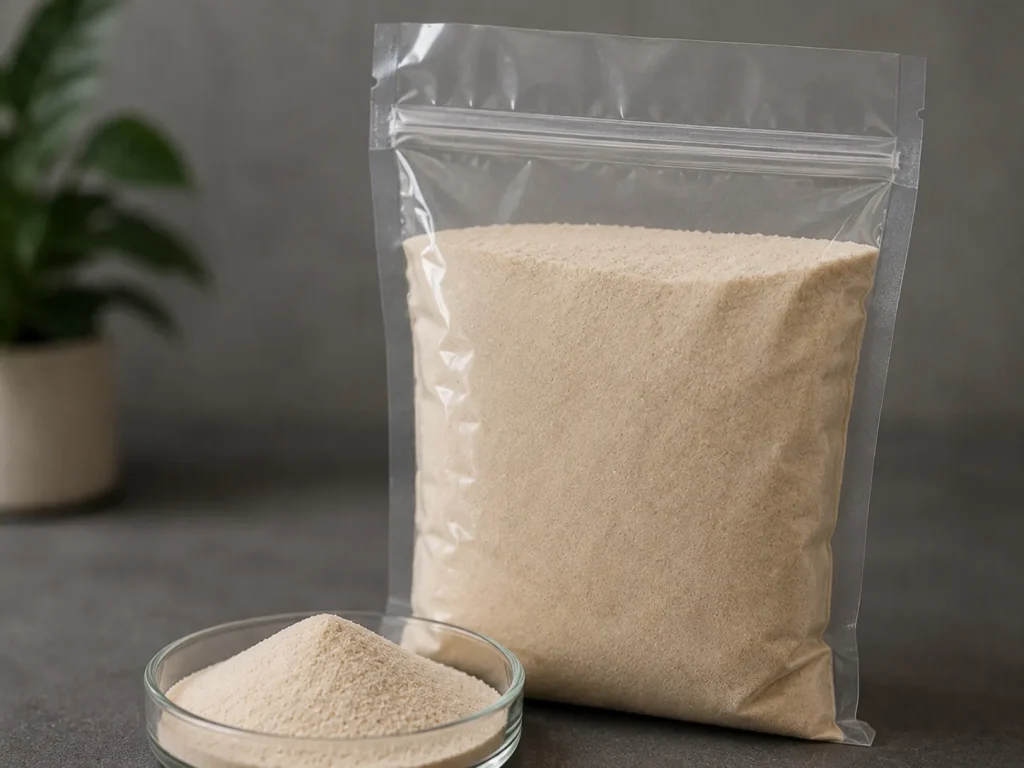
Как варьируется качество сырья
Seaweed quality varies with harvest location, season, water temperature, and cultivation versus wild-harvest conditions. Cultivated supply can improve traceability and harvest planning, while well-managed wild-harvest sources can also provide consistent raw material. Buyers should evaluate supplier controls and finished-product batch data rather than infer quality from the harvest method alone.
К ключевым показателям сырья, влияющим на качество готового альгината натрия, относятся:
- Содержание альгината в морских водорослях — higher alginate content can improve extraction yield, but it does not by itself prove finished-product quality; purification and process control remain decisive
- Содержание тяжелых металлов — seaweed absorbs trace minerals from seawater; feedstock analysis informs contamination risk, but does not establish finished-lot concentrations, release limits or compliance. Check relevant finished-product results against the agreed analytes, method and limits
- Сезонные колебания — alginate content and molecular characteristics can vary with source and season. Review feedstock acceptance and change controls, then assess the finished grade; a harvest-season statement alone is not a quality or consistency certificate
При оценке поставщика альгината натрия стоит поинтересоваться источниками его сырья — видами водорослей, регионом сбора, а также тем, используются ли в производстве водоросли культивированные или дикорастущие, — это даст вам полезную информацию для оценки стабильности качества продукции на протяжении времени.
Процесс производства альгината натрия
Обзор этапов экстракции и очистки
Промышленное производство альгината натрия включает в себя несколько ключевых этапов технологического процесса. Понимание этих этапов помогает объяснить, откуда берутся примеси и как контроль производственного процесса влияет на качество готовой продукции.
1. Feedstock preparation: seaweed is prepared for extraction, including size reduction and cleaning as appropriate to the route. Do not assume every factory uses an identical washing, drying and milling sequence; request a grade-relevant process description when it matters to qualification.
2. Extraction: an alkaline route, commonly using sodium carbonate, brings alginate into aqueous solution. Temperature, time and liquor handling require control; the process description alone does not prove a particular finished grade.
3. Отделение раствора альгината от остатков морских водорослей — Раствор альгината отделяют от нерастворимых остатков морских водорослей (целлюлозы, белков, пигментов) путем фильтрации или центрифугирования. Это один из важнейших этапов, обеспечивающих чистоту продукта — при неполном отделении в продукте остаются остатки, которые приводят к появлению нерастворимых веществ в готовом альгинате натрия.
4. Осадки — Очищенный раствор альгината осаждается в виде альгиновой кислоты (путем подкисления) или альгината кальция (путем добавления хлорида кальция). Осадок отделяется от раствора, который уносит с собой большую часть растворимых примесей, включая хлорид натрия.
5. Conversion: in the calcium-precipitation route, calcium alginate is converted to alginic acid before sodium conversion. In the acid route, recovered alginic acid proceeds to sodium conversion. The two recovery routes should not be described as one direct treatment of either precipitate with alkali. See the FAO alginate-production overview; this is general process knowledge, not a declaration of FSX’s factory route.
6. Сушка и измельчение — Альгинат натрия высушивают для снижения содержания влаги, затем измельчают до заданного размера частиц (классификация по меш) и расфасовывают.
Где в технологическом процессе возникают примеси
Понимание того, на каких этапах технологического процесса образуются те или иные примеси, помогает объяснить, почему требования к чистоте имеют такое большое значение и на каких этапах контроль технологического процесса со стороны поставщика оказывает наибольшее влияние:
- Inorganic residues: identify which salts or ash fractions the specification measures; do not treat all residual matter as sodium chloride.
- Insoluble material: assess residue with a defined preparation and filtration method. Residue can require investigation of product, hydration, water or contamination rather than one presumed cause.
- Contaminants: use relevant finished-product test results and an agreed method, not origin alone, when a customer requires a limit.
- Moisture: record the method, sample condition and reporting basis. Compare dosage on the declared basis and maintain the specified storage conditions.
Как регулируется молекулярная масса
Molecular characteristics contribute to viscosity, but one reported viscosity value is not a molecular-weight assay. Compare it only with the concentration, water, preparation, temperature, instrument and reading settings defined. A method change or formulation difference can alter the reading without proving a change in polymer-chain length.
Ask the supplier which process controls protect the agreed grade and how deviations are investigated. Repeated viscosity results under one method are useful batch evidence, but they do not independently prove identical molecular weight or every aspect of manufacturing quality.
If the supplier declares a post-extraction treatment relevant to the grade, request its purpose, controlled specification and change-notification procedure. Do not assume a low-viscosity grade was made by irradiation, oxidation or any other particular adjustment process from its label alone.
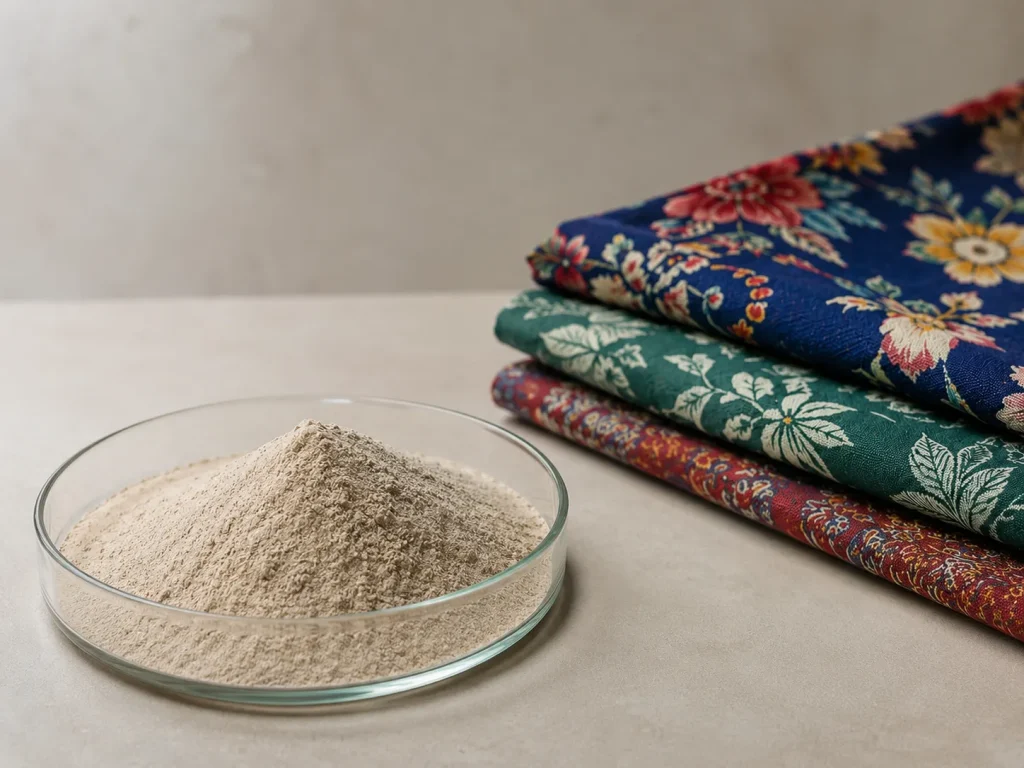
Почему технологический процесс влияет на стабильность качества от партии к партии
Технологические переменные, определяющие вариацию партий продукции
Межпартийные колебания вязкости, чистоты и растворимости альгината натрия могут быть обусловлены различными факторами на разных этапах производственного процесса. К наиболее распространенным источникам таких колебаний относятся:
- Колебания качества сырья — source or season changes can alter feedstock properties, but their effect on the supplied grade depends on processing and grade-control measures. Compare repeatable finished-product results rather than inferring a viscosity change from origin alone
- Изменение условий экстракции — extraction severity can affect chain integrity and yield. A finished viscosity shift alone does not locate a problem at extraction or prove a molecular-weight change; review process records and matched measurement conditions
- Изменение эффективности фильтрации — изменения состояния фильтра или эффективности сепарации влияют на содержание нерастворимых веществ
- Изменение условий сушки — can alter reported moisture and handling or product properties depending on the route and exposure. Dryer settings or one moisture value do not establish storage life or active content; verify finished-product conditions and the grade-specific storage and stability evidence
Evaluate control records, lot traceability and repeatable finished-product results. Automation or a stable source description may explain a control strategy, but neither is proof that a supplier performs better than a manually controlled operation. Ask for evidence of the actual grade’s consistency.
Как выглядит последовательный производственный процесс в документации
С точки зрения закупок, стабильность производства отражается в документации, предоставляемой поставщиком. Стабильное производство обеспечивает:
- Identified lots of the same commercial grade, assessed using the same declared method.
- Results compared with agreed release limits, distinguishing those limits from typical TDS values.
- Investigation of material shifts, out-of-specification results and method changes rather than a few selected successful COAs.
Request a representative recent series of independent production lots for the same grade. Agree the number and period according to the qualification risk and data availability; five to ten COAs is not a universal statistical acceptance rule. Check whether the series spans routine operation and any relevant source or process changes.
Manufacturing Claims: What Evidence Should a Buyer Request?
Use this suggested evidence check to distinguish a supplier’s explanation from demonstrated control of the quoted grade. Request only information needed for qualification; proprietary recipes need not be disclosed.
| Claim | Relevant evidence to request | What it does not prove alone |
|---|---|---|
| Controlled seaweed sourcing | Traceability for the relevant lot and the procedure for qualifying source changes | A species or origin statement does not approve viscosity, purity or textile performance. |
| Consistent finished grade | Representative independent lot results with identical method, dates and agreed limits | Selected COAs or a single passing sample do not establish the full distribution. |
| Effective process control | Relevant control points, deviation handling and change notification | An equipment list or automation claim does not demonstrate better output. |
| Sample matches commercial supply | Sample/grade/lot linkage and comparison of the first supplied batch with the approval reference | The sample’s successful print does not release every later batch. |
If methods or grade identities differ, resolve that difference before calculating batch variation. Use the finished-product results to decide whether an application trial is justified; keep manufacturing context and print approval as separate checks.
Textile-Grade Sodium Alginate QC Checkpoints
| QC checkpoint | Why it matters in textile printing | Buyer verification |
|---|---|---|
| Defined viscosity method | Controls paste body and comparability between grades | Confirm concentration, temperature, instrument, spindle, speed, hydration and reading time |
| Нерастворимые вещества и фильтрация | Influence screen cleanliness, paste uniformity and print defects | Use a defined sieve or filtration test on the prepared solution |
| Влажность | Changes delivered dry-matter mass at an as-supplied dose; does not measure active alginate | Match the moisture or loss-on-drying method and reporting basis to the COA; use a separate defined assay if active alginate mass is required |
| pH | Can influence hydration and compatibility with the complete paste | Compare at a defined solution concentration and temperature |
| Particle size and hydration | Influence wetting, lump formation and preparation time | Record addition method, mixing time and full-hydration time |
| Стабильность партии | Reduces adjustment, shade variation and production risk | Review recent multi-batch COAs and confirm with repeated trials |
Вопросы, которые следует задать поставщику альгината натрия о его производственном процессе
Следующие вопросы помогут вам оценить производственные возможности поставщика и его систему контроля за сырьем — информацию, которая имеет важное значение для обеспечения надежности поставок в долгосрочной перспективе и стабильного качества продукции:
- Какой вид морских водорослей используется в качестве сырья для данного сорта, и являются ли они культивируемыми или собираются в дикой природе?
- Откуда поступают водоросли и как вам удается поддерживать стабильное качество сырья в разные сезоны?
- Каковы типичные пределы колебаний вязкости от партии к партии для данной марки? Можете ли вы предоставить данные сертификата анализа (CoA) по последним партиям?
- Регулируется ли молекулярная масса путем контролируемой деполимеризации для каких-либо марок, и если да, то какой метод при этом используется?
- Какие испытания в рамках контроля качества в процессе производства проводятся и на каких этапах производства?
- Какова ваша годовая производственная мощность по данному сорту, и какие сроки выполнения заказов действуют для стандартных и срочных заказов?
Поставщик, способный чётко ответить на эти вопросы и предоставить подтверждающие данные, демонстрирует прозрачность своего производственного процесса — что является важным показателем надёжности поставок, выходящим за рамки самих технических характеристик продукции.
Sodium Alginate Raw Material and Manufacturing FAQ
Which seaweed species produces the best sodium alginate?
No single species guarantees the best textile-printing performance. Species, season and origin influence the feedstock, but extraction conditions, purification, molecular-weight control, drying and milling determine the finished commercial grade. Compare batch data and application results rather than species name alone.
Does higher viscosity mean higher sodium alginate quality?
No. Viscosity is a grade parameter, not a complete quality score. The suitable range depends on fabric, printing method, paste concentration and rheology requirements, while purity, filtration, hydration, wash-off and batch consistency must also be checked.
What should a textile buyer compare on the COA?
Compare viscosity under one defined method, moisture, pH, insoluble matter and any agreed purity or particle-size limits. Review several recent batches because one COA cannot demonstrate routine manufacturing consistency.
How should a new sodium alginate supplier be qualified?
Start with documents and multi-batch data, then test a representative sample using the buyer’s standard paste recipe. Confirm hydration, filtration, rheology, color yield, penetration, definition and wash-off before a controlled production trial and bulk approval.
Как FSX Chemical помогает принимать обоснованные решения о закупках
Review the FSX sodium alginate product information and request the exact grade’s current TDS, applicable SDS and proposed batch-document scope. Confirm document availability, release limits and any additional testing with the offer; this article does not establish that identical documents accompany every order.
Если у вас возникнут вопросы относительно источника сырья, технологического процесса или стабильности партий по любому из поставляемых нами сортов, наша техническая служба готова предоставить разъяснения, которые помогут вам в оценке поставщиков.
Следующие шаги:
- Запросить TDS — review grade specifications including viscosity test method, purity, pH, insoluble matter, and moisture content
- Запрос данных о сертификатах анализа (CoA) по нескольким партиям — оценить стабильность качества от партии к партии, прежде чем заключать договор о поставках
- Запросить образец — оценить эксплуатационные характеристики продукта в условиях вашей подготовки и производства
- Свяжитесь с нашей технической службой — for questions about raw material sourcing, manufacturing process, or grade-specific production details📧 Электронная почта: Service@fsxchemical.com