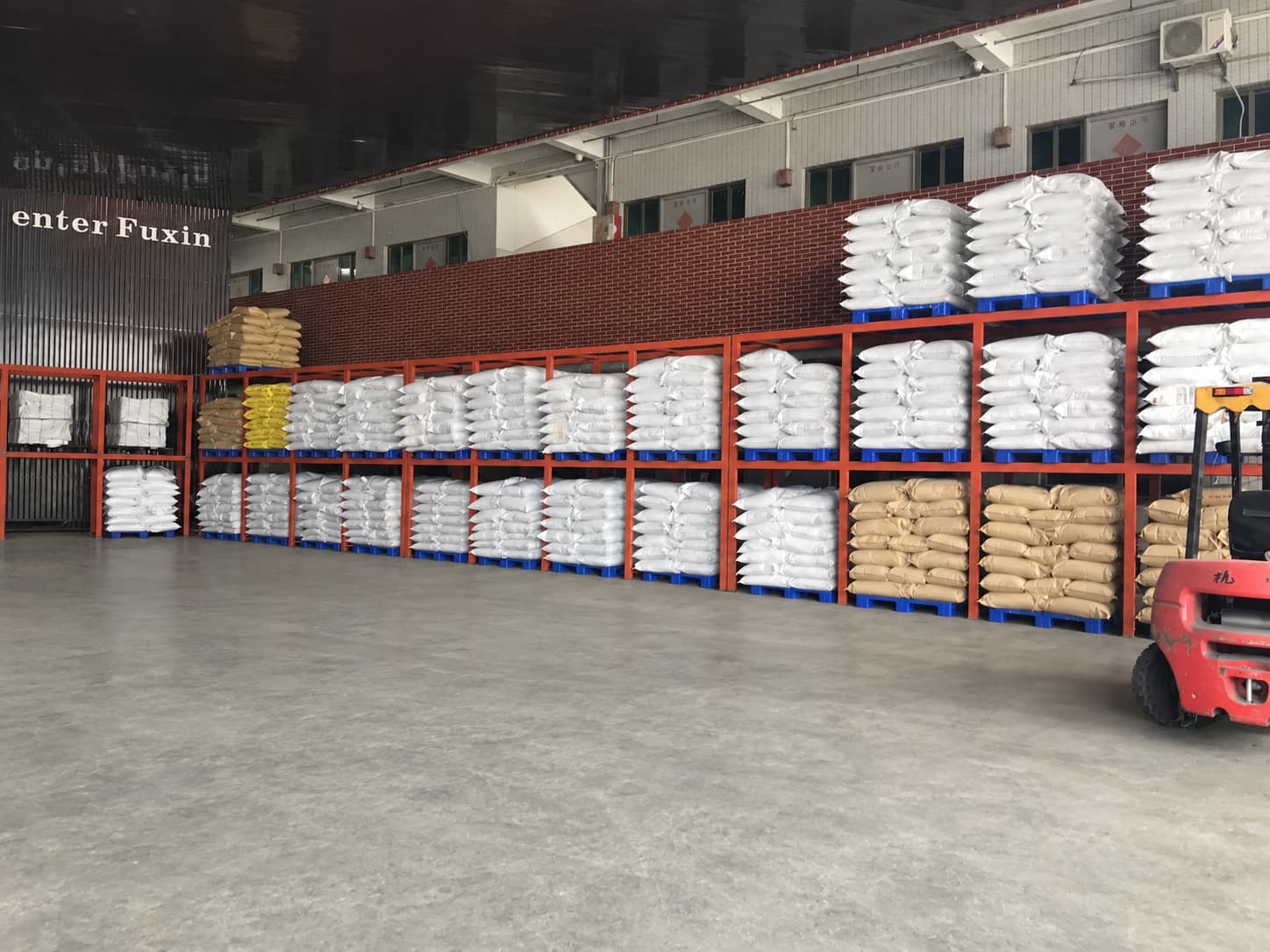
















This guide explains what buyers should review when sourcing sodium alginate for reactive dye printing applications.
Why Sodium Alginate Is Used as a Reactive Dye Thickener
It Helps Build Printing Paste Viscosity
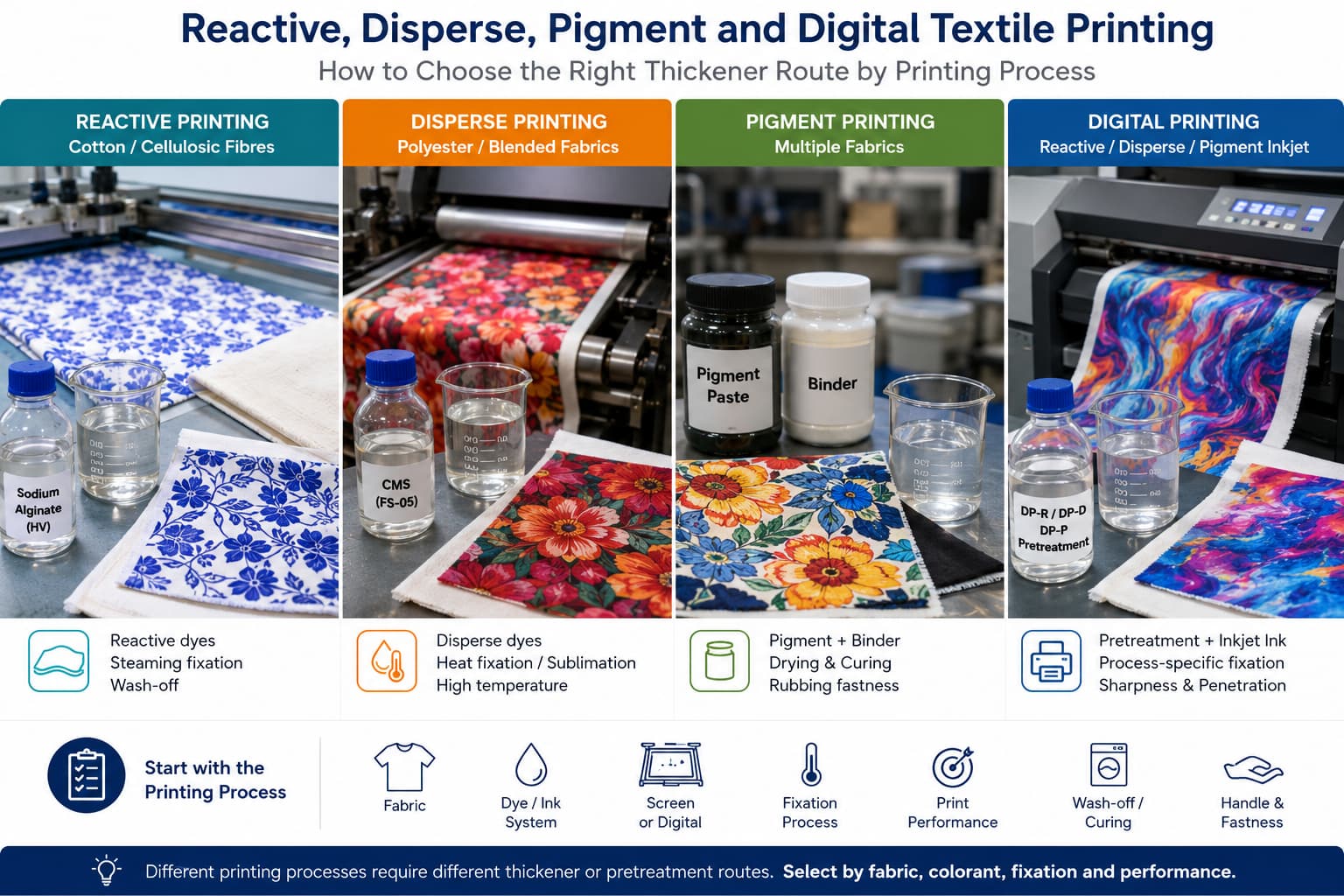
In reactive dye printing, the thickener helps build the paste structure needed for preparation and application. Sodium alginate is often selected where viscosity control, paste formation, and printing paste handling are important.
The suitable grade depends on the target paste viscosity, printing method, fabric type, dye system, and production conditions. A higher viscosity grade is not always the best choice for every process.
Dissolution Behavior Affects Paste Preparation
Dissolution behavior is important during paste preparation. If sodium alginate hydrates unevenly, it may create lumps, poor paste smoothness, or filtration difficulty.
Buyers should test how the product dissolves under their own water quality, stirring method, addition method, preparation time, and formulation conditions.
Final Performance Depends on the Whole Formulation
Sodium alginate performance cannot be judged only by powder appearance or a single viscosity number. Dyes, auxiliaries, pH, water quality, fabric type, paste concentration, and storage time can all affect the final result.
This is why sample testing in the buyer’s own formulation is necessary before confirming a bulk order.
المواصفات الرئيسية التي ينبغي على المشترين الاطلاع عليها
درجة اللزوجة وطريقة الاختبار
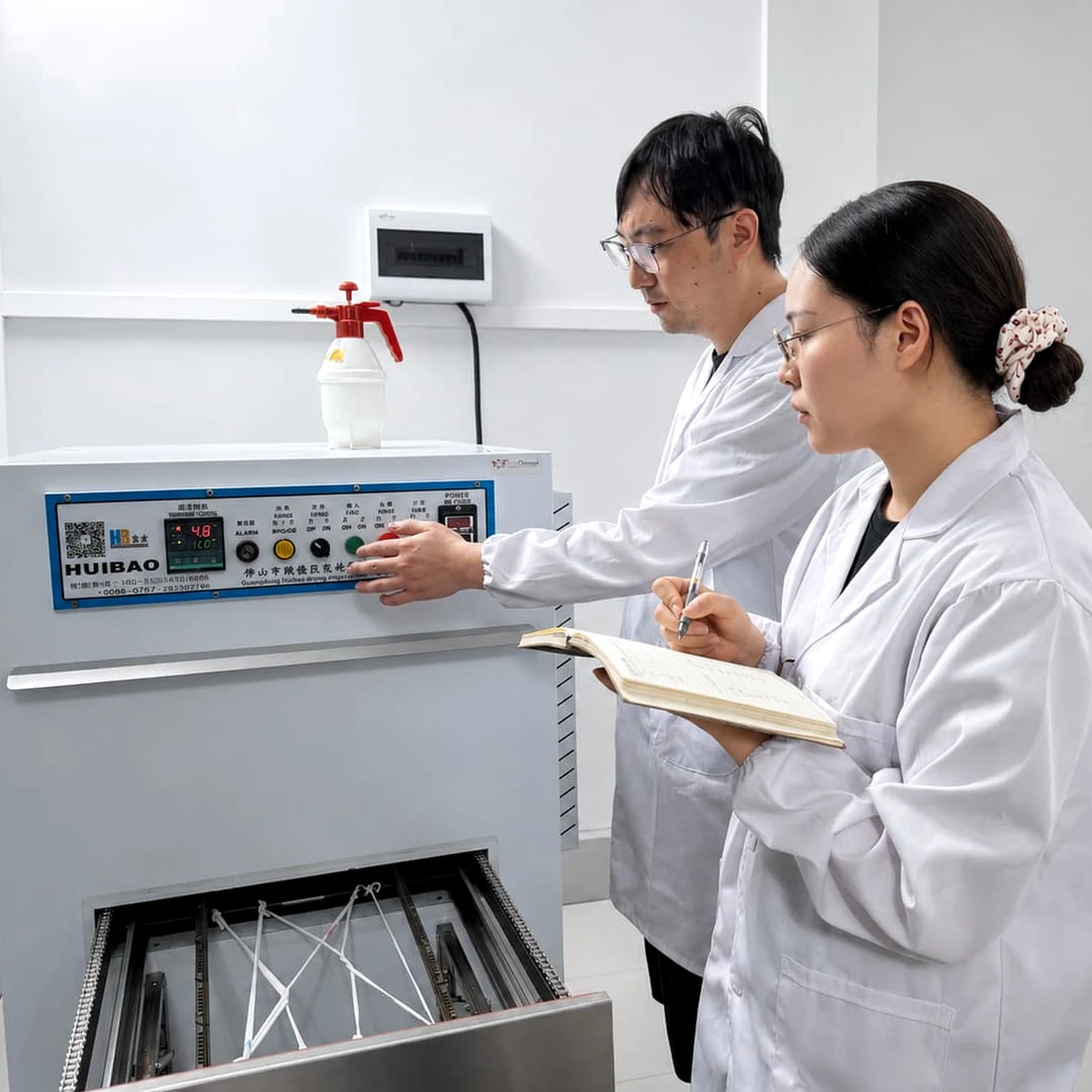
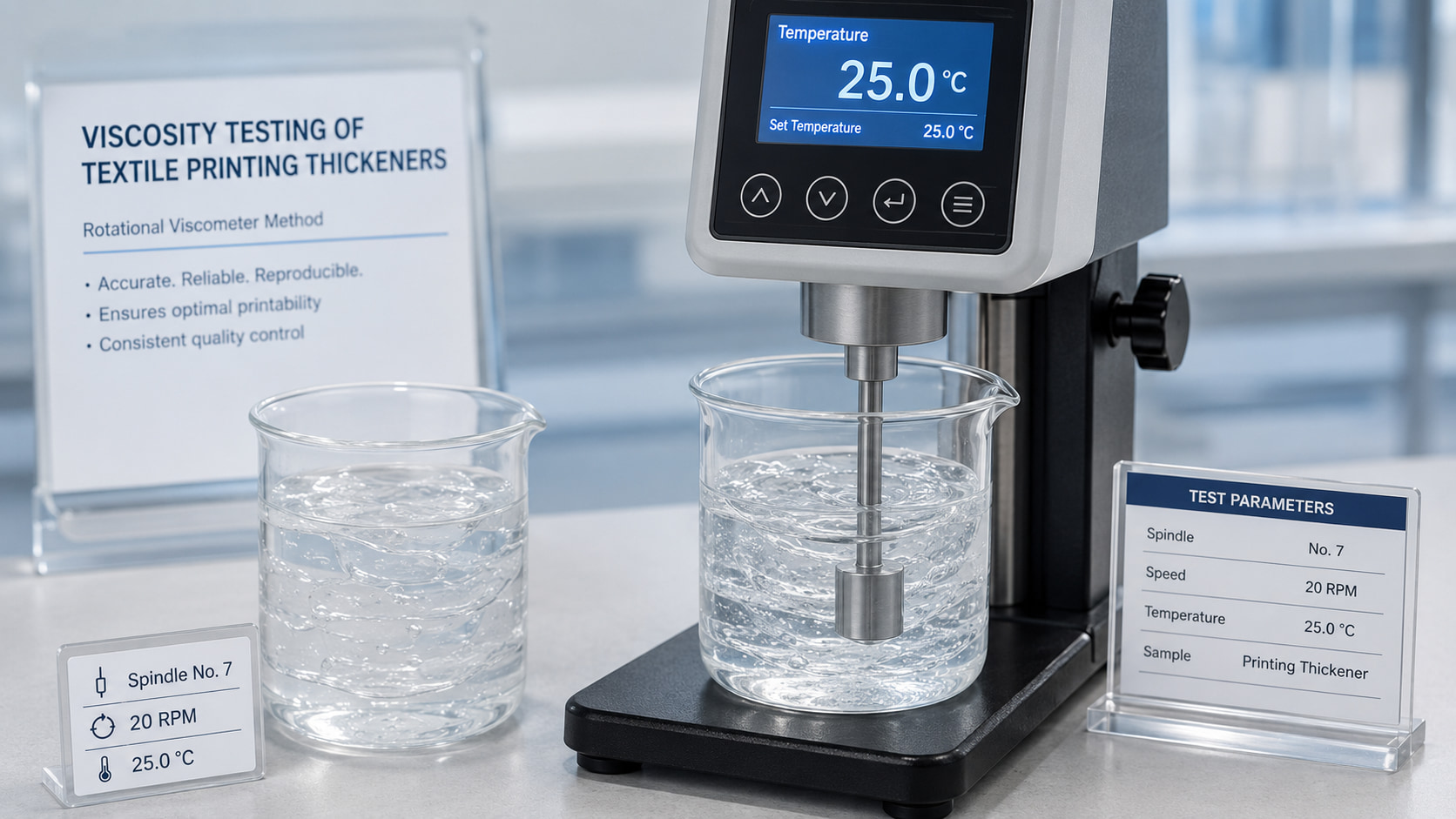
Viscosity is one of the most important parameters for sodium alginate used in reactive dye printing paste. Buyers should check the viscosity range together with the test concentration, temperature, instrument method, and unit.
في غياب طريقة اختبار واضحة، قد لا تكون قيم اللزوجة المقدمة من مختلف الموردين قابلة للمقارنة بشكل مباشر.
حجم الشبكة وسلوك الذوبان
Mesh size can influence dispersion and hydration during paste preparation. However, the actual dissolution result also depends on stirring speed, water quality, addition method, and preparation time.
Buyers should not select a grade only by mesh size. The product should be tested in the real paste preparation process.
الرطوبة، ودرجة الحموضة، والمظهر
تعد الرطوبة ودرجة الحموضة والمظهر مؤشرات أساسية لكنها مهمة للجودة. فهي تؤثر على التخزين والمناولة ومراقبة الجودة وتكرار الشراء.
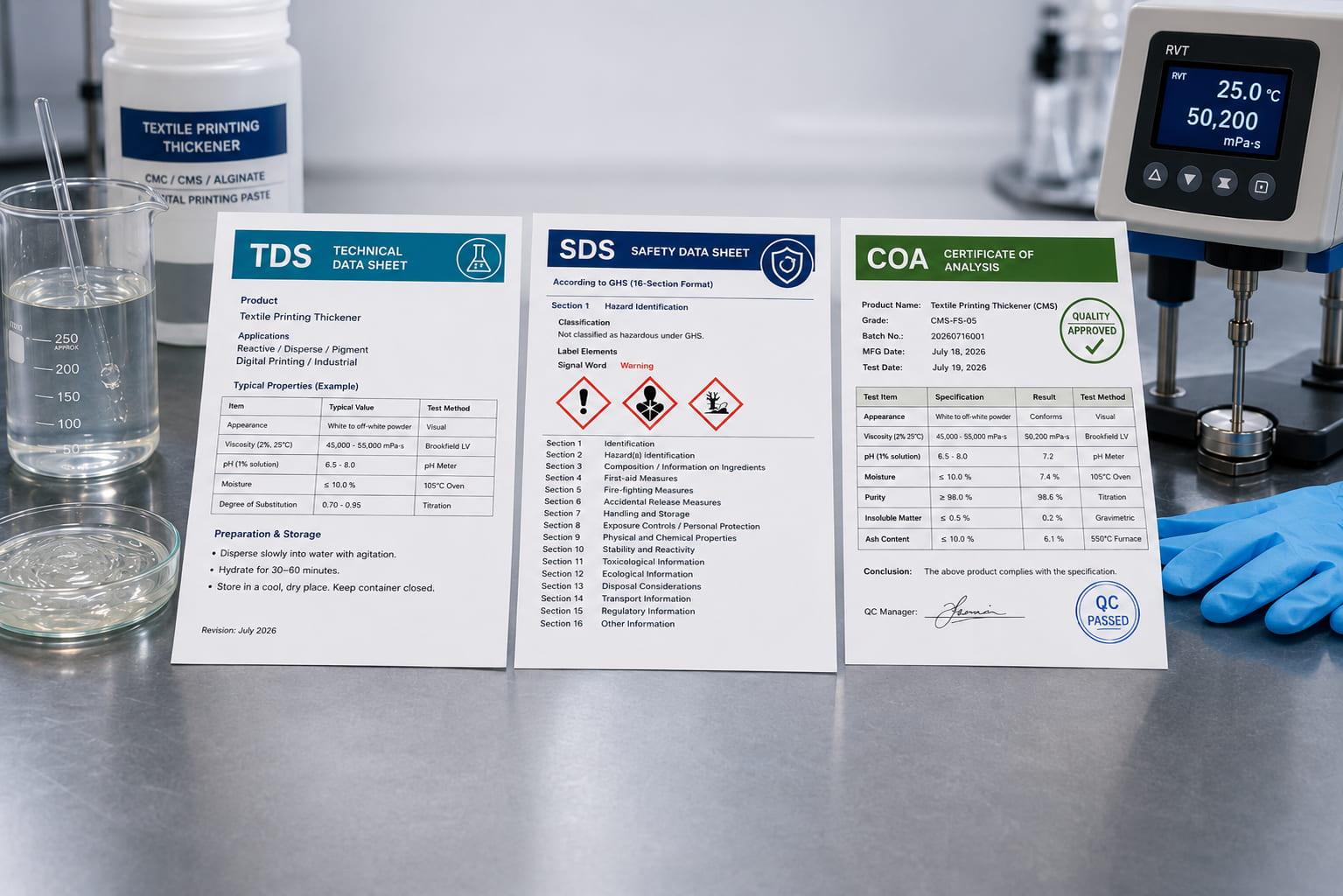
These parameters should be reviewed in the TDS and confirmed through COA data for each batch.
Batch Consistency and COA Data
For repeat orders, batch consistency matters. If viscosity, moisture, or dissolution behavior changes significantly between batches, the printing factory may need to adjust the formulation again.
The COA helps buyers confirm actual batch data and compare whether the shipment remains within the agreed specification range.
كيفية اختبار ألجينات الصوديوم قبل الشراء بالجملة
Test in the Actual Reactive Printing Paste Formulation
Sample testing should be done in the buyer’s own reactive printing paste formulation whenever possible. Dyes, auxiliaries, water quality, pH, stirring method, paste concentration, and storage time can all affect final paste behavior.
قد لا يكون إجراء الاختبارات في المياه النظيفة وحدها كافياً للتأكد من مدى ملاءمة درجة ألجينات الصوديوم للاستخدام في الإنتاج.
مراقبة سلاسة اللصق والترشيح
During sample testing, buyers should observe dissolution speed, paste smoothness, lumps, filtration behavior, viscosity stability, and application handling.
For textile printing paste, these practical observations are often as important as the basic specification data shown in the TDS.
Check Printing Trial Results Carefully
If a printing trial is arranged, buyers can review paste handling, screen passing, pattern edge condition, bleeding tendency, and washing behavior under their own production conditions.
The evaluation should be based on the buyer’s process and internal quality standard rather than broad supplier claims.
مقارنة العينة المعتمدة مع الشحنة السائبة
Before confirming a bulk order, buyers should ask whether the approved sample and the bulk shipment will follow the same viscosity range, mesh size, packaging format, batch traceability, and COA requirements.
وهذا يساعد على تقليل مخاطر عدم تطابق العينة مع الكمية الإجمالية.
Common Mistakes When Choosing Reactive Dye Thickener Sodium Alginate
Selecting Only by High Viscosity
A high viscosity grade may not automatically match every reactive printing paste system. If the viscosity is too high for the formulation, preparation and application handling may become difficult.
Buyers should select the grade according to the target paste viscosity, process requirement, and testing result.
Comparing Supplier Data Without Test Method
Viscosity values measured under different concentrations, temperatures, or instruments may show different results.
Before comparing suppliers, buyers should ask how the viscosity was tested and whether the method matches their own evaluation process.
Relying on Broad Performance or Compliance Claims
Claims such as “eco-friendly,” “compliant,” “high-performance,” or “preferred solution” should be supported by actual documents or test data when they are important to the buyer’s purchasing process.
For practical product selection, buyers should focus first on TDS, COA, sample testing, batch consistency, and application suitability.
المستندات التي ينبغي على المشترين طلبها
TDS لمراجعة المواصفات
The Technical Data Sheet should include key parameters such as appearance, viscosity, mesh size, moisture, pH, storage conditions, and testing method.
For reactive dye thickener sodium alginate, the viscosity test method should be clearly stated.
تقرير التوافق (COA) لتأكيد الدفعة
تؤكد شهادة التحليل البيانات الفعلية لدفعة إنتاج محددة. وهي مهمة للطلبات بالجملة، وعمليات الشراء المتكررة، وتزويد الموزعين، ومراقبة الجودة الداخلية.
يمكن للمشترين مقارنة سجلات شهادات المنشأ (COA) عبر الشحنات للتحقق مما إذا كانت المعلمات الرئيسية لا تزال ضمن النطاق المتفق عليه.
SDS ووثائق التصدير عند الحاجة
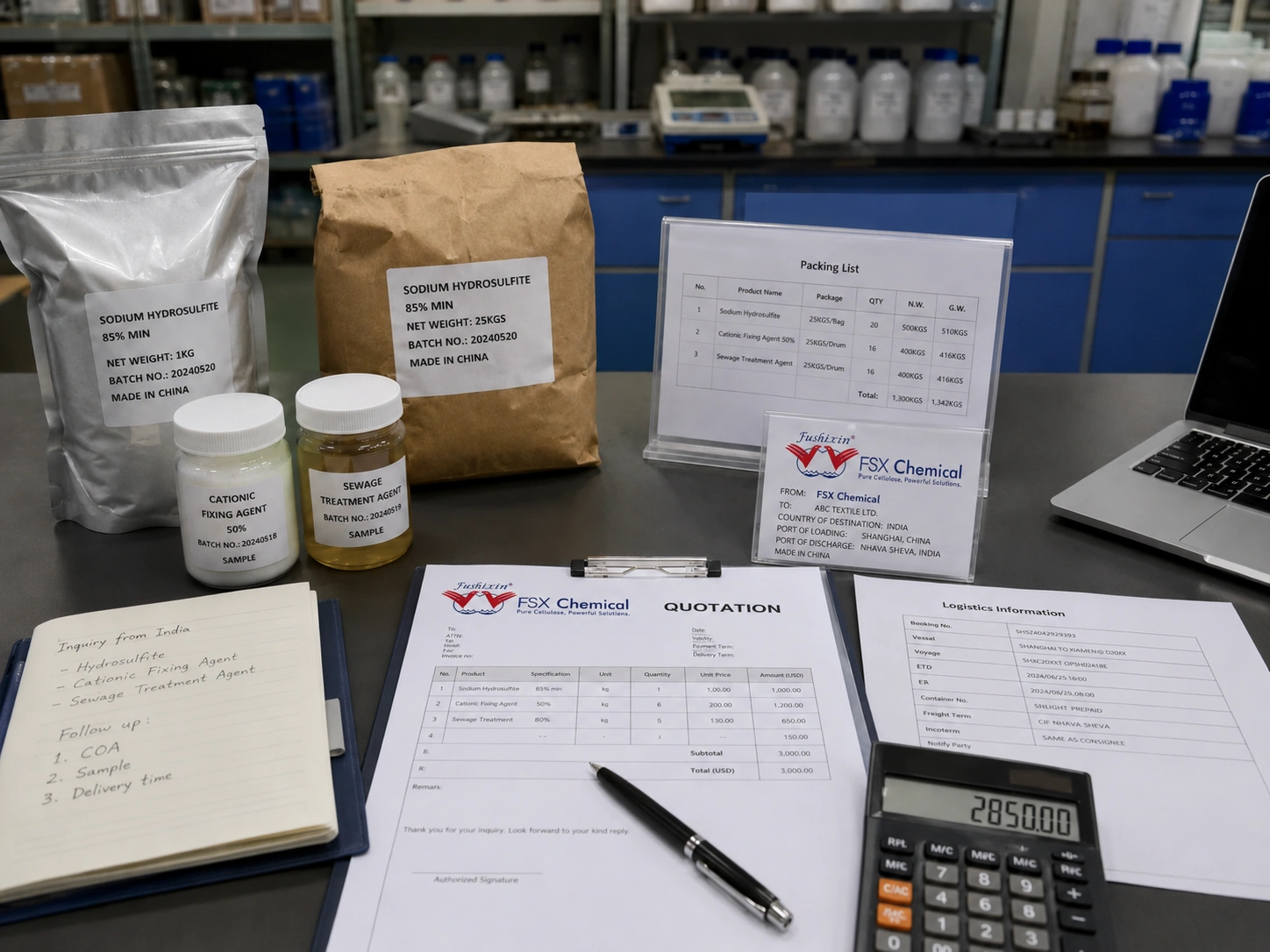
بالنسبة لعمليات الشراء الدولية، قد يحتاج المشترون أيضًا إلى صحيفة بيانات السلامة (SDS)، والفاتورة، وقائمة التعبئة، والملصقات، وغيرها من المستندات المتعلقة بالتصدير. وقد تختلف قائمة المستندات المطلوبة حسب البلد المقصود ونوع المنتج وإجراءات الشراء الداخلية.
يجب التأكد من متطلبات المستندات قبل الشحن لتجنب أي تأخير في المراجعة الداخلية أو التواصل مع الجمارك.

كيف تدعم شركة FSX Chemical مشتري ألجينات الصوديوم
تزود شركة FSX Chemical مصانع طباعة المنسوجات ومصانع الصباغة والطباعة وموزعي المواد الكيميائية بمادة ألجينات الصوديوم والمواد الكيميائية ذات الصلة المستخدمة في طباعة المنسوجات.
We do not suggest confirming reactive dye thickener sodium alginate only by price, product name, or broad supplier claims. The recommended grade should be reviewed through technical documents and tested in the buyer’s own formulation before bulk purchase.
الخطوات التالية
- طلب تقرير TDS — مراجعة نطاق اللزوجة، وحجم الشبكة، ودرجة الحموضة، والرطوبة، والمظهر، وظروف التخزين، وطريقة الاختبار.
- طلب شهادة المنشأ — التأكد من مطابقة بيانات الدفعة لنطاق المواصفات المتفق عليه قبل الشحن.
- اطلب مطابقة الدرجات — share your reactive printing process, fabric type, target viscosity, current formulation, and existing product grade if available.
- اطلب عينة — اختبر نوع ألجينات الصوديوم الموصى به في عملية تحضير المعجون الخاصة بك وفي ظروف الطباعة الخاصة بك قبل تأكيد الطلبات بالجملة.
- التحقق من مستندات التعبئة والتغليف والتصدير — التحقق من حجم الحقيبة، والملصقات، وإمكانية تتبع الدفعة، وورقة بيانات السلامة (SDS)، والفاتورة، وقائمة التعبئة، وغيرها من المستندات المطلوبة قبل الشحن.
- Cاتصل بفريقنا الفني — discuss which sodium alginate grade is suitable for your reactive dye printing paste📧 البريد الإلكتروني: Service@fsxchemical.com