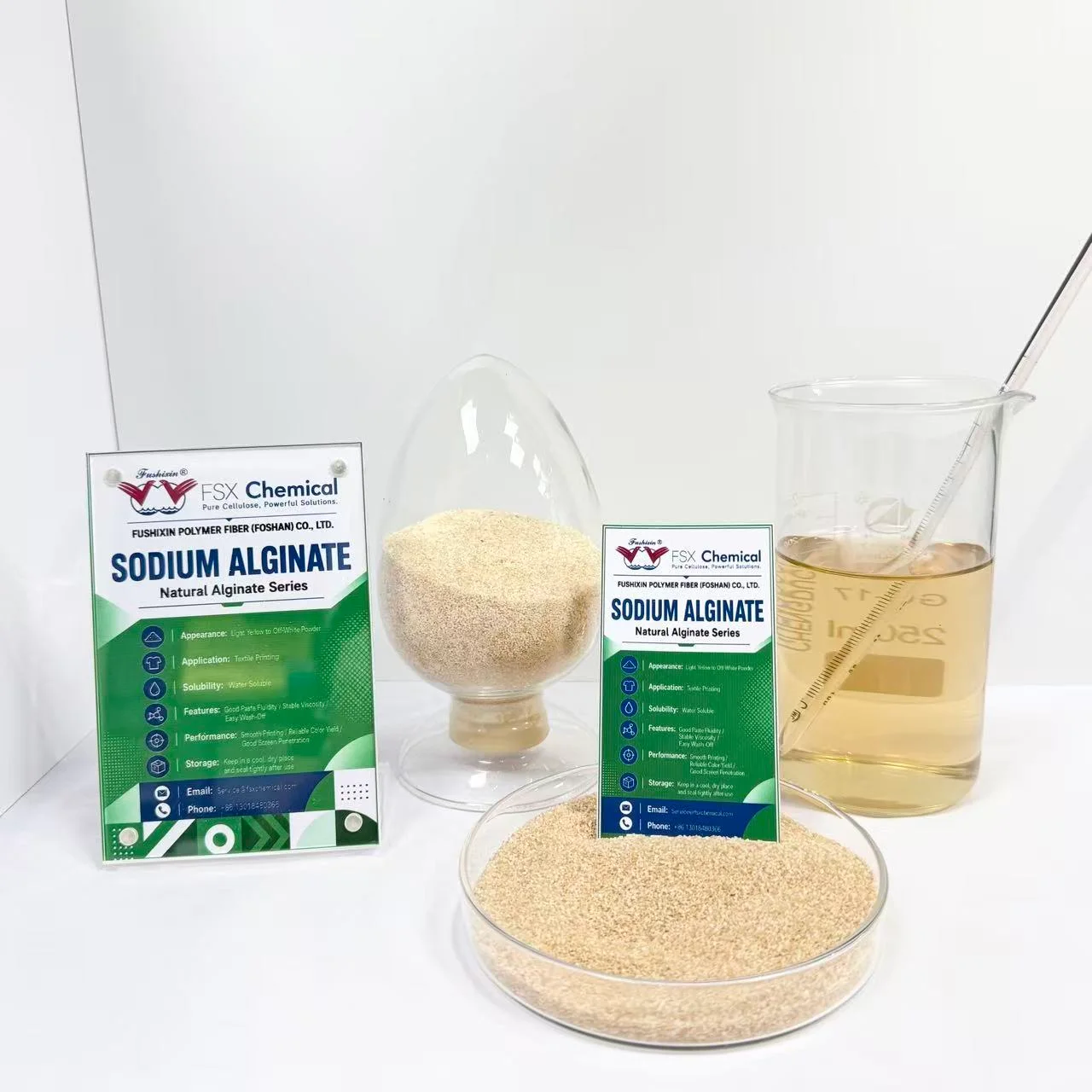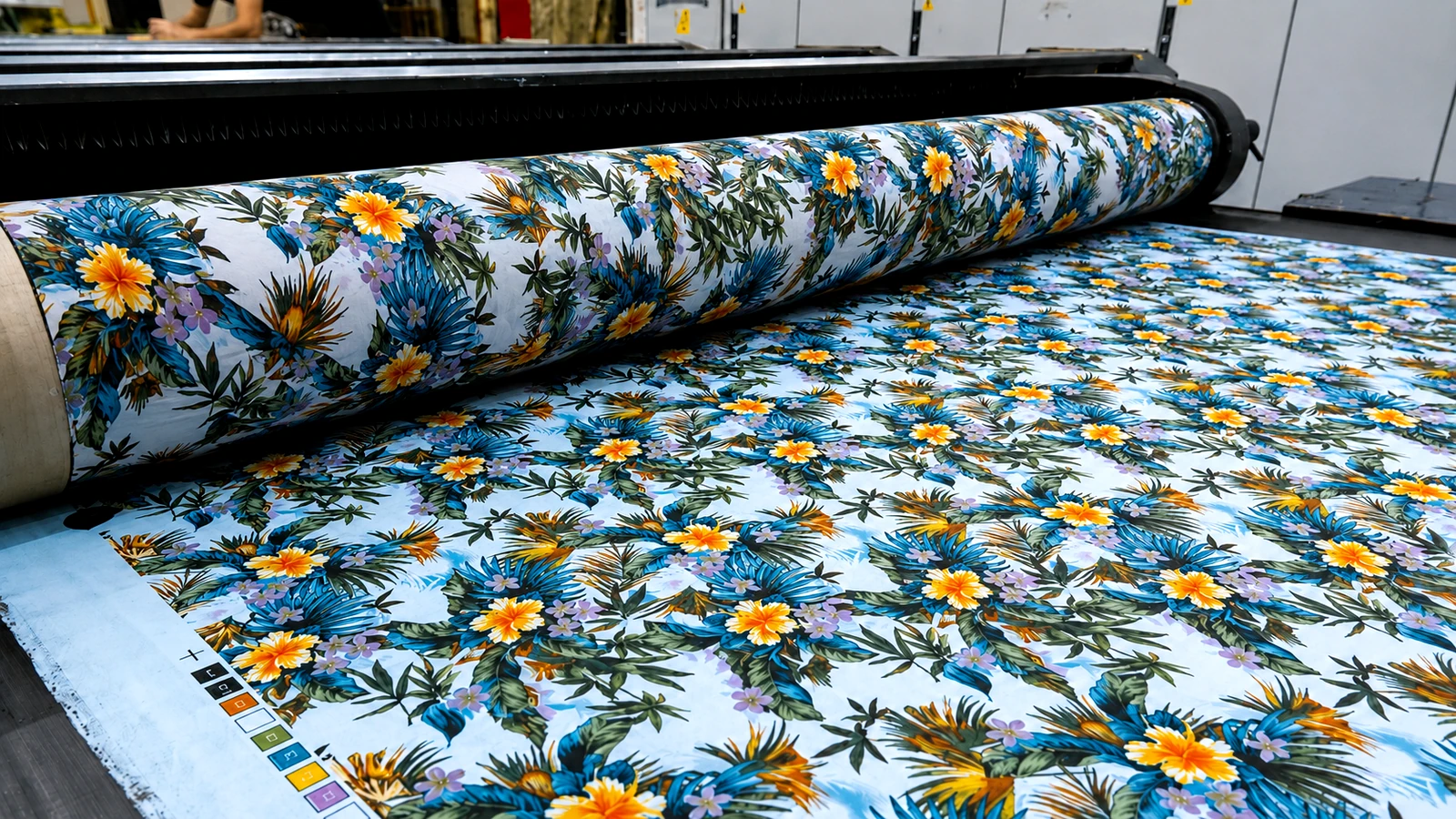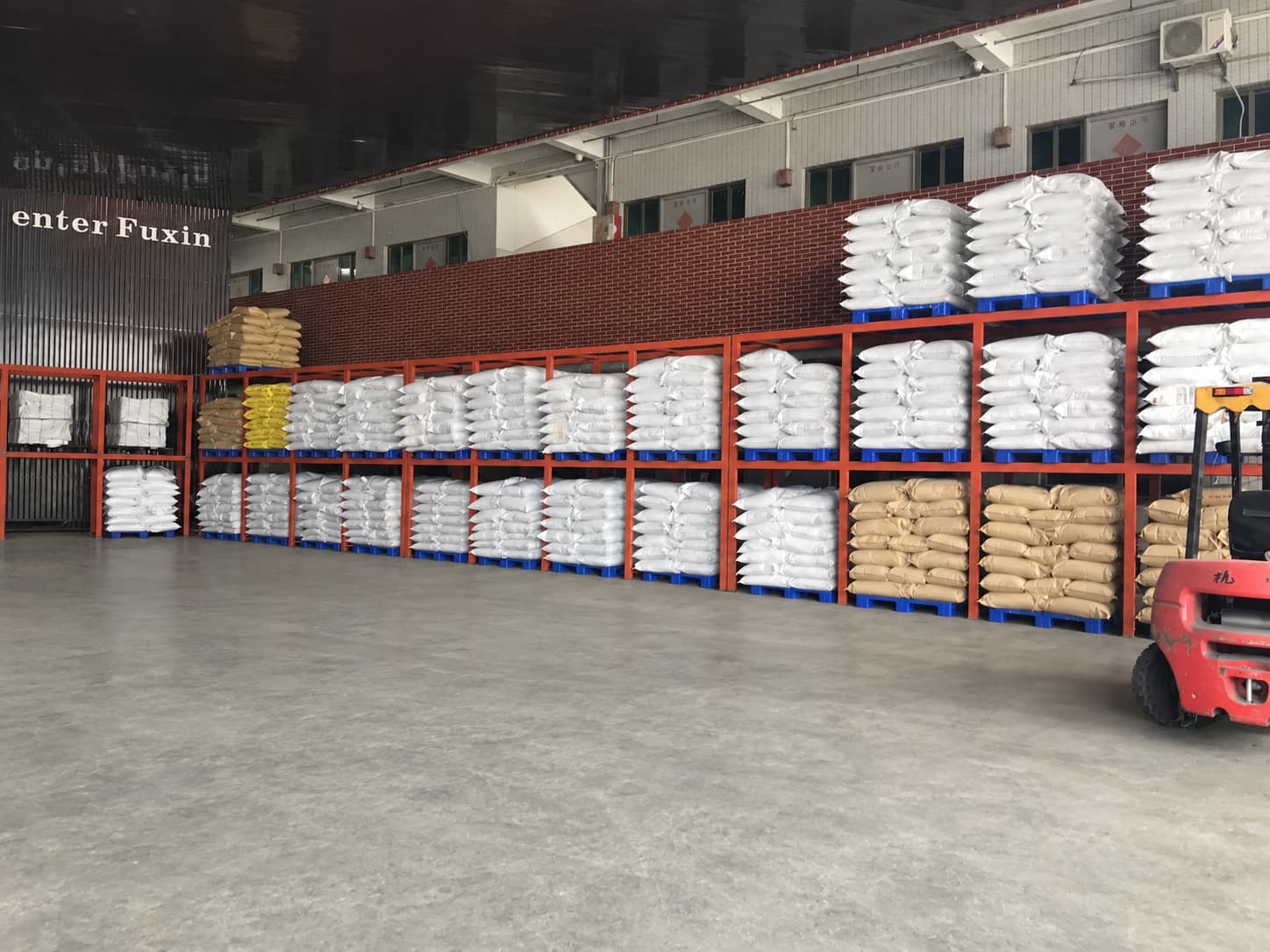
















This guide explains what buyers should review when sourcing sodium alginate for reactive dye printing applications.
Why Sodium Alginate Is Used as a Reactive Dye Thickener
It Helps Build Printing Paste Viscosity
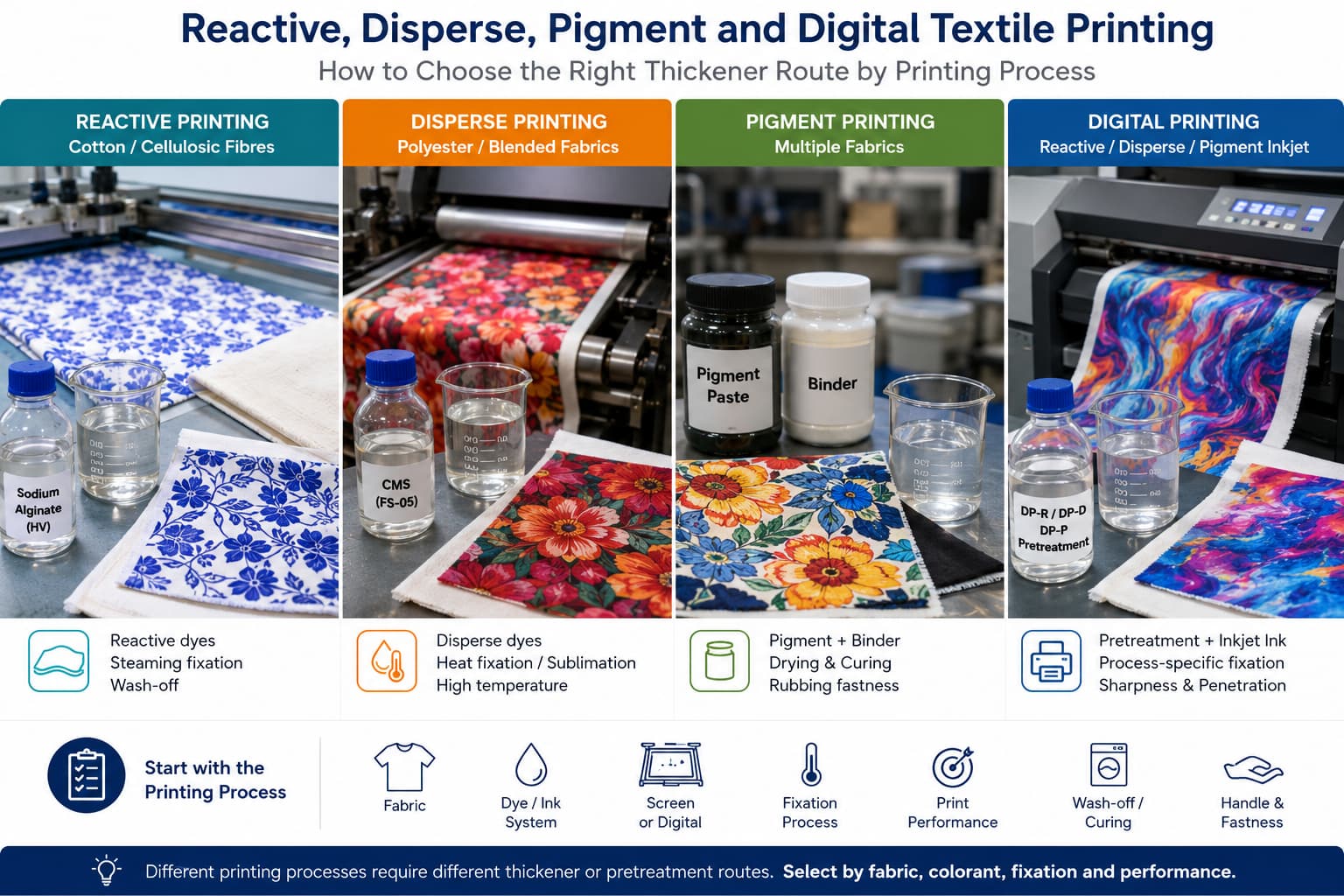
In reactive dye printing, the thickener helps build the paste structure needed for preparation and application. Sodium alginate is often selected where viscosity control, paste formation, and printing paste handling are important.
The suitable grade depends on the target paste viscosity, printing method, fabric type, dye system, and production conditions. A higher viscosity grade is not always the best choice for every process.
Dissolution Behavior Affects Paste Preparation
Dissolution behavior is important during paste preparation. If sodium alginate hydrates unevenly, it may create lumps, poor paste smoothness, or filtration difficulty.
Buyers should test how the product dissolves under their own water quality, stirring method, addition method, preparation time, and formulation conditions.
Final Performance Depends on the Whole Formulation
Sodium alginate performance cannot be judged only by powder appearance or a single viscosity number. Dyes, auxiliaries, pH, water quality, fabric type, paste concentration, and storage time can all affect the final result.
This is why sample testing in the buyer’s own formulation is necessary before confirming a bulk order.
Key Specifications Buyers Should Review
Classe de viscosité et méthode d'essai
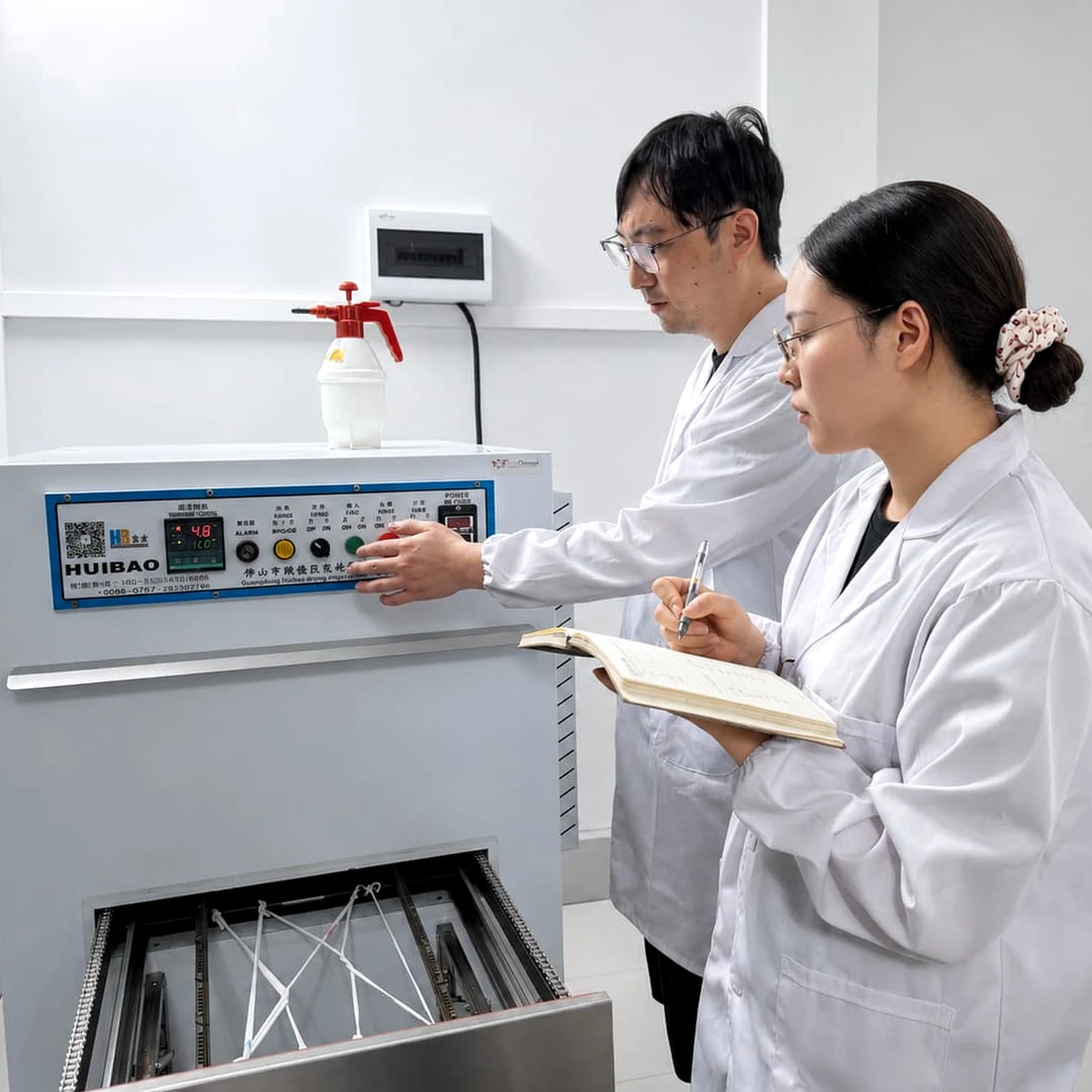
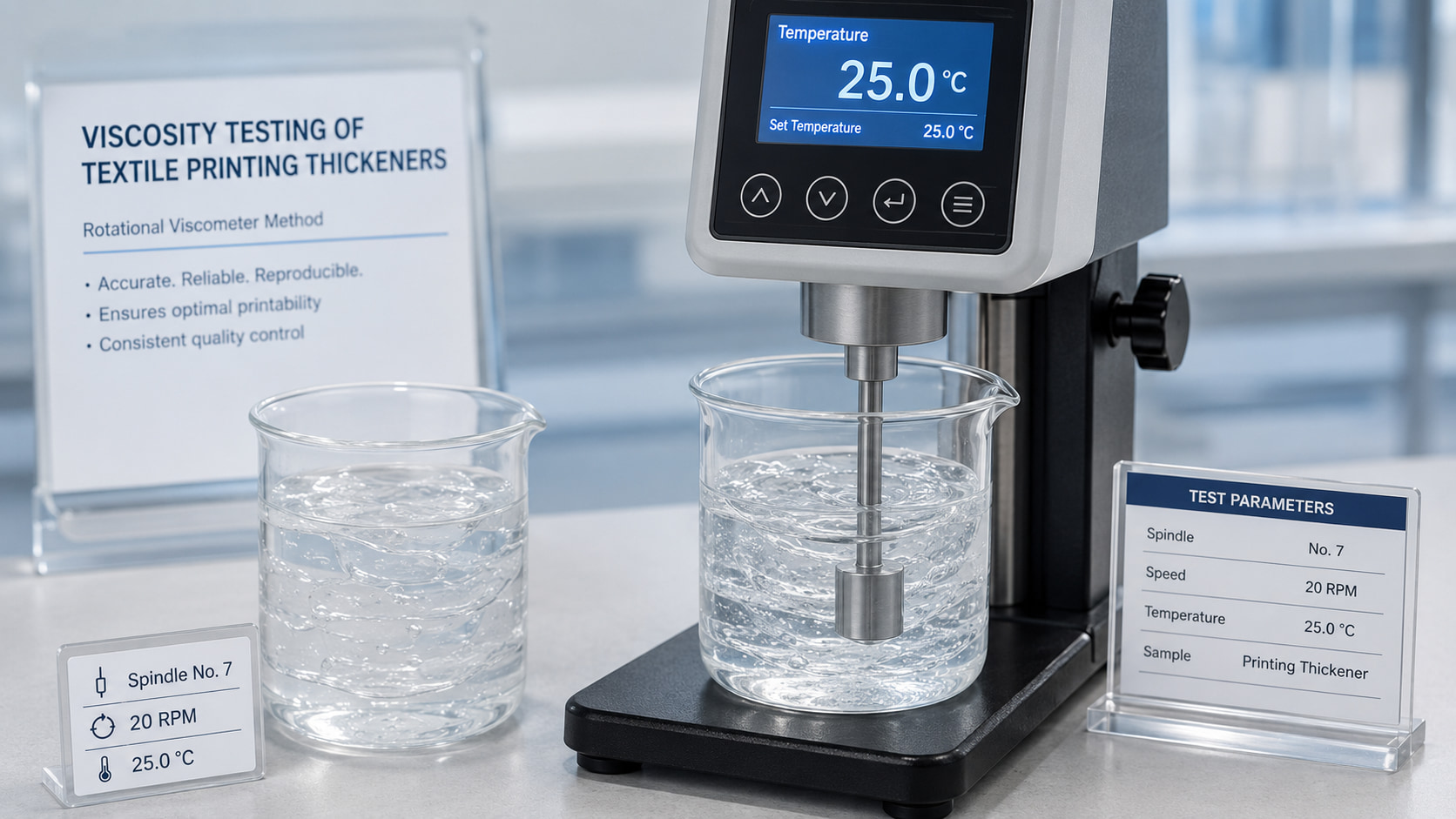
Viscosity is one of the most important parameters for sodium alginate used in reactive dye printing paste. Buyers should check the viscosity range together with the test concentration, temperature, instrument method, and unit.
En l'absence d'une méthode d'essai clairement définie, les valeurs de viscosité fournies par différents fournisseurs peuvent ne pas être directement comparables.
Taille des mailles et comportement de dissolution
Mesh size can influence dispersion and hydration during paste preparation. However, the actual dissolution result also depends on stirring speed, water quality, addition method, and preparation time.
Buyers should not select a grade only by mesh size. The product should be tested in the real paste preparation process.
Humidité, pH et aspect
L'humidité, le pH et l'aspect sont des indicateurs de qualité fondamentaux mais essentiels. Ils ont une incidence sur le stockage, la manutention, le contrôle qualité et la fidélisation des clients.
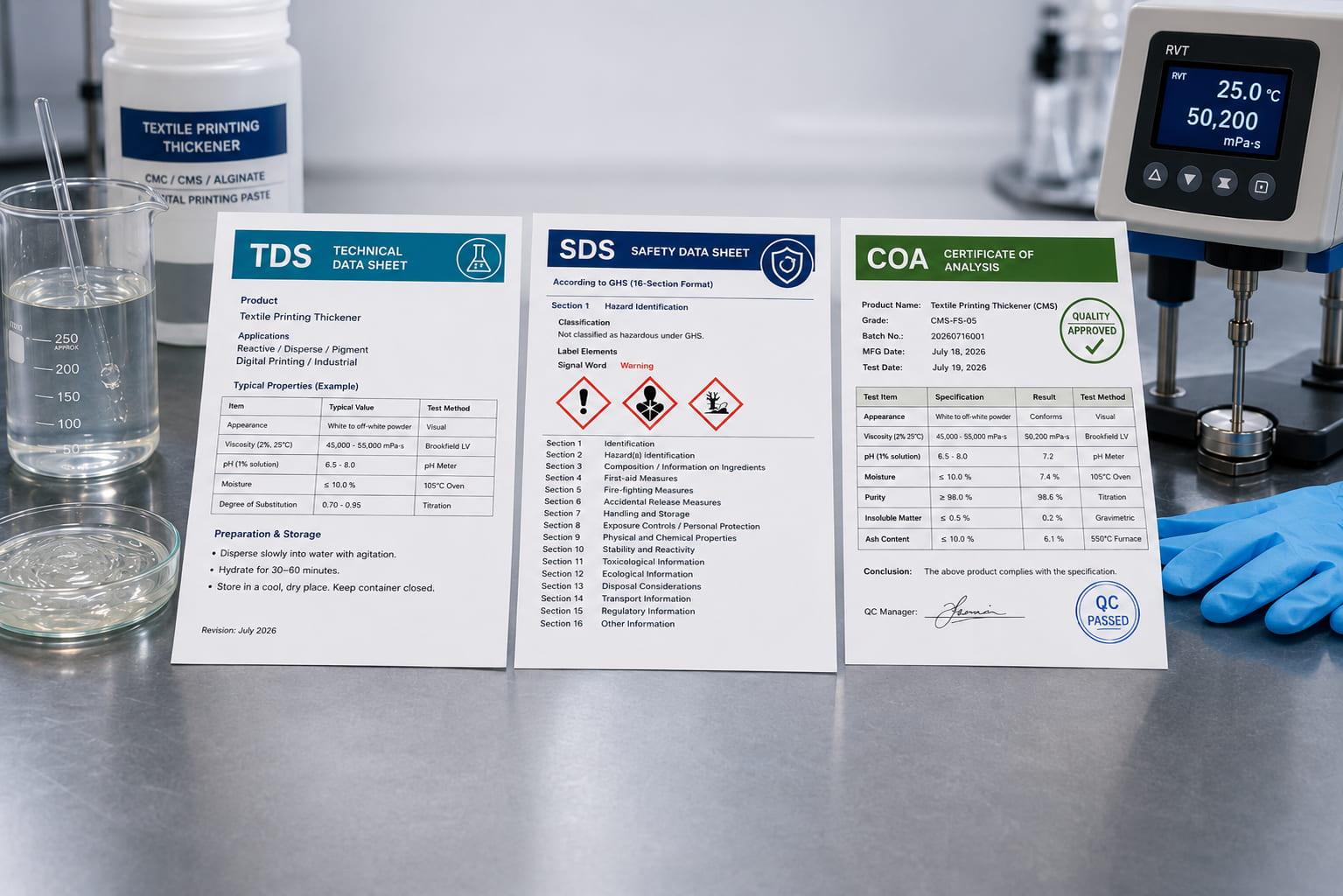
These parameters should be reviewed in the TDS and confirmed through COA data for each batch.
Cohérence des lots et données du certificat d'analyse (COA)
For repeat orders, batch consistency matters. If viscosity, moisture, or dissolution behavior changes significantly between batches, the printing factory may need to adjust the formulation again.
The COA helps buyers confirm actual batch data and compare whether the shipment remains within the agreed specification range.
How to Test Sodium Alginate Before Bulk Purchase
Test in the Actual Reactive Printing Paste Formulation
Sample testing should be done in the buyer’s own reactive printing paste formulation whenever possible. Dyes, auxiliaries, water quality, pH, stirring method, paste concentration, and storage time can all affect final paste behavior.
Des essais réalisés uniquement dans de l'eau pure pourraient ne pas suffire pour confirmer si la qualité de l'alginate de sodium est adaptée à la production.
Observe Paste Smoothness and Filtration
During sample testing, buyers should observe dissolution speed, paste smoothness, lumps, filtration behavior, viscosity stability, and application handling.
For textile printing paste, these practical observations are often as important as the basic specification data shown in the TDS.
Check Printing Trial Results Carefully
If a printing trial is arranged, buyers can review paste handling, screen passing, pattern edge condition, bleeding tendency, and washing behavior under their own production conditions.
The evaluation should be based on the buyer’s process and internal quality standard rather than broad supplier claims.
Compare Approved Sample with Bulk Shipment
Before confirming a bulk order, buyers should ask whether the approved sample and the bulk shipment will follow the same viscosity range, mesh size, packaging format, batch traceability, and COA requirements.
This helps reduce the risk of sample-to-bulk mismatch.
Common Mistakes When Choosing Reactive Dye Thickener Sodium Alginate
Selecting Only by High Viscosity
A high viscosity grade may not automatically match every reactive printing paste system. If the viscosity is too high for the formulation, preparation and application handling may become difficult.
Buyers should select the grade according to the target paste viscosity, process requirement, and testing result.
Comparing Supplier Data Without Test Method
Viscosity values measured under different concentrations, temperatures, or instruments may show different results.
Before comparing suppliers, buyers should ask how the viscosity was tested and whether the method matches their own evaluation process.
Relying on Broad Performance or Compliance Claims
Claims such as “eco-friendly,” “compliant,” “high-performance,” or “preferred solution” should be supported by actual documents or test data when they are important to the buyer’s purchasing process.
For practical product selection, buyers should focus first on TDS, COA, sample testing, batch consistency, and application suitability.
Documents que les acheteurs devraient demander
TDS pour la révision du cahier des charges
The Technical Data Sheet should include key parameters such as appearance, viscosity, mesh size, moisture, pH, storage conditions, and testing method.
For reactive dye thickener sodium alginate, the viscosity test method should be clearly stated.
Certificat d'origine pour la confirmation de lot
Le certificat d'analyse confirme les données réelles d'un lot de production spécifique. Il revêt une importance particulière pour les commandes en gros, les achats récurrents, l'approvisionnement des distributeurs et le contrôle qualité interne.
Les acheteurs peuvent comparer les données des certificats d'analyse (COA) d'un envoi à l'autre afin de vérifier si les paramètres clés restent dans les limites convenues.
Fiches de données de sécurité (FDS) et documents d'exportation, le cas échéant
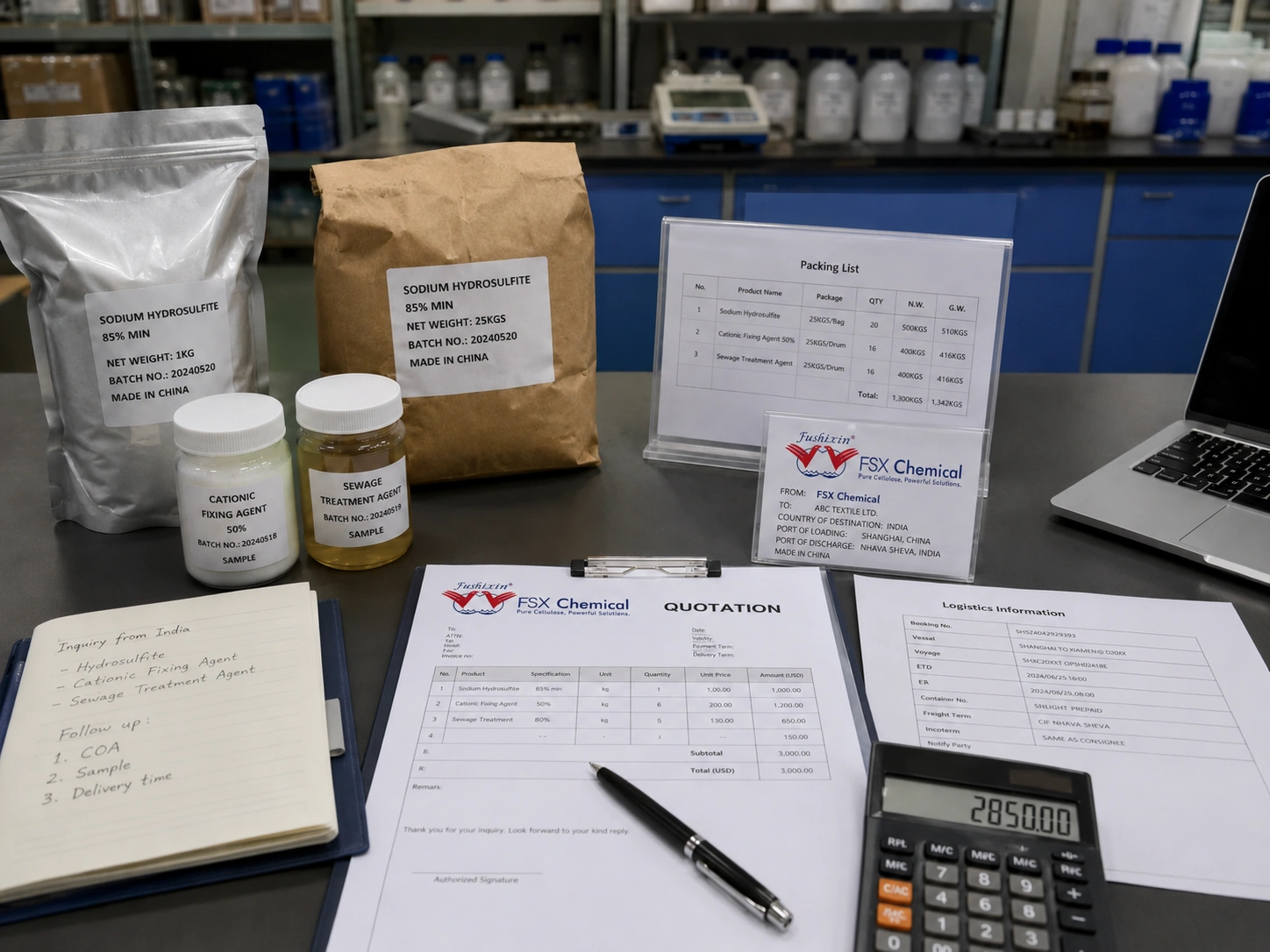
For international purchasing, buyers may also need SDS, invoice, packing list, labels, and other export-related documents. The required document list may vary by destination country, product type, and internal purchasing process.
Document requirements should be confirmed before shipment to avoid delays in internal review or customs communication.

Comment FSX Chemical accompagne les acheteurs d'alginate de sodium
FSX Chemical fournit de l'alginate de sodium et des produits chimiques destinés à l'impression textile aux usines d'impression textile, aux ateliers de teinture et d'impression, ainsi qu'aux distributeurs de produits chimiques.
We do not suggest confirming reactive dye thickener sodium alginate only by price, product name, or broad supplier claims. The recommended grade should be reviewed through technical documents and tested in the buyer’s own formulation before bulk purchase.
Prochaines étapes
- Demander un TDS — Vérifier la plage de viscosité, la granulométrie, le pH, le taux d'humidité, l'aspect, les conditions de stockage et la méthode d'essai.
- Demander un certificat d'authenticité — vérifier, avant l'expédition, que les données du lot correspondent à la plage spécifiée convenue.
- Demander l'alignement des notes — share your reactive printing process, fabric type, target viscosity, current formulation, and existing product grade if available.
- Demander un échantillon — Testez la qualité d'alginate de sodium recommandée dans votre propre préparation de pâte et selon vos propres conditions d'impression avant de valider des commandes en gros.
- Vérifier les documents d'emballage et d'exportation — Vérifiez les dimensions des sacs, les étiquettes, la traçabilité des lots, les fiches de données de sécurité (FDS), la facture, le bordereau d'expédition et les autres documents requis avant l'expédition.
- CContactez notre équipe technique — discuss which sodium alginate grade is suitable for your reactive dye printing paste📧 E-mail: Service@fsxchemical.com