














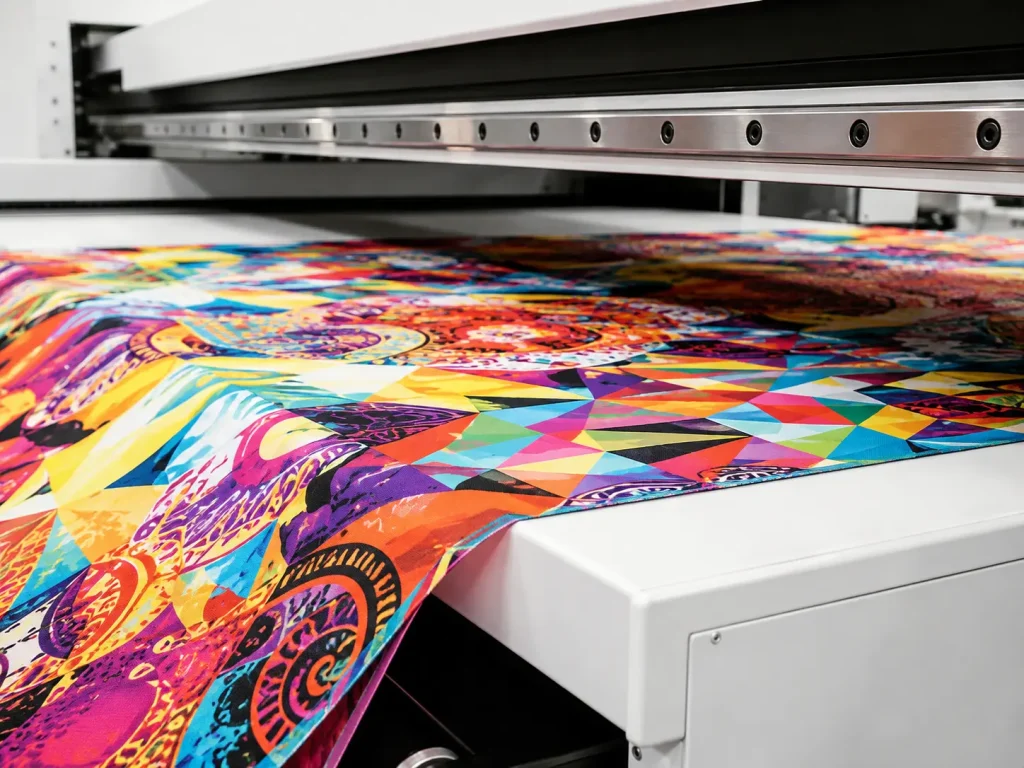
Direct answer: CMC can be evaluated as a rheology modifier or stabilizer in selected water-based flexographic and gravure formulations and in some substrate or textile pretreatments. It should not be assumed suitable for every resin, pigment or electrolyte system, and it should not be added to a printhead ink unless the ink formulator has validated purity, molecular weight, viscosity, filtration and nozzle reliability.
كيف تعمل مادة CMC في تركيبات أحبار الطباعة
دوره كمكثف ومعدّل للخصائص الريولوجية
In a suitable water-based formulation, CMC can modify viscosity and transfer. الترقق تحت تأثير القص means lower apparent viscosity at a higher shear rate; it does not demonstrate time-dependent recovery after printing. Measure the flow response and, where relevant, recovery after a defined shear step using the same rest time, temperature and measurement sequence. Confirm transfer and film quality on the actual press.
A change in low-shear viscosity can affect settling behavior, but adding CMC does not by itself prove pigment dispersion stability. Compare the complete ink for sedimentation, flocculation, viscosity drift, filter residue and redispersibility over the intended storage conditions.
التوافق مع أنظمة الحبر المائية
CMC may be compatible with selected water-based acrylic, styrene-acrylic or water-soluble resin systems, but compatibility is formulation-specific. Resin charge, surfactants, pigments, salts, pH, biocide and shear history can change viscosity, stability and film performance, so the complete ink or coating must be tested.
ولا يُستخدم عادةً في أنظمة الحبر القائمة على المذيبات أو القابلة للتصلب بالأشعة فوق البنفسجية، حيث تتطلب هذه الأنظمة مُعدِّلات ريولوجية مختلفة. إذا كان إنتاجك يتضمن أنواعًا متعددة من الحبر، فتأكد من توافق مادة CMC مع كل نظام قبل اعتماد درجة واحدة بشكل موحد.
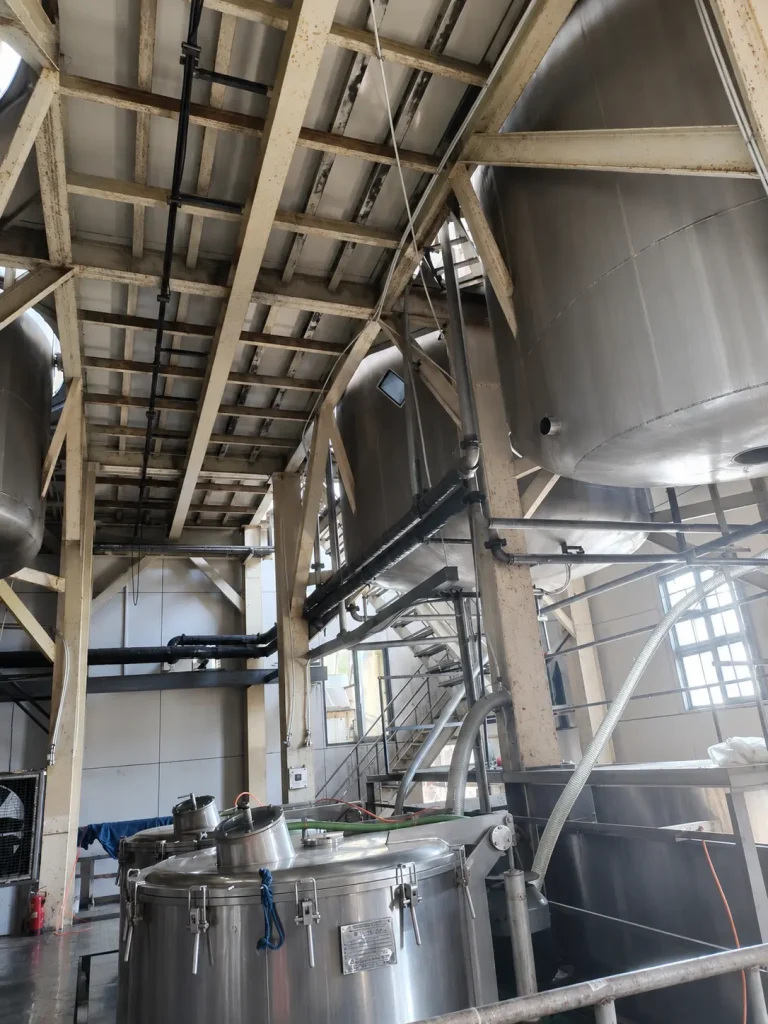
CMC Application Route and Qualification Risk
| Application route | CMC starting position | Critical qualification checks |
|---|---|---|
| Water-based flexographic ink | Possible formulation-specific rheology modifier | Binder and pigment compatibility, anilox transfer, foam, drying and final film |
| Water-based gravure ink | Only low-residue grades that maintain the required low viscosity | Filtration, cell release, transfer stability, drying and print definition |
| Textile or paper inkjet pretreatment | Possible component in the substrate coating or padding bath | Application pickup, drying, ink holdout, color, hand feel and storage stability |
| Direct printhead ink | Do not add without ink-formulator validation | Purity, molecular weight, viscosity, microfiltration, jetting and long-run nozzle reliability |
| Solvent-based or UV-curable ink | Generally not the preferred starting route | Use a rheology modifier designed for the actual solvent or radiation-curing chemistry |
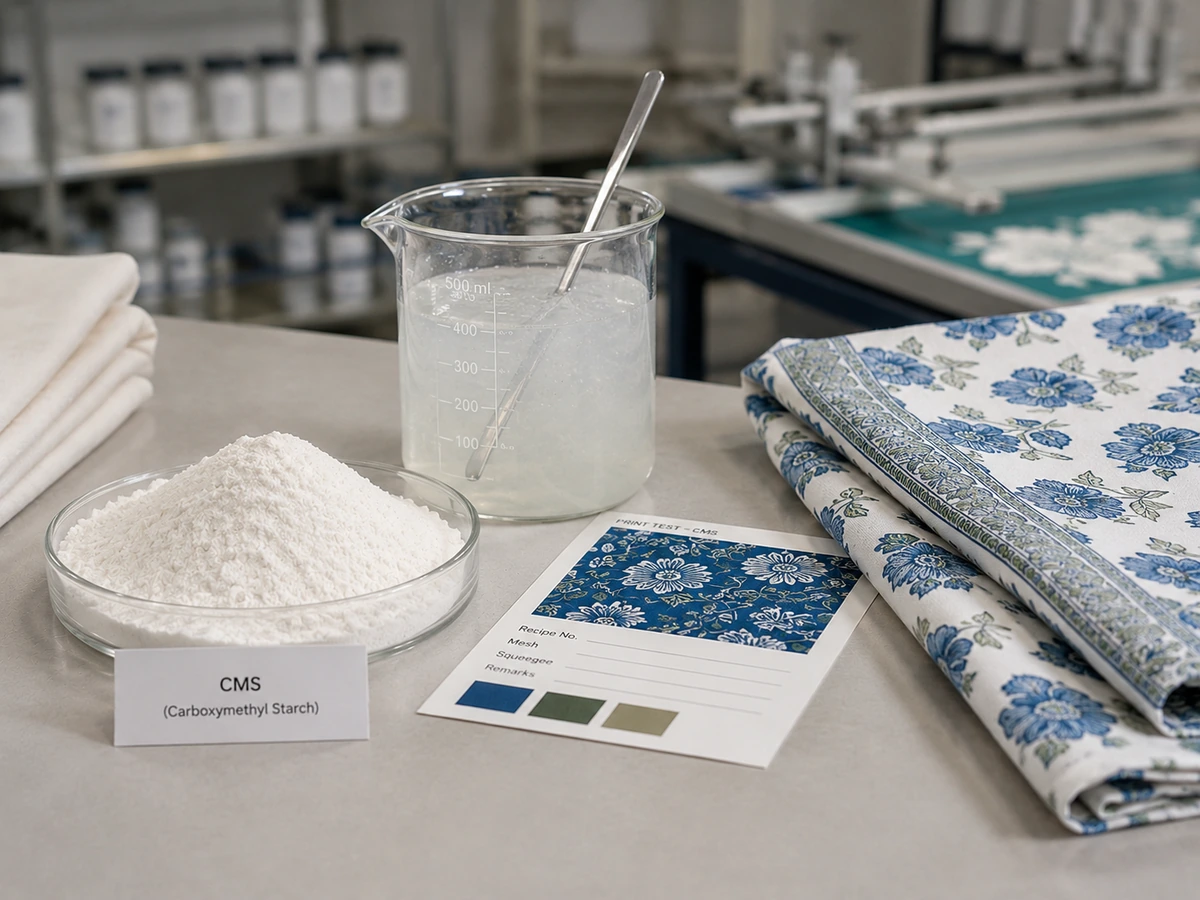
| Textile screen or rotary printing paste | Separate application with different grade requirements | Dye or pigment compatibility, rheology, screen passage, fixation and wash-off |
تطبيقات CMC حسب طريقة الطباعة
Water-Based Flexographic Ink and Related Systems
In selected water-based flexographic formulations, CMC may be evaluated to adjust low-shear body and support transfer stability on paper, board or suitable films. Suitability depends on the binder, pigment dispersion, anilox volume, drying conditions and target press viscosity.
Do not select a grade or dosage from a generic viscosity label. Begin with the ink formulator’s target viscosity and solids balance, then screen low-residue candidate grades at controlled additions while monitoring flow, foam, filtration, transfer, drying and film properties.
الطباعة بالحفر: متطلبات استقرار اللزوجة
In water-based gravure printing, control ink viscosity and solids as the formulation circulates and transfers from engraved cells. Record ink temperature and any approved water or ingredient replenishment. Evaporation and process additions can change the composition, so a viscosity change should not automatically be attributed to the CMC grade.
يمكن أن يساهم مركب CMC في استقرار اللزوجة في تركيبات أحبار الطباعة الحفرية ذات الأساس المائي. ومع ذلك، يجب اختيار النوع بعناية — فمركب CMC عالي اللزوجة، حتى عند تركيزات منخفضة، قد يجعل حبر الطباعة الحفرية سميكًا للغاية بحيث يتعذر إخراجه من الخلايا. وتُعد الأنواع ذات اللزوجة المنخفضة إلى المتوسطة، عند تركيزات يتم التحكم فيها بدقة، أكثر ملاءمة لهذا الاستخدام.
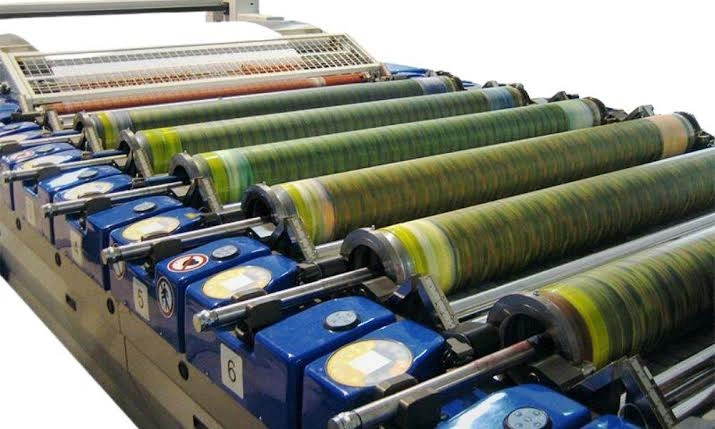
Inkjet Pretreatment: Match Grade to Application Method
في الطباعة الرقمية بنظام نفث الحبر على المنسوجات أو الورق، يُستخدم مركب CMC في طبقة المعالجة المسبقة التي تُطبق على الركيزة قبل الطباعة، وليس في الحبر نفسه. وتساعد المعالجة المسبقة على تحسين التصاق الحبر، والحد من التداخل، وتعزيز وضوح الألوان على سطح الركيزة.
For a substrate pretreatment, choose the CMC grade and working concentration against the actual padding, spray or coating equipment and target deposit. Test hydration, filtration, application uniformity, drying and finished-print quality. There is no universal low-viscosity grade or dosage that qualifies every pretreatment route.
المعلمات الرئيسية للدرجة التي يجب تحديدها
درجة الاستبدال (DS)
DS is the average number of carboxymethyl groups per anhydroglucose unit in CMC. Request the grade-specific value or range and the test method. Select the grade through complete-formulation testing rather than applying one generic DS range to all printing inks.
DS alone does not establish hydration, filtration or ink compatibility. Preparation conditions and the particular commercial grade also matter. Compare dissolution and retained material under a documented water, concentration, feeding, mixing and hydration procedure; do not infer pass or failure from a single DS cutoff.
نطاق اللزوجة
يجب أن تتناسب اللزوجة مع نوع الحبر وعملية الطباعة. وكإرشادات عامة:
- Gravure ink and substrate pretreatment require a working formulation matched to the transfer or application equipment; a low-viscosity stock-solution label alone does not qualify the grade
- Low- or medium-viscosity CMC may suit selected water-based flexographic formulations when the complete ink remains stable and printable
- CMC عالي اللزوجة وهو أكثر صلة بتركيبات معجون طباعة المنسوجات منه بأحبار الطباعة التجارية
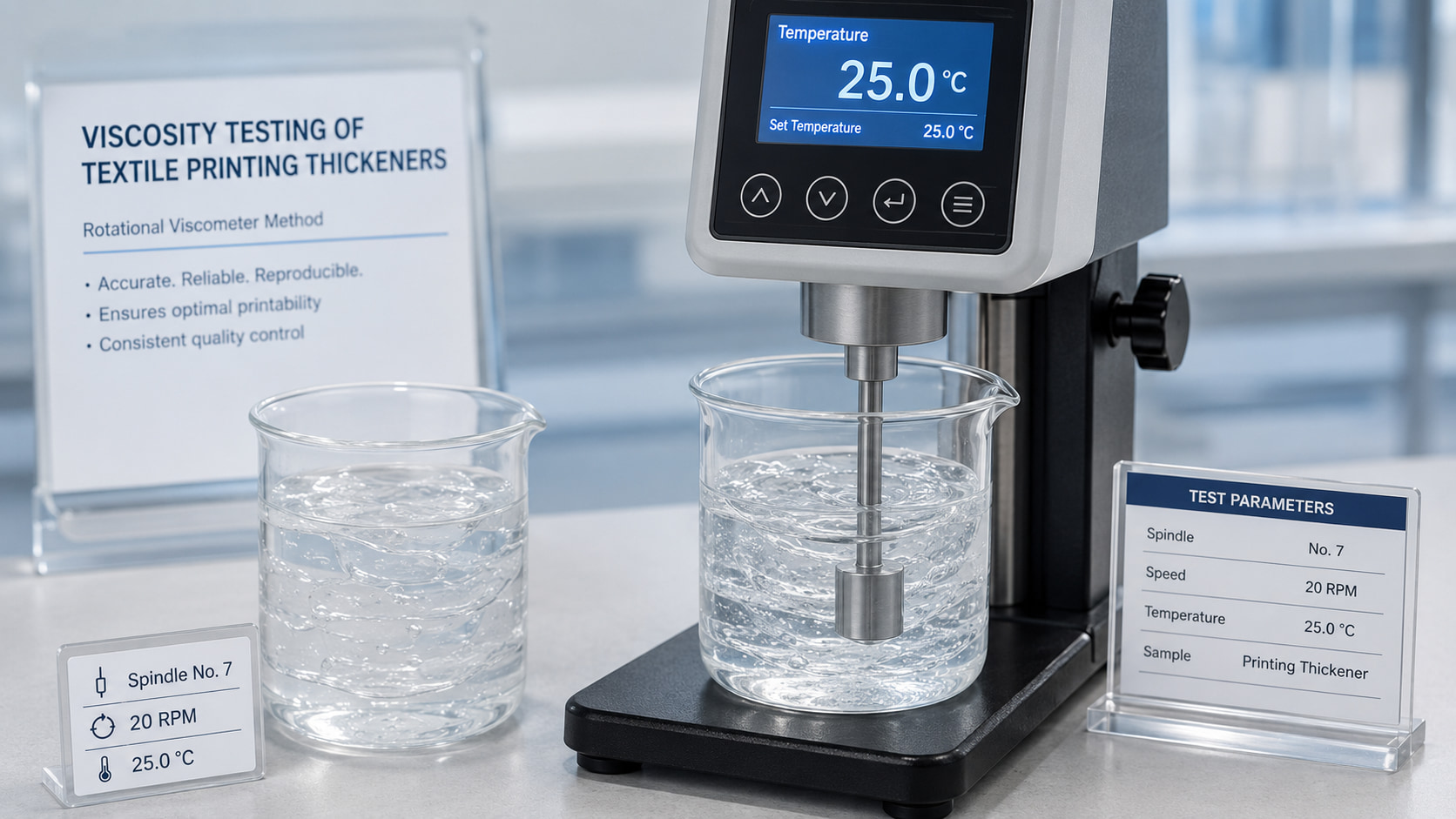
Use the supplier’s stated solution concentration and mass basis, preparation and hydration conditions, instrument, spindle, speed, temperature, container, rest history and reading time. A grade value measured in water is separate from the complete ink or pretreatment result; compare each with a matched method.

النقاء والقابلية للذوبان
يجب أن يذوب مركب CMC تمامًا في الماء دون تكوين جزيئات هلامية غير مذابة. يجب اختبار سلوك الذوبان عند درجة الحرارة القياسية للتحضير وطريقة الخلط المتبعة لديكم، حيث تتطلب بعض الأنواع استخدام الماء الدافئ أو وقت خلط أطول حتى يذوب تمامًا.
CMC في طباعة المنسوجات مقابل الطباعة التجارية
متطلبات ريولوجية مختلفة
Textile screen paste, flexographic ink and gravure ink have different transfer geometries and formulation requirements. Match the rheology to the actual application rather than assuming one route always needs faster recovery or that a single viscosity label predicts performance.
إذا كانت أعمالك تشمل تطبيقات الطباعة على المنسوجات والطباعة التجارية على حد سواء، فمن المستحسن تحديد درجات CMC منفصلة لكل منها بدلاً من استخدام درجة واحدة في جميع التركيبات.
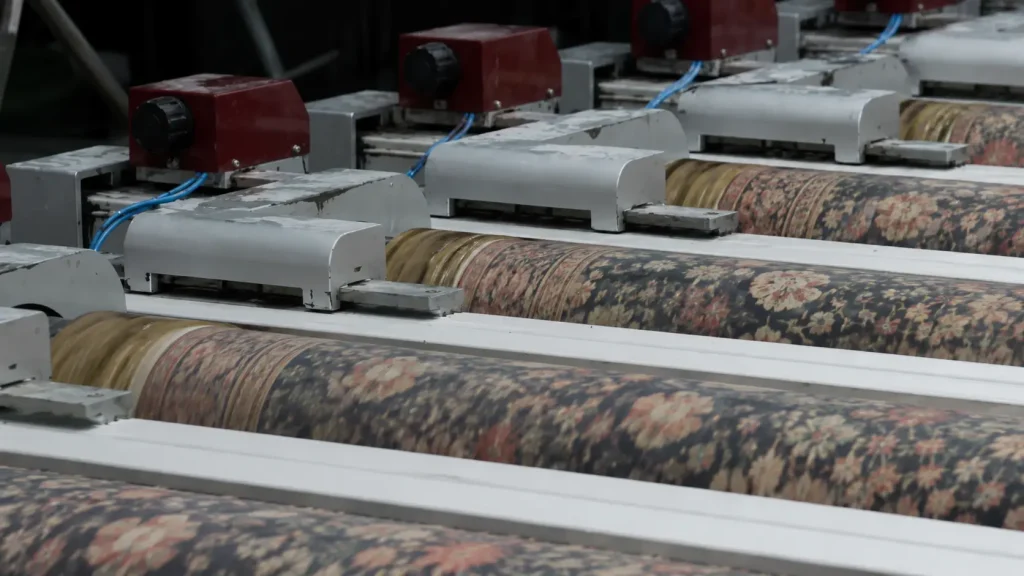
اختيار الدرجة المناسبة لكل عملية
For textile printing, qualify the CMC grade against the actual dye or pigment system, binder or alkali package, fabric, screen and post-treatment. For water-based commercial inks, qualify it against the resin, pigment dispersion, press transfer and finished film. Do not transfer a DS range or grade approval from one route to the other.
Compare reference and candidate formulations on a recorded final-mass basis. Keep unchanged-recipe trials separate from dosage-optimized trials, and approve the finished print before comparing cost in use.
ما يجب التأكد منه قبل تقديم طلب شراء بالجملة
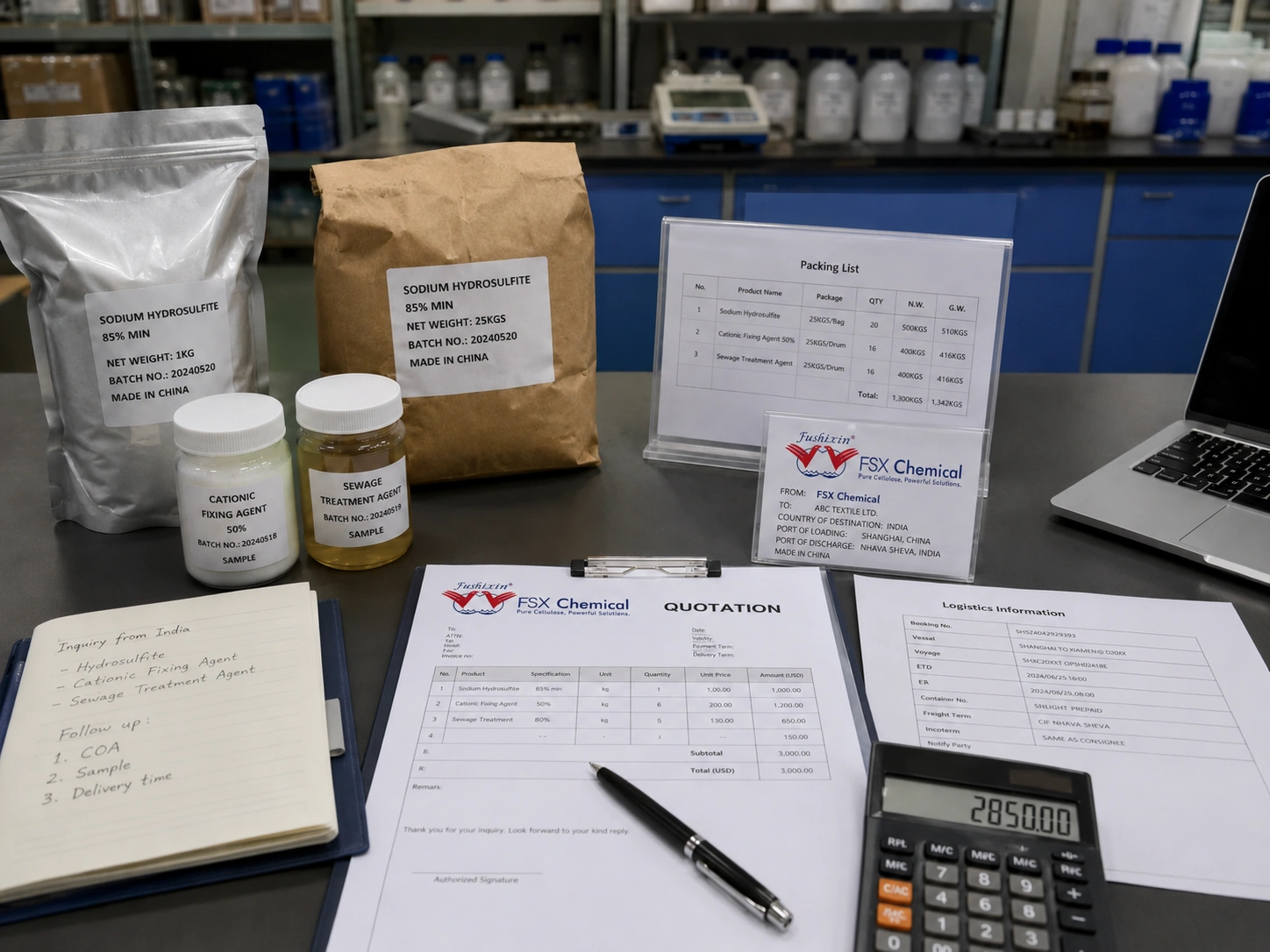
قبل تحديد درجة CMC لتطبيقات الطباعة، اطلب من المورد ما يلي:
- TDS (ورقة البيانات الفنية) — مجموعة DS، مواصفات اللزوجة (طريقة القياس والتركيز)، النقاء، وملاحظات حول القابلية للذوبان
- SDS (ورقة بيانات السلامة) — safety and handling information; confirm technical storage conditions and shelf life in the current TDS or supplier storage specification
- شهادة التحليل (CoA) — نتائج الاختبار الخاصة بالدفعة الخاصة بالطلب الذي تقوم بتقديمه
- كمية العينة — لإجراء اختبارات بالحبر أو المعجون قبل الانتقال إلى حجم الإنتاج
Set the storage checks from the intended production and use window. Compare fresh material and aged samples under recorded temperature, container and evaporation conditions using the same measurement method. Any warm-storage stress test is a separate experiment, not automatically a validated shelf-life claim.
CMC for Printing Ink FAQ
Can CMC be added directly to textile inkjet ink?
Do not add it without ink-formulator and printer validation. Direct printhead inks require tightly controlled viscosity, particle or molecular profile, microfiltration, surface tension and jetting reliability. In textile inkjet workflows, CMC is more commonly evaluated in a fabric pretreatment or coating than in the ink supplied to the printhead.
Is CMC compatible with every water-based binder?
No. Compatibility depends on binder charge, pigment dispersion, surfactants, salts, pH, biocide and order of addition. Check for viscosity drift, flocculation, foam, separation, filtration residue and film changes in the complete formula.
Which CMC viscosity grade is suitable for printing ink?
There is no universal grade. Begin with the target press viscosity and formulation solids, then compare candidates under one defined CMC test method. Evaluate rheology and print performance at controlled additions rather than selecting from “low,” “medium” or “high” labels alone.
What should an ink formulator send for sample matching?
Provide the ink or coating route, substrate, binder and pigment system, current rheology modifier and dosage, target viscosity with test method, pH, salts, mixing order, filtration, press conditions and the problem to be solved.
كيف تدعم FSX Chemical عملية التوريد الخاصة بك
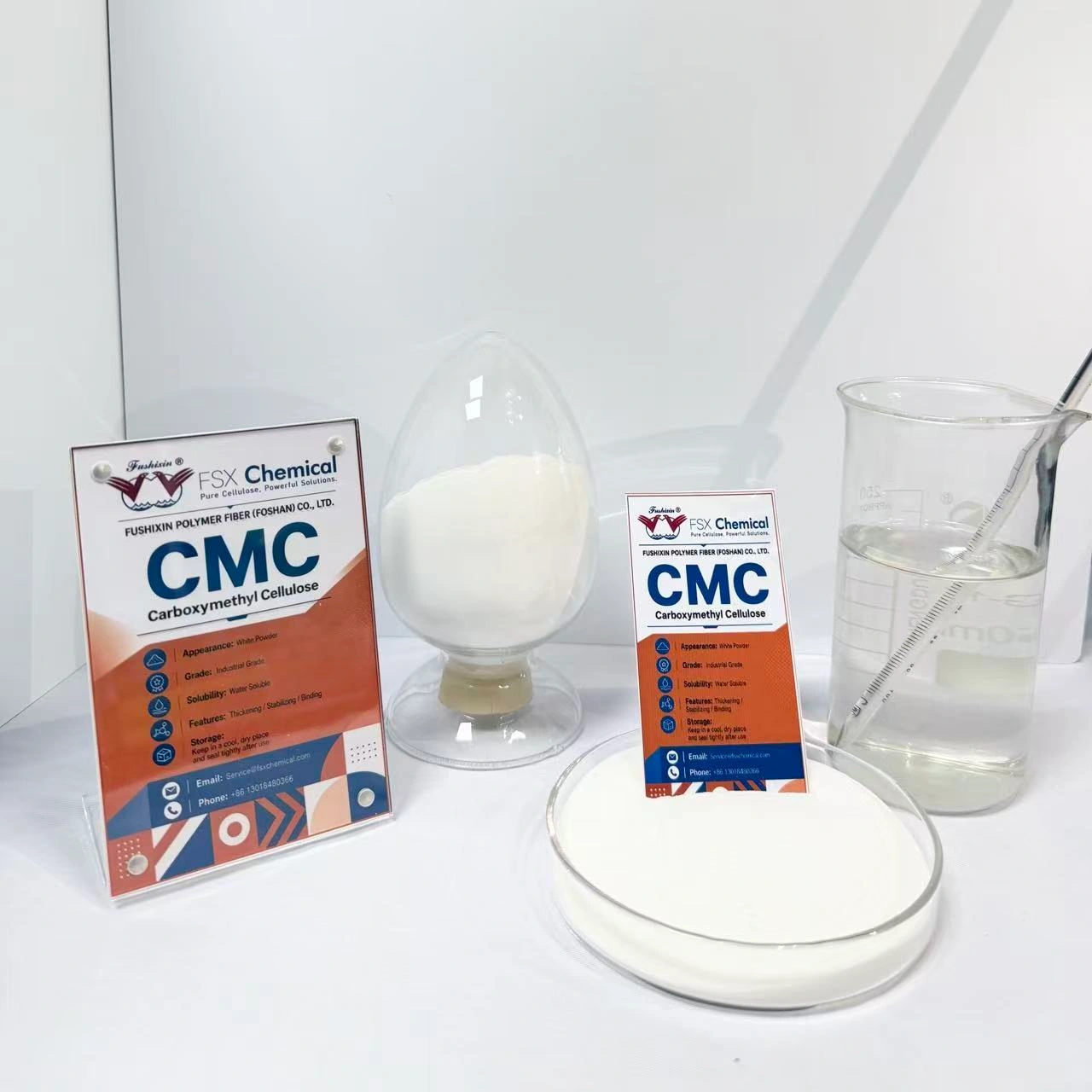
FSX Chemical supplies CMC across grade specifications. For a proposed water-based ink or textile-printing application, request the exact candidate grade and its current technical documents, then qualify it in the complete formulation and equipment route.
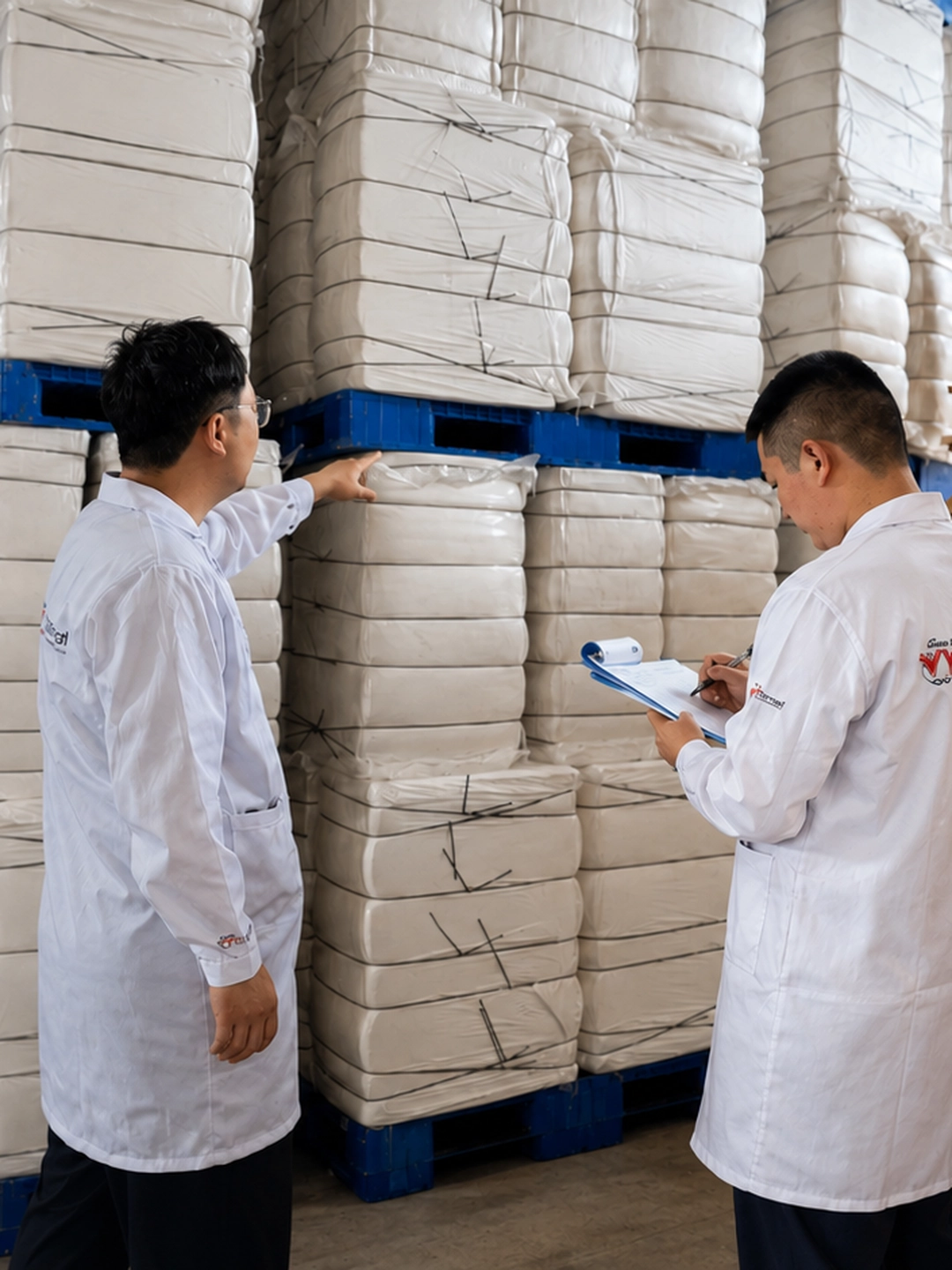
سواء كنت تعمل على تطوير نظام حبر جديد أو تنتقل من مادة مثخنة أخرى، يمكن لفريقنا الفني مساعدتك في اختيار النوع المناسب بناءً على عملية الطباعة والركيزة ومتطلبات التركيبة الخاصة بك.
الخطوات التالية:
- طلب تقرير TDS — للحصول على درجة CMC المناسبة لعملية الطباعة الخاصة بك
- اطلب عينة — لإجراء تجارب على التركيبات قبل تقديم طلب شراء بكميات كبيرة
- اطلب مطابقة الدرجات — يرجى ذكر نوع الحبر وعملية الطباعة والسطح المراد الطباعة عليه للحصول على توصية محددة
- Request CMC grade matching — share your current TDS, water-based ink or substrate-pretreatment route and main formulation problem. اتصل بشركة FSX Chemical to discuss the next evaluation step.