















Краткий ответ: CMC can be evaluated as a rheology modifier or stabilizer in selected water-based flexographic and gravure formulations and in some substrate or textile pretreatments. It should not be assumed suitable for every resin, pigment or electrolyte system, and it should not be added to a printhead ink unless the ink formulator has validated purity, molecular weight, viscosity, filtration and nozzle reliability.
Как CMC влияет на рецептуру печатных красок
Использование в качестве загустителя и модификатора реологических свойств
In a suitable water-based formulation, CMC can modify viscosity and transfer. Сдвиговое разжижение means lower apparent viscosity at a higher shear rate; it does not demonstrate time-dependent recovery after printing. Measure the flow response and, where relevant, recovery after a defined shear step using the same rest time, temperature and measurement sequence. Confirm transfer and film quality on the actual press.
A change in low-shear viscosity can affect settling behavior, but adding CMC does not by itself prove pigment dispersion stability. Compare the complete ink for sedimentation, flocculation, viscosity drift, filter residue and redispersibility over the intended storage conditions.
Совместимость с системами чернил на водной основе
CMC may be compatible with selected water-based acrylic, styrene-acrylic or water-soluble resin systems, but compatibility is formulation-specific. Resin charge, surfactants, pigments, salts, pH, biocide and shear history can change viscosity, stability and film performance, so the complete ink or coating must be tested.
Обычно он не используется в системах с красками на основе растворителей или УФ-отверждаемыми красками, где требуются другие модификаторы реологических свойств. Если в вашем производстве используются краски разных типов, перед переходом на единый сорт убедитесь в совместимости CMC с каждой из этих систем.

CMC Application Route and Qualification Risk
| Application route | CMC starting position | Critical qualification checks |
|---|---|---|
| Water-based flexographic ink | Possible formulation-specific rheology modifier | Binder and pigment compatibility, anilox transfer, foam, drying and final film |
| Water-based gravure ink | Only low-residue grades that maintain the required low viscosity | Filtration, cell release, transfer stability, drying and print definition |
| Textile or paper inkjet pretreatment | Possible component in the substrate coating or padding bath | Application pickup, drying, ink holdout, color, hand feel and storage stability |
| Direct printhead ink | Do not add without ink-formulator validation | Purity, molecular weight, viscosity, microfiltration, jetting and long-run nozzle reliability |
| Solvent-based or UV-curable ink | Generally not the preferred starting route | Use a rheology modifier designed for the actual solvent or radiation-curing chemistry |
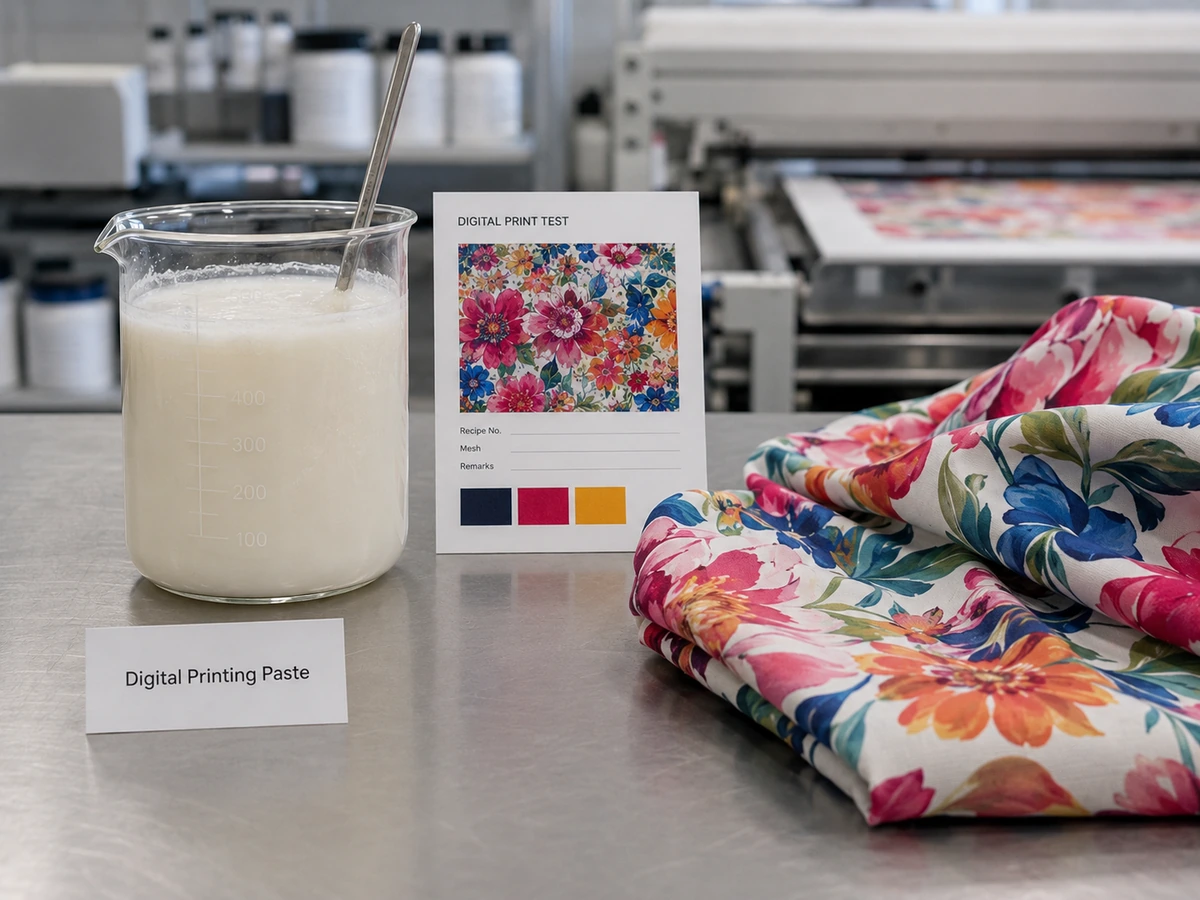
| Textile screen or rotary printing paste | Separate application with different grade requirements | Dye or pigment compatibility, rheology, screen passage, fixation and wash-off |
Применение CMC в зависимости от способа печати
Water-Based Flexographic Ink and Related Systems
In selected water-based flexographic formulations, CMC may be evaluated to adjust low-shear body and support transfer stability on paper, board or suitable films. Suitability depends on the binder, pigment dispersion, anilox volume, drying conditions and target press viscosity.
Do not select a grade or dosage from a generic viscosity label. Begin with the ink formulator’s target viscosity and solids balance, then screen low-residue candidate grades at controlled additions while monitoring flow, foam, filtration, transfer, drying and film properties.
Гравюрная печать: требования к стабильности вязкости
In water-based gravure printing, control ink viscosity and solids as the formulation circulates and transfers from engraved cells. Record ink temperature and any approved water or ingredient replenishment. Evaporation and process additions can change the composition, so a viscosity change should not automatically be attributed to the CMC grade.
КМК может способствовать стабильности вязкости в рецептурах гравировачных красок на водной основе. Однако необходимо тщательно подбирать сорт — КМК с высокой вязкостью даже в небольших концентрациях может сделать гравировачную краску слишком густой для выхода из ячеек. Для данного применения более подходят сорта с низкой или средней вязкостью в точно контролируемых концентрациях.
Inkjet Pretreatment: Match Grade to Application Method
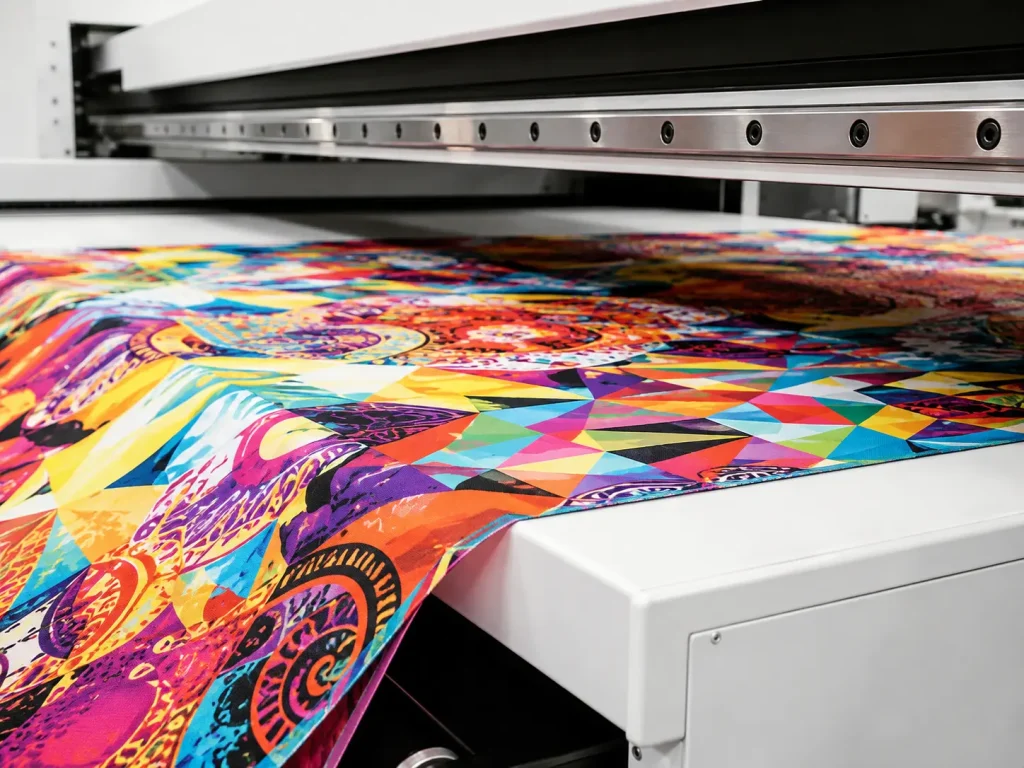
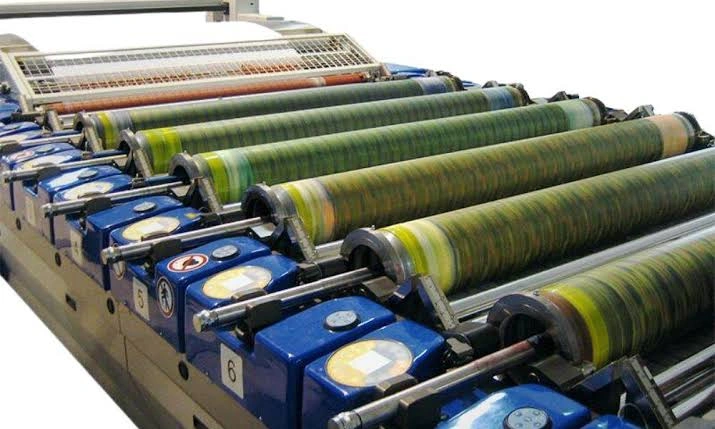
При цифровой струйной печати на текстиле или бумаге CMC используется в составе покрытия для предварительной обработки, наносимого на основу перед печатью, а не в составе самих чернил. Предварительная обработка способствует улучшению адгезии чернил, уменьшению размывания краев и повышению четкости цветопередачи на поверхности основы.
For a substrate pretreatment, choose the CMC grade and working concentration against the actual padding, spray or coating equipment and target deposit. Test hydration, filtration, application uniformity, drying and finished-print quality. There is no universal low-viscosity grade or dosage that qualifies every pretreatment route.
Основные параметры класса, которые необходимо указать
Степень замещения (DS)
DS is the average number of carboxymethyl groups per anhydroglucose unit in CMC. Request the grade-specific value or range and the test method. Select the grade through complete-formulation testing rather than applying one generic DS range to all printing inks.
DS alone does not establish hydration, filtration or ink compatibility. Preparation conditions and the particular commercial grade also matter. Compare dissolution and retained material under a documented water, concentration, feeding, mixing and hydration procedure; do not infer pass or failure from a single DS cutoff.
Диапазон вязкости
Вязкость должна соответствовать типу краски и способу печати. В качестве общего ориентира:
- Gravure ink and substrate pretreatment require a working formulation matched to the transfer or application equipment; a low-viscosity stock-solution label alone does not qualify the grade
- Low- or medium-viscosity CMC may suit selected water-based flexographic formulations when the complete ink remains stable and printable
- CMC с высокой вязкостью имеет большее значение для рецептур паст для печати на текстиле, чем для коммерческих печатных красок
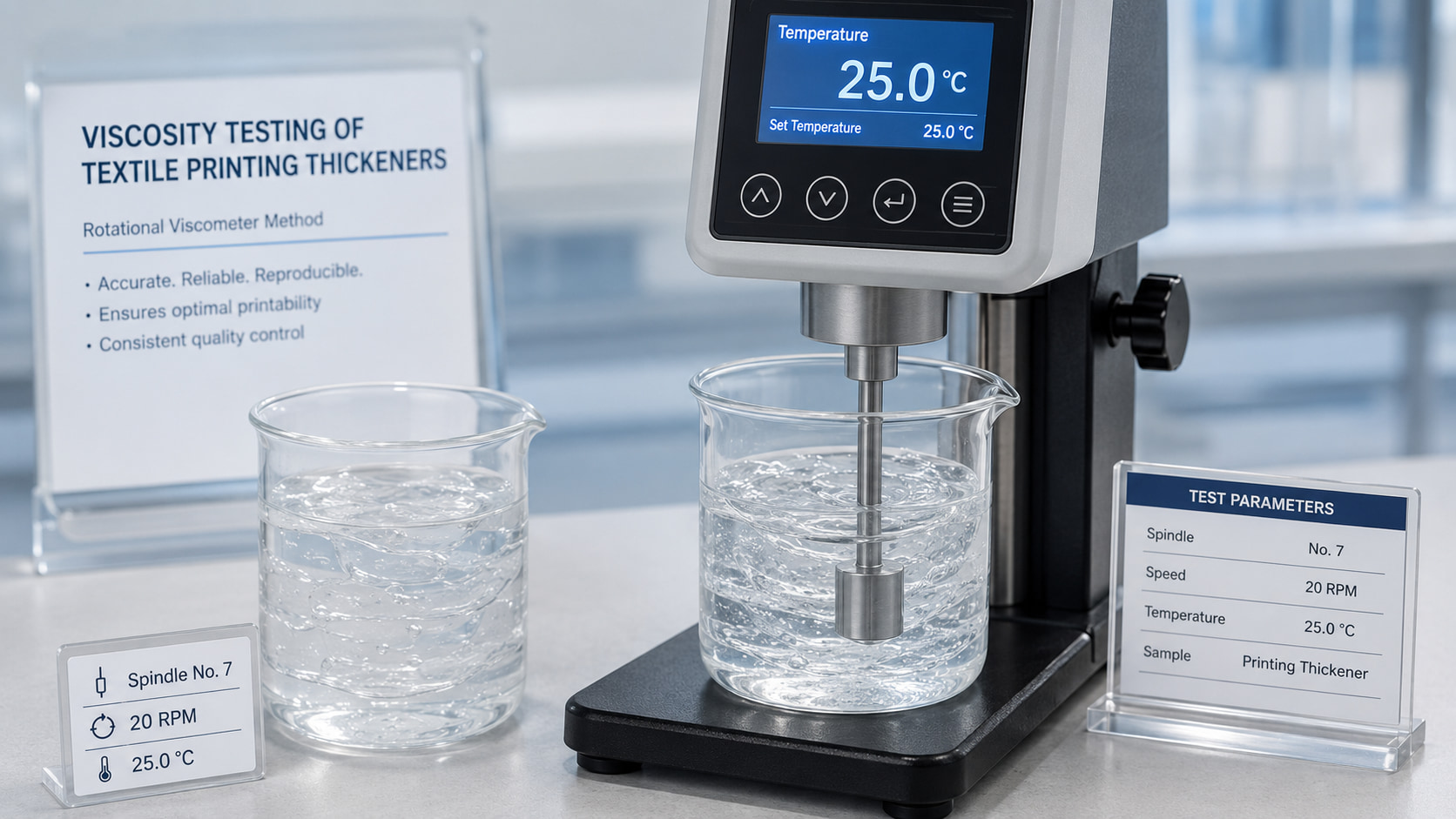
Use the supplier’s stated solution concentration and mass basis, preparation and hydration conditions, instrument, spindle, speed, temperature, container, rest history and reading time. A grade value measured in water is separate from the complete ink or pretreatment result; compare each with a matched method.

Чистота и растворимость
CMC должен полностью растворяться в воде без образования нерастворенных гелевых частиц. Характеристики растворения следует проверять при стандартной для вашего производства температуре и методе перемешивания, поскольку для полного растворения некоторых марок требуется теплая вода или более длительное время перемешивания.
CMC в текстильной печати и коммерческой печати
Различные требования к реологическим свойствам
Textile screen paste, flexographic ink and gravure ink have different transfer geometries and formulation requirements. Match the rheology to the actual application rather than assuming one route always needs faster recovery or that a single viscosity label predicts performance.
Если ваша деятельность охватывает как текстильную, так и коммерческую печать, целесообразно использовать отдельные марки CMC для каждой из этих областей, а не одну и ту же марку во всех рецептурах.
Выбор подходящего сорта для каждого технологического процесса
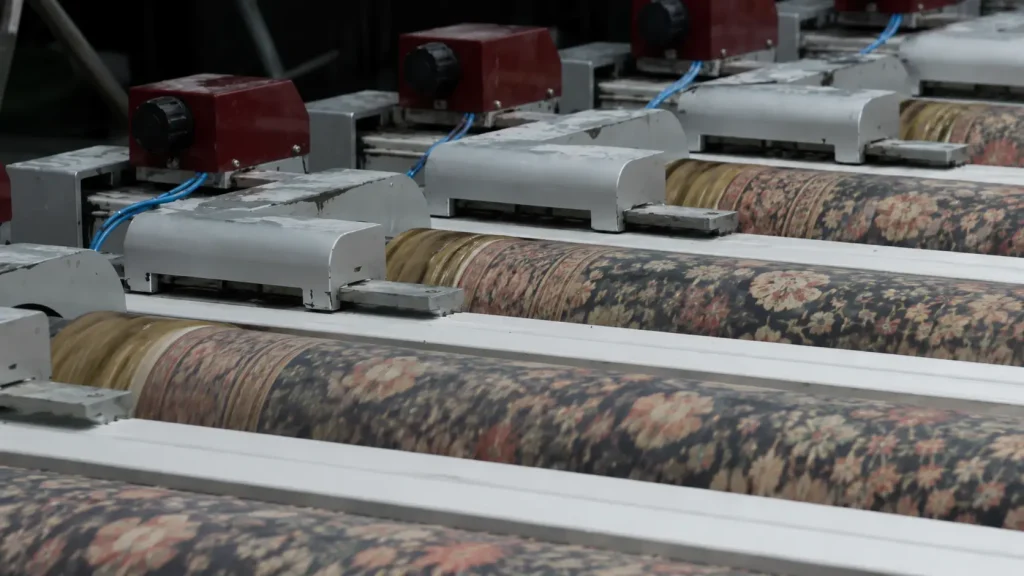
For textile printing, qualify the CMC grade against the actual dye or pigment system, binder or alkali package, fabric, screen and post-treatment. For water-based commercial inks, qualify it against the resin, pigment dispersion, press transfer and finished film. Do not transfer a DS range or grade approval from one route to the other.
Compare reference and candidate formulations on a recorded final-mass basis. Keep unchanged-recipe trials separate from dosage-optimized trials, and approve the finished print before comparing cost in use.
Что необходимо уточнить перед размещением оптового заказа
Прежде чем выбрать класс CMC для печатных работ, запросите у поставщика следующую информацию:
- TDS (Технический паспорт) — Серия DS, характеристики вязкости (метод измерения и концентрация), чистота и примечания по растворимости
- SDS (Паспорт безопасности) — safety and handling information; confirm technical storage conditions and shelf life in the current TDS or supplier storage specification
- CoA (сертификат анализа) — результаты тестирования конкретной партии товара, относящиеся к заказу, который вы оформляете
- Количество образца для испытаний — для проведения испытаний с чернилами или пастой перед переходом к серийному производству
Set the storage checks from the intended production and use window. Compare fresh material and aged samples under recorded temperature, container and evaporation conditions using the same measurement method. Any warm-storage stress test is a separate experiment, not automatically a validated shelf-life claim.
CMC for Printing Ink FAQ
Can CMC be added directly to textile inkjet ink?
Do not add it without ink-formulator and printer validation. Direct printhead inks require tightly controlled viscosity, particle or molecular profile, microfiltration, surface tension and jetting reliability. In textile inkjet workflows, CMC is more commonly evaluated in a fabric pretreatment or coating than in the ink supplied to the printhead.
Is CMC compatible with every water-based binder?
No. Compatibility depends on binder charge, pigment dispersion, surfactants, salts, pH, biocide and order of addition. Check for viscosity drift, flocculation, foam, separation, filtration residue and film changes in the complete formula.
Which CMC viscosity grade is suitable for printing ink?
There is no universal grade. Begin with the target press viscosity and formulation solids, then compare candidates under one defined CMC test method. Evaluate rheology and print performance at controlled additions rather than selecting from “low,” “medium” or “high” labels alone.
What should an ink formulator send for sample matching?
Provide the ink or coating route, substrate, binder and pigment system, current rheology modifier and dosage, target viscosity with test method, pH, salts, mixing order, filtration, press conditions and the problem to be solved.
Как FSX Chemical помогает в процессе поиска поставщиков
FSX Chemical supplies CMC across grade specifications. For a proposed water-based ink or textile-printing application, request the exact candidate grade and its current technical documents, then qualify it in the complete formulation and equipment route.
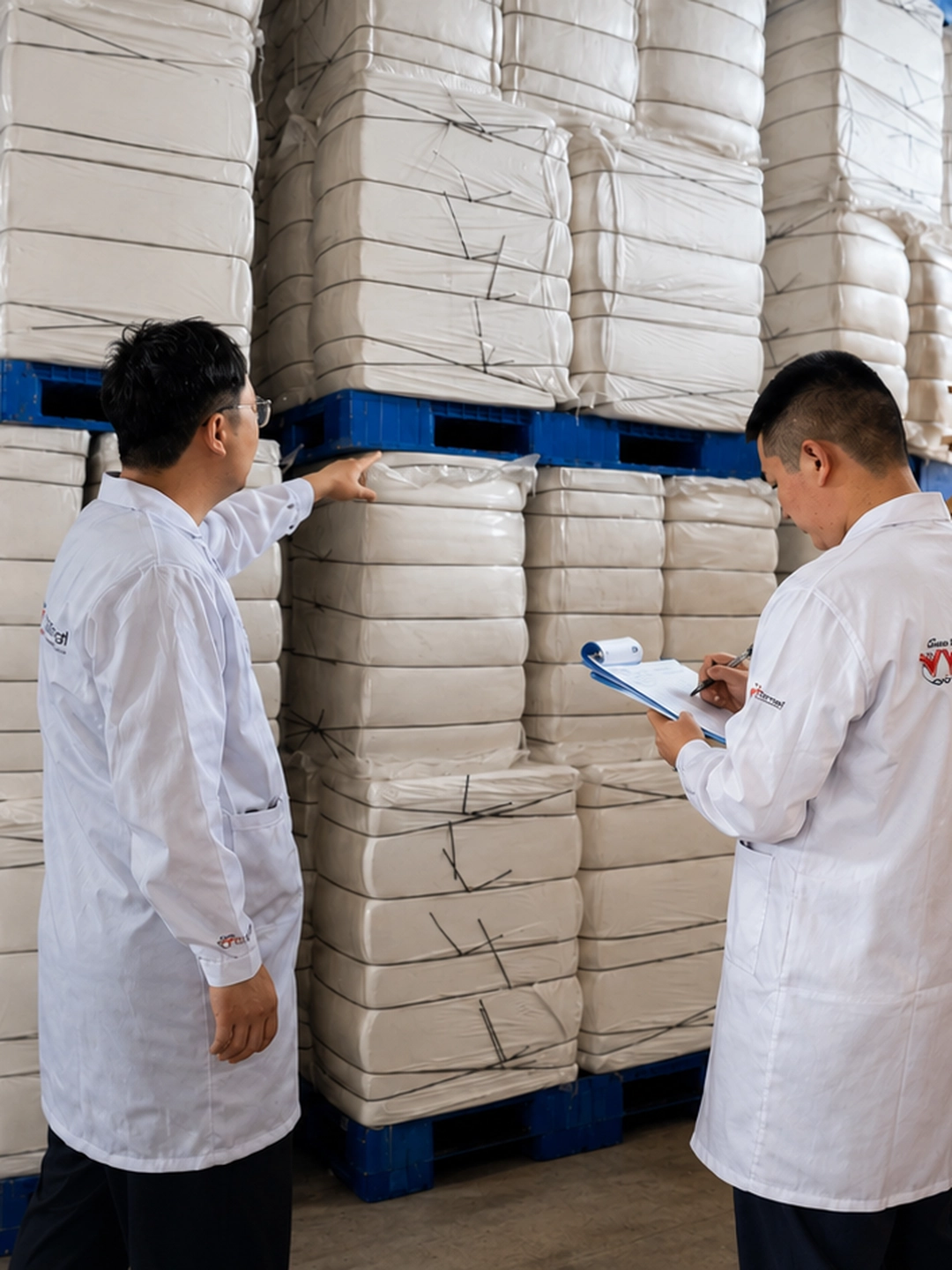
Если вы разрабатываете новую систему красок или переходите с другого загустителя, наша техническая команда готова помочь вам с выбором подходящего сорта с учетом особенностей вашего процесса печати, материала печати и требований к рецептуре.
Следующие шаги:
- Запросить TDS — для марки CMC, подходящей для вашего способа печати
- Запросить образец — провести испытания рецептур перед размещением оптового заказа
- Запросить подбор подходящей марки — укажите тип чернил, метод печати и материал основы, чтобы получить конкретную рекомендацию
- Request CMC grade matching — share your current TDS, water-based ink or substrate-pretreatment route and main formulation problem. Связаться с компанией FSX Chemical to discuss the next evaluation step.