
















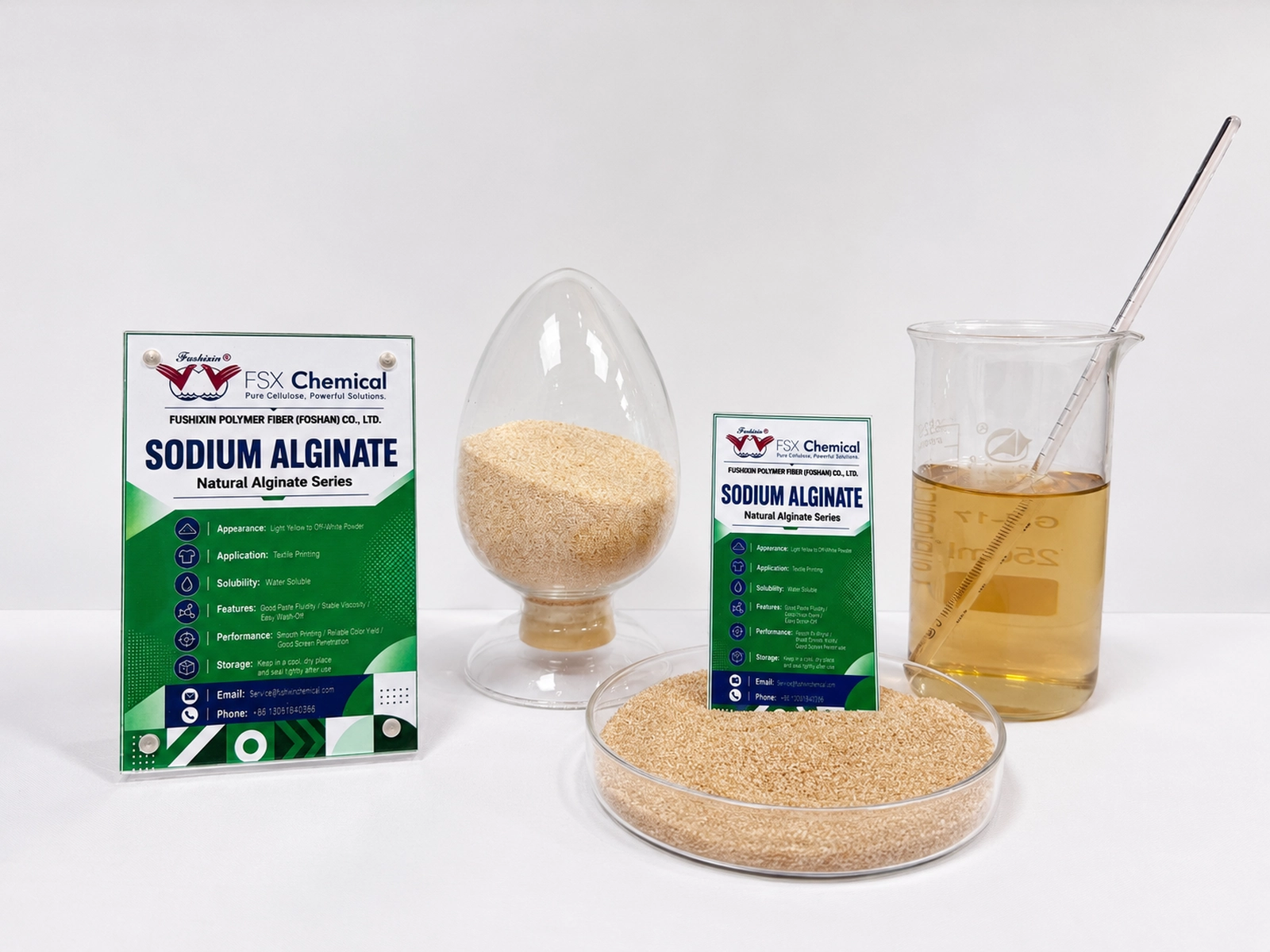
Sodium Alginate Storage and Shelf Life: Powder vs Prepared Paste
Learn how to store sodium alginate powder and prepared paste, check shelf-life limits, and decide when a textile printing batch needs quarantine or retesting.
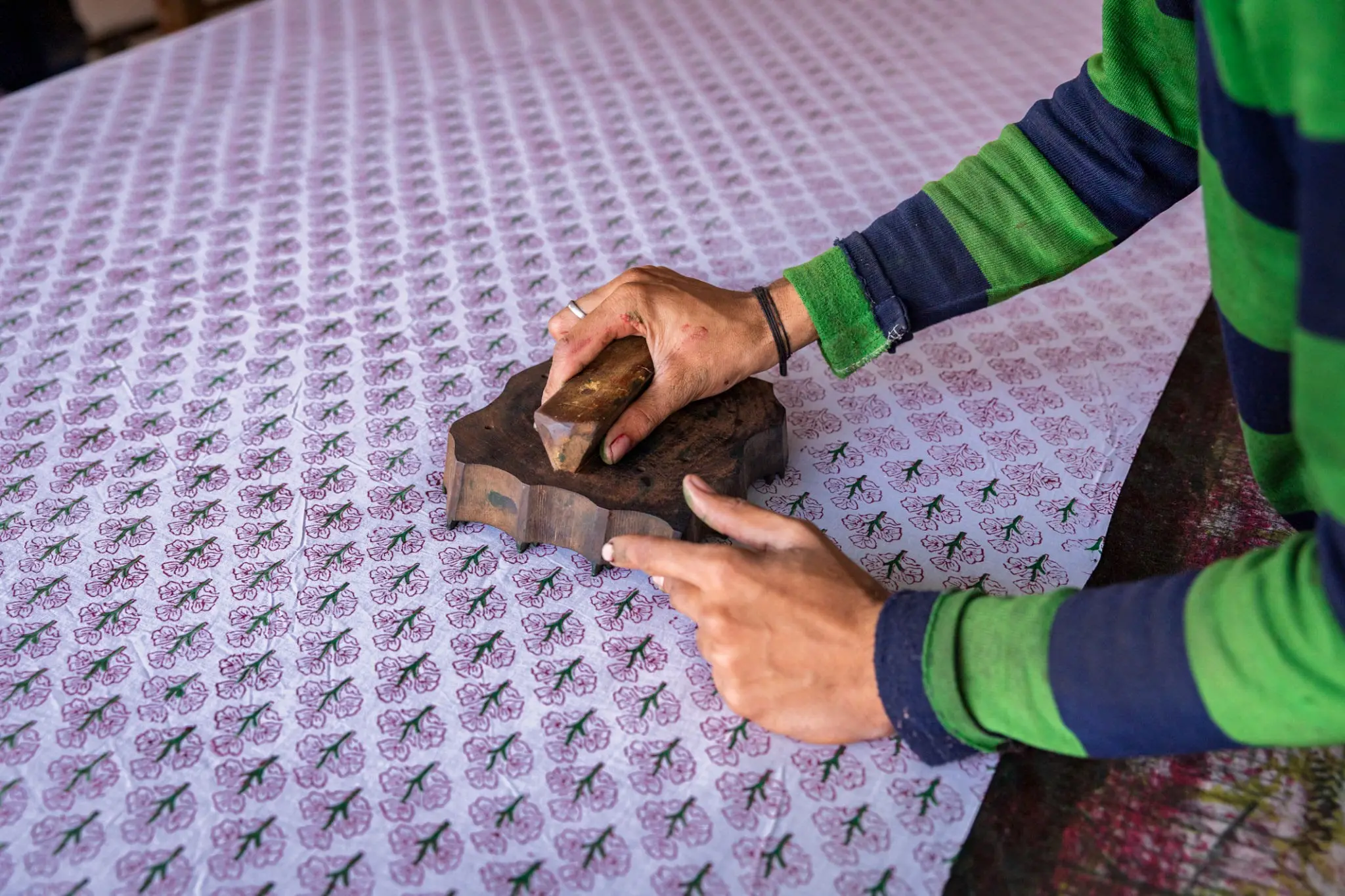
Sodium Alginate for Hand Block Printing: Reactive Dye Paste, Trials and Troubleshooting
Evaluate sodium alginate for reactive-dye hand block printing using the actual block, fabric, recipe and fixation route. Compare preparation, transfer, edge control, holding stability and final wash-off before selecting a grade.

Sodium Alginate for Reactive Screen Printing: Paste Preparation and Troubleshooting
Reactive dye screen printing with sodium alginate requires correct paste formulation, viscosity control, and steaming conditions. This guide covers flat and rotary screen paste requirements, alkali timing, common production defects, and how to diagnose paste-related causes.

Sodium Alginate for Hot-Climate Textile Printing: Process Control and Grade Selection
Hot-climate reactive printing requires control of paste temperature, water loss, hydration and holding time. This guide explains how to compare sodium alginate grades under defined test conditions, investigate viscosity drift and qualify the finished print in the mill’s operating climate.
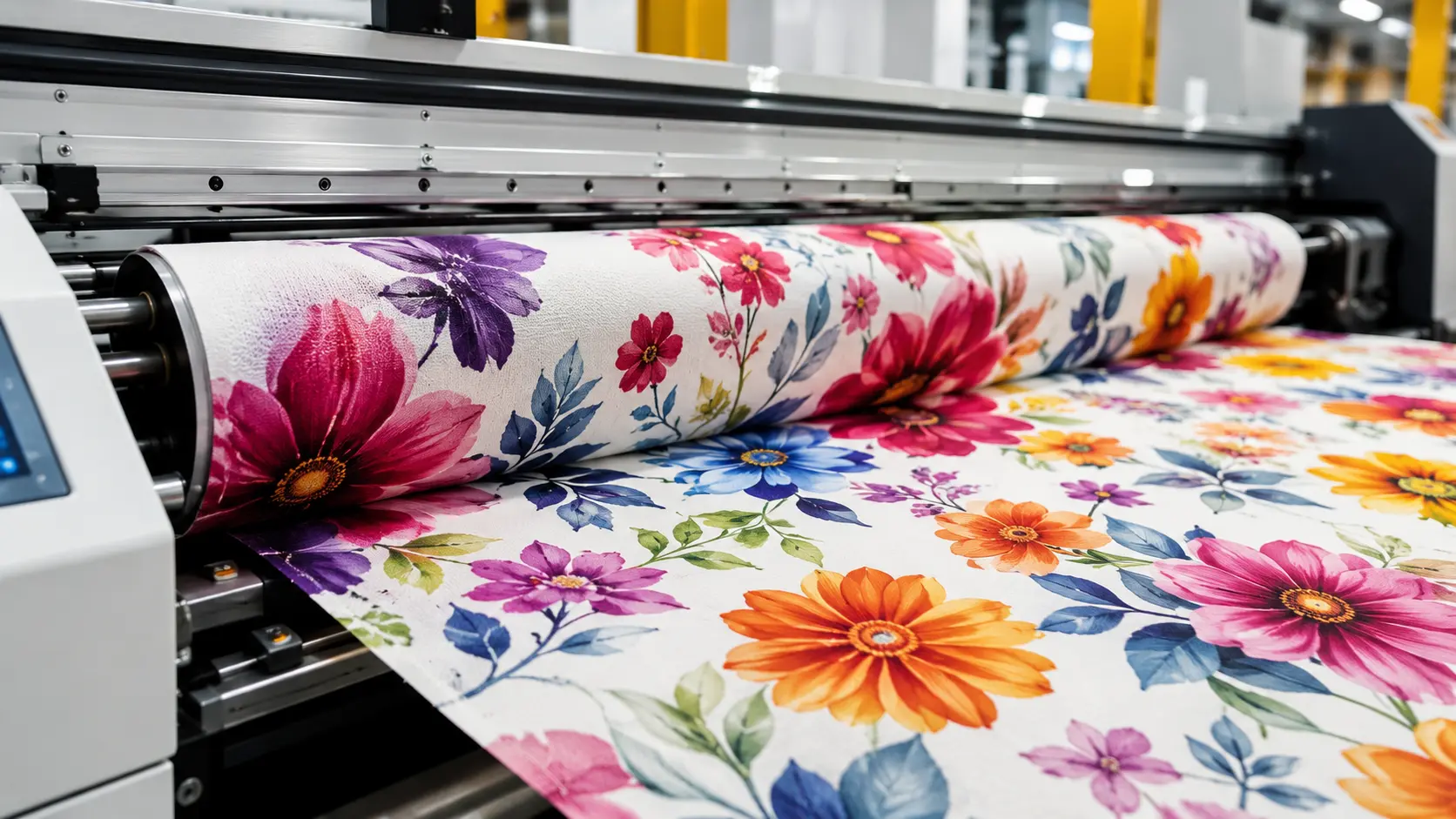
Sodium Alginate for Polyester Printing: Limitations and Thickener Selection
Sodium alginate is the standard thickener for reactive dye printing on cotton, but it is not suitable for disperse dye printing on polyester. This guide explains why, what dye chemistry differences are involved, and what thickener types are appropriate for polyester and polyester-blend printing.

Sodium Alginate for Silk Printing: Dye Route, Grade Selection and Process Control
Evaluate sodium alginate for the actual silk construction, dye route and fixation process. Control paste preparation, viscosity, residue, transfer and wash-off, then confirm shade, luster, handle and required fabric performance.
Sodium Alginate vs Guar Gum in Textile Printing: Compatibility, Rheology and Cost
Compare sodium alginate with native guar, modified guar and blends using grade-specific dye compatibility, measured flow and recovery, holding stability and finished-fabric trials. Evaluate current quotations and actual consumption only after the same print-quality requirements are met.

Comment lire une fiche technique (TDS) sur l'alginate de sodium
Technical datasheets vary in format and completeness between suppliers, and not every field matters equally for every application. This guide walks through a typical sodium alginate TDS section by section, explaining what each parameter means and how to spot gaps or red flags.
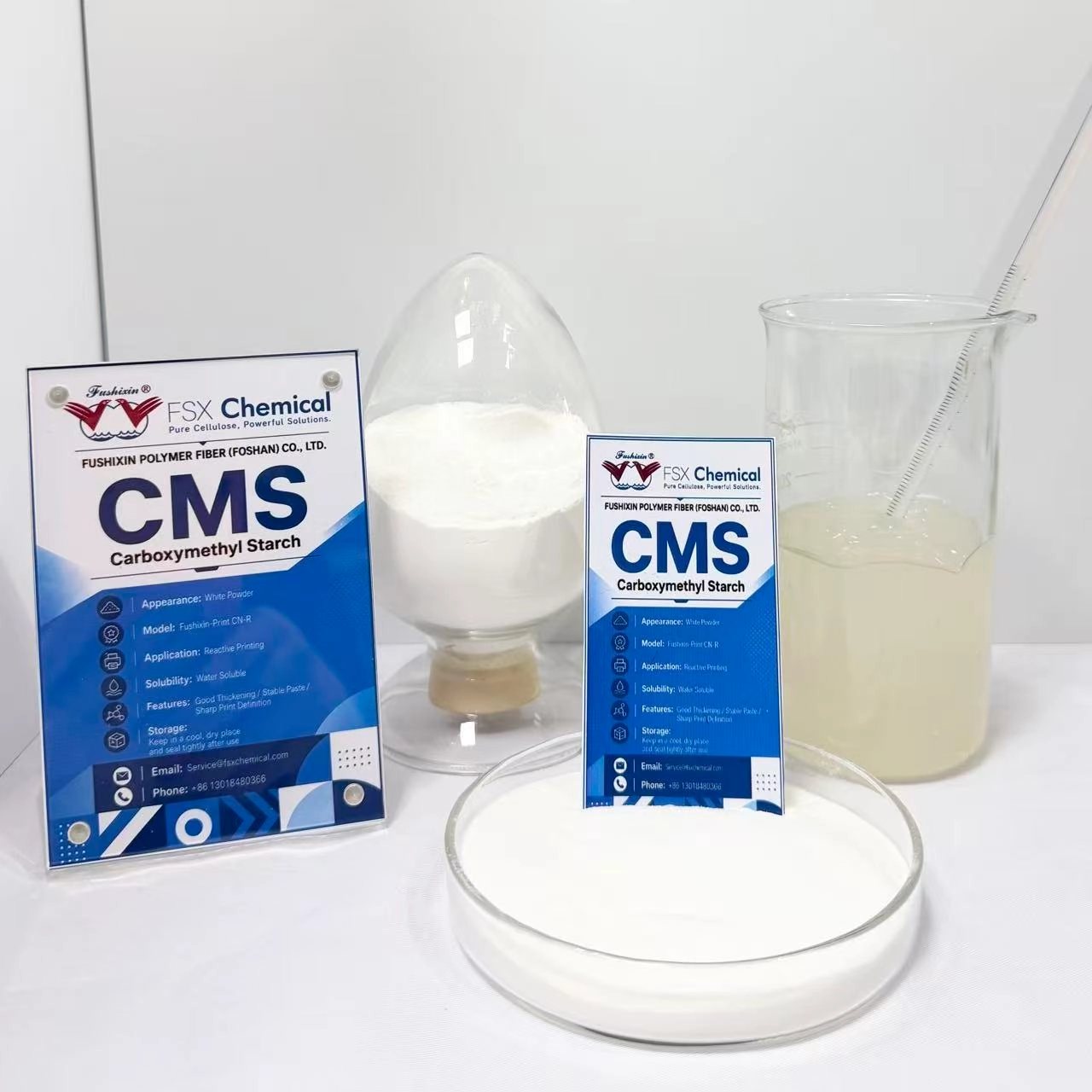
CMS pour les pâtes d'impression textile : guide de correspondance des nuances et d'analyse des échantillons
Match an FSX CMS printing thickener by exact grade, product form, preparation method and printing route. Compare complete-paste stability, filtration and finished-print results before approving sample-to-bulk supply.

Sodium Alginate Customization: What Can Actually Be Adjusted, and What Can’t
Define a sodium alginate customization request by the proposed material or packing change, agreed methods and evidence. Separate grade matching from a verified change, then qualify the sample, application and commercial lot before release.

Sodium Alginate Printing Defects: Symptom-Based Diagnosis and Corrective Checks
Diagnose sodium alginate printing defects through controlled checks for bleeding, blockage, viscosity drift, low shade and wash-off. Treat causes as hypotheses, and verify them against the approved paste and process.

Fournisseur de matière première à base de cellulose pour le secteur du textile et de l'impression : ce que les acheteurs doivent vérifier
Separate cellulose feedstock purchasing from finished CMC qualification. Confirm the exact product identity, relevant analytical methods, grade-appropriate preparation, application tests and sample-to-bulk traceability; evaluate FSX CMS and alginate as distinct thickener routes.
