














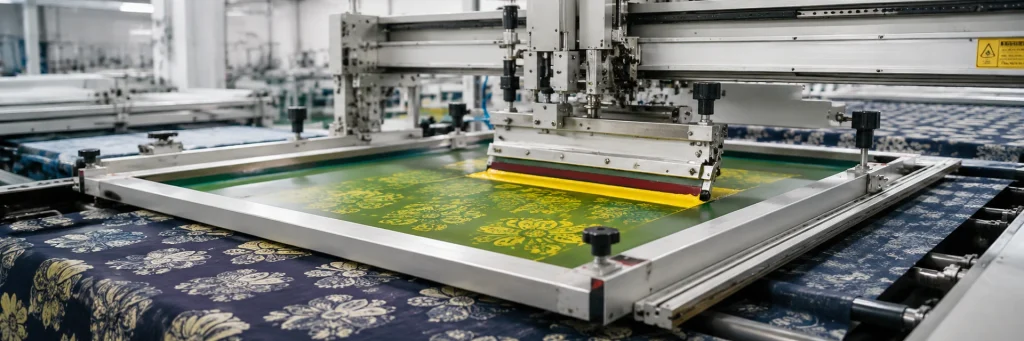
Bu kılavuz, alıcıların tekstil baskısı ve ilgili endüstriyel uygulamalar için endüstriyel sınıf sodyum aljinat tedarik etmeden önce neleri teyit etmeleri gerektiğini açıklamaktadır.
Endüstriyel Sınıf Sodyum Aljinat Tedarikinde Neden Teknik İnceleme Gerekiyor?
Toplu Tedarik, Kalite Onayından İtibaren Başlamalıdır
Tedarikçi, viskozite aralığı, elek gözü boyutu, nem, pH, görünüm, depolama koşulları ve test yöntemi hakkında net bilgiler sunmalıdır. Bu ayrıntılar, alıcıların söz konusu ürün sınıfının numune testine uygun olup olmadığına karar vermelerine yardımcı olur.
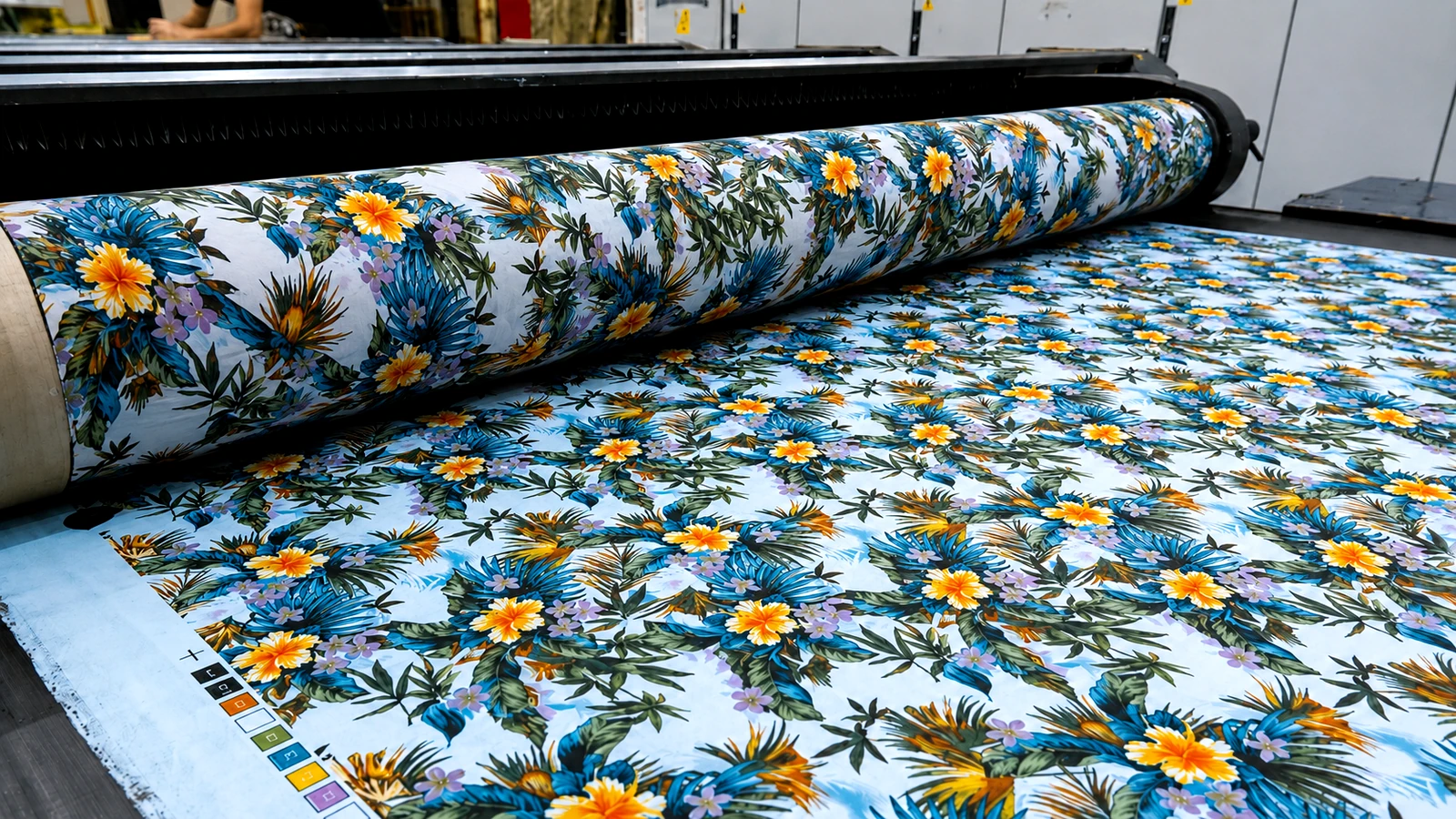
Tekstil Baskısı İstikrarlı Viskozite Gerektirir
Bu nedenle, alıcılar viskozite test yöntemini gözden geçirmeli ve tekrar siparişler planlandığında farklı sevkiyatlara ait COA verilerini karşılaştırmalıdır.
Örnek Onayı, Toplu Sevkiyatla Bağlantılı Olmalıdır
Bir numune, küçük ölçekli testlerde iyi sonuçlar verebilir; ancak toplu alımlarda yine de teknik özellik aralığı, COA verileri, ambalaj, etiketler ve parti izlenebilirliğinin doğrulanması gerekir.
Toplu sipariş vermeden önce, alıcılar sevkiyenin onaylanmış numuneyle aynı, üzerinde anlaşmaya varılan kalite aralığına uygun olup olmayacağını sormalıdır.
Alıcıların Doğrulaması Gereken Temel Özellikler
Viskozite Sınıfı ve Test Yöntemi
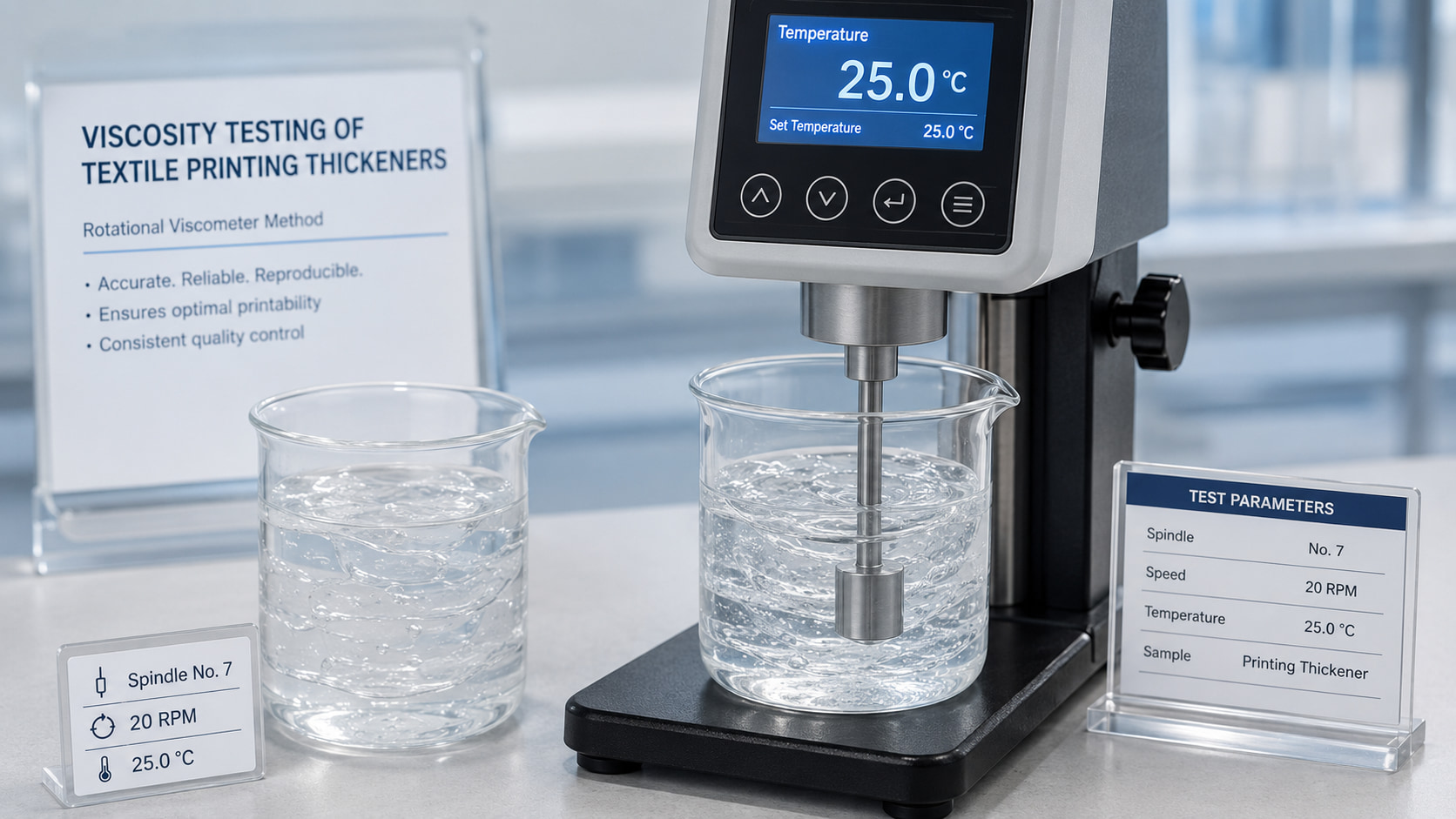
Viskozite, tekstil baskı macununda kullanılan endüstriyel sınıf sodyum aljinat için en önemli parametrelerden biridir. Alıcılar, viskozite aralığını test konsantrasyonu, sıcaklık, ölçüm yöntemi ve birim bilgileriyle birlikte kontrol etmelidir.
Net bir test yöntemi olmadan, farklı tedarikçilerden elde edilen viskozite değerleri doğrudan karşılaştırılamayabilir.
Ağ Gözü Boyutu ve Çözünme Davranışı
Ağ gözü boyutu, macun hazırlığı sırasında dağılım ve hidrasyonu etkileyebilir. Bununla birlikte, gerçek çözünme davranışı aynı zamanda su kalitesine, karıştırma hızına, ilave yöntemine, hazırlık süresine ve formülasyon koşullarına da bağlıdır.
Alıcılar, yalnızca Teknik Veri Sayfası’nda (TDS) belirtilen elek gözü boyutuna güvenmek yerine, sodyum aljinat türünü kendi üretim süreçlerinde test etmelidir.
Nem, pH ve Görünüm
Nem, pH ve görünüm temel ancak önemli kalite göstergeleridir. Bunlar, depolama, elleçleme, kalite kontrol ve tekrar satın alma süreçlerini etkiler.
Bu parametreler, TDS’de gözden geçirilmeli ve her üretim partisi için COA verileriyle teyit edilmelidir.
Uygulama Uygunluğu
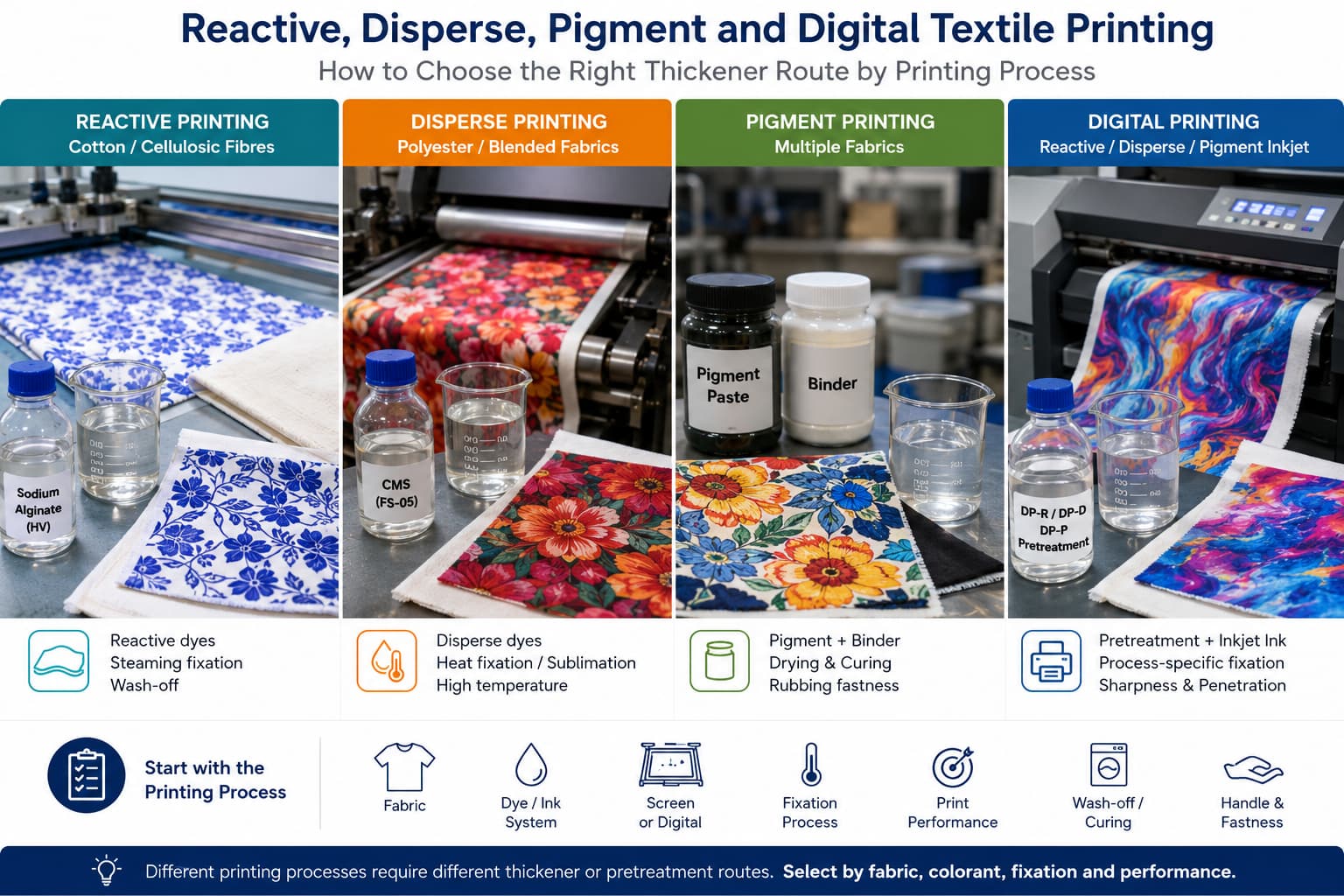
Endüstriyel sınıf sodyum aljinat, farklı uygulama sistemlerinde kullanılabilir; ancak her uygulamanın kendine özgü gereksinimleri vardır. Tekstil baskısı için alıcılar, macun oluşumu, çözünme davranışı, viskozite kararlılığı, filtreleme ve kullanım kolaylığı gibi hususlara odaklanmalıdır.
Ürün, baskı mürekkebi veya başka bir ilgili formülasyon için değerlendiriliyorsa, alıcı satın almadan önce formülasyon koşullarını belirtmeli ve testler yoluyla uyumluluğu teyit etmelidir.
Toplu Alım Yapmadan Önce Alıcıların Talep Etmesi Gereken Belgeler
Teknik Şartname İncelemesi için TDS
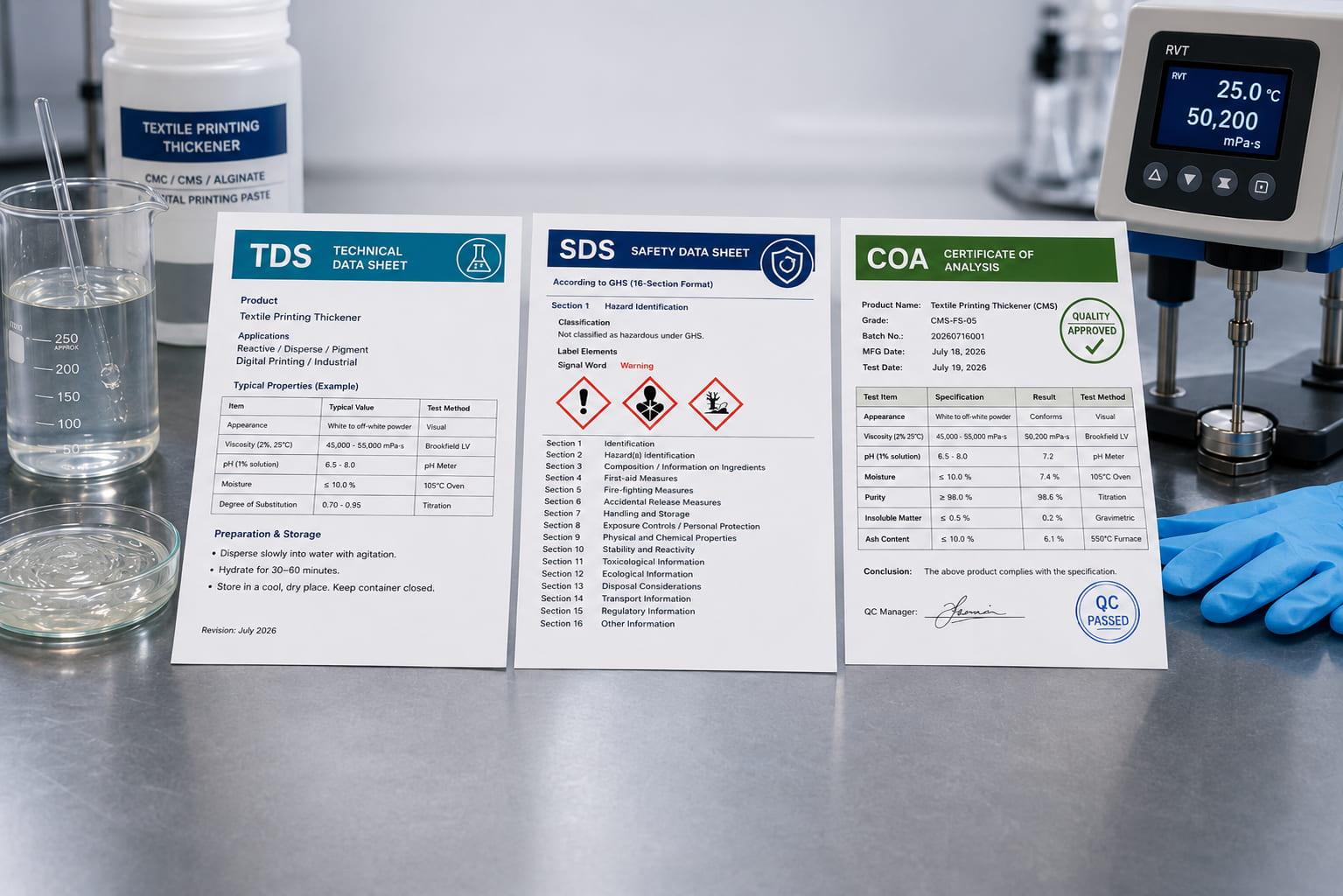
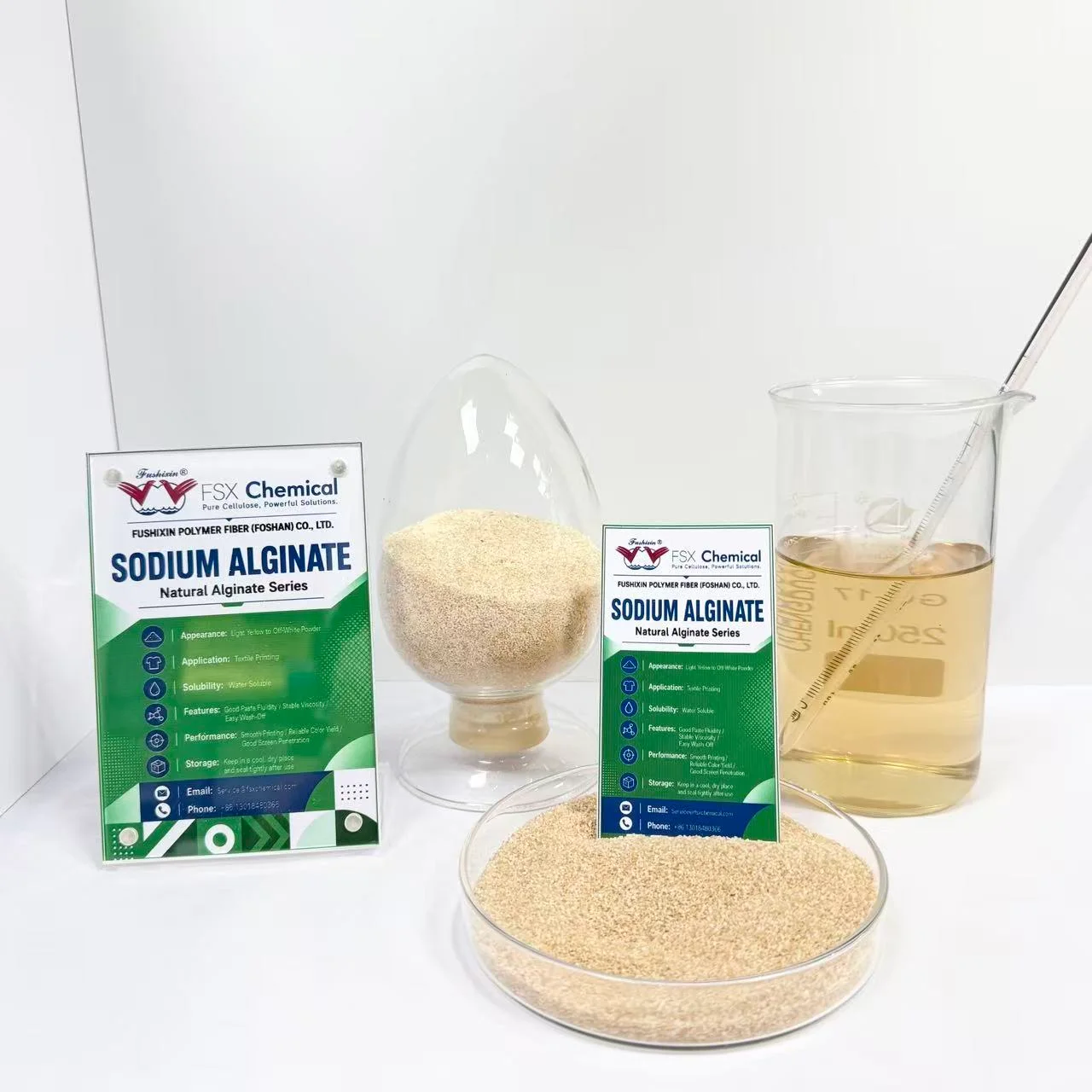
Teknik Veri Sayfası, alıcıların standart teknik özellik yelpazesini incelemelerine yardımcı olur. Bu sayfada görünüm, viskozite, elek gözü boyutu, nem, pH, depolama koşulları ve test yöntemi gibi temel parametreler yer almalıdır.
Viskoziteyle ilgili ürünler için, test konsantrasyonu, sıcaklık, birim ve yöntem açıkça belirtilmelidir.
Toplu Onay için COA
Analiz Sertifikası, belirli bir üretim partisine ait gerçek verileri teyit eder. Bu belge, toplu siparişler, tekrar alımlar, distribütör tedarikleri ve kurum içi kalite kontrolü açısından önemlidir.
Alıcılar, sevkiyatlar arasındaki COA kayıtlarını karşılaştırarak temel parametrelerin kararlaştırılan aralıkta kalıp kalmadığını kontrol edebilirler.
Taşıma ve Nakliyeye İlişkin Güvenlik Bilgi Formu (SDS) İncelemesi
Güvenlik Bilgi Formu (SDS), ürünün kullanımı, depolanması, nakliyesi ve şirket içi güvenlik değerlendirmelerine destek sağlar. Uluslararası satın alımlarda ise sevkiyat ve gümrükle ilgili iletişim için SDS’ye ihtiyaç duyulabilir.
Alıcılar, SDS’deki ürün adı ve tedarikçi bilgilerinin sipariş belgelerindeki bilgilerle uyumlu olduğundan emin olmalıdır.
Belgeleri ve Etiketleri Dışa Aktar
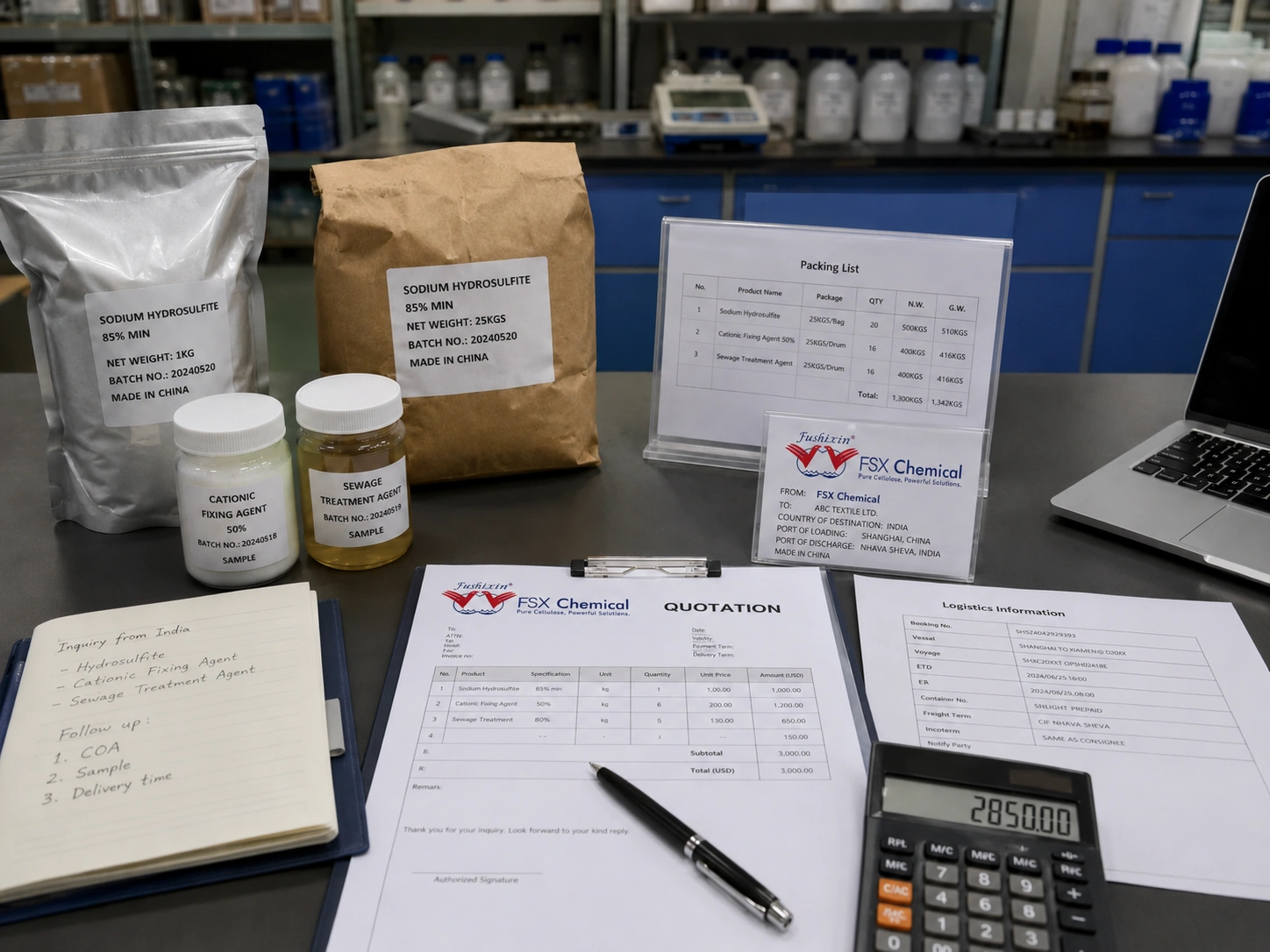
Yurt dışı siparişlerde, alıcıların fatura, sevk irsaliyesi, COA, SDS, etiketler, parti bilgileri ve sevkiyatla ilgili diğer belgelere ihtiyaçları olabilir. Gerekli belge listesi, varış ülkesine, ürün türüne ve şirket içi satın alma sürecine göre değişiklik gösterebilir.
Belge gereklilikleri, mallar sevk edildikten sonra değil, sevkiyat öncesinde teyit edilmelidir.
Toplu Sipariş Vermeden Önce Endüstriyel Sınıf Sodyum Aljinatı Nasıl Test Edilir?
Gerçek Macun veya Formülasyonda Test
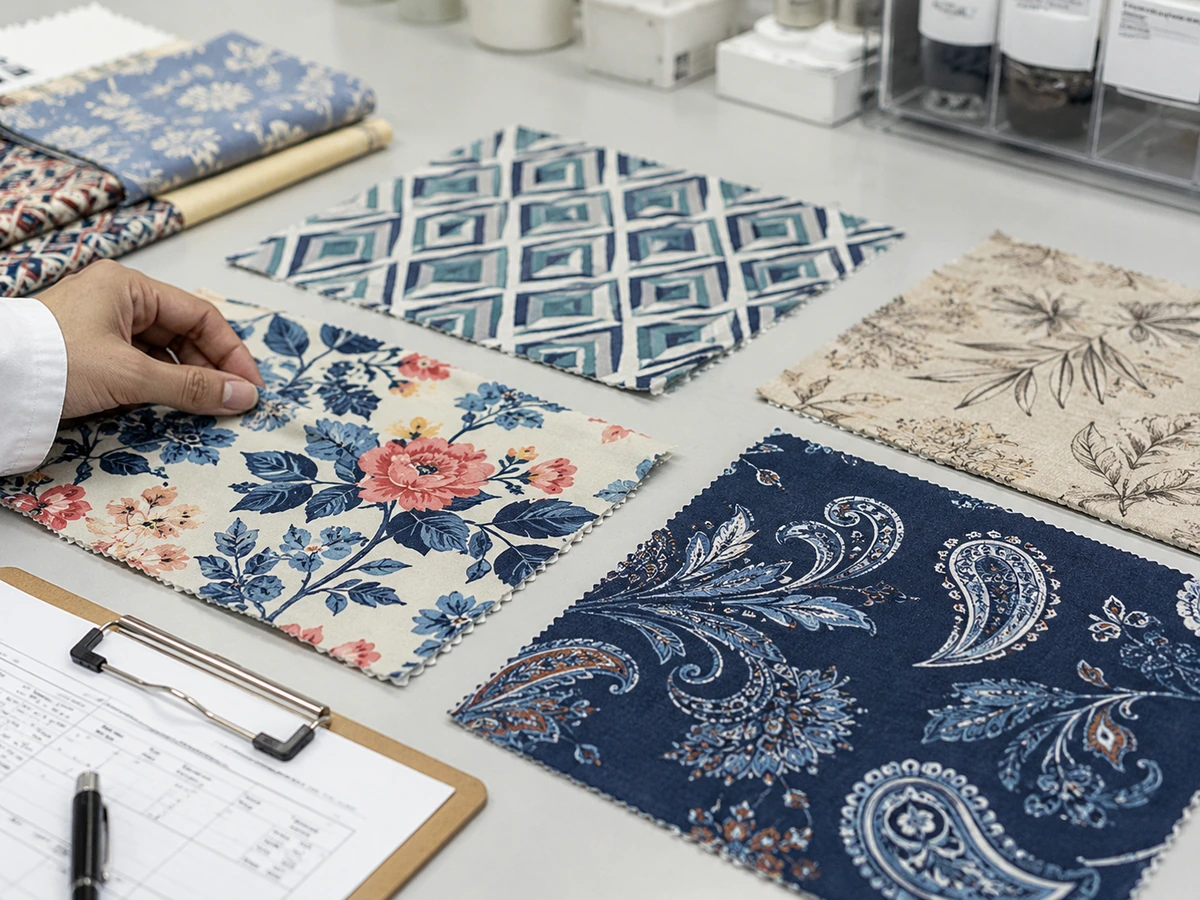
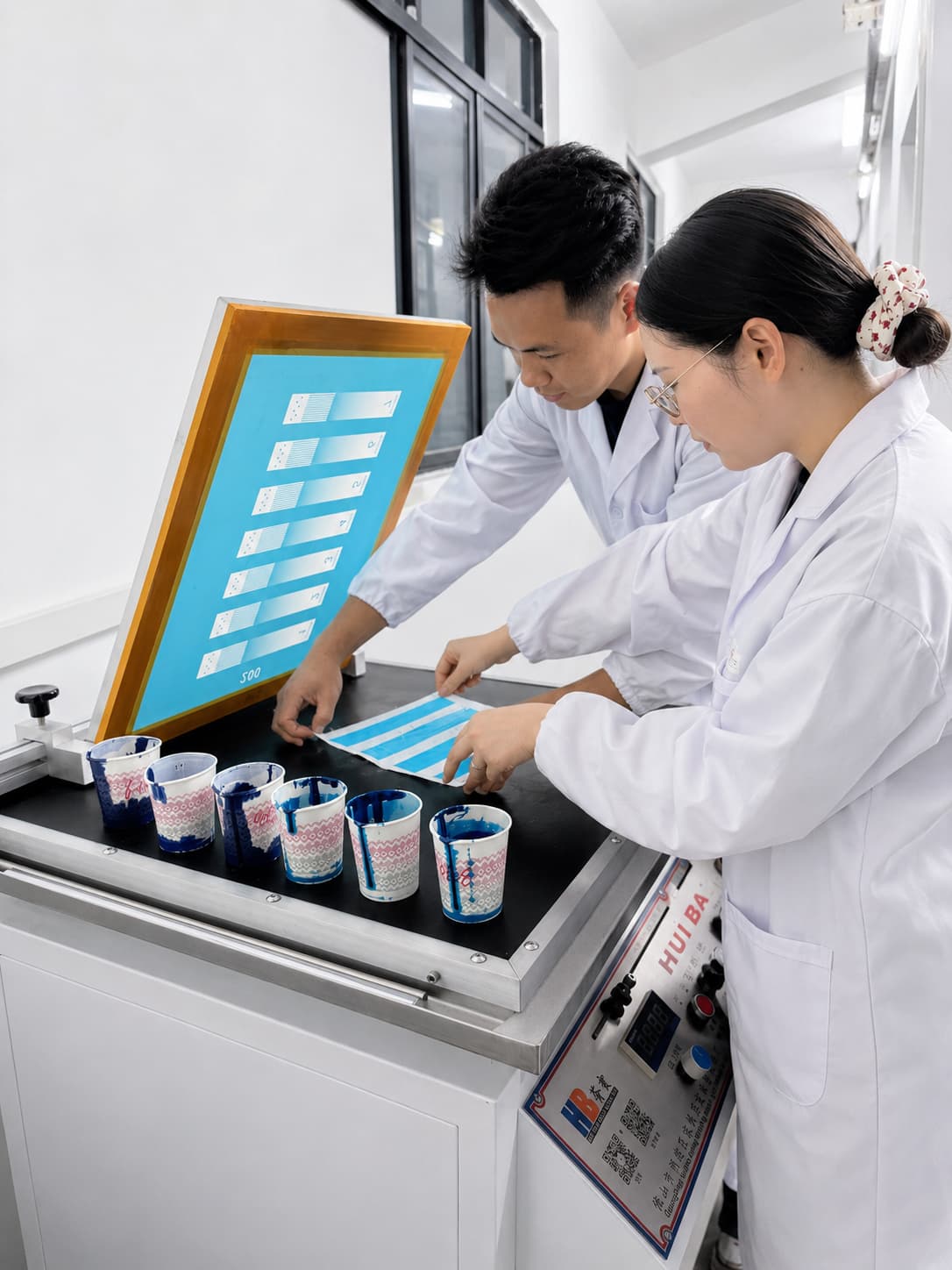
Mümkün olduğunca numune testi, alıcının kendi formülasyonunda yapılmalıdır. Boyalar, yardımcı maddeler, su kalitesi, pH, karıştırma yöntemi, hazırlık süresi ve depolama koşulları, nihai sonucu etkileyebilir.
Sadece temiz suda yapılan testler, söz konusu kalitenin gerçek üretime uygun olup olmadığını doğrulamak için yeterli olmayabilir.
Çözünme, Filtrasyon ve İşleme Süreçlerini Gözlemleyin
Testler sırasında alıcılar, çözünme hızını, macunun pürüzsüzlüğünü, topaklanma durumunu, süzülme özelliğini, viskozite kararlılığını ve uygulama kolaylığını gözlemlemelidir.
Tekstil baskı pastası söz konusu olduğunda, bu pratik gözlemler genellikle Teknik Veri Sayfası’nda (TDS) belirtilen temel teknik özellik verileri kadar önemlidir.
Örnek Onay ile Toplu Tedarik Arasındaki Karşılaştırma
Toplu siparişi onaylamadan önce, alıcılar onaylanmış numune ile toplu sevkiyatın aynı viskozite aralığı, elek gözü boyutu, ambalaj biçimi, parti izlenebilirliği ve COA gerekliliklerine uygun olup olmadığını kontrol etmelidir.
Bu, numune ile toplu numune arasındaki uyumsuzluk riskini azaltmaya yardımcı olur.
Toptan Tedarik Noktaları: Alıcıların Doğrulaması Gerekenler
Ambalaj Boyutu ve Saklama Koşulları
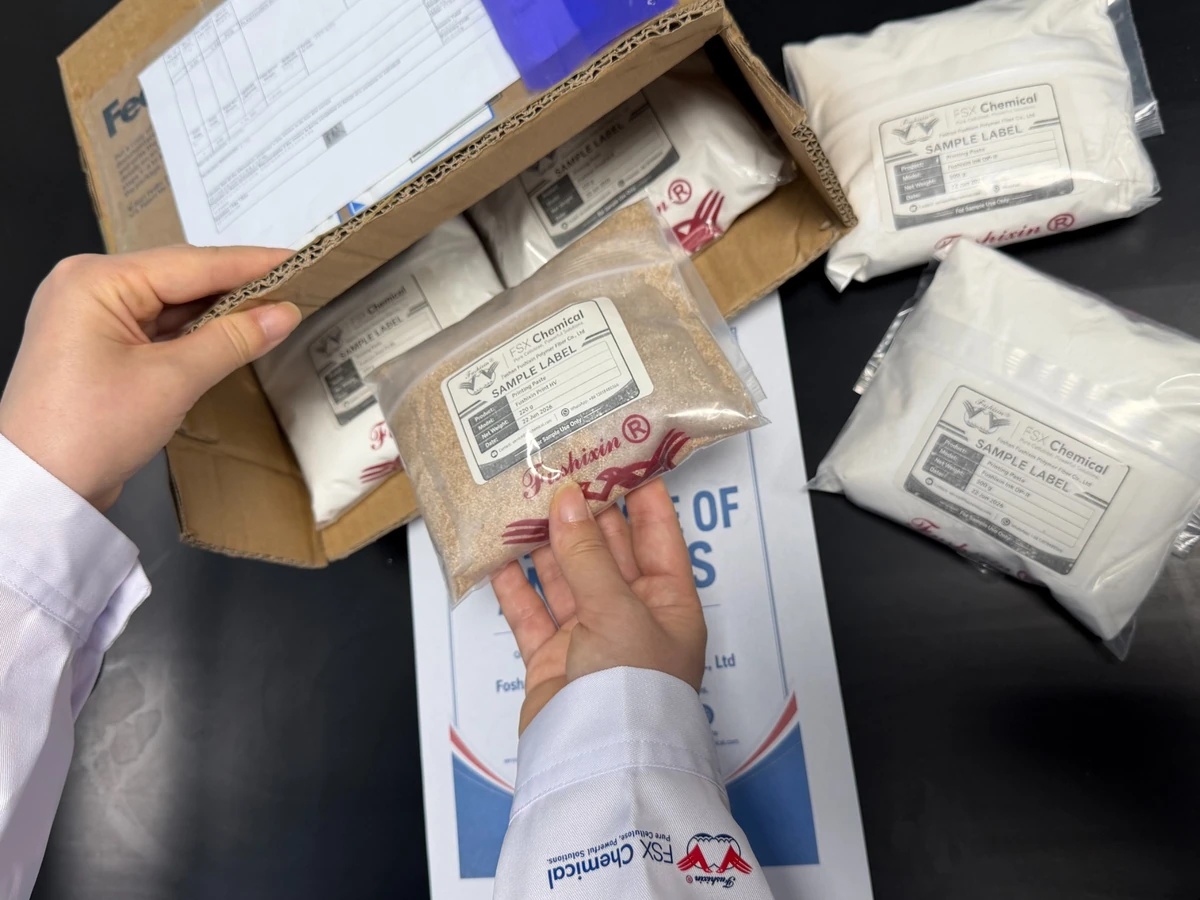
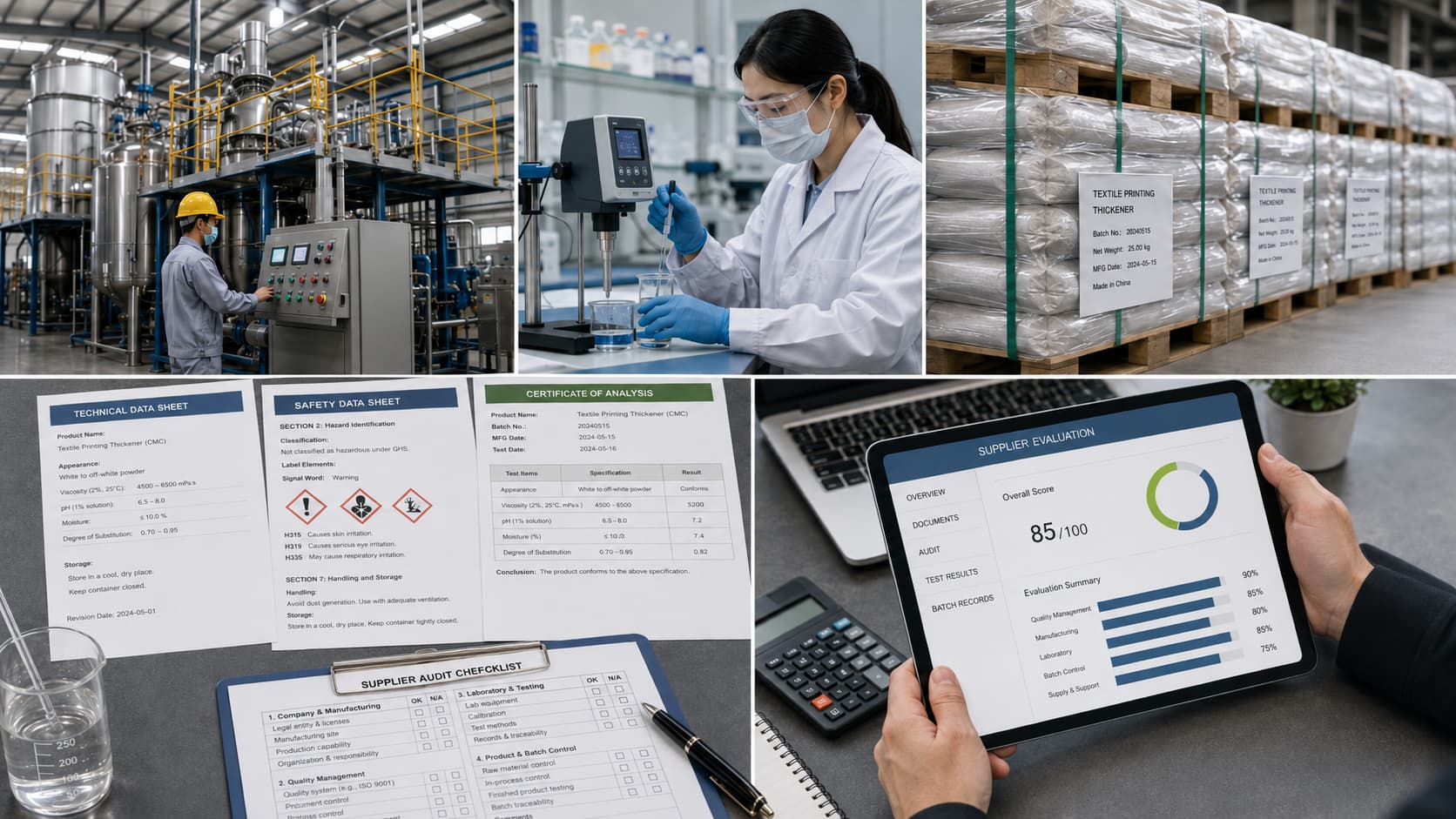
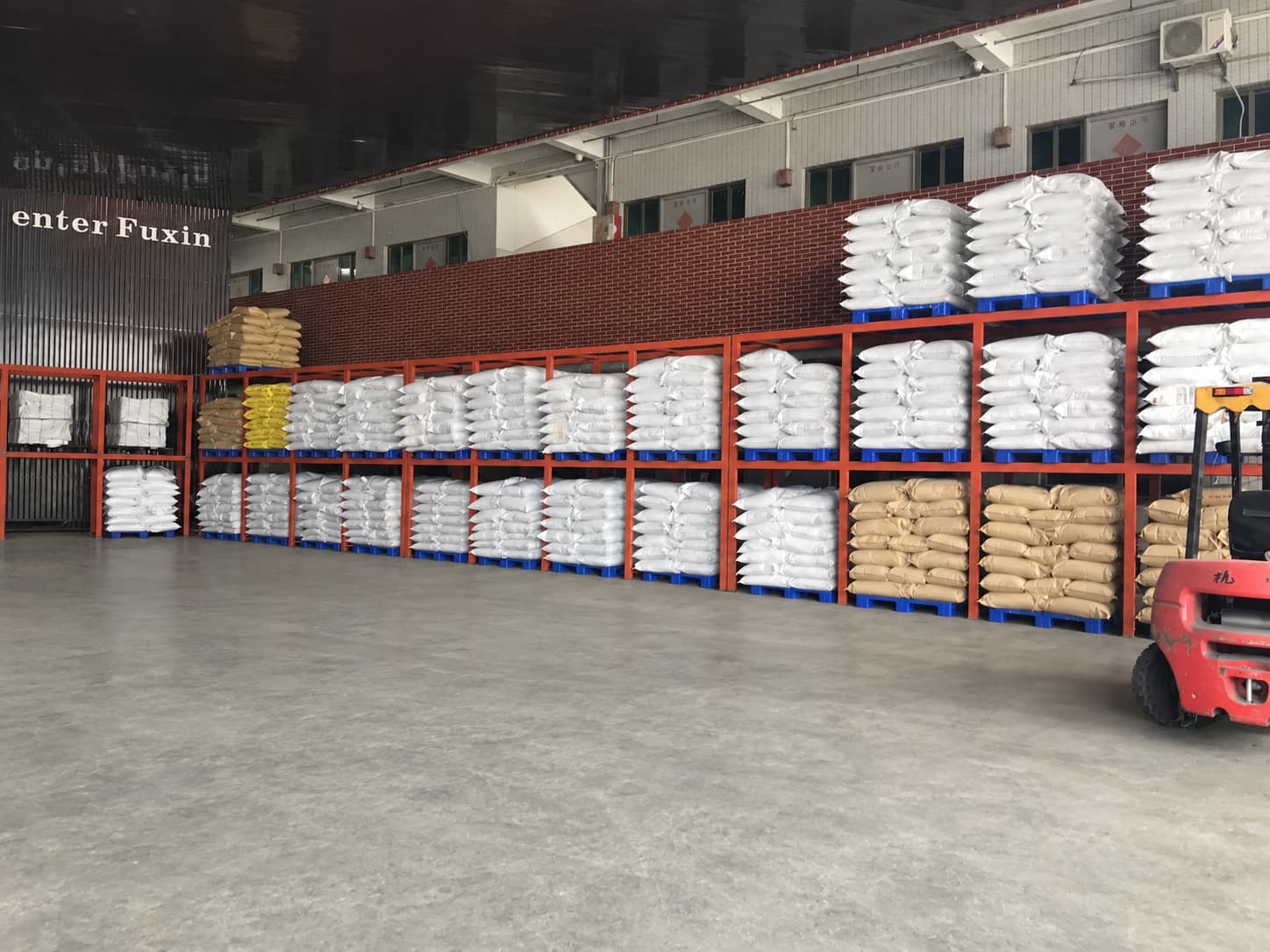
Sevkiyat öncesinde ambalaj boyutu, torba türü, net ağırlık, palet gereksinimleri ve depolama koşulları teyit edilmelidir. Bu ayrıntılar, depo işlemlerini ve tekrar sipariş yönetimini etkiler.
Alıcının belirli ambalaj veya etiket talepleri varsa, bunlar sipariş onayı öncesinde görüşülmelidir.
Parti İzlenebilirliği
Parti izlenebilirliği, kalite kontrolü ve müşteri geri bildirimlerinin değerlendirilmesi açısından önemlidir. Alıcılar, parti numarasını, varsa üretim tarihini, etiket bilgilerini ve COA belgesinin mevcut olup olmadığını doğrulamalıdır.
Net parti kayıtları, alıcıların numune sonuçlarını, sevkiyat verilerini ve tekrar sipariş performansını karşılaştırmasına yardımcı olur.
Gerçekçi Tedarik İletişimi
Alıcılar, “hızlı küresel tedarik”, “sürdürülebilir tedarik” veya “yüksek performanslı çözüm” gibi genel iddialara karşı temkinli davranmalıdır; tabii bu iddialar gerçek belgeler, üzerinde anlaşmaya varılmış şartlar veya test verileriyle desteklenmedikçe.
Pratik bir tedarikçi, ürün özellikleri, mevcut belgeler, numune testleri, ambalajlama ve sevkiyat hazırlıkları konusunda net bir şekilde bilgi vermelidir.
FSX Chemical’ın Sodyum Aljinat Tedarikini Nasıl Desteklediği

Endüstriyel sınıf sodyum aljinat tedarikini yalnızca fiyat, genel performans iddiaları veya genel tedarik beyanlarına dayanarak değerlendirmenizi önermiyoruz. Tavsiye edilen sınıf, teknik belgeler aracılığıyla incelenmeli ve toplu alımdan önce alıcının kendi formülasyonunda test edilmelidir.
Sonraki Adımlar
- TDS Talep Et — viskozite aralığını, elek gözü boyutunu, pH değerini, nem oranını, görünümü, depolama koşullarını ve test yöntemini gözden geçirin.
- COA Talep Et — sevkiyat öncesinde parti verilerinin kararlaştırılan spesifikasyon aralığına uygun olup olmadığını doğrulayın.
- Not Eşleştirme Talebinde Bulunun — Başvurunuzu, baskı sürecinizi, kumaş türünüzü, hedef viskozitenizi, mevcut formülasyonunuzu ve varsa mevcut ürün sınıfınızı paylaşın.
- Örnek İsteyin — Toplu siparişleri onaylamadan önce, önerilen sodyum aljinat türünü kendi macun hazırlama veya formülasyon koşullarınızda test edin.
- Ambalaj ve İhracat Belgelerini Doğrulama — Sevkiyat öncesinde çanta boyutunu, etiketleri, parti izlenebilirliğini, Güvenlik Bilgi Formu’nu (SDS), faturayı, sevk irsaliyesini ve diğer gerekli belgeleri kontrol edin.
- Teknik Ekibimizle İletişime Geçin — tekstil baskı veya yeniden işleme işlemleriniz için hangi sodyum aljinat türünün uygun olduğunu tartışınendüstriyel uygulama📧 E-posta: Service@fsxchemical.com