
















Dijital Baskı Patı Tekstil Inkjet Ön İşlemini Nasıl Destekler?
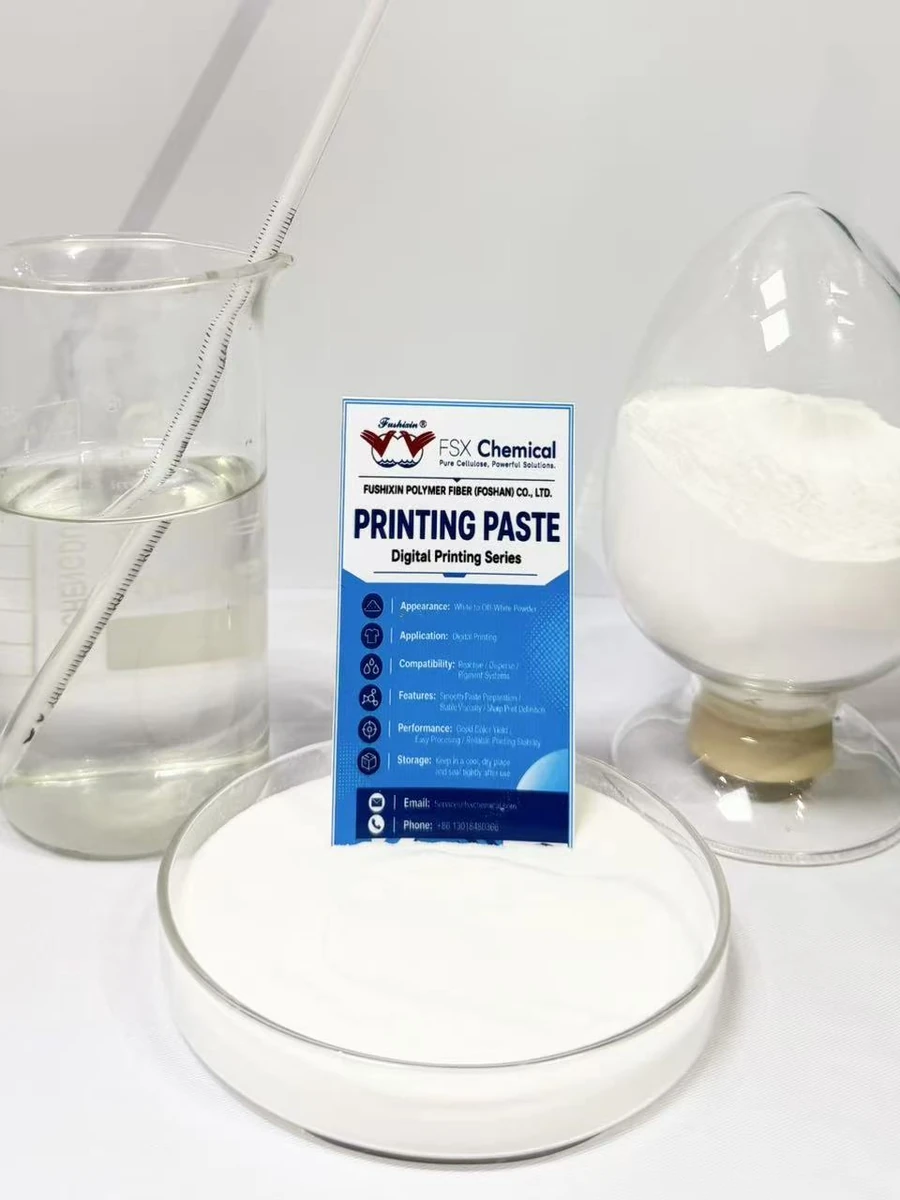
FSX Chemical dijital baskı patı, tekstil inkjet baskısından önce kumaş ön işlem patı olarak kullanılır. Kumaş yüzeyini hazırlamaya, mürekkep göçünü kontrol etmeye, renk sınırlarının netliğini iyileştirmeye, nem emilimini dengelemeye ve fiksaj sonrasında yıkamayla uzaklaştırılmaya yardımcı olur.
Mürekkep Göçünü Kontrol Eder
Kumaş yüzeyinde mürekkep püskürtmeli damlacıkların tutunmasına yardımcı olan ve sabitleme işleminden önce istenmeyen yana yayılmayı azaltan bir ön işlem tabakası oluşturur.
Renk Taşmasını Azaltır
Özellikle ince desenlerde, açık renkli zeminlerde ve çok renkli tekstil inkjet tasarımlarında baskı kenarlarında renk taşmasını kontrol etmeye yardımcı olur.
Renk verimini artırır
Kumaş yüzeyinde mürekkebin emilmesini ve sabitlenmesini destekleyerek, baskı sonrası renk derinliğini ve görsel parlaklığı artırmaya yardımcı olur.
Nemi ve Yüzey Haşıllamasını Dengeler
Dijital baskı öncesinde nemi, mürekkep emilimini ve yüzey düzgünlüğünü kontrol etmeye yardımcı olmak üzere kumaş yüzeyine ön kaplama yapar.
Mürekkep sisteminin dışında kullanılır
Ön işlemde veya kaplamada kullanılır; inkjet mürekkebine doğrudan eklenmez. Yüksek moleküllü polimer kıvamlaştırıcılar nozul tıkanma riskini artırabilir.
Sabitlendikten sonra yıkanarak çıkar
Fiksaj sonrasındaki yıkama aşamasında uzaklaştırılır; kabul edilebilir kumaş tuşesini ve daha temiz baskısız zemini destekler.
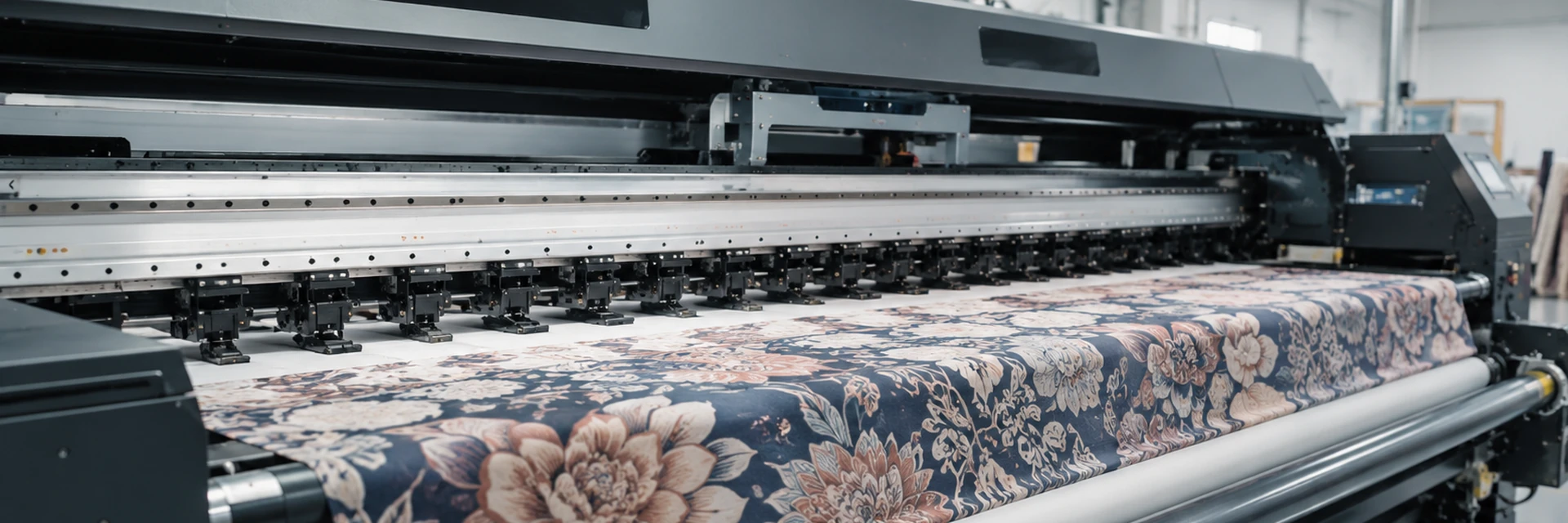
Dijital Baskı Ön İşlem Denemesini Nasıl Değerlendirmeli?
Dijital baskı ön işleme denemesi, aynı kumaş, mürekkep sistemi ve yazıcı ayarları altında baskı, sabitleme ve yıkama işlemlerinden sonra değerlendirilmelidir. Seri üretime geçmeden önce kenar netliği, renk verimi, mürekkep yayılması, arka plan temizliği ve kumaşın dokunuş hissine odaklanın.
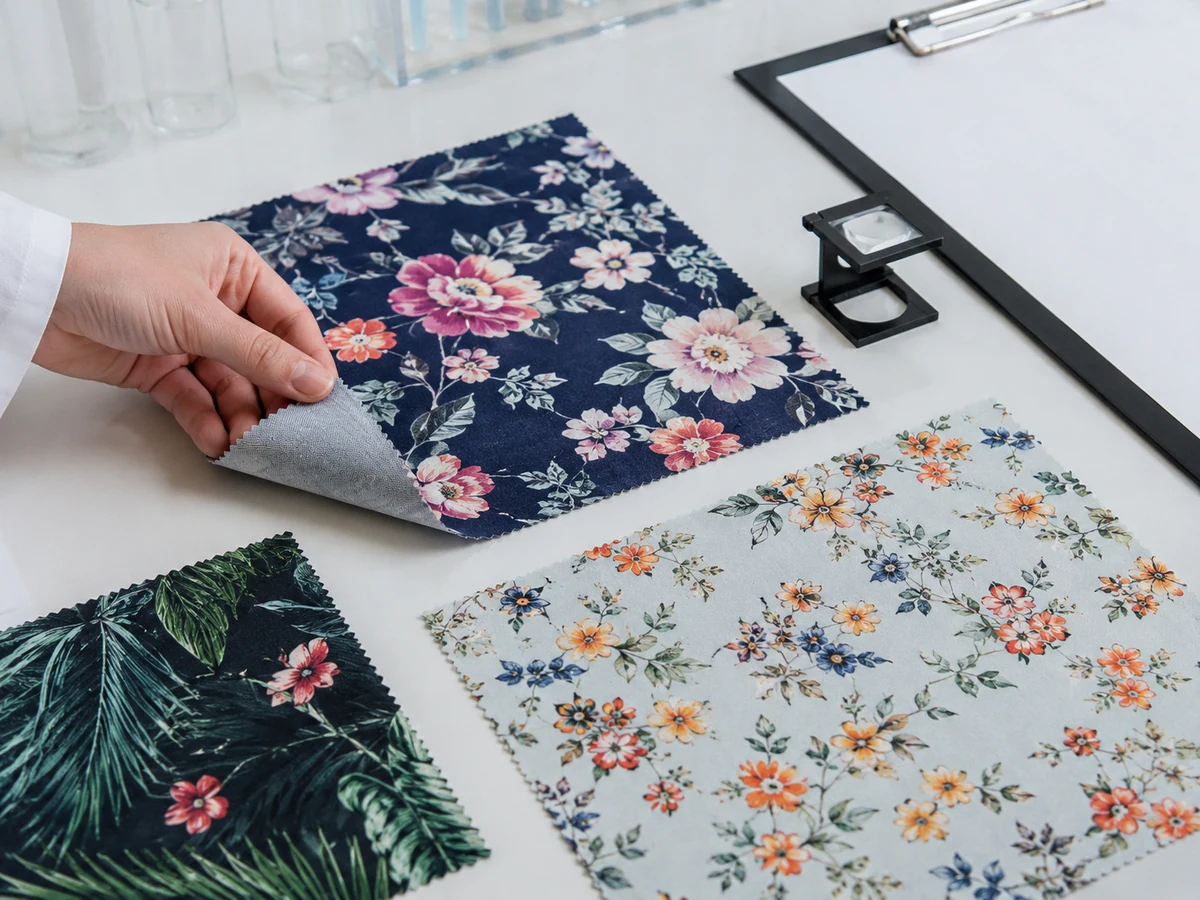
Devam Etmeden Önce Kontrol Edilmesi Gerekenler
Bu noktalar, ön işlem patının tekstil inkjet baskı sisteminize uygun olup olmadığını doğrulamaya yardımcı olur. Bazı göstergeler reaktif, dispers veya pigment mürekkep yaklaşımına göre değişir.
Kenar netliği ve yayılma kontrolü
Desen sınırlarının daha net ve mürekkep yayılmasının daha az belirgin olmasına dikkat edin, özellikle ince çizgiler, küçük metinler ve çok renkli alanların çevresinde.
Renk verimi ve renk tonu derinliği
Sabitleme ve yıkama işlemlerinden sonra renk derinliğini, parlaklığı ve renk tonu tutarlılığını hedef numuneyle karşılaştırın.
Kumaş yüzeyinde mürekkep yayılması
Sabitleme işleminden önce mürekkep damlacıklarının, lifler boyunca yayılmak yerine ön işlemden geçirilmiş yüzeyde kontrol altında kalıp kalmadığını kontrol edin.
Pigment sistemlerinde sürtünme haslığı
Pigmentli dijital baskı için, bağlayıcı, kürleme sıcaklığı ve kumaş koşulları birbiriyle uyumlu hale getirildikten sonra kuru ve ıslak sürtünme haslık değerlerini kontrol edin.
Yıkamayla Uzaklaştırılma ve Baskısız Zeminin Temizliği
Yıkamadan sonra, baskısız alanlarda leke, kalıntı izleri, matlaşma veya kumaşın arka planındaki berraklıkta herhangi bir değişiklik olup olmadığını kontrol edin.
İşlem Sonrası Kumaş Tuşesi
Sabitleme veya yıkama işleminden sonra bitmiş kumaşa dokunup karşılaştırarak, dokunun nihai ürün için uygun olup olmadığını doğrulayın.
