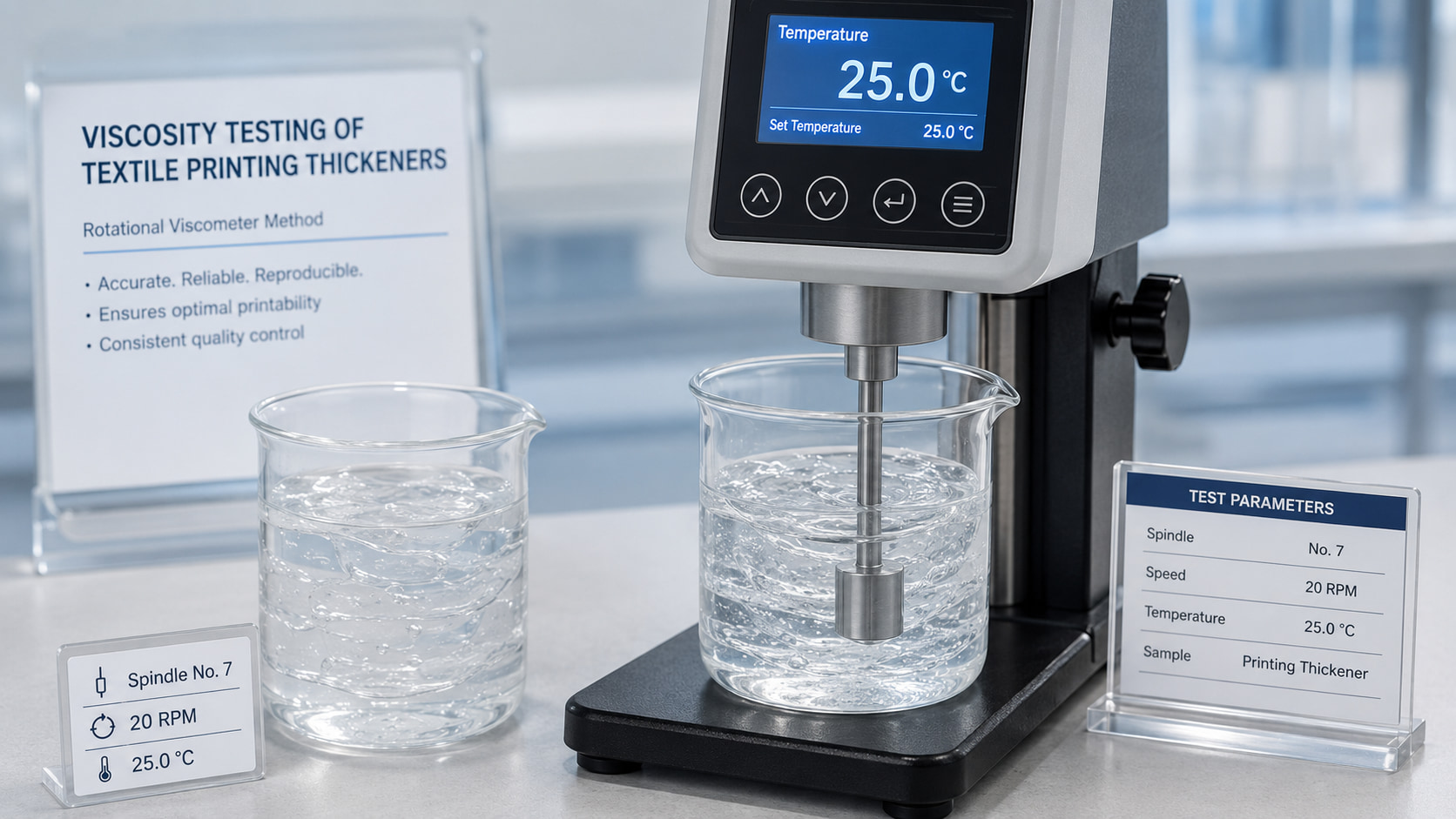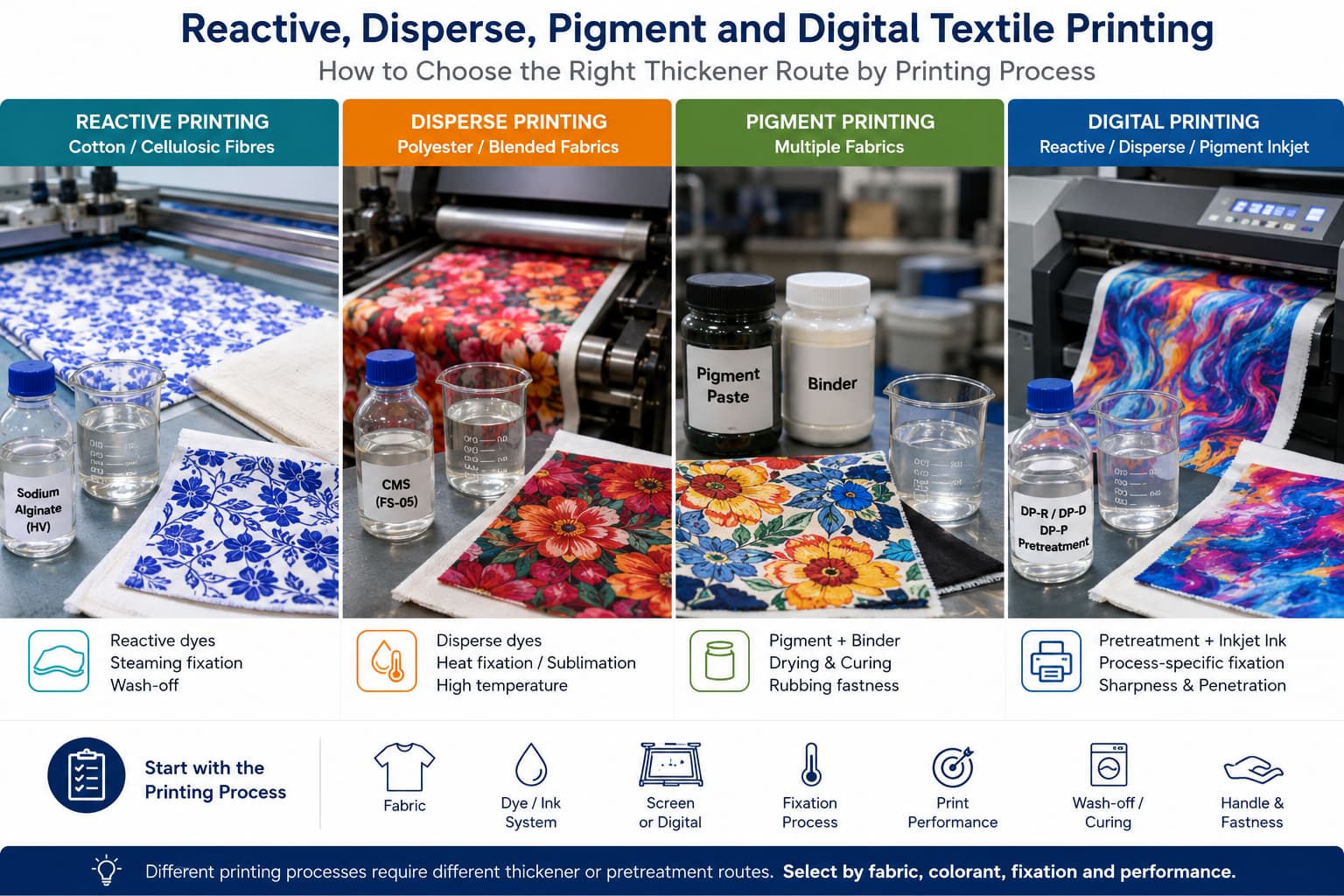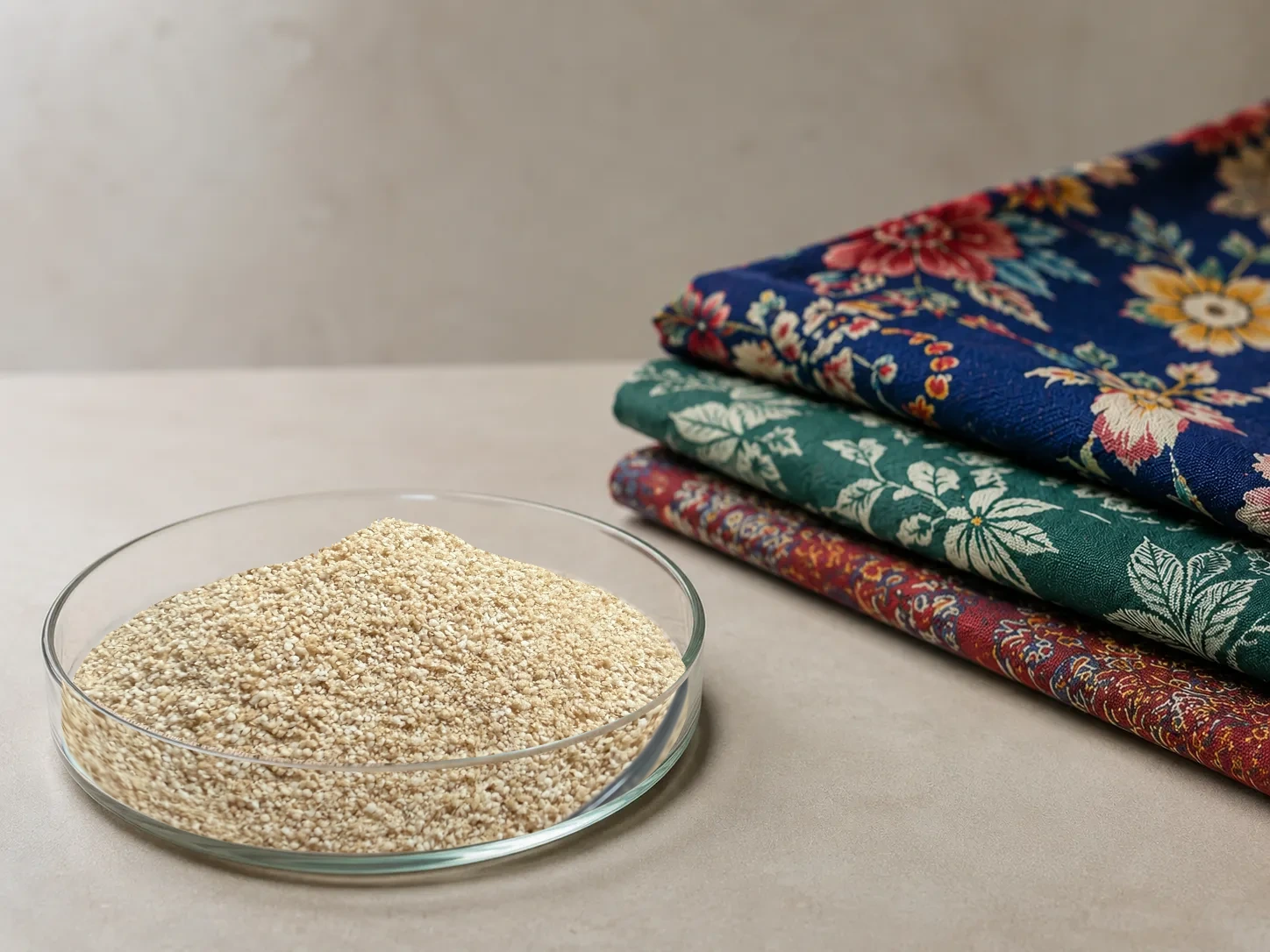
















Diagnose sodium alginate printing defects by separating paste preparation, screen or transfer behavior, fixation and wash-off. First compare the failed batch with an approved reference for viscosity, hydration, filtration, pH, additives and holding time; then change one variable at a time. The causes below are diagnostic candidates, not a probability ranking. Choose checks from the observed failure pattern and the mill’s records.
Use the table below for triage, then follow the symptom-specific checks in this guide. If the defect began with a new raw-material lot, retain paste and fabric samples and compare the supplier certificate with incoming QC data for textile-grade sodium alginate.
Sodium Alginate Defect Triage Table
| علامت | First checks | Escalate when |
|---|---|---|
| Bleeding or soft edges | Viscosity, fabric absorbency, screen pressure, paste solids | Reference paste prints correctly under the same conditions |
| Screen blockage or streaks | Hydration, filtration, insolubles, dried paste, mesh condition | Particles recur after controlled preparation and filtration |
| Low color yield | Dye and alkali addition, fixation, penetration, wash-off | Same recipe changes only with the alginate lot or grade |
| Viscosity drift | Water quality, mix order, rest time, temperature, holding time | Drift exceeds the approved time-window specification |
| غیر یکساں سائے | Paste homogeneity, squeegee or screen condition, fabric pretreatment | Defect follows the paste batch across machines or fabric rolls |
رنگ کا رِساؤ اور پیٹرن کے نرم کنارے
علامت
Possible Causes to Check
- چھپائی کے مقام پر پیسٹ کی چپچپا پن بہت کم ہے۔ — چپکاوٹ کو صرف تیاری کے درجۂ حرارت پر نہیں بلکہ پرنٹنگ فلور کے درجۂ حرارت پر بھی چیک کریں؛ ماحول کی گرمی کام کرنے والی چپکاوٹ کو ہدف سے نیچے لے جا سکتی ہے۔
- Paste viscosity has changed during holding — remeasure the initial reference and held sample under matched temperature, concentration and shear/rest conditions. A drop can accompany dilution, ionic effects or degradation; the reading alone does not identify the mechanism.
- پیٹرن کی باریکی کے لیے اسکرین میش کی گنتی بہت موٹی ہے۔ — باریک لکیروں کے نمونوں کے لیے مناسب پیسٹ کی گاڑھاپن اور کافی باریک جالی دونوں ضروری ہیں؛ موٹی جالی ہر اسٹروک میں پیسٹ کو زیادہ مقدار میں گزرنے دیتی ہے، چاہے گاڑھاپن کچھ بھی ہو۔
- اسکویجی پر ضرورت سے زیادہ دباؤ — اسکرین سے پیٹرن کی ضرورت سے زیادہ پیسٹ گزارتا ہے، جس سے اطراف میں پھیلنے کا امکان بڑھ جاتا ہے۔
ابتدائی چیکس
متوقع سے کم رنگ گہرائی
علامت
معیاری رنگت کی گہرائی حاصل کرنے والی معیاری رنگ کی مقدار اور ترکیب استعمال کرنے کے باوجود، چھپائی شدہ رنگ ہدف شدہ شیڈ کے مقابلے میں واضح طور پر ہلکا ہے۔.
Possible Causes to Check
- رنگ کے جمنے کی شرح میں کمی — الکلی کی مقدار مؤثر حد سے کم ہونا، بھاپ دینے کا وقت یا درجہ حرارت ناکافی ہونا، یا بھاپ دینے کے دوران نمی کو مناسب طریقے سے برقرار نہ رکھنا (جو اکثر یوریا کی مقدار یا پیسٹ کے بھاپ دینے سے پہلے خشک ہو جانے سے منسلک ہوتا ہے)
- Paste-related change in delivery or compatibility — altered flow, deposition, contamination or dye–auxiliary interaction can change shade. Compare a fresh reference using the same dye dose, fabric, printing, fixation and wash-off; do not equate viscosity loss with chemical loss of dye.
- موٹا کرنے والا رنگ کے ساتھ مقابلہ کر رہا ہے — اگر غیر الگنیٹ گاڑھا کرنے والا یا مرکب استعمال ہو رہا ہو تو بعض گاڑھا کرنے والے بنیادی حالات میں ردِ عمل ظاہر کرنے والی رنگ کے ساتھ تعامل کر سکتے ہیں، اور اس رنگ کو استعمال کر ڈالتے ہیں جو ورنہ ریشے پر ٹھہر جاتی۔
- بھاپ کی سیرچگی کے مسائل — غیر سیر شدہ یا فوقِ حرارتی بھاپ، فکسیشن کے لیے درکار نمی کو برقرار رکھنے کے بجائے پیسٹ کی فلم کو خشک کر دیتی ہے۔
ابتدائی چیکس
Check the actual fixation conditions against the approved dye process, and compare dye/alkali dosing, fabric preparation and paste deposition in parallel. A fresh reference paste can help locate a paste-related difference only when printing, fixation and washing remain controlled. Improvement does not by itself identify degradation. For more detail, see our guide on تفاعلی رنگ بٹھانا.
پروڈکشن رن کے اندر رنگ کی گہرائی میں تبدیلی
علامت
ایک سلسلہ وار پرنٹوں کے ابتدائی نمونوں میں بعد کے پرنٹوں کے مقابلے میں رنگ کی گہرائی مختلف ہوتی ہے، یا سلسلہ کے دوران رنگ کی گہرائی بتدریج بدل جاتی ہے، حالانکہ پیسٹ ابتدا میں درست طریقے سے تیار کی گئی تھی۔.
Possible Causes to Check
- چلنے کے دوران چپچپائی میں تبدیلی — درجہ حرارت میں تبدیلی، مسلسل مکسنگ سسٹمز میں میکانیاتی کٹاؤ، وقت کے ساتھ الکلی کے باعث زوال، یا کھلے پیسٹ سسٹمز میں بخارات کے باعث
- بیچوں کے درمیان پیسٹ کی تیاری میں عدم مطابقت — اگر طویل عمل کے دوران متعدد بیچز استعمال کیے جائیں تو بیچ سے بیچ چپچپا پن میں فرق بیچز کے درمیان گہرائی کے فرق کے طور پر ظاہر ہوگا۔
ابتدائی چیکس
پیسٹ کی چپچپا پن کو پورے عمل کے دوران وقفے وقفے سے — تیاری کے وقت، عمل کے درمیان اور عمل کے اختتام پر — ناپیں تاکہ معلوم ہو سکے کہ چپچپا پن تبدیل ہو رہی ہے یا نہیں اور کتنی تیزی سے تبدیل ہو رہی ہے۔ مزید تفصیلات کے لیے ہماری رہنما کتاب دیکھیں۔ لغویکیت میں استحکام.
کپڑے کی چوڑائی کے پار رنگ کی گہرائی میں تبدیلی
علامت
ایک ہی پرنٹ میں رنگ کی گہرائی کپڑے کے ایک کنارے سے دوسرے کنارے تک مختلف ہوتی ہے، یا یہ وقت کے ساتھ تبدیلی کے بجائے ایک نمونہ دکھاتی ہے، جیسے کنارے گہرے اور مرکز ہلکا (یا اس کے برعکس)۔.
Possible Causes to Check
- پیسٹ کا غیر یکساں لگانا — سکرین کی چوڑائی بھر میں اسکویجی کے دباؤ میں بےقاعدگی، یا سکرین کی کشیدگی میں تبدیلی
- بیچ کے اندر پیسٹ کی چپچپا پن میں عدم مطابقت — پیسٹ ٹروف میں نامکمل تحلیل یا اجزاء کی علیحدگی
- سٹیمر میں بھاپ کی غیر مساوی تقسیم — پیسٹ کے استعمال سے قطع نظر، کپڑے کی چوڑائی بھر میں فکسیشن کی یکسانیت کو متاثر کرتا ہے۔
ابتدائی چیکس
Sample paste from multiple positions in the trough using the same measurement method and temperature. Uniform viscosity does not prove uniform deposition or exclude paste-related differences. Compare actual print deposit and fabric preparation across the width, then inspect screen/squeegee conditions and fixation uniformity.
اسکرین کا بند ہونا یا جام ہونا
علامت
پیسٹ سکرین کے جالی کے حصوں سے صاف طور پر منتقل نہیں ہوتا، جس سے نمونے میں خلا یا نامکمل احاطہ پیدا ہوتا ہے؛ پرنٹ کے معیار کو برقرار رکھنے کے لیے سکرین کو معمول سے زیادہ بار صفائی کی ضرورت ہوتی ہے۔.
Possible Causes to Check
- پیسٹ میں غیر حل شدہ ذرات — تیاری کے دوران نامکمل تحلیل، یا ایسا سوڈیم الجنٹ گریڈ جس میں غیر حل پذیر مادّوں کا تناسب آپ کی سکرین میش کی برداشت سے زیادہ ہو۔
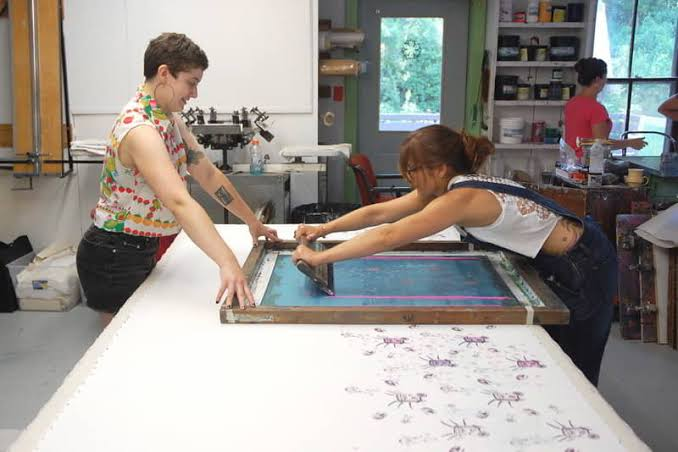
- جالی کی سطح پر پیسٹ کا خشک ہونا — استعمال شدہ پیسٹ کی گاڑھاپن کے لیے پرنٹ کی رفتار بہت سست ہے، یا ماحول میں نمی کی کم سطح سطح کے تیزی سے خشک ہونے کا سبب بن رہی ہے۔
- دوروں کے درمیان اسکرین کی ناکافی صفائی — پچھلی چلائی گئی عمل سے بچا ہوا خشک پیسٹ جالی کے سوراخوں کو جزوی طور پر بند کر رہا ہے۔
ابتدائی چیکس
Filter a representative sample through the agreed screen or filter and inspect the retained material. Residue can include incompletely hydrated polymer, contamination, gel particles or dried paste; filtration alone does not identify the cause. If filtration is acceptable, inspect screen drying, cleaning and operating conditions. For more detail, see our guides on پیسٹ کی تیاری اور میش سائز کا انتخاب.
تیار شدہ پیسٹ میں گانٹھیں یا نظر آنے والے ذرات
علامت
تیار شدہ پیسٹ میں نظر آنے والے گانٹھ نما یا دانے دار ذرات ہوتے ہیں جو مسلسل ہلانے پر حل نہیں ہوتے۔.
Possible Causes to Check
- تیاری کے دوران پاؤڈر بہت جلدی شامل کیا گیا۔ — ذرات کے مکمل منتشر ہونے سے پہلے سطحی ہائیڈریشن اور گچھوں کی تشکیل کا سبب بنتا ہے۔
- مکس کرنے کے لیے ناکافی وقت — خاص طور پر موٹے جالی کے گریڈز یا سرد پانی میں تحلیل کے لیے موزوں
- Calcium or incompatible-ion interaction — calcium can form alginate gel particles. Check water and contamination sources, with calcium measured separately where needed. Magnesium is not interchangeable with calcium; a hardness total alone does not establish the gel mechanism.
ابتدائی چیکس
اپنی پاؤڈر کی مقدار ڈالنے کی شرح اور کل مکسنگ کے وقت کا اپنے معیاری طریقہ کار کے مطابق جائزہ لیں۔ اگر صحیح طریقہ کار کے باوجود گانٹھیں برقرار رہیں تو پانی کی سختی جانچیں۔ مزید تفصیلات کے لیے ہماری رہنما کتاب دیکھیں۔ پیسٹ کی تیاری.
خریدار کی وضاحت کے مطابق دھونے کی مضبوطی کم
علامت
چھپائی شدہ کپڑا بصری رنگ کے معیار پر تو پورا اترتا ہے لیکن خریدار کے متعین کردہ معیارات (مثلاً ISO 105-C06 یا AATCC کے مساوی) کے مطابق دھونے کی پائیداری کی جانچ میں ناکام رہتا ہے، دھونے کے ٹیسٹ کے دوران رنگ کا حد سے زیادہ اخراج یا پڑوسی کپڑے پر داغ لگنا ظاہر کرتا ہے۔.
Possible Causes to Check
- بھاپ دینے کے بعد مکمل طور پر نہ دھل جانا — retained unfixed or hydrolyzed dye can cause staining or color loss. Check the wash-off sequence and residual-dye removal before attributing a failed test to the thickener.
- Fixation and wash-off need separate assessment — low fixation can reduce final color yield and increase the dye load to be washed away. It does not automatically mean poor wash fastness after adequate removal of unfixed dye. Evaluate final shade and fastness separately using the specified test.
- باقی ماندہ گاڑھا کرنے والا مادہ غیر منسلک رنگ کو پھنساتا ہے۔ — پوسٹ کی نامکمل ہٹانے سے غیر مستحکم رنگ ریشے کی سطح کے قریب رہ سکتا ہے، جہاں یہ خریدار کے دھونے کے ٹیسٹ کے دوران خارج ہوتا ہے۔
ابتدائی چیکس
Verify the specified fastness method and assess color change and adjacent-fabric staining separately. Compare the approved wash-off process with a controlled additional wash, recording shade change as well as staining. If the result remains outside specification, investigate dye/fiber chemistry, fixation, fabric preparation and residues. The published reactive-dye screen-printing study treats fixation, color yield and fastness as distinct evaluations; it does not establish one universal diagnostic threshold. For related guidance, see color yield and fastness اور تفاعلی رنگ بٹھانا.
ذخیرہ کرنے کے دوران پیسٹ کا گاڑھا ہونا یا جیل بننا
علامت
تیار شدہ پیسٹ ذخیرہ کے دوران اپنی چپچپاہٹ برقرار رکھنے یا کھونے کے بجائے نمایاں طور پر گاڑھا ہو جاتا ہے یا جزوی طور پر جیل بن جاتا ہے۔.
Possible Causes to Check
- Calcium or another incompatible formulation component — inspect plant water, equipment residue and cross-contamination. Identify the ion or additive rather than treating all divalent ions as equivalent alginate gelling agents.
- Cooling, evaporation or continued hydration — each can change apparent paste body. Assess persistent gel particles separately, including calcium exposure and any freeze–thaw history. Sodium alginate is not selected by the CMC degree-of-substitution (DS) specification.
ابتدائی چیکس
Compare covered samples at the same agreed temperature and elapsed time. Check hydration, concentration, calcium and addition order, and inspect the retained particles. For chilled paste, condition it by the approved procedure before testing homogeneity, filtration and print behavior; warming alone does not qualify the batch for use.
محفوظ شدہ پیسٹ میں بدبو یا قابلِ دید خوردبینی نمو
علامت
پیسٹ ذخیرہ کے دوران کھٹی، بوسیدہ یا خمیر شدہ بو پیدا کرتا ہے، بعض اوقات اس کے ساتھ رنگ میں واضح تبدیلی یا سطح پر جھلی نما پرت بھی ہوتی ہے۔.
ممکنہ اسباب
- Suspected contamination — odor, visible growth or a surface film warrants holding the batch for investigation. Microbial activity is one possible cause; chemical contamination and normal auxiliary odors must also be considered. Odor alone is not an organism or chain-degradation test.
ابتدائی چیکس
Do not release suspect paste to production or mask the odor by adding chemicals. Isolate it, review sanitation, storage and ingredient records, and follow the mill’s approved investigation and disposal procedure. For more detail, see our guide on ذخیرہ کرنے کے حالات اور میعادِ استعمال.
اس رہنما کا استعمال
Print defects often have several plausible causes. Start with checks that can distinguish them using the failure’s timing, location and history; then change one controlled variable at a time and document the result. Use your mill’s records to set a practical check order. This guide does not supply statistical cause probabilities.
اکثر پوچھے جانے والے سوالات
What should be checked first when reactive prints start bleeding?
Compare viscosity and paste solids with the approved reference, then check fabric absorbency, screen or squeegee settings and whether the paste exceeded its qualified holding time.
Why does sodium alginate paste block a screen?
Common causes include incomplete hydration, agglomerates, insoluble contamination, inadequate filtration or dried paste at the screen. Confirm preparation and filtration before blaming viscosity alone.
Can low color yield be caused by the thickener?
It can contribute through penetration, rheology or impurities, but dye concentration, alkali, fixation and wash-off must be checked in parallel. Run a controlled reference-paste comparison.
How can a mill investigate viscosity drift?
Record viscosity with one method at defined intervals and temperature, while controlling water quality, mix order, hydration, additives and storage conditions.
When should a supplier sample be requested?
Request a retained or replacement sample when the defect correlates with a new lot or grade and continues after machine, fabric and preparation variables have been controlled. Use نمونے اور ملاپ for a side-by-side trial.
FSX کیمیکل آپ کے مسئلہ حل کرنے کے عمل میں کیسے مدد کرتا ہے
For reactive-printing troubleshooting, request the current sodium alginate TDS, available batch-specific COA and a representative sample from FSX Chemical. Agree the test conditions and compare with the accepted reference. A COA result within specification does not by itself rule out an application mismatch; pigment/binder systems need separate compatibility evaluation.
اگلے اقدامات:
- TDS کی درخواست کریں — اپنی فارمولیشن کی ضروریات کے مطابق فی الحال استعمال ہونے والے گریڈ کی وضاحت کی تصدیق کریں۔
- CoA کی درخواست کریں — خام مال کو سبب قرار دینے سے پہلے اس بات کی تصدیق کریں کہ آپ کا موجودہ بیچ اُس کے بیان کردہ معیار کے مطابق ہے
- نمونہ طلب کریں اگر خرابیوں کی جانچ سے وضاحتوں میں عدم مطابقت ظاہر ہو تو ایک متبادل گریڈ آزمائیں۔
- ہماری تکنیکی ٹیم سے رابطہ کریں — آپ کے مخصوص نقص اور عمل کے حالات کے مطابق عملی ٹربل شوٹنگ سپورٹ کے لیےتشریحات 📧 ای میل: Service@fsxchemical.com