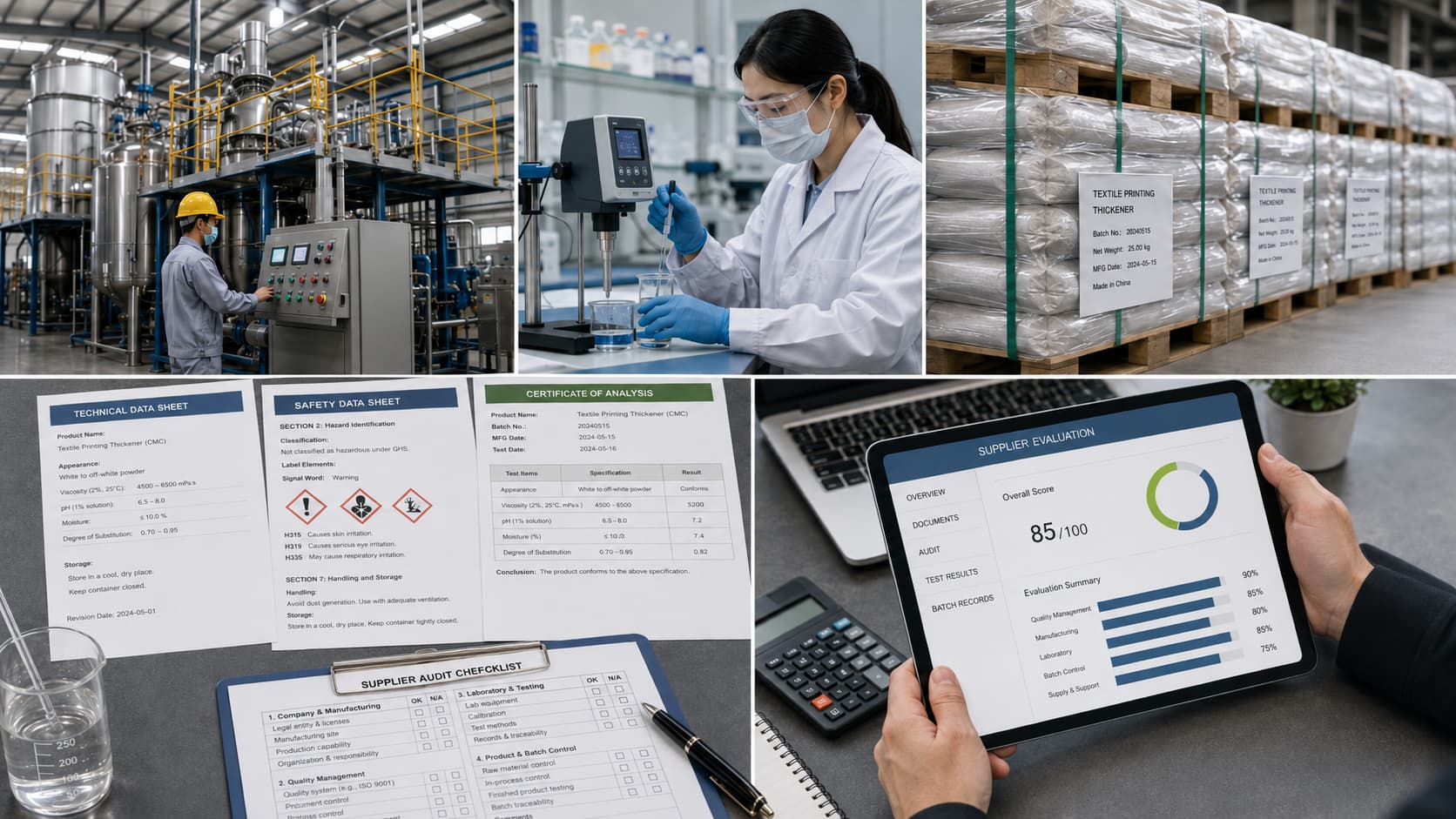















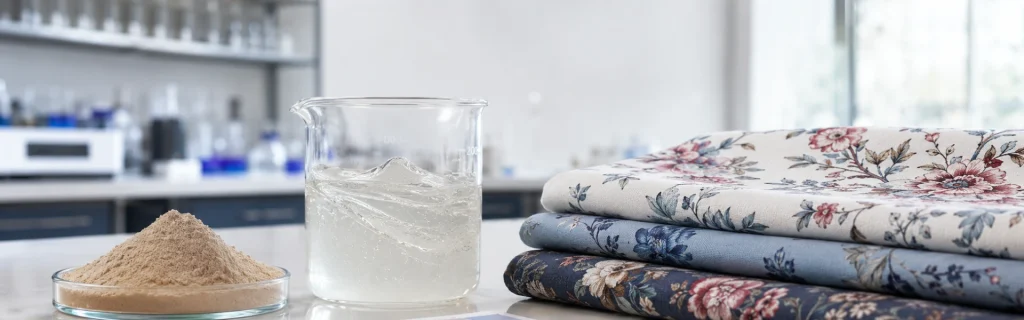
یہ رہنما بتاتا ہے کہ ٹیکسٹائل پرنٹنگ کے خریدار نمونے طلب کرنے، کوٹیشنز کا موازنہ کرنے یا بڑے آرڈرز دینے سے پہلے سوڈیم الگینیٹ کے سپلائرز کا زیادہ پیشہ ورانہ انداز میں کیسے جائزہ لے سکتے ہیں۔.
سوڈیم الگنیٹ کے لیے سپلائر کے انتخاب کی اہمیت
صرف مصنوعات کا نام موزونیت کی تصدیق نہیں کرتا۔
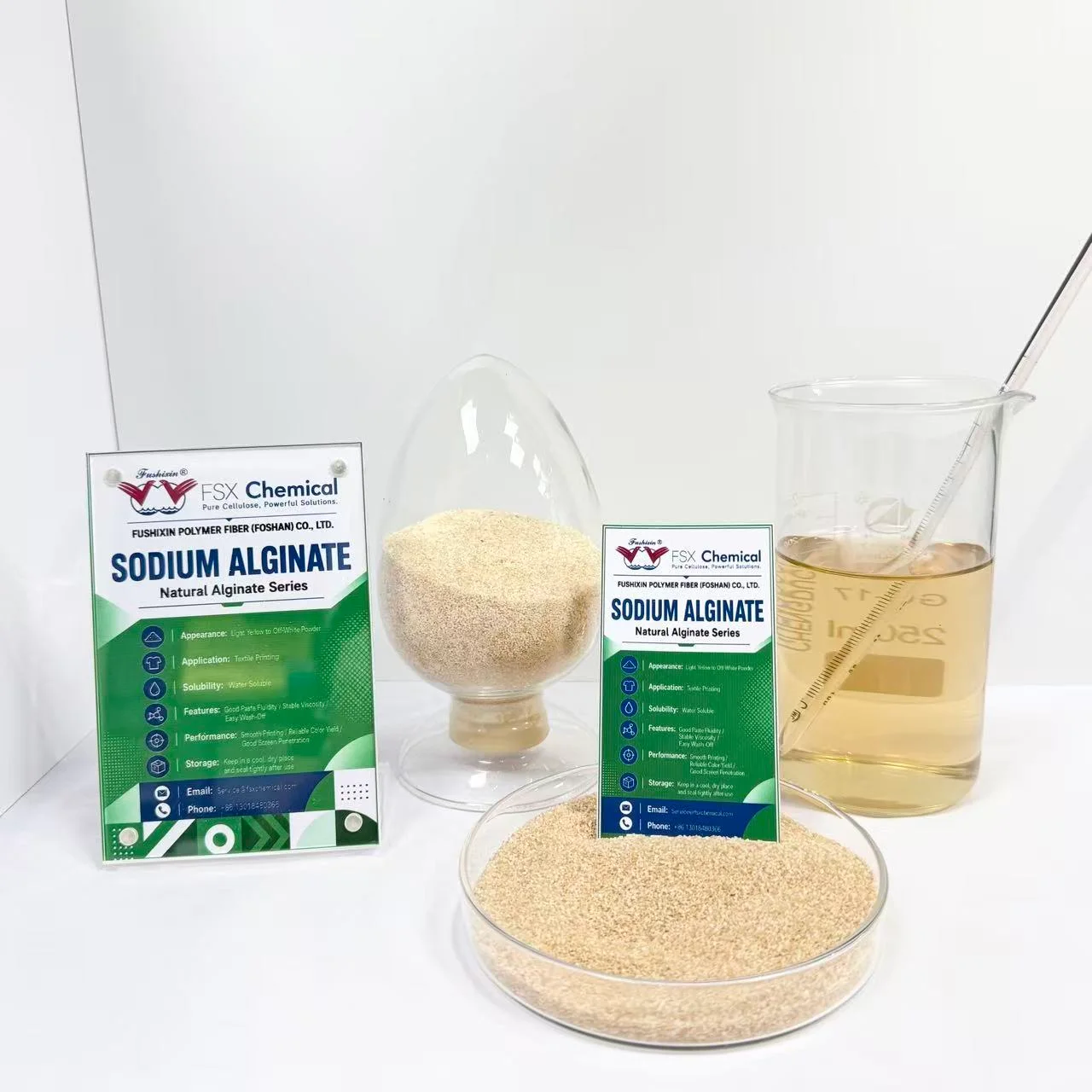
ایک ہی مصنوعات کا نام مختلف سوڈیم الگنیٹ گریڈز کو شامل کر سکتا ہے۔ دو مصنوعات پاؤڈر کی شکل میں ایک جیسی نظر آ سکتی ہیں، لیکن تحلیل، پیسٹ کی تیاری اور پرنٹنگ کے عمل کے دوران ان کا رویہ مختلف ہو سکتا ہے۔.
خریداروں کو صرف اس لیے سپلائر کی تصدیق نہیں کرنی چاہیے کہ مصنوعات کو “ٹیکسٹائل گریڈ سوڈیم الگینٹ” یا “صنعتی گریڈ سوڈیم الگینٹ” کہا جاتا ہے۔ اصل وضاحتی حدود اور ٹیسٹ کے نتائج زیادہ اہمیت رکھتے ہیں۔.
ٹیکسٹائل پرنٹنگ کے لیے پیسٹ کے مستحکم رویے کی ضرورت ہے۔
ٹیکسٹائل پرنٹنگ پیسٹ کی چپچپا پن، تحلیل کا رویہ، پیسٹ کی ہموار پن، چھانائی اور سکرین سے گزرنے کی صلاحیت پیداوار کے ہینڈلنگ پر اثر انداز ہو سکتی ہے۔ اگر سوڈیم الگنیٹ کا گریڈ مناسب نہ ہو تو فیکٹری کو اضافی فارمولیشن ایڈجسٹمنٹ یا غیر مستحکم پرنٹنگ کے نتائج کا سامنا کرنا پڑ سکتا ہے۔.
ایک قابلِ اعتماد سپلائر کو خریداروں کو صرف قیمتوں کی فہرست فراہم کرنے کے بجائے حقیقی استعمال کے حالات کے مطابق گریڈ کا جائزہ لینے میں مدد کرنی چاہیے۔.
دہرائے جانے والے آرڈرز کے لیے بیچ کی مستقل مزاجی ضروری ہے۔
ایک اچھا نمونہ کا نتیجہ صرف اس وقت قیمتی ہوتا ہے جب مستقبل کی بڑی مقدار میں ترسیلات طے شدہ وضاحتی حدود کے اندر رہ سکیں۔ خریداروں کو بڑی مقدار میں خریداری سے قبل COA کی حمایت، بیچ نمبر، لیبل کی معلومات اور پیکیجنگ کے فارمیٹ کی تصدیق کرنی چاہیے۔.
یہ خاص طور پر ان تقسیم کنندگان اور فیکٹریوں کے لیے اہم ہے جنہیں مستحکم اور مسلسل فراہمی کی ضرورت ہے۔.
درخواست کے مطابق آغاز کریں
چھپائی کے عمل کی تعریف کریں۔
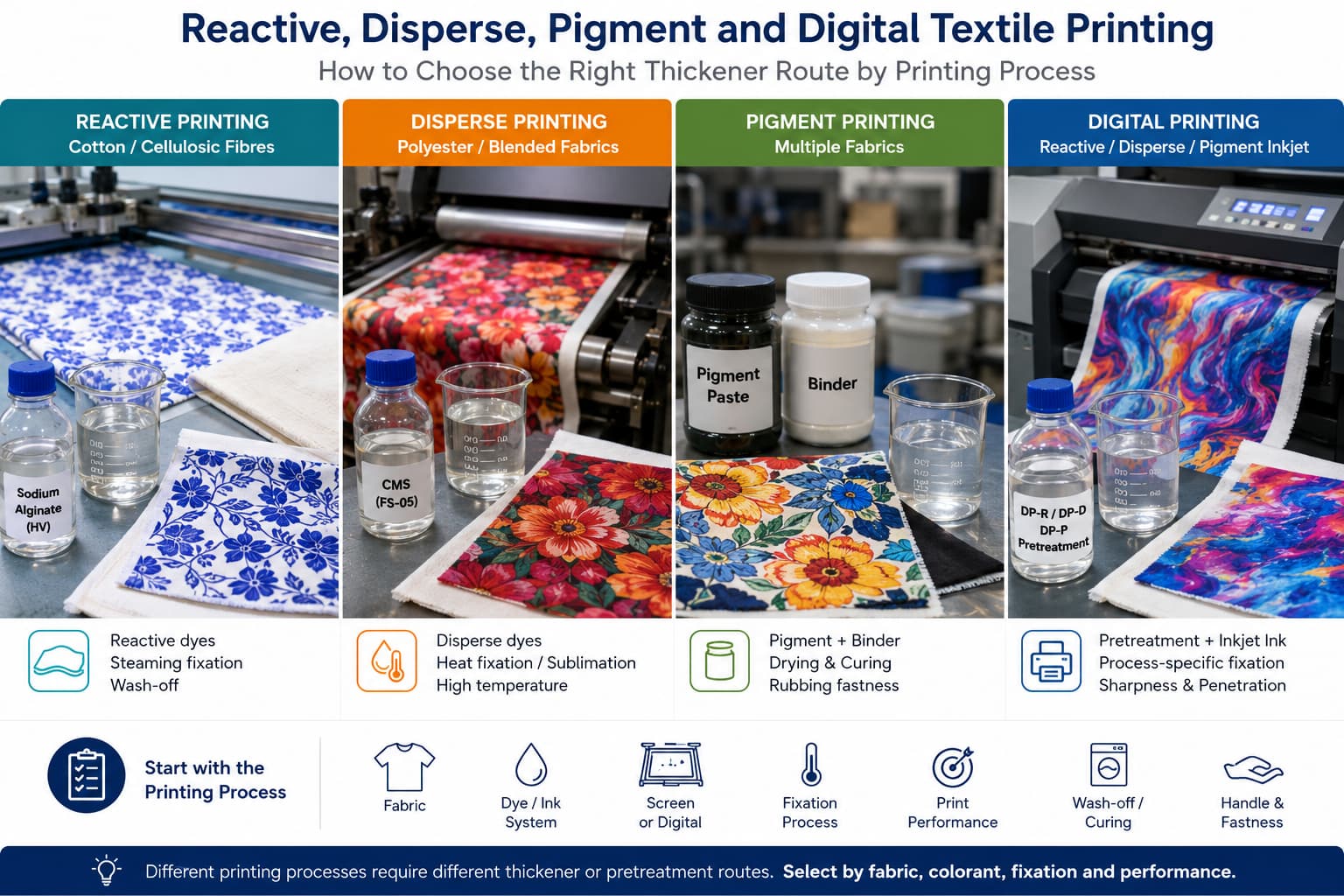
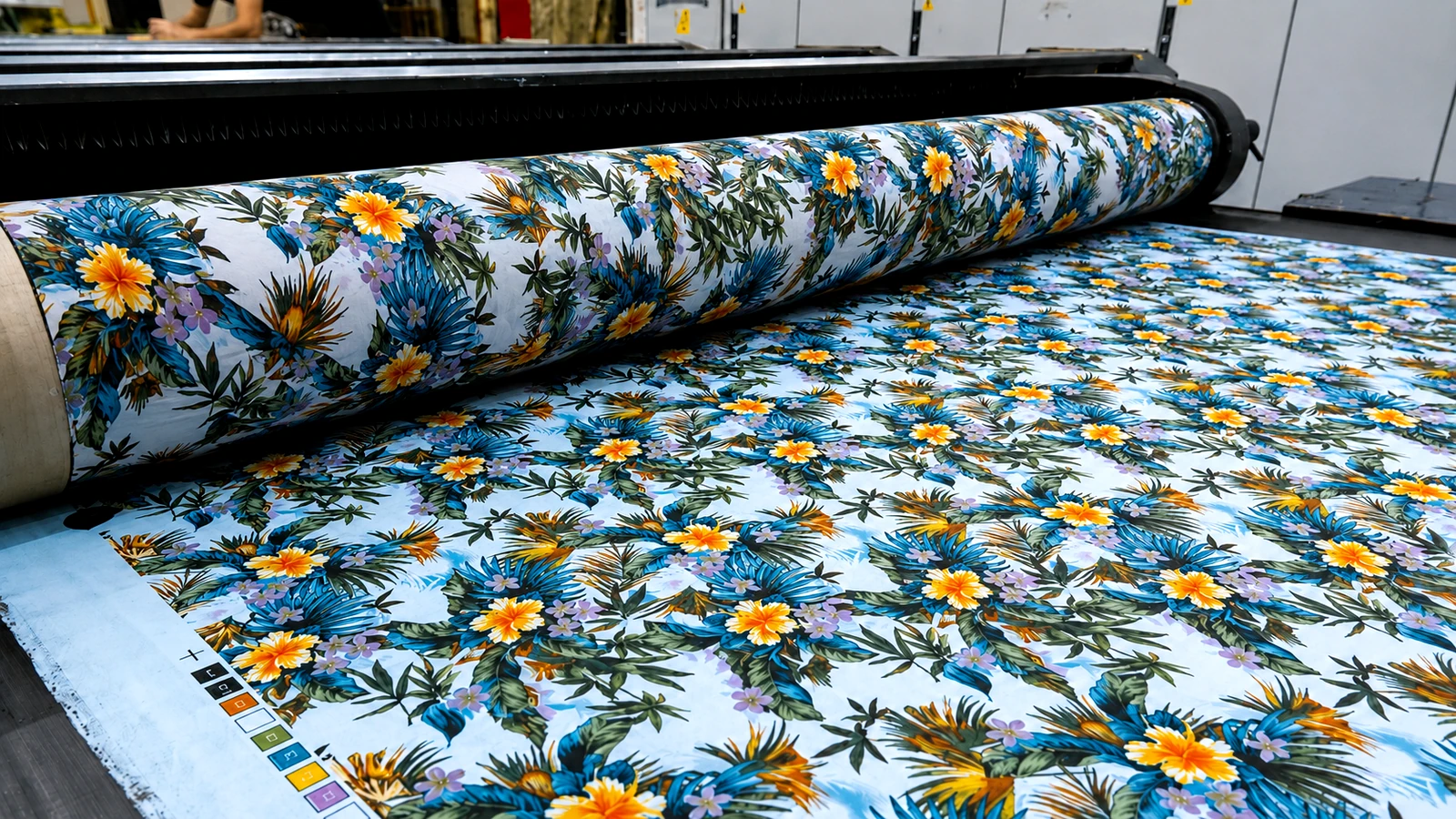
کوٹیشن طلب کرنے سے پہلے خریداروں کو اصل استعمال کی وضاحت کرنی چاہیے۔ ردعمل پذیر پرنٹنگ پیسٹ، سکرین پرنٹنگ، روٹری پرنٹنگ، ڈیجیٹل پری ٹریٹمنٹ، ٹیکسٹائل گاڑھا کرنے اور متعلقہ فارمولیشن سسٹمز کے لیے مختلف وسکوسیٹی اور ہینڈلنگ کے رویے کی ضرورت پڑ سکتی ہے۔.
فراہم کنندہ کو سوڈیم الگینٹ گریڈ کی سفارش کرنے سے پہلے خریدار کے عمل کے بارے میں پوچھنا چاہیے۔.
ہدف کی چپچپا پن شیئر کریں
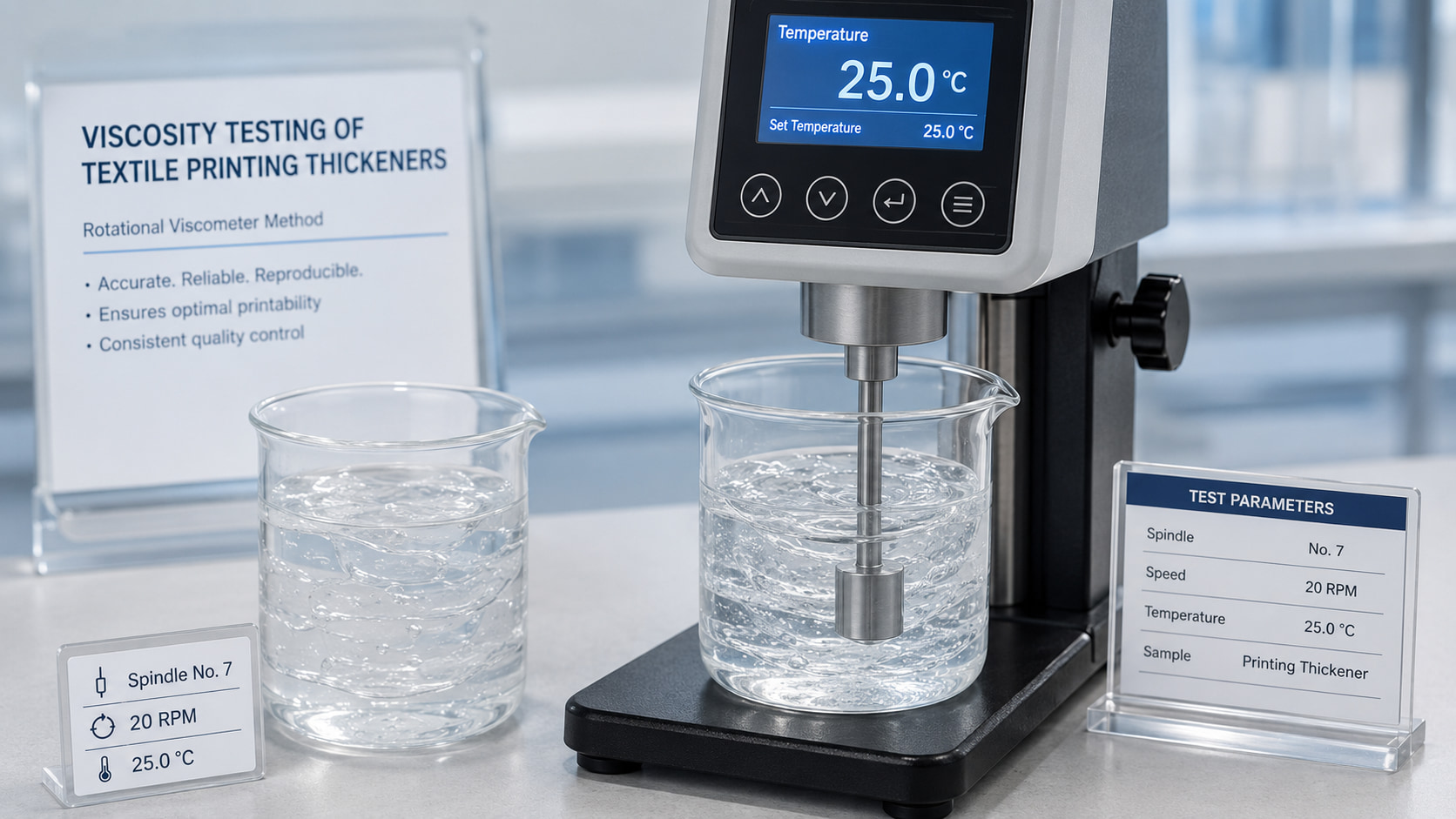
ویسکاسٹی ٹیکسٹائل پرنٹنگ میں استعمال ہونے والے سوڈیم الگینٹ کے لیے سب سے اہم پیرامیٹرز میں سے ایک ہے۔ خریداروں کو ہدف شدہ ویسکاسٹی کی حد، ٹیسٹ کی ارتکاز، درجہ حرارت، آلے کا طریقہ کار اور اگر دستیاب ہو تو یونٹ بھی فراہم کرنا چاہیے۔.
اس معلومات کے بغیر، سپلائر کی سفارشات بہت عمومی ہو سکتی ہیں۔.
موجودہ مصنوعات کی معلومات فراہم کریں
اگر خریدار موجودہ سوڈیم الگینٹ یا کسی اور گاڑھا کرنے والے مادے کو تبدیل کر رہا ہے تو موجودہ TDS، COA یا نمونے کی تفصیلات فراہم کرنے سے سپلائر کو زیادہ مناسب ابتدائی گریڈ تجویز کرنے میں مدد مل سکتی ہے۔.
یہ غیر ضروری نمونہ آزمائشوں کو کم کرتا ہے اور موازنہ کو زیادہ عملی بناتا ہے۔.
فراہم کنندہ کی منظوری سے قبل چیک کرنے کے لیے کلیدی وضاحتیں
ویسکاسٹی گریڈ اور جانچ کا طریقہ
وسکاسٹی کی اقدار کا ہمیشہ ٹیسٹنگ کے طریقہ کار کے ساتھ جائزہ لیا جانا چاہیے۔ خریداروں کو سپلائر کی جانب سے استعمال کی جانے والی ارتکاز، درجہ حرارت، آلے کا طریقہ کار اور یونٹ چیک کرنا چاہیے۔.
واضح ٹیسٹ کے طریقہ کار کے بغیر، مختلف سپلائرز کے چپچپا پن کے اعداد و شمار براہ راست قابل موازنہ نہیں ہو سکتے۔.
جالی کا سائز اور تحلیل کا رویہ
میش کا سائز پیسٹ کی تیاری کے دوران پھیلاؤ اور ہائیڈریشن کو متاثر کر سکتا ہے۔ تاہم، حقیقی تحلیل کا رویہ پانی کے معیار، ہلانے کی رفتار، اضافے کے طریقہ کار، تیاری کے وقت اور فارمولیشن کی شرائط پر بھی منحصر ہوتا ہے۔.
خریداروں کو اپنی پیداوار کی شرائط کے تحت تحلیل کی رفتار، گانٹھوں کی تشکیل، پیسٹ کی ہموار پن، اور چھانٹنے کے عمل کے رویے کا تجربہ کرنا چاہیے۔.
نمی، پی ایچ اور ظاہری شکل
نمی، پی ایچ اور ظاہری شکل بنیادی لیکن اہم معیار کے اشارے ہیں۔ یہ ذخیرہ، ہینڈلنگ، اندرونی معیار کے کنٹرول اور دوبارہ خریداری کو متاثر کرتے ہیں۔.
ان پیرامیٹرز کا TDS میں جائزہ لیا جانا چاہیے اور ہر پروڈکشن بیچ کے لیے COA ڈیٹا کے ذریعے تصدیق کی جانی چاہیے۔.
مواصفات کی حد اور رواداری
خریداروں کو یہ پوچھنا چاہیے کہ آیا فراہم کنندہ دہرائی جانے والی آرڈرز کے لیے ایک متفقہ وضاحتی حدود متعین کر سکتا ہے۔ اس سے نمونہ کی منظوری کو بڑے پیمانے پر فراہمی میں تبدیل کرتے وقت غلط فہمی سے بچنے میں مدد ملتی ہے۔.
متفقہ حد پیداوار کے لیے عملی ہونی چاہیے اور جہاں قابلِ اطلاق ہو بیچ COA ڈیٹا میں ظاہر ہونی چاہیے۔.
ایک قابلِ اعتماد سوڈیم الگینیٹ سپلائر کو فراہم کردہ دستاویزات
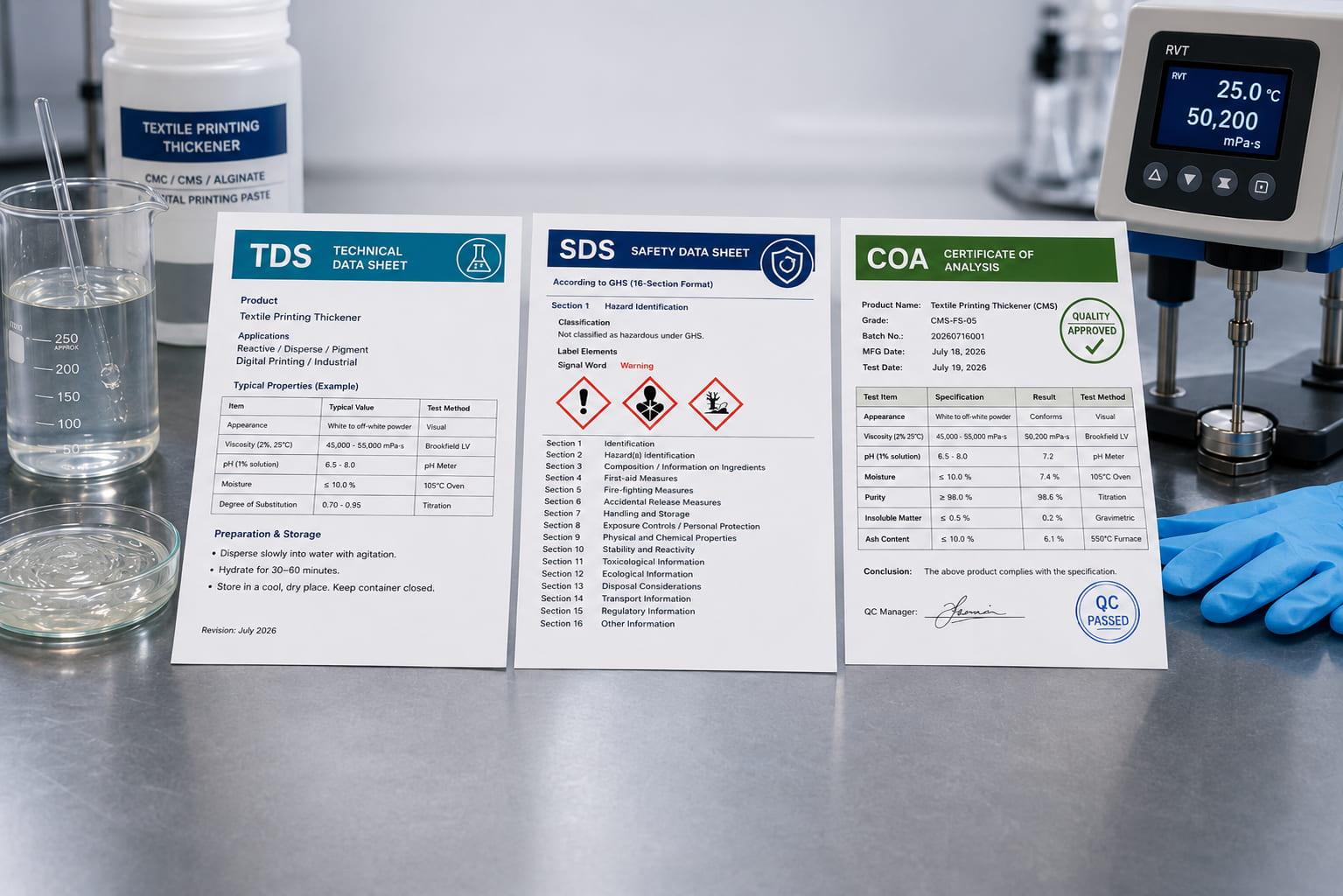
تفصیلی جائزے کے لیے TDS
ٹیکنیکل ڈیٹا شیٹ خریداروں کو معیاری مصنوعات کی وضاحت کا جائزہ لینے میں مدد دیتی ہے۔ اس میں ظاہری شکل، چپچپا پن، جالی کا سائز، نمی، پی ایچ، ذخیرہ کرنے کے حالات، اور جانچ کا طریقہ شامل ہونا چاہیے۔.
TDS ابتدائی گریڈ اسکریننگ کی حمایت کرتا ہے، لیکن اسے خریدار کی اپنی ترکیب میں نمونہ جانچ کا متبادل نہیں ہونا چاہیے۔.
بیچ کی تصدیق کے لیے COA
تجزیاتی سرٹیفکیٹ مخصوص پیداواری بیچ کے حقیقی اعداد و شمار کی تصدیق کرتا ہے۔ یہ بڑے آرڈرز، بار بار خریداری، تقسیم کاروں کی فراہمی، اور اندرونی کوالٹی کنٹرول کے لیے اہم ہے۔.
خریدار شپمنٹس کے دوران COA ریکارڈز کا موازنہ کر سکتے ہیں تاکہ یہ جانچ سکیں کہ آیا کلیدی پیرامیٹرز طے شدہ حدود کے اندر ہیں یا نہیں۔.
ہینڈلنگ اور شپمنٹ کے لیے ایس ڈی ایس کا جائزہ
سیفٹی ڈیٹا شیٹ ہینڈلنگ، ذخیرہ، نقل و حمل اور اندرونی حفاظتی جائزے میں معاون ہے۔ بین الاقوامی خریداری کے لیے شپمنٹ اور کسٹمز سے متعلق رابطے کے لیے بھی ایس ڈی ایس درکار ہو سکتی ہے۔.
خریداروں کو یقینی بنانا چاہیے کہ SDS میں درج مصنوعات کا نام اور سپلائر کی معلومات آرڈر کے دستاویزات سے مطابقت رکھتی ہوں۔.
اضافی صارف یا تعمیل کے دستاویزات
اگر خریدار کو ممنوعہ مادّوں کے بیانات، ماحولیاتی دستاویزات، صارف کے آڈٹ سوالنامے، سرٹیفیکیٹ کی نقول یا تیسرے فریق کی جانچ میں معاونت درکار ہو تو ان ضروریات پر آرڈر کی تصدیق سے قبل بات ہونی چاہیے۔.
ایک عملی فراہم کنندہ کو واضح طور پر بتانا چاہیے کہ کون سے دستاویزات فراہم کی جا سکتی ہیں اور کون سے دعووں کے لیے باضابطہ تیسرے فریق کی جانچ یا تصدیق درکار ہے۔.
بulk purchase سے پہلے سوڈیم الگنیٹ سپلائر کا ٹیسٹ کیسے کریں
حقیقی فارمولیشن ٹیسٹنگ کے لیے نمونہ طلب کریں
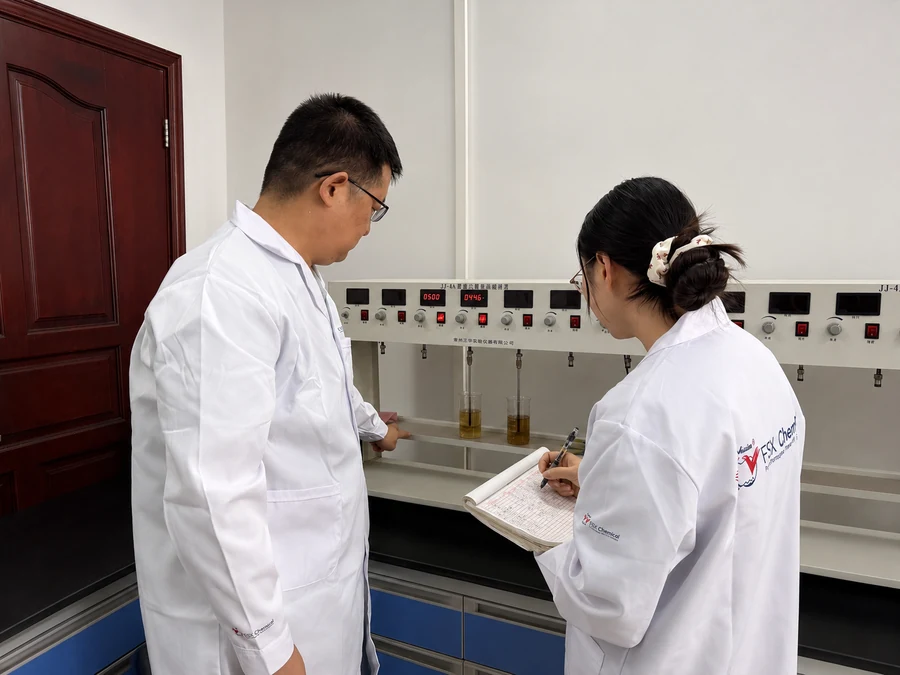
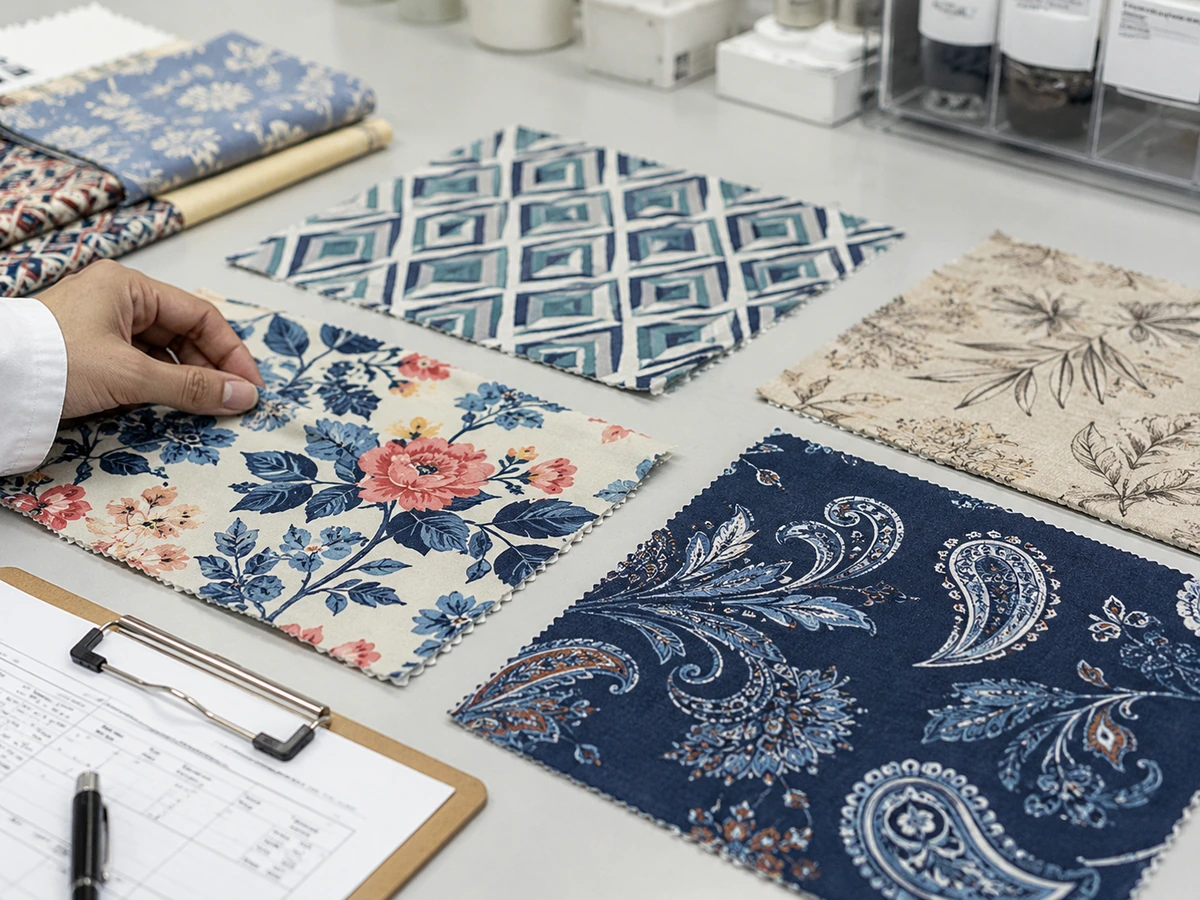
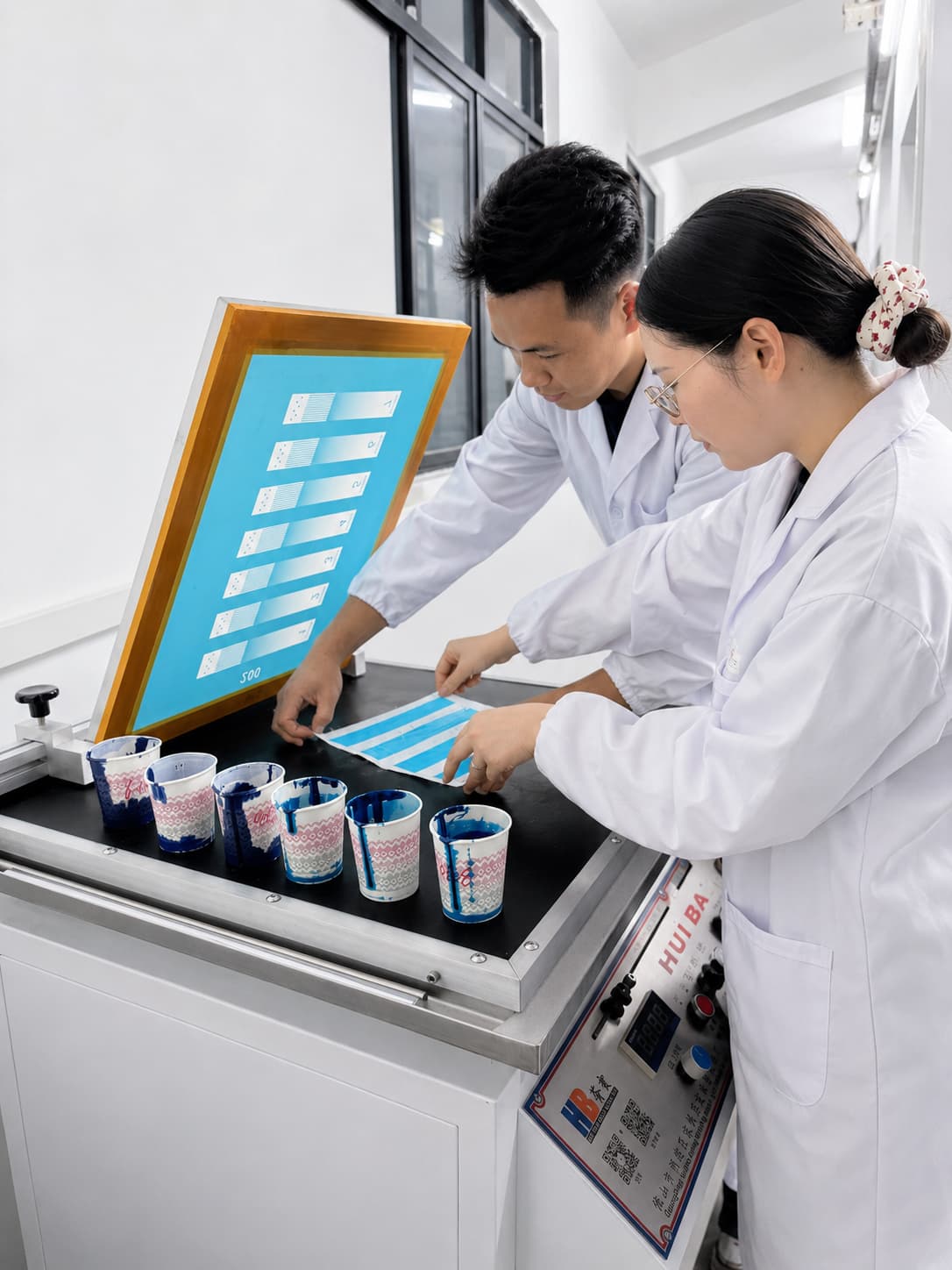
جہاں تک ممکن ہو، نمونہ کی جانچ خریدار کے اپنے پرنٹنگ پیسٹ کے فارمولیشن میں کی جانی چاہیے۔ رنگ، معاون مادّے، پانی کا معیار، پی ایچ، ہلانے کا طریقہ، پیسٹ کی گاڑھائی اور کھڑا رہنے کا وقت، یہ سب حتمی پیسٹ کے رویے کو متاثر کر سکتے ہیں۔.
صرف صاف پانی میں جانچ کرنا یہ تصدیق کرنے کے لیے کافی نہیں ہو سکتا کہ سوڈیم الگنیٹ کا گریڈ پیداوار کے لیے مناسب ہے۔.
عملی پیداوار کے رویے کو ریکارڈ کریں
جانچ کے دوران خریداروں کو تحلیل کی رفتار، پیسٹ کی نرمی، گانٹھوں کی تشکیل، چھانٹنے کا رویہ، چپکاوٹ میں استحکام، جالی سے گزرنے کی صلاحیت اور استعمال کے دوران ہینڈلنگ کا مشاہدہ کرنا چاہیے۔.
یہ عملی مشاہدات اکثر ٹی ڈی ایس میں دکھائے گئے وضاحتی اعداد و شمار جتنے ہی اہم ہوتے ہیں۔.
موجودہ پروڈکٹ کے ساتھ موازنہ کریں
اگر خریدار پہلے ہی سوڈیم الگینٹ یا کوئی اور گاڑھا کرنے والا استعمال کر رہا ہے تو نئے نمونے کو موجودہ مصنوعات کے ساتھ ایک ہی حالات میں آزمایا جانا چاہیے۔.
یہ خریداروں کو یہ جانچنے میں مدد دیتا ہے کہ تجویز کردہ گریڈ تکنیکی طور پر مناسب ہے یا نہیں، قبل اس کے کہ وہ بڑی مقدار میں فراہمی پر بات کریں۔.
نمونے سے بلک تک مطابقت کی تصدیق کریں
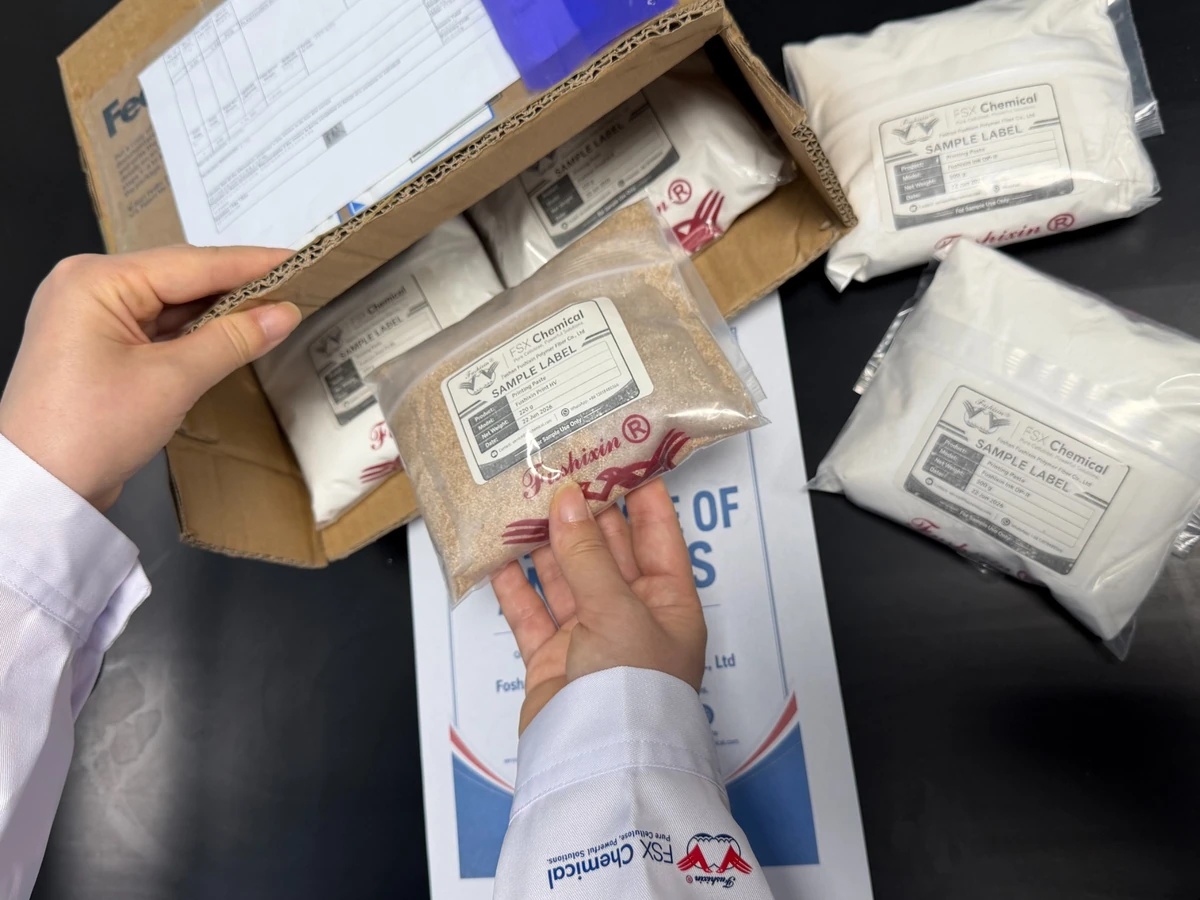
بulk آرڈر کی تصدیق کرنے سے پہلے خریداروں کو یہ چیک کرنا چاہیے کہ منظور شدہ نمونہ اور بulk شپمنٹ ایک ہی چپچپا پن کی حد، میش سائز، پیکیجنگ کے فارمیٹ، بیچ ٹریسیبلٹی اور COA کی ضروریات پر پورا اتریں گے۔.
یہ نمونے کی منظوری کے خطرے کو کم کرنے میں مدد کرتا ہے، لیکن بعد میں غیر مستحکم پیداواری کارکردگی کا باعث بن سکتا ہے۔.
فراہم کنندہ کے کوٹیشن میں کیا چیک کریں
درجہ اور وضاحت
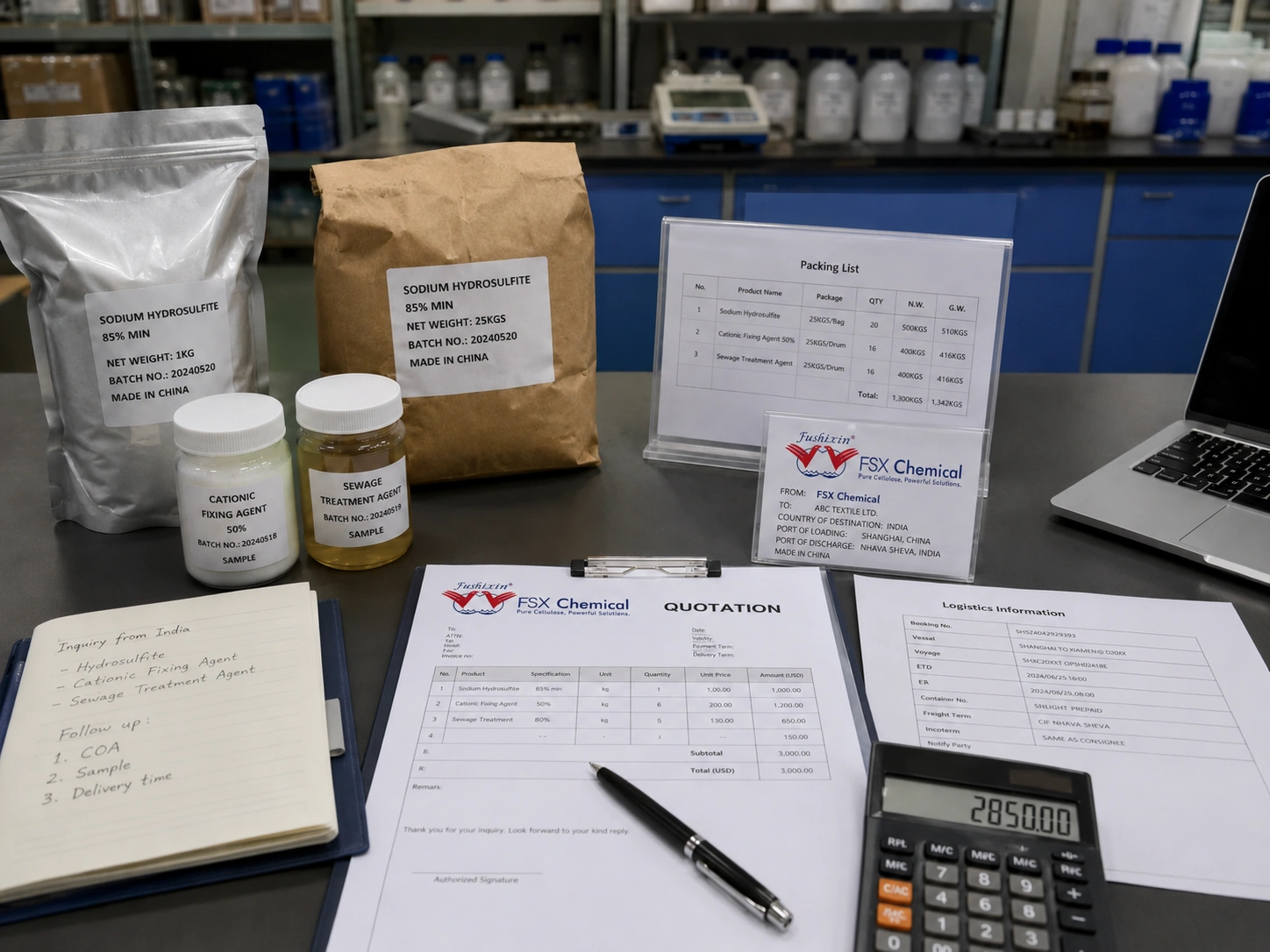
اقتباس میں واضح طور پر مصنوعات کا نام، گریڈ، ویسکاسٹی کی حد، جانچ کا طریقہ، پیکیجنگ، آرڈر کی مقدار اور تجارتی شرائط دکھائی جانی چاہئیں۔.
خریداروں کو مختلف وضاحتوں یا مختلف شپمنٹ شرائط پر مبنی کوٹیشنز کا موازنہ کرنے سے گریز کرنا چاہیے۔.
کم از کم آرڈر کی مقدار اور آزمائشی آرڈر کی مقدار
کم از کم آرڈر کی مقدار (MOQ)، نمونے کی مقدار، آزمائشی آرڈر کی مقدار اور بڑے پیمانے پر آرڈر کی مقدار کو واضح طور پر زیرِ بحث لانا چاہیے۔ اس سے خریداروں کو اندرونی جانچ اور دوبارہ خریداری کی منصوبہ بندی کرنے میں مدد ملتی ہے۔.
پیکیجنگ اور لیبل کی ضروریات
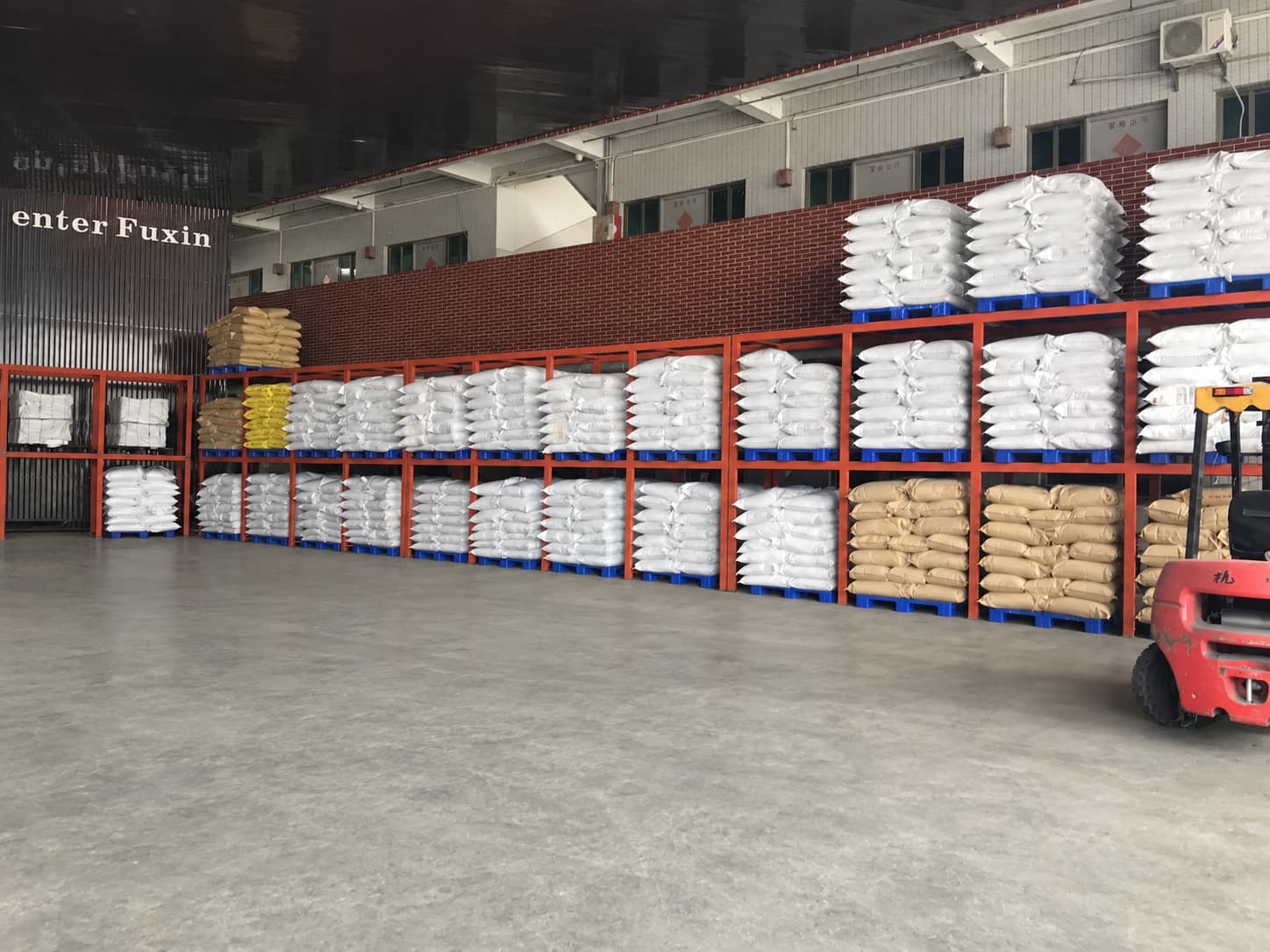
پیکیجنگ کا سائز، بیگ کی قسم، خالص وزن، پیلیٹ کی ضروریات، لیبل کی معلومات، بیچ نمبر، اور ذخیرہ کرنے کے حالات کو شپمنٹ سے پہلے تصدیق کیا جانا چاہیے۔.
اگر خریدار کے پاس ڈسٹری بیوٹر لیبلز یا خصوصی پیکیجنگ کی ضروریات ہوں تو آرڈر کی تصدیق سے پہلے ان پر تبادلہ خیال کیا جانا چاہیے۔.
دستاویزات کی برآمد اور شپنگ کے شرائط
بین الاقوامی خریداری کے لیے خریداروں کو انوائس، پیکنگ لسٹ، COA، SDS، لیبلز اور دیگر برآمدی دستاویزات درکار ہو سکتی ہیں۔ مطلوبہ دستاویزات کی فہرست منزل ملک، مصنوعات کی قسم اور اندرونی خریداری کے عمل کے مطابق مختلف ہو سکتی ہے۔.
لیڈ ٹائم، انکٹرمز، ادائیگی کی شرائط اور شپمنٹ پلان کو بھی آرڈر کی تصدیق سے قبل تحریری طور پر تصدیق کیا جانا چاہیے۔.
سوڈیم الگنیٹ کے سپلائر کے انتخاب میں عام غلطیاں
صرف سب سے کم قیمت کی بنیاد پر انتخاب
اگر کوئی مصنوعہ غیر مستحکم چپچپا پن، ناقص تحلیل، چھانٹنے میں دشواری یا اضافی فارمولیشن ایڈجسٹمنٹ پیدا کرتا ہے تو کم قیمت بھی اقتصادی طور پر مؤثر نہیں ہو سکتی۔.
خریداروں کو قیمت کے ساتھ ساتھ وضاحت، نمونہ کی جانچ، COA کے اعداد و شمار، پیکیجنگ اور برآمدی معاونت کا موازنہ کرنا چاہیے۔.
دستاویزات کے بغیر وسیع دعوے قبول کرنا
جب “تصدیق شدہ”، “ماحول دوست”، “اعلیٰ کارکردگی”، “تیز ترسیل” یا “عالمی سپلائر” جیسے دعوے خریداری کے فیصلے کے لیے اہم ہوں تو انہیں دستاویزات، متفقہ شرائط یا ٹیسٹ کے اعداد و شمار کے ذریعے ثابت کرنا چاہیے۔.
ویسکاسٹی ٹیسٹ کے طریقہ کار کو نظر انداز کرنا
دو ویسکوسٹی کی قدریں ایک جیسی نظر آ سکتی ہیں لیکن مختلف ارتکازات، درجات حرارت یا آلات کے تحت ناپی گئی ہو سکتی ہیں۔.
خریداروں کو سپلائرز کا موازنہ کرنے سے پہلے ٹیسٹ کے طریقہ کار کی جانچ کرنی چاہیے۔.
نمونے کی منظوری کو چھوڑنا
ٹیکسٹائل پرنٹنگ کے اطلاقات کے لیے، بڑی مقدار میں خریداری سے پہلے نمونوں کا ٹیسٹ کرنا ضروری ہے، خاص طور پر جب موجودہ مصنوعات کو تبدیل کرنا ہو یا سپلائر تبدیل کرنا ہو۔.
FSX کیمیکل سوڈیم الگینیٹ خریداروں کی کس طرح مدد کرتا ہے
اگلے اقدامات
- اپنی درخواست شیئر کریں — ہمیں اپنی پرنٹنگ کا عمل، کپڑے کی قسم، رنگ ساز نظام، مطلوبہ چپچپا پن، اور موجودہ پیسٹ کی ترکیب بتائیں۔.
- درجے کے ملاپ کی درخواست — اپنی پیداوار کے حالات کی بنیاد پر مناسب سوڈیم الگنیٹ گریڈ کے لیے درخواست کریں۔.
- TDS کی درخواست کریں — چک کریں: چپچپا پن، جال کا سائز، پی ایچ، نمی، ظاہری شکل، ذخیرہ کرنے کے حالات، اور جانچ کا طریقہ۔.
- لاگت اور مالی اعانت کی تفصیلات کا تقاضا کریں — شپمنٹ سے پہلے تصدیق کریں کہ بیچ کا ڈیٹا متفقہ وضاحتی حدود سے مطابقت رکھتا ہے۔.
- ایس ڈی ایس کی درخواست کریں — ہینڈلنگ، ذخیرہ، نقل و حمل اور مصنوعات کی معلومات چیک کریں۔.
- نمونہ طلب کریں — بڑے آرڈرز کی تصدیق کرنے سے پہلے اپنی پیسٹ کی تیاری اور پرنٹنگ کے حالات میں تجویز کردہ سوڈیم الگینیٹ گریڈ کا تجربہ کریں۔.
- اقتباس کی تفصیلات کی تصدیق کریں — گریڈ، وضاحتی حدود، کم از کم آرڈر کی مقدار (MOQ)، پیکیجنگ، آرڈر کی مقدار، ادائیگی کی شرائط، شپمنٹ کی شرائط، اور دستاویزی ضروریات۔.
- پیکیجنگ اور برآمدی دستاویزات کی تصدیق کریں — شپمنٹ سے پہلے بیگ کے سائز، لیبلز، بیچ کی ٹریسیبلٹی، انوائس، پیکنگ لسٹ، COA، SDS اور دیگر ضروری دستاویزات کی جانچ کریں۔.
- ہماری تکنیکی ٹیم سے رابطہ کریں — اپنے ٹیکسٹائل پرنٹنگ کے لیے کون سا سوڈیم الگینٹ گریڈ اور دستاویزی سپورٹ موزوں ہیں، اس پر تبادلہ خیال کریں۔ درخواست📧 ای میل: Service@fsxchemical.comاوم